
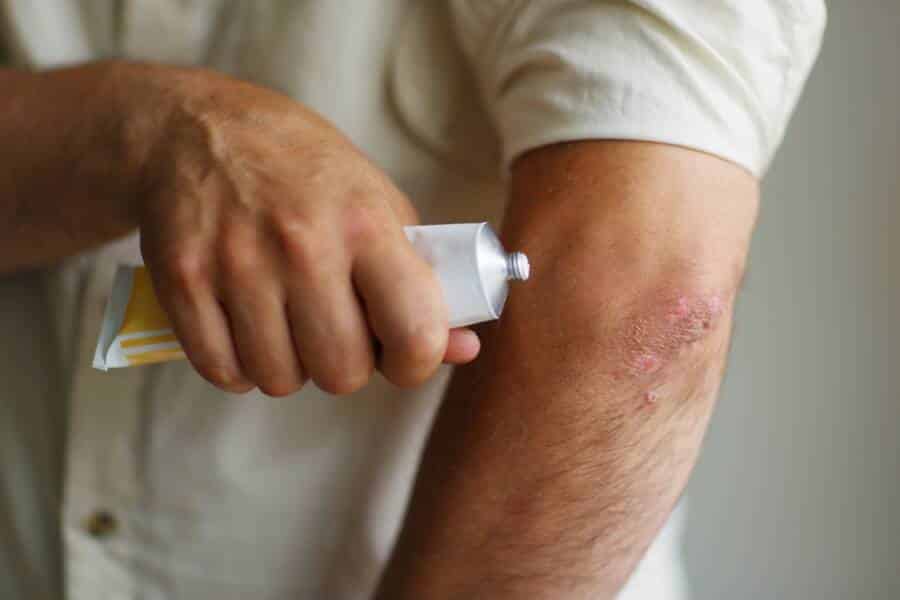
Do you know these psoriasis triggers?
According to a 2021 study, psoriasis affects an estimated 7.55 million adults in the United States. What makes this statistic incredible is that these numbers roughly translate to 3% of the whole adult population of the US.
Psoriasis is a chronic condition that affects the quality of life due to its symptoms: red, itchy patches. This disease is not always active, and there are ways to keep it under control, but there are some triggers you should definitely know more about. In this article, we’ll discuss the culprits behind unexpected flare-ups.
You might feel completely ok and respect all the indications your doctor gave you, and then, out of nowhere, a flare-up appears. Any of the many psoriasis triggers can cause it, and knowing even the most unexpected ones can help you take back control.
Arm yourself with the right information and get ready to uncover the hidden psoriasis triggers.

1. Smoking
This is one of the main psoriasis triggers so if you plan to tame this condition, you should consider giving up smoking. Studies show that psoriasis and smoking don’t go hand in hand, and we are here to support this idea. For example, a 2016 report in the journal “Psoriasis” makes it clear that there is a link between smoking and the severity and onset of this condition.
Also, inflammation increases the chances of getting this condition, and if you already have it, smoking-related inflammation will make the symptoms worse and harder to manage. Smoking triggers inflation throughout the body, and this exacerbates the way psoriasis manifests.
On top of that, smoking also constricts the blood vessels. This means there is less space for oxygen to pass, and in the end, your skin will get fewer nutrients and less oxygen. This impaired circulation is well known to aggravate the symptoms, and this is why smoking is definitely one of the most dangerous psoriasis triggers.
The more you smoke, the greater the risk of flares. Once you stop smoking, your symptoms will be easier to manage, and this is why doctors who treat psoriasis patients advise them to do so.
2. Sun exposure and hot temperature
These psoriasis triggers are quite interesting, as the UV rays are a double-edged sword for those suffering from this condition. Why do we say that? Well, the rays of the sun have an anti-inflammatory effect, and this will soothe your skin. On the other hand, too much sun exposure can backfire, and because of the overheating, it can trigger a flare-up.
The key is moderation. You can expose your skin to the sun, but do it in moderation and always use sun protection. A SPF of 30 or higher is recommended for everyone, and they should also plan outside activities for cool mornings and evenings.
Also, try to avoid humidity as much as possible. This is another one of the triggers of psoriasis, and because of this, we recommend limiting showers and baths to 10 minutes and always dressing lightly to avoid sweating.
3. Stress
Speaking of psoriasis triggers, we can’t forget about stress. Psoriasis and stress have a complex two-way relationship, and even if the exact science behind all of it is not well known, cortisol certainly plays an important role.
Cortisol causes inflammation in the body and raises the body temperature. Both of these factors are known to trigger psoriasis. And the worst part is that this can become a vicious cycle. Your psoriasis reappears because of stress, and then you stress because of the red and itchy lesions.
But, hopefully, you can break free from this cycle. Regular exercise is known to relieve stress, and besides this, because of the relaxation, it also reduces inflammation. Also, yoga and meditation can help relieve stress.
If you think that you are not able to manage stress by yourself, you can always seek professional help. A therapist can equip you with the tools you need to combat stress, and they can create a personalized stress-reduction plan.
4. Medication
At some point, most of us will need to take some medications. They can be lifesavers and shield us against various conditions, but unfortunately, some of them can be hidden psoriasis triggers.
But there is also some good news! You can work with your doctor to minimize these effects. Yes, this is possible, and we strongly recommend that you talk with your doctor if you notice that any of your medications seem to activate your flare-ups.
Here are some of the most well-known medications that act as psoriasis triggers: ACE inhibitors and beta-blockers, indomethacin, chloroquine, and lithium. Sometimes even the medications designed to treat psoriasis—corticosteroids—might cause a flare-up if stopped abruptly.
Always ask questions and discuss any concerns with your physician. Working together is the only way to manage the symptoms of psoriasis better.
5. Dryness and cold temperatures
If you are living with psoriasis, then you surely know that winter can be a particularly challenging season. The cold temperatures and the dryness of the air are some well-known psoriasis triggers.
This happens because the cold temperatures constrict the blood vessels, and in the end, your skin will not get the nutrients that help it get moisture. When the skin is dry, the outer layer gets disrupted, which causes cracks and breaks. The cracks trigger inflammation, and in the end, a flare-up will appear.
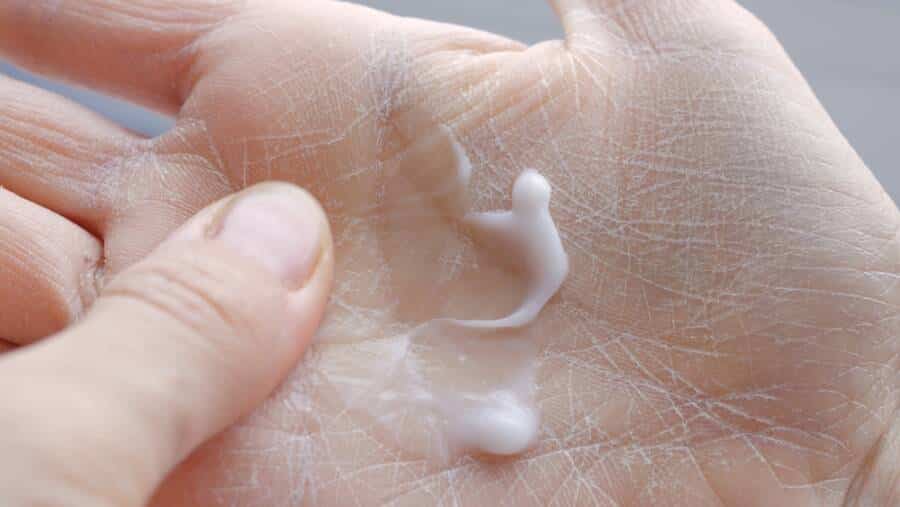
Some strategies can help, and we are here to tell you about them. First of all, keep your skin moisturized by using a fragrance-free cream, and always reapply it after bathing and whenever you feel it’s necessary. Also, warm baths will always be better than hot showers.
Keep yourself hydrated and drink lots of water. Keep your skin hydrated from the inside out. Purchasing a humidifier is a great idea, and the perfect setting is somewhere between 30 and 50% humidity. This will create a more skin-friendly environment.
6. Infections
Each time your body has to fight an infection, it will use anything it has to destroy the intruders. Some bacterial infections might act as psoriasis triggers, and bacterial infections like streptococci and impetigo, as well as common viruses like colds and influenza, can all trigger a flare-up.
Generally, this is a phenomenon that is common among kids because of their weak immune systems. Seniors might be affected too.
Also, HIV is another factor that might worsen the symptoms of psoriasis, even if it doesn’t cause flare-ups. Hopefully, HIV therapy is effective; it reduces inflammation, and in the end, it can significantly reduce the severity of psoriasis outbreaks.
Let your doctor know about any infections you are suffering from. Even if they seem minor, they can be psoriasis triggers, and creating an effective plan alongside your doctor is the best way to manage the symptoms of psoriasis.
If you want to start living a healthier life, diet plays a big role. By eating the right things, you can eliminate some psoriasis triggers, and we believe this book might help: Psoriasis Cookbook + Meal Plan: A Complete Guide to Relief With 75 Anti-Inflammatory Recipes
You should also read: You May Have a Sun Allergy Without Knowing – Here Are the Signs







Leave a Reply