

Protecting your kidney function during your senior years requires recognizing the subtle shifts your body makes before major damage occurs. Catching chronic kidney disease stage 3 gives you a crucial window to halt its progression through manageable medical and lifestyle interventions. Unfortunately, the symptoms of declining kidney function frequently masquerade as ordinary signs of aging, leaving many older adults completely unaware of their underlying condition. By understanding how your kidneys signal distress, you can secure timely evaluations from your healthcare team. Learning to identify these six commonly missed warning signs empowers you to advocate for specific routine screenings and take immediate control of your long-term vitality rather than waiting for an unexpected health emergency.
The Science Behind Stage 3 Kidney Decline
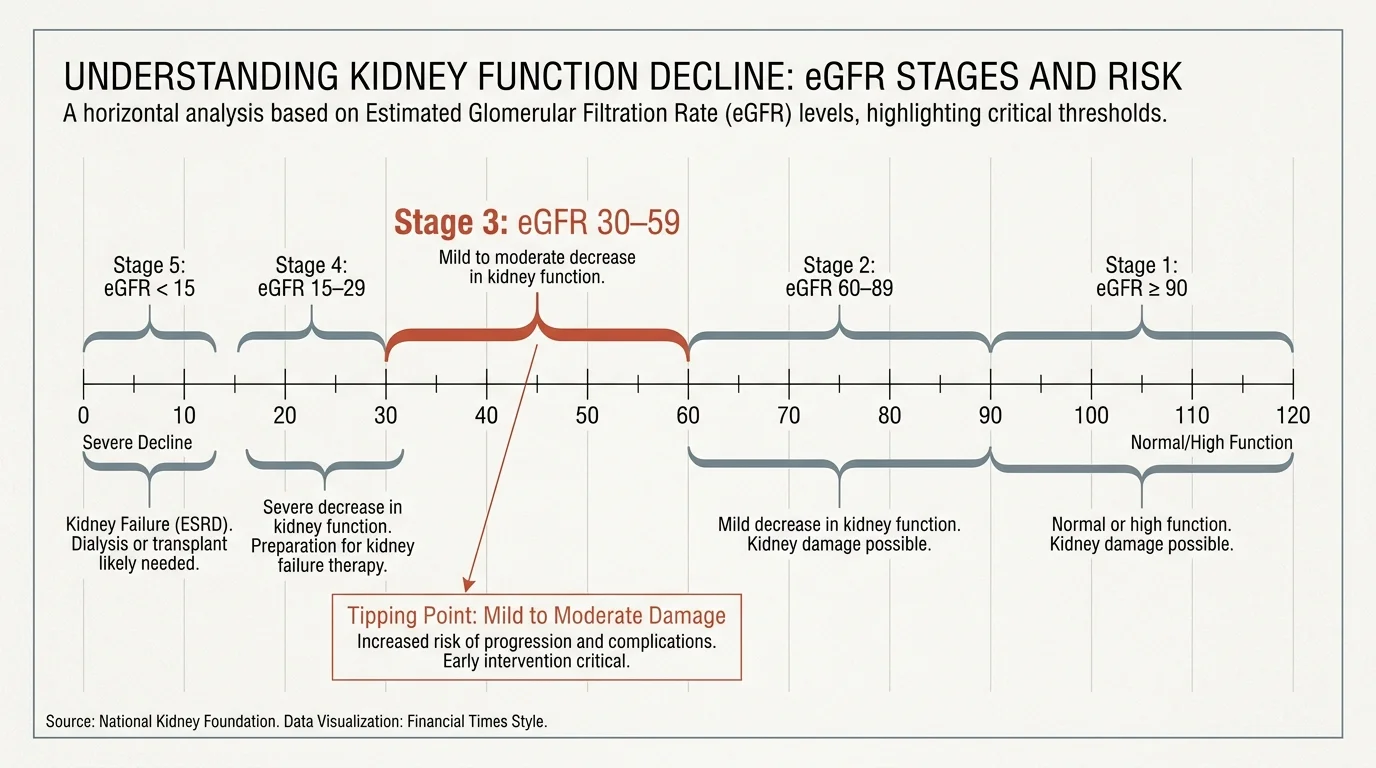
Chronic kidney disease progresses through five stages based on your estimated glomerular filtration rate, or eGFR. This metric reveals how effectively your kidneys filter waste from your blood. In stage 3, your eGFR falls between 30 and 59, signaling mild to moderate kidney damage. During earlier stages, your kidneys compensate well, hiding structural damage. However, stage 3 is the tipping point where waste products, known as uremia, begin accumulating. The Centers for Disease Control and Prevention states that more than one in seven United States adults has chronic kidney disease, yet the vast majority remain completely oblivious. The onset of stage 3 is notoriously quiet. Older adults frequently attribute their changing physical landscape to normal aging or conditions like arthritis. Catching this physiological shift provides your best opportunity to preserve remaining kidney function.

Six Covert Warning Signs of Stage 3 Kidney Disease
Persistent Fatigue and Generalized Weakness
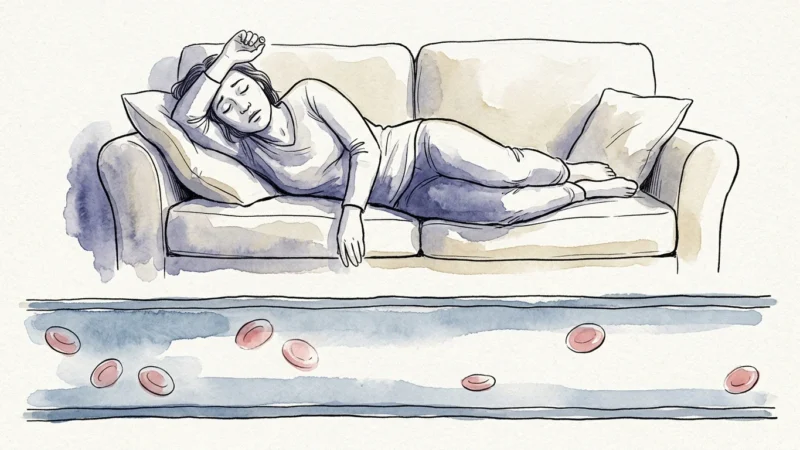
Feeling unusually tired often gets brushed aside as a normal part of getting older, but profound fatigue serves as a primary indicator of kidney distress. Healthy kidneys produce erythropoietin, a hormone directing your bone marrow to manufacture oxygen-carrying red blood cells. As function declines in stage 3, the production of this vital hormone drops. The resulting shortage causes anemia, depriving your brain and muscles of optimal oxygen. If you find yourself exhausted after a full night of rest or lacking stamina for daily activities, you should ask your doctor for a complete blood count and a kidney panel.
Subtle Changes in Urination Patterns
Your bathroom habits offer a direct window into your renal health. During stage 3, the filtration units inside your kidneys—the nephrons—suffer damage that alters how your body processes fluids. You might notice a sudden need to urinate multiple times throughout the night. Additionally, damaged kidney filters often leak protein into your urine. This proteinuria creates a noticeable foamy or bubbly appearance in the toilet bowl that persists even after flushing. Paying attention to these nocturnal interruptions and visual changes can prompt early medical intervention before further structural damage occurs.
Unexplained Swelling in the Lower Extremities
When your kidneys lose their filtering efficiency, they struggle to expel excess sodium and fluid. Gravity forces this retained fluid to pool in your lower extremities, leading to noticeable swelling in your feet, ankles, and lower legs. This condition, known clinically as edema, often worsens toward the evening or after periods of sitting. While mild swelling can result from certain blood pressure medications, pitting edema—where pressing a finger into the swollen area leaves a temporary indentation—warrants immediate medical evaluation. Monitoring your shoes to see if they suddenly feel tight provides a practical way to track fluid retention.
Intensely Itchy and Dry Skin
Seniors frequently battle dry skin due to decreased natural oil production, making it easy to ignore worsening dermatological issues; however, the intense, deep-seated itching associated with advanced kidney decline stems from a complex internal imbalance rather than surface-level dryness. As your kidneys fail to maintain the proper balance of minerals in your blood, phosphorus levels begin to rise. This mineral disorder manifests as severe, unrelenting pruritus that standard moisturizing lotions cannot relieve. If you experience persistent itching accompanied by a pale or yellowish skin tone, your body might be signaling a buildup of unfiltered toxins.
Sudden and Painful Muscle Cramps
Electrolytes like calcium, potassium, and phosphorus facilitate smooth muscle contractions throughout your body. Stage 3 chronic kidney disease disrupts this delicate chemical balance, frequently resulting in painful, involuntary muscle cramps. These spasms tend to strike most fiercely in the legs and feet, often waking seniors from a deep sleep. While occasionally experiencing a cramp after strenuous exercise is perfectly normal, recurring episodes without an obvious physical trigger point directly to a systemic imbalance. Proper medical testing can reveal whether fluctuating calcium levels or impaired phosphorus excretion is driving your physical discomfort.
Unwarranted Shortness of Breath
Experiencing sudden breathlessness after climbing a single flight of stairs demands serious attention. In the context of kidney disease, shortness of breath typically arises from two distinct complications. First, the severe anemia linked to decreased erythropoietin production deprives your body of oxygen, leaving you gasping for air during minimal exertion; second, the fluid retention causing swelling in your legs can also lead to fluid accumulation in your lungs. Never dismiss respiratory changes as simply being out of shape, as they represent critical signals that your body’s filtration and oxygen delivery systems are faltering.

Strategy Pillars for Protecting Your Kidney Function
Taking action involves a comprehensive approach to your daily routine. Slowing the progression of kidney disease requires intentional lifestyle adjustments supported by professional guidance.
Securing Targeted Medical Advocacy
Your primary line of defense involves establishing a collaborative relationship with your healthcare team. Request a comprehensive metabolic panel that includes your eGFR and a urine test measuring your albumin-to-creatinine ratio. Managing the root causes of kidney damage—most notably hypertension and type 2 diabetes—is essential. Your provider might prescribe specific blood pressure medications that offer protective benefits for your kidney filters. Furthermore, accessing specialized healthcare can present logistical challenges. If transportation limits your ability to visit specialists, inquire about telehealth appointments or seek assistance from community advocacy groups.
Implementing Restorative Nutrition
Dietary choices directly impact the workload placed on your struggling kidneys. Navigating a renal diet requires nuance, balancing your intake of sodium, potassium, and phosphorus. Reducing sodium consumption remains a universal priority, as excessive salt exacerbates fluid retention. The National Institute of Diabetes and Digestive and Kidney Diseases strongly recommends collaborating with a registered dietitian specializing in renal health. This professional helps you design a personalized eating plan featuring high-quality proteins and kidney-friendly vegetables, ensuring you maintain muscle mass while minimizing toxic waste accumulation.
Committing to Safe, Low-Impact Movement
Physical activity plays a vital role in managing the comorbid conditions that accelerate kidney decline. Regular, low-impact movement helps stabilize blood sugar levels and lowers resting blood pressure. Walking, swimming, and stationary cycling offer excellent cardiovascular benefits without placing undue stress on aging joints. Aim for thirty minutes of moderate activity most days, but always listen to your body. If fatigue sets in, break your movement sessions into ten-minute intervals. Consult a physical therapist to develop a customized exercise regimen accommodating any mobility limitations.
Cultivating Mental Resilience
Receiving a chronic condition diagnosis triggers anxiety, grief, and feelings of loss. The World Health Organization emphasizes that tending to your emotional well-being is critical for managing physical symptoms among older adults. Chronic stress elevates blood pressure, which inflicts further damage on your renal system. Engage in mindfulness practices, such as guided meditation or deep diaphragmatic breathing, to activate your parasympathetic nervous system. Additionally, actively seek support networks. Connecting with other seniors navigating stage 3 kidney disease through local support groups or online communities reduces isolation and provides a platform for sharing practical coping strategies.

Real Voices from the Clinical Frontlines
Healthcare professionals emphasize that early detection fundamentally alters the trajectory of chronic kidney disease. Clinical dietitians observe that patients who proactively adjust their diets in stage 3 experience significantly better outcomes than those who wait. By focusing on whole foods and monitoring protein intake, patients successfully reduce the burden on their nephrons. The National Kidney Foundation echoes this proactive approach, stressing that education remains a powerful medical intervention. Patient advocates similarly highlight the importance of self-monitoring. Seniors living successfully with stage 3 kidney disease often attribute their stability to maintaining detailed health journals. Tracking daily blood pressure readings, charting weight fluctuations, and recording dietary intake provides medical teams with invaluable objective data for refining treatment plans.
Frequently Asked Questions
Can chronic kidney disease stage 3 be reversed completely?
Structural damage to your kidney filters cannot be fully reversed, meaning there is no complete cure for chronic kidney disease. However, stage 3 is highly manageable. With aggressive blood pressure control, strict blood sugar management, and targeted dietary modifications, you can often halt the progression of the disease and maintain your current level of function for years, effectively preventing the need for dialysis.
Should I drink more water to help flush out my kidneys?
Hydration recommendations change significantly depending on your exact health status and whether you experience fluid retention. While staying hydrated generally supports renal function, drinking excessive amounts of water when your kidneys struggle to process fluids can lead to dangerous swelling. Discuss your specific daily fluid requirements with your nephrologist, who will calculate an appropriate target based on your current eGFR.
Are over-the-counter pain medications safe for stage 3 kidney disease?
Exercise extreme caution with over-the-counter analgesics. Nonsteroidal anti-inflammatory drugs, commonly known as NSAIDs—which include ibuprofen and naproxen—restrict blood flow to your kidneys and can cause acute, irreversible damage to your remaining nephrons. Always consult your healthcare provider before taking any new medication or dietary supplement, as they will likely recommend safer alternatives for managing everyday aches and pains.
How quickly does stage 3 progress to stage 4 or 5?
The rate of progression varies dramatically from person to person. For some individuals, kidney function remains stable in stage 3 for decades, particularly when they strictly adhere to their medical and dietary protocols. For others with unmanaged diabetes or severe hypertension, the decline happens rapidly. Regular monitoring through routine blood and urine tests provides the only accurate way to track your trajectory.
Taking Your Next Right Step
Discovering that you might be experiencing the subtle warning signs of stage 3 kidney disease can feel overwhelming, but knowledge is your most potent tool for self-preservation. Your kidneys have worked tirelessly for decades to keep your internal environment balanced; now, they simply require your active support. The shift toward better renal health does not require you to completely overhaul your life overnight. Small, deliberate actions consistently applied yield the most profound long-term results.
Your most important first step is scheduling a comprehensive appointment with your primary care physician to discuss your specific risk factors and request an updated renal panel. Before that visit, spend a few days keeping a simple written log of any fatigue, swelling, or changes in your urination patterns to share with your doctor. As you reflect on your current daily habits, ask yourself: What is one single, manageable adjustment I can make today—whether it is reducing the salt in my evening meal or taking a short walk—to demonstrate care for my changing body?








Leave a Reply