

As your immune system matures, common infections can present quietly and escalate rapidly before obvious symptoms appear. Recognizing these subtle shifts early protects your long-term independence and keeps minor illnesses from turning into medical emergencies.
Aging naturally alters how your body signals distress, often replacing classic fevers with sudden fatigue, appetite changes, or mild confusion. Learning these unconventional red flags empowers you to advocate for timely medical evaluation and targeted treatment.
Simple preventative routines and modern immunization strategies offer powerful shields against today’s most persistent senior health risks. Taking proactive control of your everyday habits preserves your vitality and guards your cellular defenses.
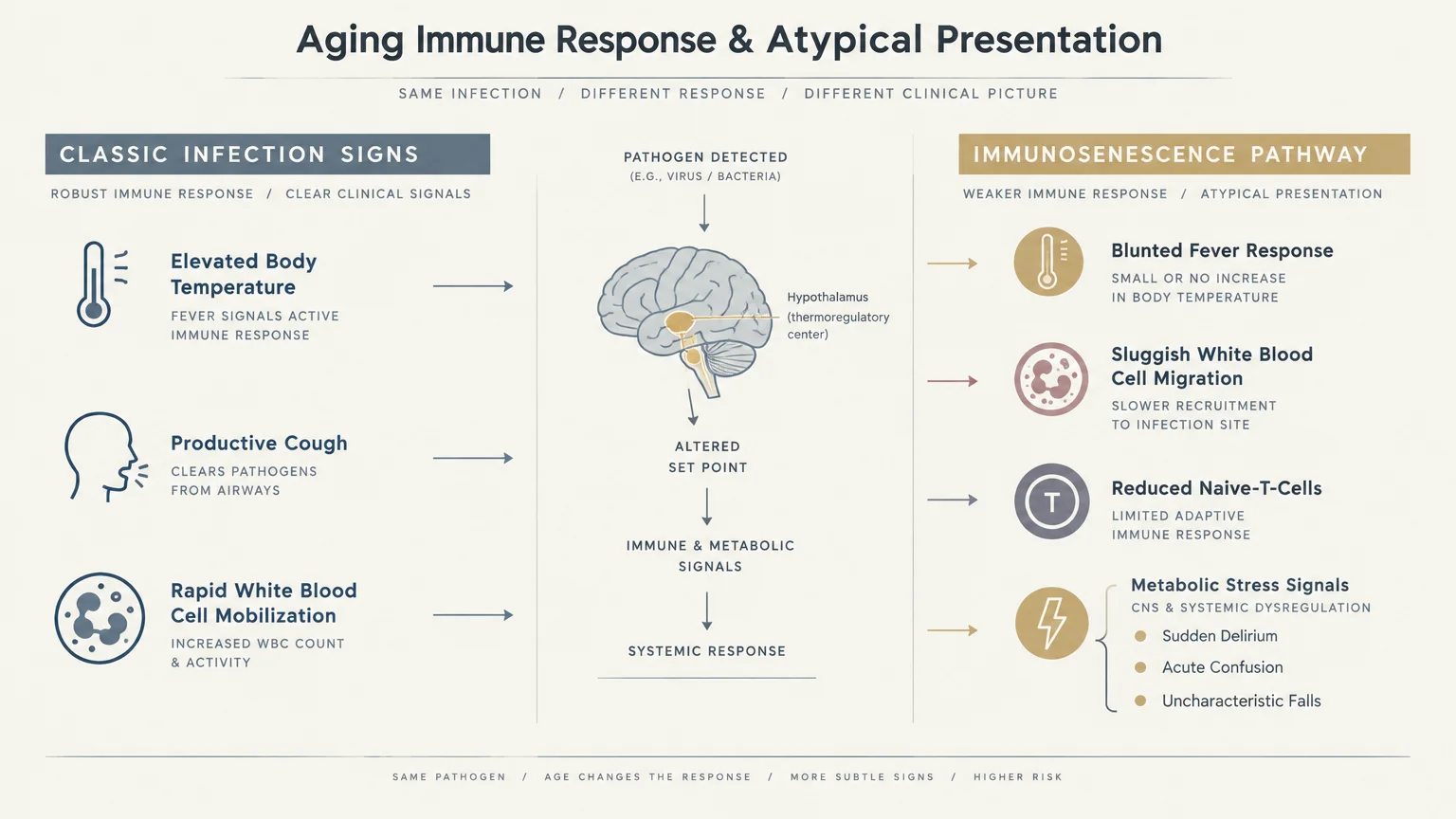
Science Snapshot: Understanding Immunosenescence and Atypical Symptoms
Your immune system undergoes natural biological remodeling over time, a process researchers refer to as immunosenescence. This shift gradually decreases the production of naive T-cells and weakens your body’s initial cellular defense.
At the same time, chronic low-grade inflammation often develops across aging tissue networks. Scientists call this persistent background state inflammaging, which impairs your ability to clear newly encountered pathogens efficiently.
Structural mucosal barriers also experience subtle physiological changes as decades pass. Your skin becomes thinner, your respiratory tract produces less protective mucus, and your bladder lining loses valuable elasticity.
Furthermore, your brain’s thermoregulatory center frequently dampens the traditional fever response during an active infection. You can develop a severe systemic illness without ever showing an elevated body temperature.
Instead of high fevers, older bodies often express acute infection through metabolic stress signals. This physiological disruption commonly triggers sudden delirium, acute confusion, or profound muscle weakness.
Clinicians frequently observe that uncharacteristic falls or disorientation serve as the first visible signs of an underlying infection. Recognizing these unconventional red flags allows you to seek care before systemic complications arise.
White blood cells also migrate more sluggishly toward bacterial invasion sites as vascular pathways age. Because early defense mechanisms move slowly, timely clinical evaluation becomes your most reliable protective tool.
Understanding these biological changes helps you interpret subtle bodily cues without anxiety. Knowledge transforms your daily vigilance into proactive, effective health maintenance.
Aging bone marrow also produces fewer mature B-cells over time. This reduction blunts the diversity of antibodies your body manufactures when exposed to novel bacterial and viral threats.
Additionally, cellular communication channels between innate and adaptive immune branches become less coordinated. Proactive lifestyle habits help bridge this biological gap by supporting cellular vitality at every stage.
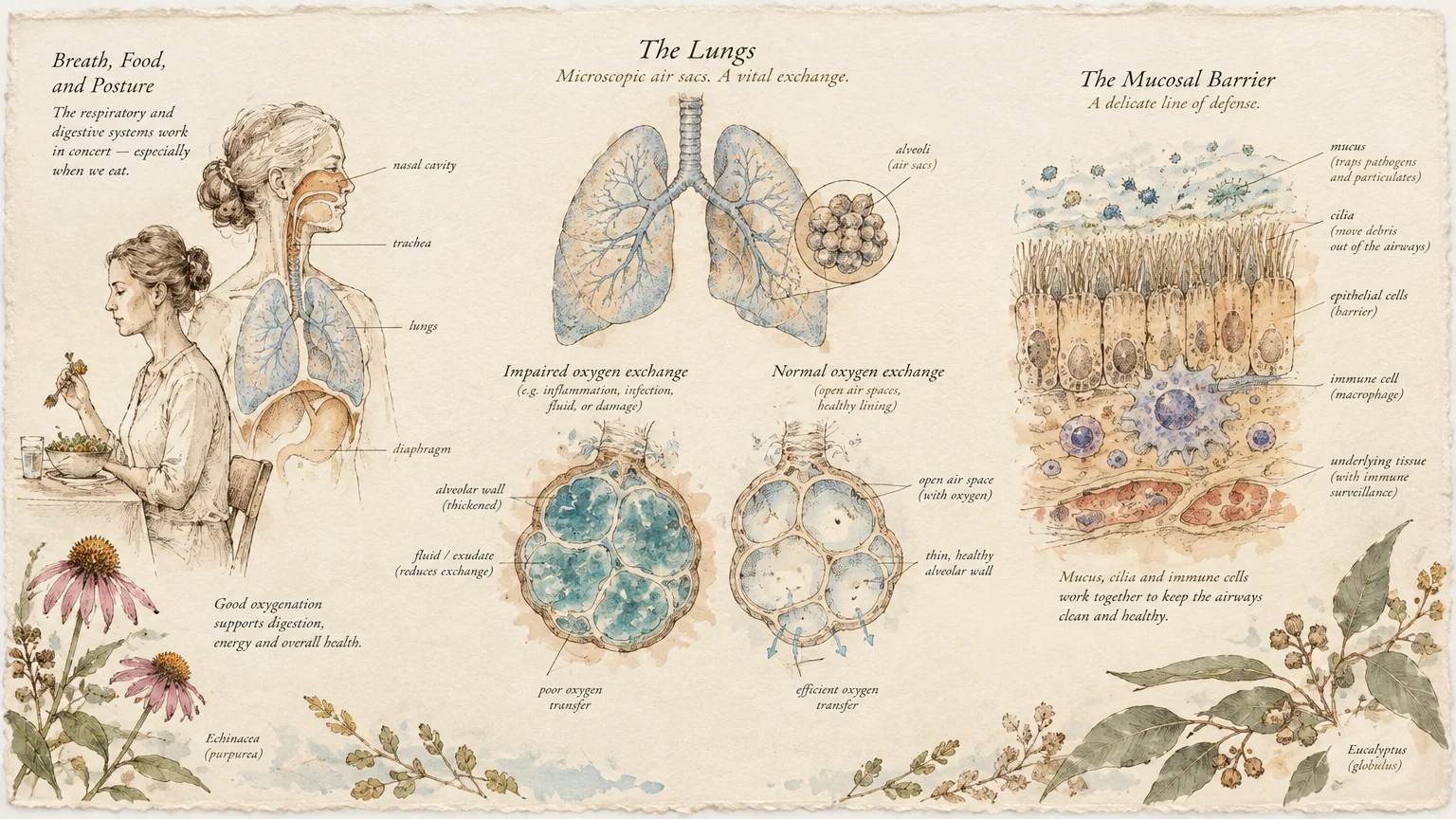
Common Infections Seniors Should Watch Out For
Pneumonia and Invasive Pneumococcal Disease
Bacterial and viral pneumonia rank among the most dangerous senior health risks today. The infection inflames the microscopic air sacs in your lungs, filling them with fluid and impairing vital oxygen exchange.
In older adults, pneumonia rarely begins with a classic productive cough or dramatic shaking chills. You are far more likely to notice gradual fatigue, shallow breathing, or unexpected cognitive changes.
Weakened cough reflexes and subtle swallowing difficulties can also cause aspiration pneumonia, where oral secretions enter delicate lung tissue. Keeping your posture upright during meals and maintaining meticulous oral hygiene significantly lower this risk.
In October 2024, the CDC officially lowered the recommended age for routine adult pneumococcal vaccination from 65 down to 50 years old. This decisive change helps adults establish protective immunity much earlier in life.
Your primary care clinician can recommend specific conjugate options, such as PCV20 or PCV21 as single shots. Alternatively, you might receive PCV15 followed by PPSV23 to complete your broad-spectrum coverage.
Check the official Centers for Disease Control and Prevention guidance on pneumococcal vaccination to review these updated standards. Timely immunization protects your pulmonary tissue and substantially reduces hospitalization risks.
Practicing daily deep-breathing exercises further clears pulmonary secretions and strengthens diaphragm muscle tone. These straightforward daily habits work alongside modern immunization to maintain resilient lung function.
Avoiding secondhand smoke and using indoor air purifiers also protect the fragile cilia lining your bronchial passages. Healthy respiratory cilia continuously sweep foreign microbes out of your airways before infections take hold.
Urinary Tract Infections and Cognitive Vulnerability
A urinary tract infection occurs when pathogenic bacteria enter your urethra and multiply inside your bladder. While anyone can develop an infection, older adults experience them with greater frequency and severity.
According to the CDC, bacterial infections cause the vast majority of UTIs, with Escherichia coli responsible for 80% to 90% of cases. These microbes cling to the bladder lining and provoke swift inflammation.
Younger individuals usually notice localized symptoms, such as burning during urination and intense pelvic pressure. In contrast, a UTI elderly presentation frequently bypasses physical discomfort entirely and presents as sudden confusion or behavioral changes.
Family members often mistake this acute delirium for a rapid progression of underlying dementia. However, toxic metabolic byproducts and inflammatory cytokines temporarily disrupt neurotransmitter signaling in older brains.
Left untreated, localized bladder infections can migrate upward into your kidneys or enter your bloodstream. Prompt medical urinalysis and targeted urine cultures remain essential to identify the precise causative pathogen.
The medical stakes escalate dramatically when urinary infections intersect with existing cognitive impairment. A 2026 analysis of CDC WONDER data covering 1999 to 2020 revealed 125,797 deaths where UTI was the underlying cause alongside comorbid dementia.
Consult the National Institute on Aging urinary tract guidelines to learn proven preventive routines. Regular fluid intake, routine bathroom habits, and proper hygiene keep bacterial populations low.
If a loved one experiences sudden agitation or an uncharacteristic fall, ask their doctor for a prompt urine evaluation. Rapid diagnostic testing ensures appropriate antimicrobial care before complications develop.
Completing the full prescribed antibiotic course prevents lingering bacteria from developing dangerous drug resistance. Never save unused antibiotics or share medications without direct physician oversight.
Respiratory Syncytial Virus (RSV) Complications
Many people associate respiratory syncytial virus exclusively with infants, but it poses equal danger to older adults. The virus targets delicate mucosal linings in your lower respiratory tract, triggering severe bronchiolitis and secondary pneumonia.
If you manage chronic conditions like heart failure, asthma, or COPD, an RSV infection can cause sudden clinical decompensation. The added respiratory stress forces your heart to work significantly harder to deliver oxygen.
The CDC updated adult immunization schedules to adopt April 2025 ACIP guidance, establishing clear parameters for senior protection. Under this guidance, a single dose of an RSV vaccine is recommended for all adults aged 75 and older.
A single dose is also recommended for adults aged 50 to 74 who face heightened vulnerability from chronic diseases. Qualifying conditions include heart disease, chronic respiratory disorders, end-stage renal disease, or living in long-term care settings.
You can review the current CDC recommendations for RSV immunization to discuss your status with your provider. Three FDA-licensed options exist: Arexvy, Abrysvo, and mResvia.
Unlike seasonal influenza formulations, the RSV shot does not require an annual booster dose. Once an eligible adult receives a single dose of any authorized vaccine, their course of protection is complete.
Washing your hands frequently and sanitizing high-touch surfaces during winter transmission peaks adds another layer of defense. These practical lifestyle measures dramatically lower your exposure to airborne viral droplets.
Seasonal Influenza in Older Adults
Seasonal influenza remains an unpredictable viral threat capable of destabilizing well-managed chronic health conditions. Older adults consistently account for the vast majority of annual flu-related hospitalizations and fatal complications.
As your immune system ages, it generates fewer neutralizing antibodies following exposure to standard-dose vaccines. To overcome this hurdle, researchers engineered specialized formulations that stimulate a much stronger protective response.
The CDC specifically recommends that adults aged 65 and older receive one of three enhanced flu vaccines: Fluzone High-Dose, Fluad Adjuvanted, or Flublok Recombinant. These formulations provide superior defense compared to standard seasonal shots.
Medical innovation continues to introduce new options for respiratory defense. For the 2026–2027 flu season, Moderna introduced mFlusiva, the first mRNA-based flu vaccine authorized in the United States.
Regulators fully approved mFlusiva for adults aged 50 and older and granted accelerated approval for ages 65 and older. However, for seniors aged 65 and older, the CDC continues to prefer the three established enhanced vaccines.
Scheduling your annual flu vaccination every September or October provides peak protection through the cold winter months. Consistent hand hygiene and avoiding crowded, unventilated indoor spaces complement your vaccine defenses.
If flu symptoms do emerge, contacting your physician within 48 hours allows for prompt antiviral prescription therapy. Early antiviral treatment shortens illness duration and decreases the likelihood of severe secondary pneumonia.
Shingles and Long-Term Nerve Vulnerability
If you experienced chickenpox earlier in life, the varicella-zoster virus remains dormant within your sensory nerve tissues. Declining cellular immunity allows the dormant pathogen to reactivate years later as shingles.
About 1 in 3 people in the United States will develop shingles during their lifetime. The reactivation produces an intense, painful blistering rash that typically follows a specific nerve pathway along your torso or face.
The most dreaded outcome of shingles is postherpetic neuralgia, a chronic condition causing severe burning nerve pain that lingers after the rash heals. Between 10% and 18% of people who contract shingles experience this painful complication.
The persistent nerve discomfort can disrupt your sleep, increase depression risks, and impair physical mobility. In addition, approximately 1% to 4% of shingles patients require hospitalization for severe ocular or systemic complications.
Fortunately, robust preventative protection is readily accessible. The CDC recommends two doses of Shingrix, given 2 to 6 months apart, for all adults aged 50 and older.
Clinical research demonstrates that Shingrix is over 90% effective at preventing both shingles and postherpetic neuralgia in healthy older adults. Refer to the CDC recommendations for shingles prevention to confirm your eligibility.
Seeking immediate medical attention within 72 hours of rash onset allows clinicians to start oral antiviral medications promptly. Early therapeutic intervention limits nerve inflammation and accelerates the healing of dermal lesions.
Skin and Soft Tissue Infections
Aging skin naturally experiences reduced collagen production, thinner epidermal layers, and diminished natural lubrication. These structural changes leave your skin vulnerable to micro-tears, cracking, and opportunistic bacterial invasion.
Cellulitis represents one of the most common soft tissue infections in older adults. It occurs when bacteria, usually staphylococci or streptococci, enter tiny skin breaks and spread through underlying dermal tissue.
You may notice localized swelling, warmth, tenderness, and expanding redness that often affects the lower legs. Because circulatory insufficiency slows healing, untreated cellulitis can escalate into severe deep tissue abscesses.
Pressure injuries represent another critical vulnerability for seniors with limited mobility. Continuous pressure against bony areas restricts capillary blood flow, allowing skin breakdown and subsequent bacterial contamination.
Fungal overgrowths between the toes or under skin folds also compromise epithelial integrity. These minor fungal infections create microscopically damaged skin that serves as an open doorway for aggressive bacteria.
Practicing daily skin inspections helps you detect micro-abrasions, bruises, or fungal overgrowths early. Applying moisturizing creams right after bathing locks in vital hydration and preserves your natural dermal barrier.
Gastrointestinal Pathogens and Gut Resilience
Changes in gastric acidity and microbiome diversity make older digestive tracts more susceptible to bacterial and viral infections. Common culprits include norovirus, Salmonella, and antibiotic-associated pathogens like Clostridioides difficile.
Frequent antibiotic use can disrupt your beneficial gut flora, allowing C. diff spores to proliferate and release damaging toxins. This infection causes severe watery diarrhea, debilitating abdominal cramping, and rapid systemic dehydration.
Dehydration poses immediate health dangers for older adults, rapidly driving electrolyte imbalances and acute kidney stress. Because older kidneys clear metabolic waste less efficiently, fluid loss requires urgent medical attention.
Diligent hand hygiene with plain soap and warm water remains your most dependable defense against gastrointestinal microbes. Alcohol sanitizers do not effectively neutralize resilient bacterial spores like C. diff on household surfaces.
Proper food storage and thorough cooking further protect your gastrointestinal tract from foodborne pathogens. Reheating leftovers thoroughly and refrigerating perishables promptly keep harmful bacterial counts low.
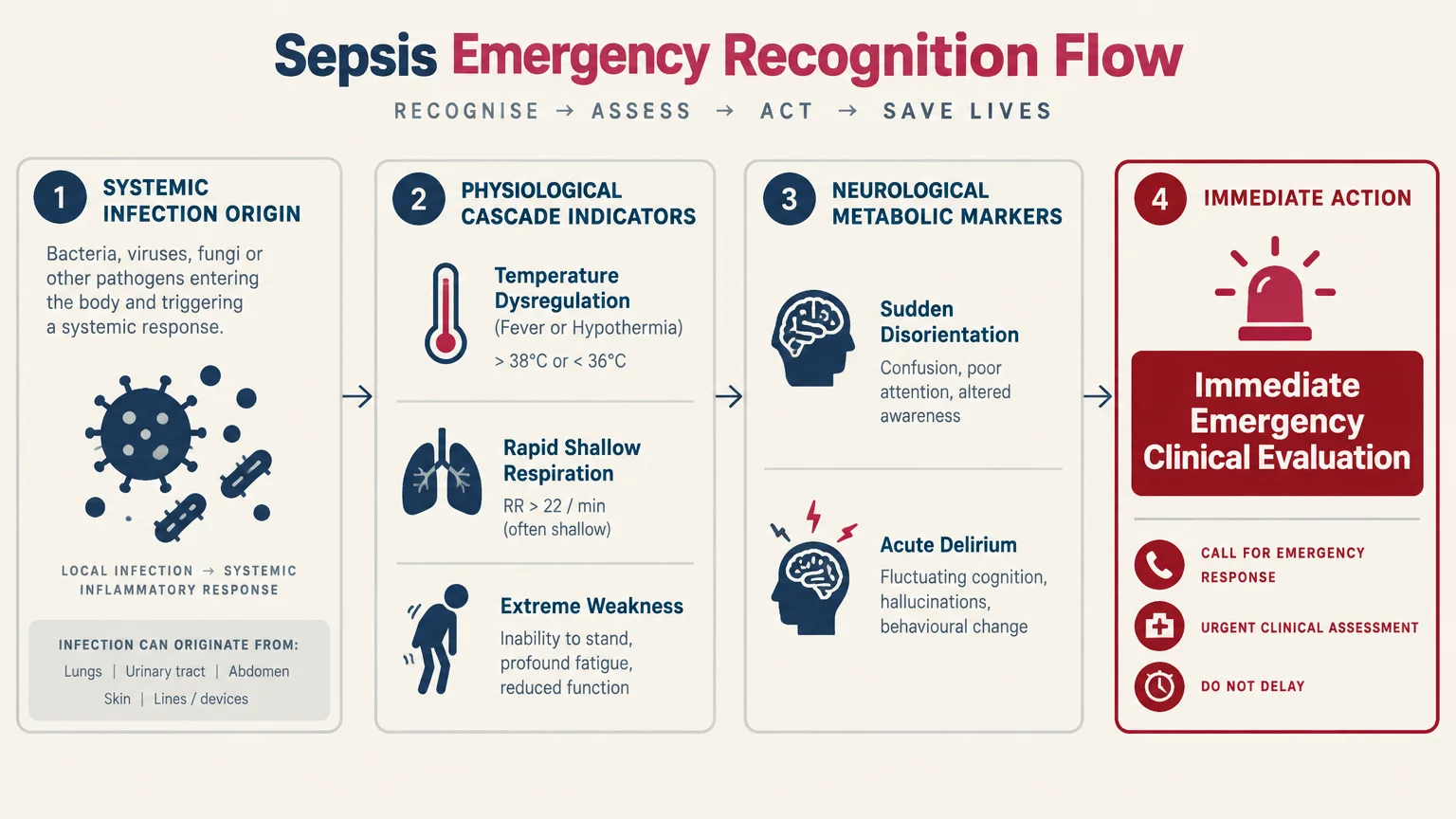
Recognizing Sepsis: The Critical Emergency
Sepsis is not a localized infection; it represents your body’s toxic, dysregulated response to an existing microbial illness. Instead of containing the infection, your immune signaling triggers widespread vascular leakage and systemic tissue damage.
Most cases originate from common infections in older adults, specifically pneumonia, urinary tract infections, skin wounds, or abdominal illnesses. When initial infections go untreated, bacteria and inflammatory molecules flood the circulatory system.
Each year in the United States, about 1.7 million adults develop sepsis, and at least 350,000 die during hospitalization or enter hospice. These sobering numbers highlight the urgent necessity of rapid clinical intervention.
Older individuals carry a disproportionate share of this medical emergency. According to CDC National Vital Statistics data, 75% of all sepsis-related deaths in the United States occur in adults aged 65 and older.
The risk accelerates further with advanced age. Sepsis death rates are roughly five times higher in adults aged 85 and older compared to those aged 65 to 74.
You should treat sudden confusion, extreme shivering, clammy skin, shortness of breath, and rapid pulse as a medical emergency. Consult the CDC clinical resources on sepsis to recognize these life-threatening warning signs immediately.
Always communicate clearly with emergency room personnel if you suspect sepsis in an older loved one. Stating your concern directly helps triage teams initiate rapid blood cultures and intravenous therapy without delay.
Surviving sepsis requires coordinated post-acute care to support physical recovery and manage cognitive fatigue. Partnering with physical therapists and geriatric specialists helps survivors rebuild functional strength safely.
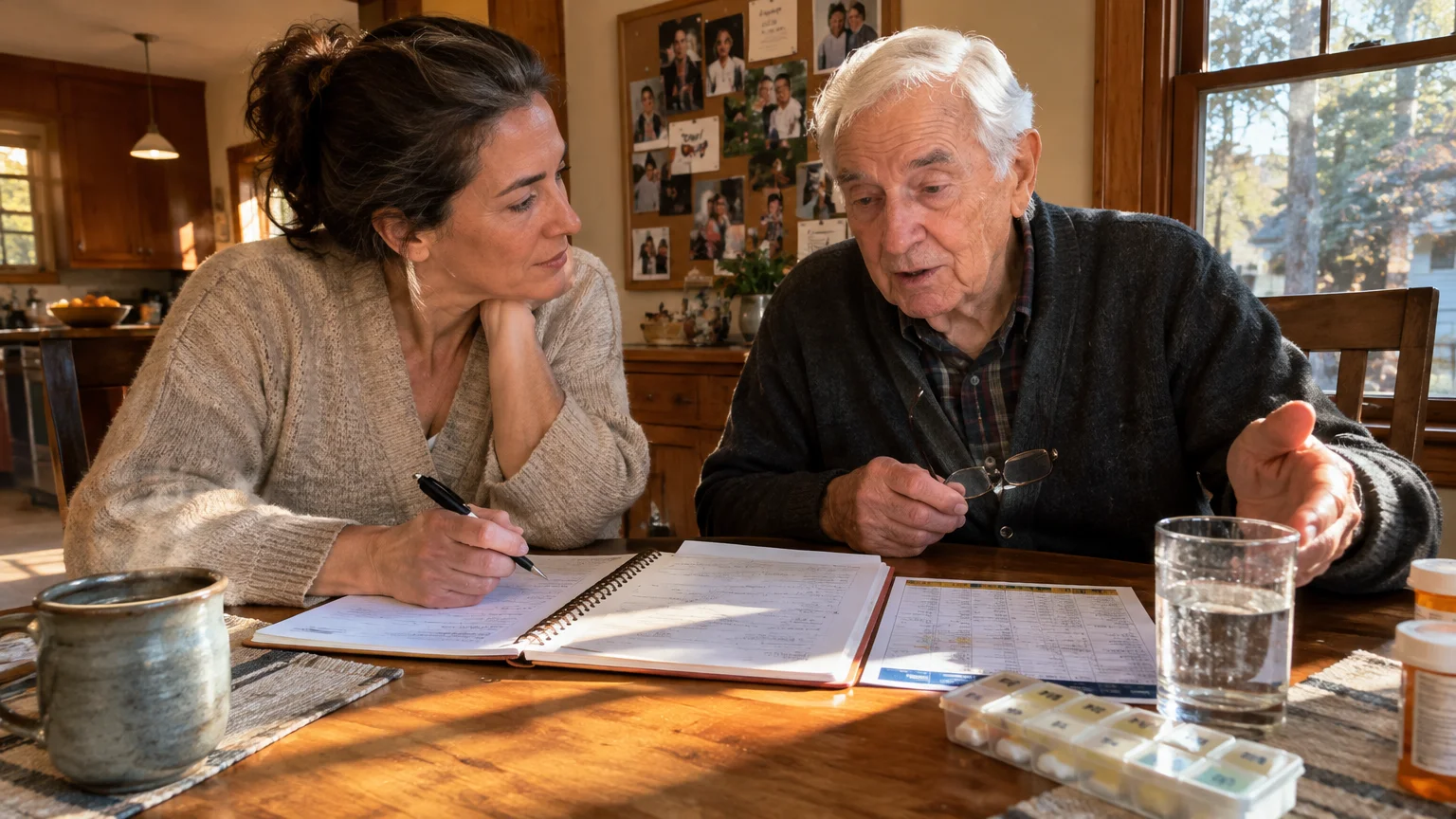
Real Voices: Clinician Insights and Lived Experiences
Dr. Marcus Vance, a veteran geriatrician, emphasizes the subtle nature of senior illness during clinical assessments. He notes that sudden behavioral changes or uncharacteristic lethargy almost always warrant an immediate diagnostic workup.
“We rarely see high fevers in our oldest patients,” Dr. Vance explains. “A subtle shift in mood, mild appetite loss, or an unexplained fall is often the only warning sign of a severe infection.”
Geriatric nurse specialist Sarah Jenkins reinforces the value of daily observation and family communication. She encourages caregivers to trust their instincts whenever an older relative appears unusually withdrawn or uncoordinated.
“Family members know their loved ones best,” Jenkins observes. “When a daughter tells me her father seems slightly off, that insight often leads us directly to an early infection diagnosis.”
Patient advocate Eleanor Davis shares a similar perspective after navigating her mother’s sudden hospitalization. She initially attributed her mother’s confusion to cognitive decline before emergency physicians identified an advanced bladder infection.
“My mother never complained of burning or abdominal pain,” Eleanor recalls. “Had we known that confusion could stem from a UTI, we would have sought diagnostic testing days earlier.”
These shared experiences underscore the importance of listening to subtle shifts in daily stamina and cognition. Recognizing atypical patterns early transforms clinical outcomes and preserves quality of life.
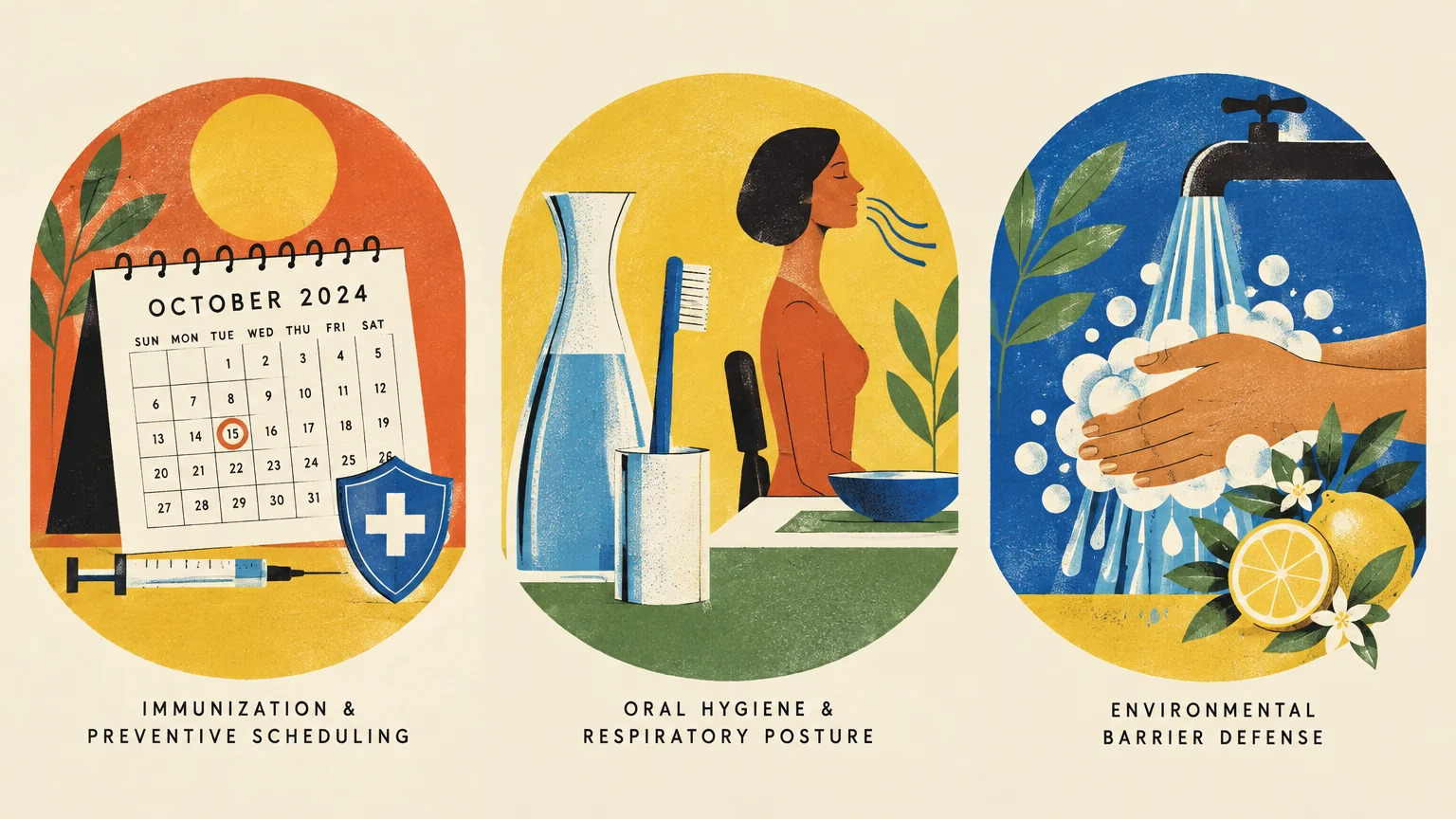
Actionable Strategy Pillars for Daily Defense
Pillar 1: Hydration and Mucosal Barrier Nutrition
Maintaining consistent daily hydration serves as your primary defense against invasive bacterial colonization. Adequate fluid intake continuously flushes the urinary tract and prevents pathogens like E. coli from multiplying.
Aim to sip water steadily throughout your waking hours rather than drinking large quantities all at once. If plain water feels unappealing, herbal teas, broths, and water-rich fruits provide excellent hydrating alternatives.
Nutritional support also strengthens your epithelial barriers and fuels antibody production. Prioritize lean proteins, colorful vegetables rich in vitamin A, and zinc-rich foods like pumpkin seeds and legumes.
Unsweetened pure cranberry juice or concentrated proanthocyanidins can help discourage bacteria from adhering to the bladder wall. Discuss any new concentrated supplements with your registered dietitian or physician to prevent medication interactions.
Incorporating probiotic-rich fermented foods like kefir, unsweetened yogurt, or sauerkraut helps replenish beneficial digestive flora. A diverse gut microbiome competes against harmful invaders and regulates systemic inflammatory pathways.
Pillar 2: Physical Movement, Lymphatic Flow, and Skin Hygiene
Regular daily movement acts as a mechanical pump for your lymphatic system, which circulates immune cells throughout your body. Gentle walking, chair yoga, or aquatic exercise stimulates circulation and reduces fluid retention in your legs.
Active movement also encourages deep breathing, expanding your lungs to clear pooled secretions from the lower airways. Taking several intentional deep breaths every hour helps keep your pulmonary passages clear.
Daily skin hygiene demands gentle care rather than aggressive scrubbing that damages fragile dermal tissue. Wash with mild, fragrance-free cleansers and pat your skin dry with soft cotton towels.
Inspect your skin daily for minor cuts, friction blisters, or redness, paying close attention to your feet and skin folds. Treating small abrasions immediately with antiseptic cleansers prevents opportunistic bacteria from sparking cellulitis.
Consistent oral hygiene plays an equally vital role in reducing respiratory bacterial loads. Brushing twice daily, cleaning dentures thoroughly, and flossing prevent oral pathogens from slipping into the lower airways.
Pillar 3: Active Medical Advocacy and Diagnostic Preparation
Proactive communication with your medical team forms a cornerstone of comprehensive senior care. Bring an updated record of your immunizations and chronic medications to every clinical appointment.
Ask your primary physician directly which modern vaccines match your age group and personal health background. Clarify whether you require updated pneumococcal conjugate shots, enhanced flu formulations, or the single RSV dose.
Establish a baseline log of your normal resting vital signs, including body temperature, pulse, and blood pressure. Knowing your individual baseline helps you spot subtle physiologic deviations when you start feeling unwell.
Keep an emergency contact list and home diagnostic tools, such as a digital thermometer and pulse oximeter, readily accessible. Early measurement of subtle changes empowers your doctor to make informed therapeutic decisions quickly.
Never hesitate to request diagnostic clarity if symptoms fail to improve after an initial doctor visit. Advocating for timely blood work or urinalysis ensures your treatment aligns with the underlying pathogen.
Frequently Asked Questions About Senior Health Risks
Why do older adults rarely develop high fevers during serious infections?
Aging diminishes your body’s baseline thermoregulation, muting the hypothalamic response to circulating inflammatory cytokines. As a result, older adults often experience severe infections with normal or even abnormally low body temperatures.
You should look for alternate clues like sudden confusion, extreme weakness, or chills rather than waiting for fever. Always seek a personalized medical assessment whenever unusual behavioral or cognitive symptoms emerge.
Can a urinary tract infection cause permanent cognitive decline?
A urinary tract infection causes delirium, which is a temporary state of acute mental confusion. Once doctors identify the bacteria and administer appropriate antibiotics, cognitive function typically returns to baseline.
However, repeated severe infections or delayed care can prolong delirium and accelerate underlying neurodegenerative changes. Prompt medical evaluation protects both your physical recovery and long-term cognitive health.
How can I tell the difference between a common cold and pneumonia?
A common cold typically presents with nasal congestion, mild sneezing, and a minor scratchy throat that resolves within a week. Pneumonia penetrates deeper into lung tissue, triggering rapid shallow breathing, deep lethargy, and mental cloudiness.
If breathing feels laborious or stamina drops abruptly, consult your primary care physician immediately for a thorough chest examination. Personalized diagnostic imaging, such as a chest X-ray, provides definitive answers.
Is it safe to receive multiple senior vaccines during the same appointment?
Clinical evidence confirms that administering several routine adult vaccines together is generally safe and highly effective. Healthcare professionals routinely provide annual enhanced flu shots alongside pneumococcal or shingles vaccines.
However, your physician can tailor an individualized injection schedule if you have a history of pronounced injection-site reactions. Collaborating with your medical team ensures you achieve optimal protection comfortably.
Taking Your Next Step Toward Lasting Health
Protecting yourself against common infections senior populations encounter does not require an overwhelming overhaul of your daily lifestyle. Meaningful resilience develops from consistent, manageable habits practiced one day at a time.
Begin by taking a single practical step today: locate your current immunization card and review your dates. Call your doctor’s office to discuss any recommended updates for pneumococcal, shingles, flu, or RSV protection.
As you reflect on your wellness routine tonight, consider what small habit you can introduce tomorrow morning. Whether sipping an extra glass of water or taking a brisk walk, your daily choices build lasting vitality.





Leave a Reply