

Your kidneys quietly filter over 200 quarts of fluid every day to keep your bloodstream balanced and clean. When chronic metabolic strain strikes, subtle biological alarms surface long before severe organ damage occurs.
Spotting these early physiological warning signs preserves your renal function and protects your energy for years to come. Taking targeted action now defends your tissues against irreversible functional decline.
Most people overlook these gentle distress signals because busy schedules and standard exhaustion easily mask them. Learning to read your renal health gives you genuine control over your physical future.
The Science of Renal Stress and Metabolic Overload
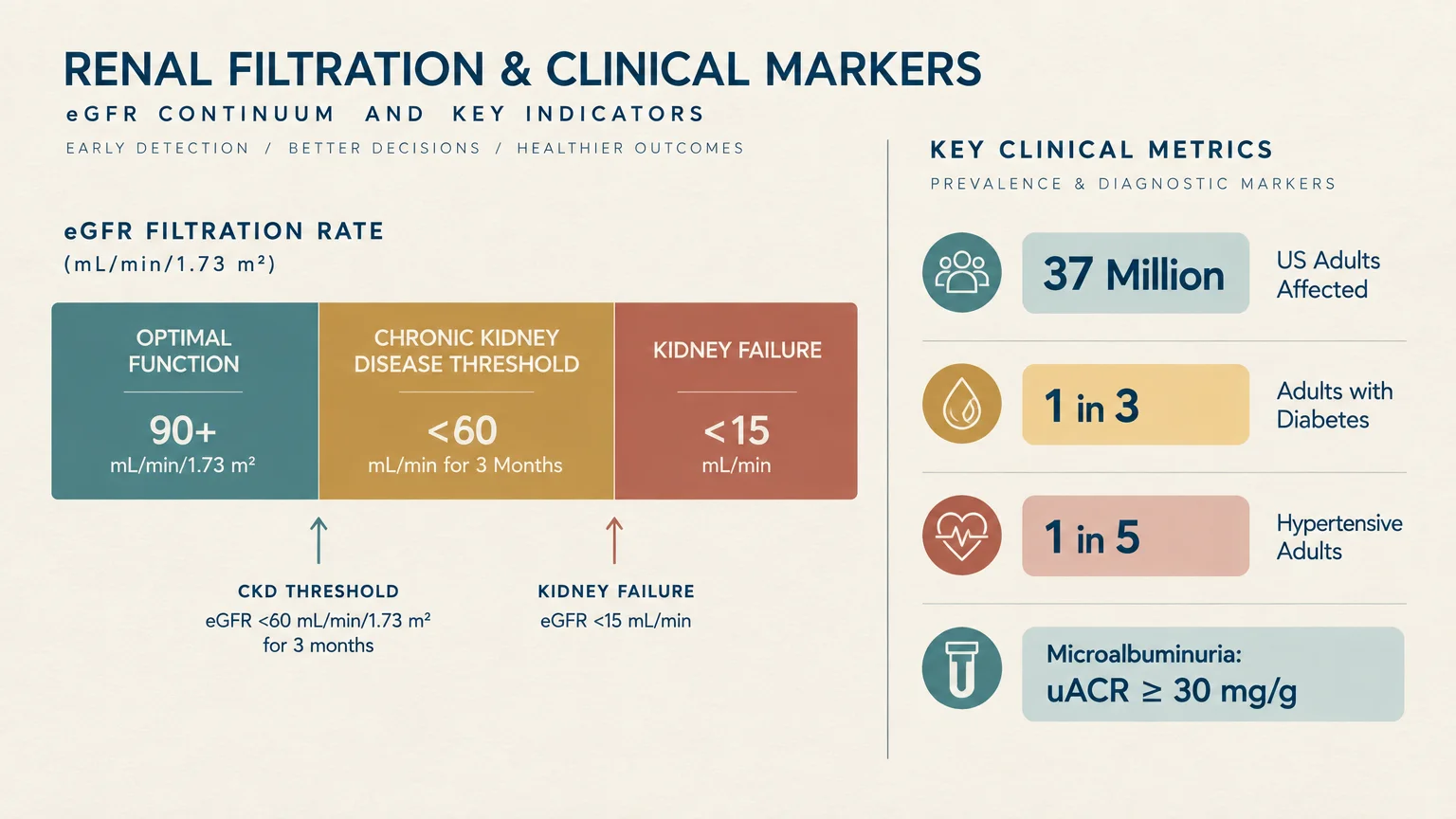
Chronic kidney disease impacts approximately 14 to 15 percent of American adults, totaling roughly 37 million people. Up to 90 percent of individuals living with early renal impairment do not realize they have it.
Metabolic conditions inflict the heaviest toll on your renal system over time. The Centers for Disease Control and Prevention notes that roughly one in three adults with diabetes suffers from chronic kidney disease.
Persistent high blood pressure degrades fragile glomerular capillaries, affecting one in five hypertensive adults. When vascular tension remains elevated, kidney filters harden and lose their ability to cleanse circulating blood effectively.
Clinicians monitor filtration efficiency by evaluating your estimated glomerular filtration rate, known as eGFR. An optimal eGFR measurement registers at 90 mL/min/1.73 m² or above.
A persistent eGFR reading under 60 for three months signals chronic kidney disease, while a score below 15 indicates end-stage failure. More than 830,000 Americans currently live with end-stage kidney disease requiring dialysis or transplantation.
Doctors also test for microalbuminuria using the urine albumin-to-creatinine ratio, or uACR. A sustained uACR reading of 30 mg/g or higher confirms that structural damage allows vital proteins to spill into urine.
Renal vulnerability increases with age, affecting 34 percent of adults over age 65. Disparities also exist; Black adults develop kidney failure at four times the rate of White adults, while Hispanic Americans face double the risk.
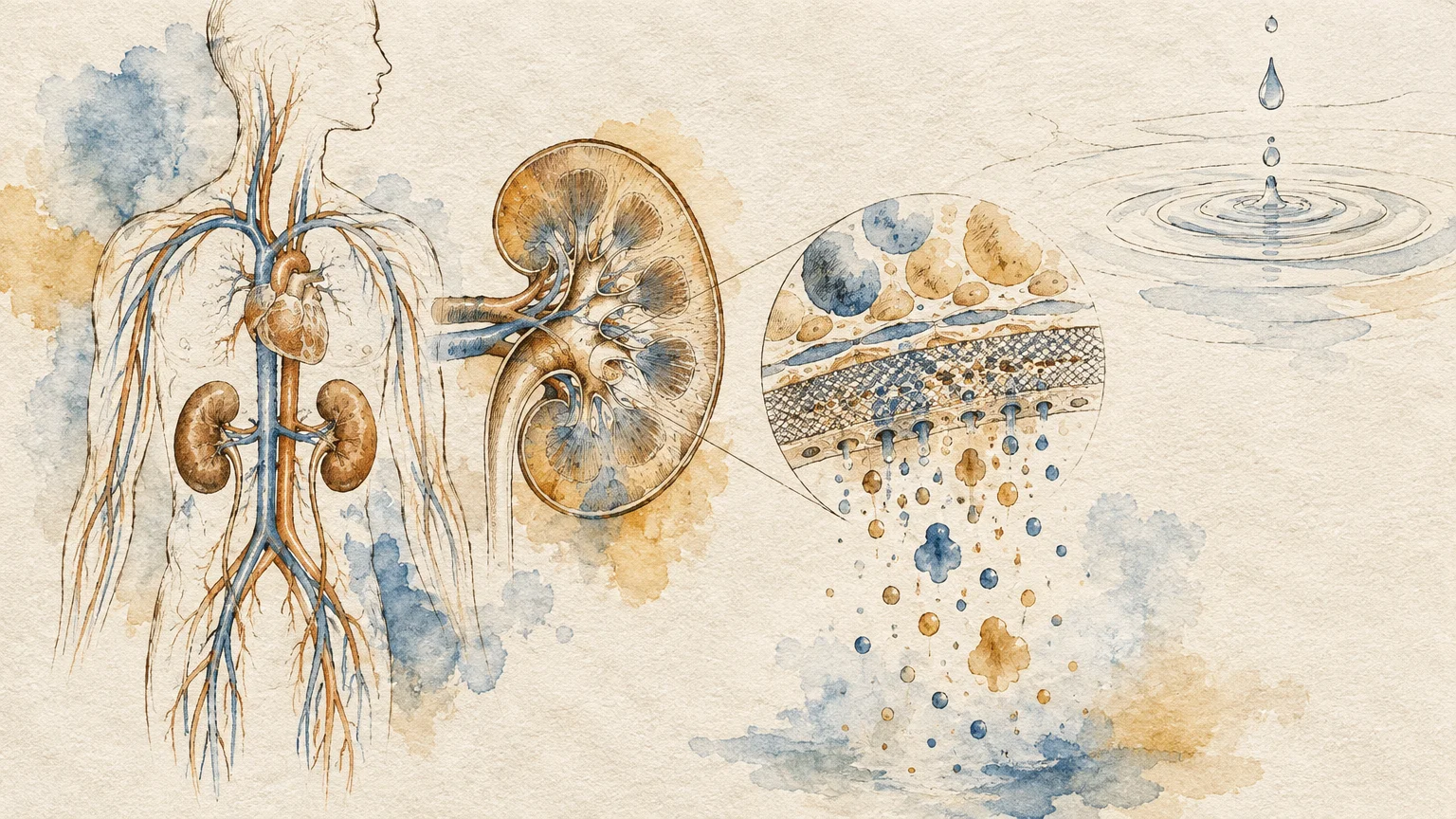
8 Signs Your Kidneys Are Under Chronic Stress
1. Unshakable Fatigue and Cognitive Fog
Healthy kidneys produce erythropoietin, an essential chemical messenger that directs bone marrow to synthesize red blood cells. Chronic renal strain dampens erythropoietin production, causing cellular oxygen starvation and persistent physical exhaustion.
Simultaneously, circulating metabolic wastes accumulate in your bloodstream instead of exiting through your urine. This toxic uremic buildup clouds mental clarity, leaving you feeling chronically foggy and mentally drained.
2. Fluid Retention and Peripheral Edema
Your kidneys act as the primary master regulators of bodily sodium and water balance. When filtration falters, excess sodium lingers in your vascular compartments, pulling extra fluid into surrounding tissues.
This fluid overload creates visible swelling, clinically known as peripheral edema. You may notice tight shoes, sock indentations around your ankles, or puffy facial skin upon waking.
3. Persistent Foamy or Frothy Urine
Healthy glomerular sieves keep essential serum proteins, especially albumin, securely inside your bloodstream where they belong. Under chronic strain, these microscopic filtration barriers stretch, leak, and degrade.
Leaked albumin alters the surface tension of your urine, generating a dense, bubbly froth in the toilet bowl. If this foam requires multiple flushes to clear, you should request a clinical urine test.
4. Discolored, Amber, or Bloody Urine
When physical stress tears delicate glomerular barriers, intact red blood cells escape directly into your urinary tract. Clinicians classify this leakage as hematuria, a hallmark sign of underlying glomerular inflammation.
Even minute amounts of blood alter your urine’s visual appearance dramatically. Your urine may take on an unnatural hue resembling dark tea, cola, or faint pink watercolor.
5. Frequent Nocturia and Altered Urination
Intact renal tubules concentrate urine efficiently, allowing you to rest uninterrupted through seven or eight hours of sleep. Chronic inflammation disrupts this delicate concentrating machinery.
As tubular function deteriorates, your kidneys generate larger volumes of dilute urine during the night. Waking multiple times to urinate, known as nocturia, frequently signals underlying renal stress.
6. Severe Pruritus and Deep Skin Dryness
Your kidneys maintain the delicate biological balance between circulating calcium and phosphorus in your blood. When filtration declines, excess phosphorus accumulates in the bloodstream, triggering severe pruritus.
This mineral imbalance produces intense itching that feels deep beneath the surface of your skin. Standard topical moisturizers rarely soothe this sensation because the root cause stems from metabolic mineral imbalances.
7. Sudden Shortness of Breath
Compromised kidney function triggers sudden breathlessness through two distinct physiological mechanisms. Excess fluid backs up into your lungs, while kidney-induced anemia starves your working tissues of vital oxygen.
Climbing a single flight of stairs may suddenly leave you gasping for air as your heart compensates. You should treat unexpected shortness of breath as an urgent metabolic signal requiring prompt medical evaluation.
8. Metallic Taste, Poor Appetite, and Nausea
When failing kidneys cannot clear urea and creatinine, nitrogenous waste products build up in your bloodstream. This internal toxic accumulation is medically termed uremia, and it affects multiple organ systems.
High circulating urea levels alter your salivary composition, creating an unpleasant metallic taste and food aversions. Uremic toxins also irritate your stomach lining, producing chronic morning nausea and unintentional weight loss.

Perspectives from the Frontlines
Nephrologists frequently witness how quietly renal stress develops before individuals finally seek clinical care. Early interception transforms clinical outcomes, according to leading kidney specialists across the country.
Dr. Elena Vance, a preventive nephrologist, emphasizes that patients routinely brush off early warning signs. “People often attribute swollen ankles and brain fog to stressful careers and poor sleep,” notes Dr. Vance.
“By the time visible symptoms become undeniable, patients have often lost significant filtration capacity,” explains Dr. Vance. “Annual urine screening remains our most reliable method for catching micro-damage early.”
Patient experiences reflect this common diagnostic delay. Marcus Reed, an elementary school teacher, discovered his stage three kidney disease during a routine workplace health screening.
“I noticed bubbly urine and heavy legs for months, but I assumed standing in classrooms caused it,” recalls Reed. “Simple lifestyle modifications and targeted medications stabilized my lab numbers completely.”
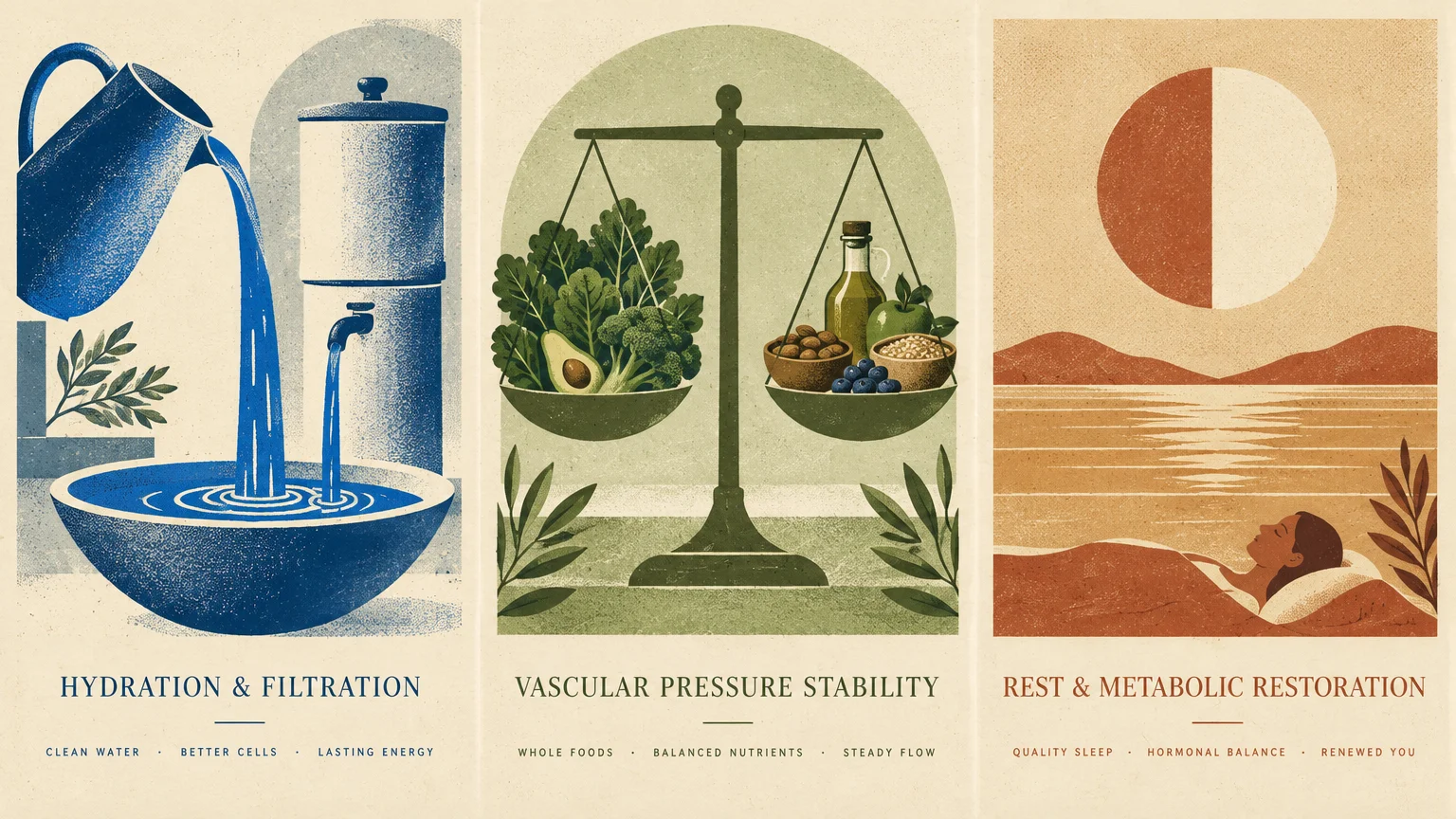
Evidence-Based Pillars to Restore Renal Resilience
1. Targeted Renal Nutrition and Smart Hydration
Nourishing your kidneys begins with moderating your daily sodium intake to protect fragile glomerular blood vessels. Research from the National Institute of Diabetes and Digestive and Kidney Diseases supports keeping sodium below 2,300 milligrams daily.
Shifting toward plant-dominant meals reduces the nitrogenous waste burden placed upon your filtering nephrons. Plant proteins produce less acidic metabolic waste compared to heavy animal proteins, easing overall renal workload.
Maintain steady, mindful hydration throughout the day rather than chugging massive volumes at once. Pure water enables your kidneys to flush sodium and metabolic toxins without placing excessive volume stress on your circulation.
2. Vascular Optimization and Functional Movement
Because your kidneys are essentially complex vascular organs, protecting your blood vessels protects your filtration capacity. Engaging in 150 minutes of moderate aerobic exercise weekly strengthens your vascular endothelium.
Regular physical activity enhances cellular insulin sensitivity, which keeps circulating blood glucose within healthy target ranges. Uncontrolled blood sugar chemically scorches delicate kidney filters, accelerating glomerular stiffening.
Brisk walking, swimming, and cycling lower systemic blood pressure naturally over time. Maintaining blood pressure below 120/80 mmHg shields delicate nephrons against high-pressure vascular shear stress.
3. Mindful Medication Use and Stress Regulation
Routine use of nonsteroidal anti-inflammatory drugs, or NSAIDs, represents a common cause of preventable renal injury. Common over-the-counter pain medications like ibuprofen and naproxen constrict blood vessels feeding your kidneys.
Whenever possible, manage musculoskeletal discomfort through physical therapy, hot and cold treatments, or safer analgesic alternatives. Always consult your personal physician before taking daily pain relievers if you possess kidney risk factors.
Chronic psychological distress also drives sustained sympathetic nervous system activation, elevating renal vascular resistance. Practicing daily diaphragmatic breathing, spending time in nature, and prioritizing restorative sleep lower elevated cortisol levels.
4. Proactive Clinical Screening and Lab Monitoring
Because kidney damage develops quietly, routine objective laboratory testing remains your greatest defense. The National Kidney Foundation urges adults with risk factors to complete annual screenings.
Request an annual serum creatinine test to calculate your accurate eGFR level during your yearly physical. Pair this blood test with a simple urine test measuring your uACR.
The international KDIGO clinical guidelines recommend combined blood and urine evaluations to catch microalbuminuria early. Detecting microscopic protein leaks gives you the opportunity to intervene years before physical symptoms escalate.
Frequently Asked Questions
Can you reverse early-stage kidney damage?
While scarred nephrons cannot regenerate, you can halt further damage and restore significant functional efficiency. Addressing high blood pressure, balancing blood sugar, and adopting kidney-friendly nutrition stabilize remaining kidney tissue.
Early intervention prevents mild filtration stress from advancing into irreversible chronic kidney disease. Always partner with a board-certified nephrologist or registered dietitian to tailor your metabolic care plan.
How much water should you drink daily to support kidney health?
Most healthy adults thrive on approximately two to three liters of fluid daily from water and hydrating foods. However, your specific hydration needs depend on climate, body size, physical activity levels, and cardiac status.
Individuals with advanced kidney impairment or congestive heart failure often require strict fluid restrictions to avoid dangerous fluid overload. Consult your physician to determine your optimal daily fluid intake based on your specific medical profile.
Why are over-the-counter pain relievers risky for kidneys?
Nonsteroidal anti-inflammatory drugs inhibit cyclooxygenase enzymes, which suppresses prostaglandins that keep renal blood vessels dilated. Without sufficient prostaglandins, blood flow to your kidneys drops precipitously, inducing cellular hypoxia.
Occasional use rarely damages healthy kidneys, but frequent or high-dose intake triggers severe interstitial nephritis. If you manage chronic pain, ask your primary doctor about kidney-safe alternatives to protect your filtration capacity.
What is the single most accurate test for early kidney stress?
The urine albumin-to-creatinine ratio, or uACR, detects microscopic kidney strain far earlier than standard blood panels alone. Stressed glomerular filters leak tiny traces of albumin before your general blood filtration rate drops.
Combining the uACR test with an eGFR blood draw provides a comprehensive clinical picture of your renal vitality. Ask your healthcare provider to run both tests during your next comprehensive medical examination.
Moving Forward with Confidence
Supporting your renal wellness does not demand complex medical routines or overwhelming lifestyle overhauls. Sustainable kidney health begins with small, consistent daily decisions that ease your metabolic and vascular burden.
Start today by drinking an extra glass of water and checking your blood pressure at a local pharmacy. Schedule your annual checkup and ask your provider directly for eGFR and uACR lab evaluations.
Take a quiet moment to reflect on your physical signals. How is your body feeling today, and what gentle step can you take to support your kidneys right now?







Leave a Reply