

When persistent exhaustion, unexplainable weight changes, and brain fog drain your vitality, your body may be sending a critical metabolic message. Recognizing these subtle shifts early lets you restore your cellular health before complications arise.
Your thyroid gland governs vital metabolic processes, regulating core body temperature, tissue repair, and organ function. When thyroid hormone production drops, these vital bodily systems slow down simultaneously.
Understanding the physical signs of low thyroid function helps you advocate for targeted testing and practical clinical solutions.
Understanding Thyroid Function and Metabolic Regulation
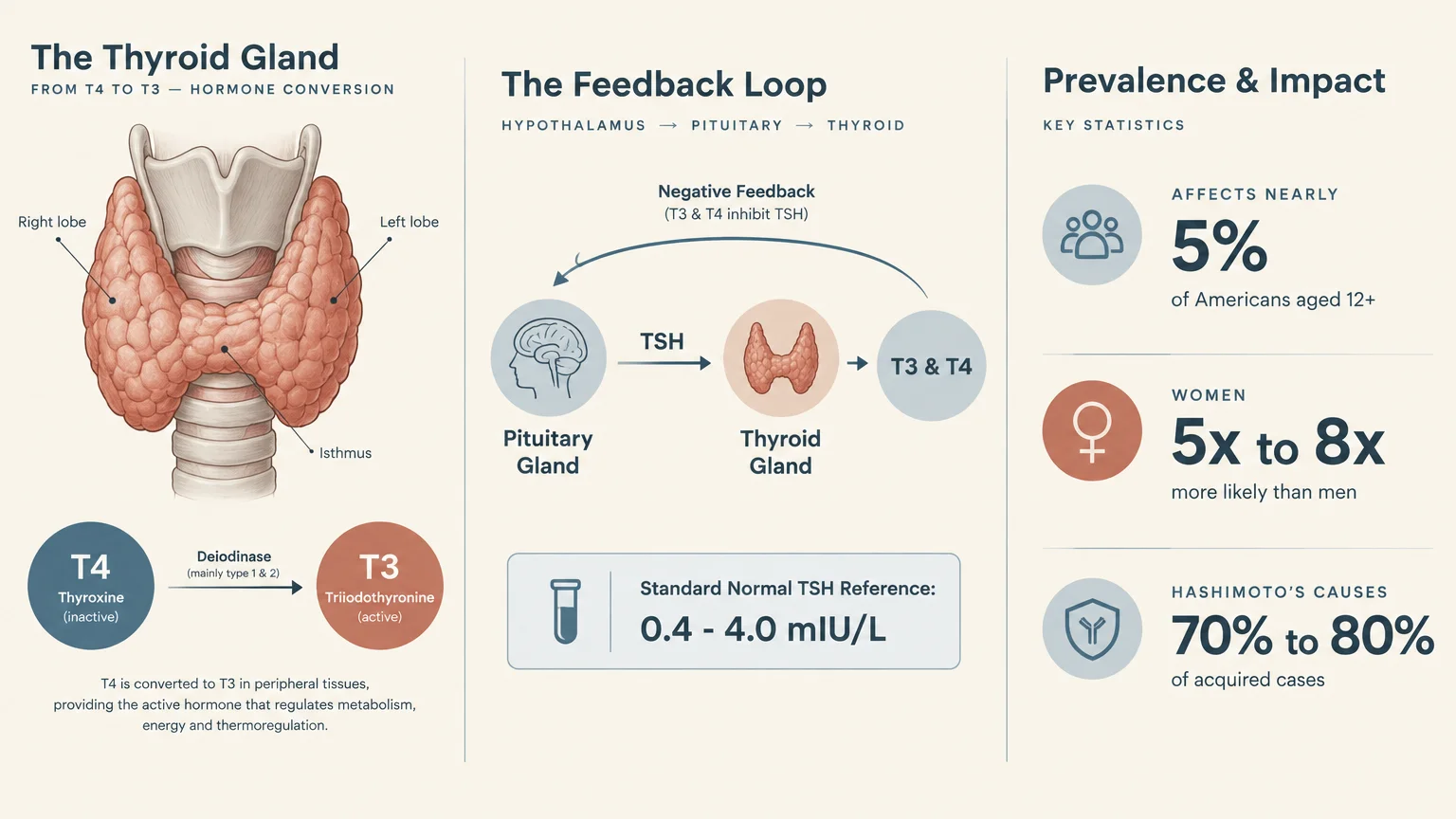
Your thyroid is a butterfly-shaped endocrine gland nestled at the base of your neck. It produces triiodothyronine (T3) and thyroxine (T4), hormones that guide how your cells convert fuel into usable energy.
According to research from the National Institute of Diabetes and Digestive and Kidney Diseases, overt hypothyroidism affects nearly 5% of Americans aged 12 and older. Broader epidemiological analyses reveal that subclinical cases push total prevalence past 11%.
Biological sex creates a dramatic divide in thyroid health risk. Women are roughly five to eight times more likely than men to receive a hypothyroidism diagnosis.
Aging also amplifies your risk profile significantly. Clinical data show that prevalence climbs steadily after age 60, affecting anywhere from 2% to 20% of older demographics.
In iodine-sufficient regions like North America, Hashimoto’s thyroiditis causes between 70% and 80% of all acquired cases. In this autoimmune disorder, immune antibodies mistakenly attack functional thyroid tissue, progressively impairing hormone synthesis.
Physicians assess this gland primarily by measuring Thyroid-Stimulating Hormone (TSH) produced by the pituitary gland. A standard normal reference range spans 0.4 to 4.0 mIU/L, with elevated numbers signaling that your pituitary must work harder to stimulate thyroid output.
A Diagnostic Guide: 10 Underactive Thyroid Symptoms
Because thyroid hormones interact with virtually every human cell, a deficiency triggers broad, systemic signs. Reviewing this thyroid symptoms checklist can help you identify whether your daily struggles stem from low thyroid activity.
1. Relentless Fatigue and Depleted Energy
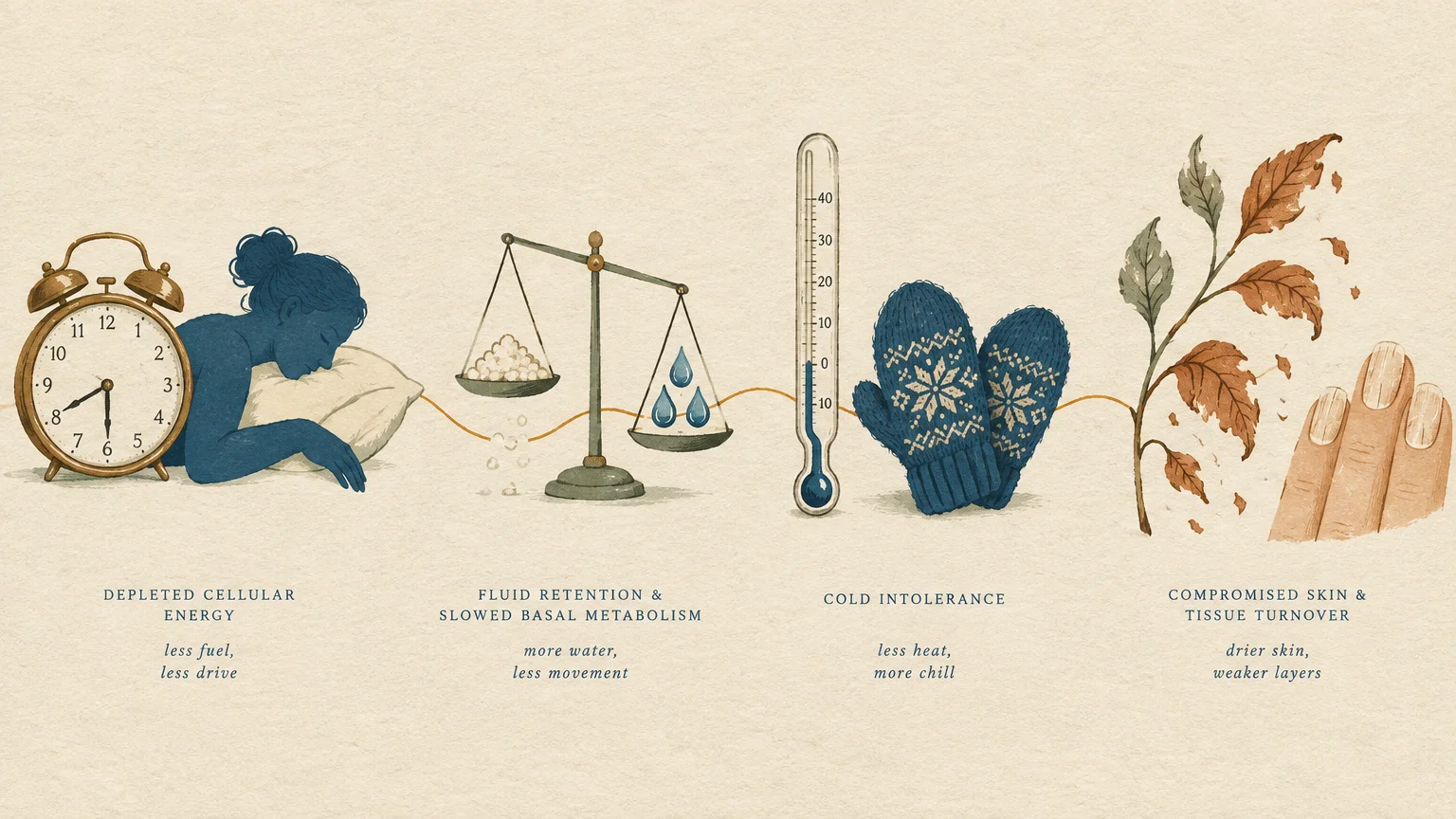
Low thyroid function starves tissues of energy by reducing ATP production within cellular mitochondria. You might sleep eight to ten hours yet awaken feeling drained and physically depleted.
This exhaustion does not resolve with standard rest or morning coffee. If basic household chores leave you feeling physically spent, low thyroid activity warrants immediate investigation.
2. Unexplained Weight Gain and Slower Metabolism
A sluggish thyroid lowers your basal metabolic rate, which dictates how many calories you burn at rest. Even if your dietary intake and exercise stay consistent, your body may accumulate pounds.
Much of this initial weight gain consists of trapped water and salt rather than pure adipose tissue. You may notice sudden puffiness around your abdomen, calves, and face.
3. Marked Cold Intolerance
Thyroid hormones act as a cellular thermostat by stimulating brown adipose tissue and cellular heat generation. Insufficient hormone production impairs your body’s thermogenic capacity.
You might bundle up under heavy layers indoors while family members feel comfortably warm. Chronically cold feet and hands often point toward this underlying metabolic slowdown.
4. Dry, Rough Skin and Brittle Nails
Thyroid hormones maintain rapid skin cell turnover and encourage sebaceous gland secretions. When hormone levels fall, your skin barrier loses moisture, leading to persistent scaling, flaking, and rough patches.
At the same time, fingernails grow brittle and split easily down the center. Standard moisturizing lotions rarely solve these dermatological issues when an internal hormonal deficit drives them.
5. Diffuse Hair Thinning and Eyebrow Loss
Hair follicles require adequate metabolic signaling to progress through their normal anagen growth cycle. Low circulating thyroid hormones trigger excessive follicle resting, leading to widespread shedding across your scalp.
A classic clinical sign involves the thinning of the outer third of your eyebrows, known medically as the sign of Hertoghe. If hairbrushes fill up faster than usual, your endocrine system may need attention.
6. Muscle Weakness and Aching Joints
Reduced thyroid hormones alter muscle protein metabolism and encourage fluid retention around nerves and joints. You may experience stiffness in your knees, hips, or fingers alongside deep muscular aches.
Many people find climbing a flight of stairs or lifting groceries unusually difficult. This neuromuscular decline often mimics standard overtraining or age-related joint stiffness.
7. Chronic Constipation and Sluggish Digestion
Thyroid hormones regulate peristalsis, the coordinated muscular contractions that push waste through your digestive tract. When hormone levels decline, gastrointestinal motility slows down dramatically.
This delay leads to hard, infrequent bowel movements and painful abdominal distension. Even high-fiber diets and ample hydration may fail to restore regularity if low thyroid hormones cause the standstill.
8. Brain Fog, Mood Shifts, and Memory Lapses
The central nervous system relies heavily on thyroid hormones to maintain neurotransmitter receptor density and cerebral blood flow. Deficiencies frequently trigger noticeable short-term memory lapses and sluggish cognitive processing.
Depressive feelings and apathy frequently accompany this mental sluggishness. Clinical practitioners often identify low thyroid hormones after patients present with stubborn, unexplained mood disorders.
9. Menstrual Irregularities and Fertility Complications
Thyroid hormones interact closely with sex hormones, influencing ovarian function and ovulation schedules. An underactive thyroid often causes heavy, prolonged, or abnormally frequent menstrual cycles.
Furthermore, anovulatory cycles can complicate conception efforts. Restoring balanced thyroid hormone levels frequently normalizes reproductive cycles and improves fertility outcomes.
10. Elevated Blood Cholesterol Levels
Thyroid hormones stimulate hepatic low-density lipoprotein (LDL) receptors, which clear bad cholesterol from your bloodstream. Insufficient hormone concentrations reduce receptor activity, driving total cholesterol and LDL levels higher.
Unexpected spikes in your lipid panel may stem directly from an unaddressed thyroid deficit rather than dietary changes. Treating thyroid insufficiency frequently helps bring elevated lipid counts back to safer ranges.

Insights from Endocrinology and Integrative Care
Endocrinologists frequently emphasize that thyroid dysfunction manifests uniquely in each individual. Clinicians note that two patients with identical lab values can experience vastly different symptom severities.
Specialists affiliated with the Endocrine Society observe that early symptoms frequently get misattributed to midlife stress, perimenopause, or standard burnout. This diagnostic delay can allow systemic inflammation to compound over several years.
Integrative practitioners underscore the importance of listening to your intuition regarding physical baseline changes. A collaborative medical partnership ensures that your reported symptoms receive equal weight alongside diagnostic lab numbers.
Evidence-Based Strategies for Thyroid Management
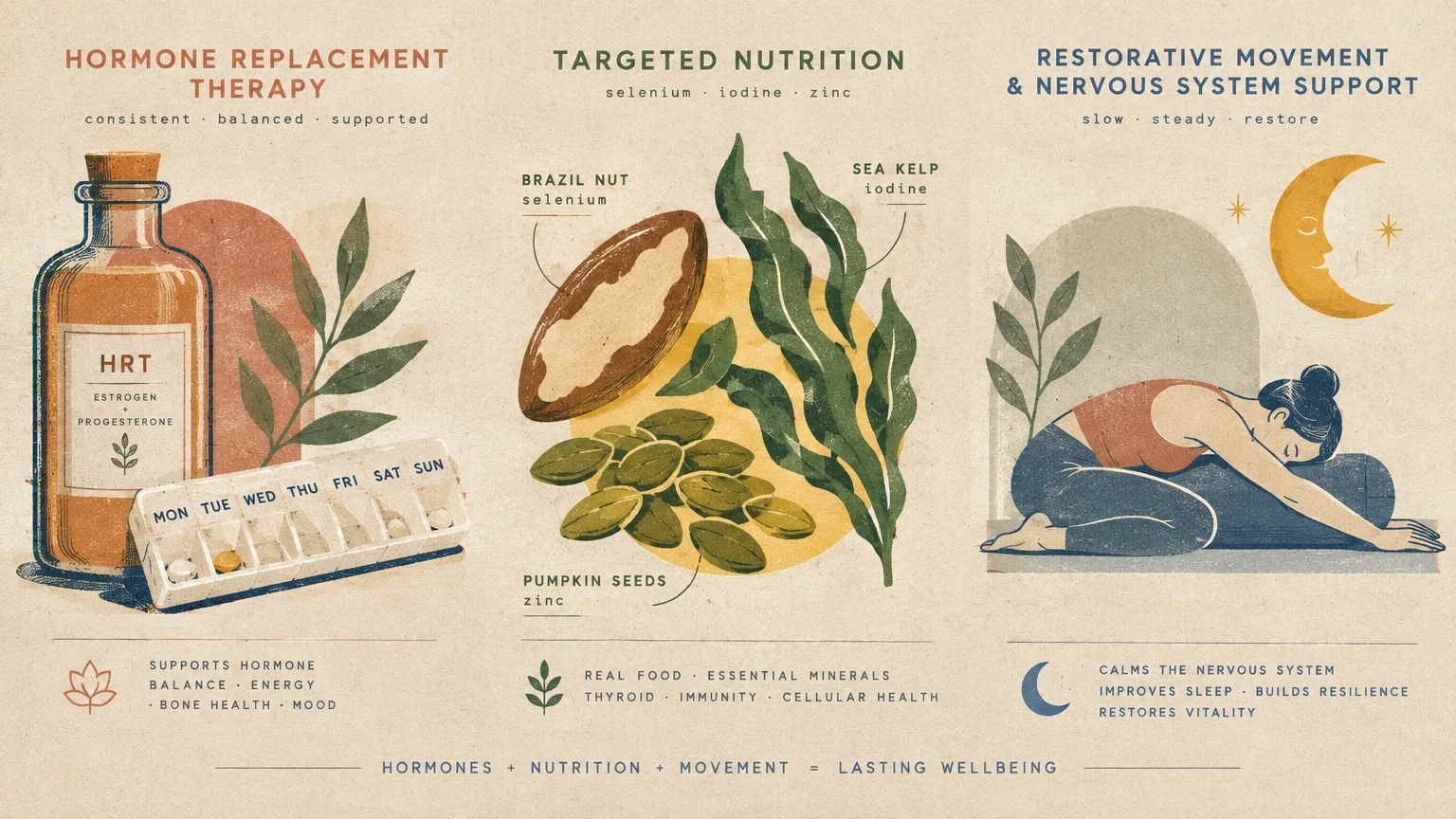
Addressing an underactive thyroid requires a balanced approach combining clinical interventions with sustainable daily habits. You can support your endocrine health through targeted actions across three core pillars.
Pillar 1: Medical Diagnostics and Precision Treatment
The U.S. Preventive Services Task Force recommends targeted testing when you present with clinical signs or hold risk factors such as personal autoimmune history. When evaluating your health, request a comprehensive panel measuring TSH, Free T4, and thyroid peroxidase (TPO) antibodies.
The U.S. Food and Drug Administration cautions that high-dose biotin supplements can falsely lower TSH measurements and falsely elevate thyroid hormone readings. Discontinue hair and nail supplements containing biotin at least two to seven days before lab testing.
According to clinical consensus guidelines from the American Thyroid Association, oral levothyroxine monotherapy serves as the gold-standard treatment. Take this synthetic T4 medication consistently every morning on an empty stomach with plain water.
Wait at least thirty to sixty minutes before consuming coffee, breakfast, or calcium supplements. Strict adherence ensures reliable gastrointestinal absorption and consistent blood concentrations.
Pillar 2: Targeted Nutritional Strategies
Your thyroid requires essential trace minerals to manufacture hormones efficiently. Incorporate nutrient-dense foods containing adequate selenium, zinc, and iodine into your daily meals.
Eating one or two Brazil nuts daily delivers sufficient selenium to support the enzymatic conversion of T4 into active T3. Enjoy pasture-raised eggs, pumpkin seeds, and wild seafood to meet your zinc and protein needs.
Prioritize anti-inflammatory whole foods like leafy greens, colorful berries, and cold-pressed extra virgin olive oil. Minimizing ultra-processed foods helps reduce the systemic inflammatory burden often associated with autoimmune Hashimoto’s disease.
Pillar 3: Adaptive Movement and Nervous System Balance
Strenuous, high-intensity workouts can elevate cortisol levels and exacerbate deep thyroid fatigue. Transition toward restorative movement routines such as brisk walking, pilates, or gentle swimming to preserve muscle mass.
Match physical activity levels to your daily energy reserves rather than pushing through profound exhaustion. This mindful approach prevents post-exercise malaise while supporting metabolic conditioning.
Chronic emotional stress suppresses pituitary signaling and impairs peripheral thyroid hormone conversion. Incorporate nightly breathwork, dark-room sleep hygiene, and scheduled daytime rest intervals to support your autonomic nervous system.
Frequently Asked Questions About Underactive Thyroid
Navigating thyroid health often raises questions regarding diagnostic accuracy, medication dependency, and lifestyle therapies. Review these clinical answers to common patient concerns.
How do doctors distinguish everyday burnout from an underactive thyroid?
Everyday burnout usually fluctuates based on external stressors, resolving with prolonged rest and weekend downtime. In contrast, hypothyroid exhaustion persists regardless of sleep duration and correlates with objective blood markers like elevated TSH.
Your physician will evaluate your physical symptoms alongside objective laboratory panels to differentiate clinical endocrine issues from general lifestyle stress.
Can dietary changes alone reverse hypothyroidism without prescription medication?
Nutritional adjustments nourish your thyroid gland and quell inflammation, but they cannot restore damaged tissue in overt autoimmune hypothyroidism. When Hashimoto’s destroys hormone-producing cells, daily levothyroxine replacement therapy becomes clinically indispensable for long-term health.
Always discuss dietary and supplement strategies with your medical provider rather than discontinuing prescribed thyroid therapies.
How does biotin interfere with thyroid blood test results?
Many commercial immunoassays use a biotin-streptavidin binding system to measure hormone levels in the blood. Excess circulating biotin competes with these test reagents, creating false readouts that disguise genuine hypothyroidism.
Always notify your care team about all vitamins you take, and pause high-dose biotin several days before blood draws.
When should I recheck my thyroid hormone levels after beginning treatment?
Levothyroxine requires approximately six to eight weeks to reach a stable steady-state concentration in your bloodstream. Your physician will order repeat TSH and Free T4 tests at that milestone to adjust your dose.
Once your lab markers normalize, annual monitoring generally suffices unless you experience emerging symptoms or significant weight shifts.
Taking Your First Manageable Step
Living with unrecognized hypothyroidism can feel deeply isolating and physically overwhelming. Understanding that your fatigue, weight shifts, and mental fog stem from measurable biology provides a clear path forward.
Take a small, concrete action today by logging your symptoms in a personal health journal for one week. Record your energy levels, bowel habits, cold sensitivity, and sleep patterns each evening.
How could reclaiming your metabolic vitality and mental clarity reshape your daily life and personal aspirations? Schedule a collaborative visit with a qualified healthcare professional to discuss your findings and request comprehensive blood work.








Leave a Reply