
A diagonal crease across your earlobe, known as Frank’s sign, has been linked in studies to higher odds of coronary artery disease. Although this wrinkle cannot diagnose heart trouble alone, noticing it can prompt a smart cardiovascular checkup.
This educational guide explains what recent research actually shows about earlobe creases, how doctors evaluate true heart risk, and which proven steps protect your arteries. You will also learn which warning symptoms demand immediate emergency care.
Smooth earlobes never guarantee clear arteries, and a visible crease does not mean you have heart disease. Understanding the science helps you focus on the blood pressure, cholesterol, and lifestyle checks that truly matter.
What Is Frank’s Sign and Why Are You Seeing It?
You may have spotted a thin line across your ear in the bathroom mirror or read about earlobe wrinkles online. That distinct fold—called a diagonal earlobe crease, or Frank’s sign—often triggers understandable worry about hidden heart problems.
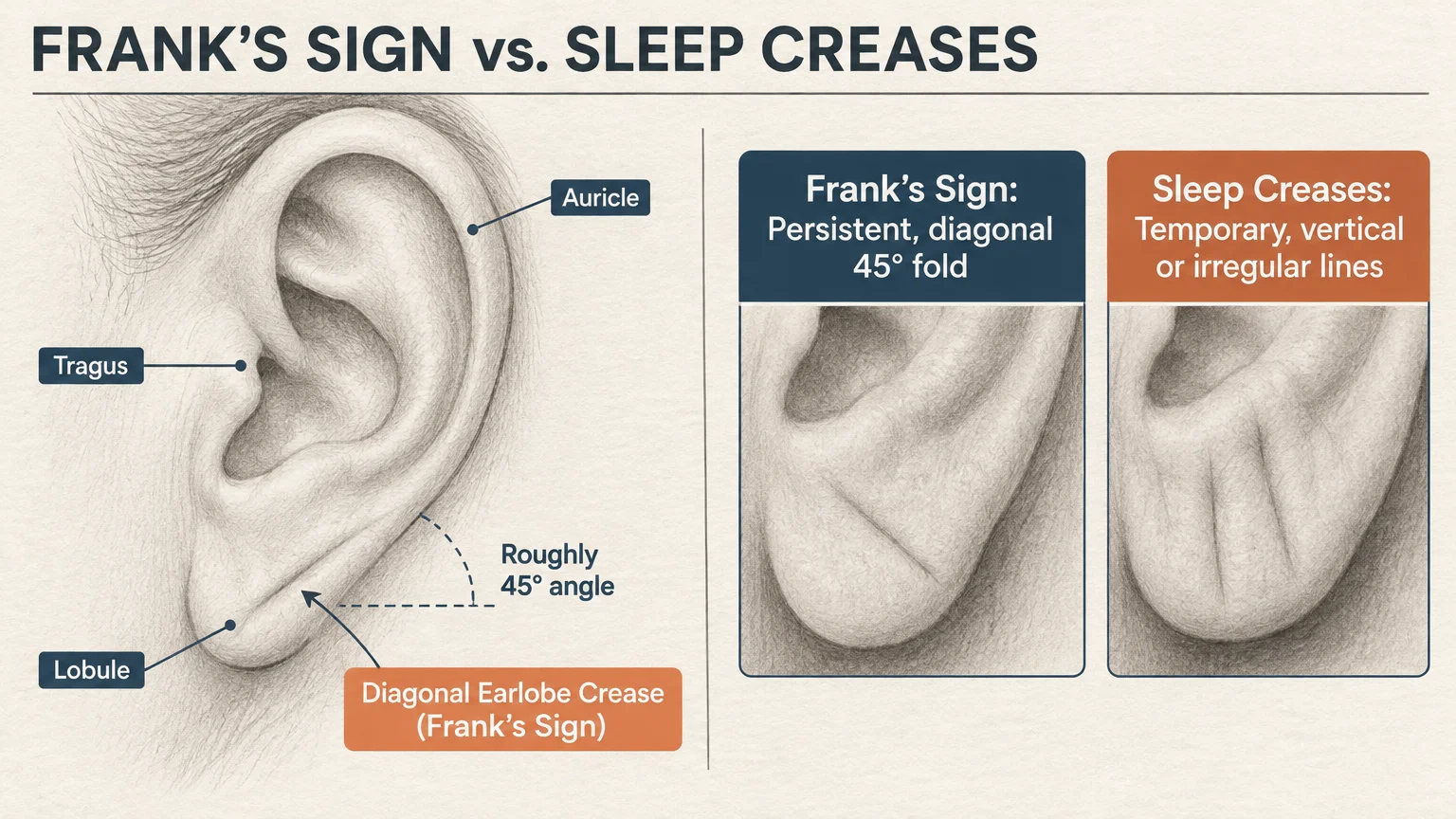
Researchers define Frank’s sign as a crease extending diagonally across the earlobe at roughly a 45-degree angle. It runs from the tragus, the small cartilage flap in front of your ear canal, toward the outer edge of the auricle.
American physician Dr. Sanders T. Frank first described this feature in 1973 in the New England Journal of Medicine. He observed the diagonal crease in 20 patients under age 60 who had angina and confirmed coronary artery blockages.
Since that initial report, decades of research have explored whether an ear wrinkle truly reflects what happens inside your heart’s blood vessels. The short answer is nuanced: researchers see a statistical association, yet doctors never rely on your ears to diagnose disease.
Not every line on an earlobe counts as Frank’s sign. Temporary grooves from pressing your cheek against a firm pillow typically smooth out within minutes after you wake up.
Natural skin aging, sun exposure, genetics, and sleeping habits can also etch shallow folds into soft earlobe tissue. By contrast, medical studies focus on persistent diagonal creases that remain clearly visible when you stand upright in natural light.
Researchers also look at whether a crease appears on one ear or both ears, how deep it cuts across the skin, and whether smaller accessory grooves branch beside it. Even then, visual inspection only offers an observation, not a medical verdict.
Treat this article as educational background rather than personal medical advice. If a new or deepening crease makes you anxious, use that curiosity to schedule routine preventive care with a clinician who knows your full health history.
Understanding the Link Between Earlobe Creases and Heart Health
Cardiovascular conditions remain widespread, which helps explain why researchers search for visible, low-cost clues on physical exams. Knowing the broader numbers puts a single skin finding into clear perspective.
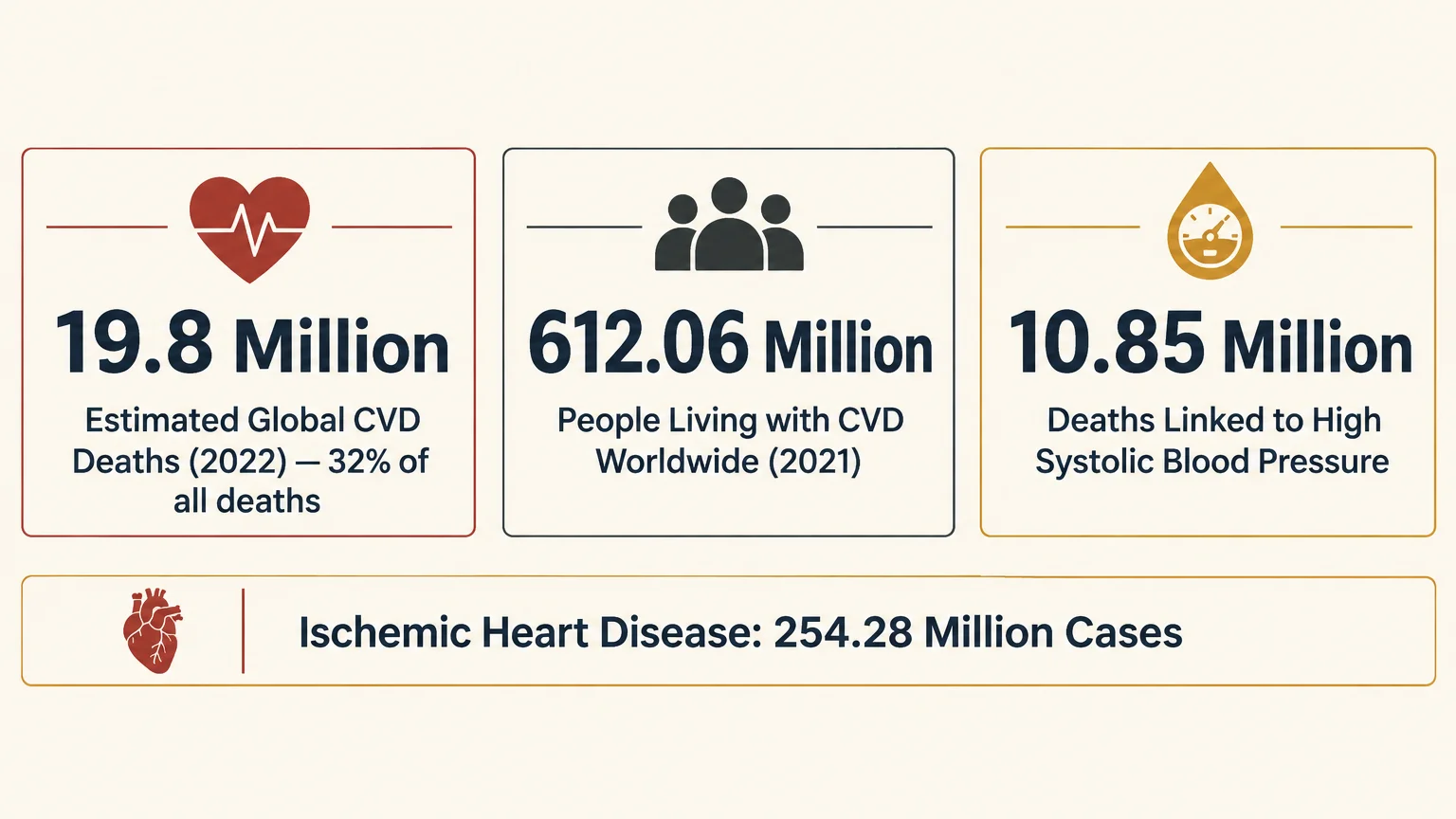
According to a July 2025 fact sheet from the World Health Organization, cardiovascular diseases are the leading cause of death globally. They accounted for an estimated 19.8 million deaths in 2022, representing about 32 percent of all global deaths.
Roughly 85 percent of those deaths resulted from heart attacks and strokes, with over three-quarters occurring in low- and middle-income countries. Worldwide, the American Heart Association’s 2026 Heart Disease and Stroke Statistics Update estimates that 612.06 million people were living with cardiovascular disease in 2021.
That global figure includes 254.28 million people living with ischemic heart disease and roughly 19.41 million cardiovascular deaths that year. High systolic blood pressure stood out as the single largest contributor, linked to 10.85 million global deaths in 2021.
In the United States, heart disease ranks as the leading cause of death. Data from the Centers for Disease Control and Prevention show that heart disease caused 683,491 U.S. deaths in 2024, or 201.0 deaths per 100,000 people.
When counting all cardiovascular diseases together, U.S. mortality reached more than 915,000 deaths in 2023—about one in every three deaths, or one every 34 seconds. Roughly one in six of those deaths occurred in adults younger than age 65.
Coronary artery disease is the most common form of heart disease in the United States, affecting about one in 20 adults aged 20 and older. It caused 371,506 deaths in 2022, often developing quietly over decades before causing symptoms.
Each year, about 805,000 people in the United States experience a heart attack—605,000 first events and 200,000 repeat events. Roughly one in five heart attacks are silent, meaning they damage heart muscle without obvious, dramatic warning pain.
What Current Studies Show About Cardiovascular Risk
Multiple clinical studies have measured how often Frank’s sign appears alongside narrowed heart arteries or stroke. Their findings consistently show a statistical connection alongside clear limits for real-world diagnosis.
A 2021 systematic review in the Journal of Clinical Medicine analyzed 13 cross-sectional studies covering 3,951 adults. Sensitivity for detecting chronic coronary syndromes swung widely from 26 percent to 90 percent, while specificity ranged from 32 percent to 96 percent.
Most positive likelihood ratios in that review fell below two, indicating weak diagnostic power on its own. The researchers concluded that an earlobe crease lacks sufficient accuracy and should not change clinical management by itself.
A meta-analysis in The Journal of Laryngology & Otology, published online in 2021 and in print in March 2025, reached a similar balance. People with diagonal earlobe creases had higher odds of coronary artery disease, with an odds ratio of 4.61.
That elevated risk appeared independent of traditional factors like age and looked potentially stronger when creases appeared on both ears. Still, the authors emphasized that the crease lacks enough sensitivity or specificity to serve as a standalone test.
Stanford Medicine 25 likewise notes a meta-analysis in hospitalized patients showing an association with cardiovascular events at an odds ratio of 1.45. In that analysis, sensitivity reached 43 percent and specificity reached 70 percent.
More recent data examine whether crease severity matters. A January 2024 observational study in The American Journal of Medicine found that estimated cardiovascular mortality risk was significantly higher in people with diagonal earlobe creases.
In that study, the share of participants in moderate, high, or very high cardiovascular risk categories climbed from 23.8 percent without a crease to 35.6 percent with one creased ear. Among those with creases on both ears, that proportion rose to 58 percent.
Risk appeared especially elevated when creases were complete, bilateral, deep, or accompanied by extra accessory grooves. A 2025 cross-sectional study in the Italian Journal of Medicine examined 124 patients undergoing coronary CT angiography for a closer anatomical look.
Doctors found obstructive coronary artery disease in 52.5 percent of patients with Frank’s sign compared with 13.6 percent of those without it. After adjusting for other factors, the odds ratio stood at 3.79, with 88 percent sensitivity and 50 percent specificity.
Researchers have also looked beyond heart arteries to brain blood flow. A 2017 prospective study in The American Journal of Medicine evaluated 241 patients experiencing acute ischemic stroke or transient ischemic attack.
Frank’s sign appeared in 78.8 percent of those patients overall, including 73.2 percent of transient ischemic attack patients and 88.6 percent of stroke patients. Together, these studies suggest Frank’s sign tracks with broader vascular strain rather than predicting a single event.
Proposed Biological Causes and Shared Risk Factors
Scientists have not yet proven a single biological cause linking earlobe skin to coronary arteries. Two leading theories help explain why these two distant body parts sometimes change together.
First, both your heart muscle and your earlobes rely on tiny end-arteries that lack backup blood vessel networks. If microscopic vessel disease slows circulation across the body, fragile earlobe tissue may lose elasticity and fold along weak lines.
Second, parallel degeneration of elastin and collagen fibers may affect both skin structure and arterial walls at the same time. Chronic inflammation, oxidative stress, or biological aging can stiffen blood vessels while thinning the supportive framework inside your earlobe.
Even with those plausible theories, cardiologists stress that Frank’s sign is not a diagnostic tool. Modifiable risks drive far more heart attacks and strokes than any facial or ear feature ever could.
Based on 2021–2023 data in the American Heart Association’s 2026 update, 125.9 million U.S. adults live with high blood pressure. Only 60 percent know they have it, and just 22 percent keep it well controlled.
Metabolic and lifestyle factors compound the threat across millions of households. About 40.3 percent of U.S. adults have obesity, 29.5 million have diagnosed diabetes, and another 9.6 million live with undiagnosed diabetes.
Furthermore, 75 percent of U.S. adults fall short of federal aerobic and muscle-strengthening activity guidelines based on 2022 figures. Another 86.4 million U.S. adults aged 20 and older had high or borderline high total cholesterol in 2017–2020.
If you notice a diagonal crease, treat it as a gentle cue to measure these hidden numbers. Checking your blood pressure, blood sugar, and cholesterol gives you clear facts you can act on right away.

How Doctors Diagnose Heart Disease Beyond Skin Clues
Walking into a clinic because of an ear wrinkle might feel awkward, yet primary care clinicians welcome patients who want preventive checks. Your doctor will shift the conversation from mirror observations to reliable, evidence-based measurements.
Why Earlobe Wrinkles Never Replace Medical Testing
Because studies show wide swings in false positives and false negatives, no major cardiology guideline uses Frank’s sign to screen for heart disease. A healthy person in their fifties can have deep ear creases with clean arteries.
Conversely, someone with completely smooth earlobes can carry severe, silent plaque buildup inside their coronary vessels. Relying on your reflection for reassurance—or panicking over a crease—can steer you away from proper care.
Before your appointment, gather useful information that genuinely helps your doctor assess cardiovascular risk. Write down any family history of early heart attacks or strokes, your current medications, and any unusual fatigue or chest tightness during exertion.
If you own a validated home blood pressure cuff, bring a one-week log of morning and evening readings. Concrete numbers allow your clinician to personalize screening decisions immediately.
Standard Screening Intervals and Risk Calculators
Routine preventive visits rely on straightforward, well-tested intervals to catch silent risks early. The U.S. Preventive Services Task Force recommends blood pressure screening for all adults aged 18 and older.
Adults aged 40 and older, along with younger adults who have elevated risk factors, should have blood pressure checked every year. Adults aged 18 to 39 with normal prior readings and no extra risk factors need checks every three to five years.
The American Heart Association goes a step further and advises annual blood pressure checks even when your readings stay normal below 120/80 mmHg. Consistent tracking spots gradual upward drifts before vessel damage builds.
For blood lipids, federal health guidance advises most healthy adults to get a cholesterol panel every four to six years starting at age 20. Pediatric checks are also recommended between ages 9 and 11 and again between ages 17 and 21.
Adults who have diabetes, high blood pressure, smoking history, or strong family risk generally need cholesterol checks more frequently. Your clinician will review fasting or non-fasting lipid results alongside blood glucose or hemoglobin A1c tests.
To turn raw lab values into a clear forecast, doctors now use updated risk equations. Released in March 2026, the American College of Cardiology and American Heart Association Dyslipidemia Guideline recommends the PREVENT equations for adults aged 30 to 79 without known cardiovascular disease.
Revised in October 2026 to incorporate hemoglobin A1c, these equations replace the older 2013 Pooled Cohort Equations and remove race from risk calculations. They estimate your 10-year atherosclerotic cardiovascular disease risk using blood pressure, cholesterol, kidney health, diabetes status, and age.
The 2026 guideline sorts 10-year risk into four clear tiers: low at under 3 percent, borderline from 3 percent to under 5 percent, intermediate from 5 percent to under 10 percent, and high at 10 percent or higher. This breakdown helps you and your doctor weigh lifestyle steps versus medication.
Updated 2026 lipid guidance also recommends a once-in-a-lifetime Lipoprotein(a), or Lp(a), blood test for every adult. Roughly one in five people inherit elevated Lp(a), a sticky cholesterol particle that standard lipid panels miss.
If your PREVENT score, family history, or new symptoms raise concern for narrowed arteries, your doctor may order targeted heart tests. Common options include an electrocardiogram, an exercise or pharmacologic stress test, coronary calcium scoring, or coronary CT angiography.
Those tests look directly at heart rhythm, blood flow under stress, or vessel plaque. Together, they give clear answers that no external skin crease can provide.
Treatment Landscape: Conventional Care, Lifestyle Steps, and Emerging Options
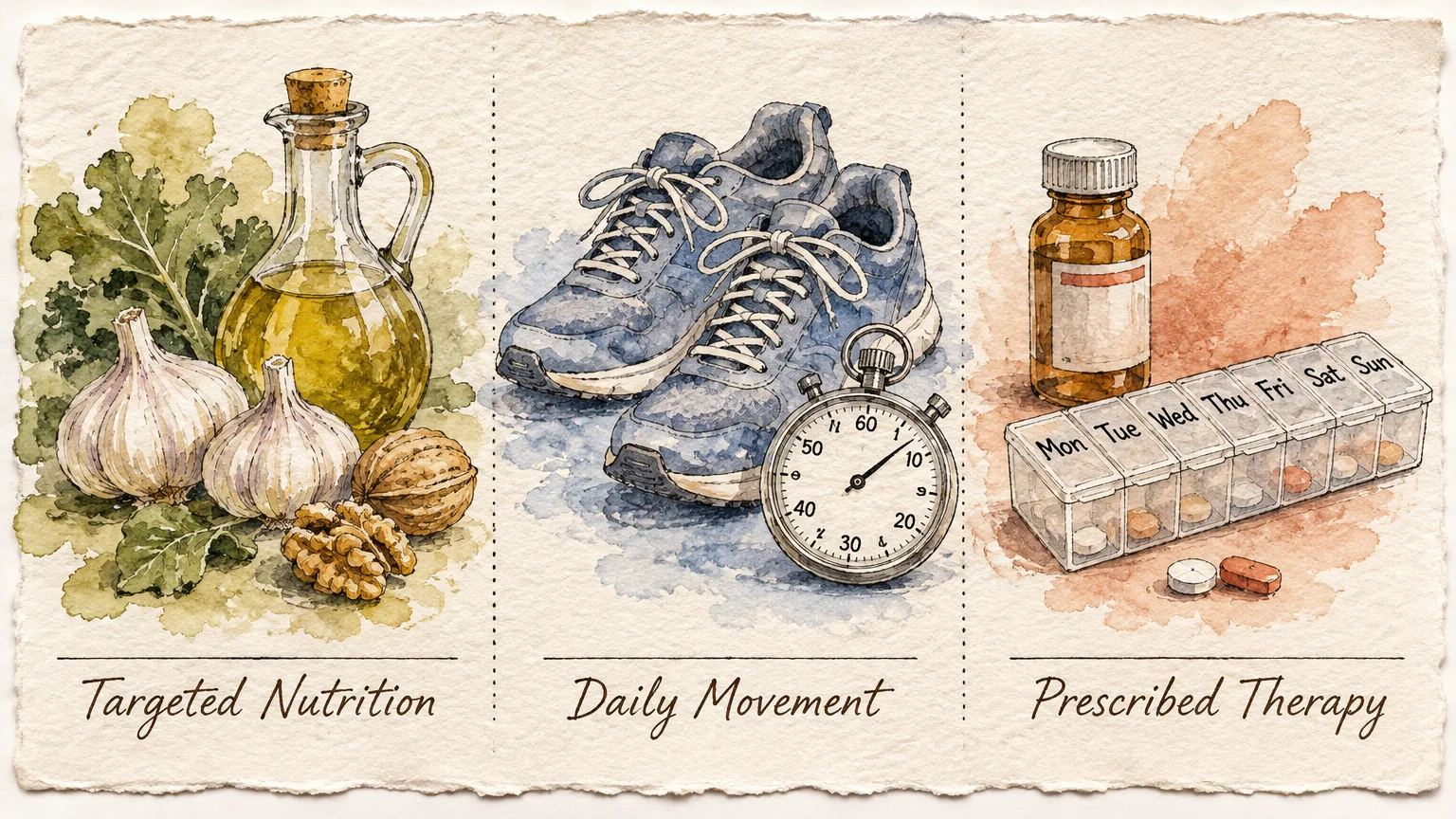
When tests uncover elevated blood pressure, unhealthy cholesterol, or coronary artery disease, treatment focuses on protecting blood vessels and preventing future events. Modern care pairs proven medications with daily habits tailored to your risk tier.
Blood Pressure and Cholesterol Medications
In August 2025, the American Heart Association and American College of Cardiology released an updated High Blood Pressure Guideline. It defines normal blood pressure as under 120/80 mmHg and elevated blood pressure as 120–129 over under 80 mmHg.
Stage 1 hypertension spans 130–139 systolic or 80–89 diastolic mmHg, while Stage 2 begins at 140 systolic or 90 diastolic mmHg or higher. Knowing your exact category clarifies whether lifestyle changes alone or medication plus lifestyle makes the most sense.
Under the 2025 guideline, doctors recommend blood pressure medication for all adults at or above 140/90 mmHg. For Stage 1 readings at or above 130/80 mmHg, medication is advised if your 10-year PREVENT risk reaches 7.5 percent or higher.
Clinicians also recommend starting medication at 130/80 mmHg if you already have clinical cardiovascular disease, diabetes, or chronic kidney disease. Otherwise, adults in Stage 1 typically try three to six months of focused lifestyle changes first.
For cholesterol management, the March 2026 Dyslipidemia Guideline prioritizes shared discussions about statins and lipid-lowering therapy starting at borderline and intermediate 10-year risk. Statins lower LDL cholesterol and stabilize artery plaque so it is less likely to rupture.
When statins alone do not reach target levels or cause intolerable side effects, doctors may add or switch to non-statin therapies. Depending on your risk profile and insurance coverage, options can include ezetimibe, bempedoic acid, or injectable PCSK9-targeting treatments.
Always review potential side effects and safety precautions before starting or changing prescriptions. Blood pressure medicines can sometimes trigger lightheadedness when standing quickly, while statins occasionally cause mild muscle aches or changes in liver enzymes.
Never stop a prescribed heart or blood pressure medication abruptly without calling your care team. Stopping suddenly can trigger rebound blood pressure spikes or leave vulnerable arteries unprotected.
Daily Lifestyle Strategies That Protect Your Arteries
Medication works best alongside consistent daily habits that strengthen blood vessel linings and calm chronic inflammation. You can measure your routine against the American Heart Association’s Life’s Essential 8 benchmarks.
Aim for at least 150 minutes of moderate-intensity aerobic movement, such as brisk walking or cycling, or 75 minutes of vigorous activity every week. Adding two short sessions of muscle-strengthening exercise supports healthy blood sugar and metabolism.
Prioritize seven to nine hours of quality sleep each night, since chronic short sleep raises stress hormones and blood pressure. If you snore loudly or wake up gasping, ask your doctor about sleep apnea testing.
Eliminate all smoking, vaping, and exposure to secondhand smoke, because tobacco chemicals directly injure artery walls and accelerate plaque buildup. Ask your clinician about nicotine replacement, counseling, or prescription quit aids if cravings feel overwhelming.
Adopt a DASH-style eating pattern rich in vegetables, fruits, beans, whole grains, nuts, and fish while limiting saturated fats and added sugars. Keeping sodium intake below 1,500 milligrams per day helps lower blood pressure naturally.
Practical targets for optimal cardiovascular health include keeping body mass index under 25, fasting glucose under 100 mg/dL, non-HDL cholesterol under 130 mg/dL, and blood pressure below 120/80 mmHg. Small, steady shifts—like cooking with olive oil or taking a 15-minute walk after dinner—add up faster than crash diets.
Emerging Diagnostics and Risk Assessment
Preventive cardiology is moving rapidly away from one-size-fits-all age charts toward personalized vascular risk profiling. Integrating hemoglobin A1c into the revised 2026 PREVENT calculator gives clinicians a sharper picture of metabolic strain earlier in adulthood.
Routine once-in-a-lifetime Lp(a) testing also represents a major advance for families with unexplained early heart attacks. Identifying inherited risk early lets you and your doctor set tighter LDL cholesterol goals decades before symptoms start.
Non-invasive coronary CT angiography and advanced plaque imaging are also helping specialists spot high-risk blockages without immediate invasive procedures when symptoms warrant closer inspection. By contrast, no guideline recommends treating an earlobe crease directly or removing it cosmetically to protect your heart.
Creams, fillers, or cosmetic procedures may smooth skin on the surface, yet they do nothing for the arteries feeding your heart muscle. Put your time and healthcare budget toward proven cardiovascular care instead.

Living Well With Cardiovascular Risk and Supporting Loved Ones
Whether you simply noticed Frank’s sign or already manage high blood pressure or coronary artery disease, living well means combining calm daily habits with emergency readiness. You do not need to feel helpless when heart risk enters the conversation.
Recognizing Heart Attack Warning Signs Immediately
Knowing real heart attack symptoms saves lives far more reliably than checking your ears for wrinkles. According to the American Heart Association, the most common sign is discomfort in the center of the chest.
That feeling often resembles uncomfortable pressure, squeezing, fullness, or pain that lasts more than a few minutes or goes away and returns. Pay close attention if exertion triggers chest tightness that eases when you sit down to rest.
Heart attack discomfort can also spread beyond the chest into one or both arms, your back, neck, jaw, or stomach. Shortness of breath may appear alongside chest pressure or strike completely on its own.
Other classic warning signs include breaking out in a cold sweat, nausea, vomiting, sudden lightheadedness, or unusual, crushing fatigue. Never ignore these signals simply because they feel mild or unfamiliar.
While chest discomfort remains the top symptom for both men and women, sex differences matter during emergencies. Women are more likely to experience subtler or additional signs such as shortness of breath, nausea or vomiting, back or jaw pain, and unexplained fatigue.
If you suspect you or someone nearby might be having a heart attack, call 911 immediately rather than driving yourself to the hospital. Emergency medical crews can start life-saving treatment in the ambulance and alert the hospital cardiac team before you arrive.
Self-Management, Caregivers, and Working With Your Care Team
Day-to-day heart care works best when you treat yourself as an active partner on your medical team. Keep an updated medication list in your wallet and on your phone, including over-the-counter pain relievers and herbal supplements.
Use an upper-arm home blood pressure monitor that fits properly, resting quietly with your feet flat on the floor for five minutes before taking a reading. Bring your written log or app summary to every primary care or cardiology visit.
Write down two or three priority questions before appointments so rushed clinic schedules do not crowd out your concerns. Ask what your exact blood pressure, cholesterol, and PREVENT risk targets are, and ask when your next lab check is due.
Family members and caregivers play a crucial role when someone manages cardiovascular risk or recovers from a cardiac event. Caregivers often notice subtle warning changes first, such as swelling in the ankles, new shortness of breath on stairs, or missed pills.
Sharing heart-healthy meals, taking evening walks together, and joining appointments as a second pair of ears reduces isolation and improves follow-through. Caregivers should also protect their own health by asking for help and connecting with peer support networks like Mended Hearts.
If spotting an earlobe crease has made you hyper-focused on every heartbeat, mention that anxiety to your clinician as well. Getting clear numbers from routine blood tests and blood pressure checks usually replaces vague worry with a grounded plan.
Frequently Asked Questions About Earlobe Creases and Heart Health
If I notice a diagonal earlobe crease and no chest pain, what warning signs still require urgent care?
An earlobe crease without symptoms is not an emergency, so you do not need urgent care for the wrinkle alone. However, seek emergency help immediately by calling 911 if you develop chest pressure, shortness of breath, jaw or back pain, cold sweats, dizziness, or sudden unexplained nausea.
Pay extra attention to subtler warning signs during light chores or brisk walking, especially if you are a woman or live with diabetes. Early emergency evaluation limits heart muscle damage even when chest pain is absent or mild.
How should I bring up Frank’s sign at my next checkup, and which tests should I ask about?
Tell your clinician directly that you noticed a diagonal earlobe crease and read that studies link it to cardiovascular risk. Ask to review your baseline blood pressure, cholesterol panel, blood sugar or hemoglobin A1c, and your 10-year risk estimate using the PREVENT calculator.
You can also ask whether a one-time Lipoprotein(a) blood test makes sense for your preventive baseline. Those routine checks give your doctor reliable data without jumping straight to invasive procedures.
Does health insurance typically cover preventive heart screenings if my only concern is an earlobe crease?
Most health plans cover standard preventive screenings—such as routine blood pressure checks, periodic cholesterol panels, and diabetes screening—based on your age and established medical guidelines rather than skin findings. However, advanced cardiac imaging such as stress tests or coronary CT scans generally requires documented symptoms or elevated clinical risk for coverage.
Before scheduling specialized tests, call your insurer to confirm how preventive versus diagnostic visits are billed under your plan. Your clinician’s office can clarify the medical reason documented for any lab work or imaging order.
What does recent research say about whether deep or double-sided creases mean higher risk?
Recent observational studies suggest stronger statistical associations when creases appear on both ears, span the full earlobe, cut deeply, or include extra grooves. In the January 2024 study in The American Journal of Medicine, moderate-to-very-high cardiovascular risk rose from 23.8 percent with no crease to 58 percent with bilateral creases.
Similarly, the 2025 coronary CT angiography study in the Italian Journal of Medicine found obstructive artery disease more often in patients with Frank’s sign. Even so, researchers emphasize that these patterns still lack diagnostic accuracy alone and must be paired with real medical testing.
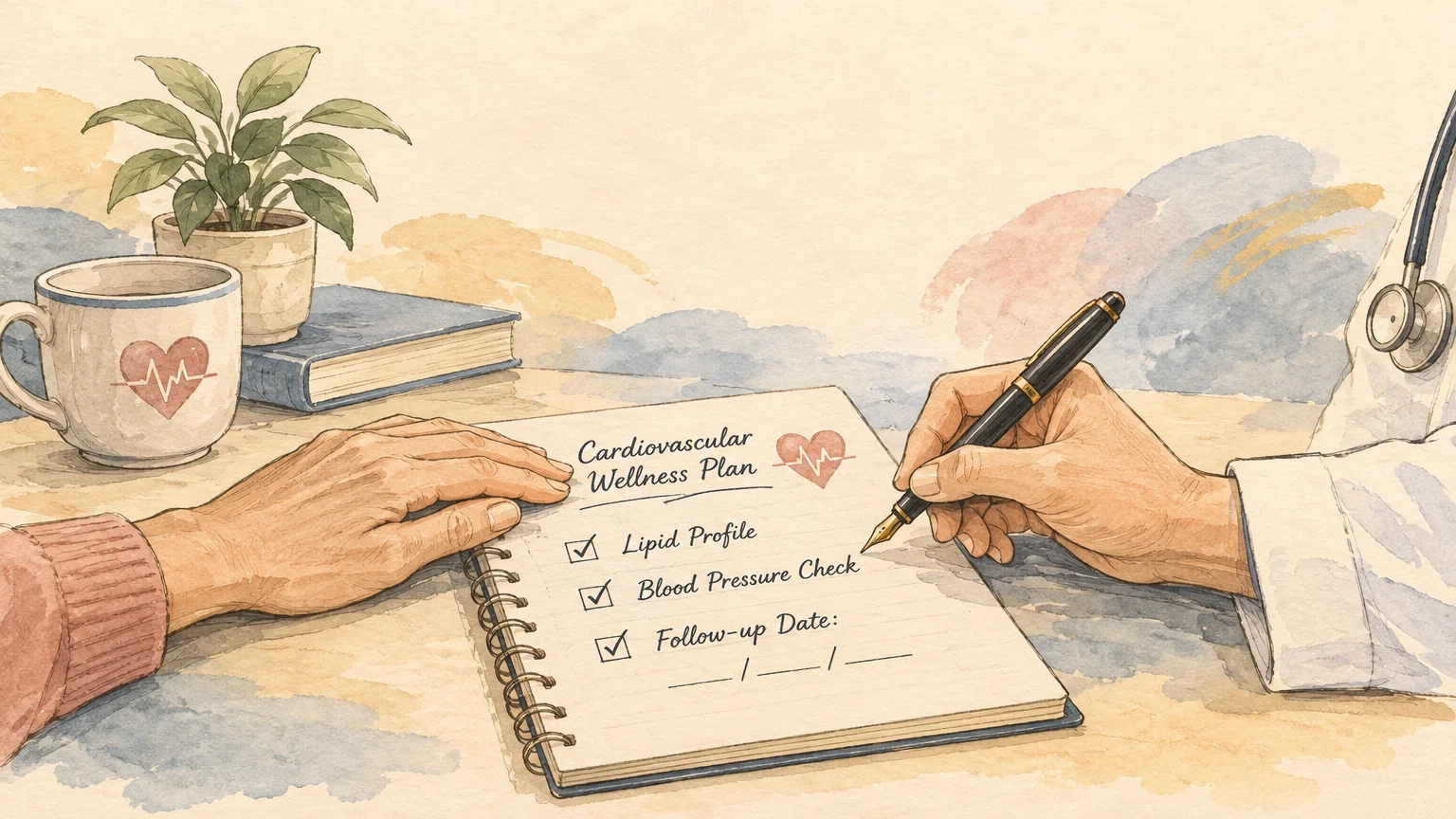
Partnering With Your Care Team for Lasting Heart Health
Spotting a diagonal wrinkle on your earlobe can feel unsettling, yet it does not seal your cardiovascular fate. Science shows Frank’s sign is an intriguing physical clue—never a diagnosis—and your daily choices carry far greater weight.
Use this moment to schedule a routine wellness check, learn your blood pressure and cholesterol numbers, and ask about the updated PREVENT risk assessment. Real clarity comes from proven medical measurements rather than guessing in the mirror.
Remember that this guide shares educational information and cannot replace personalized medical judgment from a clinician who examines you in person. Bring your questions, family history, and home readings to your next visit so your care team can build a plan around your life.
You can also lean on trusted patient education resources from the American Heart Association, the Centers for Disease Control and Prevention, and peer communities such as Mended Hearts. With steady support and practical preventive habits, you can protect your heart for years to come.