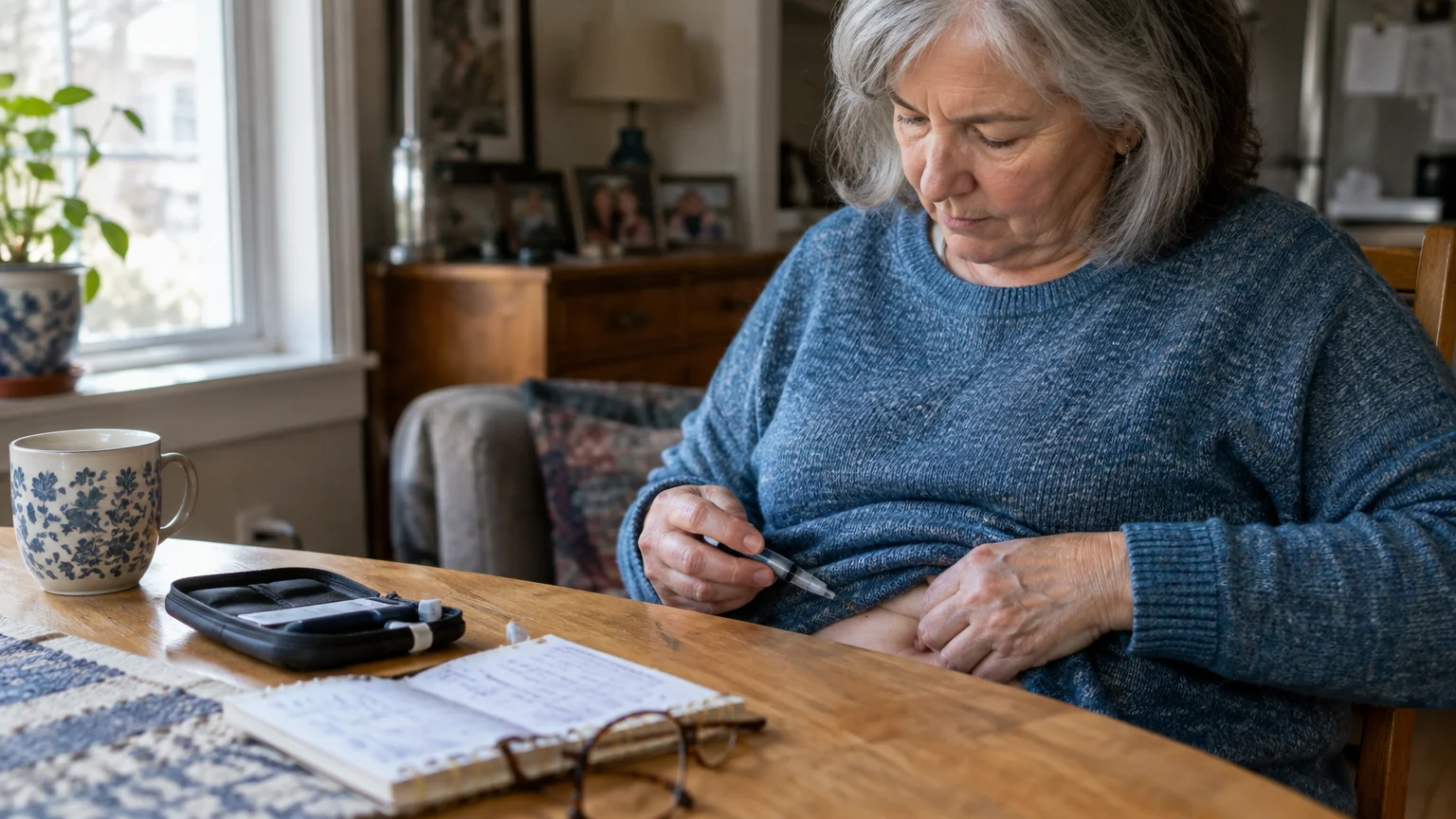
You may have started a GLP-1 medication like Ozempic or Wegovy to manage diabetes, protect your heart, or lose weight. Across the country, millions of older adults are turning to these drugs with encouraging results.
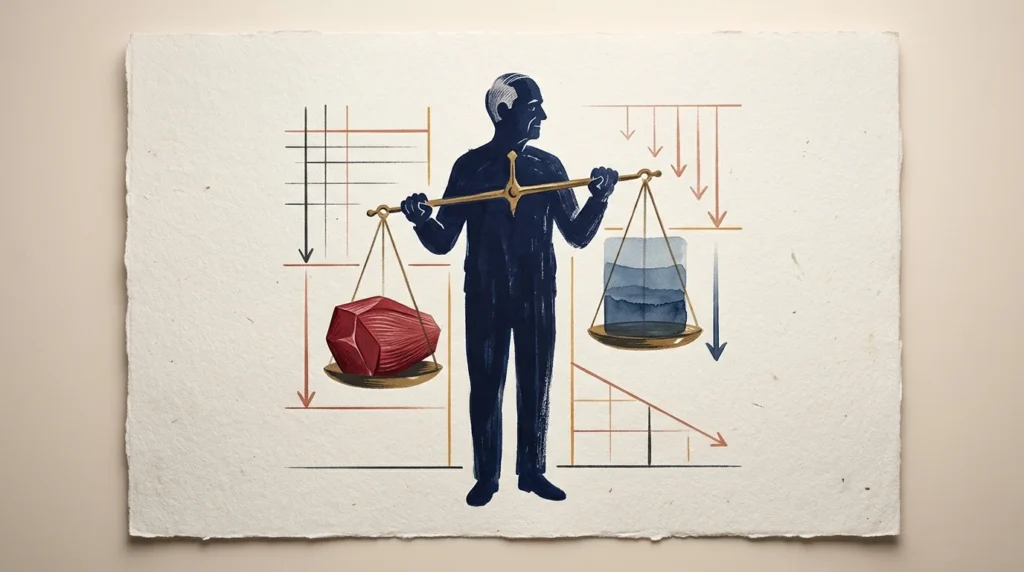
Yet as prescriptions surge, physicians are watching a critical trade-off that hits seniors harder than younger patients. Rapid weight loss on these medications often strips away vital lean muscle alongside body fat, threatening your strength, balance, and independence.
Understanding these age-specific risks helps you and your care team protect your mobility while capturing the real benefits of treatment. This guide explains what doctors monitor, warning signs to watch, and practical steps to stay strong.
Why More Older Adults Are Taking GLP-1 Medications
GLP-1 receptor agonists have transformed care for type 2 diabetes, heart disease, and chronic weight management over the last several years. For adults aged 65 and older, prescriptions have climbed at a remarkable pace.
A KFF analysis of CMS Medicare Part D data published in January 2026 shows GLP-1 claims quadrupled from 4.8 million in 2019 to 21.8 million in 2024. Claims doubled between 2022 and 2024 alone.
Gross Medicare Part D spending on these drugs jumped five-fold from 2019 to reach $27.5 billion in 2024, or roughly $14 billion net after rebates. In 2024, 2,282,000 Part D beneficiaries used semaglutide products such as Ozempic, Rybelsus, and Wegovy.
According to the CDC National Center for Health Statistics, 20.8% of U.S. adults aged 65 and older with diagnosed diabetes used injectable GLP-1 medications in 2024. Usage was 26.5% among all adults with diabetes and 33.3% among adults aged 50 to 64.
Prescribing climbed even higher during 2026 as new federal coverage options arrived. Electronic health record tracking by Truveta found that July 2026 brought the largest single-month jump in GLP-1 prescribing among adults 65 and older after the Medicare GLP-1 Bridge program began.
During that July 2026 surge, anti-obesity tirzepatide prescriptions rose 80.1% among seniors, while anti-obesity semaglutide prescriptions climbed 40.9%. Across all U.S. adults, a September 2026 Gallup survey reported that 11% currently take a GLP-1 for weight loss, up from 3% in 2024.
Doctors prescribe these medications to seniors for clear clinical reasons, including lowering blood sugar, reducing cardiovascular events, treating obstructive sleep apnea, and managing liver fibrosis. Still, this article provides educational information only and cannot replace personalized advice from your prescribing clinician.
The Primary Risk Doctors Watch: Muscle Loss and Fractures
Many older adults and caregivers first notice a problem when everyday movements feel unexpectedly harder. You might see steady weight loss on the scale yet feel weaker climbing stairs, rising from a low chair, or carrying groceries.
Those subtle signs often point to a loss of lean body mass rather than fat alone. Because aging naturally reduces muscle reserves over time, accelerated lean tissue loss leaves seniors with far less physical cushion.
Sarcopenia and Hidden Lean Tissue Loss
Clinical reviews show that 15% to 45%—and commonly 25% to 40%—of total weight lost on GLP-1 medications comes from lean body mass rather than fat. That percentage matters deeply when your baseline muscle mass is already declining with age.
In the STEP 1 body-composition substudy, semaglutide 2.4 mg reduced fat mass by 19.3% and lean body mass by 9.7% over 68 weeks. Roughly 39% to 45% of the total weight lost in that group came from lean tissue.
Similarly, the SURMOUNT-1 substudy of tirzepatide showed that about 25% to 26% of weight lost came from lean soft tissue. While losing fat relieves strain on your joints and heart, losing muscle can push older adults toward sarcopenia.
Sarcopenia is the progressive loss of skeletal muscle mass and strength. When it develops rapidly during medication-assisted weight loss, it directly increases frailty, slows walking speed, and raises your risk of losing daily independence.
Higher Hip and Pelvis Fracture Risk After Age 75
Muscle loss does not happen in isolation; it frequently travels alongside lower bone mineral density and balance changes. When muscles weaken, your bones absorb less protective mechanical stress and your ability to catch yourself during a stumble drops.
Federal prescribing information highlights this vulnerability in older patients. Section 8.5 of the FDA-approved label for Wegovy, updated in May 2026, points directly to fracture trends observed in its major cardiovascular outcomes trial.
In that trial, 30% of Wegovy-treated participants were aged 65 to 75, and 8% were 75 or older. Patients aged 75 and older reported more hip and pelvis fractures on Wegovy than on placebo, alongside more serious adverse reactions overall.
If you take a GLP-1 over age 65—and especially past 75—preventing falls becomes just as important as tracking blood sugar or body weight. A single hip fracture can trigger prolonged hospital stays and long-term mobility loss.
Nutritional Gaps and Falling Protein Intake
GLP-1 medications work partly by quieting appetite signals and slowing how fast food leaves your stomach. While feeling full on smaller portions helps drive weight loss, it can also crowd out essential nutrients.
A September 2026 meta-analysis and review in Qeios, drawing from trials and cohorts covering over 480,000 adults, found that newly diagnosed nutritional deficiencies affect up to 22% of GLP-1 users within 12 months. Average reported protein intake fell to roughly 54 grams per day.
For most older adults, 54 grams of daily protein is too low to preserve existing muscle tissue during weight loss. Insufficient intake of vitamins and minerals can further worsen fatigue, bone turnover, and immune resilience.
Other Serious GLP-1 Side Effects in Seniors
Beyond muscle and bone concerns, aging organs process medication side effects differently than younger bodies do. Doctors closely watch several specific safety alerts issued for GLP-1 medications in older adults.
New FDA Warning on Sudden Vision Loss
On November 9, 2026, the FDA issued a safety alert through the FDA MedWatch safety reporting program affecting every GLP-1 receptor agonist on the market. Manufacturers must now add a warning about a potential increased risk of non-arteritic anterior ischemic optic neuropathy, or NAION.
This update covers semaglutide, tirzepatide, liraglutide, dulaglutide, exenatide, and the oral drug orforglipron. NAION is a rare condition that restricts blood flow to the optic nerve, causing sudden, painless decreased vision or permanent vision loss in one eye.
The FDA specifically noted that diabetes, high blood pressure, sleep apnea, and kidney disease are underlying risk factors for NAION. Because those conditions occur frequently in older adults, you should treat any sudden vision change as an urgent medical priority.
Dehydration, Kidney Strain, and Severe Digestive Reactions
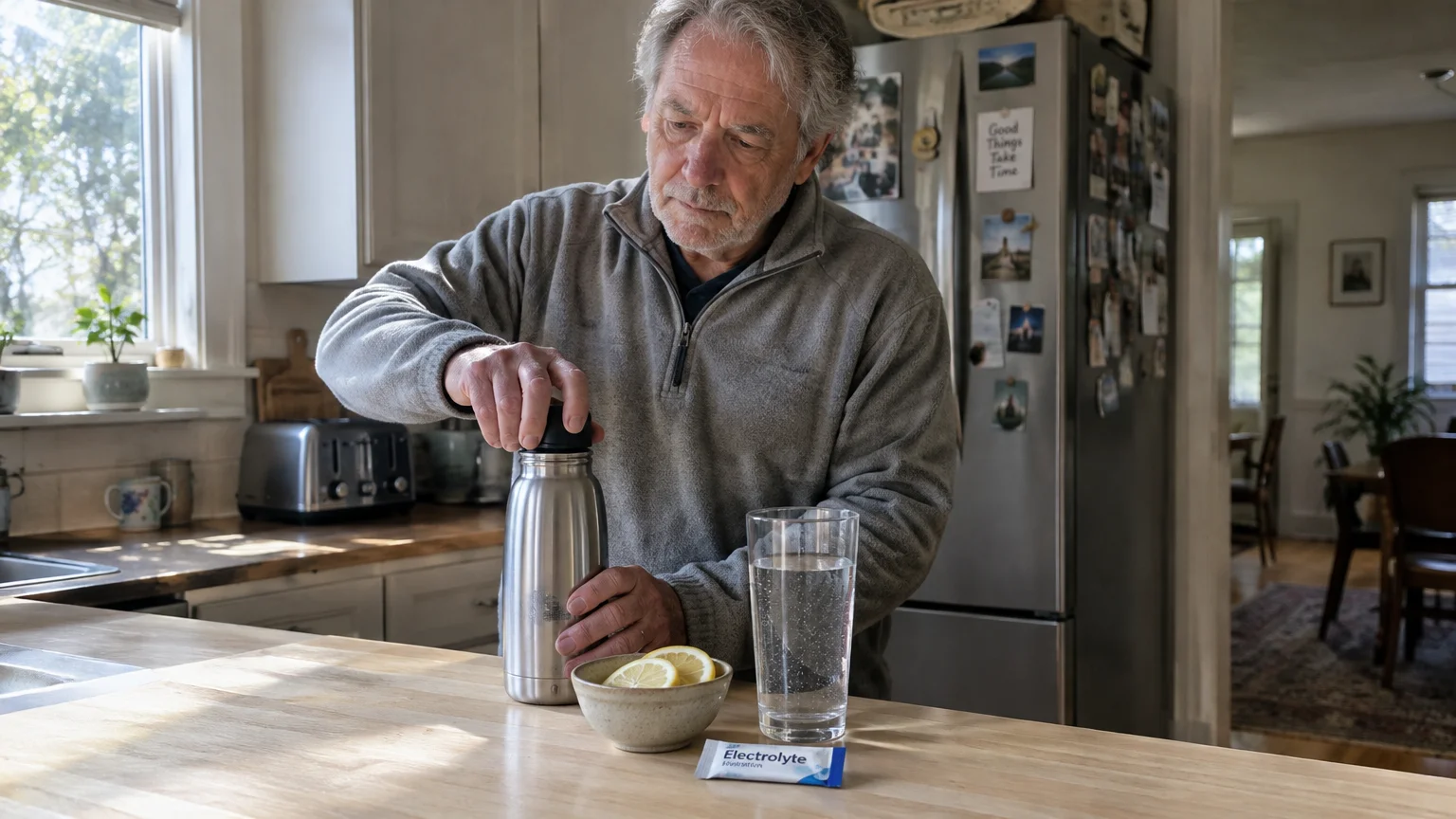
Nausea, vomiting, and diarrhea are among the most familiar side effects when starting or increasing a GLP-1 dose. In younger people, mild stomach upset is often just a temporary nuisance; in seniors, it can trigger rapid dehydration.
Aging naturally dulls your thirst sensation, meaning you may not feel thirsty even while losing fluids. Updated 2025 FDA prescribing labels for Wegovy and Ozempic warn of acute kidney injury caused by volume depletion in patients experiencing gastrointestinal side effects.
Doctors also monitor severe digestive slowing, because GLP-1 drugs delay stomach emptying. FDA labels advise against using these medications in patients with severe gastroparesis, a condition where the stomach empties too slowly.
Postmarketing safety reports also document rare cases of ileus, intestinal obstruction, and severe constipation progressing to fecal impaction. If you go several days without a bowel movement or develop sharp abdominal pain, contact your clinic promptly.
Surgical Sedation Risks and Thyroid Contraindications
Delayed stomach emptying creates an unexpected hazard if you need surgery, a colonoscopy, or any procedure requiring deep sedation. Food or liquid can linger in your stomach longer than standard overnight fasting allows.
FDA labels for Wegovy, Ozempic, and Zepbound warn of rare pulmonary aspiration during general anesthesia or deep sedation, even when patients followed routine fasting rules. Always tell your surgeon and anesthesiologist about your GLP-1 well ahead of any planned procedure.
These medications also carry a boxed warning regarding thyroid C-cell tumors seen in rodent studies, though human relevance remains undetermined. You must avoid Ozempic, Wegovy, and Zepbound if you have a personal or family history of medullary thyroid carcinoma or MEN 2.
One older safety concern has recently shifted based on new evidence. On January 13, 2026, the FDA requested the removal of suicidal behavior and ideation warnings from GLP-1 labels following a comprehensive safety review.
How Doctors Diagnose and Monitor Risks in Older Adults
Good geriatric care starts before your first injection or tablet and continues with structured checkups. When you discuss GLP-1 therapy, your clinician should evaluate both your metabolic targets and your physical frailty.
During an initial assessment, your doctor reviews your medical history for thyroid tumor syndromes, severe gastroparesis, past bowel blockages, kidney function, and eye health. Screening for existing malnutrition or unintended weight loss is equally critical.
Section 13 of the American Diabetes Association 2026 Standards of Care outlines clear monitoring duties for older adults. Clinicians are advised to check seniors regularly for dehydration and excessive weight loss to guard against sarcopenia and bone density loss.
In practice, monitoring often includes basic blood panels to track kidney function and electrolytes, especially after dose increases or stomach illness. Your doctor may also order nutritional labs if your appetite drops sharply.
Physical checkups should look beyond the bathroom scale to test real-world strength. Simple clinic checks—like timing how quickly you stand from a chair, measuring grip strength, or observing your gait—reveal early muscle decline before a fall happens.
For adults aged 65 and older, asking your clinician about baseline and follow-up bone density scans can also clarify your fracture risk. Resources from the National Institute on Aging offer helpful checklists on maintaining bone and muscle health during medical visits.

Treatment Adjustments and Protective Strategies
Preventing GLP-1 complications in older adults rarely requires abandoning effective medication altogether. Instead, doctors rely on thoughtful prescribing, targeted nutrition, and structured strength training to protect your body.
When Guidelines Recommend Pausing or Avoiding GLP-1s
Not every senior is a strong candidate for a GLP-1 medication, even if blood sugar or weight numbers suggest otherwise. According to the American Diabetes Association 2026 Standards of Care, GLP-1s are not preferred for older adults experiencing unexplained weight loss or undernutrition.
Guidelines also steer clinicians away from these drugs when a patient has problematic constipation, significant gastroparesis, recurrent ileus, or prior bowel obstruction. For frail patients, gentler alternatives may offer better overall safety.
If you tolerate a GLP-1 well at a lower dose, your doctor may intentionally keep you there rather than pushing up to the maximum label dose. Slowing down dose escalation gives your digestive tract time to adapt and keeps appetite suppression manageable.
When persistent nausea, dizziness, or rapid muscle loss develops, pausing treatment or stepping down a dose can stabilize your strength. Never stop or change diabetes medications on your own without checking how your blood sugar plan will adjust.
Protein Targets and Strength Training
Pairing medication with deliberate lifestyle protection is the strongest tool you have against lean muscle loss. Clinical nutrition guidance cited in 2026 studies recommends 1.2 to 1.6 grams of protein per kilogram of body weight daily during active GLP-1 weight loss.
For a 155-pound senior—roughly 70 kilograms—that equals about 84 to 112 grams of protein spread across the day. Reaching that target when you feel full quickly takes planning, because eating a large steak in one sitting often feels uncomfortable.
Eating your protein source first at every meal helps ensure you hit your goal before fullness kicks in. Smaller, protein-rich foods like Greek yogurt, eggs, fish, cottage cheese, tofu, or oral protein shakes work well when your appetite is small.
Protein alone, however, cannot signal your body to keep muscle without physical resistance. Your muscles need regular tension to stay active while calories drop.
Evidence from the University of Western Australia’s randomized T-REx trial, published in Nature Medicine in November 2026, proves how powerful strength work can be. The trial followed 120 adults aged 50 to 70 taking tirzepatide for 40 weeks.
Participants who completed resistance training three times per week cut lean tissue loss by 25% and improved body strength by 10%. Meanwhile, participants who took tirzepatide without training lost 10% of their strength despite losing roughly the same total weight—about 22.6 to 22.8 kilograms.
You do not need heavy gym barbells to achieve meaningful resistance training. Seated leg presses, resistance bands, light dumbbells, wall push-ups, or supervised physical therapy sessions all stimulate muscle preservation safely.
Newer Oral and Injectable Options
Your treatment landscape now includes both weekly injections and daily oral pills. Established injectable options include Ozempic and Wegovy for semaglutide, alongside Zepbound for tirzepatide.
Oral choices expanded in April 2026 when the FDA approved Foundayo, an oral orforglipron tablet for weight management, joining oral semaglutide options like Rybelsus and Wegovy tablets. Needle-free pills appeal to many seniors with arthritis or vision challenges that make pens tricky.
Keep in mind that oral GLP-1 formulations belong to the same drug class and carry the same core risks. Whether you swallow a pill or inject weekly, you still need proactive hydration, protein planning, surgical disclosures, and vision monitoring.
Living Well on GLP-1 Therapy: Caregivers and Healthcare Collaboration
Managing a GLP-1 medication safely after age 65 works best as a team effort among you, your caregivers, and your healthcare providers. Simple daily routines catch minor issues before they turn into emergency visits.
Start with a steady hydration habit rather than waiting to feel thirsty. Keeping a marked water bottle nearby and sipping small amounts throughout the day supports your kidneys and eases constipation.
Track your bowel movements quietly on a calendar or phone app, especially during the first few months or after any dose increase. Ask your pharmacist or doctor early about safe fiber strategies or gentle stool softeners if patterns slow down.
If you live with family or rely on a caregiver, share clear warning signs so everyone knows what to watch. Caregivers often notice subtle changes—such as skipped meals, unsteady walking, or rising fatigue—before a patient mentions them.
Caregivers can help by stocking easy-to-chew, high-protein foods and encouraging gentle strength exercises three days a week. Attending appointments together also helps ensure symptoms like lightheadedness or stomach fullness get discussed openly.
Keep an up-to-date medication card in your wallet listing your exact GLP-1 dose and the date of your last injection or pill. That single step protects you during unplanned urgent care visits or pre-operative anesthesia checks.
For practical tips on coordinating geriatric medications, explore caregiver guides from the HealthinAging Foundation. Strong communication between your primary doctor, endocrinologist, pharmacist, and physical therapist keeps everyone aligned on your goals.
Navigating Medicare Coverage and 2026–2027 Costs
Medication costs shape whether seniors can stay on a consistent care plan without rationing doses. Rules governing Medicare coverage for GLP-1 drugs have evolved rapidly through 2026 and into 2027.
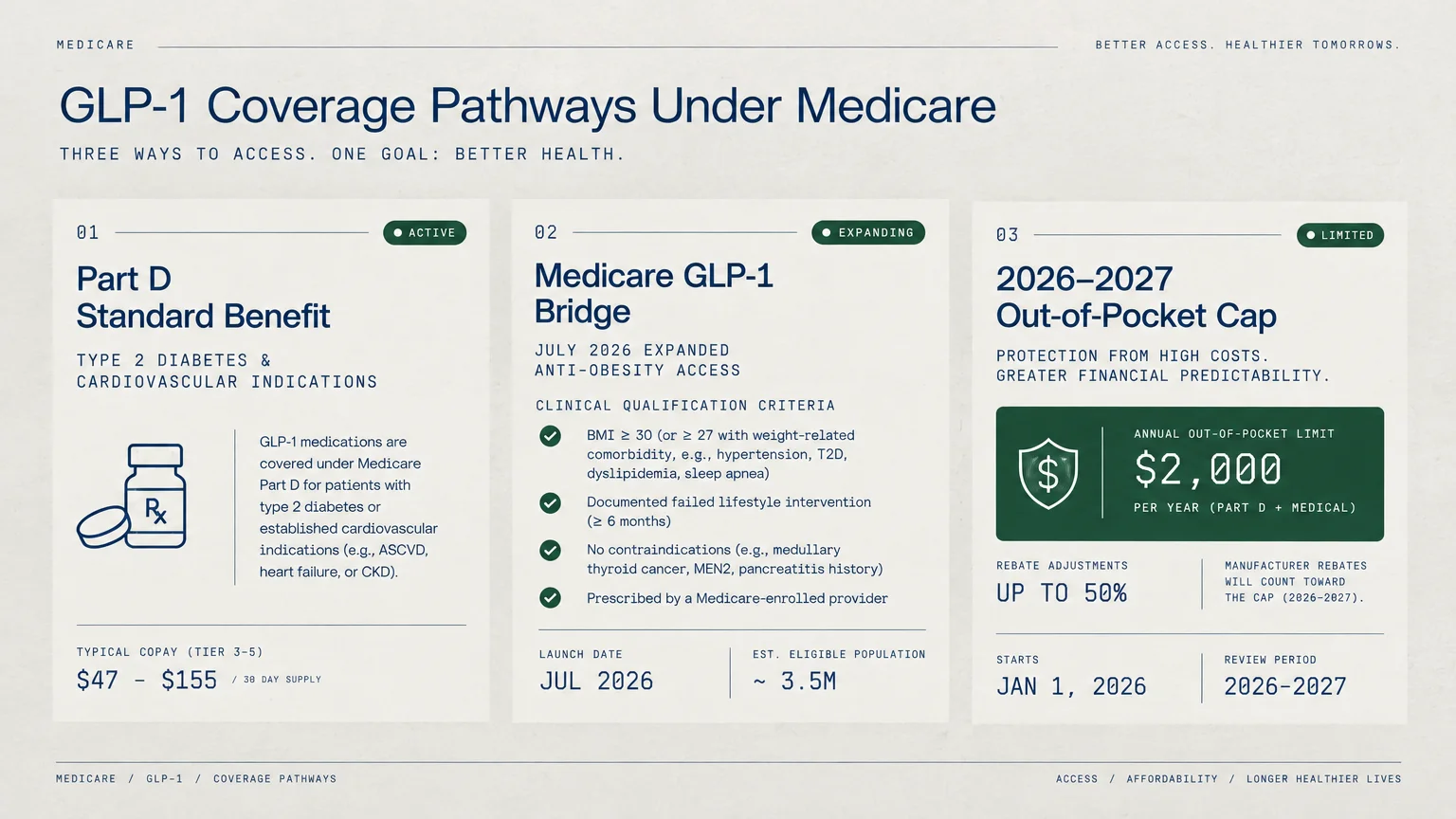
Under standard federal law, regular Medicare Part D plans cannot cover medications prescribed solely for weight loss. However, Part D plans can cover GLP-1s for other FDA-approved uses, including type 2 diabetes.
Standard Part D also permits coverage for established cardiovascular disease with overweight or obesity using Wegovy, moderate-to-severe obstructive sleep apnea with obesity using Zepbound, and MASH liver fibrosis using Wegovy.
To expand weight-management access, CMS launched the temporary Medicare GLP-1 Bridge demonstration on July 1, 2026, running through December 31, 2027. This program covers Wegovy injections or tablets, Zepbound KwikPens, and Foundayo tablets at a flat $50 per month regardless of income.
Note that Zepbound single-dose pens and vials are excluded under the Bridge program, and the $50 copay does not count toward Part D deductibles or annual spending caps. To qualify, you must hold eligible Part D coverage and not already receive a GLP-1 through Part D or have type 2 diabetes, moderate-to-severe sleep apnea, or MASH.
Bridge enrollees must also meet specific clinical criteria: a BMI of 35 or higher; a BMI of 30 or higher with diastolic heart failure, uncontrolled hypertension, or stage 3a or worse chronic kidney disease; or a BMI of 27 or higher with prediabetes or a prior heart attack or stroke.
KFF estimates 3.8 million Medicare enrollees qualify for the Bridge program, and Forbes reported in November 2026 that over 1.1 million had enrolled with roughly 700,000 filling prescriptions. Meanwhile, CMS indefinitely delayed the Part D portion of its previously proposed BALANCE Model.
Broader Part D protections also help seniors manage out-of-pocket bills for covered prescriptions. Under the Inflation Reduction Act, the annual Medicare Part D out-of-pocket cap is $2,100 in 2026 and rises to $2,400 in 2027.
Further relief arrives on January 1, 2027, when Medicare’s negotiated Maximum Fair Price for semaglutide takes effect for Ozempic, Rybelsus, and Wegovy. That negotiated price is $274 for a 30-day supply—71% below its $959 benchmark from 2024—though your exact copay still depends on your plan.
Separately, Novo Nordisk announced it will lower the U.S. list price of Wegovy, Ozempic, and Rybelsus to $675 per month starting January 1, 2027, down from roughly $1,349 per month for Wegovy. Always verify your plan’s specific rules through the official Medicare website before filling a prescription.
Frequently Asked Questions About GLP-1s for Seniors
What warning signs mean I should call my doctor right away?
Seek urgent care for sudden, painless blurriness or vision loss in one eye, which could signal NAION. Also call promptly for persistent vomiting, dark urine, severe abdominal pain, days without a bowel movement, or sudden dizziness when standing.
If you experience new weakness that makes walking or standing from a chair difficult, schedule a prompt checkup rather than waiting months. Early dose adjustments can prevent falls and dehydration-related kidney strain.
How often should older adults have checkups while taking a GLP-1?
During the first few months or whenever your dose changes, many doctors review symptoms, hydration, and weight every four to eight weeks. Once your dose stabilizes, regular quarterly or semiannual visits help monitor kidney labs, nutrition, and physical strength.
Be sure to notify your care team immediately—not at your next routine visit—if you are scheduled for surgery, an endoscopy, or dental sedation. Your provider will give specific timing instructions to prevent aspiration risks.
Does Medicare pay for Wegovy, Zepbound, or Ozempic for weight loss?
Standard Medicare Part D covers GLP-1s for type 2 diabetes and specific approved heart, sleep apnea, or liver conditions, but not for weight loss alone. Through December 31, 2027, however, eligible seniors can access Wegovy, Zepbound KwikPens, or Foundayo for $50 monthly under the Medicare GLP-1 Bridge program.
Eligibility requires meeting specific BMI and cardiovascular, kidney, or prediabetes thresholds, alongside not already receiving a Part D GLP-1. Speak with your doctor and Part D plan administrator to confirm which pathway fits your diagnosis.
What does new research say about preventing muscle loss on weight loss drugs?
The November 2026 T-REx trial in older adults aged 50 to 70 showed that resistance training three times weekly cut lean tissue loss by 25% and boosted strength by 10% on tirzepatide. Combining strength workouts with 1.2 to 1.6 grams of protein per kilogram daily protects muscle far better than medication alone.
Partnering With Your Care Team for Safe Long-Term Health
GLP-1 medications offer meaningful heart, metabolic, and weight benefits for many seniors, provided you actively guard your muscles, bones, kidneys, and vision. Staying alert to early side effects lets you adjust course before complications disrupt your independence.
Bring your questions about protein goals, resistance exercise, and lab monitoring to your next medical appointment. Connecting with trusted senior health resources, physical therapists, and caregiver support networks ensures you never navigate these choices alone.