
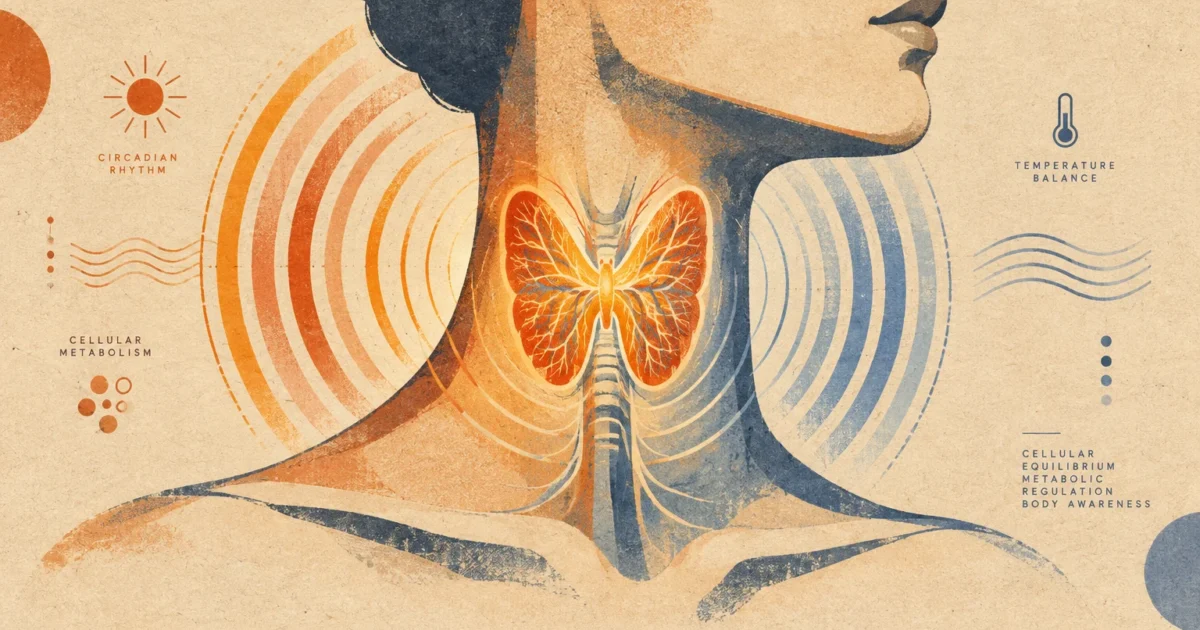
Identifying early thyroid dysfunction can restore your daily energy, stabilize your weight, and protect your long-term cardiovascular health. When you know which warning signs matter most, you can address hormonal imbalances before they disrupt your life.
Your thyroid gland governs your cellular metabolism, body temperature, and systemic tissue repair. When hormone levels fluctuate, the resulting physical signals often disguise themselves as routine stress or premature aging.
Listening to these subtle bodily warnings empowers you to partner effectively with your physician. Recognizing the fifteen critical indicators below will help you reclaim vibrant, lasting vitality.
Understanding the Scope of Thyroid Dysfunction
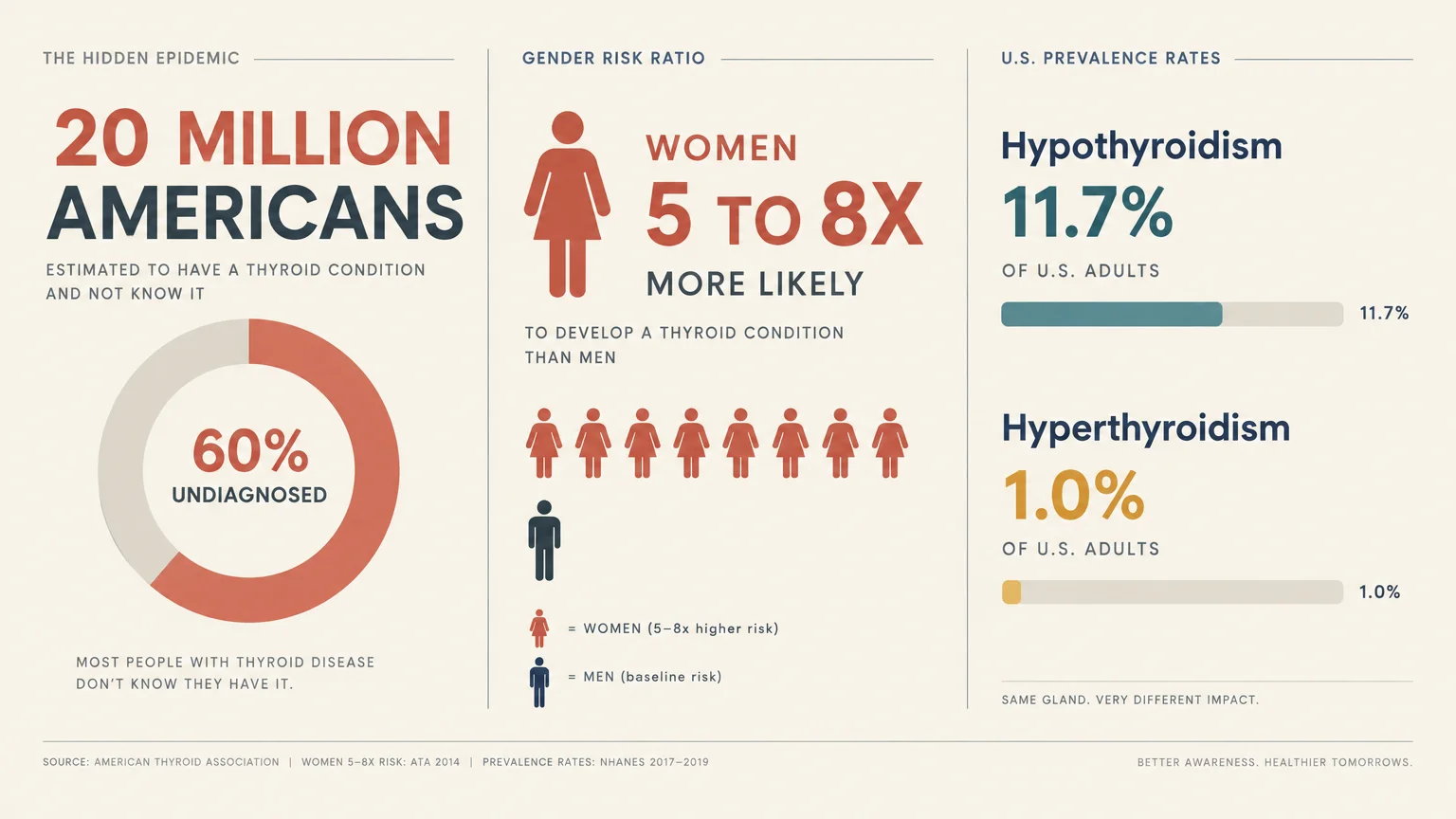
Medical evidence demonstrates that thyroid disorders represent some of the most widespread endocrine challenges today. According to the American Thyroid Association, more than 12% of the U.S. population will develop a thyroid condition during their lifetime.
An estimated 20 million Americans currently live with some form of thyroid disease. Surprisingly, up to 60% of people with thyroid disease remain unaware of their condition because symptoms develop gradually.
Biological sex strongly influences your vulnerability to thyroid disruptions. Women are 5 to 8 times more likely than men to experience thyroid problems; in fact, one in eight women will develop a disorder.
Recent epidemiological data reveals shifting patterns in specific thyroid conditions across the population. A retrospective analysis published in the Journal of the Endocrine Society revealed that the rate of hypothyroidism in the U.S. has climbed to 11.7%.
This modern prevalence figure accounts for both overt clinical deficiency and subclinical hormone shortages. Conversely, the National Institute of Diabetes and Digestive and Kidney Diseases notes that hyperthyroidism affects roughly 1% of Americans aged 12 and older.
Understanding whether your gland runs too fast or too slow clarifies your path forward. Hypothyroidism slows bodily functions down, whereas hyperthyroidism accelerates cellular processes into overdrive.

15 Signs of Thyroid Issues You Shouldn’t Ignore
1. Persistent Exhaustion and Chronic Fatigue
Waking up exhausted after eight hours of sleep signals a breakdown in metabolic energy production. When your thyroid gland fails to secrete adequate hormones, your cellular mitochondria cannot produce fuel efficiently.
You might feel a heavy, crushing lethargy that afternoon naps cannot relieve. This systemic drain slows your reaction times, diminishes cognitive clarity, and makes basic physical tasks feel exhausting.
In contrast, an overactive thyroid can create nervous exhaustion. Your heart races constantly, leaving your body thoroughly depleted despite feeling internally wired and hyperactive.
If you rely on multiple cups of coffee just to function, examine your hormone levels. Treating the root endocrine cause restores real cellular vitality far better than temporary stimulants ever can.
2. Unexplained Weight Shifts
Rapid changes in body composition without dietary adjustments frequently reflect thyroid hormone imbalances. Hypothyroidism depresses basal metabolic rate, prompting stubborn weight gain and persistent fluid retention.
You may strictly count calories and exercise daily yet continue to accumulate abdominal fat. This happens because low thyroid hormone signals your body to conserve energy and store lipids.
Conversely, hyperthyroidism increases your caloric burn beyond normal limits. You might shed pounds rapidly while eating larger meals and experiencing a ravenous appetite.
Sudden weight changes warrant careful diagnostic investigation. Tracking your nutritional intake helps your doctor determine whether metabolic shifts drive these physical changes.
3. Extreme Temperature Intolerance
Your thyroid operates as the central internal thermostat for your entire body. When hormone levels decline, your circulation slows and your cellular heat production drops drastically.
You might wear thick sweaters while others feel warm, or suffer from perpetually icy hands and feet. This intense cold sensitivity indicates an underactive metabolism struggling to maintain core temperature.
On the opposite end, excess thyroid hormone floods your tissues with excessive thermal energy. You may sweat profusely in air-conditioned rooms and feel completely intolerant of summer warmth.
Notice whether you constantly dispute room temperatures with friends or family members. Persistent comfort discrepancies often point directly to an underlying thyroid hormone irregularity.
4. Heart Rate Irregularities and Palpitations
Thyroid hormones exert a profound influence on myocardial contraction and cardiac output. An underactive thyroid gland often leads to bradycardia, causing your heart to beat unusually slowly.
A sluggish pulse leaves you feeling lightheaded, winded during mild exertion, and chronically dizzy. Your cardiovascular system simply lacks the hormonal stimulation needed to pump blood vigorously.
When thyroid output surges, tachycardia often develops alongside uncomfortable heart palpitations. You may feel your pulse fluttering, pounding against your ribs, or skipping beats while resting quietly.
Sustained resting heart rates that feel abnormal require clinical evaluation. Clinicians regularly check thyroid markers when patients present with unexplained rhythm disturbances.
5. Mood Swings, Anxiety, and Brain Fog
Neurotransmitters in your central nervous system require balanced thyroid hormones to function harmoniously. A deficiency in thyroid hormones slows neurocognitive transmission, causing severe forgetfulness, poor concentration, and mental fog.
Many individuals describe feeling like a dense cloud envelopes their daily thoughts. Hypothyroidism also strongly correlates with persistent clinical depression, emotional apathy, and unprovoked sadness.
An overactive thyroid produces entirely different emotional disruptions. It frequently induces intense irritability, restlessness, panic attacks, and an unrelenting sense of impending dread.
Do not dismiss emotional turbulence as simple lifestyle stress. Addressing underlying endocrine imbalances can resolve mood swings that standard psychological approaches fail to heal.
6. Diffuse Hair Thinning and Eyebrow Loss
Hair follicles consume substantial energy and depend on thyroid hormones for normal growth cycles. Hypothyroidism forces follicles into a premature resting phase, leading to diffuse shedding across your scalp.
You may notice clumps of hair collecting in your shower drain or morning brush. Over time, your strands become coarse, dry, brittle, and prone to breaking near the roots.
A classic sign of an underactive thyroid is the thinning of the outer third of your eyebrows. Known clinically as the sign of Queen Anne or Hertoghe’s sign, this pattern strongly suggests low circulating hormone levels.
Hyperthyroidism can also cause diffuse alopecia, leaving hair strands remarkably fine and fragile. Fortunately, optimizing your thyroid levels generally halts shedding and initiates healthy regrowth.
7. Chronic Constipation or Frequent Diarrhea
The smooth muscles lining your gastrointestinal tract rely on thyroid signals for rhythmic peristalsis. When hormone output drops, intestinal contractions slow down dramatically.
This sluggish motility leads to chronic constipation, abdominal bloating, and hard stools. Increasing dietary fiber and water intake often fails to provide lasting relief under these conditions.
Hyperthyroidism accelerates your digestive system, forcing waste through the intestines too rapidly. This results in frequent, loose stools, chronic diarrhea, and poor nutrient absorption.
Persistent gastrointestinal irregularities frequently indicate a deeper metabolic root cause. Restoring thyroid balance helps normalize transit time and supports a healthy, balanced gut microbiome.
8. Menstrual Irregularities and Fertility Challenges
Thyroid hormones interact continuously with ovarian hormones like estrogen and progesterone. In women, an underactive thyroid can cause exceptionally heavy, prolonged, and frequent menstrual periods.
Hypothyroidism disrupts regular ovulation, leading to irregular cycles or luteal phase defects. This disruption creates significant obstacles for women attempting to conceive naturally.
In contrast, hyperthyroidism tends to cause lighter, shorter, or remarkably infrequent periods. In severe cases, excessive thyroid hormone levels cause amenorrhea, stopping menstruation entirely.
Reproductive specialists routinely evaluate thyroid function during comprehensive fertility assessments. Restoring thyroid harmony often normalizes menstrual regularity and protects early embryonic development.
9. Muscle Weakness and Aching Joints
Unexplained muscle weakness and joint soreness often stem from systemic endocrine deficits. Low thyroid levels promote fluid accumulation in connective tissues, leading to painful joint swelling.
You might struggle to climb stairs, lift groceries, or raise your arms overhead. Many patients experience carpal tunnel syndrome when swelling compresses the median nerve at the wrist.
Hyperthyroidism triggers rapid muscle catabolism, breaking down lean tissue to fuel heightened metabolic demands. This muscle wasting primarily impacts your shoulders, upper arms, thighs, and pelvic girdle.
Pay close attention if physical weakness persists without rigorous exercise or injury. Restoring cellular hormone balance relieves chronic musculoskeletal strain and protects long-term mobility.
10. Dry Skin, Brittle Nails, and Texture Changes
Cellular turnover in your skin and nail beds directly mirrors your metabolic rate. Hypothyroidism slows skin renewal, causing dead cells to accumulate on the epidermal surface.
Your complexion may turn dry, scaly, pale, and remarkably cool to the touch. Your elbows and knees might develop rough, calloused patches that resist moisturizing creams.
Nails frequently become soft, thin, and brittle, splitting vertically with minimal pressure. They grow at a noticeably slower pace and may develop distinct ridges across the surface.
In hyperthyroidism, skin often feels excessively warm, velvety smooth, and unusually moist. Thinning skin and rapidly splitting nails can also emerge during prolonged hormone surges.
11. Neck Fullness, Goiter, or Palpable Nodules
Physical changes in the lower neck warrant prompt, careful clinical evaluation. An enlarged thyroid gland, known as a goiter, can create a visible swelling at your collarbone.
You might feel a sensation of tightness when fastening buttoned collars or wearing necklaces. Some people develop localized thyroid nodules, which feel like small, firm lumps under the skin.
While most nodules remain benign, medical imaging must rule out cellular malignancies. The American Cancer Society projects 45,240 new cases of thyroid cancer in the U.S., with 32,000 cases in women and 13,240 in men.
Their data also notes about 2,320 deaths and an average diagnosis age of 51. Routine neck palpation by a physician detects structural changes early when treatment proves most effective.
12. Persistent Insomnia or Excessive Sleep
Hormonal disruptions profoundly alter your circadian rhythm and nighttime sleep architecture. Hyperthyroidism keeps your sympathetic nervous system locked in a continuous state of overdrive.
You might lie awake for hours with racing thoughts, night sweats, and physical restlessness. Even when you do sleep, frequent nighttime awakenings prevent you from entering deep, restorative slumber.
With hypothyroidism, you may sleep ten hours nightly yet awaken feeling unrefreshed. Low hormone levels reduce slow-wave sleep, depriving your brain of critical restorative phases.
Chronic sleep disruption impairs cognitive performance, emotional resilience, and cellular repair. Restoring balance to your thyroid hormone axis helps synchronize your natural sleep-wake cycle.
13. Facial Puffiness and Peripheral Fluid Retention
Hypothyroidism causes glycosaminoglycans, primarily hyaluronic acid, to accumulate in interstitial tissues. This biochemical buildup traps water, creating a distinct, non-pitting edema throughout your body.
You might notice swollen eyelids, puffy cheeks, and a broader jawline in the morning. Your rings may feel uncomfortably tight on your fingers, and your ankles might swell noticeably.
This fluid accumulation can also affect your tongue, making it slightly enlarged or scalloped along the edges. The resulting swelling can worsen obstructive sleep apnea and impair nighttime breathing.
Normalizing thyroid levels stimulates lymphatic drainage and clears accumulated polysaccharides. As hormone balance returns, facial contours sharpen and peripheral swelling resolves naturally.
14. Hoarseness and Chronic Throat Discomfort
The recurrent laryngeal nerves run alongside your thyroid gland to control vocal cord movement. When an enlarged gland or inflamed tissue presses against these nerves, your voice changes noticeably.
You may develop persistent hoarseness, a raspy vocal tone, or a chronic urge to clear your throat. Mild dysphagia, or difficulty swallowing dry foods, can also appear as the gland presses against the esophagus.
You might feel a chronic globus sensation, feeling like a pill is stuck in your throat. This mechanical symptom frequently leads patients to consult an ear, nose, and throat specialist first.
Any unexplained voice change lasting longer than three weeks requires thorough medical examination. Identifying structural thyroid pressure allows clinicians to preserve your vocal function and airway comfort.
15. Stubborn Elevations in Serum Cholesterol
Thyroid hormones regulate the expression of low-density lipoprotein receptors in hepatic tissue. Without sufficient hormone stimulation, your liver cannot clear circulating LDL cholesterol effectively.
Consequently, many individuals with undiagnosed hypothyroidism develop elevated total and LDL cholesterol. These lipid abnormalities often resist clean eating plans and vigorous exercise routines.
Elevated triglycerides frequently accompany this pattern, increasing long-term cardiovascular risks. In some cases, unexpected hypercholesterolemia serves as the first laboratory clue for occult hypothyroidism.
Many clinicians check thyroid markers before prescribing cholesterol-lowering medications. Correcting thyroid hormone levels often brings lipid profiles back into normal target ranges without additional drugs.
Evidence-Based Pillars for Restoring Thyroid Balance
Pillar 1: Comprehensive Diagnostic Testing and Medical Care
Relying solely on a basic thyroid-stimulating hormone screen can miss subtle endocrine dysfunction. A complete thyroid panel must evaluate Free T4, Free T3, and Reverse T3 levels.
Requesting thyroid peroxidase and thyroglobulin antibodies detects Hashimoto’s thyroiditis or Graves’ disease early. Autoimmune conditions represent the primary cause of thyroid disorders across industrialized nations.
Partner closely with an endocrinologist or functional medicine physician to interpret these findings. If medication is necessary, collaborate with your prescriber to identify the exact therapeutic dose for your body.
Never adjust or discontinue prescribed thyroid medication without direct medical supervision. Regular blood testing every six to twelve weeks ensures your hormone levels remain within optimal parameters.
Pillar 2: Targeted Nutritional Support and Gut Health
Your thyroid gland requires specific micronutrients to synthesize and activate metabolic hormones. Iodine serves as an indispensable building block, yet excessive intake can trigger autoimmune flare-ups.
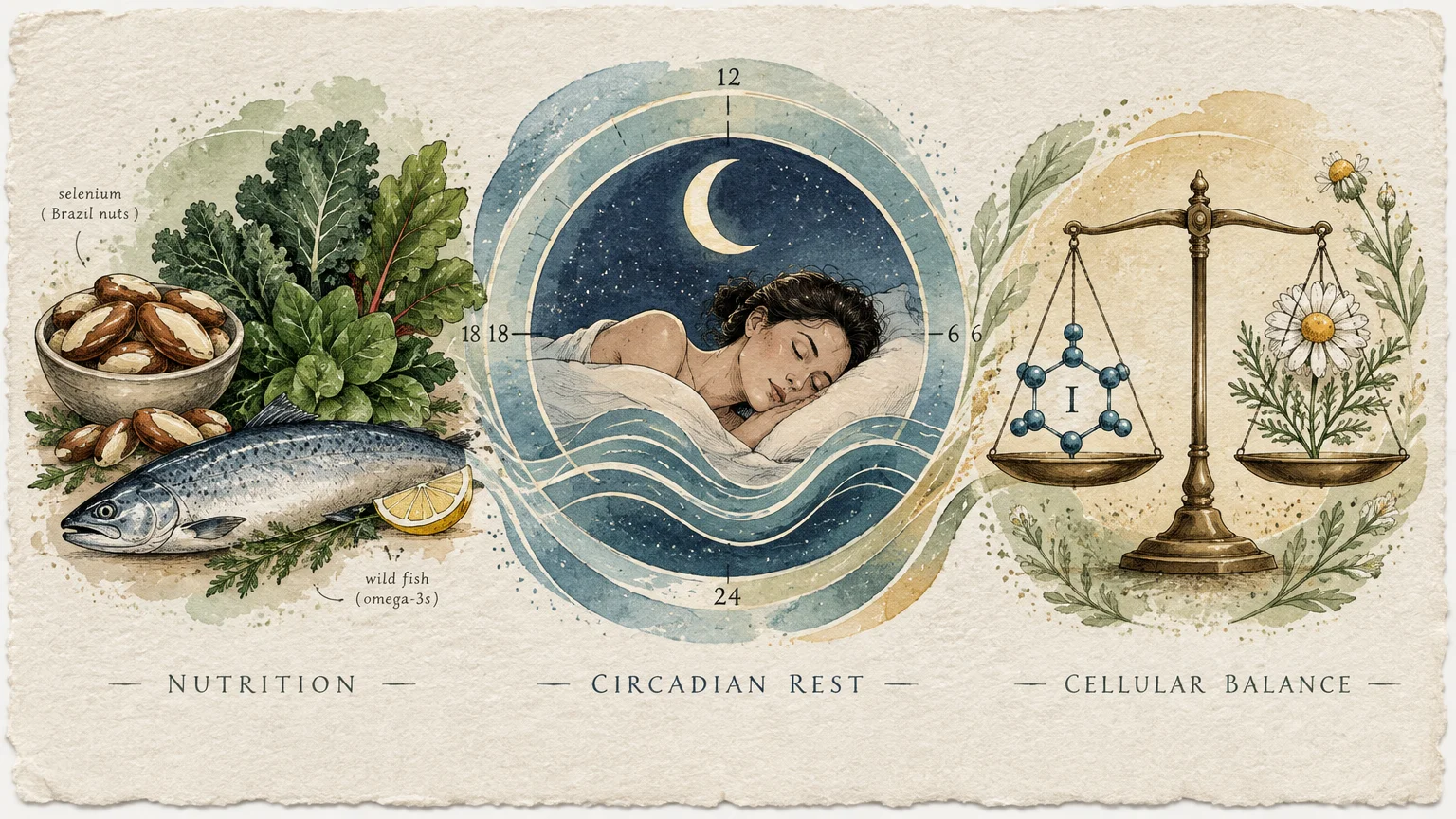
Selenium protects thyroid tissue from oxidative stress while converting inactive T4 into active T3. Incorporating two Brazil nuts daily or consuming pastured eggs delivers bioavailable selenium safely.
Zinc, iron, and vitamin D also play fundamental roles in hormone production and cellular reception. Ferritin levels must remain robust, as iron deficiency directly hinders thyroid peroxidase enzyme function.
Heal your gut lining to reduce systemic inflammation and support peripheral hormone conversion. Emphasize whole foods, diverse plant fibers, and anti-inflammatory healthy fats like extra virgin olive oil.
Pillar 3: Restorative Movement and Mindful Stress Regulation
Chronic psychological stress floods your circulation with elevated cortisol, suppressing pituitary hormone signaling. High cortisol diminishes T4-to-T3 conversion while increasing metabolically inactive Reverse T3.
Intense, exhausting exercise sessions can further stress an already struggling endocrine system. When experiencing severe fatigue, replace high-intensity interval workouts with gentle walking and restorative yoga.
Prioritize nervous system regulation through diaphragmatic breathing, meditation, or quiet time in nature. Lowering sympathetic tone signals your body that it is safe to expend metabolic energy.
Consistency matters far more than intensity when rebuilding hormonal equilibrium. Honor your current physical capacity while gradually increasing activity as your stamina and strength return.

Clinical Perspectives and Patient Realities
Integrative endocrinologists emphasize that laboratory reference ranges do not always reflect optimal individual function. Many patients experience debilitating symptoms while their test results sit on the borderline of normal.
Clinical researchers highlight that individual metabolic requirements vary considerably across diverse populations. Clinicians must listen attentively to patient symptoms rather than focusing exclusively on biochemical markers.
Patients often spend years visiting multiple specialists before receiving an accurate thyroid diagnosis. Recognizing these widespread symptoms helps individuals advocate for themselves within modern clinical environments.
Validating your lived experience is a crucial step toward long-term physical recovery. You understand your body best, and persistent symptoms deserve rigorous, compassionate investigation.
Frequently Asked Questions About Thyroid Signs
Can thyroid issues develop suddenly without warning?
Most thyroid conditions develop gradually over months or years as autoimmune activity increases. However, conditions like subacute thyroiditis or postpartum thyroiditis can cause sudden, dramatic symptom onset.
Viral infections, acute psychological trauma, or severe physiological stress can trigger acute flare-ups. If you experience rapid swelling in your neck or sudden heart palpitations, seek immediate medical evaluation.
Which blood tests provide the most accurate assessment of thyroid health?
A comprehensive evaluation requires more than just testing thyroid-stimulating hormone levels alone. Your doctor should measure Free T3, Free T4, and thyroid antibodies for an accurate diagnosis.
Testing Reverse T3 and serum ferritin provides additional clarity regarding peripheral hormone conversion. Always review these results alongside your specific clinical symptoms with a qualified physician.
Are thyroid conditions strictly hereditary?
Genetics significantly increase your susceptibility to Hashimoto’s thyroiditis and Graves’ disease. Having a first-degree relative with thyroid illness elevates your lifetime risk noticeably.
However, environmental factors, dietary patterns, chronic stress, and gut health influence whether genes express. A family history means you should stay proactive, not that thyroid disease is inevitable.
Can diet and lifestyle changes replace prescription thyroid medication?
Lifestyle interventions provide powerful foundational support, but they cannot replace essential hormones when gland tissue is compromised. If your thyroid cannot produce sufficient hormones, replacement medication remains medically necessary.
Holistic strategies enhance cellular hormone sensitivity and reduce systemic inflammation alongside prescribed therapies. Always work collaboratively with your medical provider before making any changes to your medication regimen.
Taking Your First Step Toward Lasting Health
Navigating potential hormonal imbalances can feel overwhelming, but clarity begins with careful observation. Start by keeping a detailed symptom journal for the next two weeks.
Document your daily energy patterns, digestive changes, sleep quality, and body temperature fluctuations. This tangible record equips your physician with actionable data during your next appointment.
What subtle message has your body been sending that you have previously ignored? Choosing to listen today is your first step toward vitality, balance, and sustained well-being.








Leave a Reply