

Catching subtle metabolic shifts today can preserve your energy and protect your long-term cardiovascular health. Recognizing quiet bodily changes allows you to reverse insulin resistance before it transitions into chronic disease.
Most people assume blood sugar trouble always announces itself with severe, unmistakable warning signs. In reality, early disruptions develop silently, offering only faint signals that are easy to brush aside.
Learning how your body flags impaired glucose processing gives you the power to take early, transformative action. Here are the crucial markers you should monitor and discuss with your physician.
The Science of Early Blood Sugar Shifts
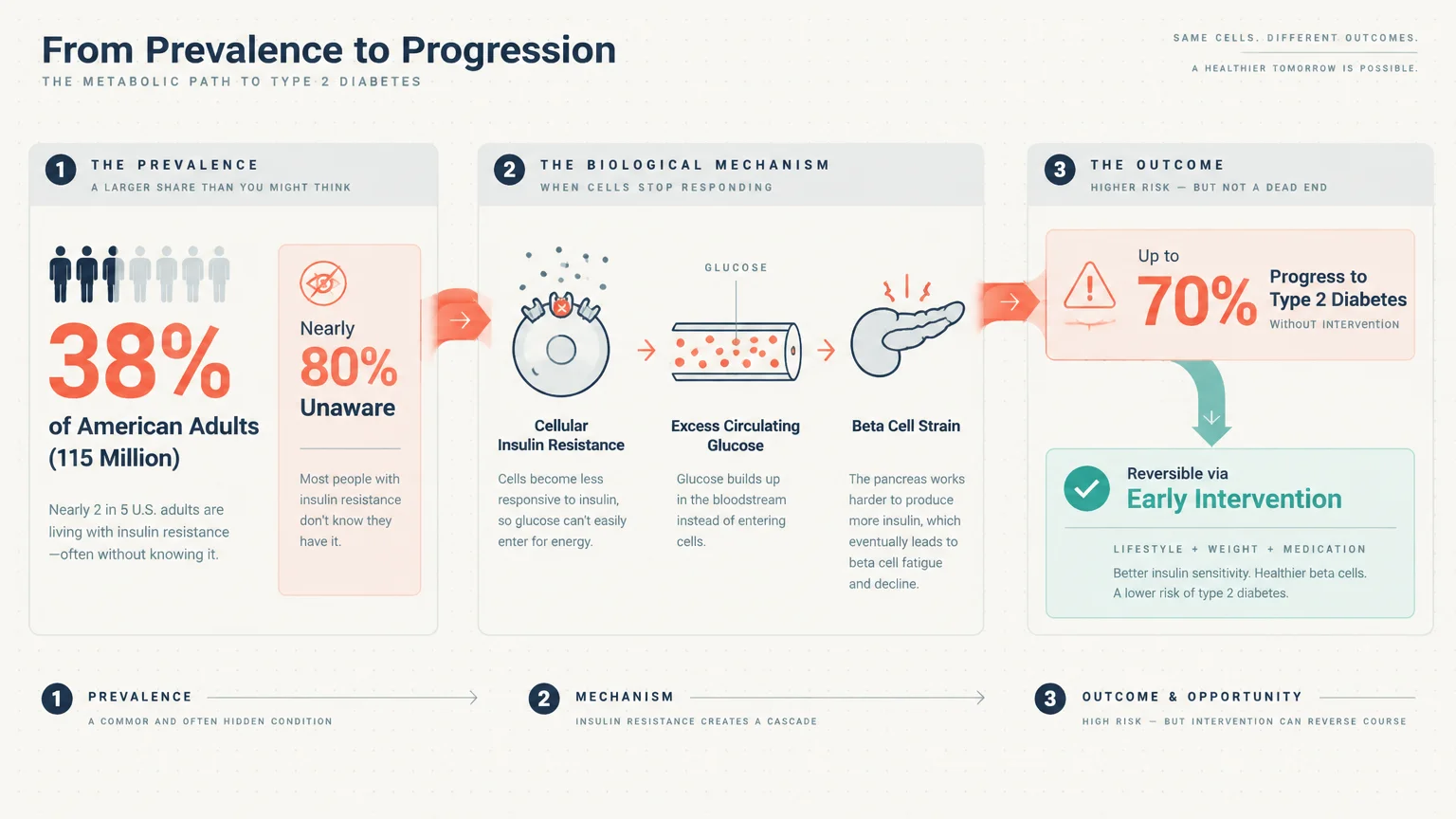
According to the Centers for Disease Control and Prevention, roughly 38 percent of American adults live with prediabetes. That accounts for up to 115 million individuals navigating elevated blood sugar levels.
Alarmingly, nearly 80 percent of those individuals remain completely unaware of their condition. Because early glucose dysregulation rarely produces acute impairment, many people miss the opportunity for early lifestyle intervention.
Without deliberate intervention, up to 70 percent of individuals with prediabetes eventually progress to type 2 diabetes. Cellular insulin resistance leaves excess glucose circulating in your bloodstream, placing steady strain on internal blood vessels.
Your pancreas responds by pumping out increasingly higher volumes of insulin to clear the sugar. Over time, pancreatic beta cells tire, and circulating glucose remains stubbornly elevated across your daily cycle.
Clinical Testing and Screening Guidelines
You cannot diagnose prediabetes based on physical symptoms alone. Accurate identification requires standardized laboratory evaluations interpreted by a qualified medical provider.
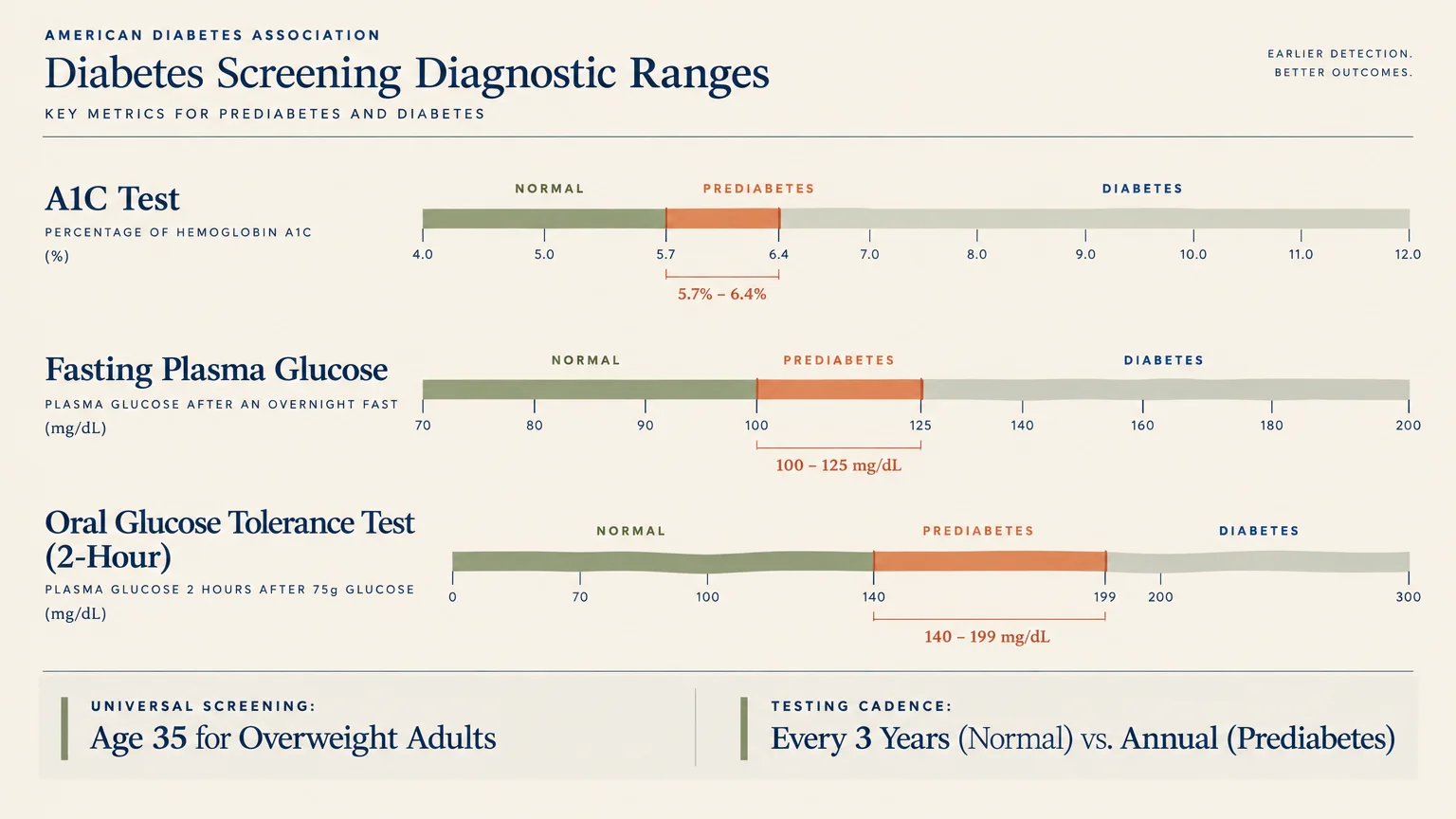
The American Diabetes Association defines prediabetes through three primary laboratory tests. An A1C test measures your average blood sugar over the previous two to three months, identifying prediabetes between 5.7 and 6.4 percent.
A fasting plasma glucose test identifies prediabetes between 100 and 125 milligrams per deciliter after an overnight fast. Alternatively, an oral glucose tolerance test reveals prediabetes when two-hour readings land between 140 and 199 milligrams per deciliter.
The U.S. Preventive Services Task Force recommends universal screening starting at age 35 for adults who are overweight or obese. Individuals carrying family history, gestational diabetes history, or high-risk ethnic backgrounds should undergo screening even earlier.
Clinicians recommend repeat testing every three years if your results are normal. If your numbers indicate prediabetes, you should schedule comprehensive metabolic evaluations at least once every year.
11 Signs and Symptoms of Prediabetes Worth Checking
1. Darkened Patches in Skin Folds
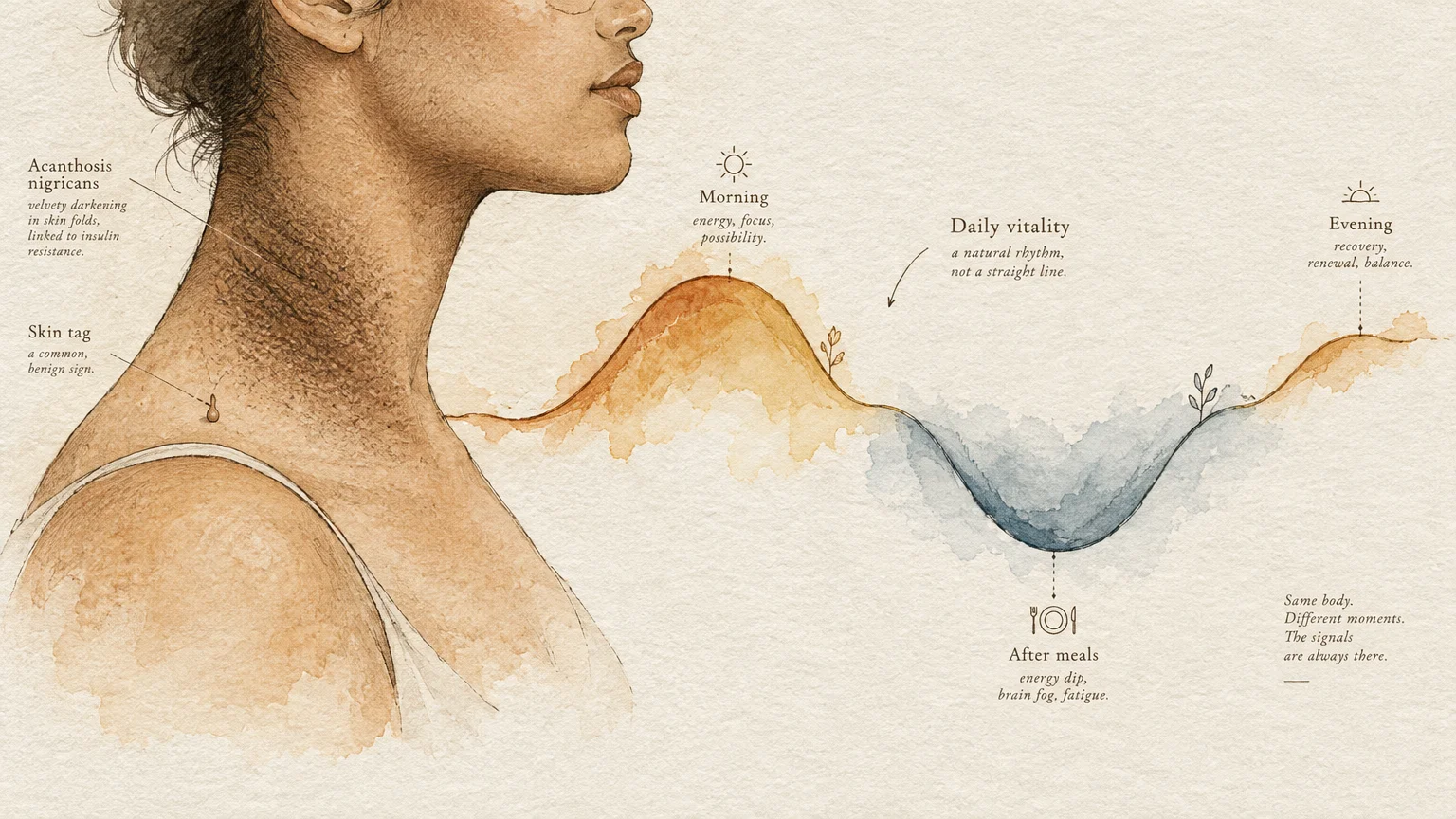
Velvety, darkened patches along your neck, armpits, or groin are known clinically as acanthosis nigricans. This physical marker develops when high circulating insulin stimulates localized epidermal cell growth.
Many people mistake these patches for sun damage or persistent dirt. In reality, they represent a classic dermatological indicator of advancing insulin resistance.
2. Increased Skin Tag Growth
Small, benign flesh growths frequently crop up along the neck, eyelids, and armpits. Excess circulating insulin accelerates cellular growth, encouraging skin tags to form in friction-prone areas.
Noticing a sudden increase in these outgrowths warrants a metabolic check. A routine blood panel can confirm whether shifts in glucose handling are responsible.
3. Post-Meal Fatigue and Energy Crashes
Experiencing profound exhaustion shortly after eating carbohydrate-rich meals suggests cellular fuel starvation. When cells resist insulin, glucose cannot enter muscle tissue efficiently to produce energy.
Your blood sugar spikes sharply and then drops dramatically. This reactive roller-coaster leaves you feeling depleted and searching for afternoon caffeine.
4. Stubborn Abdominal Weight Gain
Visceral fat accumulating around your midsection often signals underlying insulin resistance. Elevated circulating insulin keeps fat cells locked in storage mode, preventing effective fat burning.
A waist circumference exceeding 35 inches for women or 40 inches for men indicates elevated risk. Improving your insulin sensitivity helps your body mobilize this stubborn abdominal fat.
5. Unrelenting Sugar and Carbohydrate Cravings
Intense cravings for pastries, breads, or sweets often stem from cellular starvation rather than poor willpower. Because glucose cannot enter cells smoothly, your brain perceives a persistent fuel shortage.
Your appetite hormones demand quick-digesting carbohydrates to resolve the perceived energy deficit. Balancing meals with protein and fiber helps quiet these urgent biological signals.
6. Increased Thirst Throughout the Day
Persistent dry mouth and elevated thirst indicate that your kidneys are working harder to clear glucose. As blood sugar creeps upward, your renal system pulls water from tissues to flush out excess sugar.
Drinking water continuously without feeling satisfied serves as an early physiological cue. Pay attention if your daily fluid consumption increases noticeably over several weeks.
7. Frequent Nighttime Urination
Waking multiple times each night to empty your bladder can reflect the diuretic impact of elevated glucose. Osmotic diuresis occurs when excess blood sugar spills into urine, pulling additional fluid with it.
While people often attribute broken sleep to normal aging, nocturnal urination deserves medical evaluation. Tracking these nighttime wakings helps your physician assess your metabolic health accurately.
8. Transient Blurry Vision
Sudden, temporary shifts in visual clarity can stem from fluid shifts inside your eyes. Elevated blood glucose alters the lens shape, changing how light focuses on your retina.
You may find that reading glasses suddenly feel ineffective or that distant signs appear hazy. Stabilizing your blood sugar generally restores your baseline vision quickly.
9. Prolonged Healing for Minor Cuts
Minor scrapes and bruises that linger for weeks point toward compromised repair mechanisms. Sustained blood sugar elevations impair immune cell activity and stiffen microvascular pathways, slowing tissue recovery.
Injured skin requires steady oxygen and nutrients to regenerate properly. Delayed healing suggests that underlying inflammation and poor circulation require clinical attention.
10. Mild Tingling in Hands or Feet
Delicate peripheral nerve endings suffer irritation when exposed to glycemic instability and chronic inflammation. You might experience fleeting sensations of numbness, pins and needles, or mild burning in your toes.
While advanced neuropathy characterizes type 2 diabetes, mild nerve irritation can begin during prediabetes. Addressing blood sugar early protects nerve tissue from long-term damage.
11. Frequent Infections and Yeast Overgrowth
Recurrent skin infections, urinary tract issues, or fungal outbreaks like yeast infections can indicate elevated tissue glucose. Yeast and opportunistic bacteria thrive in sugar-rich environments, multiplying rapidly.
Elevated glucose also blunts your immune system’s defensive response against microbial colonies. Recurrent infections warrant a comprehensive metabolic workup rather than repeated antibiotic courses alone.

Evidence-Based Pillars to Reverse Insulin Resistance
Nourishing for Blood Sugar Balance
Construct your meals around quality protein, dietary fiber, and healthy fats to slow digestion. Soluble fiber creates a gel barrier in your digestive tract, blunting post-meal glucose spikes.
The National Institute of Diabetes and Digestive and Kidney Diseases confirms that balanced eating restores insulin sensitivity. Prioritizing non-starchy vegetables, legumes, and lean proteins gives your metabolism the steady support it needs.
Strategic Daily Movement
Skeletal muscle serves as your body’s largest glucose sink, clearing circulating sugar without requiring extra insulin. A brisk ten-minute walk immediately following meals triggers muscular glucose uptake and blunts glycemic peaks.
Add resistance training two to three times each week using weights or bodyweight exercises. Building lean muscle tissue expands your metabolic storage capacity, promoting steady daytime energy.
Restorative Sleep and Stress Regulation
Restricted sleep elevates nocturnal cortisol, promoting acute insulin resistance the following morning. Strive for seven to eight hours of restful sleep in a cool, dark room each night.
Chronic stress prompts your liver to dump stored glucose into your bloodstream. Daily mindfulness, slow diaphragmatic breathing, and gentle nature walks quiet the sympathetic nervous system and stabilize metabolic balance.
Partnering With Medical Professionals
Work alongside a primary care physician, endocrinologist, or registered dietitian to evaluate your metabolic markers. Personalized guidance helps you tailor dietary shifts to your medical history and lifestyle.
Ask your clinician for comprehensive laboratory testing, including fasting insulin and inflammatory markers. Establishing clear baseline metrics enables you to measure quantitative improvements as you build healthier habits.

Clinical Perspectives on Early Reversal
Preventive cardiology and lifestyle medicine clinicians emphasize that prediabetes offers an empowering window of opportunity. Dr. Evelyn Reed, an integrative physician, notes that early diagnosis provides a clear roadmap for intervention.
She explains that patients often blame themselves for fatigue and cravings, unaware that hormones drive these sensations. Once individuals stabilize their blood sugar through nutrition, their vitality returns and their lab markers normalize.
Clinicians also emphasize meeting people where they are, acknowledging varying access to fresh foods and recreation. Choosing accessible options, like frozen vegetables and home-based movement, yields profound metabolic benefits for everyone.
Frequently Asked Questions
Can prediabetes be completely reversed?
Yes, prediabetes is fully reversible through sustained lifestyle changes and timely medical guidance. Enhancing cellular insulin sensitivity allows your fasting glucose and A1C levels to return to normal ranges.
Maintaining these gains requires long-term commitment to nutritious food, consistent movement, and adequate rest. Partnering with your healthcare provider ensures you protect your metabolic health for decades to come.
How often should I test my blood sugar with prediabetes?
Standard clinical guidelines advise formal laboratory testing at least once every twelve months after a prediabetes diagnosis. Your physician may also recommend occasional home monitoring to observe how specific meals impact your readings.
This feedback helps you identify personal glucose triggers and refine your daily routines. Always evaluate your home metrics with a clinician to ensure accurate interpretation and avoid unnecessary stress.
Can someone with a normal body weight develop prediabetes?
Yes, individuals with a normal body mass index can develop insulin resistance and prediabetes. Genetics, visceral fat around internal organs, chronic stress, and low muscle mass all contribute to impaired glucose regulation.
External appearances do not always reflect internal metabolic health, which is why routine screening is essential. Standard blood tests remain the only reliable way to assess your glycemic status.
What should I do first after receiving a prediabetes diagnosis?
Treat your diagnosis as a valuable opportunity to protect your long-term health rather than a permanent setback. Request a referral to a registered dietitian who specializes in metabolic health and diabetes prevention.
Collaborate on a practical lifestyle plan that suits your personal preferences, schedule, and physical abilities. Scheduling regular check-ins will help you track meaningful progress and celebrate measurable victories.
Taking Your First Manageable Step
Metabolic health does not require perfection or extreme deprivation; it thrives on small, sustainable daily choices. Choose one manageable upgrade today, such as taking a post-meal walk or prioritizing fiber at dinner.
What small adjustment can you make this week to support your energy and cellular health? Reach out to your primary care clinician to schedule screening and start your path toward lasting vitality.









Leave a Reply