
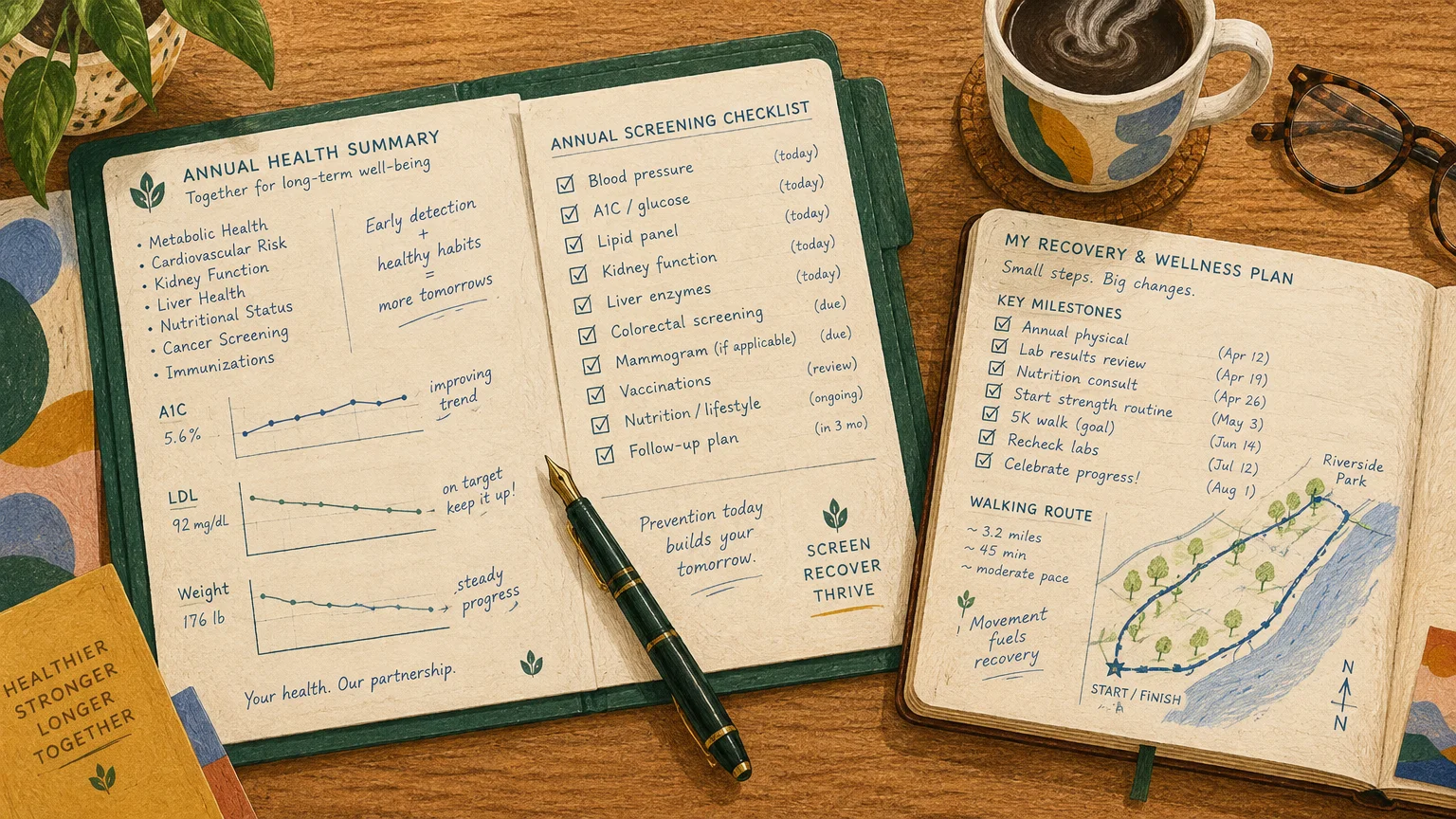
Clinical Perspectives on Early Reversal
Preventive cardiology and lifestyle medicine clinicians emphasize that prediabetes offers an empowering window of opportunity. Dr. Evelyn Reed, an integrative physician, notes that early diagnosis provides a clear roadmap for intervention.
She explains that patients often blame themselves for fatigue and cravings, unaware that hormones drive these sensations. Once individuals stabilize their blood sugar through nutrition, their vitality returns and their lab markers normalize.
Clinicians also emphasize meeting people where they are, acknowledging varying access to fresh foods and recreation. Choosing accessible options, like frozen vegetables and home-based movement, yields profound metabolic benefits for everyone.
Frequently Asked Questions
Can prediabetes be completely reversed?
Yes, prediabetes is fully reversible through sustained lifestyle changes and timely medical guidance. Enhancing cellular insulin sensitivity allows your fasting glucose and A1C levels to return to normal ranges.
Maintaining these gains requires long-term commitment to nutritious food, consistent movement, and adequate rest. Partnering with your healthcare provider ensures you protect your metabolic health for decades to come.
How often should I test my blood sugar with prediabetes?
Standard clinical guidelines advise formal laboratory testing at least once every twelve months after a prediabetes diagnosis. Your physician may also recommend occasional home monitoring to observe how specific meals impact your readings.
This feedback helps you identify personal glucose triggers and refine your daily routines. Always evaluate your home metrics with a clinician to ensure accurate interpretation and avoid unnecessary stress.
Can someone with a normal body weight develop prediabetes?
Yes, individuals with a normal body mass index can develop insulin resistance and prediabetes. Genetics, visceral fat around internal organs, chronic stress, and low muscle mass all contribute to impaired glucose regulation.
External appearances do not always reflect internal metabolic health, which is why routine screening is essential. Standard blood tests remain the only reliable way to assess your glycemic status.
What should I do first after receiving a prediabetes diagnosis?
Treat your diagnosis as a valuable opportunity to protect your long-term health rather than a permanent setback. Request a referral to a registered dietitian who specializes in metabolic health and diabetes prevention.
Collaborate on a practical lifestyle plan that suits your personal preferences, schedule, and physical abilities. Scheduling regular check-ins will help you track meaningful progress and celebrate measurable victories.
Taking Your First Manageable Step
Metabolic health does not require perfection or extreme deprivation; it thrives on small, sustainable daily choices. Choose one manageable upgrade today, such as taking a post-meal walk or prioritizing fiber at dinner.
What small adjustment can you make this week to support your energy and cellular health? Reach out to your primary care clinician to schedule screening and start your path toward lasting vitality.





Leave a Reply