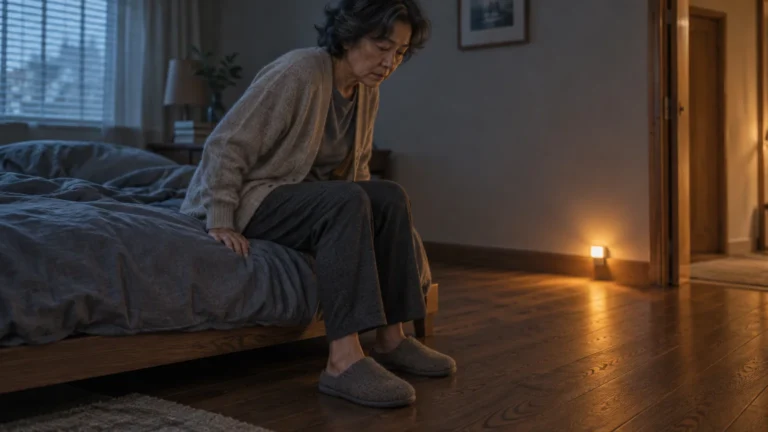

Sleeping nine hours or more each night is linked to roughly a 50% higher risk of death if you live with heart disease. A major study tracking heart patients for 15 years found long sleep often signals hidden medical strain.
You might assume extra rest always protects a tired heart. Yet needing excessive sleep frequently points to untreated sleep apnea, worsening heart function, or medication side effects that deserve medical attention.
Learning why prolonged sleep happens helps you spot early warning signs and partner with your care team for safer, steadier rest. This guide explains the research, evaluation steps, and practical adjustments you can discuss with your doctor.
What the New Sleep Study Found for Heart Patients
Heart disease remains the leading cause of death in the United States and worldwide. According to the American Heart Association, cardiovascular disease claimed 915,973 American lives in 2023—averaging one death every 34 seconds.
Provisional data from the Centers for Disease Control and Prevention recorded 694,708 U.S. heart disease deaths in 2025. Globally, the World Health Organization estimated 19.8 million cardiovascular deaths in 2022, with most caused by heart attacks and strokes.
Because cardiovascular risk stays high even with modern medications, researchers look closely at everyday habits that reveal subtle health shifts. Sleep duration has emerged as one of the clearest indicators of how well your body is coping.
The 50% Higher Mortality Signal
On November 13, 2026, researchers including Tolulope Victoria Adebile, Tobi Oloyede, and Emmanuel Azu published a landmark analysis in PLOS One. The team—which included investigators from Georgia Southern University—examined long-term survival among Americans living with heart conditions.
They analyzed data from 3,287 U.S. adults who reported coronary heart disease, a prior heart attack, or another heart condition in the 2004 National Health Interview Survey. Researchers linked those survey records to the National Death Index through December 31, 2019.
Over roughly 15 years of follow-up, 49.4% of participants died, with 16.7% dying from heart-related causes and 32.6% from non-heart-related causes. Average overall survival across the cohort reached 137 months.
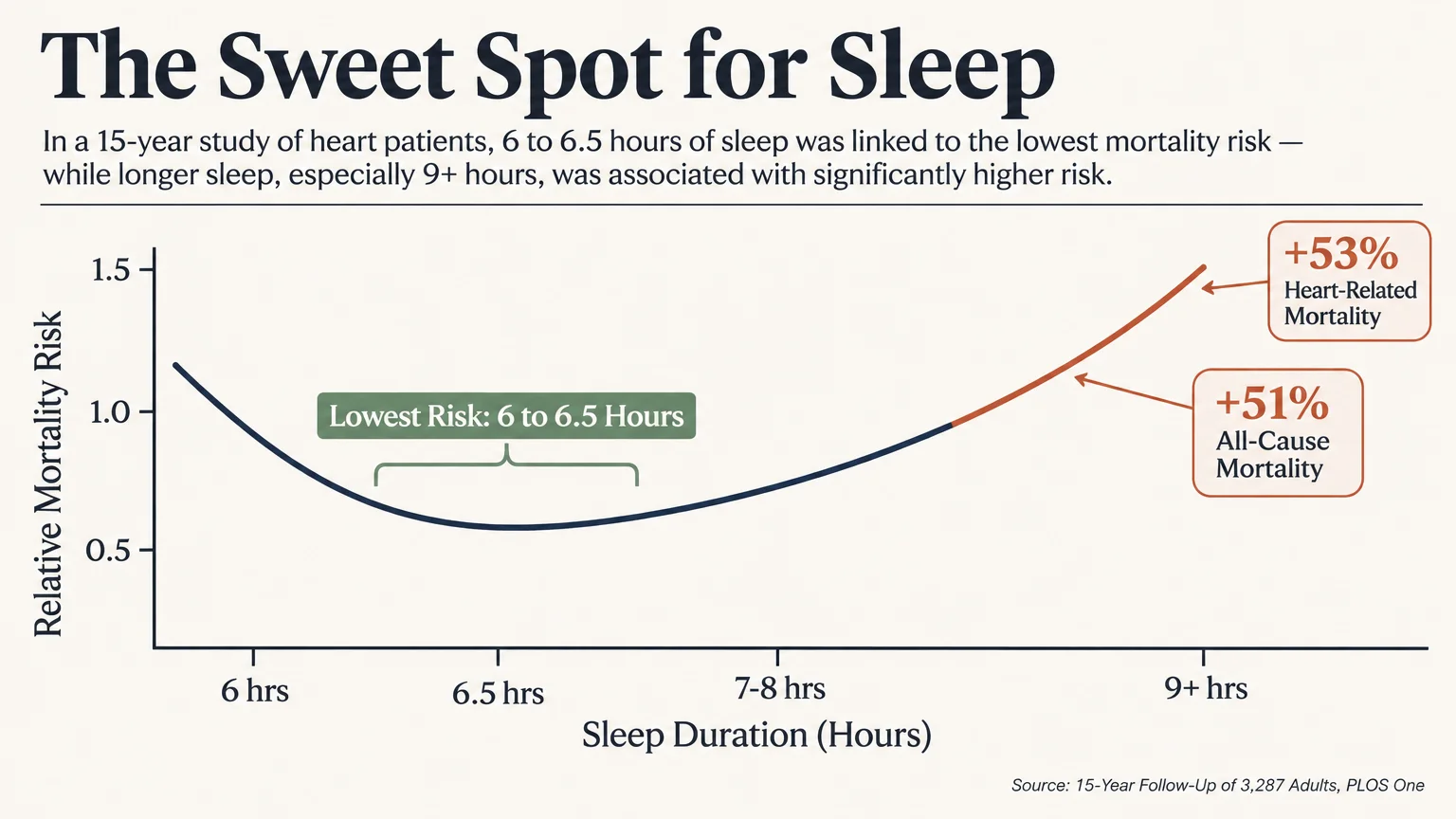
Participants averaged about seven hours of sleep per day at baseline. Compared with people sleeping seven to eight hours, those sleeping nine or more hours daily faced starkly higher mortality risks across every category.
Sleeping nine or more hours was tied to a 51% higher risk of death from any cause. Heart-related mortality rose by 53%, while non-heart-related mortality rose by 50%.
Those figures held steady even after researchers accounted for age, sex, body mass index, smoking, alcohol use, and physical activity. They also adjusted for diabetes, high blood pressure, other chronic illnesses, and medication use.
Why Shorter Sleep Looks Different in This Data
The PLOS One researchers also used nonlinear modeling to pinpoint where mortality risk sat lowest for adults with heart disease. The lowest predicted risk landed between six and seven hours—specifically 6.5 hours for all-cause death and six hours for heart-related death.
Notably, sleeping six hours or less was not significantly linked to higher mortality once researchers adjusted for health and lifestyle factors. An early link between short sleep and non-heart deaths faded after full statistical adjustment.
That finding may surprise you, because public health guidelines consistently warn against chronic short sleep. The American Academy of Sleep Medicine and the Sleep Research Society recommend adults ages 18 to 60 get seven or more hours nightly.
In the general population, regularly sleeping under seven hours raises risks for high blood pressure, diabetes, obesity, depression, stroke, and heart disease. According to April 2026 CDC survey data, 30.5% of U.S. adults still sleep less than seven hours.
For heart patients specifically, the difference likely reflects how illness alters rest. People recovering from cardiac events or struggling with severe chronic symptoms often spend far longer in bed, pushing long sleepers into a higher-risk group.
Sleep Timing and Daytime Naps Matter Too
Total nightly hours tell only part of your cardiovascular story. Two additional studies published in November 2026 show that sleep regularity and daytime napping carry distinct signals of their own.
Preliminary research presented at the American Heart Association Scientific Sessions 2026 followed 10,362 adults in the National Institutes of Health All of Us Research Program. Over a median of 3.7 years, erratic sleep schedules predicted serious trouble.
People with greater night-to-night swings in when they slept faced a 20% to 23% higher risk of heart attack, stroke, or heart failure. Every 29-minute jump in sleep-duration variability raised that cardiovascular risk by 24%.
Meanwhile, a 19-year study in JAMA Network Open by researchers at Mass General Brigham and Rush University Medical Center tracked 1,338 older adults. Longer and more frequent daytime naps were associated with higher mortality over time.
Each extra hour of daytime sleep corresponded to a 13% higher mortality risk. Morning nappers also experienced a 30% higher risk of death than people who napped in the afternoon.
Understanding Why Long Sleep Happens in Heart Disease
Reading a headline about a 50% higher death risk can feel alarming if you regularly sleep nine or ten hours. Before changing your alarm clock, it helps to understand what these numbers actually mean for your daily care.
Association Does Not Mean Causation
The PLOS One authors stressed that their observational study relied on a single self-reported sleep snapshot from 2004. Because it tracked patterns rather than assigning sleep hours in a trial, it cannot prove long sleep directly causes death.
Forcing yourself out of bed after six hours will not repair a struggling heart. Instead, doctors view prolonged sleep as a rapid, zero-cost warning sign that something inside your body needs closer evaluation.
Think of excessive sleep like a dashboard warning light in your car. Turning off the bulb does not fix the engine; you have to look under the hood to find out why the light turned on.
Hidden Medical Triggers Behind Excessive Sleep
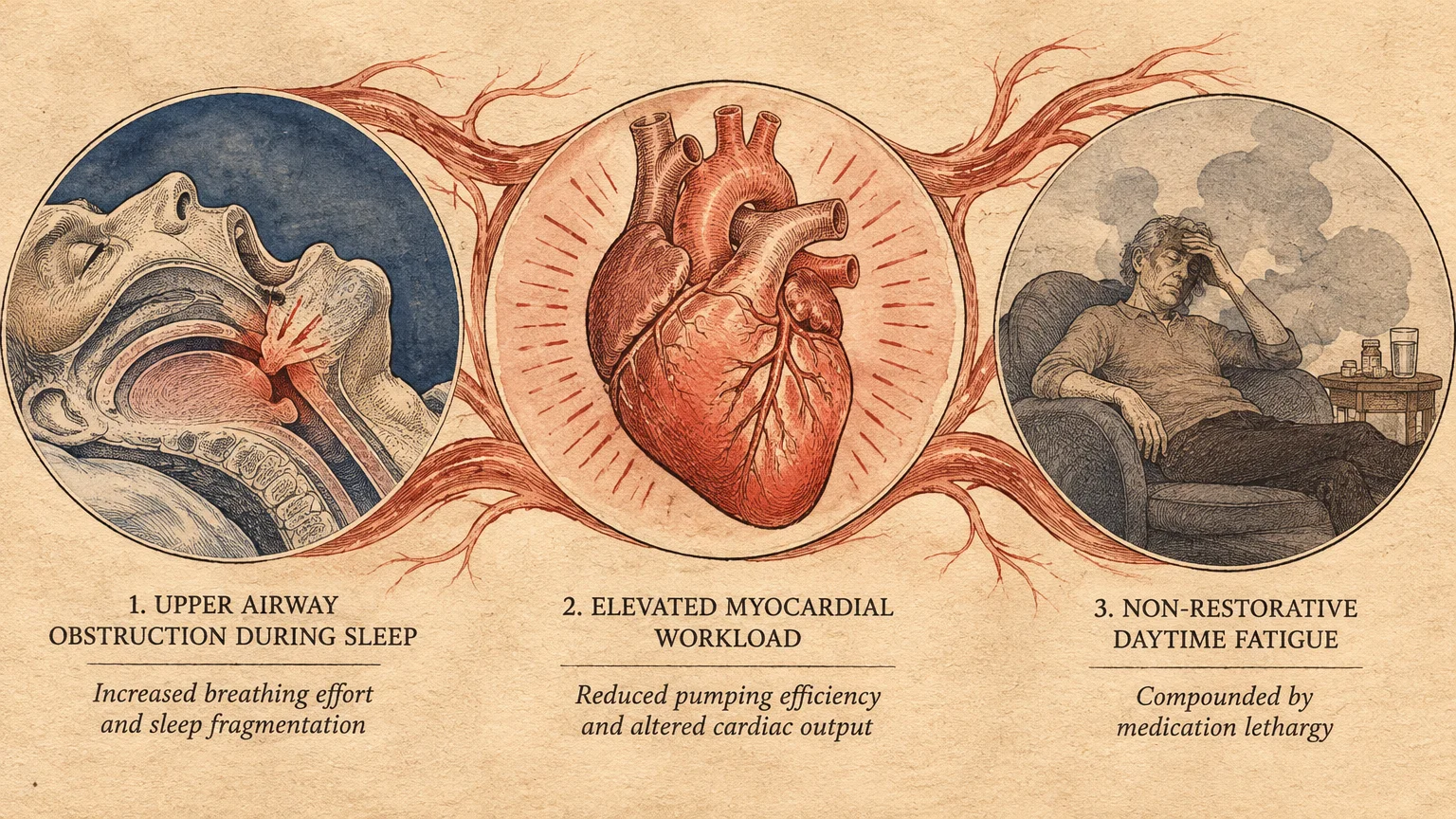
Several treatable conditions common among heart patients quietly drive up sleep demand. Worsening heart failure is one major culprit, because reduced pumping efficiency leaves tissues starved for steady oxygen and energy.
Fluid buildup in the lungs can also fragment your nighttime rest without fully waking you. You may stay in bed for ten hours yet still feel drained because your sleep stays shallow and broken.
Obstructive sleep apnea is another frequent driver of unrefreshing, prolonged sleep. According to a 2021 American Heart Association scientific statement, sleep apnea affects 40% to 80% of patients with hypertension, heart failure, coronary artery disease, atrial fibrillation, pulmonary hypertension, or stroke.
Despite how common it is, sleep apnea remains widely underdiagnosed and undertreated in cardiac clinics. Repeated breathing pauses spike nighttime blood pressure, strain heart chambers, and trigger exhausting morning fatigue.
Beyond the heart and lungs, the PLOS One authors noted other likely contributors to long sleep. Depression, systemic inflammation, physical frailty, anemia, and multiple overlapping chronic conditions can all stretch your time in bed.
Sedating medications play a major role as well. Certain heart drugs, pain relievers, anxiety treatments, and allergy pills cause lingering drowsiness that blurs the line between healthy rest and oversleeping.
How Doctors Evaluate Prolonged Sleep
When you tell your physician that you are sleeping nine or more hours—or sleeping longer than you used to—the evaluation starts with context. Your clinician will ask when the pattern started and whether you wake up feeling restored or groggy.
Expect a careful review of your current medications, including over-the-counter sleep aids and supplements. Checking dosages and timing often uncovers simple adjustments that restore daytime alertness without harming heart protection.
To check cardiac stability, your doctor may order blood work and heart imaging. Common tests include an echocardiogram to measure pumping strength, natriuretic peptide levels for heart failure strain, a complete blood count for anemia, and a thyroid panel.
Screening for sleep-disordered breathing is equally important. American Heart Association guidance recommends sleep apnea screening for patients with resistant or poorly controlled high blood pressure, pulmonary hypertension, or atrial fibrillation that returns after cardioversion or ablation.
Formal sleep assessment is also advised for patients with NYHA class II–IV heart failure who show signs of breathing pauses or excessive daytime sleepiness. Depending on your medical history, your team may arrange a home sleep apnea test or an overnight lab study.
Finally, good cardiac care includes checking your emotional health. Brief, validated questionnaires help your doctor spot depression or post-cardiac anxiety, both of which frequently show up as oversleeping and low energy.

Treatment Pathways and Safer Sleep Habits
Once your care team identifies why you are sleeping longer, treatment focuses on the root cause rather than an arbitrary clock target. Combining medical therapy with steady daily routines can improve both how you feel and how well your heart functions.
Treating Underlying Heart and Sleep Conditions
If testing reveals obstructive sleep apnea, continuous positive airway pressure—often called CPAP—remains the standard first-line therapy. Wearing a well-fitted mask keeps your airway open, stops oxygen drops, and reduces nighttime adrenaline surges.
Many patients notice sharper morning focus within weeks of starting therapy, allowing them to sleep seven or eight solid hours instead of lingering in bed for ten. If a CPAP mask feels uncomfortable, ask a sleep specialist about alternative mask styles or pressure settings.
When long sleep reflects subtle heart failure progression, adjusting guideline-directed medications often restores stamina. Fine-tuning diuretics to clear hidden fluid or optimizing heart-protective drugs helps your body recover more efficiently overnight.
Treating iron-deficiency anemia, thyroid imbalances, or depression can similarly lift heavy fatigue. Nutritional support, targeted infusions, counseling, or heart-safe antidepressants can give you your mornings back.
Never stop taking beta-blockers, blood pressure pills, or other cardiac medications on your own because they make you sleepy. Stopping heart drugs abruptly can trigger dangerous rebounds in blood pressure, heart rate, or chest pain.
Daily Habits That Anchor Your Sleep Rhythm
In 2022, the American Heart Association added sleep health to its Life’s Essential 8 framework for cardiovascular wellness. The organization awards a top score of 100 points to adults who average seven to under nine hours per night.
Scores drop slightly to 90 points for nine to under ten hours, and fall sharply to 40 points at ten hours or more. For adults ages 65 and older, the CDC lists seven to eight hours as the recommended range.
To stabilize both duration and timing, wake up at the same hour every morning—even on weekends. Consistent wake times anchor your internal clock more effectively than forcing an early bedtime when you are not sleepy.
Step outside or sit near a bright window within 30 minutes of waking. Natural morning light signals your brain to shut off sleep hormones and boosts daytime alertness.
Talk with your cardiologist or cardiac rehabilitation team about safe daytime movement. Light walking or supervised exercise builds cardiovascular endurance and deepens nighttime sleep quality.
Watch how you handle daytime naps, especially if you feel pulled back to bed before noon. Because morning napping carried a higher mortality link in the 2026 JAMA Network Open analysis, reserve naps for short afternoon rests if you truly need one.
Limit caffeine after lunchtime and avoid alcohol within three hours of bedtime. While alcohol may make you drowsy at first, it disrupts deep sleep cycles and worsens sleep apnea breathing pauses.
Medications and Over-the-Counter Sleep Aids
Medication timing often explains why heart patients struggle with fragmented nights and long mornings. Taking a diuretic late in the afternoon can wake you repeatedly to use the bathroom, forcing you to sleep late to catch up.
Ask your pharmacist or prescriber whether morning dosing makes sense for water pills and activating drugs. Conversely, if a sedating medication slows you down all day, your doctor might shift it to bedtime or try an alternative.
Be cautious with over-the-counter sleep aids, including products containing diphenhydramine or doxylamine. These ingredients can cause daytime grogginess, confusion in older adults, urinary retention, and unwanted heart rate shifts.
Always clear herbal supplements like melatonin or valerian with your cardiology team before trying them. Even natural products can interact with blood thinners, blood pressure medications, or heart rhythm drugs.
Emerging Monitoring and Care Models
Cardiac and sleep care are gradually becoming more connected. More cardiology practices now partner directly with sleep medicine clinics so you can complete evaluations without navigating separate systems alone.
Home sleep testing has also expanded access for stable patients who prefer testing in their own beds rather than spending a night in a hospital lab. Your doctor can advise whether a home kit fits your heart history.
Consumer smartwatches and sleep rings can help you track rough bedtimes and wake times across weeks. Treat wearable sleep scores as conversation starters rather than medical diagnoses, and share clear patterns with your clinician.
You can explore educational tools on sleep disorders through the American Academy of Sleep Medicine or read federal heart-sleep resources from the National Heart, Lung, and Blood Institute.

Living Well With Heart Disease and Changing Sleep Needs
Managing heart disease is an ongoing partnership between you, your caregivers, and your medical team. Paying attention to subtle changes in your sleep gives you another practical way to protect your independence.
Building a Practical Symptom and Sleep Log
Memory fades quickly when you are tired, so keeping a two-week notebook before your next appointment helps tremendously. Write down the time you get into bed, when you wake up, and any naps you take—including the time of day.
Add a quick rating of how rested you feel each morning, along with notes on nighttime awakenings. Track cardiac clues alongside your sleep, such as waking up short of breath, needing extra pillows, or noticing tighter shoes.
A simple paper log reveals whether you are truly sleeping nine solid hours or lying awake for hours trying to rest. That distinction guides your doctor toward the right tests right away.
How Caregivers Can Spot Early Warning Signs
Partners and family caregivers often notice sleep changes before the patient does. You may hear loud, irregular snoring followed by silent pauses, choking sounds, or gasping during the night.
Pay attention to shifts in daytime behavior too. A loved one who used to rise at seven and suddenly sleeps until ten—or dozes off repeatedly during morning conversations—needs a medical check.
Caregivers can also help monitor morning headaches, dry mouth upon waking, irritability, and memory slips. Sharing those observations kindly with the care team provides vital details a routine office visit might miss.
Preparing for Cardiology and Primary Care Visits
Bring your two-week sleep log and every medication bottle—including vitamins and over-the-counter pills—to your appointment. Clear records save time and prevent guesswork during short clinic visits.
Ask direct questions so you leave with an actionable plan. Helpful prompts include asking whether your current medications could cause oversleeping, whether you qualify for a sleep apnea screening, and what sleep duration target fits your age and heart diagnosis.
Clarify which symptoms warrant a routine portal message versus a same-day phone call. Knowing your care team’s thresholds reduces worry and keeps small setbacks from becoming hospital stays.
Frequently Asked Questions About Sleep and Heart Risk
What warning signs mean long sleep needs urgent medical care?
Seek prompt medical evaluation if prolonged sleep appears alongside sudden weight gain over a few days, swelling in your legs or abdomen, or shortness of breath when lying flat. Those signs can point to fluid overload from worsening heart failure.
Call emergency services immediately if extreme drowsiness or trouble waking up comes with chest pain, pressure, fainting, blue lips, sudden confusion, or weakness on one side of your body. Never wait to see if emergency symptoms pass on their own.
What follow-up tests should I ask my doctor about?
Start by asking for a full medication review alongside basic blood tests checking hemoglobin, iron, kidney function, and thyroid hormones. Each of these can explain sudden fatigue without pointing to a heart emergency.
Ask your cardiologist whether an updated echocardiogram makes sense to verify your heart’s pumping strength. If you snore, wake up gasping, have resistant high blood pressure, or have recurrent atrial fibrillation, ask for a sleep apnea evaluation.
How does health insurance typically cover sleep evaluations and treatments?
Medicare and most commercial insurance plans generally cover sleep apnea testing and positive airway pressure devices when your clinician documents medical necessity, such as daytime sleepiness or high-risk heart conditions. Home sleep tests are often approved as a streamlined first step.
Coverage details—including copays, deductibles, prior authorizations, and ongoing mask supply rules—vary by plan. Call the member number on your insurance card before scheduling lab studies or picking up equipment so you know your exact out-of-pocket rules.
What does the latest 2026 research change about daily sleep goals?
The November 2026 findings reinforce that aiming for seven to eight hours—or seven to nine hours for younger adults—remains a wise benchmark alongside steady daily timing. Going far past nine hours should prompt curiosity about your underlying health rather than guilt.
The newer studies also highlight consistency and nap timing as practical targets you can improve today. Going to bed and waking up at predictable hours while avoiding long morning naps supports steadier cardiovascular health.

Taking Your Next Step With Your Care Team
This article is designed for educational purposes and cannot replace individualized medical advice from professionals who know your heart history. Sleep habits interact closely with your diagnosis, age, and prescriptions.
If you or someone you care for is regularly sleeping nine or more hours—or waking up exhausted despite long nights in bed—schedule a conversation with your primary care doctor or cardiologist. Together, you can uncover treatable triggers and adjust your plan safely.
You do not have to navigate heart recovery or sleep challenges by yourself. Connecting with trusted peer communities such as Mended Hearts or the American Heart Association support networks can offer encouragement from people walking a similar path.