

Waking up repeatedly to urinate breaks deep sleep cycles and leaves you exhausted before morning arrives. Identifying your specific triggers helps you and your doctor stop disruptive nighttime bathroom trips.
Clinicians call this condition nocturia, and it affects more than half of adults aged 60 and older. Still, frequent sleep interruptions are a solvable health signal rather than an inevitable part of growing older.
Pinpointing whether your body produces excess overnight urine or simply struggles to hold it guides effective care. The eight common causes below show where to look first.
Understanding Nocturia and Why Sleep Interruptions Happen
In 2002, the International Continence Society defined nocturia as waking one or more times at night to void, preceded and followed by sleep. Its updated consensus defines the condition simply as waking to pass urine during your main sleep period.
According to Cleveland Clinic and Sleep Foundation guidance, healthy adults typically sleep six to eight hours without needing the bathroom. Clinicians generally classify waking two or more times nightly as disruptive nocturia.
Research from the Finnish National Nocturia and Overactive Bladder study shows most adults begin reporting moderate bother at three or more nightly trips. At that frequency, fragmented sleep rapidly erodes daytime focus, mood, and physical stamina.
Large population surveys reveal how widespread these sleep interruptions are across age groups. In the U.S. Boston Area Community Health study, overall nocturia prevalence reached 28.4 percent, climbing from 19.9 percent in adults aged 30 to 39 to 41.2 percent among those aged 60 to 79.
The European and Canadian EPIC study recorded even higher rates, affecting 48.6 percent of men and 54.5 percent of women. Data from NHS Wales further notes that waking two or more times nightly affects 28 to 62 percent of adults aged 70 to 80.
Annual incidence also accelerates sharply with age, rising from 0.4 percent per year under age 40 to 11.5 percent per year past age 60. While most adults over 80 wake at least once nightly, persistent nocturia always warrants a closer look.
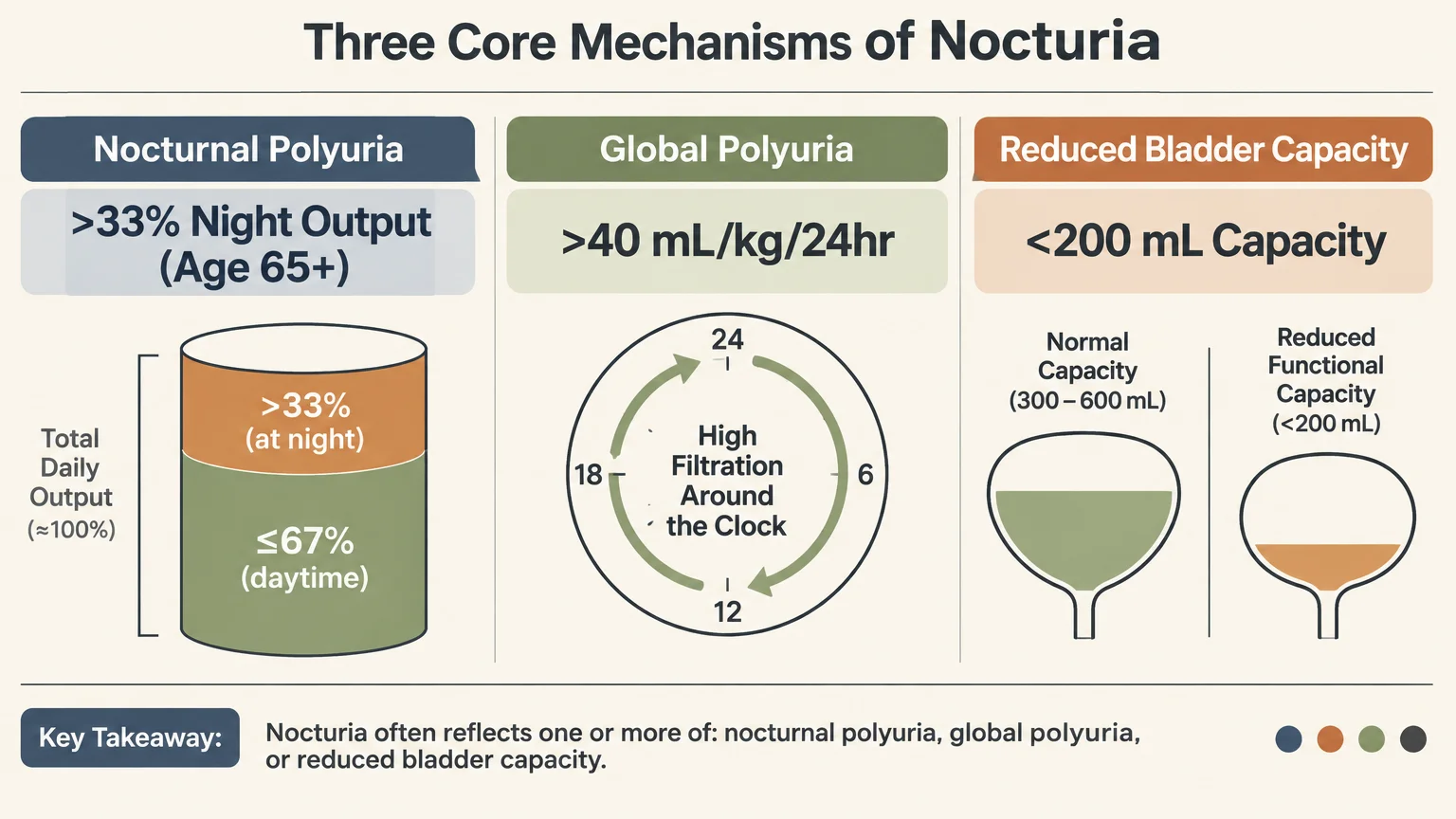
Doctors group nighttime urination into three core physical patterns. The most common is nocturnal polyuria, defined by the International Continence Society as producing excess urine overnight while your total daily output remains normal.
Younger adults have nocturnal polyuria when over 20 percent of their 24-hour urine volume occurs at night; for adults over 65, that threshold exceeds 33 percent. The Royal Australian College of General Practitioners notes this pattern appears in up to 80 percent of patients.
A second pattern, global polyuria, occurs when your kidneys produce excessive urine continuously around the clock. Guidance from StatPearls and the National Institutes of Health defines global polyuria as 24-hour output above 40 milliliters per kilogram of body weight.
The third pattern involves reduced bladder capacity, meaning your bladder signals fullness before holding a normal volume. While a typical adult bladder holds 300 to 600 milliliters, clinical studies in The Journal of Urology define reduced capacity as under 200 milliliters.
Left unaddressed, frequent nighttime bathroom trips carry serious health risks beyond morning grogginess. In a U.S. National Sleep Foundation survey of adults aged 55 to 84, 53 percent blamed nocturia for disturbed sleep nearly every night—more than four times higher than pain.
That same survey linked nocturia to a 75 percent higher risk of insomnia and a 71 percent higher risk of poor sleep quality. Tiredness combined with dim hallways also increases nighttime fall hazards.
A 2020 systematic review in The Journal of Urology found nocturia raises fall risk by roughly 20 percent and fracture risk by 32 percent. Furthermore, a 2026 outpatient study found three or more nightly voids more than doubled five-year fragility-fracture risk.
The 2020 meta-analysis also connected two to three nightly voids with a 27 percent higher mortality risk, underscoring why doctors treat severe nocturia as an important health marker. Addressing the root cause protects both your sleep and long-term safety.

8 Reasons You Wake Up at Night to Urinate
Nighttime urination rarely stems from a single habit or organ. StatPearls and NIH clinical guidance show that over half of patients waking twice or more nightly manage at least three overlapping health factors, making a systematic check vital.
1. Evening Fluid Intake and Bladder Irritants
Drinking large glasses of water, herbal tea, or soup within a few hours of bedtime naturally fills your bladder while you sleep. Your kidneys process that extra liquid right as your body tries to enter restorative rest.
What you drink matters just as much as when you drink it. Guidance from the Mayo Clinic and Cleveland Clinic highlights caffeine, alcohol, and carbonated beverages as major bladder irritants that amplify nighttime urgency.
Caffeine acts as a mild diuretic and stimulates bladder muscle contractions, even when consumed in afternoon coffee, cola, or chocolate. Alcohol suppresses your body’s fluid-conserving hormones early in the night before triggering rebound urine production hours later.
Cutting water altogether during the day backfires, however, because dark, concentrated urine irritates sensitive bladder walls. Shifting your hydration earlier keeps your bladder calm overnight without risking daytime dehydration.
2. Age-Related Hormone Changes
In younger adults, the brain releases a reliable overnight surge of antidiuretic hormone, also called vasopressin. This chemical messenger instructs your kidneys to concentrate urine and slow output so you can sleep undisturbed.
According to NHS and NIH clinical resources, that natural circadian rhythm frequently flattens or disappears as you age. Without sufficient nighttime antidiuretic hormone, your kidneys continue filtering diluted urine at daytime speeds.
These hormonal shifts help explain why nearly half of men aged 70 to 79 in the BACH study reported waking two or more times nightly. Recognizing a biological shift prevents unnecessary self-blame while pointing toward targeted medical options.
3. An Enlarged Prostate (Benign Prostatic Hyperplasia)
For men, a gradually enlarging prostate gland—known medically as benign prostatic hyperplasia, or BPH—frequently disrupts nighttime sleep. Because the prostate surrounds the urethra just beneath the bladder, swelling squeezes the outflow channel like a kinked hose.
Your bladder muscle must push harder to expel urine, and it often stops emptying completely. Leftover urine quickly refills the bladder after you lie down, waking you again just hours later.
Data from the National Institute of Diabetes and Digestive and Kidney Diseases shows BPH affects 5 to 6 percent of men aged 40 to 64 and 29 to 35 percent of men aged 65 and older. Clinical sources note up to half of men experience symptoms by age 60.
4. Overactive Bladder and Reduced Bladder Capacity
Sometimes your kidneys produce normal amounts of urine, yet your bladder triggers false alarms throughout the night. Overactive bladder occurs when the detrusor muscle contracts involuntarily, creating sudden urges even when your bladder holds very little fluid.
StatPearls and NIH reports note that overactive bladder affects roughly one in six women worldwide, and about half of patients with daytime urgency also experience nocturia. In men and women alike, reduced functional capacity shrinks your overnight buffer.
Urinary tract infections, chronic pelvic floor weakness, bladder stones, or past pelvic surgeries can also inflame the bladder lining and mimic overactive bladder. Treating irritation or retraining the bladder restores longer intervals between bathroom visits.
5. Poorly Controlled Diabetes
Frequent nighttime urination is a classic warning sign of undiagnosed or poorly managed type 1 and type 2 diabetes. When blood glucose rises too high, your kidneys work overtime to flush excess sugar out through your urine.
That sugar pulls extra water from your bloodstream in a process called osmotic diuresis, driving up total urine volume day and night. Intense thirst then prompts you to drink more fluids, fueling a relentless cycle.
According to NHS and Australian general practice guidance, sugar-rich urine can also irritate the bladder wall directly. A 2022 meta-analysis of 29 studies in Frontiers in Public Health found diabetes raises nocturia odds by 1.49-fold.
6. Obstructive Sleep Apnea
Many people assume waking up to urinate woke them from sleep, when a breathing pause actually triggered the awakening first. Obstructive sleep apnea causes repeated airway collapses that strain your chest and heart overnight.
Each blocked breath generates negative chest pressure, pulling extra blood back toward your heart’s upper chambers. Sensing false fluid overload, your heart releases atrial natriuretic peptide, a hormone telling your kidneys to excrete sodium and water immediately.
A 2022 PLOS ONE study found roughly half of patients with sleep apnea experience nocturia. Encouragingly, StatPearls and NIH data show continuous positive airway pressure therapy cut average nighttime voids from 2.6 down to 0.7 per night.
7. Heart Failure and Daytime Fluid Retention
If your ankles, feet, or lower legs swell during the day, gravity is likely hiding extra fluid in your lower tissues. Conditions like heart failure, venous insufficiency, or kidney disease impair circulation and let fluid pool upright.
The moment you lie flat in bed, gravity stops pulling that fluid downward into your legs. Your bloodstream absorbs the pooled fluid, delivering a sudden wave of extra volume straight to your kidneys for overnight filtration.
This pattern explains why people with mild daytime leg swelling often experience heavy urine output during their first few hours in bed. Promptly evaluating new leg swelling protects your heart and improves sleep quality.
8. Medications and Evening Dosing Schedules
Several common prescriptions quietly flood your bladder during the night, especially when taken too late in the day. Short-acting diuretics, such as furosemide and hydrochlorothiazide, help lower blood pressure by flushing excess salt and water through your kidneys.
Taking a diuretic in the evening guarantees middle-of-the-night bathroom trips. Certain blood pressure drugs, particularly calcium channel blockers, can also cause ankle swelling during the day that redistributes into urine once you lie down.
Weight and metabolic health interact closely with medication effects as well. StatPearls and NIH guidance note that obesity doubles or triples nocturia incidence in both sexes, making a comprehensive medication and lifestyle review indispensable.
How Doctors Diagnose the Causes of Nighttime Urination
Because waking up to urinate has so many overlapping triggers, your doctor begins with a thorough conversation and physical exam. Expect questions about your fluid habits, snoring, ankle swelling, daytime urgency, and exact medication timing.
During a physical exam, your clinician checks your heart, lungs, abdomen, and lower legs for hidden fluid retention. Men may receive a prostate exam, while women may undergo a pelvic evaluation to assess muscle support.
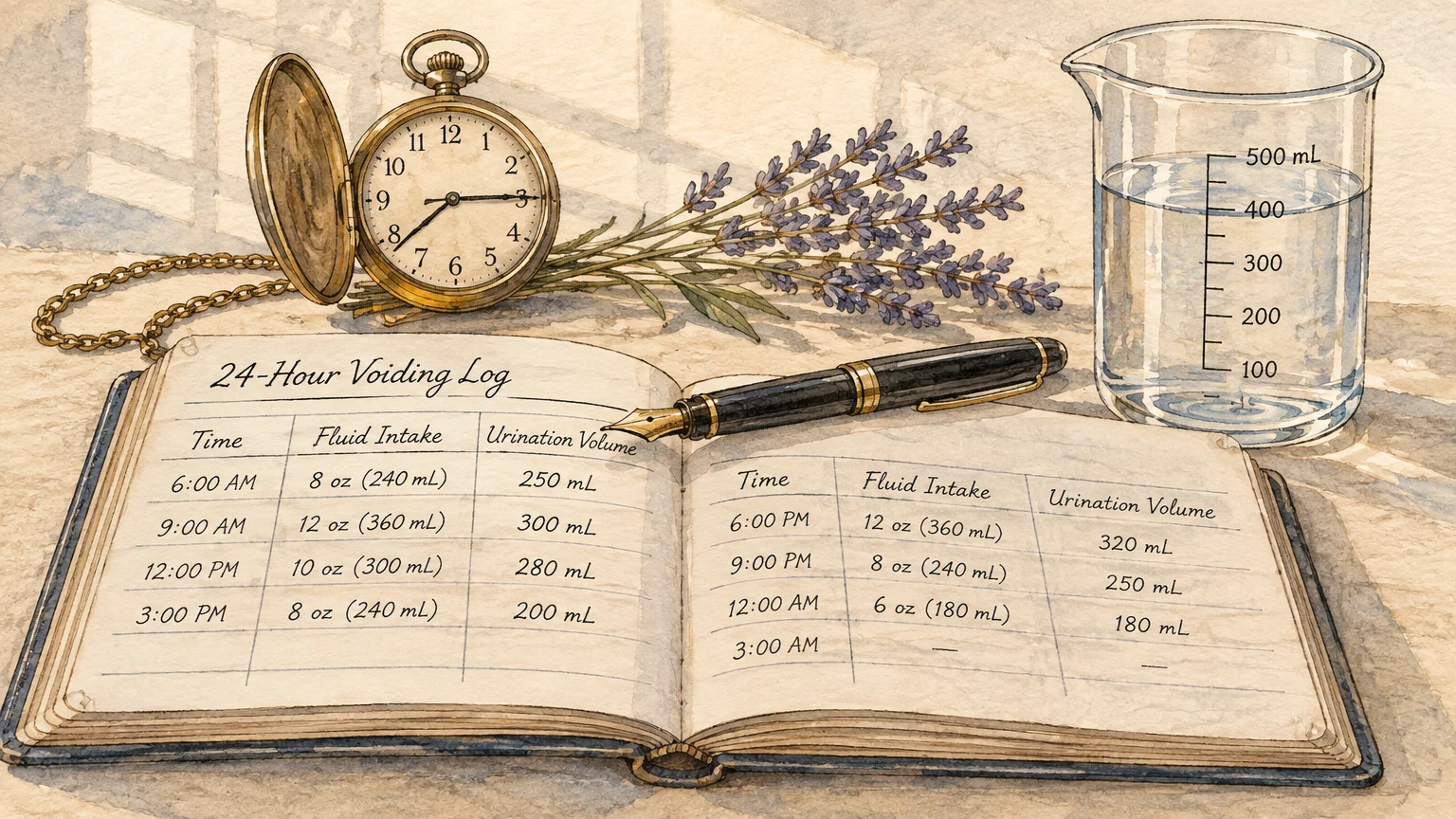
The single most revealing diagnostic tool requires no laboratory equipment at all. Both StatPearls and the Canadian Urological Association recommend keeping a detailed 24-hour to 72-hour bladder and voiding diary at home before your appointment.
For one to three full days, you measure and record every beverage you drink alongside the exact time and volume of every void. Using an inexpensive plastic measuring hat that fits under your toilet seat makes tracking effortless.
Include your bedtime, wake time, and your first morning void, because urine made overnight exits during that first trip. Your diary quickly distinguishes nocturnal polyuria from global polyuria or a small-capacity bladder.
Simple clinic tests supplement your diary to rule out hidden medical drivers. A rapid urinalysis screens for urinary tract infections, microscopic blood, protein, or spilled glucose.
Blood work checks kidney filtration, electrolytes, and fasting blood sugar or hemoglobin A1c levels. A painless bedside bladder ultrasound after you urinate checks whether leftover urine remains trapped inside.
If you snore loudly, gasp for air, or wake with morning headaches, your clinician may order an overnight sleep study. Confirming sleep apnea lets you treat the breathing disorder directly rather than chasing bladder symptoms alone.

Treatment Options: Lifestyle Shifts, Medications, and Targeted Therapies
Effective treatment targets the exact mechanism revealed by your voiding diary and medical workup. The overview below offers educational context to help you discuss safe, personalized options with your healthcare provider rather than self-prescribing changes.
Daily Habit Changes and Bladder Training
Adjusting when and what you drink often cuts nighttime trips within days. Cleveland Clinic and Australian general practice guidelines recommend stopping or strictly limiting fluids two to three hours before bedtime.
At the same time, protect your daytime hydration so concentrated urine never irritates your bladder. NHS patient guidance recommends drinking six to eight cups—roughly 1.5 to 2 liters—spread steadily through the morning and afternoon.
To pinpoint dietary triggers, the Mayo Clinic suggests eliminating suspected bladder irritants like coffee, tea, alcohol, and sodas for about one week. Afterward, reintroduce one item every one to two days while tracking your nighttime symptoms.
If mild leg swelling bothers you, elevating your legs in the evening encourages pooled fluid to circulate early. Your kidneys can then filter that excess fluid before you go to sleep.
Guidance from the Sleep Foundation and Cleveland Clinic also highlights pelvic floor exercises and bladder training. Strengthening pelvic muscles calms sudden urges, while gradually stretching daytime voiding intervals trains your bladder to hold larger volumes comfortably.
Always empty your bladder right before getting into bed, even if you do not feel a strong urge. Adding regular daytime physical activity further improves circulation, sleep depth, and metabolic control.
Medical and Device-Based Treatments
When lifestyle adjustments fall short, treating underlying conditions delivers dramatic relief. Using a CPAP machine for obstructive sleep apnea prevents atrial natriuretic peptide surges and sharply reduces overnight urination.
Optimizing diabetes care lowers blood sugar below the threshold where kidneys spill glucose into urine. Similarly, adjusting medication schedules under medical supervision solves many drug-induced cases immediately.
Australian clinical guidance and StatPearls recommend shifting short-acting diuretics to mid-afternoon so their peak effect finishes before bedtime. Moving calcium channel blockers to the morning can also ease evening leg swelling when your prescriber approves.
Never adjust blood pressure or heart medications on your own, as sudden schedule shifts can alter fluid balance dangerously. Always confirm exact timing changes with your prescribing clinician or pharmacist.
For men with benign prostatic hyperplasia, doctors commonly prescribe alpha-blockers to relax prostate muscle fibers or 5-alpha-reductase inhibitors to shrink gland volume over time. Surgical or minimally invasive procedures relieve severe urinary blockage.
When overactive bladder drives nighttime urgency, antimuscarinic medications or beta-3 agonists help relax erratic bladder muscle spasms. Clinicians weigh potential side effects, such as dry mouth, constipation, or memory effects in older adults, before prescribing.
For confirmed nocturnal polyuria linked to low overnight hormones, specialists occasionally prescribe low-dose desmopressin, a synthetic form of antidiuretic hormone. Because desmopressin retains water, it carries a risk of dangerously low blood sodium, known as hyponatremia.
Older adults face higher hyponatremia risk and require baseline and follow-up sodium blood tests along with strict fluid limits when using desmopressin. Discuss safety monitoring carefully before starting any hormone therapy.
Living Well With Nocturia and Preventing Nighttime Falls
While you and your medical team refine treatment, making your bedroom safer reduces the immediate risk of nighttime falls and fractures. Small environmental updates turn groggy midnight walks into calm, steady routines.
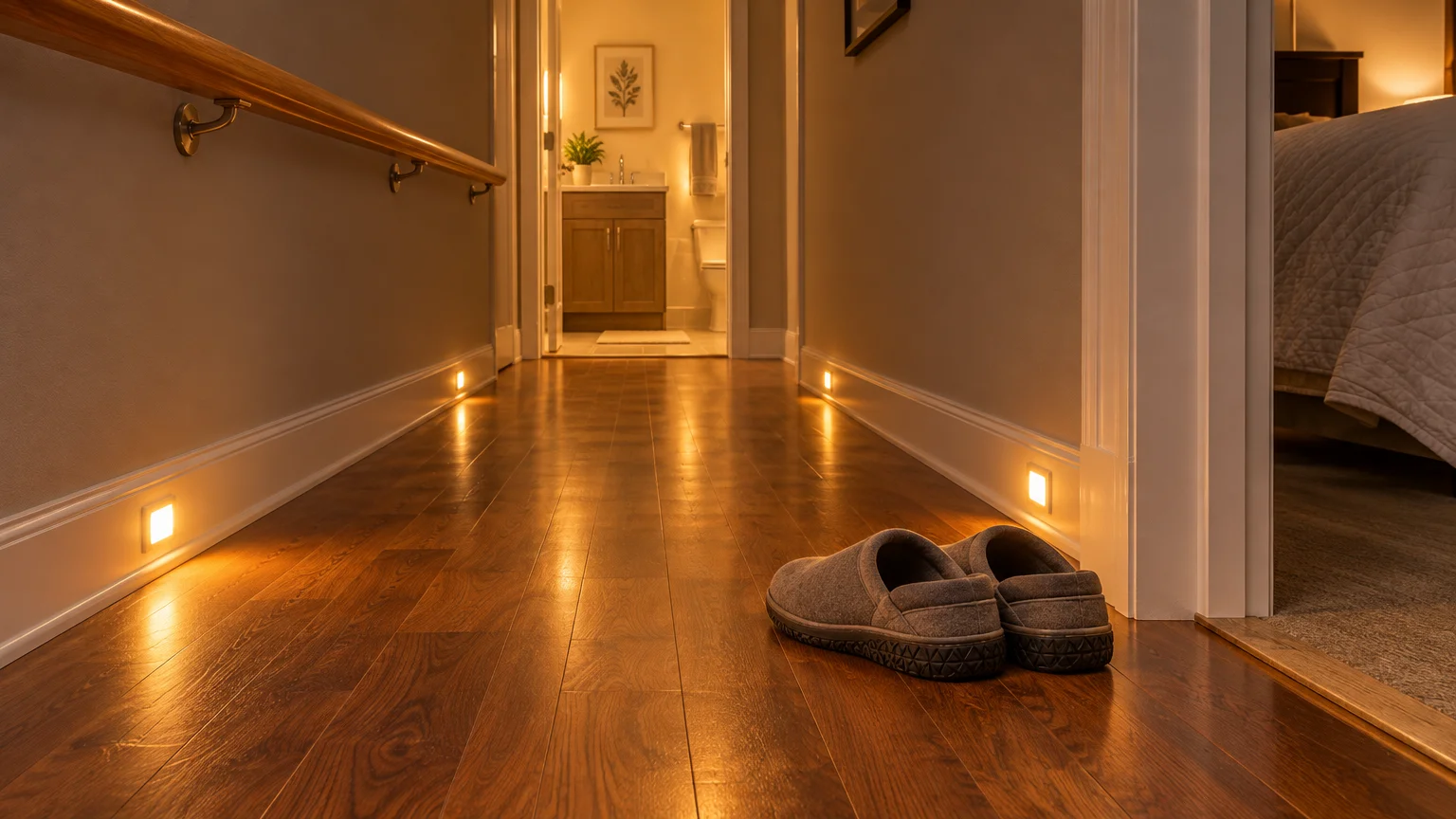
Install plug-in motion-activated nightlights along the path from your bed to your toilet so you never stumble in darkness without blinding overhead glare. Clear away loose throw rugs, electrical cords, pet bowls, and clutter along that route.
Keep non-slip slippers beside your bed, and sit on the edge of the mattress for a few moments before standing so blood pressure stabilizes. Grab bars near the toilet and a sturdy raised toilet seat offer crucial stability for older adults.
If mobility challenges make bathroom walks risky, placing a bedside commode nearby prevents dangerous rushing. Prioritize sturdy, accessible support rather than trying to hold urine uncomfortably until morning.
Caregivers play an invaluable role in helping older loved ones manage bladder health safely. Assisting with a three-day voiding diary removes the burden of measuring and recording outputs in the middle of the night.
Caregivers can also review pill organizers for afternoon or evening diuretics and gently encourage morning hydration. Watch closely for subtle warning signs, including daytime drowsiness, swollen ankles, or sudden confusion that might signal a urinary tract infection.
Successful long-term management relies on coordinated communication across your healthcare team. Your primary care clinician serves as your home base, coordinating referrals to urologists, cardiologists, endocrinologists, or sleep specialists whenever multiple conditions overlap.
Bring your completed voiding diary and a written list of every prescription, supplement, and dosing time to every appointment. Clear data empowers your team to tailor safe, practical solutions that restore your rest.
Frequently Asked Questions About Waking Up to Urinate
What warning signs mean I should see a doctor right away?
Seek prompt medical care if nighttime urination appears alongside painful burning, visible blood in your urine, fever, or foul-smelling cloudiness. Sudden shortness of breath when lying flat, rapid ankle swelling, or extreme unquenchable thirst also require urgent evaluation.
Even without emergency red flags, schedule a routine appointment if waking two or more times nightly disrupts your daytime energy. Early assessment catches treatable conditions like diabetes, prostate enlargement, or sleep apnea before complications build.
How should I prepare for my medical follow-up appointment?
Complete a 24-hour to 72-hour bladder diary tracking all fluid intake and measured urine output before your visit. Write down your exact wake and sleep times, noting which night trips felt urgent versus high-volume.
Bring every prescription bottle and over-the-counter supplement you take, including the exact hour you swallow each dose. Mention any snoring, dry mouth, daytime fatigue, or ankle puffiness so your doctor sees the full picture.
Does health insurance usually cover nocturia testing and treatment?
Most major medical insurance plans and Medicare cover standard diagnostic evaluations, including primary care or urology visits, urinalysis, blood glucose testing, and post-void bladder ultrasounds. Sleep studies for suspected obstructive sleep apnea are also widely covered when medically indicated.
Approved prescriptions for overactive bladder, enlarged prostate, diabetes, and blood pressure typically qualify under standard drug benefits, though tiers and prior authorizations vary. Contact your plan administrator ahead of time to confirm copays for specialty devices or therapies.
What does recent research reveal about nocturia and long-term health?
Recent clinical evidence confirms nocturia is far more than a minor sleep nuisance. A 2020 systematic review linked nighttime urination to higher fall, fracture, and mortality rates, while a 2026 outpatient study found three or more voids doubled five-year fragility-fracture risk.
Encouragingly, modern clinical studies also prove targeted treatments work. Research continues refining how consistent sleep apnea therapy, tailored blood pressure dosing schedules, and safe circadian hormone strategies protect both deep sleep and bone safety in older adults.
Taking Your Next Step Toward Uninterrupted Sleep
Waking up night after night to urinate wears down your energy, balance, and mood, yet practical solutions exist across every age group. Treating nighttime bathroom trips as meaningful health clues helps you move past frustrating guesswork.
Start tonight by tracking your fluids, protecting your bedroom walking path, and scheduling a conversation with your doctor or urologist. Sharing a three-day voiding diary with your care team—and leaning on trusted caregivers or patient communities—puts restful, uninterrupted sleep back within reach.