
Recognizing the subtle early signs of chronic obstructive pulmonary disease (COPD) helps you protect your lung health before permanent airway damage worsens. Many adults dismiss a lingering cough or mild breathlessness as normal aging.
Learning the seven core warning symptoms empowers you to request timely breathing tests and build an effective care plan with your doctor. Early evaluation often slows disease progression and preserves your daily independence.
This guide explains what to watch for, how clinicians confirm a diagnosis, and which treatments support easier breathing. The information below is strictly educational and does not replace personalized medical advice.
Why Early COPD Warning Signs Often Go Unnoticed
COPD develops gradually over many years, so noticeable symptoms usually emerge only after significant lung damage has already occurred. Mayo Clinic and the National Heart, Lung, and Blood Institute note that people frequently mistake early signs for aging or being out of shape.
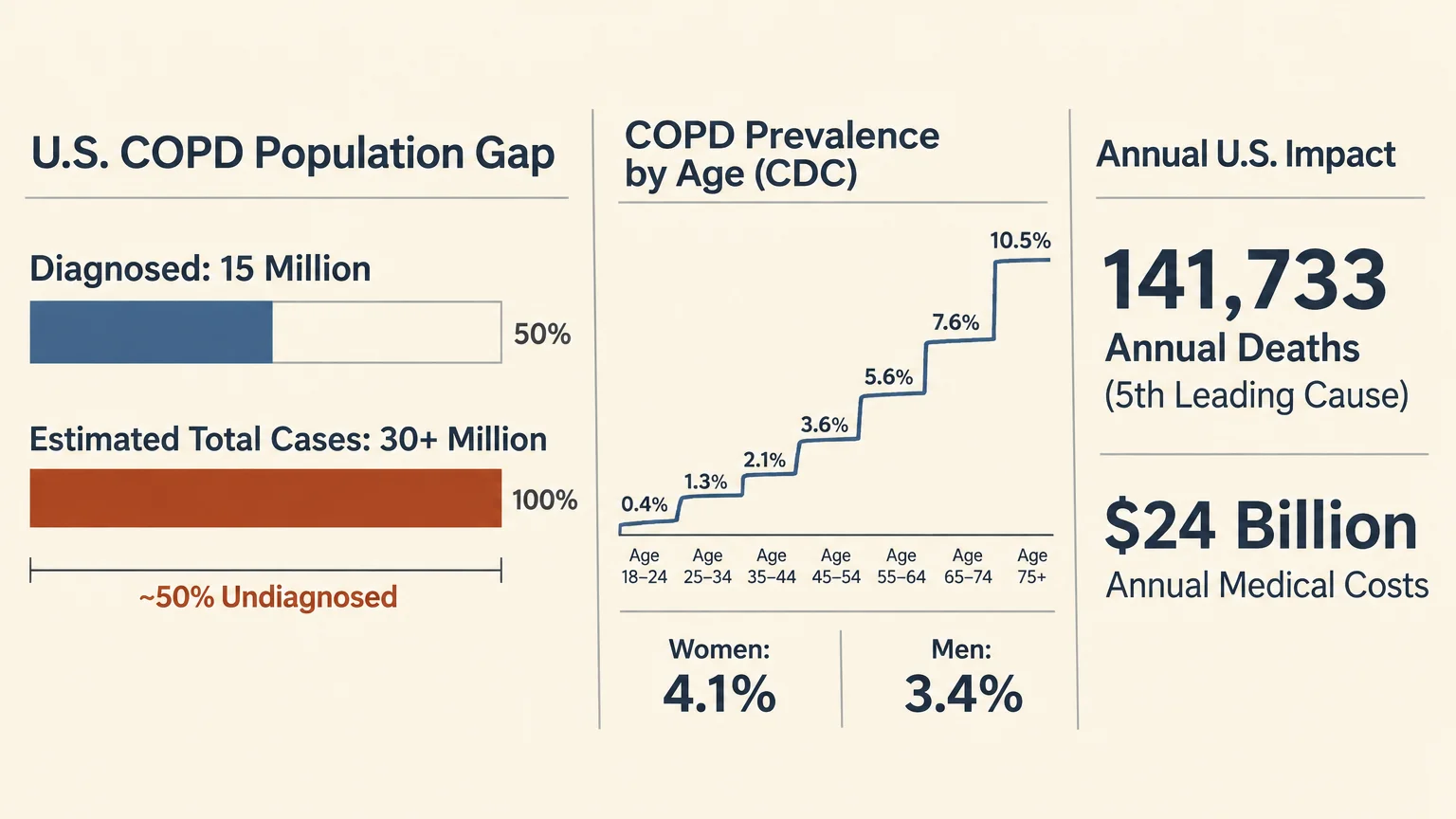
That slow timeline leaves millions of adults without answers or timely relief. According to the National Heart, Lung, and Blood Institute, more than 15 million Americans have received a formal COPD diagnosis.
However, the COPD Foundation patient community estimates that more than 30 million Americans actually live with the disease. Roughly half of affected people remain undiagnosed and miss early therapies that protect breathing capacity.
National data show that COPD affects older adults at especially high rates. In 2023, the Centers for Disease Control and Prevention (CDC) and the National Center for Health Statistics (NCHS) reported an age-adjusted U.S. prevalence of 3.8% among adults aged 18 and older.
Prevalence in 2023 ran higher in women at 4.1% than in men at 3.4%. Rates climbed sharply across age groups, rising from 0.4% in adults aged 18 to 24 up to 10.5% in seniors aged 75 and older.
The condition also imposes steep health and financial burdens across the country. CDC and NCHS figures show COPD ranked as the fifth leading cause of U.S. death in 2023 with 141,733 deaths, generating $24 billion in annual medical costs for adults 45 and older.
Worldwide, the World Health Organization (WHO) identifies COPD as the third leading cause of death, causing 3.4 million deaths in 2023—roughly 6% of all global deaths. WHO also ranks it as the seventh leading cause of poor health globally.
Low- and middle-income nations bear a disproportionate share of premature losses, accounting for nearly 90% of COPD deaths under age 70. Together with the European Respiratory Society, WHO projects that global COPD cases will climb by 23% by 2050.
Spotting subtle copd warning signs early gives you an immediate advantage against those trends. When you bring small breathing changes to a clinician right away, you open the door to tests and treatments that preserve stamina.
The 7 Early Symptoms of COPD to Watch For
Health authorities highlight seven primary symptoms that often signal early airway inflammation and airflow restriction. Paying close attention to how these patterns show up during daily routines helps you decide when to schedule a medical evaluation.
1. A Persistent Chronic Cough
A lingering cough is frequently the very first clue that your bronchial tubes face ongoing irritation. The American Lung Association defines a chronic cough as one that lasts 8 weeks or longer.
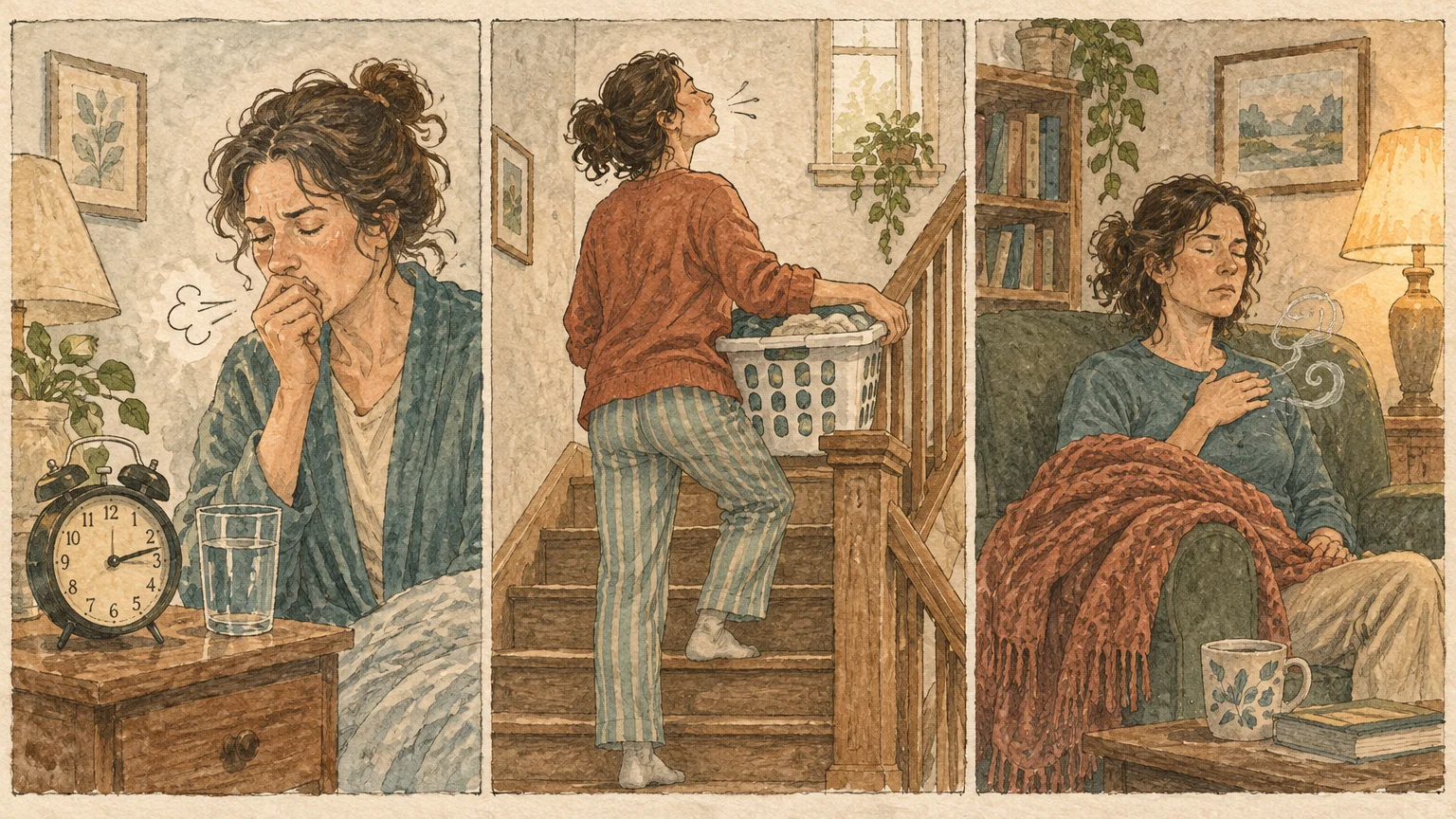
Unlike a typical cold cough that fades as an infection clears, a COPD cough settles into a daily routine. You may notice it most intensely right after waking up as your airways work to clear overnight secretions.
Many adults blame a morning cough on dry indoor air, seasonal allergies, or getting older. Yet persistent chronic cough causes always warrant a thorough checkup rather than guesswork with over-the-counter syrups.
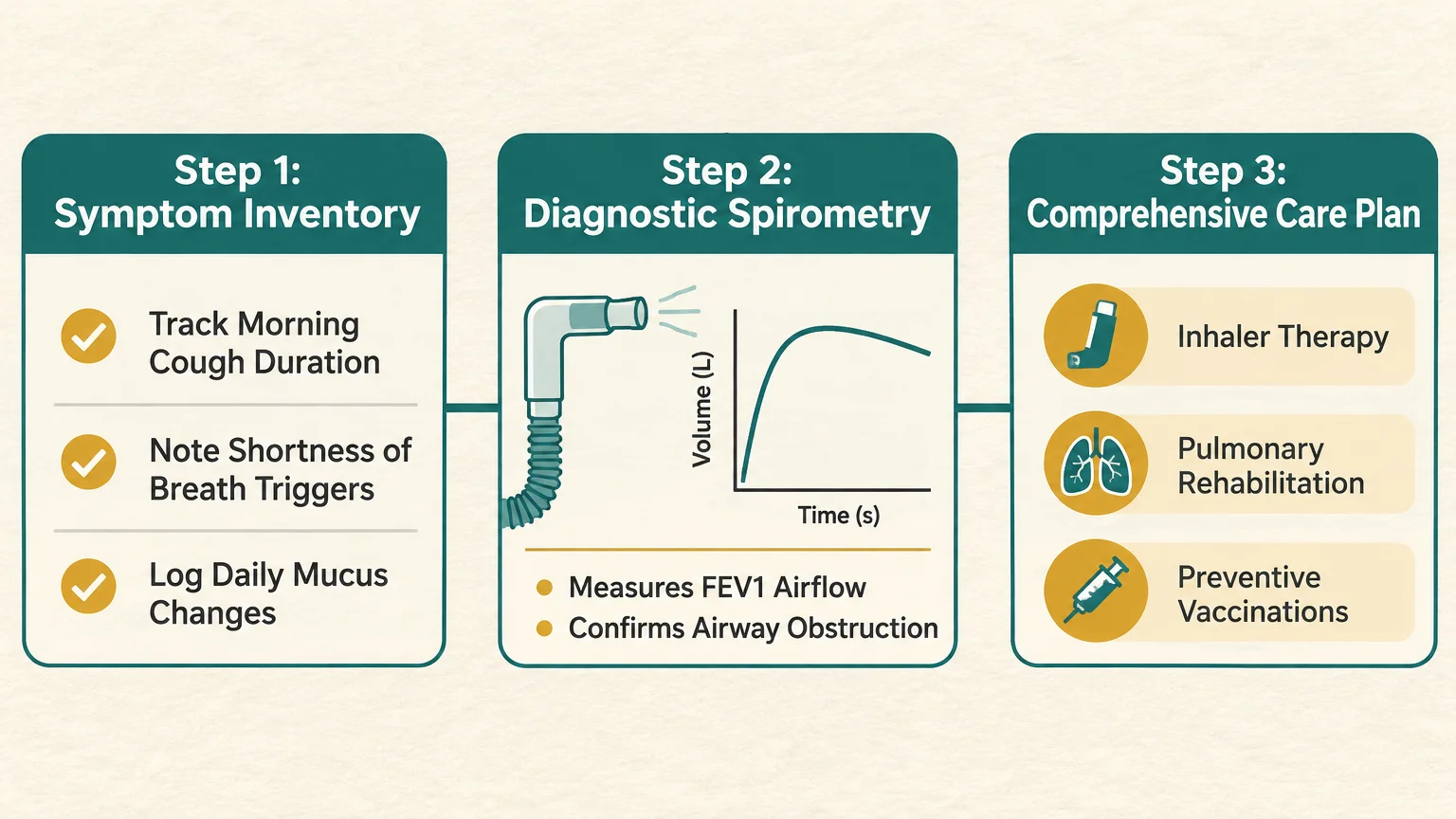
Start a brief written log noting when your cough began and which situations trigger coughing fits. Sharing whether cold wind, strong scents, or physical exertion provoke your cough gives your doctor valuable diagnostic clues.
2. Increased Mucus or Phlegm Production
Alongside a stubborn cough, your lungs may begin producing noticeable amounts of sputum or phlegm. According to Mayo Clinic, excess mucus from inflamed airways can appear clear, white, yellow, or greenish.
Swollen breathing passages generate extra fluid to trap inhaled dust, smoke, and germs. Clearing thick phlegm from your throat first thing in the morning often becomes an unwelcome daily habit.
Physicians use clear benchmarks to identify chronic bronchitis, a major form of COPD. Mayo Clinic and GOLD define it as a productive cough most days for at least 3 months yearly across 2 consecutive years, after excluding other causes.
Watch closely for sudden changes in mucus color, thickness, or daily volume. Shifting from thin clear fluid to thick yellow or green phlegm often points to a bacterial flare-up that needs prompt medical care.
3. Shortness of Breath During Everyday Activities
Clinicians call shortness of breath dyspnea, and it stands out among the most disruptive copd early symptoms. The National Heart, Lung, and Blood Institute, Mayo Clinic, and CDC emphasize breathlessness during physical exertion as a core warning sign.
You might first notice air hunger while climbing familiar stairs, carrying groceries from the car, or walking briskly across a parking lot. Activities you once completed effortlessly now force you to stop and catch your breath.
Because older adults and families often blame shortness of breath seniors experience on aging or extra weight, many people quietly scale back their movement. Avoiding exertion hides the symptom temporarily, yet inactivity weakens your leg and breathing muscles further.
Ask yourself whether you have started skipping garden work, social walks, or active time with family just to avoid feeling winded. Concrete examples like pausing halfway up your porch steps help your clinician gauge your true breathing reserve.
4. Wheezing or Noisy Breathing
Wheezing creates a whistling, squeaking, or rattling sound as air squeezes through narrowed bronchial tubes. The National Heart, Lung, and Blood Institute, Mayo Clinic, and WHO list wheezing as an early indicator of obstructed airflow.
Tightened airway muscles, swollen tissue, and sticky phlegm shrink the open space inside your lungs. You may hear this noisy breathing most clearly when exhaling hard, lying flat at night, or finishing light chores.
Sometimes a spouse or caregiver hears whistling from your chest before you notice it yourself. Recording a brief audio clip on your phone during a noisy spell gives your doctor helpful real-world evidence.
5. Chest Tightness or Heaviness
Early airway inflammation often produces an uncomfortable feeling of tightness, pressure, or heaviness across your chest. Both the National Heart, Lung, and Blood Institute and Mayo Clinic identify chest tightness as a primary COPD symptom.
You may feel as though an invisible band squeezes your ribcage, blocking a full, satisfying breath. Stiff lungs that struggle to empty stale air completely can also leave your chest muscles feeling sore and overworked.
Never assume chest tightness stems purely from lung irritation without a medical check. Because heart conditions and acid reflux cause similar sensations, always report new or recurring chest pressure to a healthcare professional promptly.
6. Unexplained Fatigue and Low Energy
Waking up exhausted or running out of steam early in the afternoon can point to strained lungs. Both the National Heart, Lung, and Blood Institute and WHO highlight unexplained fatigue or low energy as an early COPD warning sign.
Narrowed airways force your diaphragm and rib muscles to burn extra energy just to move air in and out. Reduced oxygen efficiency leaves your working muscles feeling heavy even during simple errands.
Nighttime coughing fits and noisy breathing also interrupt deep sleep, compounding daytime sluggishness. Track how often exhaustion forces you to cancel plans, and share that pattern alongside any breathing complaints.
7. Frequent Lower Respiratory Infections
Healthy airways sweep out dust, viruses, and bacteria using microscopic hair-like structures called cilia. Damaged bronchial linings lose that defense, leaving you vulnerable to recurring colds, flu complications, and acute bronchitis.
Both the National Heart, Lung, and Blood Institute and GOLD list frequent lower respiratory infections as an important early sign. A routine viral cold that settles deep in your chest and lingers for weeks deserves closer evaluation.
If you require antibiotics or steroid bursts repeatedly for chest infections, ask your doctor to investigate the underlying cause. Addressing early airway inflammation helps break that exhausting cycle of repeat illness.
When Symptoms Signal an Emergency
As COPD progresses into moderate or severe stages, chronically low blood oxygen puts added strain on your circulation. The American Lung Association COPD guide notes that swelling in the legs and ankles can emerge as lung function declines.
Certain warning signs signal an emergency requiring immediate care rather than a routine visit. Seek urgent help right away for severe shortness of breath, inability to speak full sentences, blue or gray lips or fingertips, chest pain, or sudden confusion.
Understanding COPD Causes, Risk Factors, and Diagnosis
Smoking and Non-Smoking Risk Factors
Tobacco smoke remains the top global trigger for COPD, though many non-smokers also develop the disease. WHO reports that smoking accounts for over 70% of COPD cases in high-income countries and 30% to 40% in low- and middle-income nations.
In the United States, the American Lung Association notes that roughly 75% of COPD cases occur in people with a smoking history. Yet CDC and American Lung Association figures estimate that 24% to 25%—about 1 in 4 affected U.S. adults—have never smoked.
Workplace hazards explain a large share of non-smoking lung injury. According to the CDC, occupational exposures to dust, fumes, gases, vapors, and secondhand smoke account for 26% to 53% of COPD cases among U.S. adults who never smoked.
Beyond the workplace, WHO and GOLD emphasize household air pollution from cooking or heating fuels and outdoor smog as major global causes. Protecting your lung health means minimizing exposure to smoke, chemical vapors, and fine dust wherever you live and work.
Inherited genetics also place some younger adults at elevated risk regardless of smoking habits. The American Lung Association estimates that 80,000 to 100,000 Americans have alpha-1 antitrypsin deficiency (AATD), a genetic condition whose lung symptoms often emerge between ages 20 and 40.
How Doctors Confirm COPD
Clinicians cannot confirm COPD from a quick stethoscope check or your symptom list alone. Diagnosis requires spirometry, a painless breathing test that measures how much air you inhale and how forcefully you blow it out.
Per the Global Initiative for Chronic Obstructive Lung Disease reports (2026 and 2027), diagnosis requires a post-bronchodilator FEV1/FVC ratio below 0.70 alongside consistent symptoms and exposures. You inhale airway-opening medication beforehand so clinicians can measure persistent obstruction.
The National Heart, Lung, and Blood Institute confirms that spirometry can detect impaired airflow even before daily symptoms feel obvious. However, public health panels distinguish between testing people who report symptoms and screening adults who feel completely fine.
In May 2022, the U.S. Preventive Services Task Force (USPSTF) reaffirmed a Grade D recommendation against routine COPD screening in asymptomatic adults who report no breathing complaints. That stance reflects moderate certainty that screening symptom-free adults provides no net benefit.
Crucially, the USPSTF recommendation does not apply if you notice chronic cough, breathlessness, phlegm, or wheezing. It also excludes very high-risk groups, such as people with AATD or specific workplace toxin exposures, who benefit from targeted testing.
Diagnostic guidelines continue advancing to spot airway disease earlier in life. In its 2027 Report released in November 2026, GOLD kept the FEV1/FVC below 0.70 cutoff while refining definitions for Pre-COPD and COPD in young people under age 50.
Pre-COPD includes people with symptoms, CT abnormalities, chronic bronchitis, or preserved ratio impaired spirometry (PRISm)—FEV1/FVC of 0.70 or higher with FEV1 below 80% predicted. GOLD 2027 also recommends considering a baseline noncontrast chest CT scan at initial evaluation.
Treatment Options and Lung Health Strategies
Medications and Conventional Therapies
While medical treatments cannot undo existing lung scarring, proven therapies ease daily breathing, prevent flare-ups, and protect your mobility. Your doctor customizes medications based on your spirometry findings, symptom burden, and past respiratory infections.
Inhaled bronchodilators serve as the cornerstone of COPD care by relaxing tight muscles surrounding your airways. Short-acting rescue inhalers relieve sudden breathlessness, while long-acting maintenance inhalers keep air passages open steadily across the day.
Clinicians sometimes add inhaled corticosteroids alongside bronchodilators for patients who face frequent flare-ups or specific airway inflammation patterns. When blood oxygen drops persistently low, prescribed home oxygen therapy protects your heart, brain, and energy levels.
Medication safety starts with proper inhaler technique, since poor timing leaves medicine in your mouth rather than your lungs. Ask your pharmacist to check your form and review side effects—such as hoarseness, dry mouth, or mild shakiness—before changing any dose.
Always keep an updated medication list in your wallet and review it at every primary care or specialist appointment. Knowing which inhaler serves as your daily controller versus your emergency reliever prevents dangerous confusion during sudden shortness of breath.
Lifestyle Changes and Preventive Care
Daily habits strongly reinforce the benefits of prescribed inhalers. According to GOLD, smoking cessation remains the single intervention with the greatest impact on slowing COPD progression, yet roughly 40% of diagnosed individuals continue to smoke.
Quitting tobacco takes persistence, so ask your care team about counseling, nicotine replacement therapies, or prescription quit aids. Every smoke-free week calms bronchial irritation and helps your lungs hold onto existing capacity.
Preventive vaccinations offer vital protection against severe chest infections that can permanently set back your breathing. Both GOLD and the Centers for Disease Control and Prevention COPD information recommend staying current on influenza, COVID-19, pneumococcal, and RSV vaccines.
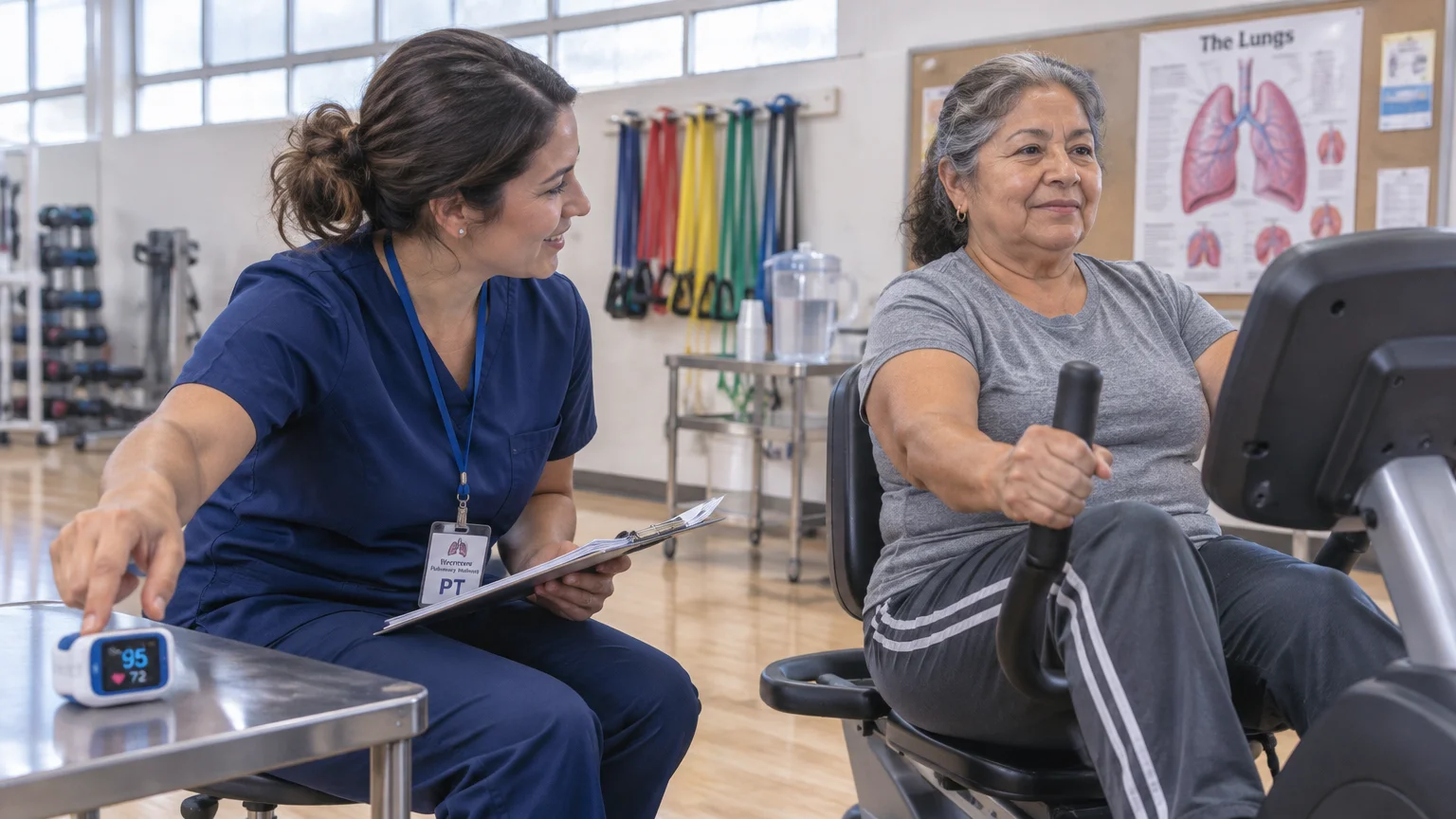
Pulmonary rehabilitation delivers another powerful boost recommended by both GOLD and the CDC. These structured programs unite supervised exercise training, breathing coaching, nutrition guidance, and emotional support to rebuild your endurance safely.
Regular gentle movement, such as short daily walks or seated strength exercises, keeps your muscles efficient at using oxygen. Pair physical activity with balanced meals and adequate hydration to help thin stubborn airway mucus naturally.
Emerging Approaches and Clinical Monitoring
Lung researchers increasingly target earlier stages of airway injury rather than waiting for advanced breathing disability. Tracking Pre-COPD and COPD in young people under age 50 helps clinicians intervene before irreversible emphysema spreads.
Expanded use of baseline noncontrast chest CT scans, as outlined in the 2027 GOLD guidelines, gives specialists clearer insight into mucus plugging and structural lung changes. Ask a pulmonologist whether specialized imaging, AATD genetic testing, or newer targeted therapies match your clinical profile.
If standard treatments fail to control frequent flare-ups, inquire about clinical trials at accredited respiratory centers. Participating in monitored research gives eligible patients access to emerging therapies while advancing future lung care.

Living Well With COPD and Supporting a Loved One
Daily Self-Management Habits
Managing early or established COPD smoothly begins with pacing demanding tasks and protecting indoor air. Break large chores into shorter segments, sit while prepping meals or folding clothes, and keep daily essentials at waist height.
Simple breathing techniques ease breathless moments when stairs or chores catch you off guard. Try pursed-lip breathing by inhaling slowly through your nose and exhaling gently through puckered lips to empty trapped stale air.
Eliminate indoor airway irritants by banning indoor smoking, running exhaust fans while cooking, and swapping harsh aerosol sprays for unscented cleaners. Check local air quality alerts before outdoor exercise, especially during wildfire smoke or high-pollution days.
Request a written COPD action plan from your clinic so you know exactly how to respond to symptom shifts. Clear instructions tell you when to step up medications or call your doctor as phlegm thickens or breathlessness climbs.
Anxiety often spikes during breathless spells, tightening chest muscles and making air hunger feel worse. Learning calm relaxation habits alongside your action plan helps you regain control quickly during stressful moments.
Caregiver Support and Healthcare Collaboration
Family caregivers frequently spot subtle copd warning signs long before a loved one brings them up at a checkup. A partner or adult child may notice morning coughing spells, skipped walks, or quiet avoidance of stairs.
Joining medical visits as an extra pair of ears ensures key details—such as workplace dust exposures or leg swelling—reach the doctor. Caregivers can also organize vaccine schedules, monitor inhaler refills, and encourage steady pulmonary rehabilitation attendance.
Effective care thrives on collaboration across your full medical team rather than isolated visits. Primary care physicians, pulmonologists, respiratory therapists, and pharmacists each contribute specialized guidance to keep your breathing plan on track.
Public awareness campaigns also connect patients and families with local resources and peer encouragement. Advocacy groups mark November as U.S. COPD Awareness Month and observe World COPD Day each mid-November—including November 18, 2026—to promote earlier testing and treatment.
Caregivers need steady support too, because watching a loved one struggle to breathe carries real emotional weight. Joining caregiver forums or local breathing clubs lets families trade practical coping tips without feeling isolated.
Frequently Asked Questions About Early COPD
Can you have COPD if you have never smoked?
Yes, COPD develops regularly in adults who have never smoked a cigarette. CDC and American Lung Association estimates show that roughly 24% to 25% of U.S. adults living with COPD have no smoking history.
Long-term exposure to workplace dust, chemical fumes, secondhand smoke, outdoor smog, or indoor cooking fuels can injure delicate airways over time. Genetic alpha-1 antitrypsin deficiency also triggers COPD in non-smokers, often appearing between ages 20 and 40.
What should I bring to my medical follow-up appointment?
Bring a brief daily log noting when you cough, what color your mucus looks like, and which chores trigger breathlessness. Write down every past or current job involving dust, vapors, or smoke alongside any family history of lung disease.
Pack all inhalers, prescriptions, and supplements you currently use so your clinician can verify your regimen. Ask directly whether a spirometry breathing test makes sense to evaluate your airflow.
Does health insurance cover COPD testing and pulmonary rehabilitation?
Most commercial health plans and public programs pay for diagnostic spirometry, essential inhalers, and recommended vaccines when doctors order them for active symptoms. Out-of-pocket costs and session limits vary across policies, especially for supervised pulmonary rehabilitation.
Call your insurer before starting new respiratory programs to verify in-network facilities and prior authorization rules. Your clinic’s billing staff can submit spirometry results and symptom notes to demonstrate medical necessity.
What does new research say about catching COPD earlier?
Updated respiratory guidelines focus intently on catching airway impairment before severe obstruction locks in. The 2027 GOLD report refined definitions for Pre-COPD, PRISm, and COPD in adults under age 50 while highlighting baseline noncontrast chest CT scans.
Identifying lung stress earlier gives you and your doctor more time to eliminate triggers, update vaccinations, and preserve lung function. Researchers continue testing targeted therapies aimed at slowing early bronchial inflammation.
Taking Your Next Step for Lung Health
Dismissing a stubborn cough or blaming breathlessness on age can delay answers that protect your future mobility. If any of these seven early symptoms sound familiar, schedule a primary care visit and ask about spirometry testing.
Remember that this guide provides educational information rather than a personal diagnosis or medical prescription. Your healthcare team can evaluate your symptoms, check for overlapping issues like asthma or heart strain, and tailor a safe care plan around your goals.
You never have to manage breathing changes alone. Explore trusted tools through the National Heart, Lung, and Blood Institute COPD resource and patient advocacy groups to stay informed, supported, and proactive about your breathing.