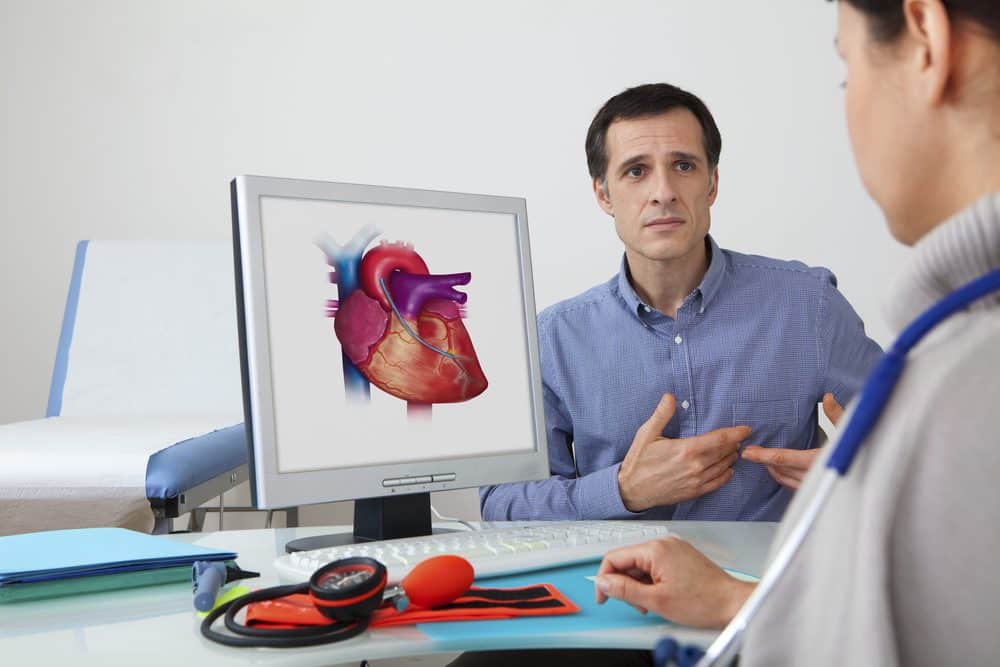
Learning to spot early cardiovascular distress can save your life before a sudden cardiac event strikes. Most people expect dramatic chest pain, but true warning signs often whisper rather than shout.
Recognizing subtle shifts in your energy, digestion, and breathing empowers you to advocate for timely medical intervention. Catching cardiovascular strain early significantly improves your long-term outcomes and protects your vitality.
Clinicians frequently see preventable damage simply because patients dismissed mild, recurring symptoms as everyday stress. Taking these signals seriously gives you the power to safeguard your future well-being today.

The Science Behind Silent Cardiac Warning Signs
According to data from the Centers for Disease Control and Prevention, cardiovascular disease remains the leading cause of death nationwide. It claims an American life approximately every 33 to 34 seconds.
Roughly 805,000 people in the United States suffer a heart attack every year. This translates to an acute cardiac event occurring every 40 seconds.
Public health agencies report that approximately one in five heart attacks is completely silent. In these instances, patients experience minimal or unrecognized symptoms while enduring lasting myocardial tissue damage.
Longitudinal research from the National Institutes of Health demonstrates that up to 45 percent of heart attacks lack classic, crushing chest pressure. These atypical presentations delay essential emergency care.
When acute blockages occur, hospital teams operate under a strict door-to-balloon guideline of 90 minutes or less. Rapid balloon angioplasty restores arterial blood flow and prevents widespread, irreversible muscle necrosis.
Furthermore, silent vascular damage often stems from unchecked high blood pressure. Clinical guidelines identify Stage 1 hypertension starting at a systolic reading of 130 mm Hg or a diastolic reading of 80 mm Hg.
Seven Subtle Signs You Should Never Ignore
Your body provides quiet warnings when the cardiovascular system struggles to circulate oxygenated blood. Recognizing these indicators allows you to seek care long before a life-threatening crisis develops.
1. Sudden and Unexplained Chronic Fatigue
A sudden, crushing drop in your stamina often signals that your heart is struggling to pump sufficient blood to peripheral tissues. When oxygen delivery drops, routine tasks like carrying groceries or folding laundry feel completely exhausting.
Unlike ordinary tiredness after poor sleep, cardiac fatigue does not resolve with a restful night. You should monitor whether your exhaustion deepens without an obvious physical or emotional trigger.
2. Radiating Discomfort in the Jaw, Neck, or Back
Cardiac nerve pathways frequently refer pain signals away from the chest toward neighboring anatomical structures. You might experience persistent aching or muscle tightness in your jaw, throat, or upper back.
The American Heart Association emphasizes that women experience these atypical, non-chest pain presentations much more frequently than men. Do not dismiss unexplained upper-body aches as simple postural strain.
3. Lingering Nausea, Indigestion, or Stomach Pressure
Inadequate blood flow to the inferior wall of the heart can directly irritate adjacent diaphragmatic and abdominal nerves. This neurological cross-talk creates sensations that mimic acid reflux, heartburn, or general gastric distress.
If your stomach upset appears alongside mild shortness of breath or cold sweats, treat it as a medical priority. Antacids will not alleviate discomfort caused by reduced coronary circulation.
4. Breathlessness During Everyday Activities
Experiencing shortness of breath while walking across a room or climbing a single flight of stairs demands immediate investigation. When the heart cannot efficiently clear blood, fluid can back up into your pulmonary tissues.
This pulmonary congestion makes deep respiration difficult, especially when you lie flat in bed at night. Keep track of any sudden changes in your respiratory comfort during baseline physical exertion.
5. Swelling in Your Lower Legs, Ankles, or Feet
Peripheral edema occurs when inefficient cardiac pumping allows blood and fluid to pool in your lower extremities. You may notice your shoes suddenly feeling tight or deep sock impressions lingering on your skin.
While prolonged sitting or high sodium meals can cause transient puffiness, persistent bilateral swelling points toward systemic circulatory strain. Your kidneys also retain sodium and water when cardiac output falls, compounding the fluid retention.
6. Spontaneous Dizziness, Lightheadedness, or Near-Syncope
Feeling lightheaded when standing or sitting quietly indicates a momentary drop in cerebral perfusion. When the heart pumps erratically or valves restrict outflow, your brain experiences a brief oxygen deficit.
Frequent dizzy spells or unprovoked fainting spells—clinically known as syncope—warrant comprehensive cardiac assessment. These episodes may stem from undiagnosed arrhythmias, structural heart defects, or fluctuating blood pressure.
7. Heart Palpitations and Unsettling Fluttering Sensations
Brief sensations of your heart racing, skipping a beat, or fluttering like a trapped bird can indicate an electrical conduction anomaly. While caffeine and stress trigger benign palpitations, frequent irregularities require diagnostic evaluation.
Conditions such as atrial fibrillation disrupt rhythmic ventricular contractions and dramatically elevate your risk of stroke. Document the timing, duration, and accompanying symptoms whenever your pulse feels irregular.
Clinical Perspectives: Real Voices from the Frontlines
Emergency physicians continually witness the devastating consequences of delayed medical evaluation for subtle symptoms. Clinicians frequently note that patients wait an average of several hours before calling emergency services during an event.
Cardiologists stress that treating atypical discomfort early preserves precious heart muscle cells. One clinical rule of thumb reminds us that lost time directly equals lost myocardium.
Healthcare professionals also emphasize systemic disparities that affect diagnosis. Women, racial minorities, and older adults frequently encounter systemic biases that write off atypical signs as anxiety or musculoskeletal pain.
Advocating clearly for yourself during medical visits bridges this diagnostic gap. Use concrete descriptions of your baseline abilities and how your current symptoms alter your daily functionality.
Holistic Strategy Pillars for Long-Term Cardiovascular Strength
Protecting your vascular tree requires a multi-layered approach that merges evidence-based clinical medicine with restorative daily habits. Implementing deliberate changes across four key pillars will dramatically reduce your long-term cardiovascular risks.
Cardiovascular Nutrition: Fueling Endothelial Function
Your vascular endothelium relies on a steady intake of dietary antioxidants, polyphenols, and micronutrients to regulate arterial elasticity. Emphasize colorful leafy greens, berries, legumes, and omega-3 fatty acids from wild cold-water fish or flaxseeds.
Simultaneously reduce ultra-processed foods that contain hidden sodium, refined sugars, and industrial trans fats. Excessive sodium intake accelerates arterial stiffening and drives blood pressure readings into hazardous territory.
Work with a registered dietitian nutritionist to tailor heart-healthy eating patterns to your cultural preferences and financial budget. Nourishing your body with whole foods provides the foundational substrate for stable cardiovascular health.
Intentional Movement: Conditioning Heart Muscle Safely
Consistent aerobic exercise acts as direct training for your cardiac muscle fibers and peripheral vascular beds. Moderate activity strengthens left ventricular contractions and improves skeletal muscle oxygen extraction.
The American College of Cardiology recommends achieving at least 150 minutes of moderate aerobic exercise each week. You can satisfy this requirement through brisk walking, cycling, swimming, or active gardening.
Incorporate resistance training two days weekly to build metabolic reserve and improve glucose regulation. Always consult your primary care provider before initiating a new exercise program, particularly if you experience existing cardiovascular symptoms.
Nervous System Regulation: Managing Chronic Stress
Sustained emotional distress activates your sympathetic nervous system, flooding your bloodstream with cortisol and catecholamines. These stress hormones constrict blood vessels, elevate heart rates, and foster chronic, systemic inflammation.
Integrating mindfulness practices, coherent breathing, and restorative sleep habits helps down-regulate this hyperactive stress response. Prioritizing seven to eight hours of uninterrupted nightly sleep optimizes autonomic cardiac recovery.
Set clear digital boundaries to protect your mental well-being from information overload and chronic occupational strain. Nurturing strong social connections also provides proven protective buffers against stress-induced cardiovascular deterioration.
Proactive Medical Care: Partnering with Your Physician
Routine preventive screenings uncover invisible metabolic risk factors long before physical symptoms emerge. Schedule annual checkups to evaluate your lipid profile, fasting blood glucose, and resting blood pressure.
Discuss your family history openly with your physician to determine if advanced genetic screenings or calcium scoring scans are warranted. Early detection of subclinical coronary plaque allows for aggressive preventive stabilization.
Maintain an updated personal health log containing your vitals, medications, and any transient bodily sensations. This objective record helps your healthcare team make nuanced, evidence-based adjustments to your treatment plan.
Frequently Asked Questions About Subtle Heart Symptoms
How can you differentiate cardiac fatigue from ordinary exhaustion?
Cardiac fatigue strikes suddenly and feels completely disproportionate to your physical output. Ordinary exhaustion improves after restful sleep, whereas heart-related lethargy persists and severely impairs your ability to complete routine daily tasks.
If profound tiredness accompanies breathlessness, lightheadedness, or localized pressure in your upper body, contact your doctor immediately. Sudden drops in functional energy warrant a formal clinical cardiovascular assessment.
Can gastrointestinal reflux mimic a silent heart attack?
Yes, gastrointestinal reflux and acute myocardial ischemia can feel virtually indistinguishable due to shared autonomic nerve pathways. Both conditions present as burning discomfort behind the sternum or mild abdominal cramping.
However, true heart problems frequently worsen with physical exertion and fail to respond to over-the-counter antacid medications. You should never assume chest or stomach burning is benign heartburn without clinical confirmation.
Why do women experience atypical cardiac warning signs more often than men?
Anatomical and hormonal differences cause heart disease to manifest differently across biological sexes. Women more commonly develop microvascular dysfunction—disease within the heart’s tiny branching vessels—rather than major epicardial artery blockages.
This microvascular disease produces generalized symptoms such as nausea, shortness of breath, jaw tightness, and overwhelming fatigue. Clinicians emphasize that women must remain vigilant about these subtle, non-chest manifestations.
What immediate steps should you take if you notice these warning signs?
If symptoms appear abruptly or escalate in intensity, call local emergency services immediately rather than driving yourself to the clinic. Emergency responders possess life-saving defibrillators and can initiate vital medical protocols while en route.
For mild, intermittent signs that resolve quickly, schedule a dedicated appointment with your primary care provider. Never delay seeking professional guidance out of fear of being mistaken or inconveniencing medical staff.
Your Next Step Toward Lasting Heart Health
Protecting your heart does not require an overwhelming lifestyle overhaul overnight. Sustainable cardiovascular health grows from small, consistent choices that support your arterial network day after day.
Take your first manageable step today by measuring your resting blood pressure or scheduling an overdue wellness exam. Awareness is your strongest shield against preventable cardiovascular disease.
Take a quiet moment tonight to check in with your physical body: how has your energy felt this past week? Listening closely to your body’s subtle signals is the most profound act of self-care you can practice.

Leave a Reply