
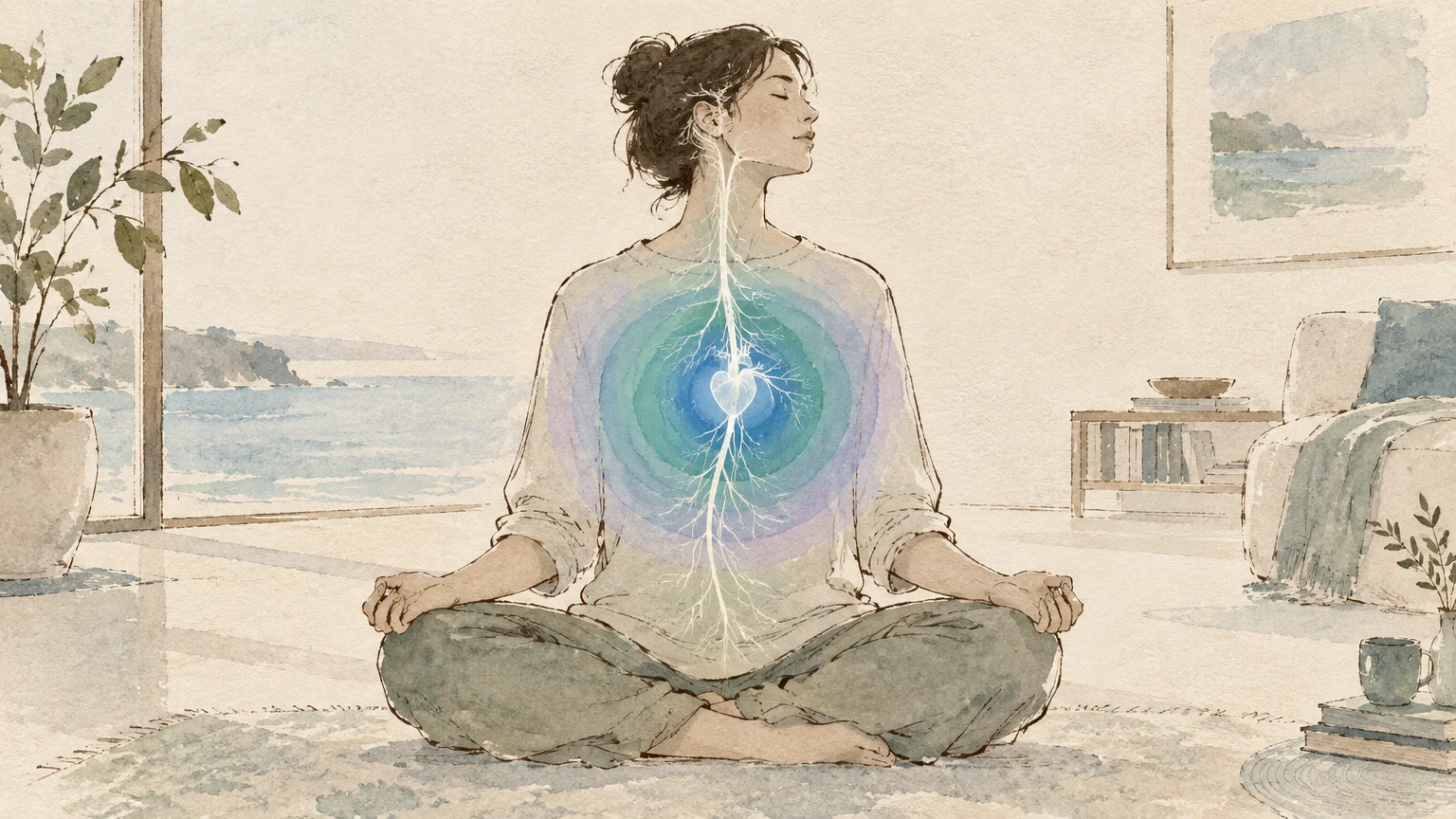
Nervous System Regulation: Managing Chronic Stress
Sustained emotional distress activates your sympathetic nervous system, flooding your bloodstream with cortisol and catecholamines. These stress hormones constrict blood vessels, elevate heart rates, and foster chronic, systemic inflammation.
Integrating mindfulness practices, coherent breathing, and restorative sleep habits helps down-regulate this hyperactive stress response. Prioritizing seven to eight hours of uninterrupted nightly sleep optimizes autonomic cardiac recovery.
Set clear digital boundaries to protect your mental well-being from information overload and chronic occupational strain. Nurturing strong social connections also provides proven protective buffers against stress-induced cardiovascular deterioration.



I get sleepy spells. It’s like my brain isn’t getting enough oxygen. I get faint dizzy and feel like I’m going to faint. I have to hurt & lay down. It happens every day.
I feel my chest flutter a then it just goes a way and some time i feel dizzy