
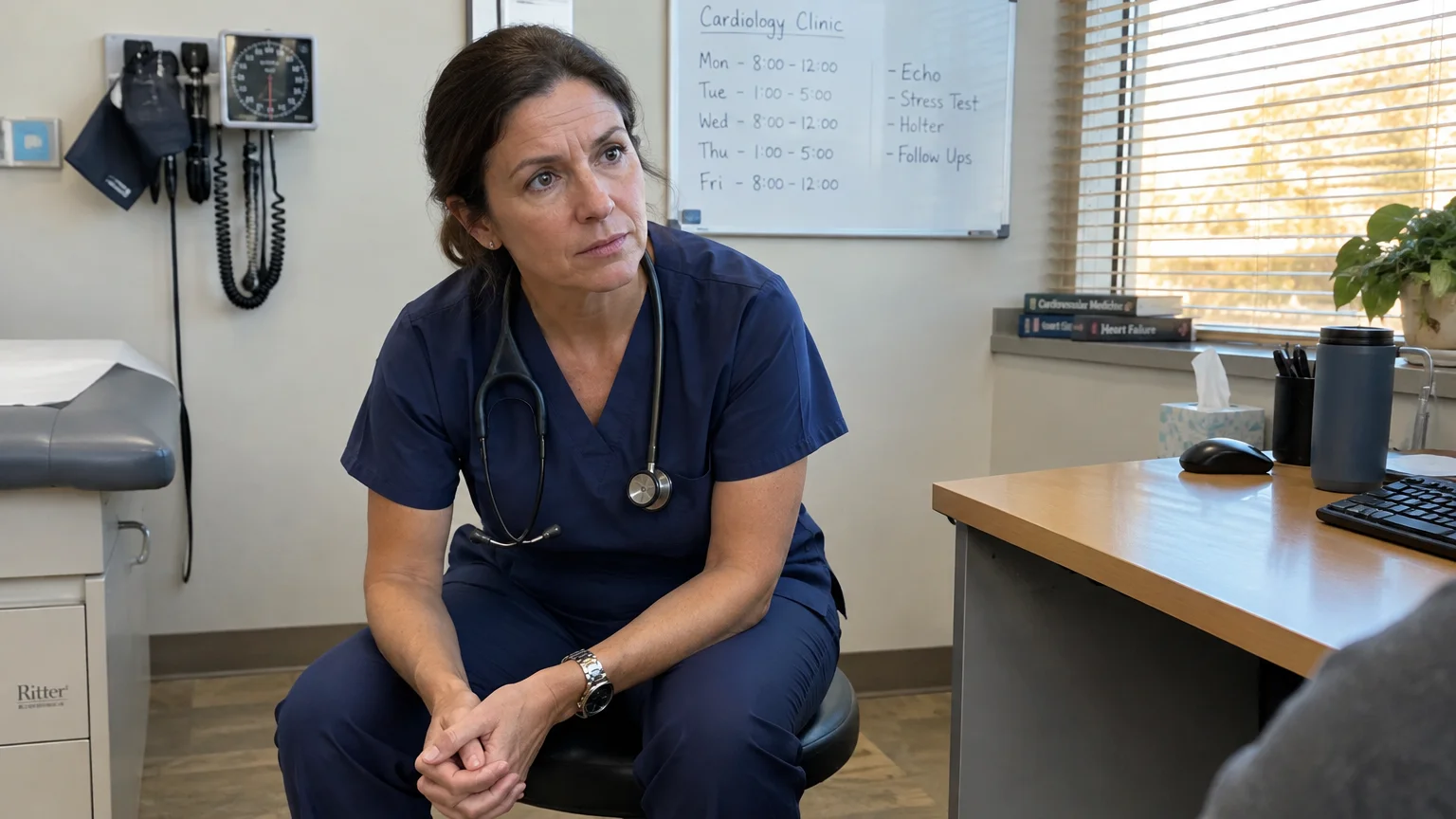
Clinical Perspectives: Real Voices from the Frontlines
Emergency physicians continually witness the devastating consequences of delayed medical evaluation for subtle symptoms. Clinicians frequently note that patients wait an average of several hours before calling emergency services during an event.
Cardiologists stress that treating atypical discomfort early preserves precious heart muscle cells. One clinical rule of thumb reminds us that lost time directly equals lost myocardium.
Healthcare professionals also emphasize systemic disparities that affect diagnosis. Women, racial minorities, and older adults frequently encounter systemic biases that write off atypical signs as anxiety or musculoskeletal pain.
Advocating clearly for yourself during medical visits bridges this diagnostic gap. Use concrete descriptions of your baseline abilities and how your current symptoms alter your daily functionality.



I get sleepy spells. It’s like my brain isn’t getting enough oxygen. I get faint dizzy and feel like I’m going to faint. I have to hurt & lay down. It happens every day.
I feel my chest flutter a then it just goes a way and some time i feel dizzy