
Spotting early lung cancer symptoms can save your life before abnormal cells spread beyond the lungs. Paying close attention to subtle bodily shifts helps you seek medical evaluation while treatments offer the highest chance of success.
Most people associate pulmonary disease with severe respiratory crises, yet initial warning cues often mimic common ailments like seasonal allergies or chest colds. Dismissing these quiet signals allows underlying conditions to advance unchecked.
Your proactive awareness bridges the vital gap between daily uncertainty and life-saving clinical care. Learning what your respiratory system communicates today protects your long-term vitality and overall future.

Why Early Detection Rewrites the Prognosis
Timing shapes your medical outcomes dramatically when facing pulmonary tumors. When clinicians identify localized disease before it metastasizes, your treatment choices multiply significantly.
Data from the American Lung Association highlights a transformative shift in pulmonary medicine. The national five-year relative survival rate has risen to roughly 29.5%–29.7%, up from 18% eight years ago.
A comprehensive analysis from the National Cancer Institute confirms that modern diagnostics drive this survival growth. Advances in early surgical resection and targeted therapies allow patients to thrive far longer.
Yet a troubling diagnostic gap persists in modern respiratory care. Currently, physicians diagnose only about 27% of lung cancer cases at an early, localized stage.
Finding cancer early offers profound statistical advantages. Patients diagnosed at a localized stage experience an approximate 64% five-year survival rate, creating real pathways toward lasting remission.
Conversely, metastatic diagnoses—which account for roughly 43% of cases—drop five-year survival rates to merely 9%–10%. This staggering contrast illustrates why you must never brush aside subtle, persistent respiratory shifts.
Lung tissue lacks pain receptors within the alveolar spaces, which explains why early lesions rarely cause overt agony. Symptoms typically surface only after a growth irritates major bronchial passageways or presses into sensitive chest structures.
Understanding these silent mechanics encourages proactive vigilance rather than passive waiting. You do not need to wait for debilitating pain before speaking with a physician.

10 Critical Early Signs of Lung Cancer
Familiarizing yourself with the body’s earliest physical warnings gives you an indispensable health advantage. Here are ten subtle warning signs that warrant prompt medical consultation.
1. A Persistent Cough That Lingers or Changes
A standard cough caused by a viral cold or bronchitis generally resolves within two to three weeks. If your cough extends beyond eight weeks, your lungs demand a comprehensive clinical workup.
Pay careful attention to the character and timbre of your cough. A dry, hacking tickle that suddenly produces deeper sounds or heavier mucus requires thorough investigation.
Tumors growing along the inner lining of the bronchial tree trigger your chronic cough reflex. The body attempts to dislodge the physical obstruction through repeated, exhausting coughing fits.
Many individuals mistake an evolving cough for an annoying consequence of post-nasal drip or seasonal weather changes. Dismissing this transformation allows cellular changes to advance without medical oversight.
Do not simply assume an enduring cough stems from lingering seasonal allergies or acid reflux. Schedule an appointment with your doctor to evaluate the exact source of your airway irritation.
2. Unexplained Shortness of Breath
Breathlessness during routine movements often serves as an early indicator of reduced pulmonary capacity. Climbing a familiar flight of stairs should never leave you gasping unexpectedly.
A developing pulmonary mass can narrow your primary air passages, restricting the volume of air entering your alveoli. Fluid may also accumulate around the pleural space, limiting normal lung expansion.
When fluid builds up between the lung and chest wall, physicians describe the complication as pleural effusion. This trapped fluid compresses healthy lung tissue and makes every breath feel suffocating.
Many adults mistakenly attribute gradual windedness to aging, deconditioning, or mild weight gain. You should resist normalizing a sudden decline in your natural physical endurance.
Document the specific moments when breathing feels labored throughout your day. Bringing concrete observations to your healthcare provider accelerates an accurate diagnostic pathway.
3. Lingering Chest, Shoulder, or Back Pain
Deep, persistent discomfort within your thorax demands immediate medical scrutiny. This ache may intensify when you laugh, take a deep breath, or cough vigorously.
Although lung tissue lacks direct sensory pain receptors, the parietal pleura and surrounding chest wall contain abundant nerve endings. A tumor pressing outward against the rib cage or spinal nerves generates localized discomfort.
Certain growths located at the apex of the lung, known as Pancoast tumors, trigger severe shoulder and upper arm aches. Patients often misinterpret these radiating neural sensations as standard musculoskeletal strains.
In addition to arm pain, apical tumors can press on sympathetic nerves to cause Horner syndrome. This rare neurological cluster creates drooping eyelids, constricted pupils, and reduced facial sweating on one side.
If back or shoulder soreness persists despite rest, physical therapy, and anti-inflammatory medications, look deeper. Ask your primary physician for dedicated thoracic imaging to rule out internal lesions.
4. Coughing Up Blood or Rust-Colored Phlegm
Hemoptysis—the medical term for coughing up blood—represents one of the clearest clinical warning signs. Even small traces of crimson or rust-colored sputum require immediate evaluation.
Airway tumors contain fragile, disorganized networks of new blood vessels that rupture easily during coughing episodes. Blood leaks directly into your bronchial secretions, tinting your daily phlegm.
You might notice tiny specks of blood mixed into your morning saliva or thick, rust-hued streaks. Regardless of the volume or frequency, hemoptysis signals that delicate respiratory tissues are breaking down.
Never adopt a wait-and-see attitude if you notice blood in your sputum. Even if the bleeding ceases within a day, you must contact a doctor right away.
Prompt imaging and airway examinations confirm whether the bleeding stems from an infection or an abnormal tissue growth. Fast action prevents serious complications and speeds treatment delivery.
5. Chronic or Repeated Respiratory Infections
Recurring bouts of pneumonia, acute bronchitis, or severe chest colds suggest compromised pulmonary clearance. Developing multiple respiratory infections within a single year indicates a deeper structural issue.
When a tumor partially blocks an airway branch, mucus and debris pool behind the physical obstruction. Trapped fluids create an ideal breeding ground where opportunistic bacteria thrive continually.
Physicians refer to this condition as post-obstructive pneumonia because the bacterial colony thrives directly downstream from the blockage. Standard antimicrobial treatments cannot resolve the physical blockage creating the vulnerability.
Antibiotics might resolve your acute fever and immediate symptoms, but they cannot remove the underlying airway occlusion. Consequently, the infection often flares up again in the exact same anatomical zone.
If you experience repeated chest infections in the same segment of your lungs, demand follow-up imaging. A baseline chest radiograph or low-dose scan will verify whether the airway remains clear.
6. New or Persistent Hoarseness
A subtle change in the pitch, clarity, or resonance of your speaking voice deserves careful observation. Persistent raspy or breathy speech that lasts over three weeks is not normal.
The recurrent laryngeal nerve routes down into the chest cavity, looping beneath the aortic arch near the left lung. A growing tumor or swollen lymph node can compress this vital nerve pathway.
Nerve compression paralyzes one of your vocal cords, preventing them from closing tightly together during vocalization. The resulting vocal cord paresis causes noticeable vocal strain and air leak.
You might notice that projecting your voice across a noisy room feels suddenly exhausting. Speaking for extended periods may leave your throat feeling fatigued and unusually parched.
Consult an otolaryngologist or your primary care provider to evaluate your vocal apparatus and thoracic cavity. A simple laryngoscopy paired with chest imaging will uncover the structural cause of your vocal disruption.
7. Unexplained Weight Loss and Loss of Appetite
Losing ten or more pounds without changing your dietary habits or exercise routine signals metabolic distress. Sudden, effortless weight drop frequently points toward an occult malignancy.
Cancer cells consume enormous quantities of circulating glucose to fuel their uncontrolled, hyperactive proliferation. At the same time, tumors release inflammatory cytokines that accelerate resting muscle breakdown.
This systemic phenomenon, known medically as cancer cachexia, actively blunts your natural appetite signals. You might find yourself feeling full after eating only small portions of food.
Cachexia also alters your baseline taste perception, making favorite meals suddenly taste metallic or unappealing. This altered sensory experience accelerates nutritional deficits and depletes lean muscle mass.
Monitor your body composition closely whenever unprompted weight reduction occurs. Schedule a comprehensive diagnostic examination to discover why your metabolism is burning through energy so rapidly.
8. Unrelenting Fatigue and Depleted Energy
Cancer-related exhaustion feels profoundly different from the standard drowsiness caused by a demanding workweek. It is a profound, whole-body depletion that sleep and relaxation cannot remedy.
Your immune system expends vast energetic reserves struggling to contain malignant cell clusters across your tissues. Diminished pulmonary capacity also lowers your blood oxygen saturation, leaving muscles starved for fuel.
Microscopic chronic blood loss or bone marrow suppression can induce secondary anemia, worsening your physical stamina. Inadequate red blood cells mean your vital organs receive suboptimal oxygen deliveries throughout the day.
Basic domestic chores—such as folding laundry or preparing dinner—might suddenly feel insurmountable. You may find yourself struggling to stay awake during ordinary daytime conversations.
Never write off debilitating fatigue as a normal consequence of growing older or working hard. Chronic exhaustion requires clinical blood work and diagnostic imaging to unmask its root driver.
9. Unexplained Bone or Joint Pain
Pain that roots deeply inside your bones, particularly in your hips, spine, or ribs, deserves urgent attention. This discomfort frequently worsens at night or during prolonged periods of rest.
When advanced cancer cells migrate away from the primary pulmonary tumor, they often settle inside skeletal marrow. These secondary colonies erode healthy bone architecture, stimulating sharp sensory nerve endings.
Weakened skeletal structures also face an elevated risk for pathological fractures from minor everyday movements. Sudden, excruciating back spasms can indicate a microscopic vertebral compression fracture.
Some pulmonary tumors also trigger hypertrophic pulmonary osteoarthropathy, causing inflammation and swelling in the wrists and ankles. Finger clubbing—where the fingertips widen and curve downward—can accompany this condition.
Pay attention to unexplained, throbbing bone aches that do not stem from a documented physical injury. Discuss these symptoms with your physician to arrange targeted radiographic evaluations.
10. Swelling in Your Neck, Face, or Upper Body
Noticeable puffiness across your facial features, neck, or upper chest wall can indicate serious vascular compromise. You may also observe swollen, distended blue veins bulging across your collarbone.
The superior vena cava is a large vessel carrying deoxygenated blood from your head and arms back to your heart. Tumors in the right upper lung lobe can press directly against this vessel.
This physical obstruction triggers superior vena cava syndrome, backing blood up into surrounding tissues. You might experience accompanying dizziness, morning headaches, or a feeling of fullness in your head.
Bending forward or lying flat on your back often exacerbates this intense intracranial pressure sensation. Visualizing engorged collateral veins across your upper torso confirms that blood flow requires alternative pathways.
Superior vena cava syndrome represents an urgent clinical scenario requiring swift diagnostic verification and medical intervention. Contact emergency or specialized medical providers without delay if these signs manifest.
Who Faces the Highest Risk? Understanding the Factors
Assessing your personal risk factors clarifies whether you need closer medical monitoring and proactive screening. Lung cancer remains the leading cause of cancer death nationwide.
Projections from the American Cancer Society estimate 229,410 new lung cancer cases in the United States in 2026. This total includes 110,910 men and 118,500 women across the country.
The organization also projects 124,990 deaths from the disease in 2026, comprising 63,040 men and 61,950 women. Lung cancer accounts for about 1 in 5 of all cancer deaths.
This annual mortality figure exceeds the combined deaths caused by colon, breast, and prostate cancers. The sobering reality of these figures highlights the urgent need for widespread public vigilance.
The average age at the time of diagnosis is about 70, reflecting decades of cumulative cellular exposure. The overall lifetime risk of developing lung cancer stands at approximately 1 in 19.
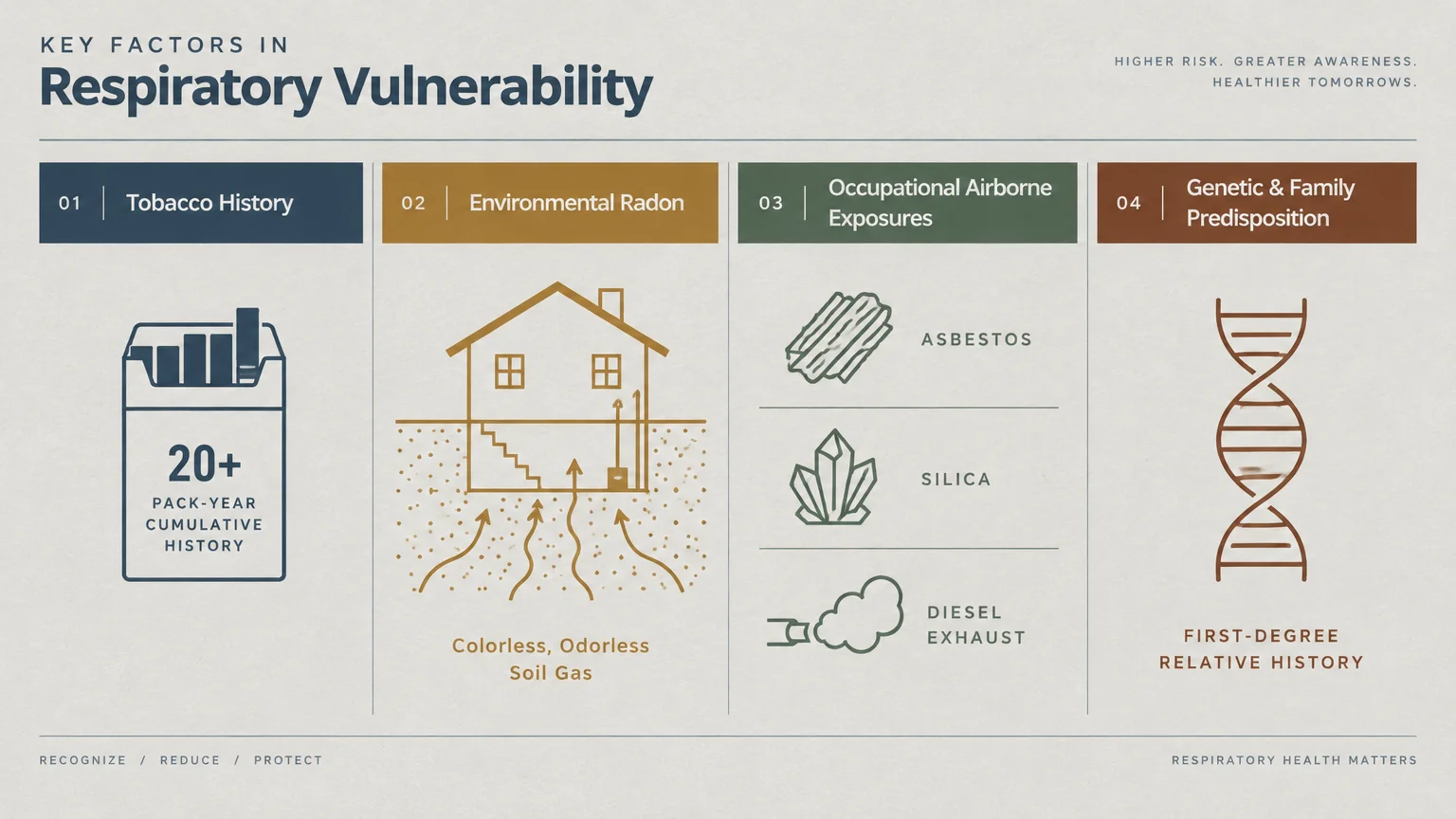
While tobacco smoking causes roughly 80% of lung cancer deaths, nonsmokers are not immune to the disease. People who have never smoked account for up to 20% of diagnoses and deaths.
That translates to up to 46,000 lung cancer diagnoses annually among non-smokers in the United States alone. Radon gas exposure, secondhand smoke, genetic mutations, and air pollutants contribute substantially to these cases.
You should never assume that a clean smoking history eliminates your risk for pulmonary tumors. Remaining alert to atypical bodily signals protects every adult regardless of their lifestyle history.
Lung Cancer Screening: Who Qualifies and How It Works
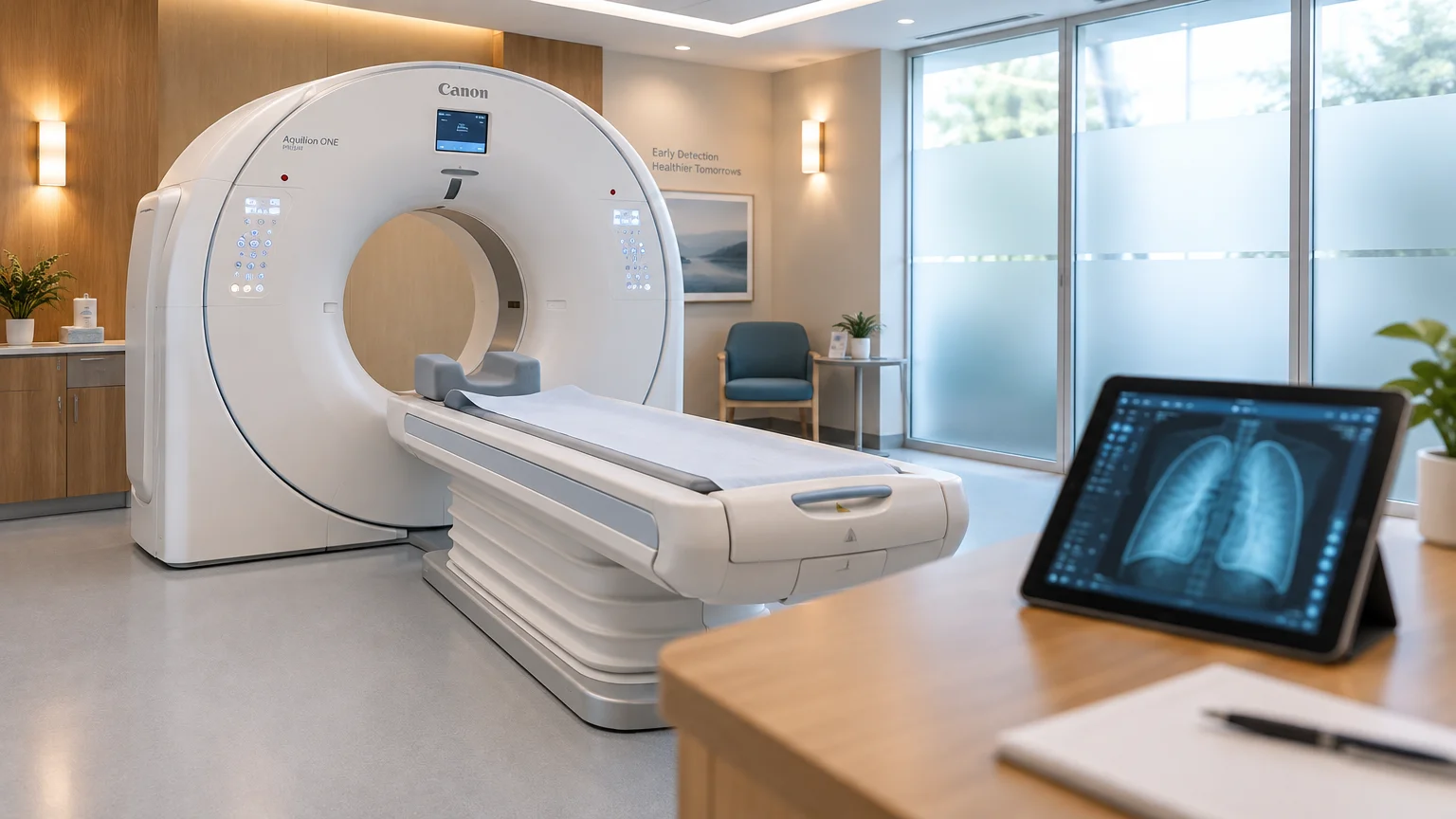
Catching lung cancer before it spreads offers you the best statistical opportunity for curative treatment. Modern low-dose computed tomography (LDCT) scans detect minuscule, millimeters-wide nodules with remarkable precision.
The scan requires no injections, oral contrast dyes, or painful procedures, taking less than a single minute. You simply lie quietly on a padded table while the imaging equipment captures detailed pulmonary slices.
The U.S. Preventive Services Task Force recommends annual LDCT screening for adults aged 50 to 80 years. Candidates must hold a 20 pack-year smoking history and currently smoke or have quit within 15 years.
A pack-year measures your cumulative smoking exposure over time. Smoking one pack per day for 20 years equals 20 pack-years, as does smoking two packs daily for 10 years.
The American Cancer Society offers an updated screening guideline that broadens these protective boundaries. Their protocol recommends annual screening for adults aged 50 to 80 with 20+ pack-years, eliminating the 15-year quit cap.
This guideline change means you remain eligible for life-saving imaging regardless of how many decades have passed since quitting. Your prior smoking history still confers lingering biological risks that deserve long-term clinical oversight.
Despite these clear screening protocols, national participation remains troublingly depressed. Tracking data from the Centers for Disease Control and Prevention and pulmonary groups shows only 16% to 18.7% of eligible adults get screened.
Persistent social stigma, limited rural imaging access, and low provider awareness contribute to this widespread underutilization. Overcoming these systemic barriers starts with empowering patients to request their own scans directly.
Ask your primary physician whether your personal smoking history qualifies you for an annual low-dose screening scan. A brief, non-invasive imaging session can reveal curable early lesions years before symptoms emerge.

Holistic Strategy Pillars for Prevention and Respiratory Health
Maintaining lifelong respiratory vigor requires combining proactive medical navigation with protective daily lifestyle practices. Focusing on three key pillars empowers your body to defend its delicate lung tissues.
Pillar 1: Clinical Partnerships and Environmental Audits
Take the lead in your medical care by scheduling routine physicals and openly disclosing your environmental risks. Discuss occupational exposures to asbestos, silica dust, diesel exhaust, or industrial chemicals with your doctor.
Test your home environment for invisible, odorless radon gas using an inexpensive, certified testing canister. Radon is the leading cause of lung cancer among non-smokers, seeping silently upward through building foundations.
Installing an active radon mitigation system immediately lowers your radioactive particle exposure. Pair this structural measure with high-efficiency particulate air (HEPA) filtration inside your living spaces to remove airborne irritants.
You should also avoid indoor secondhand smoke, incense smoke, and harsh aerosolized chemical cleaners whenever possible. Protecting your respiratory epithelial lining from continuous chemical stress preserves natural cellular repair mechanisms.
Pillar 2: Cellular Nutrition and Metabolic Resilience
Fuel your body with nutrient-dense whole foods rich in antioxidant vitamins, polyphenols, and sulfur compounds. Cruciferous vegetables like broccoli, Brussels sprouts, and kale contain glucosinolates that support phase-two liver detoxification.
Dark leafy greens, wild-caught salmon, and colorful berries help minimize chronic systemic inflammation. Healthy cellular membranes resist oxidative damage more effectively when nourished by omega-3 fatty acids.
Minimize your intake of ultra-processed meats, refined sugars, and inflammatory trans fats. A balanced nutritional baseline supports your immune cells as they patrol for abnormal cellular mutations.
Pillar 3: Functional Movement and Breath Mechanics
Engaging in regular aerobic movement expands your vital lung capacity and increases pulmonary perfusion. Brisk walking, cycling, or swimming encourages deeper alveolar recruitment and clears stagnant mucosal fluids.
Incorporate dedicated diaphragmatic breathing drills into your daily morning or evening routines. Breathing fully into your lower abdominal cavity prevents shallow upper-chest ventilation patterns.
Cardiorespiratory conditioning also strengthens your respiratory muscles, including your intercostal muscles and diaphragm. This physiological buffer preserves your stamina and aids recovery if pulmonary challenges ever arise.

Perspectives from the Clinical Frontlines
Experienced thoracic oncologists consistently emphasize that subtle bodily signals deserve thorough diagnostic curiosity rather than defensive dismissiveness. Clinicians note that patients often spend months justifying their persistent coughs as lingering colds.
Medical professionals urge you to remember that lung cancer can strike anyone with lungs. Removing the shame often linked to pulmonary illness encourages people to seek clinical care without delay.
Pulmonologists encourage you to trust your intuitive sense when something inside your chest feels fundamentally altered. You know your personal physical baseline far better than anyone else does.
Clinicians also stress that seeking a second opinion is a standard, responsible step in proactive healthcare. Never hesitate to ask for specialized thoracic imaging if your initial symptoms do not resolve.
Partnering openly with compassionate medical practitioners transforms intimidating health questions into clear, actionable treatment plans. Dedicated advocacy remains your most effective tool throughout any diagnostic journey.
Frequently Asked Questions About Lung Cancer
Finding reliable clarity helps reduce health anxiety and equips you to make sound medical choices. Below are clear answers to four common questions regarding early lung cancer symptoms.
Can non-smokers get lung cancer?
Yes, non-smokers account for up to 20% of all lung cancer diagnoses and associated deaths. Radon gas exposure, secondhand smoke, genetic mutations, and air pollution can damage healthy pulmonary tissue.
Never disregard chronic respiratory changes simply because you have never smoked tobacco products. Everyone with lungs carries some baseline biological vulnerability that warrants professional medical evaluation.
How does a typical chest cold differ from an early cancer cough?
A standard viral cold typically peaks within several days and completely disappears within two to three weeks. In contrast, an oncological cough persists indefinitely, often growing more intense over several months.
Cancer-related coughs may produce bloody mucus, disrupt sleep patterns, and resist common over-the-counter cough suppressants. Any cough enduring beyond eight weeks requires an evaluation by your doctor.
What occurs during a low-dose CT lung screening?
A low-dose computed tomography scan is a painless, non-invasive imaging test that uses minimal radiation. You lie flat on a motorized scanner table while the machine captures images in seconds.
The procedure requires no intravenous contrast dyes, fasting periods, or medical recovery downtime. Radiologists examine the cross-sectional pictures to identify microscopic pulmonary nodules long before symptoms appear.
What initial steps should you take if you notice these signs?
Schedule an immediate comprehensive physical examination with your primary care provider or an experienced pulmonologist. Record a detailed symptom timeline, noting when each sensation began and whether it worsens over time.
Request diagnostic chest imaging—such as a low-dose CT scan—rather than settling for generic cough remedies. Personalized diagnostic evaluations provide the definitive facts you need to move forward confidently.
Your Action Plan for Respiratory Health
Take a quiet moment today to reflect on how your lungs and upper body truly feel. Have you noticed a persistent cough, gradual breathlessness, or unusual fatigue that you have brushed aside?
Commit to one practical, empowering step right now to safeguard your long-term respiratory wellbeing. Order a reliable radon test kit for your living spaces or schedule a preventive primary care checkup.
If you qualify under current screening guidelines, contact your physician to arrange an annual low-dose scan. Proactive screening allows you to take control of your health before illness takes control of you.
Listening attentively to your body’s subtle signals is an act of deep self-respect and proactive wellness. Early awareness gives you the power to protect your breathing, your vitality, and your future.





Leave a Reply