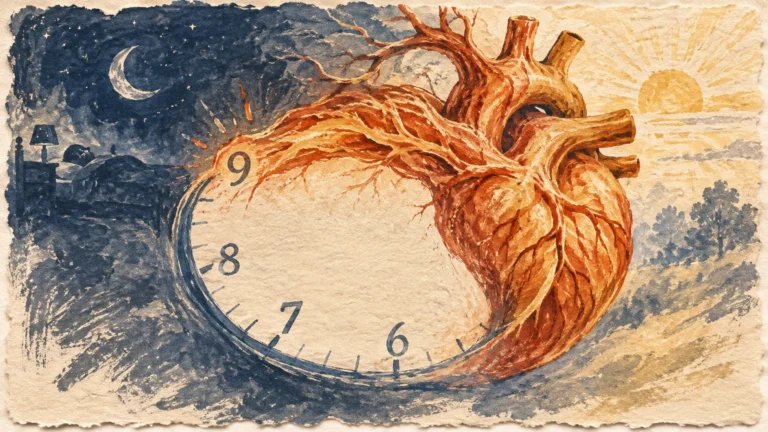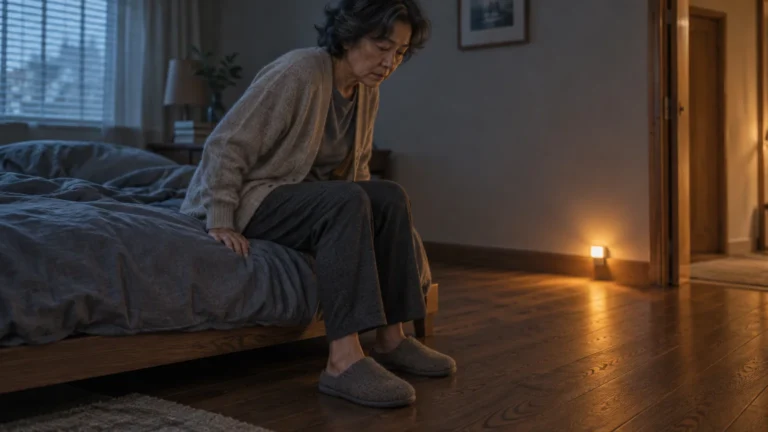

As your body naturally turns over bone tissue after age 50, it may release environmental toxins that your skeleton absorbed decades ago. This quiet process can circulate long-stored lead back into your bloodstream.
Emerging research connects this mobilized lead to rising blood pressure and reduced kidney performance. Fortunately, protecting your skeletal strength directly helps keep these legacy metals locked safely away.
Understanding how your bones interact with your cardiovascular and renal systems gives you powerful tools to safeguard your vitality. Here is what current science reveals and how you can take proactive charge.
The Hidden Journey: How Bones Store and Mobilize Lead
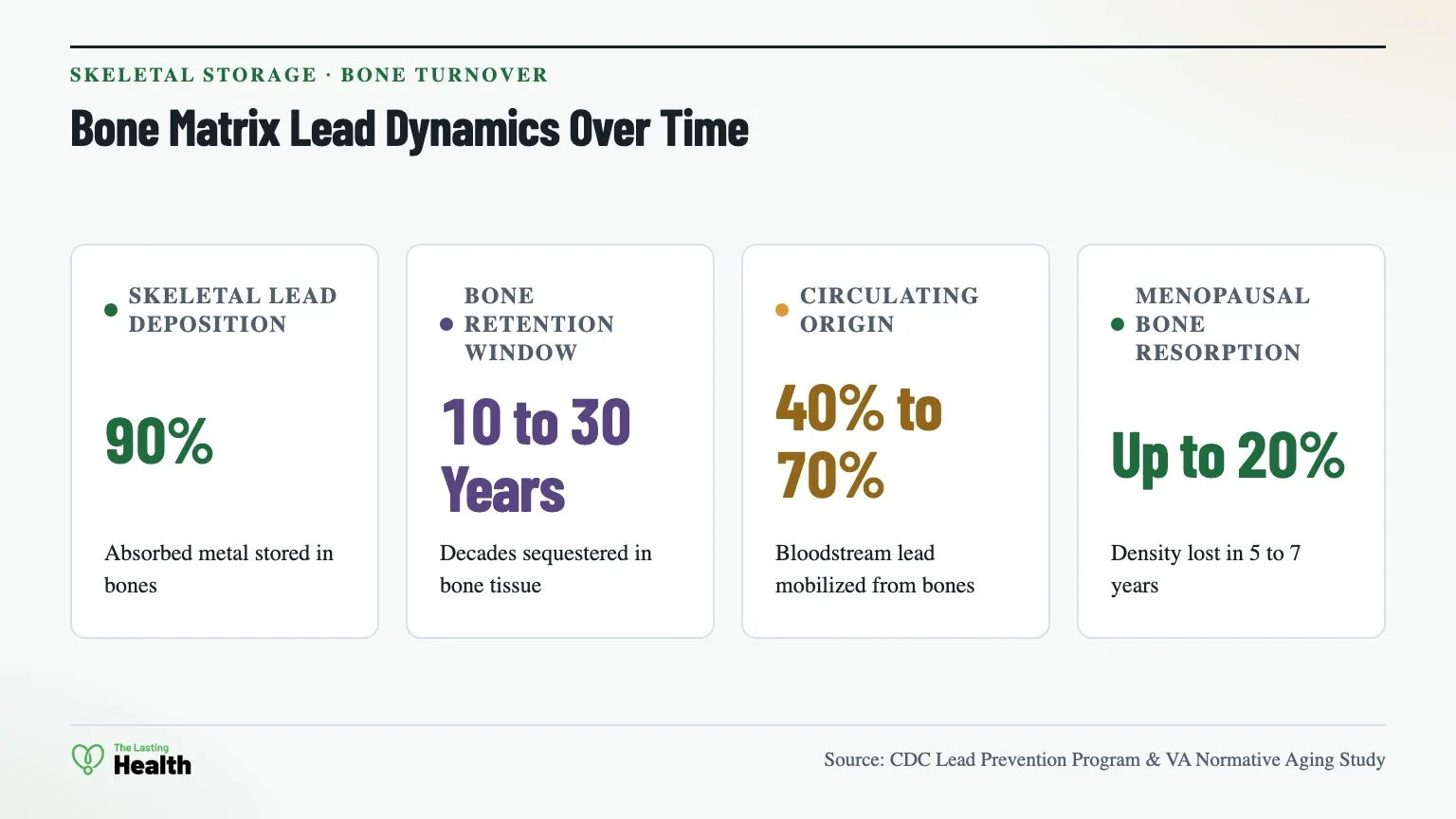
If you were born before 1976, you lived through the peak era of leaded gasoline and residential lead paint. Your body adapted by depositing over 90 percent of that absorbed lead into your bones and teeth.
While lead clears from your bloodstream in roughly one month, it lingers in skeletal tissue for decades. Your skeleton essentially serves as a biological vault, holding heavy metals for 10 to 30 years.
As natural bone remodeling accelerates with age, that protective vault begins to open. The CDC Lead Prevention program tracks how older adults experience internal exposure without encountering any new environmental hazard.
In environmentally exposed adults, between 40 and 70 percent of circulating lead originates from their own bones. When bone turnover outpaces new bone formation, that accumulated burden gradually enters your circulation.
During the first five to seven years after menopause, women can lose up to 20 percent of their bone density. This rapid resorption allows trapped lead to enter the bloodstream at accelerated rates.
Men experience a parallel process as they age. Data from the VA Normative Aging Study confirmed that higher bone turnover in older men directly releases stored skeletal lead into circulation.
The Cardiovascular and Renal Impact of Mobilized Lead
Once liberated from bone matrix, circulating lead promotes systemic inflammation and oxidative stress. This biochemical strain damages the inner lining of your blood vessels and impairs arterial flexibility.
A 2025 meta-analysis in Frontiers in Public Health found that lead exposure increased hypertension odds by 27 percent. Even modest increases in circulating lead can disrupt how blood vessels dilate.
The American Heart Association recognizes heavy metals as significant cardiovascular risk factors. Observational studies demonstrate clear links between lifetime metal burden, ischemic heart disease, and stroke.
A landmark 2026 study published in JAMA linked higher bone lead concentrations to greater cardiovascular mortality. Preserving bone density prevents this stored lead from escaping into the bloodstream where it damages vascular tissues.
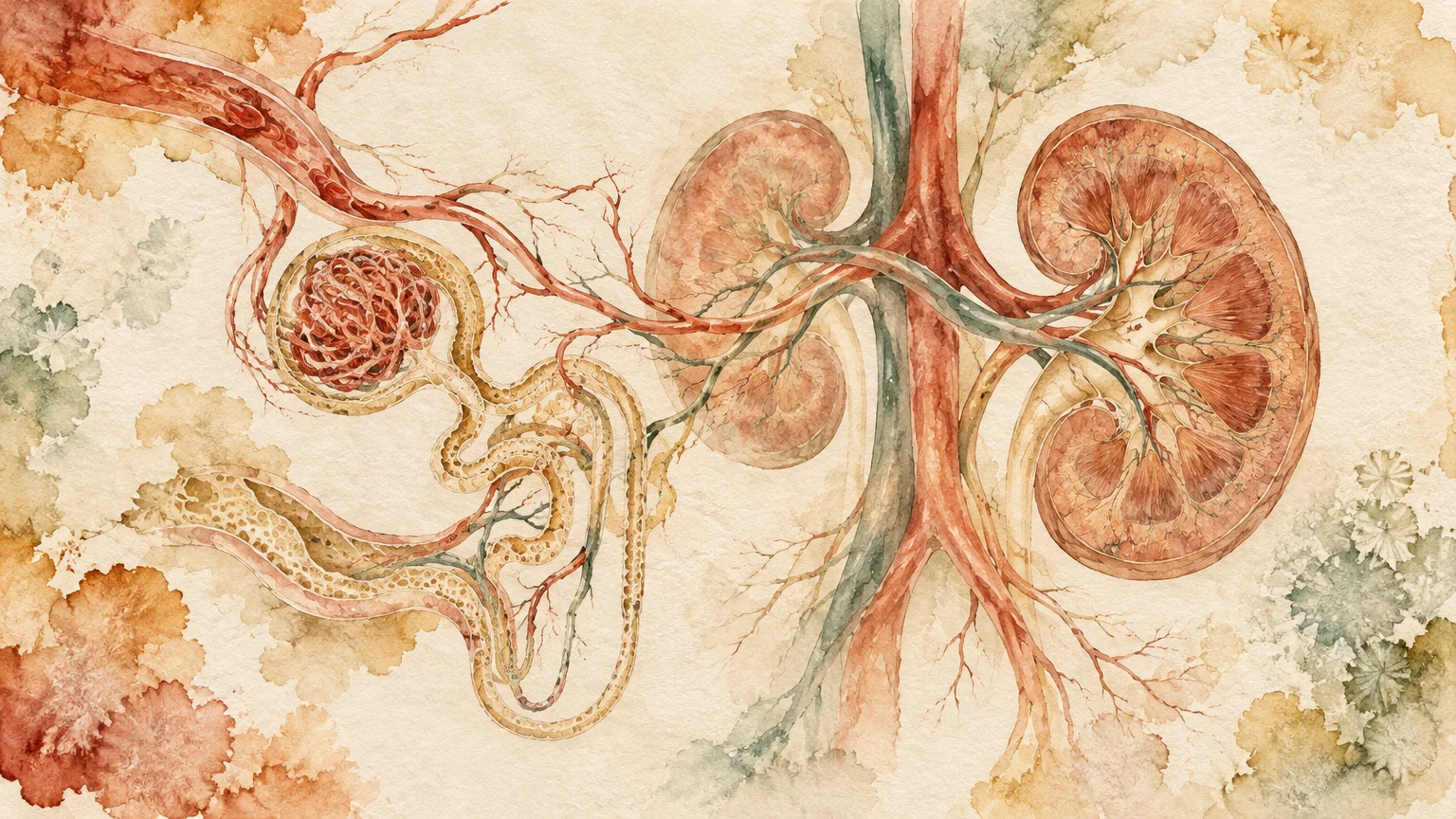
Your kidneys face an equally demanding challenge because they constantly filter circulating blood. Over time, low-level lead exposure damages delicate nephrons and contributes to progressive functional decline.
CDC data indicates that 34 percent of adults aged 65 and older have chronic kidney disease. Furthermore, the National Toxicology Program reports that circulating lead levels below 5 micrograms per deciliter impair kidney function.
Guidance from the National Kidney Foundation notes that preexisting diabetes or hypertension amplifies this vulnerability. Impaired kidneys clear lead less efficiently, which traps the metal in your body even longer.
Because hypertension and early kidney damage produce no outward symptoms, regular clinical screenings remain essential. You cannot rely on physical sensations alone to detect these subtle internal changes.

Core Strategies to Protect Your Bones and Organs
You cannot rewrite your past environmental exposures, but you can influence your current bone remodeling. Slowing bone breakdown keeps stored lead safely locked inside your skeletal matrix.
1. Targeted Nutrition for Skeletal Stability
Consuming sufficient calcium prevents your body from drawing minerals out of your bones to sustain normal metabolic processes. Focus on wholesome dietary sources like leafy greens, fortified plant milks, and low-fat dairy foods.
Calcium directly competes with lead for intestinal absorption and cellular binding sites. Maintaining robust calcium intake helps prevent any recirculating lead from binding to vulnerable organs and tissues.
Pair your dietary calcium with adequate vitamin D to support optimal mineral absorption. Ask your physician to check your 25-hydroxy vitamin D level to determine your ideal daily intake.
Registered dietitians emphasize eating colorful fruits and vegetables rich in antioxidants and vitamin C. These phytonutrients help your vascular walls counteract oxidative damage caused by circulating heavy metals.
2. Strategic Physical Activity
Weight-bearing exercise sends mechanical signals that stimulate bone-building osteoblasts. This mechanical stimulation reduces unnecessary bone resorption and reinforces your skeletal structure against mineral loss.
Engage in brisk walking, dancing, or stair climbing alongside structured strength training twice weekly. Lifting free weights or utilizing resistance bands strengthens the dense outer shell of your bones.
Incorporate balance exercises such as tai chi or single-leg stands into your weekly routine. Improving stability prevents sudden falls, protecting both your physical independence and skeletal integrity.
3. Proactive Medical Monitoring and Testing
Collaborate with your doctor to monitor your blood pressure and kidney biomarkers annually. Simple tests like an estimated glomerular filtration rate and urine albumin screen offer invaluable peace of mind.
Review bone mineral density guidelines from the U.S. Preventive Services Task Force. They recommend central DXA bone scans for all women aged 65 and older, and younger postmenopausal women with risk factors.
If your bone scan detects osteopenia or osteoporosis, explore evidence-based therapies with your physician. Prescribed antiresorptive medications effectively halt bone loss, simultaneously preventing fractures and halting lead mobilization.
Geriatric specialist Dr. Marcus Vance notes that bone density management provides dual physiological benefits. Preserving skeletal mass sustains physical mobility while stabilizing your internal biochemistry against legacy toxin release.
Clinical Perspectives: Why Chelation Is Not a Quick Fix
You may encounter advertisements for over-the-counter supplements or commercial clinics promising to detoxify heavy metals quickly. Medical experts strongly caution against using unproven chelation therapies for chronic low-level exposures.
The landmark TACT2 clinical trial in JAMA evaluated EDTA chelation among older adults with prior heart attacks. While the infusions reduced blood lead by 62 percent, they did not reduce cardiovascular events.
Chelation drugs carry significant side effects, including severe kidney stress and the loss of essential minerals like zinc. Toxicologists reserve chelation exclusively for acute, life-threatening lead poisoning under close hospitalization.
Preserving bone strength through nutrition, exercise, and standard medical therapies remains your safest pathway. By keeping bone turnover balanced, you manage endogenous lead risks naturally and effectively.
Frequently Asked Questions
Can a standard blood test reveal lead stored in my bones?
Standard venous blood tests reflect lead circulating in your body over the previous month. However, if bone loss mobilizes skeletal lead, a blood test can detect that newly elevated level.
What are the primary symptoms of mobilized lead?
Mobilized lead rarely produces noticeable physical symptoms. Instead, it subtly contributes to elevated blood pressure or gradual kidney function changes that appear only during routine clinical testing.
Can men experience lead mobilization as they age?
Yes, older men also release skeletal lead as their bone resorption rates increase. While bone loss occurs more gradually in men, aging skeletons still mobilize past environmental stores.
How can I reduce ongoing lead exposure at home?
Test your drinking water and install certified filters if your plumbing contains legacy components. The Environmental Protection Agency provides comprehensive guidance on identifying and replacing residential lead service lines.
Moving Forward with Confidence
You cannot change your past exposure to environmental lead, but you hold tremendous control over your current bone health. Proactive habits protect both your skeletal frame and vital organ systems.
Schedule a conversation with your healthcare provider this month to discuss a personalized bone health evaluation. Take a moment today to consider one manageable dietary or exercise upgrade you can make.