The Lasting Health

Unlock the healthiest version of you.

  • Home
  • Healthy Choices
  • Medical Conditions
  • Overall Well-Being

7 Signs of a Stroke Everyone Over 60 Should Know

August 4, 2026 · Medical Conditions
A warm, sunlit kitchen scene focusing on a card pinned to a refrigerator with the letters B.E. F.A.S.T. visible.

Recognizing early stroke symptoms can instantly save your life or protect your long-term independence as you navigate health after age sixty. Every forty seconds, someone in the United States experiences a stroke, making rapid response the single most critical factor in preventing brain tissue damage. Because eighty-seven percent of these events are ischemic strokes caused by blocked arteries, every passing minute without treatment starves vulnerable neurons of crucial blood flow. Understanding subtle changes in your body allows you to take immediate action rather than waiting to see if symptoms improve. By learning the vital warning signs today, you empower yourself and your loved ones to act decisively during a medical emergency.

Editorial photograph illustrating: Understanding Stroke Risk and Brain Health After 60
A senior woman pauses thoughtfully over her notebook, highlighting the importance of monitoring brain health after sixty.

Understanding Stroke Risk and Brain Health After 60

As your body matures, your vascular network undergoes natural structural changes that alter blood flow to vital organs. The risk of experiencing a cerebrovascular event increases significantly as you enter your sixties and seventies. Data published in the 2025 Heart Disease and Stroke Statistics Update from the American Heart Association reveals that 7.7 percent of men and 6.8 percent of women between the ages of 60 and 79 have survived a stroke. When considering adults aged 80 and older, these figures rise dramatically to 13.9 percent for men and 14.0 percent for women.

Every year, more than 795,000 individuals across the United States suffer a stroke; approximately 610,000 represent first-time events, while 185,000 occur in people with a prior stroke history. Tragically, a stroke-related death takes place every three minutes and fourteen seconds. Furthermore, roughly 87 percent of all strokes are ischemic, developing when a blood clot or plaque accumulation restricts arterial flow to a specific region of the brain, cutting off vital oxygen and nutrients.

Surviving a stroke often presents ongoing challenges regarding functional independence. Research compiled by the Centers for Disease Control and Prevention demonstrates that stroke remains a primary cause of serious long-term disability, reducing mobility in more than 50 percent of stroke survivors aged 65 and older. Learning how vascular health affects your brain empowers you to take proactive protective steps early.

Three warm watercolor panels illustrating sudden balance loss, facial asymmetry, and a clock symbolizing crucial time.
Spilling coffee, an uneven smile, and pointing to a clock signal critical stroke warning signs.

The 7 Critical Stroke Signs You Must Recognize Immediately

When a stroke occurs, preserving brain tissue depends entirely on how quickly you seek emergency care. Medical organizations advocate using the B.E. F.A.S.T. acronym to identify neurological disruptions rapidly. Recognizing these seven symptoms equips you to act without hesitation.

1. Sudden Loss of Balance or Unsteadiness

A sudden inability to maintain your balance, abrupt unsteadiness while walking, or severe dizziness signals a potential disruption in blood supply to your cerebellum or brainstem. You might experience intense vertigo where the room feels like it is spinning. Unlike gradual joint stiffness, this balance loss occurs unexpectedly and makes basic standing difficult.

2. Vision Changes in One or Both Eyes

Spontaneous visual disturbances serve as another urgent warning sign. You might experience sudden blurred vision, double vision, or total loss of sight in one or both eyes. Vascular blockages affecting the visual cortex impair how your brain processes light, making reading or navigating your environment instantly challenging.

3. Facial Drooping or Asymmetry

When reduced blood flow affects facial motor nerves, one side of your face may sag or feel numb. If you try to smile in a mirror, one corner of your mouth might remain flat while the other lifts normally. Facial unevenness indicates localized nerve signaling disruption requiring immediate clinical evaluation.

4. Sudden Arm or Leg Weakness

Unilateral weakness—affecting only one side of your body—is a classic stroke hallmark. You might suddenly drop a cup, feel heavy in your shoulder, or experience leg buckling. A simple self-check involves raising both arms straight out for ten seconds; if one arm drifts downward involuntarily, seek immediate emergency help.

5. Speech Difficulty or Confusion

Neurological impairment frequently targets language centers in the brain. You might slur your words, struggle to articulate simple thoughts, or find yourself unable to comprehend what others are saying. Attempting to repeat a basic phrase like “The sun is shining” can reveal garbled speech patterns that signal an ongoing stroke.

6. Severe, Unexplained Sudden Headache

While tension headaches are common, an abrupt, excruciating headache—often described as the worst pain you have ever felt—demands instant scrutiny. Rapid-onset pain can signal a hemorrhagic stroke, where a brain vessel leaks or ruptures, increasing intracranial pressure alongside potential nausea or dizziness.

7. Sudden Mental Fog or Cognitive Impairment

Unexpected mental confusion, disorientation regarding time or place, or difficulty understanding simple directions can indicate reduced cerebral oxygenation. A person experiencing cognitive impairment may appear bewildered by routine tasks. Any sudden shift in mental clarity warrants urgent medical evaluation.

An anatomical diagram illustrating the progression from a healthy artery to plaque buildup and an ischemic blockage.
This diagram illustrates how silent plaque buildup narrows arteries until a blood clot completely blocks flow.

Science Snapshot: How Silent Risk Factors Damage Brain Vessels

Understanding the root biological causes of stroke helps you implement effective lifestyle safeguards. High blood pressure, or hypertension, stands as the single most critical modifiable risk factor for cerebrovascular disease. As vascular walls withstand continuous elevated pressure, delicate brain arteries become thick, rigid, and susceptible to blockage.

Public health statistics show that among adults aged 65 to 74, 72.0 percent of men and 75.1 percent of women have high blood pressure; for those 75 and older, prevalence rises above 80 percent. Over time, high pressure damages the endothelial lining of arteries, accelerating plaque buildup. Research from the National Institute of Neurological Disorders and Stroke highlights that controlling hypertension significantly reduces overall stroke incidence.

An older man sitting at a sunlit wooden table organizing his daily vitamins next to a fresh bowl of berries.
A senior man organizes his daily supplements alongside fresh blueberries, taking active steps toward stroke prevention.

Pillars of Prevention: Actionable Steps to Lower Your Risk

Lowering your stroke risk requires a comprehensive strategy encompassing daily nutrition, targeted physical movement, and active medical partnership.

1. Targeted Cardiovascular Nutrition

Embrace nutrient-dense eating patterns like the DASH diet, recommended by the National Institutes of Health. Focus on fresh vegetables, potassium-rich fruits, whole grains, and fatty fish high in omega-3s. Limit daily sodium intake to under 2,300 milligrams—or 1,500 milligrams if you already have elevated blood pressure—to help keep arterial walls flexible and reduce systemic vascular strain.

2. Purposeful Movement and Exercise

Engage in at least 150 minutes of moderate aerobic activity weekly, such as brisk walking or swimming. Incorporate balance and strength routines twice weekly to support cardiovascular stamina and physical coordination. Consult your physician before initiating new exercise routines, ensuring your activity aligns with your overall cardiovascular status.

3. Proactive Medical Monitoring

Track your blood pressure at home using a validated cuff and share logs with your clinical care team. Work with your doctor to screen for atrial fibrillation, manage blood sugar levels, and adhere strictly to prescribed blood pressure or cholesterol medications. Regular medical checkups allow you to address risk factors before arterial damage develops.

A calm watercolor illustration of a stethoscope resting on a journal next to a warm cup of tea.
A stethoscope rests on handwritten clinical notes beside a warm mug, capturing real insights from medical practice.

Real Voices from Clinical Practice

Vascular neurologists emphasize that speed determines outcome during stroke care, frequently reminding patients that “time is brain.” During an ischemic stroke, an estimated 1.9 million brain cells die each minute blood flow remains blocked. Emergency therapies like clot-dissolving medications or endovascular procedures can restore blood flow and prevent permanent disability, but clinicians emphasize these interventions must occur within strict time windows after symptoms start.

Geriatric health experts advise families never to wait to see if symptoms improve on their own. Calling 911 immediately ensures emergency medical personnel begin evaluation and treatment the moment they arrive, providing rapid transport to specialized stroke centers.

Frequently Asked Questions About Stroke Signs in Seniors

Can a stroke happen without any physical pain?

Yes, most ischemic strokes occur completely without pain because brain tissue lacks sensory pain receptors. Functional changes—such as arm weakness, sudden numbness, or slurred speech—are primary warnings, making non-painful symptoms equally urgent.

What is a mini-stroke (TIA)?

A transient ischemic attack (TIA) occurs when blood flow to part of the brain is temporarily blocked. Symptoms resemble a full stroke but resolve within minutes or hours. However, TIAs serve as critical warning signs; about one in three people who experience a TIA eventually have a full stroke without medical intervention.

How quickly should emergency care begin?

Clot-dissolving emergency medications work best when given within three to four and a half hours of symptom onset. Mechanical clot removal can sometimes occur up to 24 hours later, but faster treatment always yields better functional recovery outcomes.

Can lifestyle changes reduce stroke risk if I already have high blood pressure?

Yes, combining sodium reduction, physical activity, and stress management with prescribed medications substantially lowers stroke risk. Guidelines from the World Health Organization confirm that controlling high blood pressure remains the most impactful step you can take for long-term brain health.

Empowering Your Journey Toward Long-Term Brain Health

Protecting your cognitive and physical health begins with manageable daily actions. Take a practical first step today: post the B.E. F.A.S.T. warning signs on your refrigerator and check your baseline blood pressure reading. Reflect on your weekly habits—what is one heart-healthy adjustment in diet or physical movement you can easily commit to this week? Discuss these warning signs with a friend or family member today, creating a supportive network that prioritizes proactive vascular health and rapid emergency awareness.

Share this article

Facebook Twitter Pinterest LinkedIn Email

Leave a Reply Cancel reply

Your email address will not be published. Required fields are marked *

Search

Latest Posts

  • Close-up of a person's hands holding a warm ceramic mug on a wooden table, illuminated by soft morning light. 8 Early Symptoms of Arthritis in Hands and Knees
  • A split-screen watercolor illustration showing a neatly circled calendar date on the left and swirling calendar pages on the right. Early Signs of Dementia vs Normal Aging (Which Is It?)
  • An elegant ink and watercolor illustration of a woman's profile with a soft glowing butterfly shape at the base of her neck. 9 Signs Your Thyroid Might Be Off, According to Doctors
  • Watercolor illustration of a couple walking along a path of stepping stones labeled 2025 and 2027, representing a journey into the future. What the New Medicare Premium Brackets Mean for You in 2027
  • A warm, sunlit kitchen scene focusing on a card pinned to a refrigerator with the letters B.E. F.A.S.T. visible. 7 Signs of a Stroke Everyone Over 60 Should Know
  • An older woman with silver hair painting detailed patterns on a small ceramic bowl in her sunlit home studio. 12 Eye Doctor Secrets Retirees Need to Know
  • An older man sitting at a sunlit kitchen table next to a glass of water, thoughtfully examining a prescription medicine bottle. 5 Common Medications That Make Summer Heat Dangerous for Seniors
  • Fresh broccoli, halved Brussels sprouts, and spinach leaves arranged on a rustic wooden cutting board in natural morning light. 7 Vegetables to Eat Weekly for Better Liver Health
  • An older adult sits at a sunny kitchen table looking over Medicare documents next to a bowl of fresh fruit. It's Not Just Part B - Here's How Medicare Could Cost You Even More This Year
  • An older couple in their sunlit kitchen looking at a tablet and a calendar marked July 2026, discussing new Medicare changes. 82% of Seniors Don't Know Medicare Is Covering Obesity Drugs Starting July 2026 - Are You One of Them?

Newsletter

Get the latest posts delivered to your inbox.

Related Articles

psoriasis

11 Natural Remedies for Psoriasis

Are You Dealing with Psoriasis? If you’re struggling with psoriasis, then you’re probably at the…

Read More →
kissing

9 Conditions You Can Get From Kissing Someone

Here’s Why Kissing Can Be Dangerous! If you’ve decided to practice the fine art of…

Read More →
Gut Health, eating too much protein

7 Simple Ways to Protect Your Gut Health

Gut Troubles Holding You Back? Here Are X Ways to Protect Your Gut and Boost…

Read More →
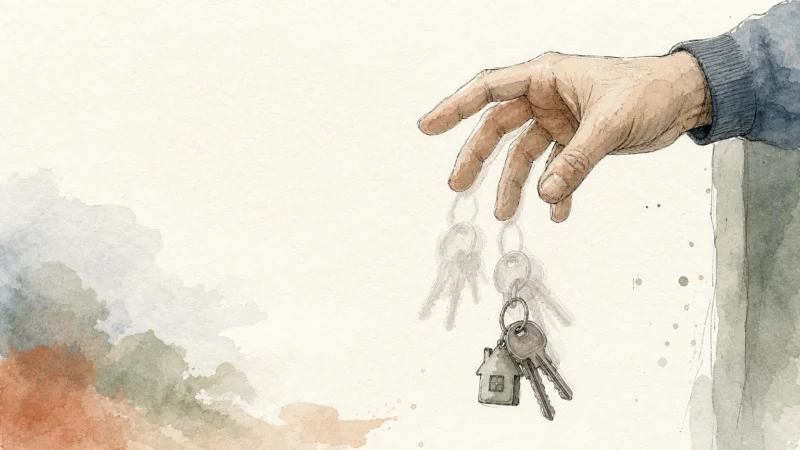
An ink and watercolor illustration of a hand momentarily dropping a set of keys, symbolizing a subtle, easily overlooked mini stroke symptom

5 Mini Stroke Symptoms Doctors Say People Often Overlook

Learn the 5 subtle mini stroke symptoms you shouldn't ignore. Discover evidence-based prevention strategies to…

Read More →
Stomach

9 Shocking Reasons Why Your Stomach Hurts All the Time

Did you know that there are some serious reasons why your stomach hurts all the…

Read More →
new COVID strain

New COVID Strain ‘Eris’ Spreads: 5 Most Common Symptoms

The Lasting Health presents: the new COVID strain “Eris” and how dangerous it can be!…

Read More →
joint pain

Stop Joint Pain! 6 Everyday Habits Wrecking Your Joints

Did you know that these habits can cause joint pain? We have all experienced joint…

Read More →
diabetes

10 Diabetes Long-Term Effects Seniors May Get

Adjusting your lifestyle and diet to deal with diabetes isn’t easy, but it’s definitely worth…

Read More →
A close-up portrait of a senior woman with clear, bright eyes looking toward natural light in a warm home setting.

7 Eye Health Warnings Every Senior Over 65 Should Take Seriously

Discover the 7 critical eye health warnings seniors over 65 must never ignore. Learn about…

Read More →

The Lasting Health

Unlock the healthiest version of you.

Inedit Agency S.R.L.
Bucharest, Romania

contact@thelastinghealth.com

Explore

Do not sell my personal information

Privacy Policy

Terms and Conditions

Contact

Request to know

Request to delete

CA Private policy

Categories

  • Healthy Choices
  • Medical Conditions
  • Overall Well-Being

© 2026 The Lasting Health. All rights reserved.