

Cardiovascular disease silently claims the life of one in every five women each year. Recognizing these quiet early warnings can preserve your life long before an acute medical crisis strikes.
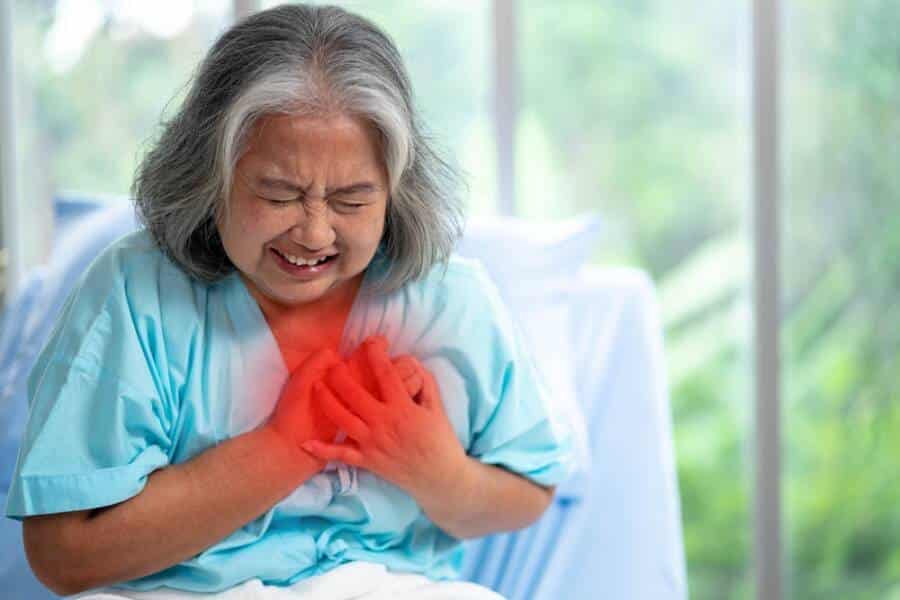
Most people expect dramatic, crushing chest pain that frequently never arrives for women. Instead, female cardiovascular distress often manifests through subtle, overlooked bodily shifts several weeks or months in advance.
Learning to identify these early physical signs empowers you to seek timely diagnostic care immediately. When you understand your vascular health today, you protect your vitality and long-term future.
Understanding the Female Heart: The Science Snapshot
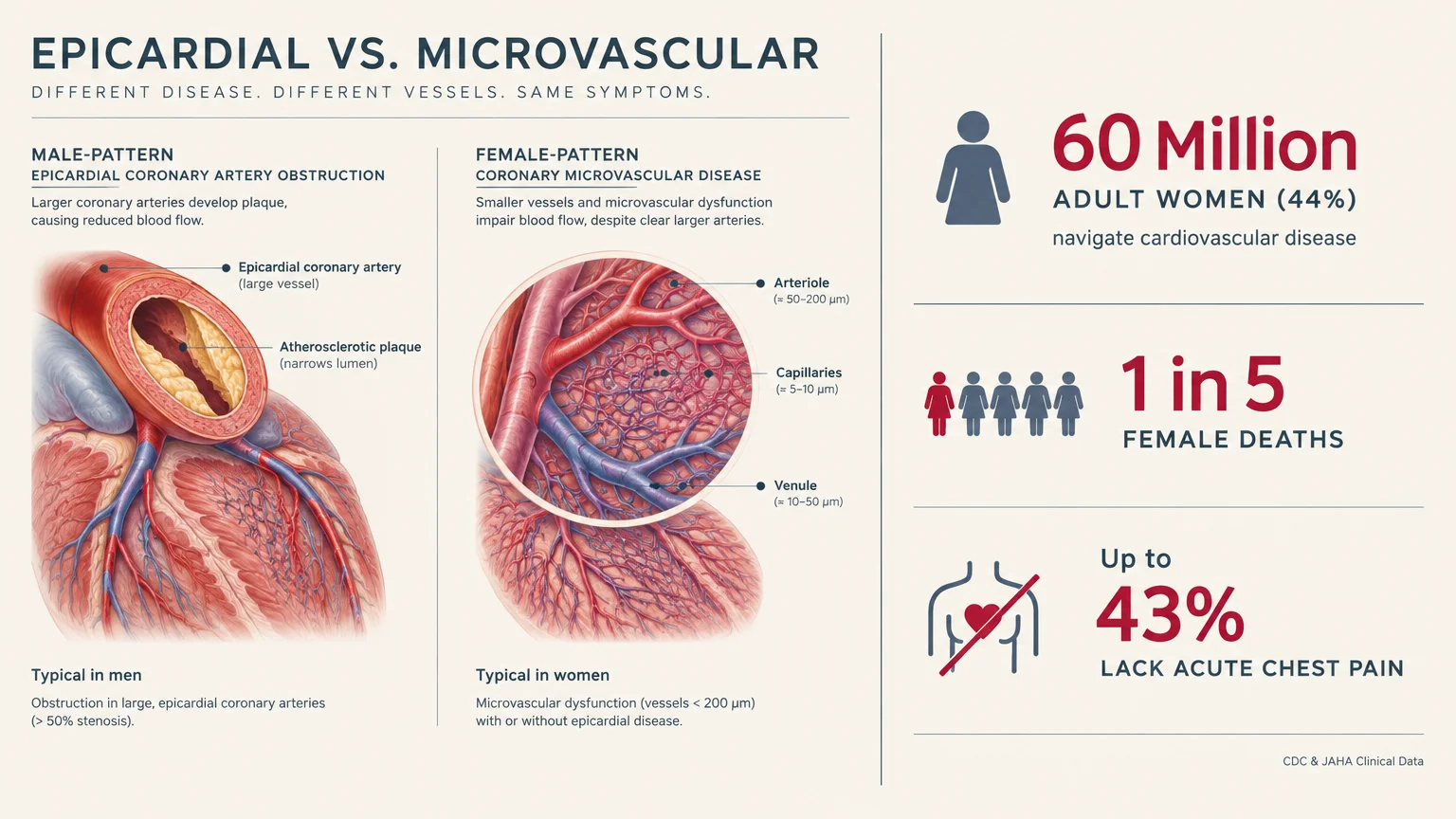
More than 60 million adult women in the United States currently navigate some form of cardiovascular disease. This staggering burden represents roughly 44 percent of the female population.
Despite this widespread reality, awareness has dropped substantially over the past decade. Only about 44 to 56 percent of women recognize heart disease as their primary health threat, down from 65 percent in 2009.
The Centers for Disease Control and Prevention confirms that heart conditions cause approximately one in every five female deaths. This toll exceeds 300,000 lives lost each year.
Clinical research demonstrates that female cardiovascular pathology frequently diverges from male presentations. While men often develop major blockages in large epicardial arteries, women frequently suffer from coronary microvascular disease.
Microvascular dysfunction restricts oxygen flow through tiny arterial branches without creating obvious obstructions on standard angiograms. Consequently, conventional cardiac testing occasionally overlooks significant underlying ischemia in female patients.
Furthermore, a landmark multicenter study revealed that acute chest pain was completely absent in up to 43 percent of women experiencing cardiac events. You cannot rely on textbook Hollywood heart attack tropes.
Instead, your body signals trouble through early warning signs known as prodromal symptoms. In fact, research shows that up to 95 percent of women report distinct physical warnings more than one month before an acute event.
Diagnostic disparities persist across emergency and primary care settings. A study in the Journal of the American Heart Association noted that women under 55 were seven times more likely than men to be discharged without adequate testing.
Providers often mistakenly attribute cardiovascular distress in women to acid reflux, panic attacks, or general work-related stress. Knowing your personal warning signs protects you against dangerous diagnostic delays.
9 Subtle Signs of Early Heart Disease in Women
1. Unexplained, Crushing Fatigue
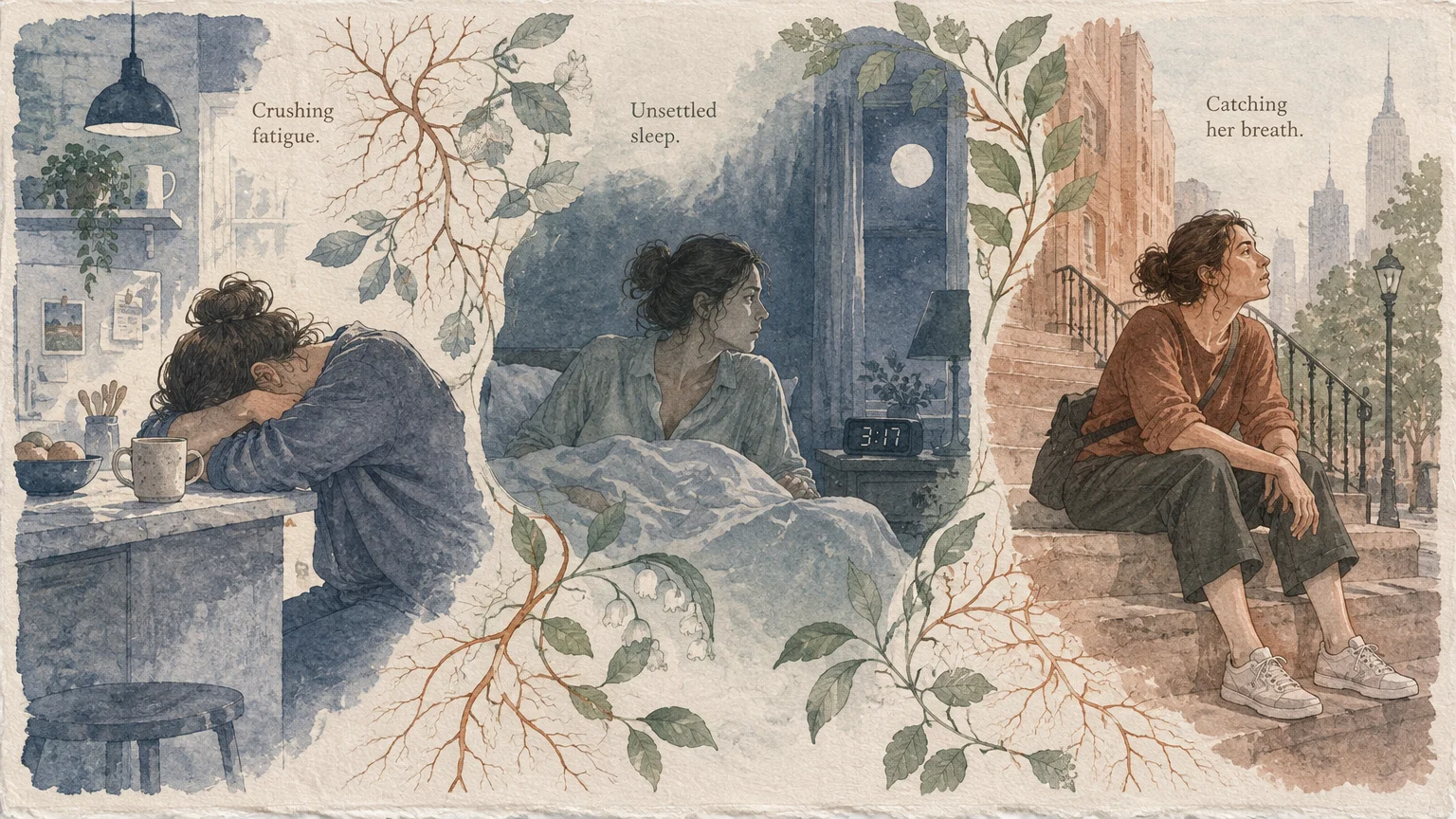
Clinical data indicates that unexplained, severe fatigue is the most prevalent prodromal symptom, reported by roughly 71 percent of women. This profound exhaustion feels distinctly different from standard end-of-day tiredness.
You might feel unable to carry groceries, make your bed, or walk across a room without resting. If profound physical depletion appears suddenly without an obvious lifestyle cause, treat it as an early cardiovascular alert.
2. Persistent Sleep Disturbances and Insomnia
Roughly 48 percent of women report acute sleep disruptions in the weeks leading up to a cardiac diagnosis. You may suddenly struggle to fall asleep or wake up repeatedly gasping for air.
Decreased coronary blood flow can disturb your autonomic nervous system during rest, preventing restorative deep sleep. Take note if chronic insomnia emerges without changes in your evening habits or stress levels.
3. Shortness of Breath During Routine Activities
Dyspnea, or unexplained breathlessness, affects approximately 42 percent of women in early disease stages. You might find yourself panting while folding laundry or walking up a single flight of stairs.
When coronary circulation falters, heart muscles struggle to pump efficiently, causing fluid pressure to back up into your pulmonary vasculature. This fluid backup makes normal breathing feel laborious and shallow.
4. Discomfort in the Neck, Jaw, Throat, or Upper Back
Pain from cardiac ischemia frequently radiates through complex nerve pathways that branch into the upper body. Women rarely report isolated chest pressure; instead, they experience tightness across their shoulder blades or jaw.
This radiating discomfort might feel like an intense muscle ache, burning, or throbbing tension that worsens during exertion. Never dismiss upper-body discomfort that appears without a clear orthopedic or muscular cause.
5. Persistent Indigestion, Nausea, or Stomach Pressure
Digestive complaints represent another frequent, overlooked sign of cardiovascular distress in women. Ischemia along the inferior wall of your heart directly irritates the diaphragm and adjacent vagus nerve.
This biological irritation produces symptoms that closely mimic severe acid reflux, heartburn, or abdominal cramping. If your gastrointestinal distress resists antacids and coincides with weakness or sweating, consult your physician promptly.
6. Unexplained Dizziness, Lightheadedness, or Near-Syncope
Transient bouts of lightheadedness often point to fluctuating blood pressure or cardiac arrhythmias. When diseased arteries restrict oxygenated blood to your brain, you may feel suddenly unsteadied or dizzy.
This sensation can strike while standing up, climbing stairs, or resting quietly. Frequent, unexplained episodes of presyncope demand a thorough clinical evaluation to rule out vascular impairment.
7. Cold Sweats and Clammy Skin Unrelated to Hormones
A sudden, profuse cold sweat without an elevated temperature or physical exertion warrants immediate attention. When your cardiovascular system experiences acute strain, your sympathetic nervous system triggers an intense fight-or-flight response.
Women often mistake these episodes for menopausal hot flashes or night sweats. However, cardiac sweating typically feels clammy and accompanies nausea, pale skin, or sudden internal unease.
8. Swelling in the Feet, Ankles, or Abdomen
Peripheral edema occurs when your heart loses the pumping efficiency required to circulate blood out of your lower extremities. Over time, fluid accumulates in your calves, ankles, feet, or abdominal tissues.
You might notice your shoes fitting tightly by afternoon or deep sock indentations remaining on your skin. Symmetrical swelling in your lower limbs serves as a key indicator of underlying congestive insufficiency.
9. Palpitations, Fluttering, or Sudden Racing Heartbeats
Cardiac arrhythmias often signal structural changes or microvascular oxygen deficits in your myocardial tissue. You may feel your heart skipping beats, fluttering like a bird, or pounding uncontrollably in your chest.
While caffeine or stress can cause transient skipped beats, persistent arrhythmias require professional evaluation. Document how frequently these fluttering episodes occur and whether they accompany dizziness or breathlessness.
Sex-Specific Milestones and Hidden Risks
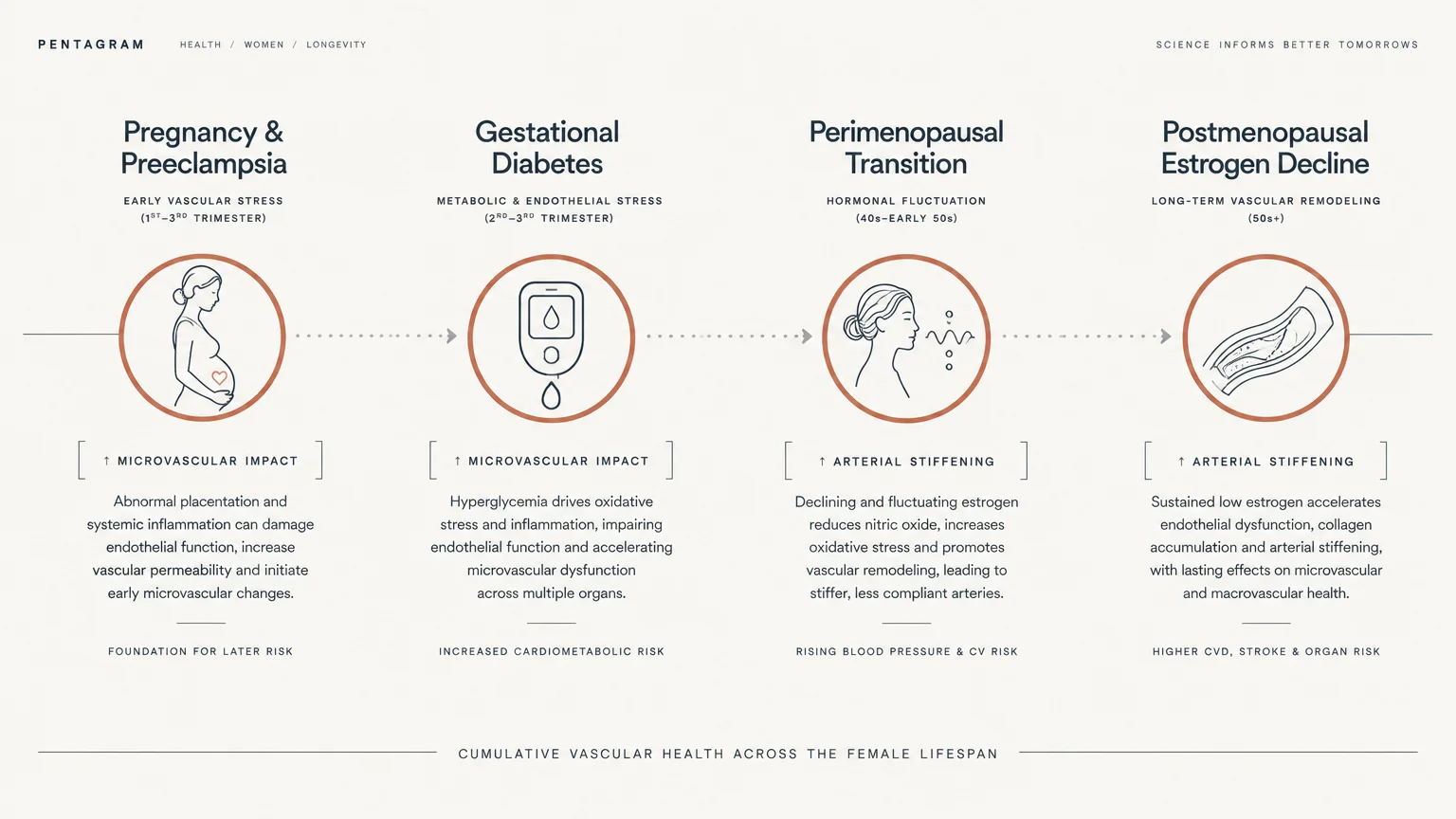
Reproductive history offers vital clues regarding your future arterial health, as recognized by the American Heart Association. Pregnancy often acts as a natural physiological stress test.
Conditions like preeclampsia, gestational diabetes, and gestational hypertension dramatically raise lifetime cardiovascular risk. Similarly, polycystic ovary syndrome drives insulin resistance and chronic systemic inflammation.
Entering premature menopause before age 45 accelerates cardiovascular vulnerability by removing the protective effects of endogenous estrogen. This rapid transition stiffens arterial walls and alters blood lipid metabolism.
Autoimmune diseases like lupus and rheumatoid arthritis further increase coronary risk through persistent vascular inflammation. Identifying these specific life factors enables personalized, early intervention.

Clinical Perspectives: Real Voices from the Frontlines
Diagnostic bias still causes medical professionals to dismiss female cardiac symptoms as anxiety or stress. Research highlights that women under 55 face significantly higher rates of discharge without adequate cardiac workups.
You must serve as your own fiercest health advocate during medical evaluations. If an emergency clinician dismisses your symptoms, firmly request an electrocardiogram and high-sensitivity troponin blood test.
Describe your physical sensations as measurable functional limitations rather than vague discomfort. Telling your doctor that you cannot carry groceries or climb stairs prompts faster objective evaluation.
Never hesitate to seek a second opinion if a provider disregards your lived physical experience. Trusting your instincts can prevent catastrophic cardiovascular events.
Actionable Prevention Pillars for Lasting Heart Health
1. Medical Advocacy and Baseline Screenings
Clinical guidelines from the American College of Cardiology recommend baseline cardiovascular screenings starting at age 20. Track your blood pressure, body mass index, and fasting lipid profiles regularly.
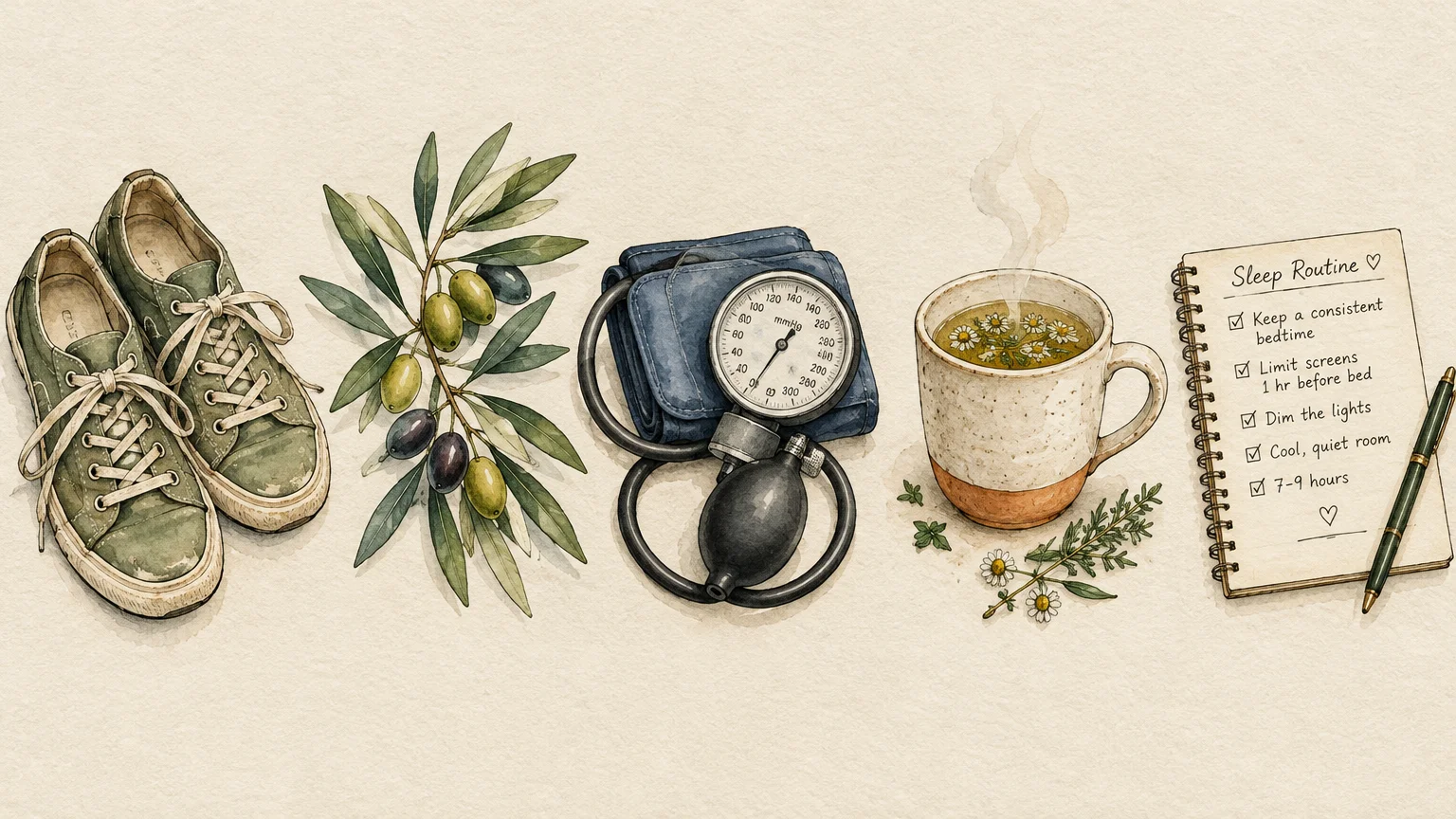
Strive to maintain blood pressure below 120/80 mmHg and total cholesterol below 200 mg/dL. These metrics give your medical team critical data to detect early arterial changes.
2. Targeted Cardiovascular Nutrition
Prioritize nutrient-dense whole foods like leafy greens, berries, legumes, extra virgin olive oil, and wild fish rich in omega-3 fatty acids. These anti-inflammatory foods provide polyphenols and minerals that maintain vascular elasticity.
Concurrently, minimize ultra-processed meals, trans fats, and added sugars that aggravate arterial walls. A plant-forward Mediterranean pattern consistently lowers bad cholesterol while stabilizing metabolic markers.
3. Intentional Movement and Cardiorespiratory Fitness
Guidelines from the National Heart, Lung, and Blood Institute recommend at least 150 minutes of moderate aerobic exercise each week. Brisk walking, cycling, or swimming strengthens heart muscle and enhances vascular dilation.
Add two weekly sessions of resistance training to preserve lean muscle tissue and support metabolic health. Strong muscles manage circulating glucose efficiently, easing long-term cardiovascular strain.
4. Stress Regulation and Mindset
Chronic psychological stress floods your body with cortisol and adrenaline, damaging endothelial function and elevating arterial pressure over time. Dedicate ten minutes daily to mindful breathing, meditation, or restorative quiet time.
Setting healthy emotional boundaries and seeking social support are essential clinical tools, not frivolous indulgences. Protecting mental peace directly safeguards your vascular health.
Frequently Asked Questions
Why do women experience different heart disease symptoms than men?
Female heart disease frequently targets microscopic coronary branches rather than major epicardial arteries. This microvascular dysfunction produces widespread, diffuse symptoms like profound exhaustion and breathlessness instead of centralized chest pain.
Distinct estrogen receptor patterns and autonomic signaling also alter how female nerves transmit cardiac pain signals. These biological mechanisms cause discomfort to radiate into the neck, back, or jaw.
How can I tell the difference between anxiety and early heart disease?
Panic attacks and cardiac events share physical markers like sweating, racing pulses, and breathlessness. However, panic attacks usually peak within ten minutes, whereas cardiac symptoms persist or worsen during physical exertion.
Notice whether your physical discomfort escalates when climbing stairs or walking uphill. If activity intensifies your symptoms, seek emergency medical evaluation immediately.
At what age should women start screening for cardiovascular disease?
Clinical guidelines advise scheduling a baseline cardiovascular risk assessment starting at age 20. This initial appointment should evaluate resting blood pressure, body mass index, and fasting lipid profiles.
Low-risk adults should repeat these assessments every four to six years. If you possess sex-specific risk factors or a family history of heart disease, schedule screenings more frequently.
How do hormonal changes during perimenopause affect heart health?
Estrogen naturally relaxes blood vessel walls, promotes healthy HDL cholesterol, and suppresses systemic inflammation. During perimenopause, declining estrogen levels cause blood vessels to stiffen and blood pressure to rise.
This hormonal shift also encourages unfavorable lipid changes and central visceral fat accumulation. Partner with your clinician during midlife to track and address these emerging cardiovascular changes.
Your Next Step Toward Heart Health
Protecting your heart begins with a single intentional choice rather than an overwhelming lifestyle overhaul. Schedule a comprehensive cardiovascular screening appointment with your healthcare provider to review your blood pressure, lipids, and history.
Before you walk into the clinic, take five quiet minutes tonight to journal your current energy levels, sleep quality, and daily physical capacity. Are you experiencing subtle warnings that your body has been urging you to address?
Listening to your heart today empowers you to build vibrant, enduring wellness for decades to come. Partner closely with your clinical care team to ensure your heart receives the proactive defense it truly deserves.







Leave a Reply