
Persistent exhaustion, unexplained weight shifts, and sudden mood changes often point directly to an underactive thyroid gland, which controls how your body produces and expends cellular energy. Because these physical symptoms develop gradually over months or years, you might mistakenly dismiss your fatigue as normal aging or daily work stress. Recognizing early endocrine warning signs empowers you to seek timely medical testing and protect your long-term metabolic health. Learning how low thyroid hormone production influences your entire physiology allows you to work collaboratively with your healthcare team, advocate for thorough diagnostic blood panels, and take sustainable steps toward restoring your everyday vitality and physical resilience.
Understanding Your Thyroid and Why Symptoms Go Unnoticed
Your thyroid—a small, butterfly-shaped gland resting at the base of your neck—produces thyroxine (T4) and triiodothyronine (T3). These chemical messengers regulate cellular respiration, body temperature, cardiovascular rhythm, and digestive speed. When the gland fails to produce sufficient hormone levels, your overall metabolic rate slows noticeably.
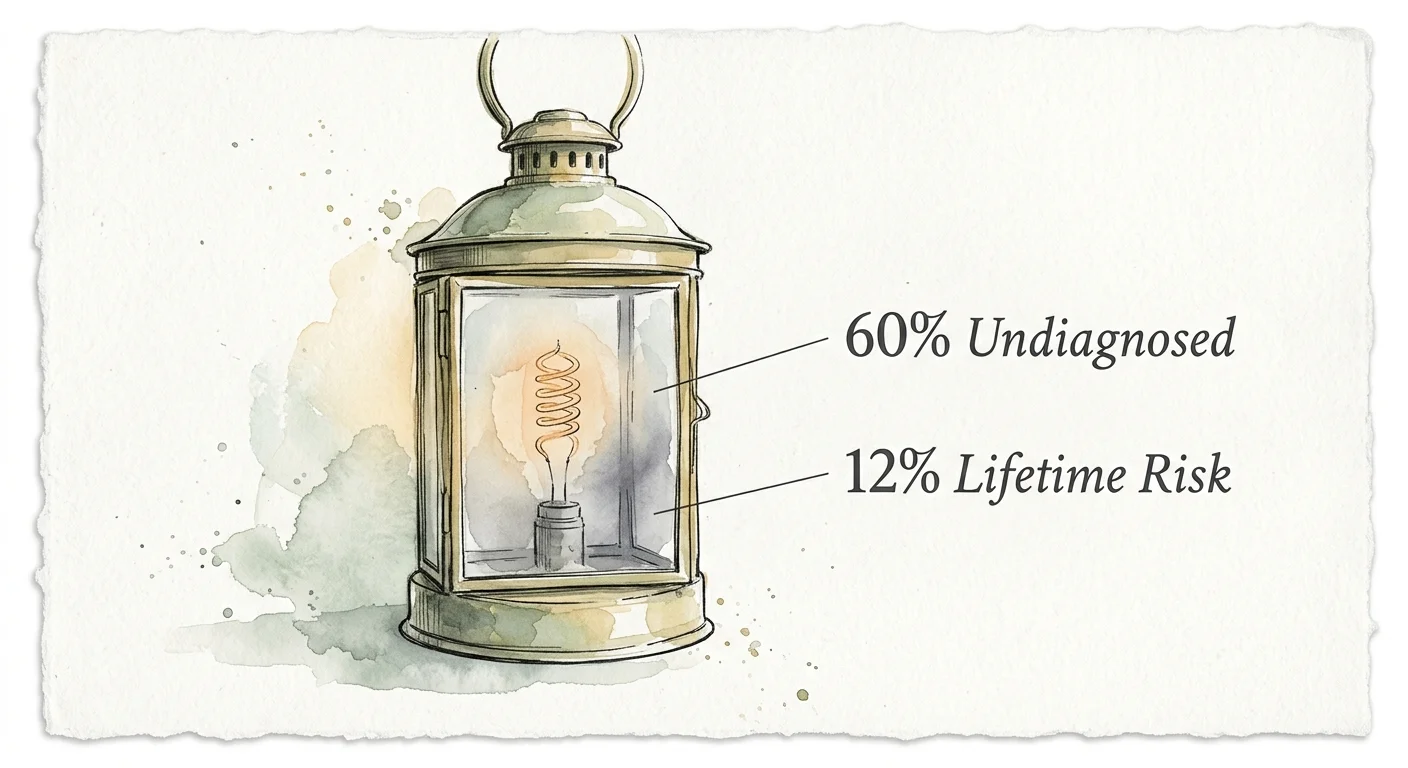
According to epidemiological data from the American Thyroid Association, more than twelve percent of the United States population will develop a thyroid condition during their lifetime. Alarmingly, up to sixty percent of individuals living with thyroid dysfunction remain entirely undiagnosed. Women face a disproportionate burden, experiencing thyroid disorders five to eight times more often than men, with risk factors escalating sharply after age sixty. In iodine-sufficient regions across North America and Europe, an autoimmune condition known as Hashimoto’s thyroiditis causes the vast majority of hypothyroidism cases. Because symptoms accumulate slowly, people often adapt to chronic sluggishness rather than investigating the root endocrine cause.

8 Critical Signs of an Underactive Thyroid
When thyroid hormone levels decline, the slowdown touches virtually every organ system. Recognizing how these clinical signs manifest in daily life helps you identify whether your symptoms warrant an evaluation by a qualified medical professional.
1. Unrelenting Fatigue and Depleted Physical Stamina
Unlike ordinary tiredness that improves after a restful night, hypothyroid fatigue feels heavy, persistent, and unyielding. Thyroid hormones stimulate your cells to generate adenosine triphosphate (ATP), the primary energy currency of the human body. When hormone levels plummet, cellular energy generation stalls; consequently, even basic daily tasks can leave you feeling physically drained and mentally exhausted before midday.
2. Heightened Sensitivity to Cold Temperatures
Do you frequently find yourself wearing heavy sweaters while others in the room feel comfortable? Your thyroid acts as your internal thermostat by regulating basal metabolic heat production. A sluggish metabolic engine burns fewer calories, which directly reduces heat output. This physiological shift leaves your extremities icy to the touch and creates a persistent intolerance to chilly environments.
3. Unexplained Weight Gain and Sluggish Metabolism
A sudden or gradual increase in body weight—typically five to ten pounds despite maintaining consistent dietary and exercise habits—frequently signals diminished thyroid output. This weight gain does not stem solely from adipose tissue accumulation; a substantial portion represents retained fluid and salt caused by altered renal and vascular dynamics under low hormone conditions.
4. Slowed Digestion and Chronic Constipation
The smooth muscles lining your gastrointestinal tract rely on adequate thyroid hormone concentrations to maintain rhythmic contractions, known as peristalsis. When hormone levels drop, digestive transit time slows down significantly. This delay leads to chronic constipation, abdominal bloating, and poor nutrient absorption, even when you consume adequate dietary fiber and water.
5. Dry Skin, Thinning Hair, and Brittle Nails
Because thyroid hormones drive rapid cellular turnover, your hair, skin, and nails display some of the earliest visual markers of endocrine deficiency. Reduced sebum production and compromised epidermal barrier function cause rough, scaly, and itchy skin. Furthermore, hair follicles enter the resting phase prematurely, causing diffuse shedding across your scalp and noticeable thinning along the outer third of your eyebrows.
6. Persistent Brain Fog, Memory Lapses, and Depressed Mood
Optimal neurochemistry depends heavily on balanced endocrine signaling. Low thyroid output alters neurotransmitter synthesis and reduces cerebral blood flow, leading to short-term memory lapses, slowed processing speed, and difficulty concentrating. Many individuals also experience mild-to-moderate depression or emotional apathy that resists standard mood-support interventions until thyroid balance is restored.
7. Muscle Weakness, Joint Pain, and Frequent Cramping
Thyroid deficiency shifts muscle tissue metabolism into a catabolic state, which can degrade muscle fibers and produce generalized weakness. You might experience stiffness upon waking, fluid accumulation around your joints, or unexplained cramping in your calves and thighs after mild physical exertion. Left unmanaged, this muscular dysfunction impairs balance and reduces physical confidence.
8. Heavy Menstrual Cycles and a Slower Heart Rate
In women of reproductive age, low thyroid function disrupts ovulation and normal progesterone production, frequently leading to unusually heavy, prolonged, or frequent menstrual cycles, clinically termed menorrhagia. Concurrently, insufficient hormone levels reduce the strength and frequency of cardiac muscle contractions, which often produces bradycardia—a resting heart rate dropping below sixty beats per minute.
Clinical Evaluation: What to Expect from Thyroid Testing
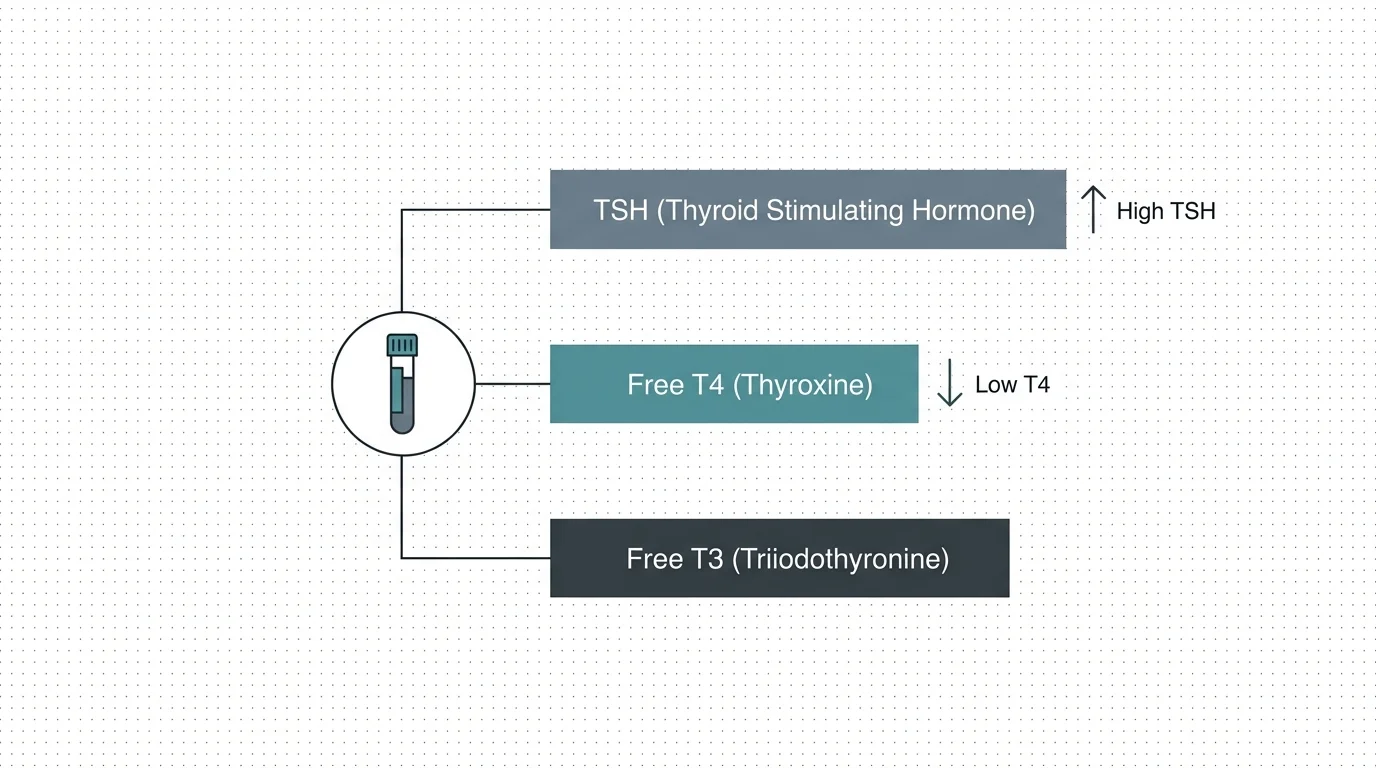
If you suspect an underactive thyroid, obtaining a comprehensive blood panel from your physician represents the essential first step. Clinical guidelines published by the National Institute of Diabetes and Digestive and Kidney Diseases emphasize measuring Thyroid-Stimulating Hormone (TSH) alongside Free Thyroxine (Free T4) to establish an accurate diagnosis.
The pituitary gland releases TSH to prompt your thyroid into action. When the thyroid struggles to make hormones, the pituitary increases TSH output to compensate. For non-pregnant adults, the standard clinical reference range for serum TSH spans approximately 0.4 to 4.5 mIU/L. A TSH level elevated above this threshold, paired with a depressed Free T4 level, confirms primary overt hypothyroidism. Additionally, requesting a Thyroid Peroxidase (TPO) antibody test helps determine whether an underlying autoimmune process like Hashimoto’s thyroiditis drives the hormonal deficit.
Pillars of Holistic Thyroid Support
Managing an underactive thyroid requires an integrated, multimodal approach that pairs conventional medical therapy with supportive lifestyle interventions. These evidence-based strategies help optimize cellular hormone sensitivity and preserve your long-term vitality.
Targeted Nutritional Strategies
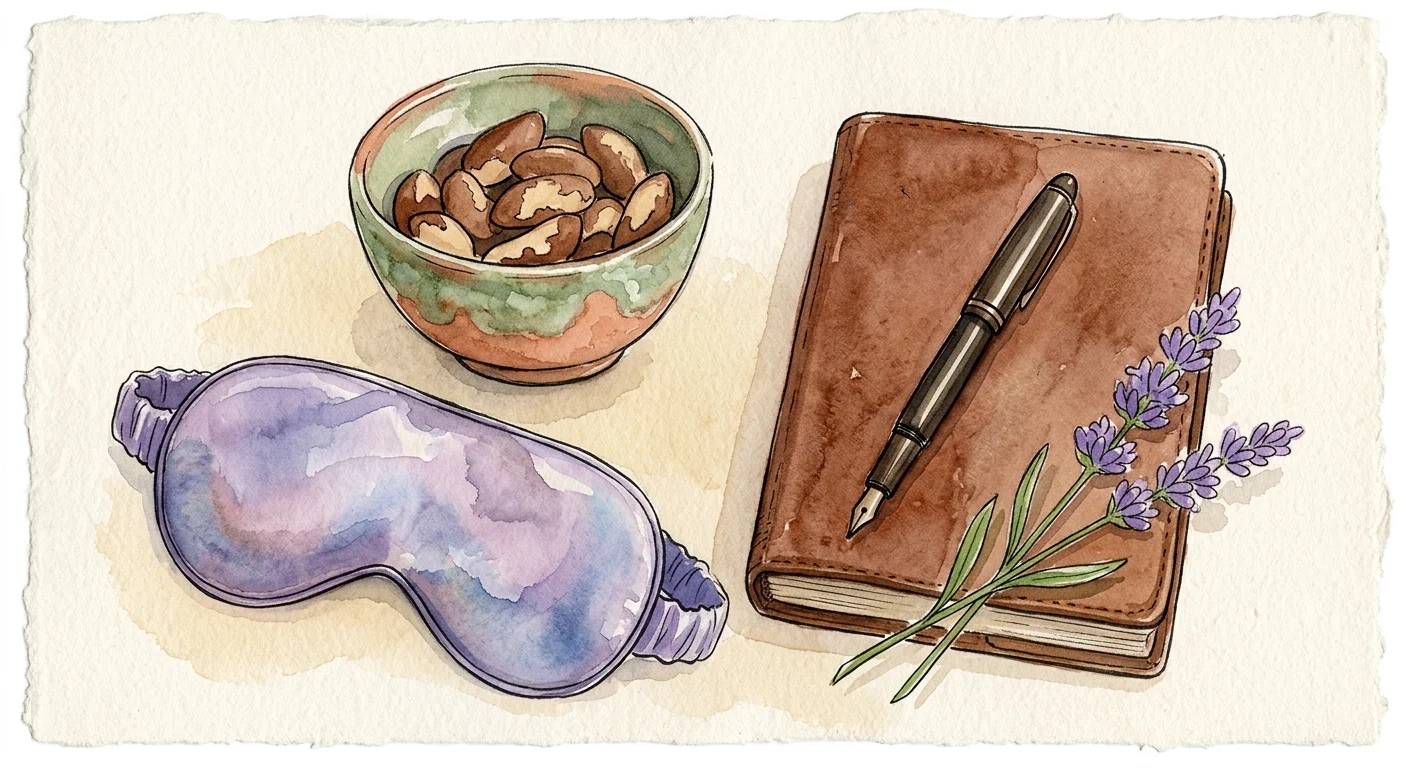
Your thyroid requires specific micronutrients to synthesize hormones and convert inactive T4 into active T3. Incorporate whole foods rich in selenium—such as Brazil nuts, sunflower seeds, and wild-caught fish—to protect your thyroid gland from oxidative stress. Maintain adequate dietary zinc through pumpkin seeds, lentils, and lean poultry. Prioritize an anti-inflammatory diet abundant in colorful vegetables, leafy greens, and omega-3 fatty acids, while minimizing ultra-processed sugars that exacerbate autoimmune inflammation.
Intentional Movement and Circadian Sleep Support
While strenuous high-intensity workouts can elevate systemic stress hormones and worsen fatigue in untreated individuals, gentle, restorative movement builds metabolic resilience. Focus on daily walking, restorative yoga, and low-impact resistance training to preserve lean muscle mass and stimulate cardiovascular circulation. Pair physical activity with strict sleep hygiene; establishing a consistent bedtime routine supports the hypothalamic-pituitary-adrenal axis and regulates overnight hormone synthesis.
Medication Optimization and Medical Partnership
When lifestyle adjustments alone cannot restore hormonal equilibrium, standard medical care relies on daily oral levothyroxine, a bioidentical synthetic T4. Clinical guidelines from the Endocrine Society recommend taking thyroid hormone replacement on an empty stomach with a full glass of water, thirty to sixty minutes before eating breakfast. To ensure proper absorption, separate your medication by at least four hours from calcium supplements, iron pills, and high-fiber meals, and consult the MedlinePlus medical encyclopedia for specific drug interaction profiles.

Perspectives from Clinical Practice
Integrative clinicians frequently emphasize the importance of looking beyond single lab values when evaluating thyroid wellness. Board-certified endocrinologists note that patients often endure years of subtle decline because their lab results linger on the borderline of standard reference ranges. Clinicians stress that symptom severity, family history, and physical presentation must carry equal weight alongside blood tests during diagnostic workups.
Patient advocates similarly highlight the transformative power of self-advocacy. When individuals track their daily symptoms—recording energy slumps, thermal sensitivity, and menstrual patterns—they provide their healthcare team with actionable data. Bridging conventional hormone replacement with targeted lifestyle modifications enables individuals to regain control over their metabolic health rather than accepting chronic fatigue as an inevitable baseline.
Frequently Asked Questions About Low Thyroid Function
Can you develop hypothyroidism suddenly, or does it always progress slowly?
While autoimmune Hashimoto’s thyroiditis typically causes a slow, insidious decline over several years, certain triggers can induce rapid thyroid failure. Postpartum thyroiditis, severe viral infections, specific medications like lithium or amiodarone, and surgical thyroid removal can cause acute hormonal drops that demand immediate medical attention.
What is the difference between subclinical and overt hypothyroidism?
Overt hypothyroidism occurs when your TSH level rises above normal and your circulating Free T4 drops below the standard reference range, usually causing pronounced symptoms. Subclinical hypothyroidism presents with an elevated TSH level while Free T4 remains technically within normal limits, often producing mild, subtle, or intermittent symptoms that warrant periodic monitoring.
Can dietary supplements replace thyroid hormone medication?
Dietary supplements cannot replace prescribed thyroid hormone replacement if your gland cannot produce sufficient baseline hormones. While nutrients like selenium, zinc, and vitamin D support overall endocrine physiology, over-the-counter thyroid glandular extracts carry unregulated hormone concentrations and pose significant cardiovascular risks; always consult your physician before starting any endocrine supplement.
How does chronic stress impact thyroid hormone production?
Prolonged psychological or physical stress elevates systemic cortisol levels, which inhibits the pituitary gland from signaling the thyroid effectively. High cortisol also impairs the peripheral conversion of inactive T4 into active T3, shunting hormones into an inactive form called reverse T3 and compounding cellular sluggishness.
Taking Your Next Step
Regaining metabolic health begins with clear observation and proactive communication with your medical provider. Rather than attempting to overhaul your entire lifestyle overnight, choose one manageable step today: begin a brief daily symptom log to track your energy, sleep quality, and temperature sensitivity over the coming week.
Take a quiet moment to reflect: which physical signals has your body sent that you might have dismissed as routine stress? Schedule an appointment with your healthcare practitioner, request a comprehensive thyroid panel, and take an active, informed role in your journey toward sustained endocrine balance.








Very enlightening information, which makes a person realize what is happening to your own body. All symptons now make sense why I feel the way I do.