
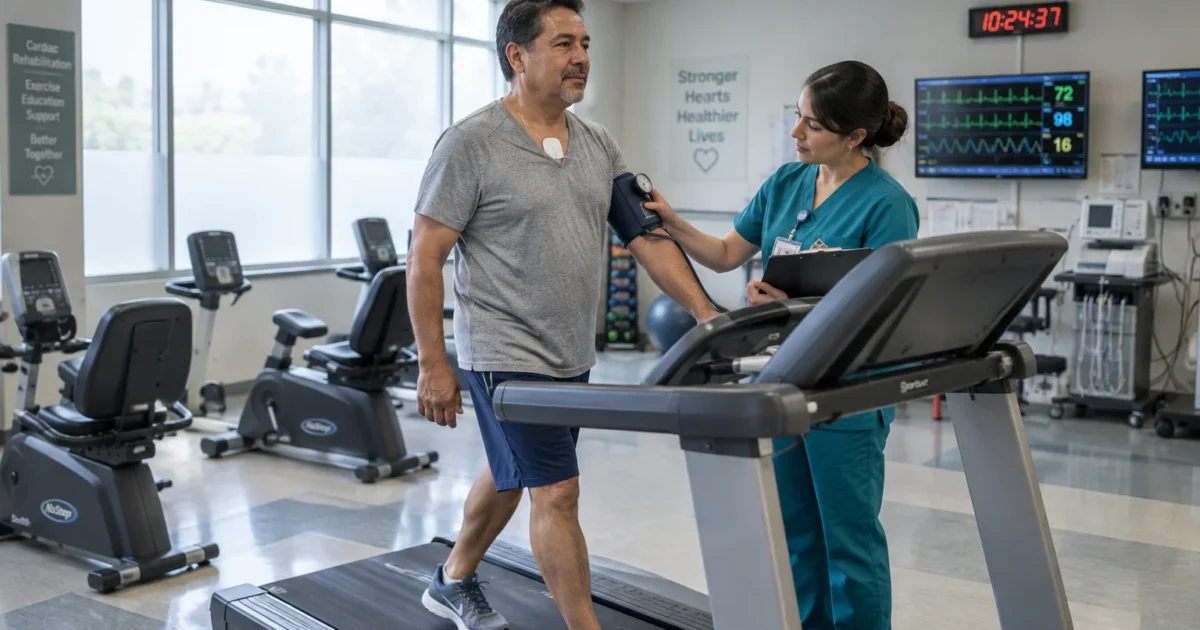
Surviving a cardiac event presents an immediate path toward restoring your vitality and reclaiming your future. Medically supervised cardiac rehabilitation delivers the structured clinical framework you need to protect your cardiovascular health and rebuild your daily physical strength.
Despite its proven survival benefits, critical information regarding program qualification, therapy scope, and long-term recovery strategies frequently stays hidden from patients. You deserve complete access to the restorative resources that sustain your heart health recovery.
Understanding these essential recovery facts empowers you to take charge of your medical care and navigate rehabilitation successfully. Here are seven transformative realities about cardiac rehabilitation that your care team may never have explained.
Fact 1: It Drastically Cuts Mortality and Prevents Repeat Cardiac Events
Many patients view cardiac rehabilitation as optional fitness training rather than essential post-hospital medicine. In truth, comprehensive outpatient rehabilitation functions as a powerful clinical intervention that safeguards your longevity.
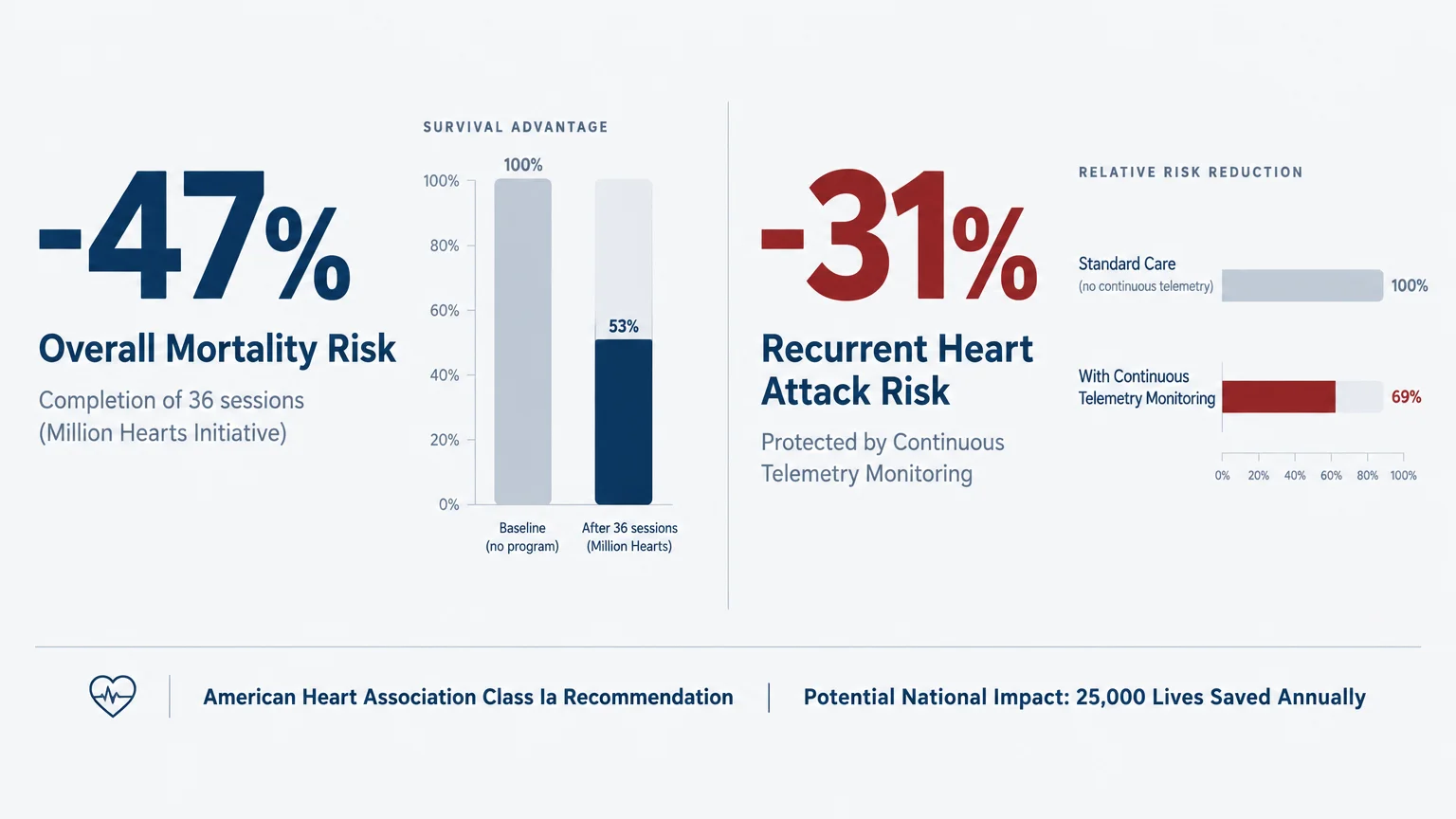
Clinical data from the Million Hearts initiative demonstrates that completing thirty-six rehabilitation sessions lowers your overall risk of death by forty-seven percent. That represents a profound survival advantage rarely matched by pharmacology alone.
Participating in these structured sessions also reduces your likelihood of suffering a recurrent heart attack by thirty-one percent. By strengthening cardiac function under continuous supervision, you build enduring physiological resilience against secondary cardiovascular crises.
The American Heart Association classifies cardiac rehabilitation as a Class Ia recommendation, designating the highest level of clinical endorsement based on robust evidence. Cardiopulmonary specialists consider this therapy standard protocol rather than an optional wellness elective.
Despite this elite clinical standing, national utilization rates hover at deeply troubling levels across the United States. Healthcare systems consistently underutilize this lifesaving resource, missing vital opportunities to protect vulnerable healing hearts.
Public health researchers estimate that raising national participation from current low levels to seventy percent would save twenty-five thousand lives annually. That same systemic improvement would prevent one hundred eighty thousand unnecessary hospital readmissions every year.
When you attend rehabilitation, specialized clinicians monitor your cardiac rhythm through telemetry during exertion; this watchful oversight prevents dangerous arrhythmias. This constant clinical safety net enables you to rebuild confidence without fearing hidden physical complications.
Your active participation fundamentally reshapes your long-term cardiovascular prognosis. Committing to a comprehensive program provides the definitive clinical protection you need during vulnerable post-discharge months.
Fact 2: Cardiac Rehab Treats Seven Specific Diagnoses, Not Just Heart Attacks
A pervasive misconception suggests that only individuals who have experienced a massive heart attack qualify for rehabilitation. In reality, medical guidelines recognize a diverse spectrum of structural and vascular cardiac conditions.
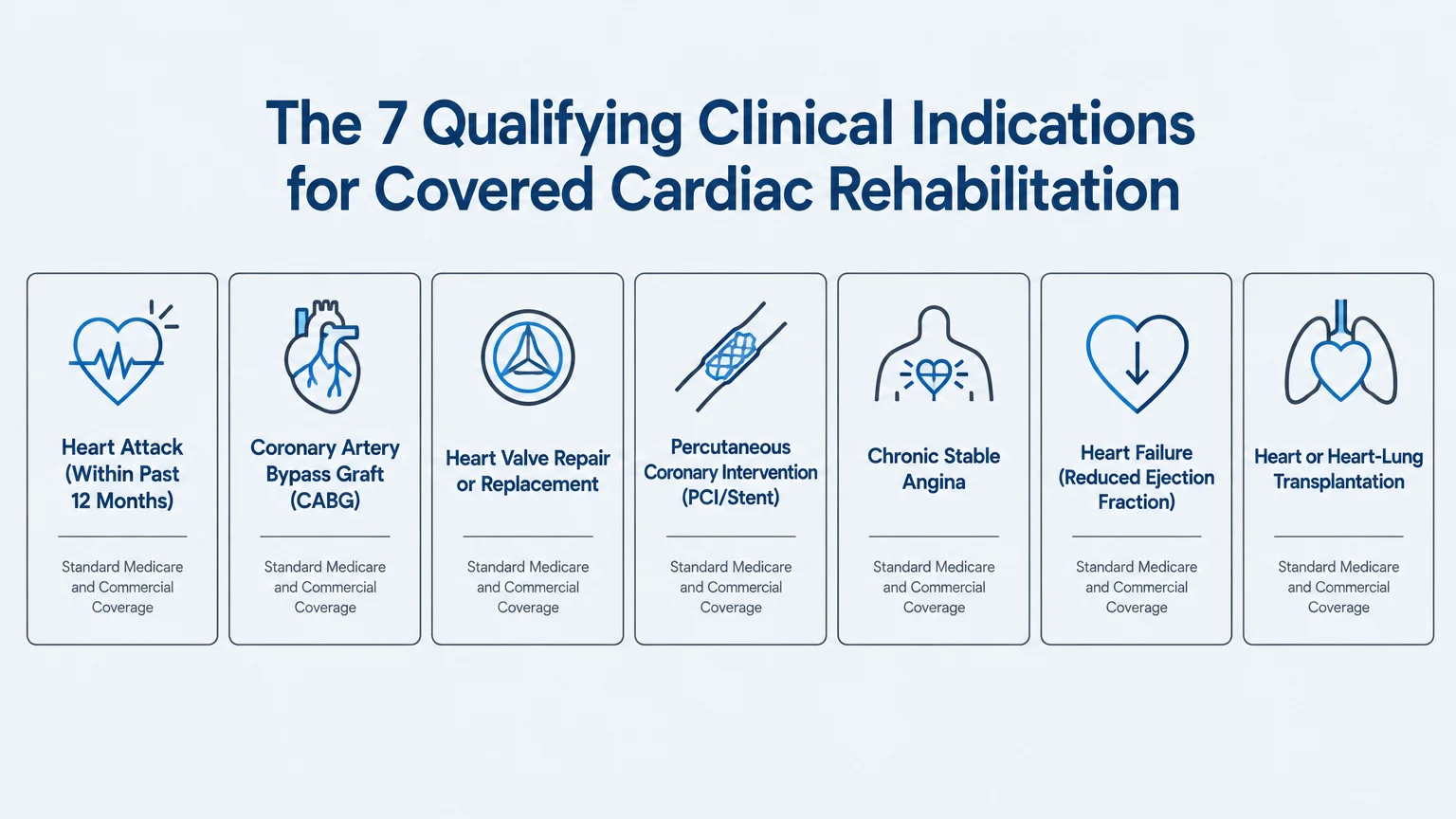
Medicare and commercial health insurers cover comprehensive cardiac rehabilitation for seven distinct diagnoses and surgical interventions. Knowing these qualified clinical indications ensures that you never miss covered therapy due to administrative misunderstandings.
You qualify if you experienced a heart attack within the preceding twelve months. This criterion extends critical therapeutic support well beyond your initial discharge from the acute hospital ward.
Patients recovering from coronary artery bypass graft surgery also meet standard coverage benchmarks. Structured movement supports sternal healing and accelerates physical reconditioning after complex open-chest procedures.
If you manage current stable angina pectoris, you can access monitored programs to improve your ischemic threshold. Clinicians teach you to recognize true myocardial distress while safely expanding your daily physical capacity.
Surgical repair or replacement of heart valves qualifies you for full rehabilitative programming. Clinicians help your cardiovascular system adapt smoothly to restored hemodynamic function and normalized intracardiac pressures.
Receiving coronary angioplasty or coronary stenting grants immediate program eligibility. Attending therapy helps preserve arterial patency and reinforces essential lifestyle modifications following catheter-based interventions.
Patients navigating a heart or heart-lung transplant receive extensive coverage to optimize graft function. The multidisciplinary team balances immunosuppressive medication protocols with progressive, closely supervised aerobic conditioning.
Finally, individuals managing stable chronic heart failure qualify when their left ventricular ejection fraction measures thirty-five percent or lower. Monitored exercise strengthens peripheral musculature, which lightens the mechanical workload placed on a weakened myocardium.
If your medical chart reflects any of these seven diagnoses, you possess an established clinical pathway to comprehensive care. Verifying your eligibility gives you the leverage needed to secure a formal referral from your physician.
Fact 3: Delaying Your Start Erodes Your Likelihood of Enrolling
Timing plays a decisive role in whether you ever enter a cardiac rehabilitation facility. When weeks slip away between hospital discharge and enrollment, recovery momentum frequently evaporates.
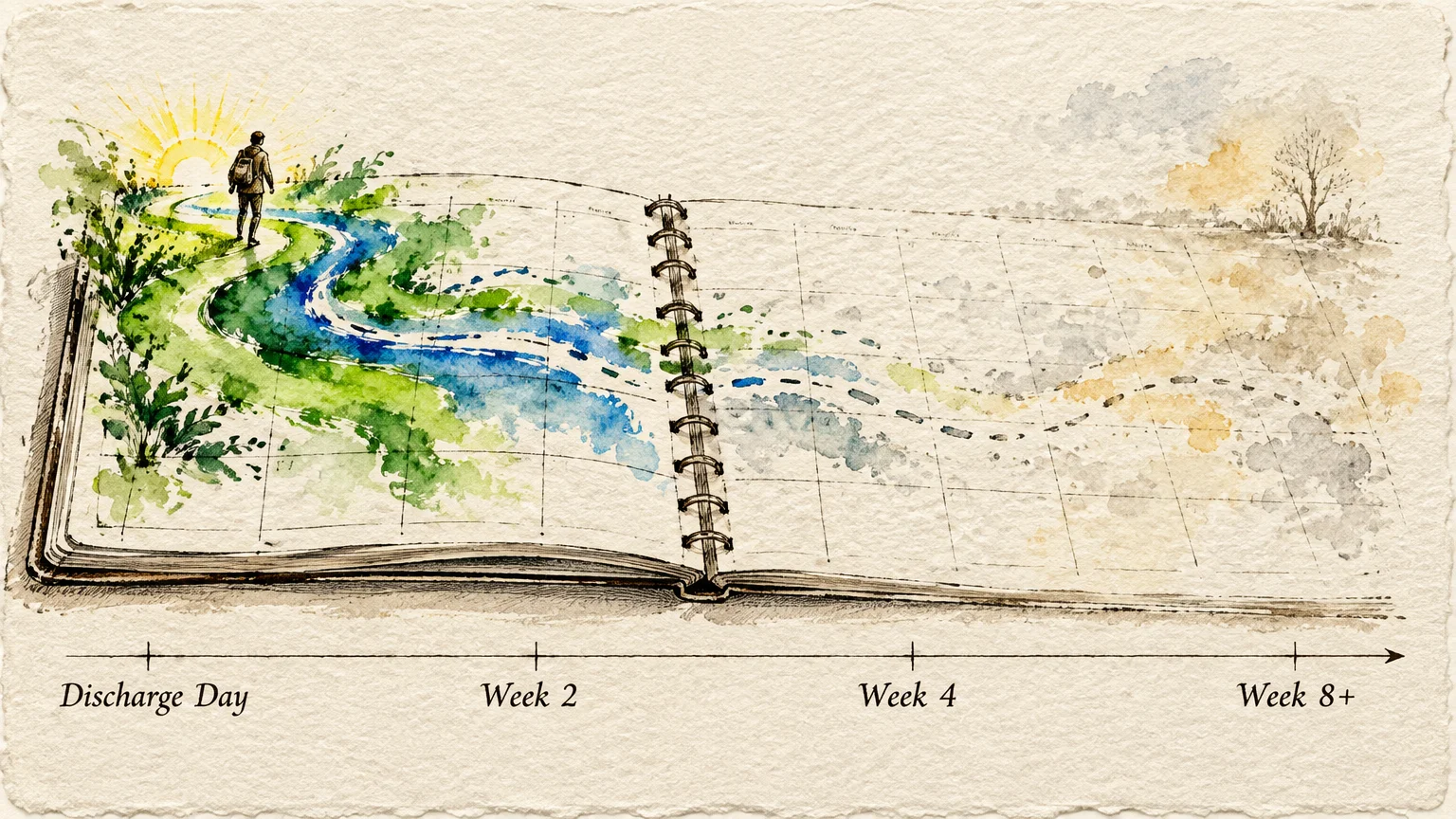
Research from the Centers for Disease Control and Prevention reveals that for every single day you wait after discharge, your likelihood of enrolling drops by one percent. Extended delays introduce psychological friction and logistical barriers that derail rehabilitation plans.
As discharge day approaches, hospital routines become overwhelming, and outpatient instructions often get lost in stacks of paperwork. Without immediate intake scheduling, patients naturally assume that rehabilitation represents an auxiliary consideration rather than urgent treatment.
Medical teams sometimes inadvertently foster this delay by waiting for post-operative follow-up visits before initiating referrals. You can accelerate this timeline by requesting an active referral prior to leaving the hospital.
Initiating contact within the first ten days post-discharge establishes an organized cadence for your physical recovery. Early administrative intake also provides reassurance, reducing the anxiety that commonly shadows early days at home.
If your physician suggests waiting several weeks before exercising, request referral paperwork immediately anyway. Completing intake evaluations, baseline assessments, and insurance verification early ensures you begin exercising the moment your physician clears you.
Proactive self-advocacy prevents administrative backlog from stalling your clinical care. By locking in your rehabilitation spot early, you preserve your determination and protect your long-term cardiovascular health.
Do not allow administrative friction to compromise your healing potential. Prompt coordination turns hospital discharge into an active bridge toward structured, lifelong wellness.
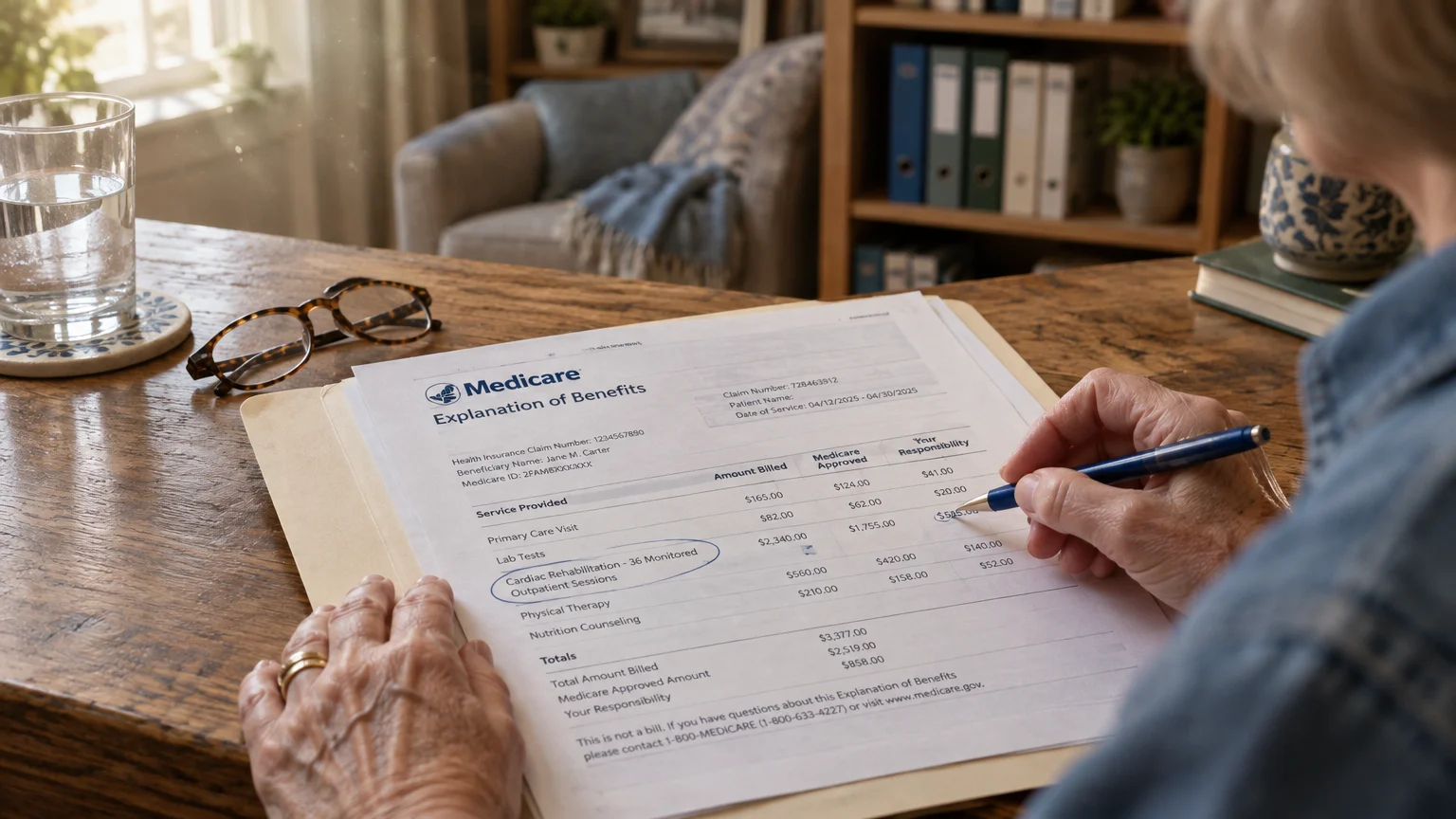
Fact 4: Medicare and Insurers Cover Dozens of Monitored Sessions
Many patients avoid asking about cardiac rehabilitation because they fear staggering out-of-pocket medical bills. Fortunately, robust public and private insurance protections exist to support your long-term cardiac recovery.
Original Medicare covers cardiac rehabilitation under Part B as an outpatient medical service. Understanding your exact deductible and coinsurance structures helps you forecast your medical expenses with clarity.
In 2026, the annual Medicare Part B deductible is $283, alongside a standard monthly premium of $202.90. Once you fulfill that deductible, Medicare pays eighty percent of approved program costs.
You generally cover the remaining twenty percent coinsurance for services delivered in physician offices, or pay a set copayment in hospital outpatient departments. Supplemental policies, such as Medigap plans, frequently absorb these remaining costs entirely.
Standard Medicare coverage funds up to thirty-six comprehensive rehabilitation sessions. Clinical teams typically distribute these visits across twelve to eighteen weeks, scheduling two to three sessions each week.
Furthermore, Medicare authorizes up to seventy-two sessions for specialized intensive cardiac rehabilitation programs or when complex clinical factors demand extended care. These expanded programs immerse you in advanced lifestyle and dietary education alongside monitored exercise.
Prior to your first appointment, contact your insurance coordinator to confirm your exact plan benefits. Clarifying pre-authorization requirements early eliminates surprise financial obligations and keeps your attention centered on healing.
Investing in these covered sessions yields immense dividends for your physical stamina and longevity. Clear financial knowledge empowers you to utilize your benefits without unnecessary stress.
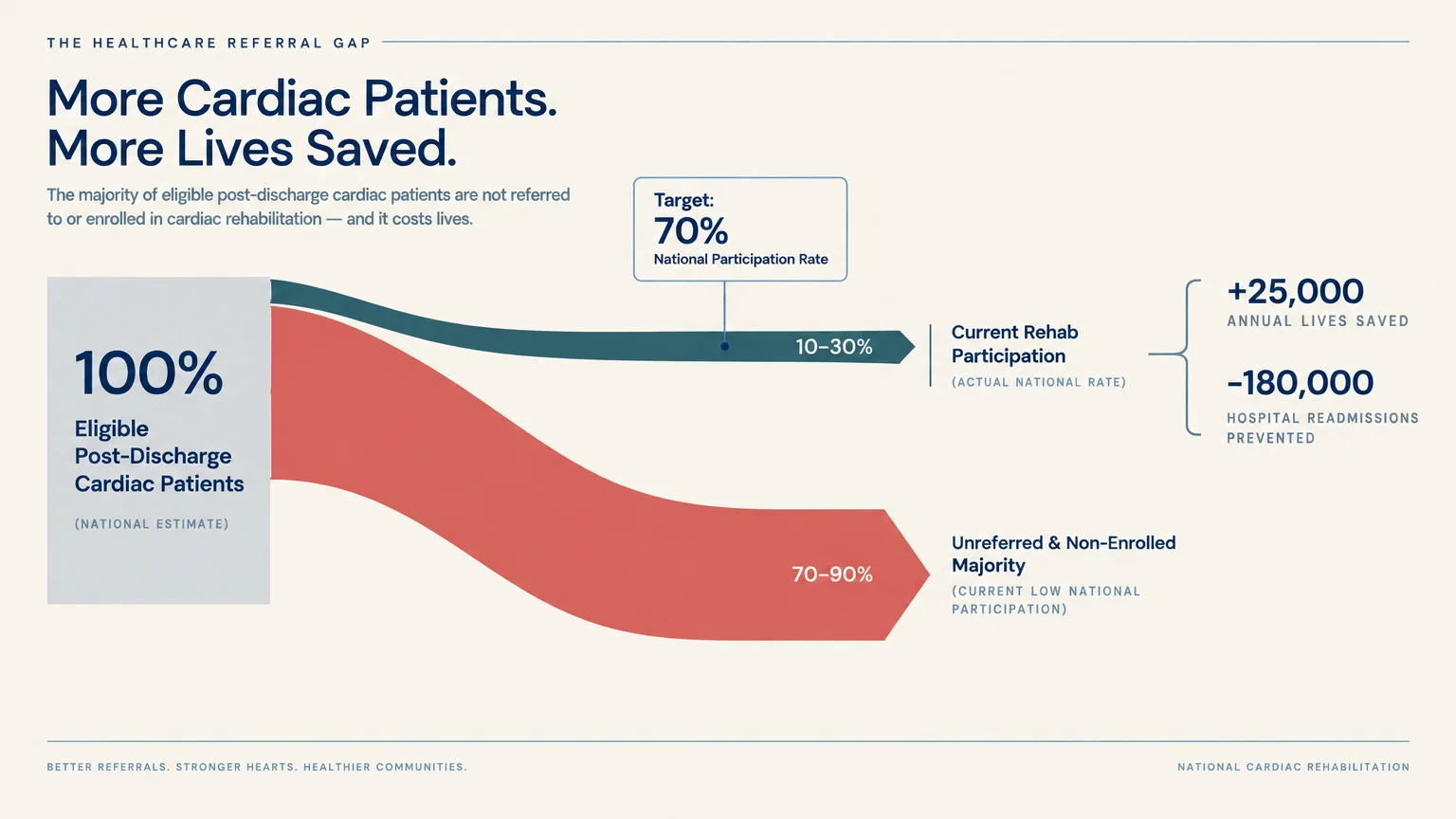
Fact 5: Systemic Referral Gaps Leave Millions of Patients Behind
Despite universal medical guidelines recommending cardiac rehab, an astonishingly small fraction of eligible patients ever walk through clinic doors. National data reveals that only twenty to thirty percent of qualifying individuals participate.
This utilization crisis does not affect all demographics equally; stark socioeconomic and geographic disparities persist across modern healthcare settings. Systemic barriers frequently prevent vulnerable individuals from receiving standard-of-care restorative therapies.
Black women are sixty percent less likely than white women to be referred to and enroll in programs. Implicit clinical biases, caregiving responsibilities, and unequal institutional follow-up contribute to this glaring equity divide.
Geographic location also dictates access, as patients living outside metropolitan areas are thirty percent less likely to participate than city residents. Long transit distances and a scarcity of regional facilities create formidable obstacles for rural communities.
Financial inequality deepens these disparities; patients earning over $75,000 annually participate at twice the rate of those earning under $15,000. Lost hourly wages, inadequate transit options, and dependent care burdens regularly impede attendance.
Recognizing these institutional gaps reinforces why self-advocacy is vital for your physical survival. You must actively ask your cardiologist or primary care provider for a formal prescription if one is not offered.
Clinicians welcome informed inquiries from engaged patients who seek structured recovery. Speaking up bridges administrative oversights and secures the clinical support you require.
Your persistent advocacy can dismantle systemic barriers for yourself and your loved ones. Demanding equitable access ensures that clinical guidelines translate into real-world recovery.
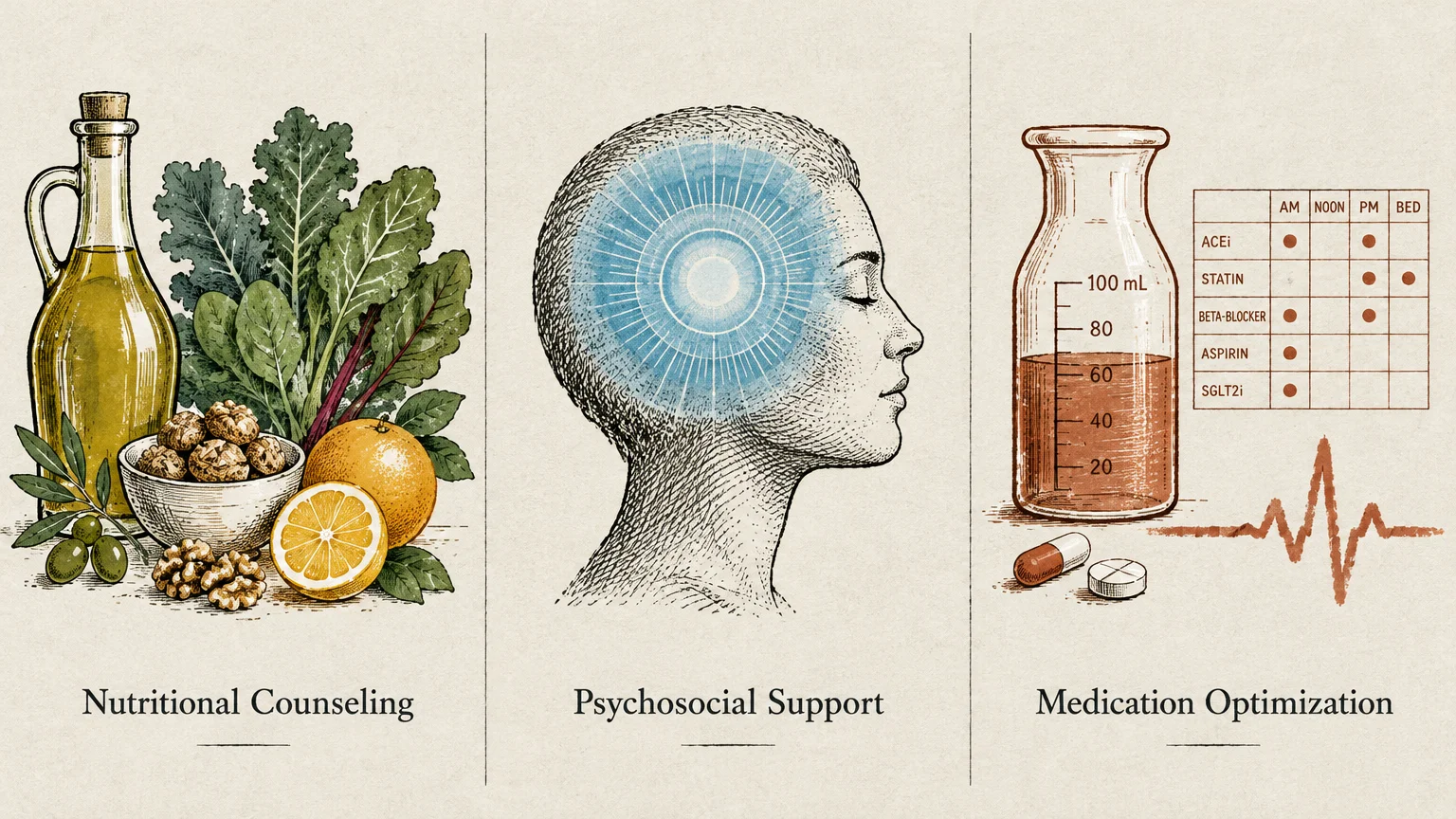
Fact 6: The Program Treats Your Nutrition, Mindset, and Medication Management
Patients often mistake cardiac rehabilitation for a specialized gym membership with medical nurses standing nearby. However, physical conditioning represents only one branch of a comprehensive, four-pillar clinical care model.
True rehabilitation integrates structured exercise with personalized nutrition, emotional counseling, and rigorous medication education. This holistic methodology addresses the foundational lifestyle causes of cardiovascular disease.
Registered dietitian nutritionists analyze your current dietary patterns and design sustainable, heart-healthy meal strategies tailored to your metabolic needs. You learn how to reduce systemic inflammation, optimize lipid profiles, and manage blood pressure without deprivation.
Mental health support forms an indispensable component of your long-term cardiac recovery plan. Depression, anxiety, and emotional distress commonly strike individuals following cardiac events, yet these symptoms frequently go untreated.
Program psychologists and clinical social workers teach proven stress-reduction techniques, including diaphragmatic breathing and cognitive reframing. Managing emotional distress calms chronic sympathetic nervous system arousal, directly protecting your heart from damaging hormonal surges.
Pharmacological education empowers you to understand your prescribed cardiac medications thoroughly. Clinicians explain how antiplatelet agents, beta-blockers, and statins shield your vascular lining, fostering consistent treatment adherence.
This multidimensional therapeutic model transforms reactive symptom management into proactive, lifelong wellness. By addressing your biological, mental, and nutritional needs simultaneously, rehabilitation establishes an enduring foundation for health.
Embracing every pillar guarantees that your recovery extends far beyond physical stamina alone. Comprehensive care equips you to navigate modern life with balanced resilience and lasting confidence.
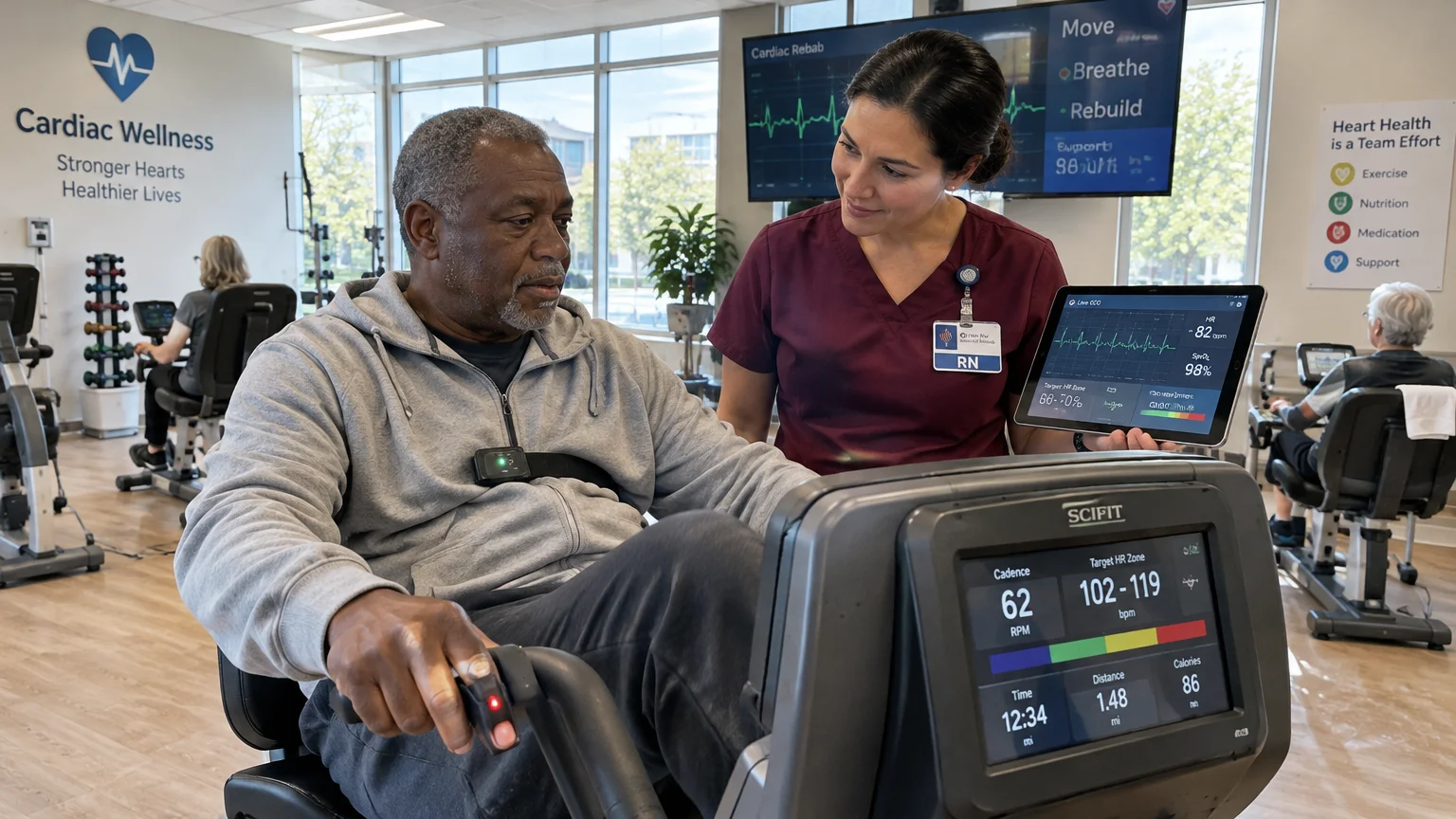
Fact 7: Supervised Exercise Retrains Your Heart Safely and Progressively
Returning to physical activity after a heart attack or open surgery often generates profound psychological fear. Many patients worry that elevating their heart rate might trigger another catastrophic medical event.
Cardiac rehabilitation dismantles this fear by placing you under continuous clinical observation while you exercise. Exercise physiologists and cardiac nurses track your electrocardiogram signals, blood pressure, and oxygen saturation during every workout.
This real-time biometric feedback allows clinicians to establish your safe exertion thresholds with absolute precision. You discover how your cardiovascular system tolerates effort without subjecting your heart to unnecessary biological strain.
Monitored exercise training promotes vascular endothelial health and stimulates the formation of collateral coronary blood vessels. Over several weeks, this progressive conditioning improves myocardial perfusion and enhances systemic oxygen extraction in your skeletal muscles.
Programs blend continuous aerobic training on treadmills and recumbent bikes with low-resistance strength conditioning. Strengthening peripheral muscle groups lowers the vascular resistance your heart must overcome with each stroke.
As your physical conditioning progresses, your resting heart rate drops and your heart rate variability improves. These physiological adaptations signal a rebalanced autonomic nervous system, substantially reducing your long-term cardiac mortality risk.
Experiencing safe, monitored exertion under expert guidance restores your trust in your physical body. You leave each session feeling capable, resilient, and confident in your ability to live an active life.
Clinical supervision transforms natural post-event fear into a source of enduring physical strength. Each completed session cements your physiological progress and validates your body’s extraordinary capacity to heal.

Clinical Perspectives from the Recovery Ward
Clinical professionals observe profound transformations when patients commit to outpatient recovery programs. Experienced cardiologists consistently note that rehabilitation bridges the dangerous gap between acute inpatient discharge and sustainable daily wellness.
Dr. Marcus Reynolds, a preventive cardiologist, notes that rehabilitation provides patients with an indispensable clinical bridge. He observes that guided exercise restores a patient’s belief in their heart faster than medication alone can achieve.
Registered nurse specialist Clara Gomez explains that the monitored environment alleviates the paralyzing terror many patients feel at home. Patients realize their heart is resilient when telemetry proves their cardiovascular system handles exertion smoothly.
Recovering patients frequently report that the shared camaraderie within the rehabilitation gym provides vital emotional grounding. Witnessing others make steady progress dispels the isolation that often accompanies serious cardiovascular events.
Guidelines published by the American College of Cardiology emphasize this holistic synergy between clinical oversight and emotional recovery. Combining expert medical supervision with peer connection creates an optimal environment for cardiac healing.
Experienced clinicians remind us that healing demands patience, clinical guidance, and structured dedication. Absorbing these professional insights helps you approach your rehabilitation with realistic expectations and renewed optimism.
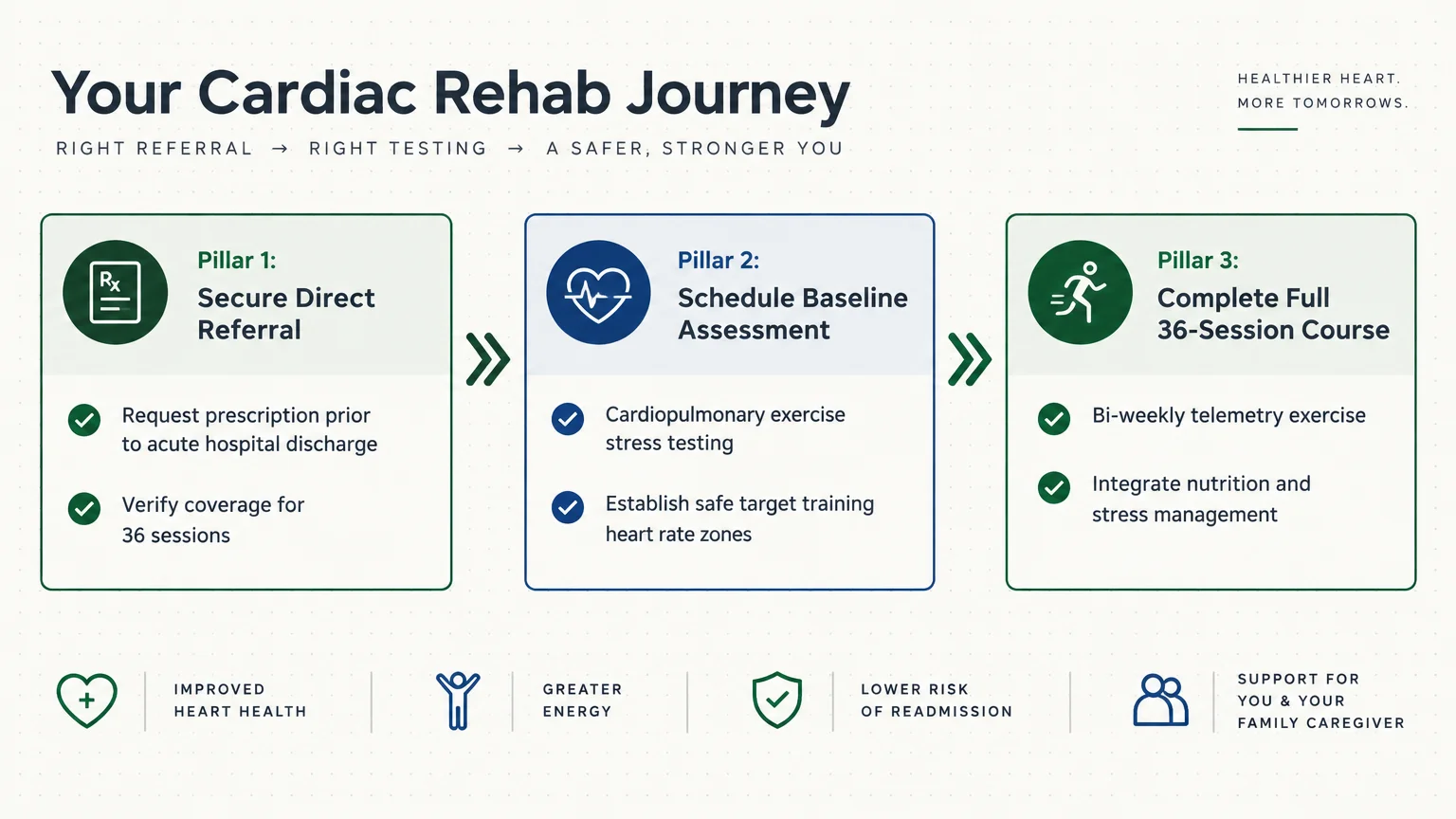
Strategy Pillars: Actionable Guidance for Your Recovery Plan
Nutritional Renewal for Cardiovascular Protection
Transforming your nutrition does not require punitive dietary restriction; it demands strategic, nutrient-dense culinary choices. Focusing on wholesome, anti-inflammatory food sources stabilizes vascular function and sustains arterial health.
Fill your plate with high-fiber legumes, leafy greens, berries, and omega-3-rich seeds and fish. Soluble fiber binds to intestinal cholesterol precursors, facilitating excretion before these particles enter your systemic circulation.
Minimize your intake of ultra-processed packaged items, refined carbohydrates, and hidden industrial sodium. Excess sodium intake expands vascular fluid volume, raising arterial pressure and straining sensitive arterial walls.
Work directly with a registered dietitian nutritionist to adapt dietary protocols to your cultural preferences and cooking habits. Sustainable nutrition happens when healthy choices fit your genuine lifestyle rather than rigid prescriptive formulas.
Hydrate consistently with pure water throughout the day to support kidney function and preserve vascular volume. Proper hydration maintains blood viscosity within optimal parameters, easing the pumping workload required of your heart.
Mindful eating practices also help you tune into natural satiety cues, preventing inadvertent caloric overconsumption. Developing a peaceful relationship with whole foods supports your heart and nurtures your overall physical vitality.
Restorative Movement and Daily Physical Activity
Outside formal clinical sessions, safe and consistent movement forms the cornerstone of cardiovascular rehabilitation. Prioritize low-impact aerobic activities like brisk walking, which gently enhances circulation without jarring healing tissues.
Maintain a steady cadence where you can comfortably speak in full sentences without gasping for breath. This conversational pace confirms that you remain within a safe, aerobic metabolic zone.
Avoid heavy isometric straining, such as pushing stalled vehicles or lifting heavy furniture, during early recovery. Straining triggers a sudden spike in blood pressure, placing unwarranted stress on repairing vascular structures.
Incorporate gentle mobility exercises and dynamic stretches to preserve joint function and improve chest flexibility. Sternal incisions from bypass surgery require deliberate, pain-free range-of-motion work to heal without restrictive tissue adhesions.
Log your daily physical activity in a dedicated notebook or personal health application to track your steady conditioning. Watching your endurance expand week after week provides measurable psychological proof of your physical restoration.
Listen closely to subtle feedback from your body during and after every physical activity session. Immediate resting when unusual fatigue arises protects your healing myocardium while maintaining steady developmental progress.
Psychological Resilience and Emotional Recovery
Cardiovascular disease challenges your psychological resilience just as intensely as it tests your biological heart muscle. Acknowledging emotional turmoil is a vital step toward reclaiming your overall vitality.
Practice slow, diaphragmatic breathing for ten minutes each morning and evening to stimulate parasympathetic nerve activity. Slow breathing lowers circulating stress hormones, reduces blood pressure, and calms an anxious mind.
Engage in honest conversations with supportive family members and friends regarding your fears and emotional fatigue. Isolation amplifies health anxieties, while open communication fosters a secure emotional environment for healing.
Seek guidance from a licensed therapist who specializes in behavioral cardiology or chronic illness adjustment. Specialized cognitive strategies help you dismantle catastrophic thoughts and navigate post-hospital vulnerability with equanimity.
Reserve restorative downtime throughout your day to prevent mental exhaustion and autonomic overload. Adequate restorative rest accelerates cellular repair mechanisms and supports sustained emotional equilibrium.
Developing emotional resilience transforms your psychological outlook from fragile survival to empowered living. Prioritizing mental tranquility protects your arterial lining as effectively as physical conditioning.
Medical Advocacy and Clinical Coordination
Becoming an empowered advocate for your cardiovascular care ensures that critical clinical interventions proceed without delay. You must view yourself as an active partner alongside your multidisciplinary medical team.
Verify your clinic’s certification through directories provided by the American Association of Cardiovascular and Pulmonary Rehabilitation. Certified facilities adhere to rigorous clinical safety, staffing, and emergency response standards.
Maintain an up-to-date printed record of your complete medication schedule, dosages, and prescribing physicians. Review this list at every rehabilitation session to prevent dangerous drug interactions or duplicate dosing errors.
If transportation or scheduling creates substantial barriers, ask your medical provider about home-based virtual cardiac rehabilitation. Hybrid and telehealth models expand access while delivering guided, clinically monitored exercise protocols.
Schedule routine follow-up consultations with your primary cardiologist to assess functional gains and adjust therapies. Clear communication between your rehab team and your cardiologist guarantees seamless continuity of care.
Active self-advocacy transforms you from a passive recipient of healthcare into the chief director of your recovery. Taking ownership of your clinical coordination produces superior, long-lasting cardiovascular outcomes.
Frequently Asked Questions About Cardiac Rehabilitation
How soon after a heart attack or surgery should I start cardiac rehab?
Most patients can begin outpatient cardiac rehabilitation within one to three weeks following an uncomplicated heart attack or stenting procedure. Surgical patients recovering from open-chest surgery often wait four to six weeks to allow sternal bone healing.
Your cardiologist will evaluate your hemodynamic stability and clinical readiness before authorizing your first exercise session. You should request the administrative referral immediately upon hospital discharge to prevent unnecessary enrollment delays.
Starting on time preserves physical momentum and prevents muscular deconditioning during early post-hospital weeks. Always consult your personal physician to verify that your medical clearance matches your surgical healing timeline.
What should I do if my doctor does not mention cardiac rehab at discharge?
Do not wait for your physician to initiate the conversation; ask directly for a cardiac rehabilitation prescription. Busy hospital discharge workflows frequently cause clinicians to overlook outpatient referrals despite established guidelines.
Simply state that you wish to enroll in a certified outpatient program to support your recovery. If your physician hesitates, request an explanation of any clinical contraindications preventing your participation.
Proactive inquiries signal to your medical team that you are prepared to participate in your secondary prevention plan. Your initiative can resolve administrative oversights and grant you access to essential care.
Can I participate if I have joint pain, arthritis, or limited mobility?
Orthopedic limitations never disqualify you from participating in a comprehensive cardiac rehabilitation program. Clinical exercise physiologists adapt exercise modalities to accommodate arthritis, joint replacements, and limited mobility.
Programs utilize recumbent steppers, arm ergometers, and seated resistance bands to condition your heart without stressing vulnerable joints. Your rehabilitation plan is tailored specifically to your unique physical capabilities and anatomical needs.
Improving cardiovascular fitness often reduces joint inflammation and enhances functional daily movement. Inform your clinical team about any musculoskeletal discomfort so they can customize your equipment settings.
How does home-based cardiac rehab compare to traditional facility-based care?
Emerging clinical research indicates that home-based cardiac rehabilitation produces clinical outcomes comparable to traditional center-based programs for low-to-moderate risk patients. Digital monitoring tools, telephonic coaching, and wearable heart sensors enable safe home oversight.
However, individuals with complex arrhythmias, severe heart failure, or high clinical vulnerability benefit most from direct on-site telemetry supervision. Consult your cardiologist to decide which rehabilitation format aligns with your medical risk profile.
Personalized clinical guidance remains indispensable when choosing between home-based regimens and traditional facility attendance. Your care team ensures that your chosen format provides both maximal safety and functional gains.
Taking Your First Step Toward Lasting Vitality
Rebuilding your cardiovascular health after a diagnosis is a deliberate, day-by-day journey rather than an overnight transformation. Participating in cardiac rehabilitation gives you the evidence-based tools, clinical supervision, and confidence to flourish.
Take your first manageable step today by contacting your cardiologist to request a formal rehabilitation referral. If you have already received a referral, schedule your intake evaluation right now without delaying another day.
Consider this personal reflection: What meaningful life activities or cherished milestones will your strengthened heart allow you to celebrate next year? Visualizing your vibrant future transforms medical rehabilitation from an obligation into a rewarding path toward renewed life.
You possess the agency to shape your healing trajectory and protect your cardiovascular longevity. Partner with skilled clinical experts, trust the restorative process, and embrace the life-affirming journey of heart recovery.
Consistent daily action builds the vital cardiovascular reserve you need to thrive for decades to come. Dedicate yourself to the restorative work ahead, knowing that each step strengthens your life and future.







Leave a Reply