
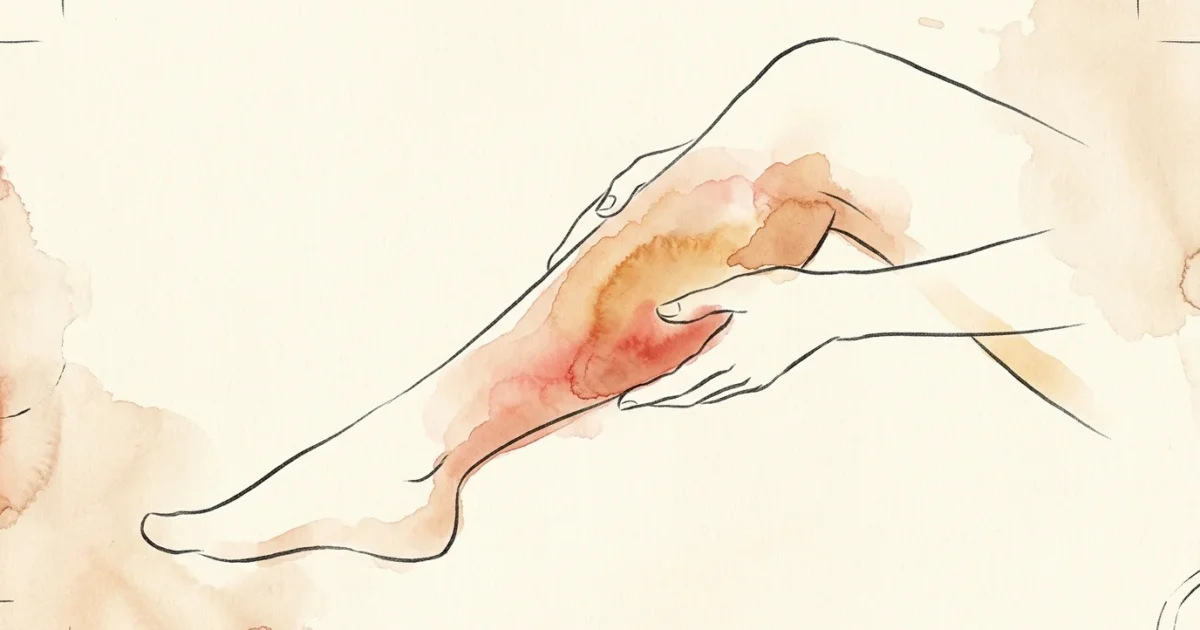
Your circulatory system works silently to pump vital oxygen throughout your body, but a sudden blockage can transform a quiet routine into a medical emergency. Recognizing the early signs of a blood clot allows you to seek life-saving treatment before severe complications occur. Every year, up to 900,000 Americans experience a deep vein thrombosis or pulmonary embolism, yet many mistake initial symptoms for minor muscle strains or fatigue. Understanding how these clots develop, identifying subtle physical changes, and knowing exactly when to consult a doctor empowers you to safeguard your cardiovascular health. Taking action early protects your long-term wellness and prevents catastrophic cardiovascular events.
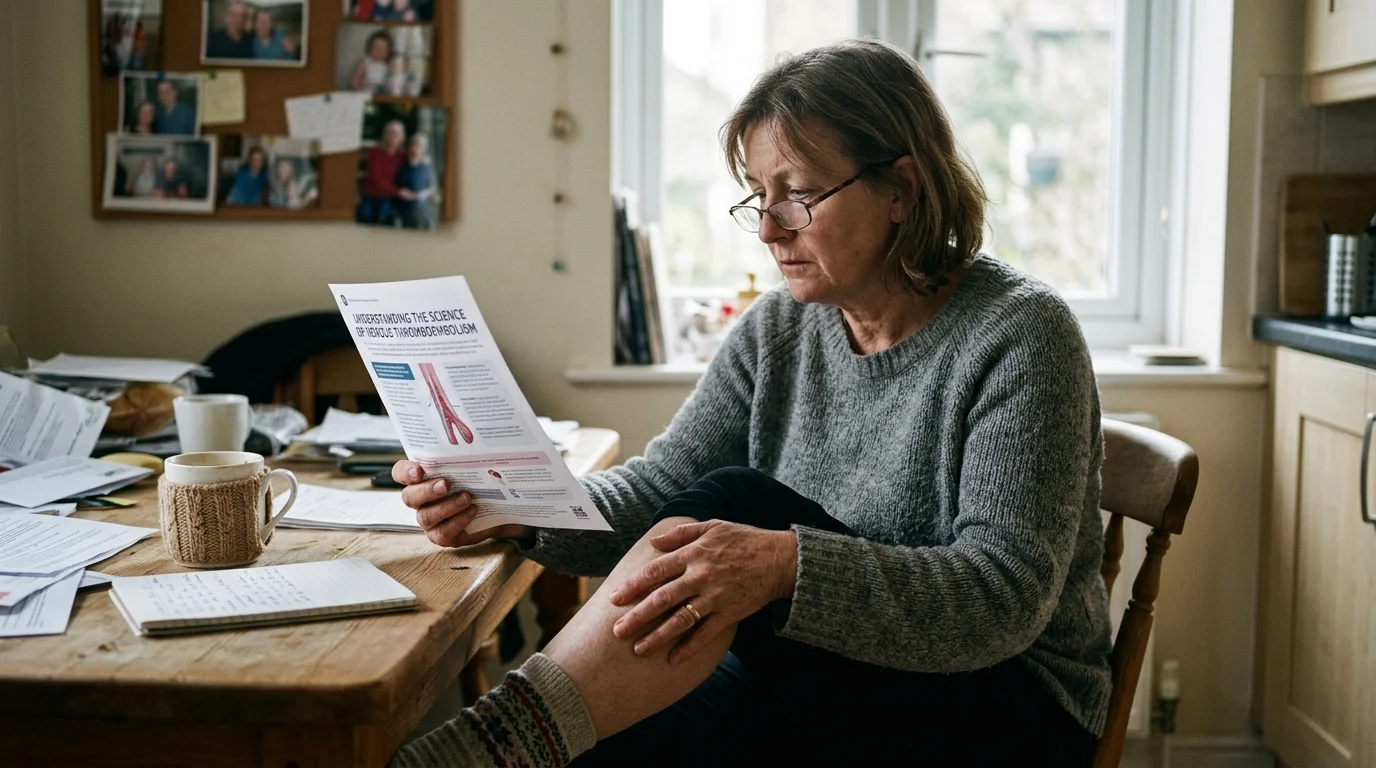
Understanding the Science of Venous Thromboembolism
Blood coagulation is a natural defense that halts bleeding when you sustain a physical injury; however, when a clot forms inside an intact blood vessel, it creates a dangerous vascular obstruction known as a thrombus. According to clinical data updated by the Centers for Disease Control and Prevention clinical guidelines, up to 900,000 individuals in the United States develop venous thromboembolism annually. This condition includes deep vein thrombosis—where a gel-like blood clump forms in deep veins—and pulmonary embolism, which occurs when a clot breaks free and travels directly into the lungs.
The severity of these blockages remains a major public health concern. Between 60,000 and 100,000 Americans die from venous thromboembolism every year—with sudden death acting as the initial symptom in roughly 25 percent of pulmonary embolism cases. Long-term monitoring remains crucial because approximately 30 percent of patients suffer a recurrent episode within ten years. Data published in peer-reviewed epidemiological studies in PubMed Central shows that age significantly influences your risk. Venous thromboembolism incidence escalates dramatically after age 45, rising from 1 case per 10,000 young adults annually to between 5 and 6 cases per 1,000 individuals by age 80.
Specific healthcare scenarios increase your vulnerability further. Approximately 50 percent of all blood clots occur during or shortly after a major hospital stay or surgery, making healthcare-associated clotting a primary cause of preventable hospital deaths. Active cancer diagnoses and systemic treatments contribute to roughly 20 percent of cases. Reviewing these facts alongside National Institutes of Health medical resources highlights why proactive vigilance is essential.

7 Critical Warning Signs You Should Never Ignore
Blood clots generate distinct physical signals, though people frequently mistake early indicators for routine physical fatigue or muscle soreness. Pay close attention to these seven warning signs, as rapid recognition can save your life.
1. Unexplained Swelling in One Limb
Swelling that appears suddenly in a single leg or arm serves as a primary indicator of a blood clot in leg or arm veins. Unlike balanced fluid retention that affects both feet equally during hot weather, deep vein thrombosis usually causes marked asymmetry. You might notice that one calf or thigh looks visibly larger than the other; your pants may even feel unusually tight on one side. This localized swelling occurs when the trapped clot obstructs normal venous return toward your heart.
2. Unilateral Warmth and Skin Discoloration
An obstructed vein creates localized inflammation that alters skin appearance and temperature. The affected leg or arm area may feel noticeably warm to the touch compared to adjacent healthy tissue. Additionally, the skin covering the clot can turn red, acquire a subtle purplish tint, or look unusually pale. Finding a localized hot spot paired with unexplained skin redness requires immediate medical attention.
3. Persistent, Cramp-Like Leg Pain
Many people describe deep vein thrombosis pain as a persistent calf cramp or severe charley horse that refuses to loosen. This discomfort typically originates in the calf or inner thigh and gradually intensifies over time. Walking or flexing your foot upward toward your shin often sharpens the pain. Massaging the aching muscle is extremely dangerous because physical pressure can dislodge the clot into your bloodstream.
4. Sudden Shortness of Breath
If a blood clot travels into your lungs, it blocks pulmonary blood flow and severely impairs oxygen exchange. Sudden, unexplained breathlessness is the hallmark symptom of a pulmonary embolism. You might feel winded while resting quietly or experience extreme fatigue after light walking. This rapid loss of breath demands urgent emergency medical evaluation.
5. Sharp, Stabbing Chest Pain During Deep Breaths
Chest pain from a pulmonary embolism presents as a sharp, stabbing sensation beneath your ribcage. Medical professionals refer to this as pleuritic chest pain because localized ischemia inflames lung tissue. The sharp pain usually intensifies when you take a deep breath, cough, or bend forward. Stabbing chest discomfort that worsens with deep breathing requires immediate emergency care.
6. Rapid or Irregular Heartbeat
When a blood clot restricts pulmonary circulation, your heart pumps substantially harder to push blood past the obstruction. This sudden cardiovascular strain causes a rapid pulse, known as tachycardia. You might feel your heart racing or pounding against your chest while sitting still. A persistent racing heartbeat accompanied by lightheadedness indicates severe circulatory stress.
7. Unexplained Coughing or Coughing Up Blood
A sudden, unexplained cough that produces pinkish sputum or small flecks of blood indicates lung tissue damage from an embolus. While standard dry coughs stem from respiratory viruses, a cough accompanied by chest discomfort or rapid breathing points toward a pulmonary event. Coughing up blood requires instant emergency evaluation.

Core Prevention Pillars for Cardiovascular Health
Protecting your vascular system requires daily movement, smart dietary choices, and collaborative medical planning. Incorporating evidence-based habits into your routine lowers your risk of primary or recurrent clotting events.
Pillar 1: Movement and Physical Conditioning
Your calf muscles act as a vital pump for your circulatory system, contracting to push venous blood back to your heart. Prolonged sitting causes blood to pool in your lower extremities, elevating your clotting risk. To maintain healthy flow, interrupt long periods of sitting every hour by standing, walking, or performing calf raises. When traveling on long flights, perform seated ankle rolls continuously to keep blood circulating. Consult your physician about gradient compression stockings if you possess elevated baseline risk factors.
Pillar 2: Strategic Hydration and Anti-Inflammatory Nutrition
Dehydration increases blood viscosity, making blood thicker and more prone to sluggish movement through deep veins. Drinking sufficient water throughout the day ensures smooth circulation. Pair hydration with an anti-inflammatory diet rich in whole vegetables, berries, and healthy fats. According to public health advice from the World Health Organization global health reporting, cutting down on ultra-processed foods and excess sodium reduces vascular inflammation. If you take blood thinners, maintain consistent intake of vitamin K-rich foods like spinach and kale.
Pillar 3: Medical Vigilance and Risk Management
Understanding your personal risk factors enables productive discussions with your clinical care team. Major surgeries, hospital stays, and active cancer treatments represent high-risk windows where preventive anticoagulants or compression devices are vital. Educational guidelines from the American Heart Association cardiovascular resources encourage sharing your medical history with your doctor before surgery or long journeys. Managing hypertension and diabetes further preserves your delicate vascular lining.
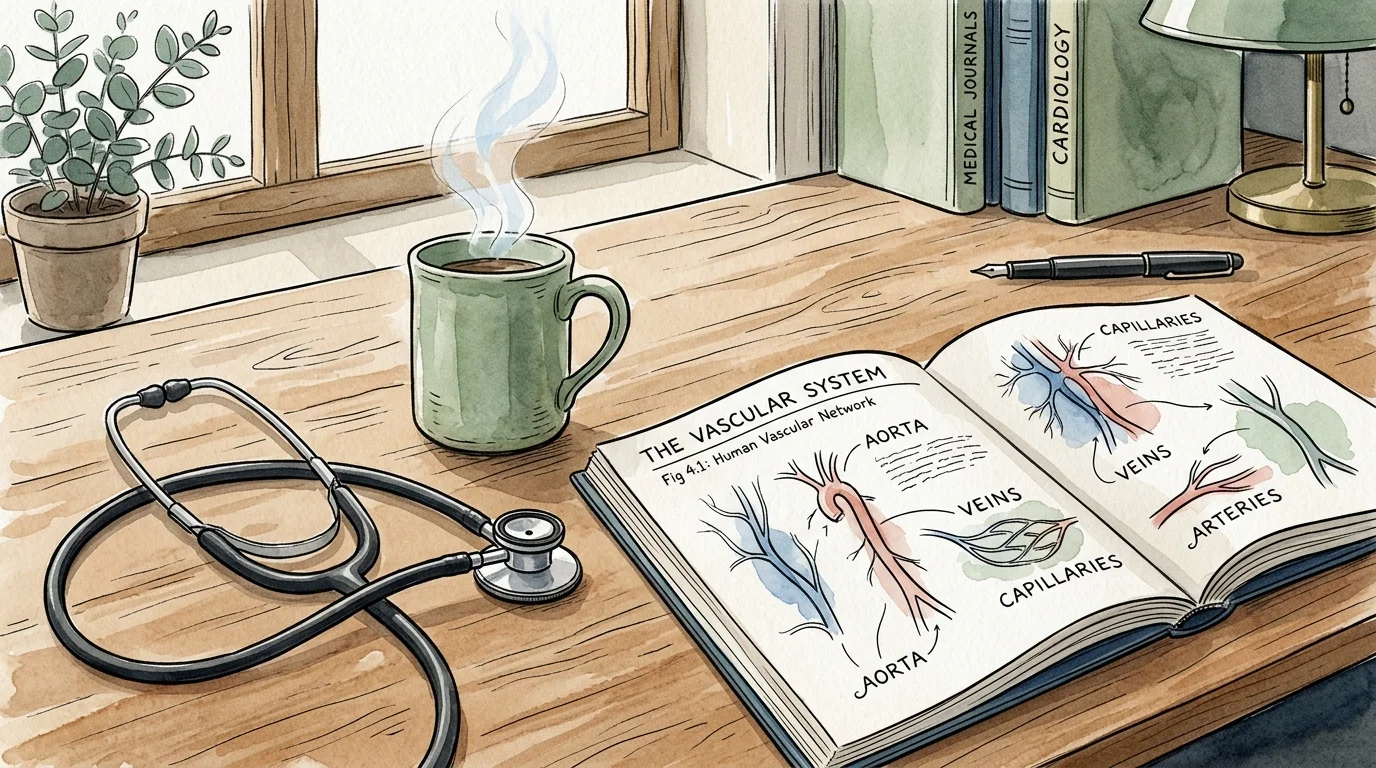
Real Voices: Insights from Clinical Experts
Vascular specialists emphasize that recognizing subtle bodily changes can preserve your long-term health. Board-certified hematologists urge patients never to hesitate when seeking emergency evaluation for unilateral leg swelling or sudden breathlessness. “Too many individuals wait days expecting calf pain to fade, mistaking deep vein thrombosis for a standard muscle cramp,” explains Dr. Ellen Richardson, a vascular medicine specialist. “Early intervention with targeted blood thinners prevents clot expansion and reduces pulmonary complications dramatically.”
Emergency physicians highlight the value of self-advocacy during urgent care or emergency room triage. If you recently completed long-distance travel, recovered from surgery, or experienced prolonged bed rest, state these factors immediately to healthcare personnel. Clear communication accelerates diagnostic testing—such as blood D-dimer tests or vascular ultrasounds—to rule out or treat clotting rapidly.
Frequently Asked Questions About Blood Clots
How can you tell the difference between a leg muscle strain and a blood clot?
A muscle strain typically follows direct exertion or exercise, and the pain resolves gradually with rest and elevation. Conversely, deep vein thrombosis symptoms develop without obvious trauma, affect only one leg, and produce persistent aching that intensifies over time. A blood clot also causes localized skin warmth, visible redness, and swelling across the calf or thigh. If severe calf pain arises without a workout injury, seek prompt medical evaluation.
Are blood clot risk factors higher for seniors than younger adults?
Yes, age represents a major risk factor for venous thromboembolism. Clinical studies show that clotting incidence escalates sharply after age 45, reaching 5 to 6 cases per 1,000 people annually by age 80. Older adults face higher rates of cardiovascular conditions, reduced mobility, and surgical procedures, all of which slow blood flow. Regular movement, proper hydration, and compression socks during travel help seniors manage risk effectively.
Can a blood clot dissolve naturally without medical treatment?
While the human body possesses natural enzymes to break down small clots, relying on natural dissolution without medical care is extremely dangerous. An untreated deep vein thrombosis can enlarge or break free, traveling to your lungs and causing a fatal pulmonary embolism. Prescription anticoagulants prevent the clot from expanding while your body gradually dissolves the blockage over several months. Always seek professional evaluation rather than waiting for symptoms to fade.
When should you worry about blood clots and seek emergency medical care?
Seek emergency medical care immediately if you experience sudden shortness of breath, sharp chest pain when inhaling, coughing up blood, a rapid pulse, or severe dizziness. These symptoms indicate a potential pulmonary embolism, which requires immediate emergency room treatment. Additionally, if you notice localized swelling, warmth, and redness in one limb after recent surgery or travel, contact your physician or visit urgent care right away.
Taking Your Next Step Toward Prevention
Safeguarding your cardiovascular wellness begins with simple, intentional choices every day. Set a recurring reminder on your phone to stand up and move for two minutes every hour while working or sitting. Take a moment to reflect on your daily routine: Are you staying hydrated and building regular movement into long sedentary periods? Discussing your personal risk factors with your doctor empowers you to take control of your health and protect your long-term wellbeing.







Leave a Reply