
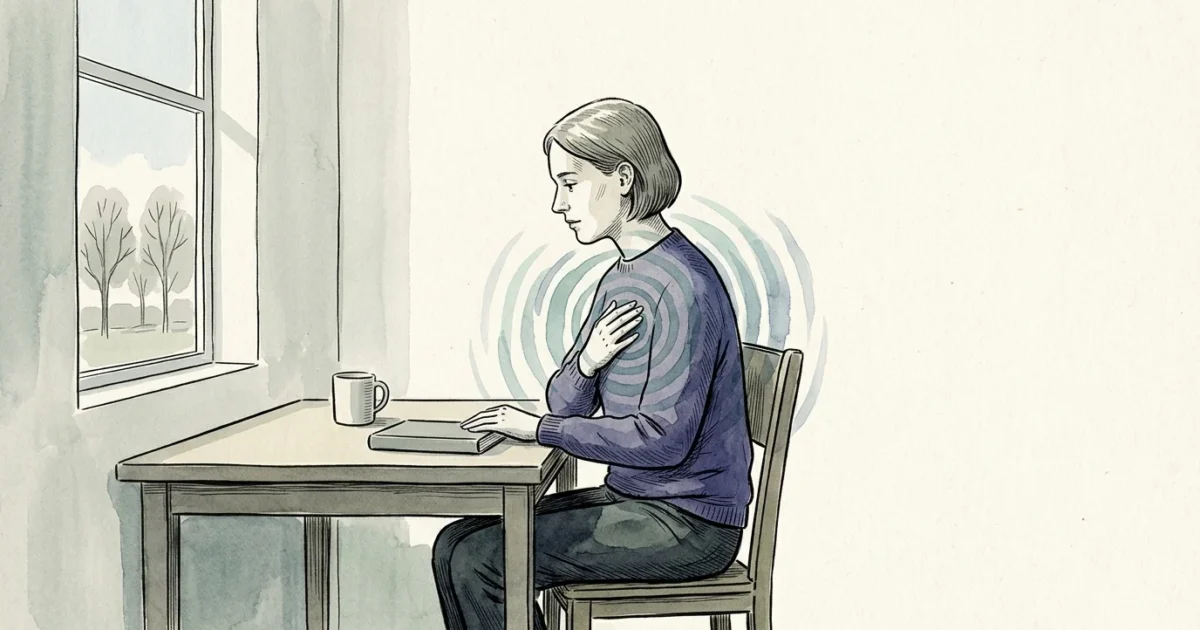
Your heart can lose its natural rhythm long before you feel a single chest flutter, quietly compromising your blood circulation without triggering classic alarm bells. Recognizing the subtle physiological shifts of a silent arrhythmia allows you to seek timely medical intervention and slash your risk of serious cardiovascular complications. While dramatic palpitations often make headlines, nearly one in three people with rhythm disorders experience no obvious racing sensations at all. Instead, your body signals trouble through quiet changes in stamina, cognition, and fluid balance. Learning to decode these muted signals gives you the power to protect your cardiovascular health and take proactive control of your long-term vitality.
The Hidden Mechanics and Dangers of Silent Arrhythmias
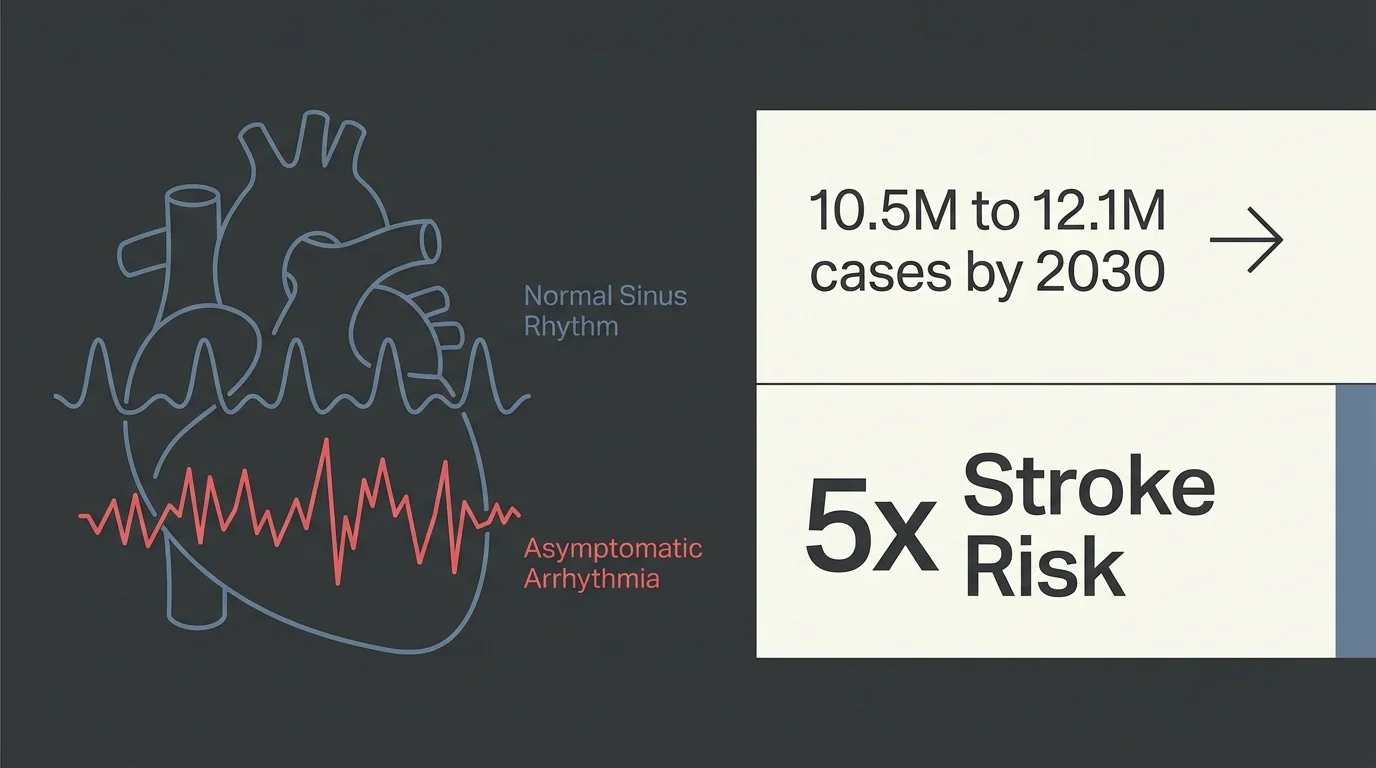
A cardiac arrhythmia occurs when the electrical impulses that coordinate your heartbeats misfire; the chambers may beat too fast, too slow, or irregularly. When these electrical disruptions happen without noticeable thumping or racing sensations in your chest, clinicians classify them as asymptomatic or silent arrhythmias. Atrial fibrillation, commonly known as AFib, represents the most widespread form of this condition. Projections published by the Centers for Disease Control and Prevention and studies in the Journal of the American College of Cardiology indicate that between 10.5 million and 12.1 million people in the United States will live with atrial fibrillation by the year 2030.
Data from global cardiology registries, including the international GLORIA-AF registry, reveal that between 20 percent and 33 percent of newly diagnosed AFib patients never felt typical symptoms before their clinical diagnosis. This silence creates a dangerous illusion of safety. Untreated irregular rhythms allow blood to pool in the upper chambers of your heart, dramatically encouraging blood clot formation. Consequently, living with undetected AFib increases your risk of an ischemic stroke fivefold compared to individuals with normal sinus rhythms.
Research published in the American Journal of Medicine demonstrates that silent arrhythmias account for roughly 20 percent to 25 percent of all cryptogenic strokes, which are strokes that occur without an otherwise identifiable cause. Beyond stroke risks, prolonged irregular rhythms force your ventricles to work inefficiently. Over time, this mechanical strain doubles your risk of all-cause mortality and triples your risk of developing congestive heart failure. Joint clinical standards from the American Heart Association guidelines emphasize that silent arrhythmias carry the exact same thromboembolic dangers as symptomatic ones; they demand prompt risk stratification and medical management regardless of whether you feel physical distress.

9 Warning Signs of a Silent Heart Arrhythmia
Because silent arrhythmias rarely produce overt chest fluttering, you must pay attention to systemic signs of low cardiac output. When your heart beats irregularly, it loses its coordinated pumping power, reducing oxygen delivery throughout your body. Here are nine subtle signs that warrant a conversation with your healthcare provider.
1. Unexplained Daytime Fatigue and Low Energy
If you experience persistent, heavy exhaustion that deep sleep fails to resolve, your cardiovascular system may be struggling to maintain adequate tissue perfusion. In a healthy heart, synchronized atrial contractions contribute up to 30 percent of total cardiac output—a physiological boost known as the atrial kick. When an irregular rhythm disrupts this kick, your working muscles and vital organs receive less oxygenated blood, leaving you feeling chronically drained during ordinary daily tasks.
2. Subtle Shortness of Breath During Routine Activities
Experiencing unexpected breathlessness while climbing a single flight of stairs, carrying groceries, or walking across a flat parking lot suggests that your heart is not keeping pace with your metabolic demands. When erratic electrical signals prevent your atria from emptying completely, blood pressure builds backward into the pulmonary veins. This pressure accumulation leads to subtle pulmonary congestion, creating a sensation of air hunger even during low-intensity movement.
3. Transient Dizziness, Lightheadedness, or Near-Syncope
Brief episodes of lightheadedness when you stand up or alter your posture can indicate transient dips in cerebral blood flow. Arrhythmias can cause sudden pauses between heartbeats or rapid, ineffective contractions that momentarily reduce the volume of blood reaching your brain. While many people dismiss these momentary dizzy spells as simple dehydration, recurring lightheadedness requires formal cardiovascular evaluation.
4. Erratic Pulse Readings on Home Monitors
Many individuals discover silent rhythm disorders through home blood pressure cuffs, pulse oximeters, or smart fitness trackers that repeatedly display irregular pulse warnings or fluctuating resting heart rates. An erratic resting pulse that jumps unpredictably between 60 and 110 beats per minute without physical exertion indicates that your heart’s natural pacemaker is misfiring. You can also detect this by manually checking your radial wrist pulse for a full sixty seconds to identify skipped beats or an irregularly irregular pattern.
5. Brain Fog and Sudden Cognitive Sluggishness
Your brain consumes roughly 20 percent of your body’s resting oxygen supply, making it extraordinarily sensitive to subtle shifts in cardiac output. When a silent arrhythmia diminishes consistent forward blood flow, you may experience difficulties with working memory, word retrieval, and executive focus. Furthermore, clinical researchers suspect that tiny, asymptomatic micro-emboli generated by sluggish atrial blood flow can cause microscopic areas of cerebral ischemia, accelerating cognitive fatigue.
6. Mild Fluid Retention and Ankle Swelling
Unexplained puffiness around your ankles, feet, or lower legs by late afternoon can signal early reductions in cardiac pumping efficiency. When an irregular rhythm impairs forward circulation, your kidneys receive less blood flow and compensate by retaining sodium and water. If your socks leave deep indentations or your shoes feel unusually tight without changes in your diet, your heart may be signaling early fluid backup.
7. Disrupted Sleep Patterns and Nighttime Awakenings
Waking up repeatedly throughout the night with a vague sense of unease, mild sweating, or unexplained restlessness can reflect nocturnal rhythm disruptions. Clinical data show an intense bidirectional link between silent cardiac arrhythmias and obstructive sleep apnea. Nocturnal oxygen drops trigger surges in sympathetic nervous system activity; these adrenaline spikes irritate cardiac tissue and spark irregular electrical firing while you sleep.
8. Sudden Reductions in Exercise Stamina
If your standard workout suddenly feels insurmountable or your cardiovascular endurance drops sharply over a few weeks, your heart rate may be failing to adapt appropriately to exertion. Silent arrhythmias impair chronotropic competence—your heart’s ability to increase its rate smoothly in response to exercise. You may notice your muscles burning prematurely or your recovery taking twice as long as usual after familiar physical activities.
9. Vague Chest Discomfort or Epigastric Pressure
Silent arrhythmias do not always cause dramatic chest pain; instead, they often manifest as dull, ill-defined pressure in your lower chest or upper abdomen. Many people mistakenly attribute this mild discomfort to acid reflux, indigestion, or muscular strain. However, when your heart muscle beats erratically, coronary artery perfusion can fluctuate, generating brief episodes of subclinical myocardial ischemia that mimic digestive upset.

Clinical Perspectives on Identifying Undetected Arrhythmias
Cardiologists frequently observe that the term silent arrhythmia is somewhat of a misnomer; the symptoms exist, but individuals gradually adapt their lifestyles to compensate for them. Dr. Andrea Russo, a prominent electrophysiologist and past president of the Heart Rhythm Society, has repeatedly emphasized that patients often unconsciously scale back their physical activities, blaming normal aging for fatigue and breathlessness when an underlying rhythm disturbance is the true culprit.
Clinical guidelines from the National Heart, Lung, and Blood Institute highlight opportunistic screening as a primary defense against arrhythmia-induced stroke. By checking your pulse manually or reviewing wearable heart data regularly, you provide clinicians with actionable clues that justify diagnostic investigations such as ambulatory electrocardiogram patches. Early medical detection allows your physician to calculate your thromboembolic risk score and prescribe evidence-based therapies before an unexpected health crisis occurs.

Holistic Strategies to Support Rhythm Stability and Heart Health
Managing your cardiovascular health requires a dual approach: vigilant clinical partnership alongside sustainable, daily lifestyle choices. While medical treatments stabilize erratic electrical pathways, holistic lifestyle modifications optimize your internal environment, reducing myocardial irritability and supporting long-term vascular resilience.
Pillar 1: Targeted Electrolyte and Nutritional Balance
Your heart cells rely on precise concentrations of minerals—specifically potassium, magnesium, and sodium—to conduct electrical impulses smoothly. Low intracellular magnesium levels increase cellular excitability, making the heart far more vulnerable to ectopic beats. Focus your daily nutrition on whole foods rich in these vital minerals, including dark leafy greens, pumpkin seeds, avocados, lentils, and wild-caught fish. Concurrently, minimize your consumption of ultra-processed foods, which flood your bloodstream with excess sodium while depleting potassium reserves. Limit alcohol intake strictly; medical studies demonstrate that even moderate alcohol consumption can trigger electrical remodeling in the left atrium and precipitate arrhythmia episodes.
Pillar 2: Intelligent Movement and Cardiovascular Pacing
Regular physical movement strengthens your myocardium and improves autonomic nervous system balance. Aim for at least 150 minutes of moderate-intensity aerobic exercise each week, such as brisk walking, swimming, or cycling at a conversational pace. This level of activity enhances vascular compliance without placing extreme oxidative strain on your atria. Avoid sudden transitions into high-intensity, unaccustomed endurance training, which can cause acute atrial stretching and provoke rhythm instability. Always listen to your body and incorporate structured warm-up and cool-down periods to allow your heart rate to adjust smoothly.
Pillar 3: Autonomic Nervous System Regulation and Stress Modulation
Chronic psychological stress keeps your body locked in a sympathetic fight-or-flight state, flooding your bloodstream with cortisol and catecholamines that raise your resting heart rate and irritate cardiac tissue. Activating your parasympathetic rest-and-digest response through the vagus nerve helps lower myocardial irritability. Practice slow, diaphragmatic breathing for ten minutes each morning: inhale deeply through your nose for four seconds, hold gently for two seconds, and exhale slowly through your mouth for six seconds. Prioritize consistent sleep hygiene by maintaining a dark, cool bedroom and addressing snoring or daytime sleepiness with a formal sleep evaluation.
Pillar 4: Proactive Diagnostic Collaboration
If you suspect an irregular rhythm, partner immediately with a qualified healthcare professional. Your doctor can employ diagnostic tools ranging from a standard 12-lead electrocardiogram (ECG) to continuous, wearable patch monitors that track your rhythm over seven to fourteen days. If your physician confirms an arrhythmia, they will evaluate your stroke risk using clinical matrices like the CHA₂DS₂-VASc scoring system. This assessment determines whether you require oral anticoagulants, rate-controlling medications, or specialized electrophysiology procedures such as catheter ablation to restore and maintain your natural sinus rhythm.
Frequently Asked Questions About Silent Heart Arrhythmias
Can commercial smartwatches reliably diagnose a silent arrhythmia?
Commercial smartwatches and wearable fitness bands feature sophisticated photoplethysmography sensors and single-lead ECG capabilities that can detect irregular pulse patterns with high sensitivity. However, these consumer devices are screening tools rather than definitive diagnostic instruments. If your wearable alerts you to an irregular rhythm, export the recorded ECG strip and present it to your physician for formal clinical verification and follow-up testing.
Is an occasional skipped heartbeat dangerous?
Most individuals experience isolated premature atrial contractions (PACs) or premature ventricular contractions (PVCs) occasionally; these isolated skipped beats are typically benign and often triggered by stress, caffeine, or lack of sleep. However, when irregular beats occur frequently, sustain themselves for minutes or hours, or accompany fatigue and lightheadedness, they require professional medical assessment to rule out underlying structural heart disease or atrial fibrillation.
Why do I need blood thinners if my silent arrhythmia causes no physical pain?
Thromboembolic risk in atrial fibrillation is driven by mechanical blood stasis in the left atrial appendage, not by the severity of your physical symptoms. Even if you feel completely normal, uncoordinated atrial contractions permit microscopic clot formation. If a clot dislodges and travels to your brain, it causes an ischemic stroke. Anticoagulation therapy significantly lowers this risk by preventing clot formation inside the heart chambers.
What initial tests will a doctor perform to investigate an irregular heartbeat?
Your physician will begin with a thorough physical examination, a resting 12-lead ECG, and comprehensive blood tests to evaluate thyroid function, kidney performance, and electrolyte balance. Depending on your initial findings, they may order an echocardiogram to visualize your heart’s structural anatomy and prescribe an ambulatory Holter or patch monitor to capture intermittent electrical anomalies during your normal daily routine.
Your Next Step Toward Cardiovascular Clarity
Protecting your heart against silent rhythm disorders starts with self-awareness and proactive clinical engagement. Take a manageable first step tomorrow morning: before getting out of bed, locate your radial pulse on the inside of your wrist and count the beats for sixty seconds. Note whether the rhythm feels steady and rhythmic like a clock, or erratic and unpredictable. Reflect on your recent energy levels, mental clarity, and exercise recovery over the past few months. If you notice persistent irregularities or uncharacteristic fatigue, schedule an appointment with your healthcare provider to discuss your observations and safeguard your long-term cardiovascular health.







Leave a Reply