

Knowing your blood lipid levels gives you direct control over your long-term cardiovascular health and daily energy. When circulating triglycerides climb, your metabolism often displays subtle clues before serious complications arise.
According to federal public health data, nearly one in four adults lives with elevated circulating blood fats without realizing it. Identifying these patterns empowers you to protect your arterial wellness and metabolic function.
Learning these eight recognizable warning signs helps you identify potential cardiovascular risks early and partner effectively with your healthcare provider.
Understanding Triglycerides and Systemic Metabolic Health
Triglycerides represent the primary form of fat stored throughout your body and circulating bloodstream. Your physiology packages surplus calories from daily meals into these lipid droplets to supply cellular energy between meals.
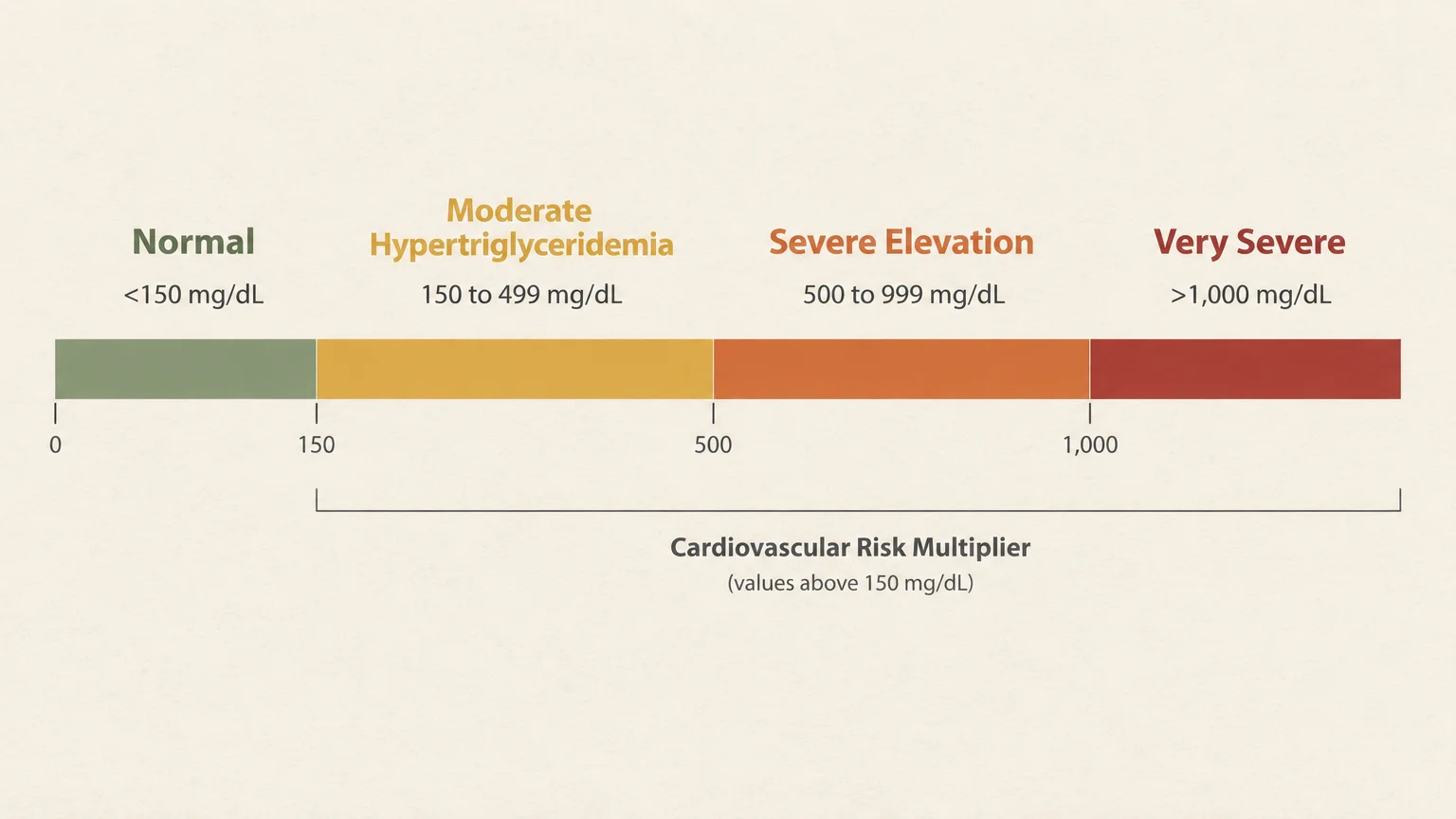
Clinical guidelines classify fasting levels below 150 mg/dL as normal, while 150 to 499 mg/dL represents moderate hypertriglyceridemia. Severe elevations span 500 to 999 mg/dL, and values exceeding 1,000 mg/dL signal very severe risk requiring immediate clinical intervention.
Surveillance data from the Centers for Disease Control and Prevention indicate that nearly 25 percent of American adults—roughly 57 million people—have elevated triglycerides. Because moderate hypertriglyceridemia remains asymptomatic, most individuals experience silent cardiovascular strain without noticing any overt physical distress.
The American College of Cardiology highlights elevated triglycerides as a major cardiovascular risk enhancer, recommending assessment via the PREVENT risk calculator starting at age 30. This tool evaluates systemic lipid patterns alongside metabolic markers to project long-term cardiovascular outcomes.

8 Signs Your Triglycerides Need a Closer Look
1. Expanding Waist Circumference and Abdominal Weight
Carrying excess weight around your midsection often serves as the most visible outward marker of elevated blood lipids. Visceral adipose tissue actively releases free fatty acids directly into your portal circulation.
A waist measurement exceeding 40 inches for men or 35 inches for women frequently signals metabolic disturbance. This abdominal fat accumulation prompts your liver to synthesize and release excess triglyceride-rich lipoproteins into circulation.
2. Chronic Sluggishness After Carbohydrate-Dense Meals
Experiencing severe fatigue shortly after consuming refined carbohydrates or sweetened drinks signals impaired substrate clearance. When your body struggles to process dietary sugars, hepatic lipid synthesis surges rapidly.
This metabolic bottleneck causes marked fluctuations in cellular fuel delivery, leaving your tissues starved for steady energy while blood lipids accumulate. Persistent postprandial fatigue suggests your metabolic machinery requires a thorough medical evaluation.
3. Elevated Fasting Blood Glucose and Insulin Resistance
Triglyceride metabolism remains intimately linked to blood glucose regulation. A fasting glucose reading of 100 mg/dL or higher indicates that your cells have grown resistant to insulin.
When insulin resistance develops, adipose tissue continuously leaks fatty acids into your bloodstream. Your liver rapidly repackages these free fatty acids into very low-density lipoproteins (VLDL), steadily increasing your laboratory triglyceride counts.
4. A Stubbornly Low HDL Cholesterol Reading
Standard lipid panels frequently reveal a reciprocal relationship between high-density lipoprotein (HDL) and circulating triglycerides. When triglyceride levels climb, an enzyme called cholesteryl ester transfer protein actively depletes your protective HDL particles.
An HDL measurement dropping below 40 mg/dL in men or 50 mg/dL in women strongly signals this atherogenic lipid exchange. Clinicians frequently evaluate a high triglyceride-to-HDL ratio as a primary indicator of vascular risk.
5. Upper-Right Abdominal Fullness or Tenderness
When blood lipid concentrations remain chronically elevated, surplus triglycerides accumulate within liver cells, causing hepatic steatosis. Over time, this progressive fat accumulation enlarges both your liver and your spleen.
This enlargement—known clinically as hepatosplenomegaly—frequently creates a persistent sensation of fullness or dull discomfort beneath your right rib cage. A routine ultrasound or hepatic enzyme panel can confirm whether lipid infiltration causes your symptoms.
6. Sudden Eruptions of Small Yellow Skin Bumps
Severe hypertriglyceridemia can manifest visibly as sudden crops of small, firm, yellowish-red papules across your skin. Known clinically as eruptive xanthomas, these lesions typically appear on the buttocks, shoulders, elbows, and knees.
These distinctive skin papules arise when circulating triglyceride levels surpass 1,000 to 2,000 mg/dL, causing lipid leakage into subcutaneous tissues. If you observe these sudden bumps, consult a physician immediately for urgent blood lipid testing.
7. Distinctive Eyelid Deposits and Subtle Corneal Rings
Your eyes can reveal subtle clues regarding systemic lipid transport. Xanthelasma presents as soft, yellowish fatty deposits that form along the inner corners of your upper and lower eyelids.
Similarly, a whitish-gray circular ring developing around the outer edge of your cornea—known as corneal arcus—indicates systemic lipid deposition. While these ocular signs can appear benignly with advanced age, they warrant comprehensive lipid testing in younger adults.
8. Sudden, Radiating Upper Abdominal Pain
The most dangerous clinical sign associated with extreme triglyceride elevation is acute pancreatitis. When circulating levels surpass 500 mg/dL, and especially when they exceed 1,000 mg/dL, pancreatic microcirculation suffers toxic enzymatic breakdown.
This severe inflammation produces intense, sudden upper abdominal pain that frequently radiates straight through to your back. The pain is typically accompanied by persistent vomiting, intractable nausea, and rapid pulse, demanding immediate emergency room care.

Clinician Perspectives on Early Detection
Preventive cardiologists emphasize that waiting for physical symptoms exposes individuals to avoidable vascular damage. Most people living with moderate hypertriglyceridemia feel entirely healthy while their arterial walls endure ongoing inflammatory stress.
Medical specialists stress that standard fasting lipid panels remain the only reliable diagnostic tool for identifying elevated lipids early. Incorporating advanced lipid testing allows healthcare teams to tailor prevention plans before arterial plaque hardens within coronary vessels.
Registered dietitians note that elevated triglycerides respond remarkably fast to structured lifestyle adjustments. Small, consistent modifications to daily meal composition often trigger rapid improvements in circulating blood fats within several weeks.

Evidence-Based Pillars to Lower Your Numbers Naturally
Restoring healthy blood lipid levels does not require extreme overhauls that disrupt your entire life. Implementing targeted, evidence-based habits across key physiological areas systematically clears excess lipids from your bloodstream.
Pillar 1: Targeted Nutritional Shifts
Dietary carbohydrates exert a profound, immediate influence on hepatic triglyceride synthesis. When you consume refined starches and added sweeteners, your liver converts surplus glucose and fructose directly into circulating fats.
Clinical trials demonstrate that eliminating high-fructose corn syrup and sucrose can drop blood triglyceride concentrations by 20 to 50 percent in carbohydrate-sensitive individuals. Focus on replacing sweetened beverages with water, herbal infusions, or unsweetened sparkling mineral water.
Prioritize soluble dietary fiber from oats, legumes, and seeds while incorporating cold-water fatty fish like wild salmon and sardines. These nutrient-dense foods supply marine omega-3 fatty acids that actively suppress hepatic VLDL production.
Research indexed by the National Institutes of Health confirms that modest, sustained weight reduction yields immense metabolic rewards. Losing just 5 to 10 percent of your baseline body weight can lower circulating triglycerides by approximately 20 percent.
Pillar 2: Consistent, Purposeful Movement
Skeletal muscle acts as your body’s primary metabolic sink for circulating glucose and fatty acids. Engaging your large muscle groups activates lipoprotein lipase, an essential vascular enzyme that breaks down circulating triglycerides for immediate cellular energy.
Guidelines from the American Heart Association recommend accumulating at least 150 minutes of moderate-intensity aerobic exercise or 75 minutes of vigorous activity each week. Meeting these movement targets can reduce your circulating triglyceride concentrations by 20 to 30 percent.
Brisk daily walking produces measurable benefits without grueling regimens. Taking a brisk 15-minute walk immediately following meals blunts postprandial glucose spikes and limits downstream lipid synthesis.
Pillar 3: Strategic Medical Collaboration
While lifestyle strategies establish your metabolic foundation, severe hypertriglyceridemia frequently requires targeted medical support. Genetic variations in lipid processing enzymes can elevate baseline concentrations regardless of dietary adherence.
Your physician may recommend prescription-strength omega-3 fatty acid formulations, fibrates, or statin therapy to safeguard your cardiovascular health. Collaborating with your medical provider ensures that your treatment plan aligns with your comprehensive metabolic risk profile.
Frequently Asked Questions About Triglycerides
What is the difference between cholesterol and triglycerides?
Both molecules are essential lipids circulating through your bloodstream, but they perform distinct physiological functions. Cholesterol constructs cellular membranes and synthesizes steroid hormones, whereas triglycerides store unused calories to deliver cellular energy.
While excess cholesterol primarily embeds within arterial walls to form atherosclerotic plaques, elevated triglycerides signal broader systemic metabolic dysfunction and accelerate vascular stiffening. Both lipids require careful management to ensure lifelong arterial wellness.
Can drinking alcohol spike my triglyceride levels quickly?
Yes, alcohol exerts a potent, immediate stimulatory effect on hepatic triglyceride production. When you ingest alcohol, your liver prioritizes metabolizing ethanol, which temporarily suppresses normal fatty acid oxidation.
Even moderate alcohol intake can trigger sharp triglyceride spikes in individuals with pre-existing metabolic vulnerabilities. If your laboratory readings are elevated, temporarily eliminating alcoholic drinks often produces rapid numerical improvements.
How quickly can lifestyle changes lower elevated triglycerides?
Triglyceride concentrations respond far more rapidly to behavioral modifications than LDL cholesterol levels typically do. Significant reductions often register on laboratory blood tests within two to four weeks after eliminating added sugars and alcohol.
Sustaining these nutritional adjustments alongside regular physical activity allows your metabolism to achieve a new, stable baseline over three to six months. Your doctor can recheck your fasting lipid panel to monitor your objective progress.
When should I seek immediate medical care for high triglycerides?
You must seek immediate emergency medical care if you experience sudden, severe upper abdominal pain that radiates to your back. This symptom pattern—especially when accompanied by persistent vomiting, fever, or a rapid heart rate—strongly suggests acute pancreatitis.
Similarly, the sudden appearance of yellowish papules across your skin or unexplained vision changes requires prompt clinical evaluation. Treating severe hypertriglyceridemia rapidly prevents permanent organ damage and stabilizes systemic lipid levels safely.
Taking Your First Manageable Step Forward
Navigating blood lipid health can feel overwhelming when viewing complex laboratory panels and clinical guidelines. Transforming your metabolic health does not require perfection; it begins with one sustainable, deliberate choice.
Your most effective initial step is scheduling a comprehensive fasting lipid panel with your primary care provider. Having accurate, baseline measurements allows you and your healthcare team to establish realistic, tailored cardiovascular goals.
As you await your appointment, reflect on your daily routines and current nutritional habits. Which single adjustment—whether replacing an evening sugary dessert with herbal tea or taking a daily brisk walk—feels most achievable for you today?
By listening to subtle physiological signals and partnering proactively with your healthcare provider, you safeguard your arterial vitality. Consistent, compassionate care for your metabolic foundation delivers dividends that last a lifetime.







Leave a Reply