

The Medicare drug cap directly limits your financial liability at the pharmacy counter. Starting in 2027, the prescription cost limit locks your covered medication expenses at a maximum of $2,400.
This landmark protection offers financial security, but rising deductibles and premium adjustments require strategic budgeting. You can safeguard your savings and wellbeing by preparing for these structural changes now.
Understanding how the part d out of pocket cap 2027 operates ensures you avoid surprise pharmacy bills. Exploring these adjustments empowers you to take complete control of your medical budget.

Science Snapshot: Financial Health and Medication Adherence
Clinical researchers have long documented the damaging link between prescription costs and chronic disease management. When out-of-pocket costs rise unexpectedly, many patients ration pills or delay refilling essential medications.
A review published by the National Institutes of Health indicates that financial distress accelerates disease progression. Cost-related non-adherence significantly increases hospital admissions and emergency room visits.
Predictable spending caps directly combat financial toxicity. Capping drug costs allows patients to adhere to therapeutic regimens consistently, which stabilizes chronic conditions and prevents complications.
Removing financial barriers also lowers psychological distress. Chronic financial worry elevates systemic cortisol levels, which negatively affects immune function and blood pressure regulation.
When you can count on stable medication costs, your mental load drops substantially. Peace of mind allows you to focus your daily energy on restorative health habits.
Securing steady access to necessary medications preserves your physical health while protecting your family savings. Financial stability forms an essential pillar of your total physical wellness.
1. Absolute Spending Protection Once You Reach the $2,400 Cap
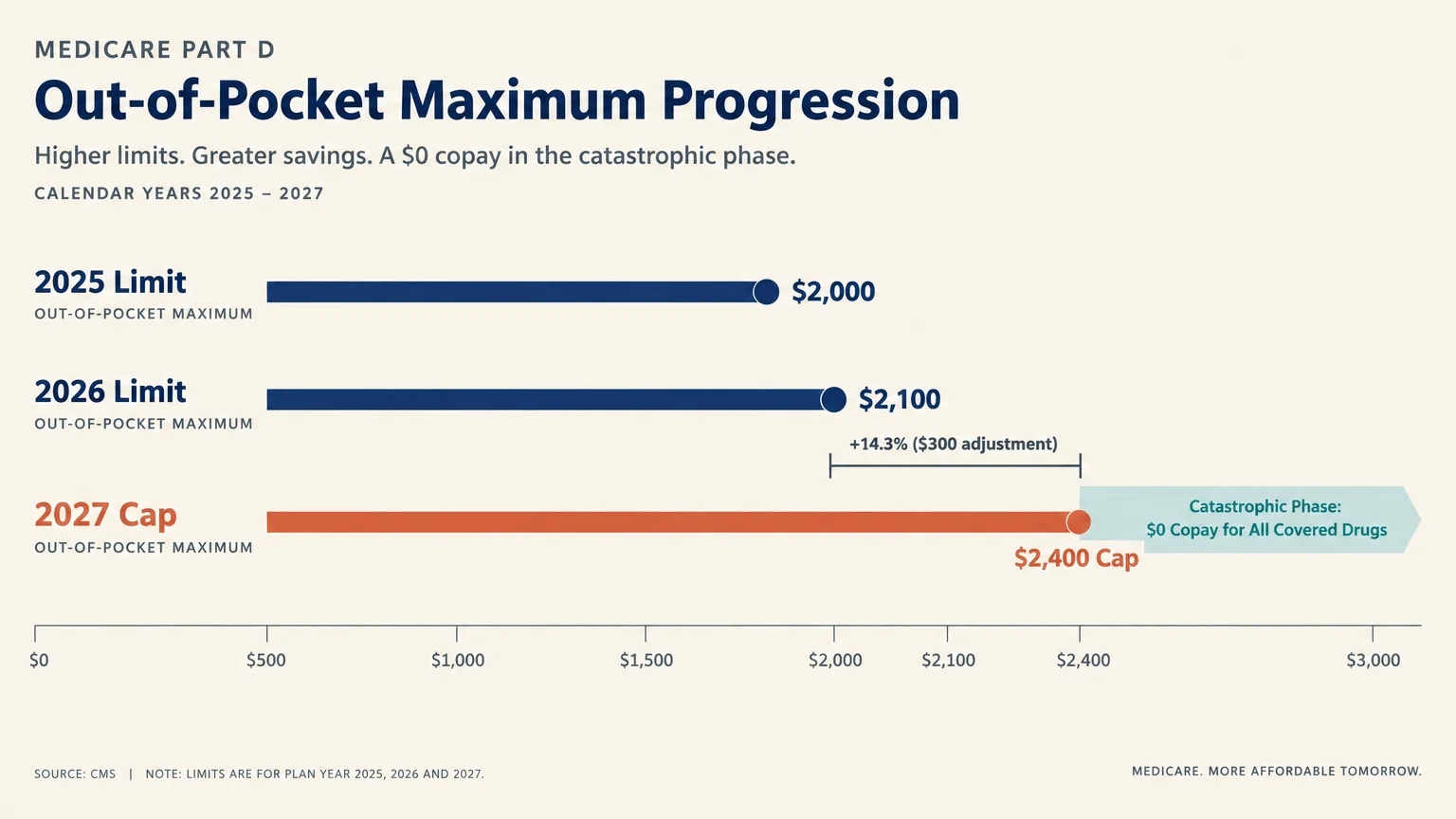
The primary benefit of the restructured Medicare benefit is the $2400 drug cap. Once your spending on covered medications hits this threshold, you enter the catastrophic coverage stage.
During catastrophic coverage, you pay $0 for your covered Part D prescriptions for the rest of the calendar year. This provision guarantees that your covered drug expenses cannot spiral out of control.
This threshold represents a $300 increase from the $2,100 limit in 2026. The adjustment marks a 14.3% rise over the prior year benefit structure.
For context, this annual out-of-pocket maximum began at $2,000 when the original federal reforms took effect in 2025. Annual adjustments reflect underlying changes in national per capita prescription drug spending.
Once you enter catastrophic coverage, the $0 copayment applies equally to covered generic and brand-name drugs. You face no additional cost-sharing regardless of how expensive your refills remain.
If you manage complex conditions requiring brand-name biologics or specialized therapies, you will likely reach this cap early. Achieving $0 cost-sharing provides immense peace of mind for the remaining calendar months.
You can structure your annual finances around this absolute limit, knowing exactly what your worst-case medication spending will be.

2. Navigating the Higher $700 Annual Deductible
While the upper spending limit provides vital relief, the upfront cost of your care will climb. The standard maximum annual deductible for Part D plans increases to $700 in 2027.
This figure reflects an $85 increase from the $615 maximum deductible permitted in 2026. That adjustment amounts to a 13.8% increase for beneficiaries enrolled in standard design plans.
You must pay this deductible entirely out of pocket before your insurance plan begins sharing costs. While insurance carriers may offer plans with lower or $0 deductibles, many standard plans apply the full amount.
If you take multiple maintenance medications, you could encounter this entire $700 deductible during your first pharmacy trip in January. This sudden expense can surprise an unprepared household budget.
Fortunately, some insurance plans exempt low-cost preferred generic drugs from the deductible entirely. Checking your plan formulary helps you identify whether your daily prescriptions qualify for immediate low copayments.
Setting aside savings late in the year helps cushion this immediate January cost spike.
3. Steady 25% Coinsurance Throughout Initial Coverage
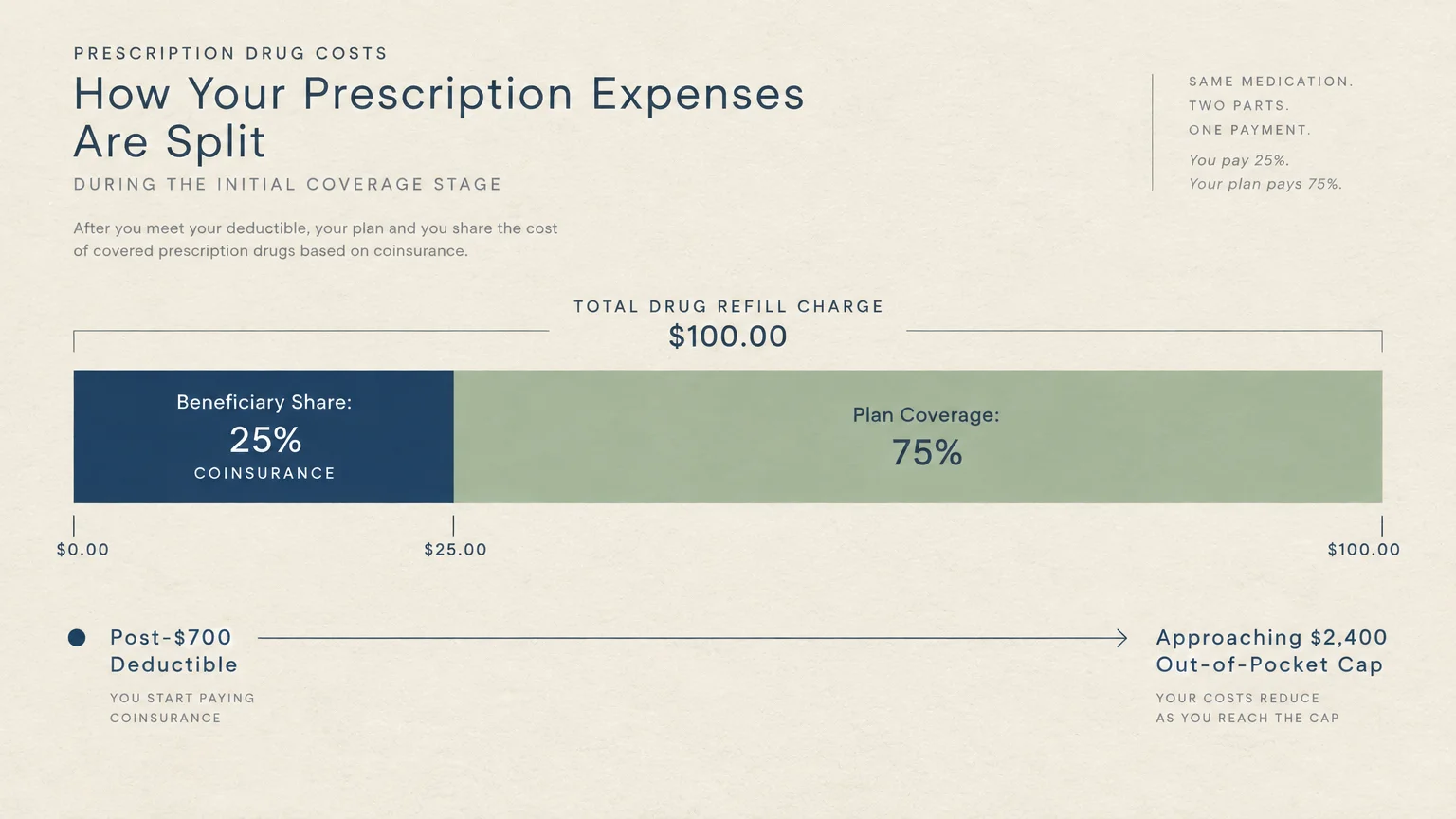
After you satisfy your deductible, you enter the initial coverage phase of your Part D benefit. In this phase, you pay a standard 25% coinsurance for covered generic and brand-name drugs.
You continue paying this 25% coinsurance rate until your accumulated out-of-pocket costs reach the $2,400 cap. This steady rate eliminates the unpredictable pricing shifts that once defined Medicare coverage.
The dreaded coverage gap, widely known as the donut hole, remains permanently eliminated. You no longer need to worry about entering a sudden coverage chasm where your medication copayments skyrocket.
Calculating your expenses in this phase remains simple and transparent. If your covered medication has a negotiated price of $100, your out-of-pocket cost is exactly $25.
This coinsurance model ensures that you pay a predictable proportion rather than arbitrary tier copays. You can review negotiated prices directly through your insurer member portal.
This consistent 25% cost-sharing makes projecting your monthly drug spending straightforward and reliable throughout the year.

4. Spreading Expenses with the Medicare Prescription Payment Plan
To help you manage high upfront deductibles and coinsurance, Medicare offers the Medicare Prescription Payment Plan. Every Part D insurer must offer this voluntary program without charging interest or fees.
Both standalone prescription plans and Medicare Advantage plans with drug coverage must provide this payment option to all enrollees.
When you opt into the program, you pay $0 at the pharmacy counter when picking up your prescriptions. Instead, your insurance provider bills you a monthly payment that spreads your costs across the remaining year.
This mechanism protects you from paying the entire $700 deductible and high initial coinsurance in a single calendar month. Your expenses smooth out across all remaining months of the year.
Enrolling requires no credit check, and plans cannot deny you access based on your financial history. Any Medicare Part D beneficiary can join this payment program at any time.
Beneficiaries who face high prescription costs early in the year gain the most advantage from this smoothing program. Enrolling early in the plan year maximizes the number of months available to spread your expenses.
Contacting your plan administrator allows you to enroll in this option before your January refills are due.

5. Managing Base Premium Increases and Market Repricing
Your monthly premium is an essential component of your overall annual healthcare budget. The Centers for Medicare & Medicaid Services calculated the 2027 National Base Beneficiary Premium at $41.33.
Furthermore, the National Average Monthly Bid Amount reached $296.05, representing the average underlying cost for plan sponsors to provide Part D coverage.
Major regulatory shifts are impacting monthly plan costs. CMS officially concluded the temporary Part D Premium Stabilization Demonstration, which injected $9.8 billion in subsidies during 2025 and 2026.
Those emergency federal subsidies previously kept standalone prescription plan premiums artificially low. Without these subsidies, many insurers are raising monthly premiums to cover higher carrier liabilities.
An analysis from KFF reveals that roughly 4 million beneficiaries who enjoyed $0 premiums in 2026 could face monthly premiums up to $50 in 2027.
Medicare Advantage plans may absorb some cost shifts by utilizing federal rebate dollars. Standalone drug plans, however, carry fewer funding mechanisms to offset these premium increases directly.
If you remain passively enrolled in your current plan, premium hikes could erode your anticipated part d cap savings. Reviewing available plan options every autumn protects you from unexpected premium inflation.
6. Comparing Cap Adjustments Against the 2027 Social Security COLA
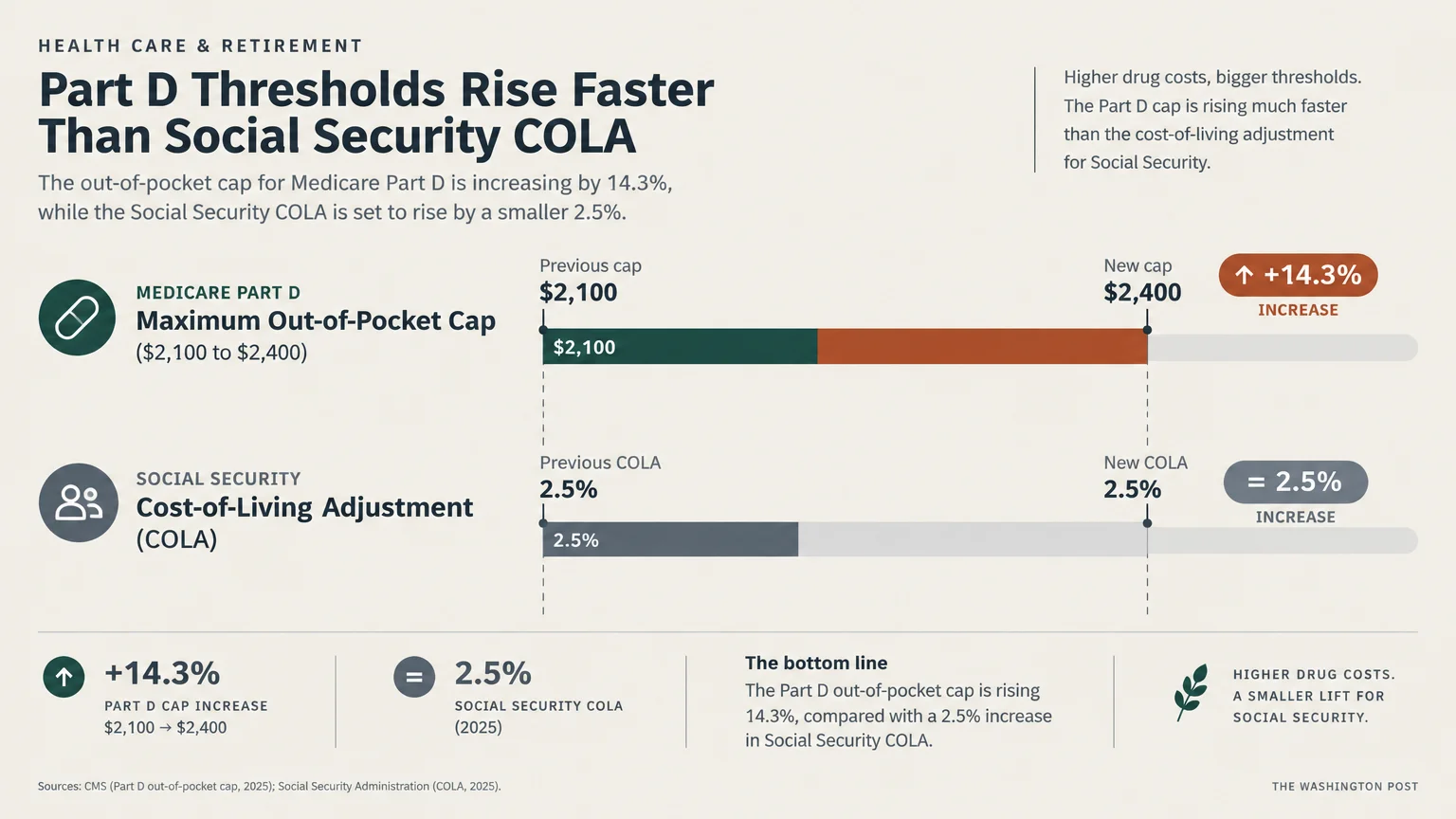
Examining how healthcare inflation compares to income growth reveals critical budgeting considerations. The 14.3% increase in the out-of-pocket cap outpaces the 2027 Social Security Cost-of-Living Adjustment.
The Social Security Administration established the 2027 COLA increase at 3.6%. For the average retiree, this adjustment provides an additional monthly boost of roughly $75.
Because the drug cap grew nearly four times faster than the COLA increase, healthcare expenses could easily outstrip retirement income gains.
The $300 rise in the annual cap means you may need to direct a larger share of your income toward pharmacy counters. Budgeting for this gap prevents other household necessities from being compromised.
When fixed income gains lag behind healthcare cost growth, compounding expenses can create subtle financial strain. Tracking small increases across several budget categories protects your financial independence.
Allocating your monthly COLA increase toward a dedicated healthcare fund helps ensure you stay ahead of potential medical cost increases.

7. Tracking Your True Out-of-Pocket Balance and Mid-Year Rollovers
Reaching the $2,400 cap requires an accurate understanding of what counts as True Out-of-Pocket spending. In Medicare regulations, this running total is known as your TrOOP balance.
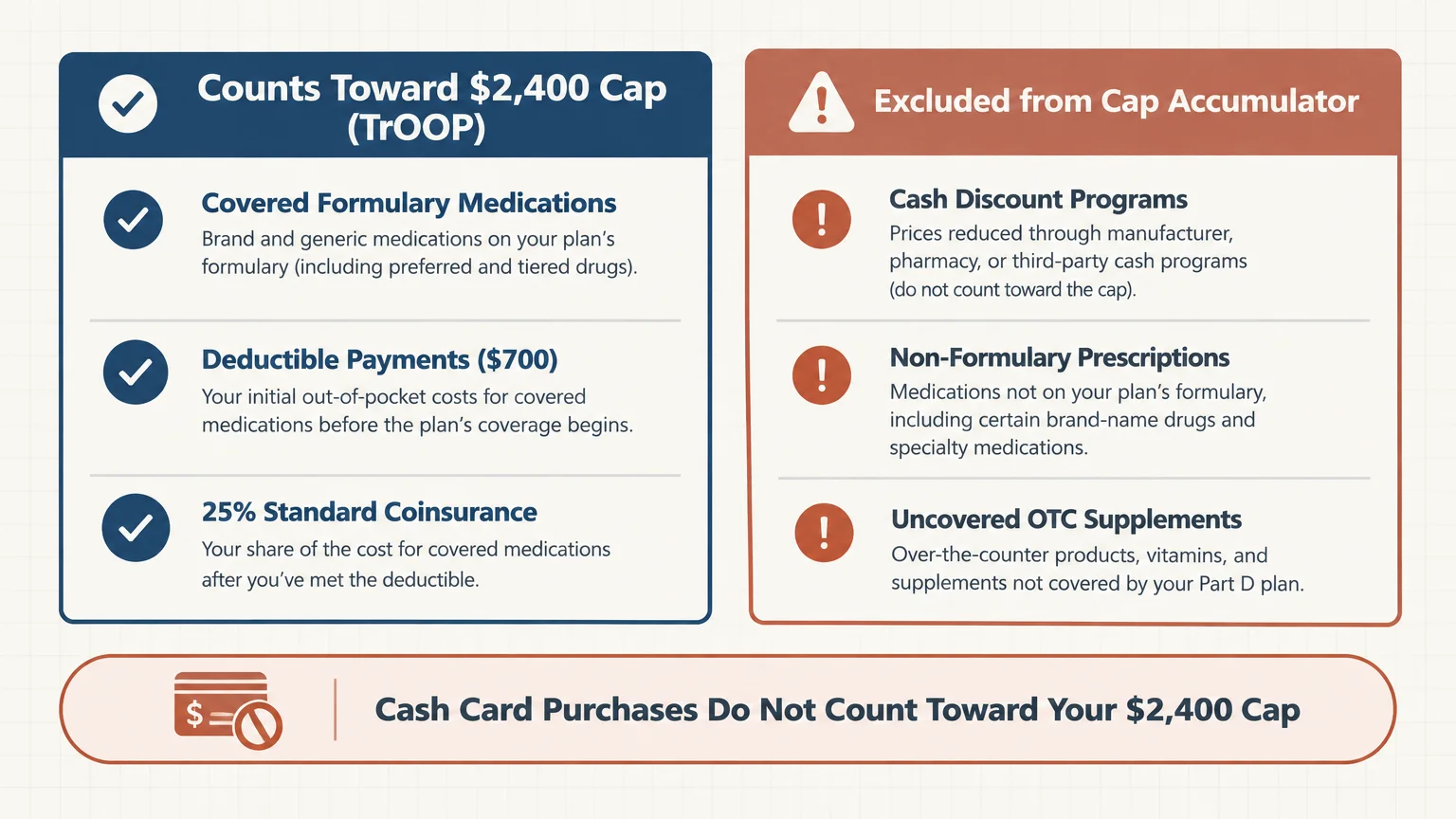
Payments that count toward your TrOOP balance include your annual deductible, copayments, and the 25% coinsurance for covered medications.
In addition, financial assistance paid on your behalf through the federal Extra Help program counts toward your TrOOP accumulation. Payments from State Pharmaceutical Assistance Programs also apply directly toward this annual ceiling.
A major structural protection involves mid-year plan transitions. If you switch Medicare plans during the year due to moving or qualifying life events, your accumulated TrOOP balance transfers to your new plan.
You do not lose your financial progress toward the $2,400 cap when your new coverage begins. Medicare systems coordinate behind the scenes to credit your prior payments automatically.
Reviewing your monthly Explanation of Benefits statements allows you to monitor your TrOOP balance and verify that every payment registers correctly.
8. Navigating Excluded Expenses and Cash Discount Cards
Not every prescription transaction moves you closer to the $2,400 safety net. Knowing which costs are excluded protects you from unexpected budget shortfalls.
Monthly plan premiums never count toward your TrOOP balance. Similarly, any medications excluded from your insurer formulary do not contribute toward your annual cap.
Medications administered directly by clinicians in an outpatient setting fall under Medicare Part B rather than Part D. These provider-administered infusions follow separate coinsurance rules and do not count toward your cap.
Cash purchases made using commercial discount cards or online coupons bypass the Medicare system entirely. Even transactions through the federal TrumpRx.gov discount coupon portal do not count toward your $2,400 limit.
Additionally, the $50 monthly copayment for the Medicare GLP-1 Bridge weight-loss drug pilot program is explicitly excluded from your TrOOP accumulation.
If your doctor prescribes an excluded medication, you can request a formulary exception through your insurer. Approved exceptions allow your payments to count toward the out-of-pocket cap.
While outside discount programs may offer immediate savings, relying on them exclusively delays your path toward $0 catastrophic coverage.

9. Utilizing Insulin Caps and Free Preventive Vaccines
Essential medications retain specific legal protections that shield your wallet regardless of your deductible status. Covered insulin products remain capped at a maximum of $35 per month per covered prescription.
If 25% of the negotiated maximum fair price is less than $35, you pay that lower amount instead. This rule applies even if you have not met your $700 deductible.
Preventive adult vaccines receive even stronger cost protections under federal law. Vaccines recommended by the Centers for Disease Control and Prevention Advisory Committee on Immunization Practices are available at $0 cost-sharing.
This benefit covers essential adult vaccines including shingles, RSV, tetanus, and influenza immunizations. You owe no copayment, no coinsurance, and no deductible for these approved shots.
Obtaining your vaccines at an in-network pharmacy avoids unexpected clinical administration fees. Retail pharmacists can process these immunizations directly through your Part D coverage at zero expense.
These specific carve-outs protect your critical maintenance care from broad deductible adjustments and fluctuating coinsurance rates.

Holistic Strategy Pillars to Reduce Medical Spending
Managing your medication budget effectively involves pairing smart insurance planning with sustainable lifestyle practices. Adopting healthy daily habits strengthens your physiology and can reduce your dependence on complex drug therapies.
Nutritional Strategies for Metabolic Resilience
High-quality nutrition plays a fundamental role in controlling chronic cardiometabolic conditions. Emphasizing whole, unprocessed foods helps regulate blood sugar, lower arterial pressure, and reduce systemic inflammation.
Diets rich in leafy vegetables, legumes, whole grains, and healthy fats support natural endothelial function. These nutritional patterns improve cellular insulin sensitivity across all age groups.
Consulting a registered dietitian nutritionist allows you to build a structured meal strategy that complements your medical therapies. Professional nutritional counseling provides personalized guidance tailored to your specific metabolic needs.
Over time, consistent dietary adjustments can improve clinical biomarkers like hemoglobin A1c and lipid profiles. Positive biomarker trends give your physician opportunities to safely lower medication dosages.
Preparing fresh meals at home also cuts down on sodium and preservative intake found in processed fare. Mindful grocery choices yield substantial health returns that support your drug budget.
Functional Movement for Musculoskeletal and Cardiovascular Health
Daily physical movement preserves cardiovascular endurance and protects joint mobility as you age. Regular moderate activity stimulates circulation, supports healthy body composition, and enhances metabolic efficiency.
Engaging in low-impact activities like swimming, walking, and light resistance training strengthens skeletal muscles without overloading sensitive joints. Strong muscles alleviate mechanical stress on arthritic knees and hips.
Working with a licensed physical therapist ensures you perform exercises with correct biomechanics to prevent injury. Structured movement programs often reduce chronic pain and diminish reliance on anti-inflammatory drugs.
Regular balance exercises also prevent accidental falls, reducing the likelihood of costly orthopedic procedures. Protecting your mobility preserves your physical independence as you age.
Making physical activity an enjoyable daily habit provides powerful protection for both your physical vitality and long-term healthcare finances.
Mindset, Sleep Hygiene, and Nervous System Balance
Chronic emotional stress and sleep deprivation directly aggravate systemic health issues. Persistent psychological distress triggers autonomic nervous system arousal, elevating heart rate and blood glucose levels.
Implementing evidence-based stress-reduction techniques such as mindfulness meditation and diaphragmatic breathing lowers sympathetic tone. These daily practices activate the parasympathetic nervous system, fostering recovery and cellular repair.
Prioritizing eight hours of restorative sleep each night supports cognitive function and balances hormone regulation. Consistent sleep hygiene reduces daytime fatigue and lowers the risk of mood-related complications.
Maintaining strong social connections further supports cognitive resilience and emotional equilibrium. Engaging with community groups buffers against the harmful physiological effects of chronic loneliness.
Addressing nervous system stress naturally can reduce your need for prescription sleep aids and mild anxiolytics over time.
Collaborative Medical Care and Annual Medication Audits
Proactive collaboration with your healthcare team is essential for safe and cost-effective treatment. Scheduling a comprehensive medication review with your primary care provider or clinical pharmacist helps identify redundant prescriptions.
Polypharmacy can increase the risk of adverse drug interactions and unnecessary out-of-pocket spending. During your audit, ask whether generic alternatives or therapeutic substitutions are available for your costliest drugs.
Keeping an updated personal medication binder helps your specialists coordinate their prescribing decisions. Sharing this comprehensive record avoids duplicate prescriptions across different medical practices.
Your physician can evaluate whether specific maintenance medications can be safely tapered or deprescribed as your lifestyle interventions succeed.
Always consult your physician before discontinuing any medication or adjusting your dosage. Collaborative medical oversight ensures that your health remains protected at every step.

Open Enrollment Timelines and Formulary Audits
Securing the best coverage requires proactive engagement during the annual enrollment window. The Medicare Fall Open Enrollment Period runs from October 15 through December 7, 2026.
Any plan changes or new enrollments you select during this window take effect on January 1, 2027. Missing this deadline locks you into your current plan for the entire calendar year unless you qualify for a special exception.
Insurance carriers revise their formularies and tier structures every year. A plan that offered favorable pricing for your maintenance drugs last year might reassign them to a higher coinsurance tier.
Log into the official Medicare plan finder tool during open enrollment to enter your exact medication dosages. The tool compares total out-of-pocket estimates across every plan available in your zip code.
Pay special attention to utilization management restrictions such as prior authorization or step therapy rules. Understanding these administrative requirements prevents unexpected delays when refilling your prescriptions in January.
Performing this annual audit guarantees that your plan design aligns with your expected treatments, maximizing your part d cap savings.

Real Voices: Clinical and Patient Perspectives
Clinicians and patients alike report significant transformations following the implementation of capped drug spending. Physicians observe that predictable spending limits dramatically improve patient follow-through on complex treatment plans.
One practicing geriatrician noted that her patients no longer skip critical doses due to unexpected pharmacy bills. Patients now approach their care with greater peace of mind and confidence.
Clinical pharmacists emphasize that predictable costs prevent the severe medical crises that stem from medication rationing. When patients take maintenance therapies consistently, avoidable hospital admissions decrease dramatically.
Patient advocates highlight how removing catastrophic coinsurance restores financial stability to vulnerable households. Older adults can maintain their therapy routines without sacrificing basic nutritional or heating needs.
These real-world experiences demonstrate that structured cost limits provide medical security alongside substantial economic relief.
Frequently Asked Questions
How does the part d out of pocket cap 2027 benefit individuals with chronic illnesses?
The cap establishes a strict $2,400 spending limit for covered drugs, eliminating catastrophic coinsurance for the remainder of the year. Once you reach that threshold, your out-of-pocket medication expenses drop to $0.
This structure protects patients who require costly specialty drugs or brand-name biologic therapies from open-ended financial liability. Consult your doctor to ensure that your specific therapies are listed on your plan formulary.
Because catastrophic spending is capped, chronic disease patients can pursue advanced therapeutic protocols without fearing financial ruin. Always verify your specific medications on the formulary each autumn.
Can I use the Medicare Prescription Payment Plan if I take inexpensive generic drugs?
The program is open to all Part D enrollees, but it offers the greatest utility to those with high upfront drug expenses. If your monthly medication costs are small and predictable, standard retail payments may remain more straightforward.
The plan simply spreads your existing out-of-pocket expenses across the calendar year without altering total costs. Speak with a licensed benefit counselor to evaluate if smoothed payments match your budget.
If your prescriptions total only a few dollars each month, spreading those costs creates unnecessary paperwork. Evaluate your projected monthly spending before opting into this program.
Why do some discount card purchases fail to count toward the $2400 drug cap?
Federal regulations require expenses to flow through standard Part D claims processing to accumulate toward your TrOOP balance. Commercial coupons, third-party discount cards, and TrumpRx.gov transactions operate outside the Medicare system.
While cash discount options might seem cheaper at the register, they do not bring you closer to $0 catastrophic coverage. Review your total annual drug projections before opting to pay cash outside your insurance.
If you anticipate reaching the annual cap, running all covered medications through your insurance benefit remains the wiser long-term strategy. Discuss cash alternatives with your pharmacist.
What happens to my TrOOP balance if I change Part D plans during the year?
Your accumulated out-of-pocket total transfers automatically to your new insurance plan when you experience a qualifying enrollment change. Medicare tracks your spending through centralized systems to preserve your progress toward the $2,400 cap.
You do not need to restart your deductible or initial coinsurance phases with your new carrier. Keep records of your pharmacy receipts to verify that your transferred balance updates properly.
Retaining copies of your previous Explanation of Benefits ensures you can promptly resolve any accounting discrepancies with your new carrier. Coordination protects your accumulated coverage progress.
Next Steps for Your Healthcare Budget
Managing your healthcare expenses begins with organized preparation well ahead of open enrollment. Gather your current prescription bottles and record each medication name, dosage, and monthly refill frequency.
Compare your medication list against competing plan formularies between October 15 and December 7, 2026. This review ensures your coverage balances premium costs against deductible and coinsurance requirements.
Consult your primary care clinician or pharmacist to discuss potential deprescribing opportunities or lower-cost generic alternatives. Collaborative medical discussions can unlock significant savings before the plan year begins.
Take time to reflect on your daily lifestyle practices and consider how nutrition and movement can bolster your vitality. Proactive self-care and informed financial planning work together to sustain your long-term health.









Leave a Reply