

Choosing where to live in retirement requires prioritizing exceptional clinical care alongside warm weather and scenery. Securing top-tier medical access early preserves both your physical vitality and your lifelong independence.
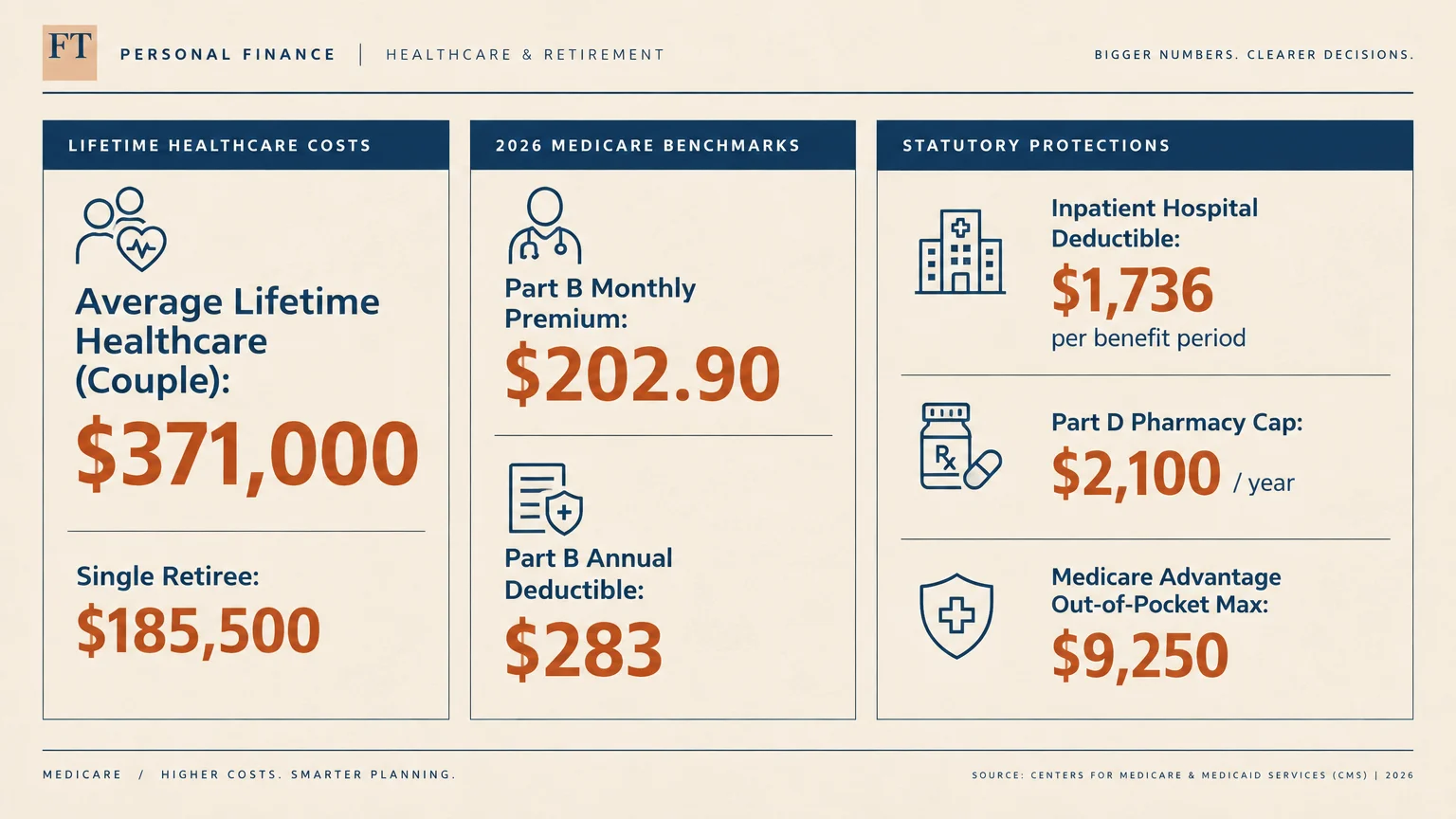
Recent financial data indicates an average 65-year-old retiree needs approximately $185,500 to cover lifetime healthcare expenses. For a married couple, that estimate climbs to $371,000 across their post-work years.
Proximity to world-class hospital systems directly reduces costly travel burdens and shields your nest egg. Discover which twenty American cities offer the finest medical ecosystems for your next chapter.
The Financial Reality of Healthcare in Retirement
Healthcare quality makes up 16 percent of the overall evaluation score in national retirement destination rankings. Selecting a community with robust hospital networks protects both your wellness and your accumulated wealth.
The latest estimates show healthcare costs rose 7.5 percent over previous benchmarks. You must navigate baseline out-of-pocket limits alongside regular medical consultations.
In 2026, the standard Medicare Part B monthly premium is $202.90, paired with an annual deductible of $283. You can review exact coverage rules through the Centers for Medicare and Medicaid Services guidelines.
Beneficiaries also encounter an inpatient hospital deductible of $1,736 per benefit period under Part A. Furthermore, federal rules cap maximum in-network Medicare Advantage out-of-pocket costs at $9,250 annually.
Fortunately, federal prescription drug caps keep your Part D out-of-pocket pharmacy expenses at $2,100 per year. Living near premier medical centers ensures you maximize these benefits with minimal transit stress.
20 U.S. Cities With the Best Health Care for Retirees
These metropolitan destinations deliver unmatched medical infrastructure, cutting-edge therapies, and dense networks of experienced geriatric specialists.
1. Rochester, Minnesota
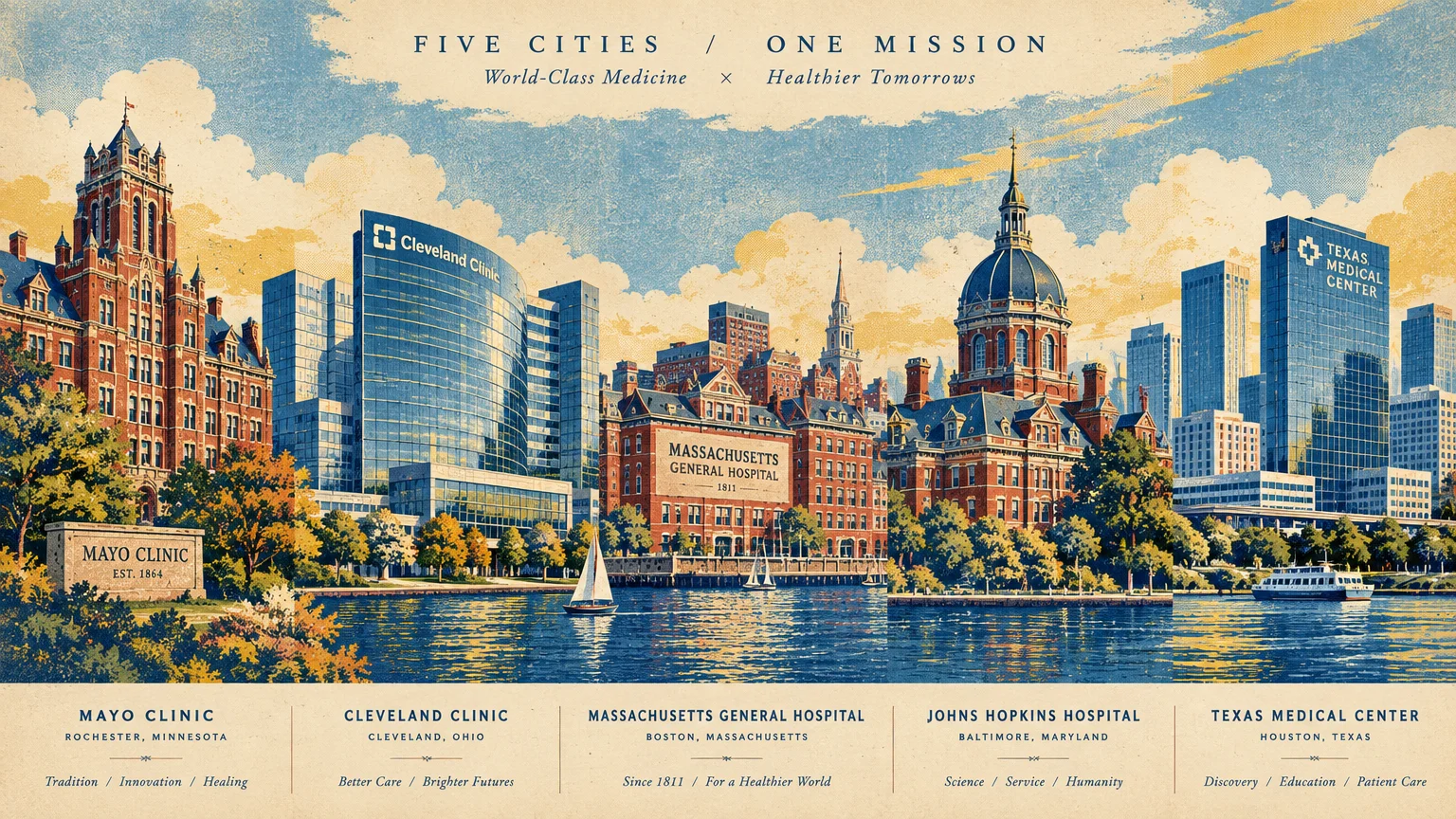
Rochester serves as the flagship home of the Mayo Clinic, consistently recognized among the top academic health systems in the nation.
You gain immediate access to world-class specialty care, comprehensive diagnostic centers, and innovative outpatient rehabilitation clinics.
2. Cleveland, Ohio
Cleveland houses the famous Cleveland Clinic, which has maintained national Honor Roll standing for thirty-six consecutive years.
The city offers globally renowned cardiovascular surgery and preventative cardiac programs within an accessible, affordable Midwestern hub.
3. Boston, Massachusetts
Boston features two top-tier clinical anchors in Massachusetts General Hospital and Brigham and Women’s Hospital.
You benefit from the highest concentration of specialized clinicians in New England, supported by prestigious university medical networks.
4. Baltimore, Maryland
Baltimore is home to The Johns Hopkins Hospital, a world-famous institution known for pioneering clinical breakthroughs and complex care management.
Retirees find extensive outpatient clinics and dedicated geriatric centers distributed conveniently throughout the metropolitan area.
5. Houston, Texas
Houston hosts the Texas Medical Center, widely recognized as the largest unified medical district in the world.
You can receive cutting-edge treatment at Houston Methodist Hospital or access premier cancer therapy through MD Anderson Cancer Center.
These institutions collaborate directly with National Cancer Institute comprehensive cancer centers nationwide to deliver groundbreaking clinical protocols.
6. New York, New York
New York City features three national Honor Roll institutions: NYU Langone Hospitals, NewYork-Presbyterian Hospital, and Mount Sinai Hospital.
Extensive mass transit enables seamless navigation to top specialist appointments across the metropolitan area without requiring personal driving.
7. Philadelphia, Pennsylvania
Philadelphia is anchored by the Hospital of the University of Pennsylvania, frequently celebrated for outstanding geriatric medicine and surgical programs.
The city pairs rich historic charm and accessible rail transit with advanced clinical research and senior health facilities.
8. Chicago, Illinois
Chicago delivers elite medical care through Northwestern Medicine Northwestern Memorial Hospital and Rush University Medical Center.
Rush University ranks at the top of regional benchmarks for specialized orthopedic care, joint replacement, and neurology.
9. Ann Arbor, Michigan
Ann Arbor features University of Michigan Health, the sole hospital system in Michigan earning national Honor Roll recognition.
Retirees enjoy a vibrant cultural atmosphere combined with elite preventative health services and university-sponsored wellness initiatives.
10. Phoenix and Scottsdale, Arizona
This sun-drenched region features Mayo Clinic Arizona, which offers exceptional tertiary care tailored to older adults.
You can pair an active warm-weather lifestyle with an expansive regional network of specialized geriatric care facilities.
11. Jacksonville, Florida
Jacksonville claims Mayo Clinic Florida, ranked as the top medical center in the state and an Honor Roll recipient.
Retirees find outstanding specialty practices, favorable tax advantages, and warm coastal recreation all within a single welcoming community.
12. Los Angeles, California
Los Angeles is home to two world-class facilities: Cedars-Sinai Medical Center and UCLA Ronald Reagan Medical Center.
Patients access innovative clinical trials supported by National Institutes of Health clinical research programs across the region.
13. San Francisco and the Bay Area, California
The Bay Area features UCSF Medical Center alongside Stanford Health Care located in nearby Palo Alto.
These academic health systems lead the nation in precision oncology, neurodegenerative disease management, and integrative geriatric care.
14. San Diego, California
San Diego provides access to UC San Diego Health, recently elevated to the national Honor Roll.
Mild year-round temperatures encourage daily walking routines that complement the region’s excellent chronic disease management programs.
15. Pittsburgh, Pennsylvania
Pittsburgh provides outstanding healthcare through the University of Pittsburgh Medical Center and Allegheny Health Network.
Retirees appreciate the city’s remarkably low living costs paired with internationally respected organ transplant and cardiovascular departments.
16. Durham, Raleigh, and Chapel Hill, North Carolina
North Carolina’s Research Triangle boasts Duke University Hospital and UNC Hospitals as dominant regional clinical powerhouses.
The region consistently earns premier scores on national healthcare benchmarks evaluating geriatric outcomes and routine specialist availability.
17. St. Louis, Missouri
St. Louis features Barnes-Jewish Hospital and Washington University, serving as the premier medical referral center across the central Midwest.
You receive high-caliber oncology, cardiology, and neurological therapies while benefiting from reasonable Midwestern living costs.
18. Minneapolis and St. Paul, Minnesota
The Twin Cities offer Abbott Northwestern Hospital alongside the University of Minnesota Medical Center.
State-level health initiatives promote outstanding preventative medicine, keeping senior community health outcomes among the highest nationwide.
19. Nashville, Tennessee
Nashville provides exceptional clinical capabilities through Vanderbilt University Medical Center, the primary referral and transplant hub in the Southeast.
Retirees enjoy vibrant cultural amenities and zero state income tax while staying close to sophisticated medical specialists.
20. Denver and Aurora, Colorado
The Denver metropolitan area hosts UCHealth University of Colorado Hospital and National Jewish Health.
National Jewish Health stands as the premier respiratory hospital in the country, providing crucial care for seniors with lung conditions.

Three Actionable Pillars for Lifelong Senior Health
While living near elite hospitals creates peace of mind, daily self-care practices build your fundamental physical resilience.
Pillar 1: Anti-Inflammatory Nutrition for Healthy Aging
Prioritize nutrient-dense whole foods that combat systemic inflammation and sustain cognitive performance as the decades pass.
Emphasize colorful vegetables, clean proteins, and healthy fats to protect arterial function and preserve lean muscle mass.
Work directly with a registered dietitian nutritionist to personalize your daily macronutrients for optimal digestive and metabolic balance.
Pillar 2: Functional Movement and Stability Training
Daily functional exercise preserves balance, maintains bone density, and substantially lowers your risk of accidental falls.
Incorporate resistance training twice weekly alongside brisk walking routines through accessible, pedestrian-friendly neighborhoods.
Consult the Centers for Disease Control and Prevention guidelines to tailor physical activity goals to your current abilities.
Pillar 3: Active Healthcare Navigation and Advocacy
Cultivate an active relationship with an attentive primary care physician who coordinates seamlessly across your specialized care team.
Maintain organized electronic records of your clinical history, recent diagnostic screenings, and current medication schedules.
Familiarize yourself with recognized geriatric healthcare standards so you can advocate effectively during medical consultations.

Clinical Perspectives on Choosing Your Healthcare Base
Geriatric specialists emphasize that clinical proximity must be matched with continuous communication between your care providers.
Physicians frequently point out that preventative outpatient visits produce far superior long-term results compared to emergency interventions.
Before completing a permanent relocation, schedule exploratory consultations with local primary care doctors and regional specialists.
Establishing your local medical home early ensures seamless continuity of care without stressful interruptions to essential therapies.
Frequently Asked Questions About Retiree Healthcare
How do I transfer my medical records when moving?
Request digital copies of your complete medical charts, recent diagnostic scans, and medication lists from current providers.
Most premier hospital systems securely transmit records through unified patient portals before your initial scheduled consultation.
Does Medicare cover my treatments across state lines?
Original Medicare Parts A and B provide seamless nationwide coverage at participating facilities across every state.
If you use Medicare Advantage, you will need to enroll in a regional network serving your new residential county.
How does hospital proximity affect senior health outcomes?
Shorter transit times to specialized trauma and cardiac centers significantly improve recovery chances during sudden acute emergencies.
Proximity also simplifies routine outpatient follow-ups, reducing physical fatigue and transportation stress for both you and your caregivers.
When should I transition care to a geriatrician?
Consult a board-certified geriatrician when managing multiple chronic illnesses, complex prescription regimens, or mobility challenges.
A specialized geriatric assessment personalizes your clinical plan while emphasizing independence and day-to-day functional well-being.
Taking Your Next Step Toward Healthy Living
Selecting a retirement home near premier healthcare resources empowers you to pursue your passions with genuine peace of mind.
Take time this week to review your current healthcare coverage, specialist access, and personal wellness goals with your family.
Which of these twenty dynamic cities best matches your personal vision for an active, well-supported future?









Leave a Reply