

You can easily mistake prescription drug side effects for normal aging when memory slips, fatigue lingers, or balance falters. Recognizing these subtle medication reactions restores your vitality and prevents dangerous health complications.
Aging bodies process pharmaceuticals differently than younger bodies. Slower kidney function, reduced liver clearance, and changing body water ratios cause standard drug doses to linger in your system much longer than expected.
When new physical limitations appear, do not assume your body is simply wearing out. Often, the real culprit hides inside your daily pill organizer.
Why Everyday Symptoms Get Blamed on the Calendar
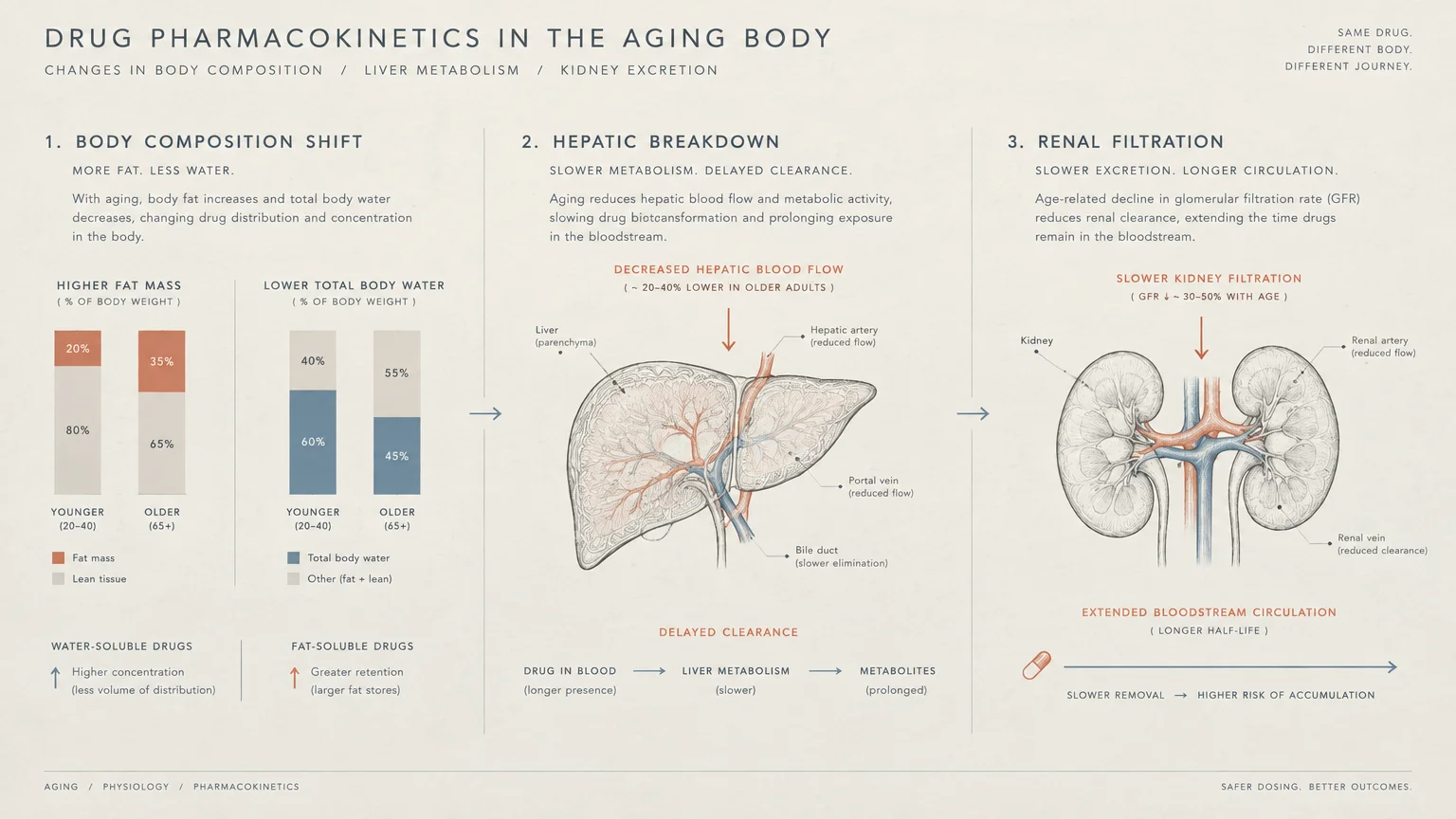
Physiological changes alter drug pharmacokinetics as you advance through adulthood. Your body composition shifts toward higher fat mass and lower total body water.
This shift concentrates water-soluble drugs while fat-soluble compounds stay in your system longer. Consequently, standard dosages build up to toxic levels over time.
Decreased hepatic blood flow further delays the metabolic breakdown of common pharmaceuticals. Your liver requires extra time to neutralize everyday compounds.
At the same time, your kidneys filter therapeutic waste products more slowly. When clearance rates drop, active medications circulate in your bloodstream for extended hours.
Doctors frequently misinterpret these elevated drug levels as inevitable biological decline. Patients also accept functional losses without questioning their daily prescriptions.
Living with chronic discomfort is not the price of longevity. Re-evaluating your medication regimen can often restore physical and mental ease.

8 Signs of Medication Side Effects You Should Never Ignore
1. Brain Fog, Memory Lapses, and Sudden Confusion
Forgetting appointments or misplacing your keys may feel like early dementia. However, common medications often disrupt neurotransmitters critical for focus and memory retention.
Anticholinergic drugs block acetylcholine, a vital chemical messenger that regulates learning and mental speed. Many allergy remedies, bladder treatments, and sleep aids carry heavy anticholinergic properties.
The American Geriatrics Society actively warns against these compounds in older populations. Their Beers Criteria guidelines emphasize that cognitive clouding frequently stems from pharmacological toxicity rather than degenerative brain disease.
Sedatives and tranquilizers also slow central nervous system processing. Benzodiazepines and non-benzodiazepine sleep aids impair cognitive recall and daily executive functioning.
Blood pressure medications can cause acute mental slowing if they reduce cerebral blood flow too aggressively. Ensuring your blood pressure stays balanced prevents oxygen deprivation in brain tissue.
Steroids can trigger racing thoughts, acute confusion, or fragmented concentration. These powerful anti-inflammatory compounds profoundly alter brain chemistry within days of starting therapy.
If you notice sudden or fluctuating confusion, assess your medicine cabinet immediately. Reversible drug toxicity resolves once a doctor adjusts or discontinues the problematic prescription.
Keeping a daily cognitive journal helps you track when mental fuzziness peaks. Correlating those foggy periods with pill times provides clear evidence for your clinician.
2. Overwhelming Fatigue and Daytime Drowsiness
Waking up exhausted after eight hours of sleep should prompt an evaluation of your daily regimens. Many people assume aging drains natural vitality, but drugs often cause chronic lethargy.
Beta-blockers prescribed for heart conditions slow cardiac output and blunt the body’s adrenaline response. While this mechanism protects the cardiovascular system, it frequently leaves you physically depleted.
Muscle relaxants and nerve pain drugs dampen spinal cord reflexes and cerebral arousal pathways. Gabapentinoids commonly trigger profound daytime drowsiness that impairs your daily activities.
Antihistamines taken for seasonal allergies or nighttime sleep cross the blood-brain barrier with ease. First-generation antihistamines produce heavy hangover effects that persist long into the afternoon.
Statin therapies for cholesterol control can disrupt cellular mitochondrial energy production in rare instances. This disruption leads to generalized physical weakness and persistent systemic fatigue.
Antidepressants that promote sedation can also disrupt restorative slow-wave sleep cycles. Even though you stay in bed all night, the drug robs you of deep cellular rejuvenation.
Discussing daytime sluggishness with your physician can reveal simple timing or dosage adjustments. Shifting a pill to bedtime or switching to an alternative class often restores your energy.
Never accept perpetual exhaustion as your new normal. Restoring your daytime alertness often requires simply pruning away sedating chemicals.
3. Dizziness, Lightheadedness, and Postural Instability
Standing up from your favorite chair should not cause the room to spin. Postural instability and dizzy spells frequently indicate drug-induced orthostatic hypotension.
Vasodilators and antihypertensive agents relax vascular walls to lower arterial pressure. If they relax blood vessels too effectively, blood pools in your lower limbs when you stand.
Diuretics eliminate excess fluid to ease the workload on your heart. However, mild dehydration from over-diuresis sharply reduces circulating blood volume, provoking dizziness.
Prostate medications, particularly alpha-blockers, also relax smooth muscle tissue around blood vessels. This side effect causes sudden drops in blood pressure during routine posture changes.
Tricyclic antidepressants and certain antipsychotic drugs further compromise your autonomic vascular reflexes. These agents block alpha-adrenergic receptors, amplifying positional lightheadedness.
Inner-ear toxicities from specific high-dose diuretics or aminoglycosides can disrupt your vestibular balance mechanisms. This ototoxicity makes you feel chronically uncentered even when sitting completely still.
Check your standing and seated blood pressure at home with an automated cuff. Recording these readings gives your doctor the clinical data needed to calibrate your prescriptions safely.
Drinking a glass of water before rising can provide temporary support for your blood volume. However, permanent relief comes from tailoring your medication doses.
4. Unsteadiness, Muscle Weakness, and Frequent Falls
Losing your footing is not an inevitable milestone of advancing years. In reality, pharmaceutical side effects trigger an enormous percentage of balance failures in older adults.
Data from the Centers for Disease Control and Prevention highlights that adverse drug events cause extensive emergency visits every year. Balance impairments from sedatives and psychotropic drugs directly multiply your risk of falling.
Drugs that impair balance, known as fall-risk-increasing drugs, dull proprioception and slow protective motor reflexes. When your foot clips a rug, sedated nerves cannot execute rapid corrective stepping.
Skeletal muscle relaxers weaken peripheral stabilizing muscles around the hips and knees. This chemical weakness destabilizes your gait and makes uneven surfaces hazardous to navigate.
Polypharmacy elevates fall risk exponentially through combined neurochemical suppression. Taking multiple psychotropic or cardiovascular pills simultaneously degrades motor coordination and depth perception.
Long-acting sleep medications remain in joint tissues and brain pathways well past morning awakening. This residual pharmacological overhang causes stumbles during early-morning bathroom trips.
Preserving physical independence requires a proactive evaluation of gait stability. Eliminating sedating medications often restores balance far more effectively than using a walking cane.
Physical therapy can rebuild muscle tone, but clearing your regimen removes the true catalyst. Stable balance returns when your central nervous system operates free from heavy sedation.
5. Persistent Dry Mouth and Dental Difficulties
A parched mouth does not simply reflect poor hydration habits. Over four hundred commonly prescribed drugs actively reduce salivary gland output as an unintended side effect.
Anticholinergic medications, bladder antispasmodics, and tricyclic antidepressants dry mucosal membranes by blocking parasympathetic nerve impulses. Salivary glands cannot generate lubricating fluids without these biochemical signals.
Saliva serves as your mouth’s natural defense against tooth decay and fungal infections. Chronic dry mouth accelerates dental cavities, gum inflammation, and uncomfortable oral ulcers.
Chewing and swallowing dry foods becomes increasingly difficult when saliva production drops. This discomfort often leads individuals to skip meals, triggering unintentional weight loss and malnutrition.
Inhalers containing corticosteroids can also cause localized oral dryness and hoarseness. Rinsing your mouth thoroughly after each inhalation helps minimize these localized tissue reactions.
Decongestants constrict microvessels supplying the salivary glands, exacerbating tissue dehydration. Combining over-the-counter cold formulas with daily prescription medications worsens the dryness dramatically.
Sip water consistently, chew xylitol gum, and request an oral health medication check. Changing problematic therapies can revitalize natural salivary flow and safeguard your teeth.
Your dentist can often spot early signs of drug-induced dry mouth before you do. Working closely with dental and medical providers protects your oral structures.
6. Chronic Constipation and Digestive Distress
Sluggish bowel motility is frequently blamed on a slowing digestive tract. Yet prescription pharmaceuticals represent one of the most common catalysts for severe, persistent constipation.
Opioid analgesics paralyze the coordinated smooth muscle contractions that move waste through the colon. They also increase fluid absorption from stool, creating hard, painful impactions.
Calcium channel blockers prescribed for hypertension relax intestinal smooth muscle alongside arterial walls. This smooth muscle relaxation dramatically slows gastrointestinal transit times.
Over-the-counter iron supplements and calcium carbonate tablets bind within the gut, further stiffening digestive contents. Many people take these minerals daily without realizing their potent constipating effects.
Anticholinergic drugs further inhibit the enteric nervous system, stopping natural peristalsis. Without proper nerve stimulation, your intestines struggle to evacuate digestive waste efficiently.
Anti-nausea medications and certain antacids alter gut transit mechanics significantly. Relying on stimulant laxatives to counteract these drugs creates a worsening cycle of bowel dependency.
Increasing dietary fiber and fluid intake provides modest relief, but medication modification yields faster results. Always ask your pharmacist if your daily regimen contains gut-slowing agents.
Restoring natural bowel rhythm prevents severe complications like fecal impaction and bowel obstruction. A targeted medication review protects your digestive wellness.
7. Unexpected Mood Changes, Anxiety, and Apathy
Personality shifts, uncharacteristic irritability, and emotional numbness are not standard features of aging. Pharmaceuticals regularly disrupt the brain networks that stabilize mood and emotional resilience.
Corticosteroids like prednisone induce profound mood swings, sleep disturbances, and acute psychiatric symptoms. Even short courses can spark unprovoked anxiety, agitation, or severe depressive episodes.
Certain blood pressure drugs, such as centrally acting agents, deplete catecholamines in the brain. Low levels of these stimulating chemicals can manifest as sudden apathy and profound low mood.
Sedatives and sleep aids can paradoxically produce emotional volatility and nighttime agitation in older adults. Instead of calming the brain, these compounds disinhibit emotional regulation centers.
Statins and cholesterol-lowering agents occasionally alter neurosteroid synthesis, triggering mood alterations. While rare, psychological symptoms warrant a thorough review of cardiovascular and metabolic prescriptions.
Parkinson’s medications and dopaminergic therapies can cause intrusive impulsive behaviors or unusual mood elevation. Recognizing these emotional swings as biochemical side effects relieves personal guilt and familial stress.
Do not dismiss emotional distress as burnout or personal frailty. Reviewing your medication history can uncover chemical origins behind puzzling shifts in temperament.
Your emotional vitality matters just as much as your physical metrics. Adjusting your pharmacological regimen can lift chemical fog and restore genuine joy.
8. Tremors, Muscle Spasms, and Restless Legs
Trembling fingers or twitching limbs often provoke deep fears of neurological disease. However, drug-induced parkinsonism and motor restlessness mimic degenerative brain disorders with shocking accuracy.
Antipsychotics and anti-nausea medications block dopamine receptors in the basal ganglia. When dopamine signals drop too low, your muscles experience stiffness, tremors, and shuffling steps.
Antidepressants, including selective serotonin reuptake inhibitors, can induce akathisia—an internal motor restlessness. This compelling urge to move your legs is frequently misidentified as worsening anxiety.
Asthma bronchodilators stimulate adrenergic receptors throughout peripheral muscle tissues. This sympathetic excitation produces fine hand tremors that make writing or holding cups challenging.
Anti-seizure medications and mood stabilizers can also cause bilateral postural tremors at therapeutic doses. Your doctor can assess whether these tremors stem from medication concentration levels.
Diuretics that deplete magnesium and potassium trigger painful nighttime leg cramps and localized muscle fasciculations. Correcting these electrolyte imbalances through regimen tweaks quickly quiets irritable muscle fibers.
Never stop taking neurological or psychiatric drugs suddenly without professional supervision. A physician can taper offending medications gradually, which often completely resolves troubling motor symptoms.
Distinguishing between true neurological disease and medication side effects protects you from unnecessary lifelong treatments. Careful clinical observation provides definitive answers.
The Science Snapshot: Polypharmacy and Drug Interactions
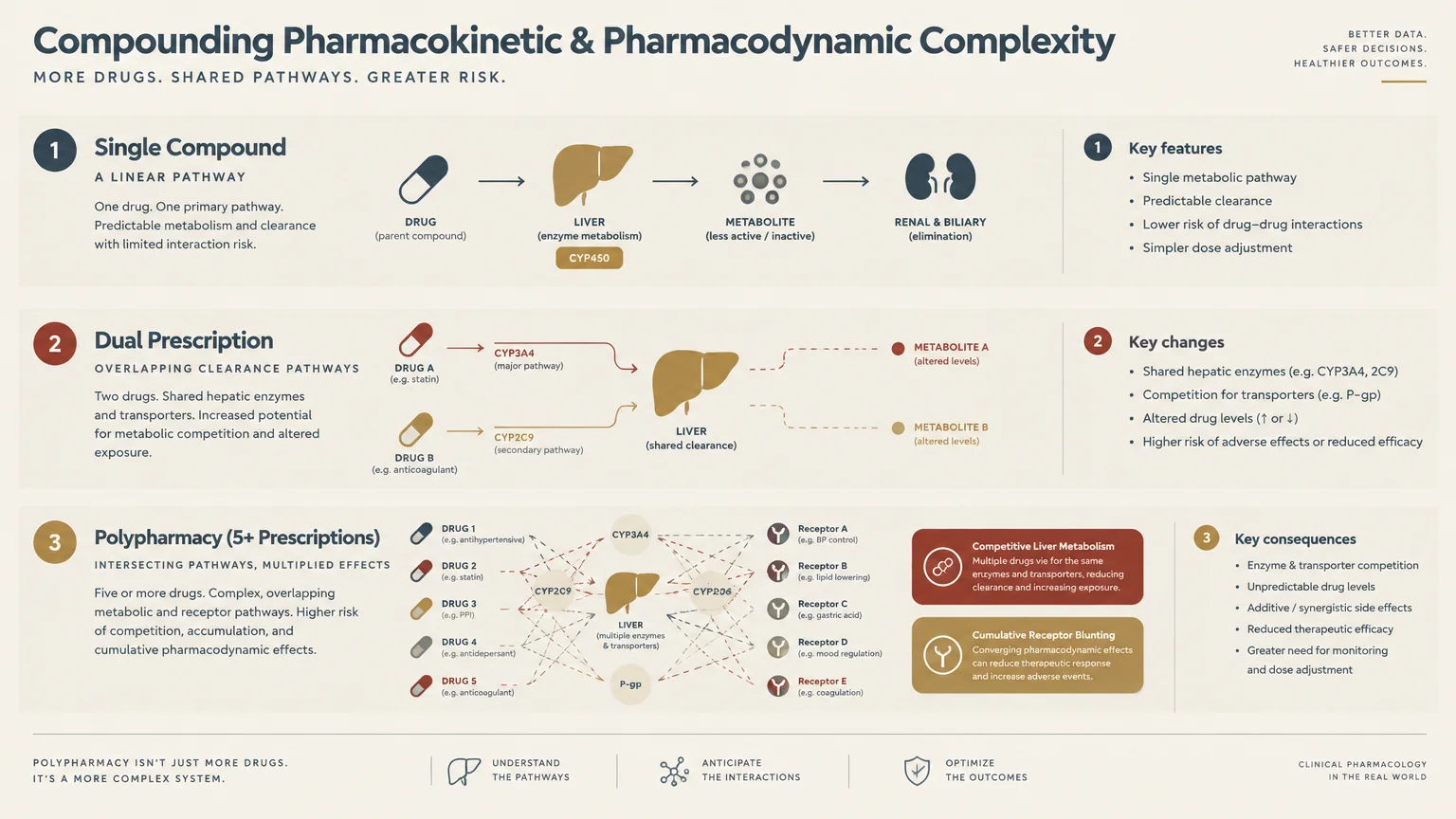
Polypharmacy represents the concurrent, regular use of five or more medications. According to a national study in JAMA led by the University of Southern California, prescription polypharmacy among older U.S. adults rose to 35.7%.
That research examined adults aged 62 to 85, marking a sharp increase from 31% in 2015–2016. Furthermore, 22.3% of older adults take regimens that create risks for major drug-drug interactions.
These dangerous interactions most commonly involve combinations of antidepressants, statins, and antiplatelet therapies. Combining these potent agents increases toxicity risks while blunting therapeutic benefits.
International populations experience remarkably similar healthcare challenges. A 2025 cross-sectional analysis across 27 European countries and Israel found a polypharmacy prevalence of 36.2% among adults aged 65 and older.
The clinical dangers escalate rapidly as pill bottles accumulate on your nightstand. Patients taking five to nine medications carry a 50% chance of experiencing an adverse drug event.
Geriatric care studies indicate that adverse medication events cause roughly 20% of hospital readmissions among older adults. In total, adverse drug events trigger over 1.5 million emergency department visits each year.
Nearly 500,000 of those emergency visits require inpatient hospitalization. Older adults account for more than 600,000 of these emergency department visits annually, doubling the rate seen in younger demographics.
Three medication classes cause nearly half of all emergency department visits for adverse drug events. Anticoagulants represent approximately 21%, diabetes agents like insulin cause 14%, and antibiotics contribute 13%.
Understanding these statistics empowers you to view your prescriptions with healthy caution. Vigilant oversight of your medicine list protects you from preventable medical crises.
The Danger of the Prescribing Cascade
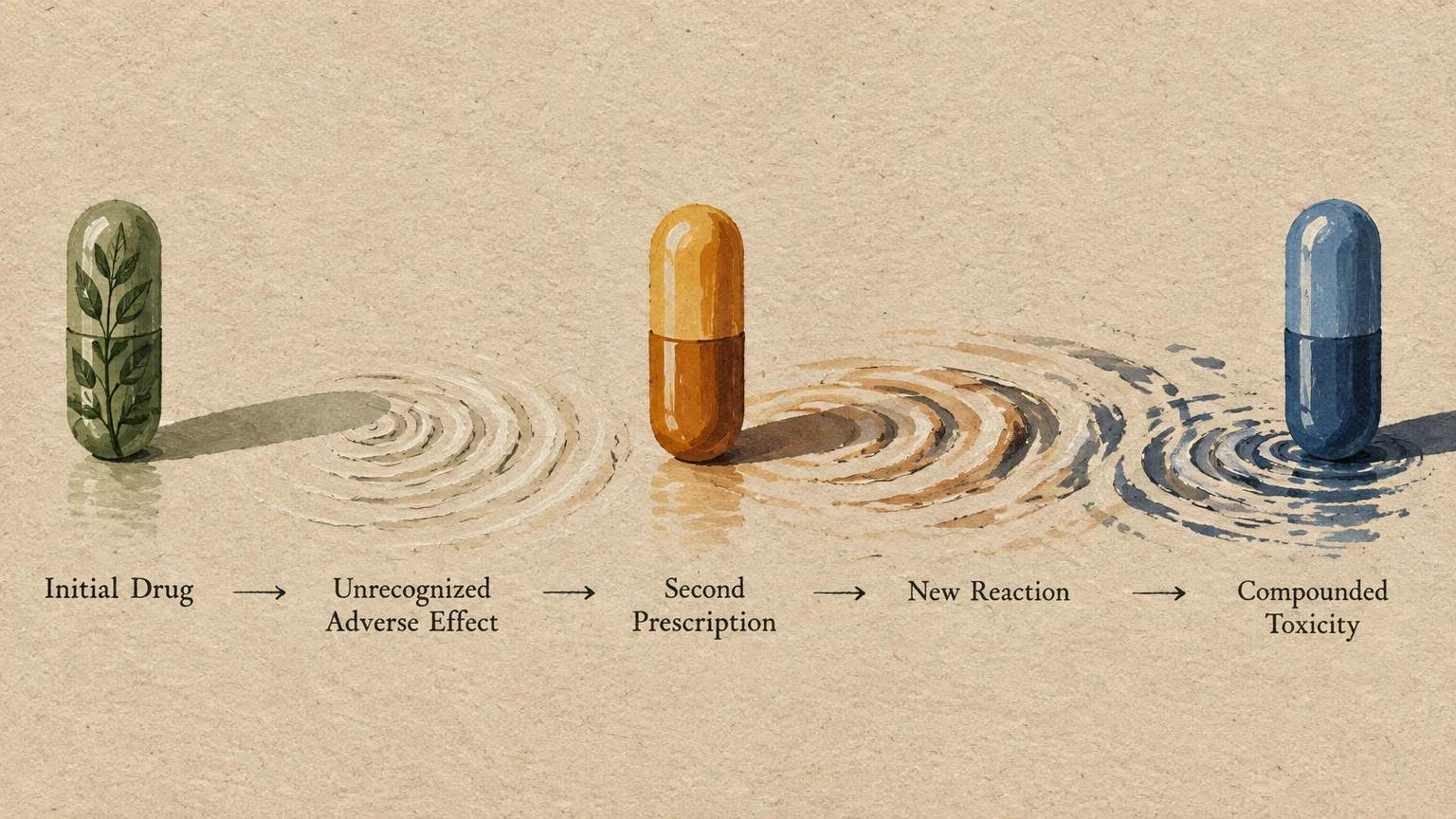
The prescribing cascade occurs when a clinician misinterprets an unrecognized drug side effect as a brand-new medical condition. Instead of stopping the offending drug, the provider writes an additional prescription.
For instance, a blood pressure medication might provoke fluid retention and swollen ankles. A clinician might diagnose congestive heart failure and prescribe a potent diuretic.
That new diuretic then leaches potassium and triggers leg cramps and dizzy spells. The patient then receives muscle relaxers and balance aids to treat the diuretic’s side effects.
Consider another common sequence involving nonsteroidal anti-inflammatory drugs taken for joint pain. These pain relievers raise systemic blood pressure, leading the clinician to initiate an antihypertensive medication.
Within months, an individual may take four separate drugs to treat the downstream consequences of one pill. This compounding chain reaction increases adverse interaction risks exponentially.
Breaking the prescribing cascade demands relentless clinical curiosity from patients and doctors alike. Whenever a new symptom arises, ask whether your current medicines could have caused it first.
Stepping back to re-evaluate the primary medication can dissolve the entire cascade. Simplifying your medicine list restores balance to your physiological systems.

Actionable Pillars for Managing Your Medications Safely
Medical Care: The Power of Deprescribing and Medication Reviews
Deprescribing is the planned, supervised process of reducing or stopping medications that may cause harm. It restores physical well-being by removing unnecessary or outdated pharmacological burdens.
The gold standard for identifying risky prescriptions is the 2023 American Geriatrics Society Beers Criteria for Potentially Inappropriate Medication Use in Older Adults. This clinical reference categorizes drugs that pose severe risks for aging bodies.
Their late 2025 Beers Criteria Alternatives List shifts clinical focus toward deprescribing protocols. This resource offers safer pharmacologic and non-pharmacologic substitutes for over 20 common conditions.
Medicare Part D plans provide access to a free Medication Therapy Management program. Eligible beneficiaries receive an annual, comprehensive one-on-one review with a licensed pharmacist or clinician.
For the 2026 plan year, you qualify if you have at least 3 targeted chronic conditions and take up to 8 or more maintenance Part D medications. You must also incur at least $1,276 in annual prescription drug costs.
All Medicare Part B beneficiaries also receive a free Annual Wellness Visit. You can utilize this scheduled visit to conduct a thorough inventory of your prescriptions and dietary supplements.
Consult resources from the National Institutes of Health to learn how to prepare your medication questions. Proper preparation makes your clinical review significantly more productive.
Collaborating with your primary care team ensures safe tapering protocols. Systematic deprescribing reduces side effects while maintaining strict control over chronic medical conditions.
Nutrition and Hydration: Fueling Proper Drug Metabolism
What you eat and drink profoundly alters how your digestive system absorbs pharmaceuticals. Grapefruit juice, for example, disables key cytochrome P450 enzymes in the intestinal wall.
Without these enzymes, blood concentrations of certain statins and calcium channel blockers skyrocket to dangerous levels. Always verify dietary interactions with your clinical pharmacist.
Hydration serves as the primary engine for hepatic filtration and renal clearance. Chronic subclinical dehydration slows urine output and concentrates active pharmaceutical metabolites in your tissues.
Drink clean water consistently throughout the day rather than chugging liquids only at mealtimes. Proper hydration cushions your kidneys and ensures timely clearance of pharmaceutical compounds.
High-fiber foods can delay the absorption of thyroid hormones and certain cardiac medications. Separating fiber-rich meals from your daily morning medication doses prevents erratic blood drug concentrations.
Dietary protein intake also influences serum albumin levels in your circulating bloodstream. Because many drugs bind to albumin, low protein intake increases free, unbound drug concentrations.
Eating balanced meals with adequate lean protein stabilizes drug binding and metabolic transport. Strategic nutrition strengthens your internal defenses against adverse pharmacological events.
Movement and Physical Resilience: Rebuilding Strength
Physical activity enhances organ perfusion and counteracts the sedentary sluggishness caused by sedating prescriptions. Daily movement encourages optimal blood flow to the liver and kidneys.
Resistance training builds skeletal muscle, which serves as a major metabolic sink for circulating compounds. Strong muscles also stabilize your joints and protect against medication-induced balance loss.
Gentle balance practices like tai chi or physical therapy exercises improve neuromuscular reflexes. These physical routines train your nervous system to recover from sudden moments of postural instability.
Walking outdoors exposes your retinas to natural morning sunlight, reinforcing your circadian rhythms. Strong circadian signaling helps overcome the persistent daytime grogginess triggered by nighttime sleep aids.
Always work within your current physiological capacity to avoid overexertion while adjusting medications. Consistency matters far more than intense exertion when restoring vitality.
Regular movement also stimulates gastrointestinal motility, combating the constipating effects of common drugs. Staying active keeps your entire body functioning as a resilient, unified system.
Mindset and Advocacy: Leading the Conversation with Your Doctor
Advocating for your physical wellness requires active partnership with your healthcare team. Never hesitate to question whether your daily symptoms stem from a newly added prescription.
Gather all your prescription bottles, over-the-counter supplements, and herbal products in a single bag. Bringing every bottle to your appointments eliminates dangerous blind spots for your prescribing clinicians.
Document the precise timeline of when your symptoms first appeared alongside medication adjustments. Showing your clinician a direct chronological link makes drug-induced side effects impossible to overlook.
Involve a trusted family member or caregiver to help take notes during clinical consultations. Having a second set of ears ensures you capture every instruction accurately.
Remember that prescribing guidelines serve as recommendations, not unalterable mandates. Your personal quality of life and daily comfort must always guide your healthcare decisions.
Approach medical visits as collaborative problem-solving discussions rather than passive compliance checks. Clear communication protects your vitality and builds mutual trust with your physicians.

Real Voices: Clinical Perspectives from the Field
Dr. Aris Thorne, a geriatric pharmacist, emphasizes that deprescribing requires patience and open communication. He notes that taking away an unnecessary pill often relieves symptoms faster than adding a new one.
Many older patients describe feeling as though a dark veil lifted after tapering off sedating antihistamines. Restoring mental clarity transforms their ability to engage with family, read books, and enjoy hobbies.
Dr. Elena Rostova, a specialist in geriatric medicine, advises patients to maintain healthy skepticism toward newly diagnosed conditions. She reminds readers that any biological change occurring after a medication adjustment warrants investigation.
Patient advocates urge families to look beyond the convenient excuse of chronological age. When you stop blaming the calendar, you open the door to genuine recovery and lasting vitality.
Listening to your body’s subtle warning signs preserves physical dignity and independence. Your lived experience provides invaluable diagnostic information for your medical providers.
Frequently Asked Questions
Can I stop taking a medication if I suspect it causes side effects?
Never discontinue a prescription abruptly without direct guidance from your prescribing physician. Stopping certain blood pressure drugs, antidepressants, or sedatives suddenly can trigger severe rebound withdrawal symptoms.
Call your doctor’s office and describe your specific symptoms in detail. They can design a safe, gradual tapering schedule while monitoring your vital signs.
How do I prepare for a Comprehensive Medication Review?
Gather every single medication, vitamin, mineral, and herbal supplement you take into one container. Include topical creams, medicated eye drops, and occasional over-the-counter sleep aids.
Write down what time you take each item, your typical dose, and any troublesome symptoms. This complete inventory enables your healthcare provider to spot hidden interactions and redundancies immediately.
Are over-the-counter sleep aids and pain relievers completely safe?
Over-the-counter status does not guarantee safety for older adults. Nighttime sleep formulas often contain diphenhydramine, a potent anticholinergic agent that triggers acute confusion and urinary retention.
Frequent use of nonsteroidal anti-inflammatory drugs can cause stomach ulcers and worsen hypertension. Always review non-prescription remedies with your clinical pharmacist before taking them regularly.
What should I do if my doctor dismisses my side effects as aging?
Request an objective medication review or seek a second opinion from a board-certified geriatrician. Geriatric specialists possess extensive training in recognizing polypharmacy risks and age-related pharmacokinetics.
You can also consult an independent clinical pharmacist through your insurance plan’s medication management benefits. Dedicated medication experts frequently detect drug-induced problems that busy primary care clinics overlook.
Your Next Step Toward Clearer Health
Reclaiming your energy and cognitive clarity begins with a single, deliberate action. Take inventory of your current medicine cabinet this evening and write down every prescription date.
Review the Medicare.gov guidelines to check whether you qualify for an annual medication review. Taking charge of your pharmacological health protects your independence for years to come.
Ask yourself one essential question before you accept another symptom as permanent: Is this really aging, or is it my prescription?









Leave a Reply