
Ignoring subtle shifts in your physical health often feels easier than scheduling a medical consultation. Paying attention to early biological warnings can preserve your everyday strength and protect your future independence.
Your body produces measurable physiological signals long before minor issues turn into critical medical events. Recognizing these warnings gives you the power to resolve reversible conditions before permanent damage occurs.
Knowing which men’s health warning signs warrant immediate professional evaluation empowers you to safeguard your longevity. Timely medical visits prevent silent risks from cutting your prime years short.
The Preventive Health Gap and the Cost of Delay
A persistent longevity divide separates men and women across the globe. You can trace much of this disparity directly back to delayed clinical intervention.
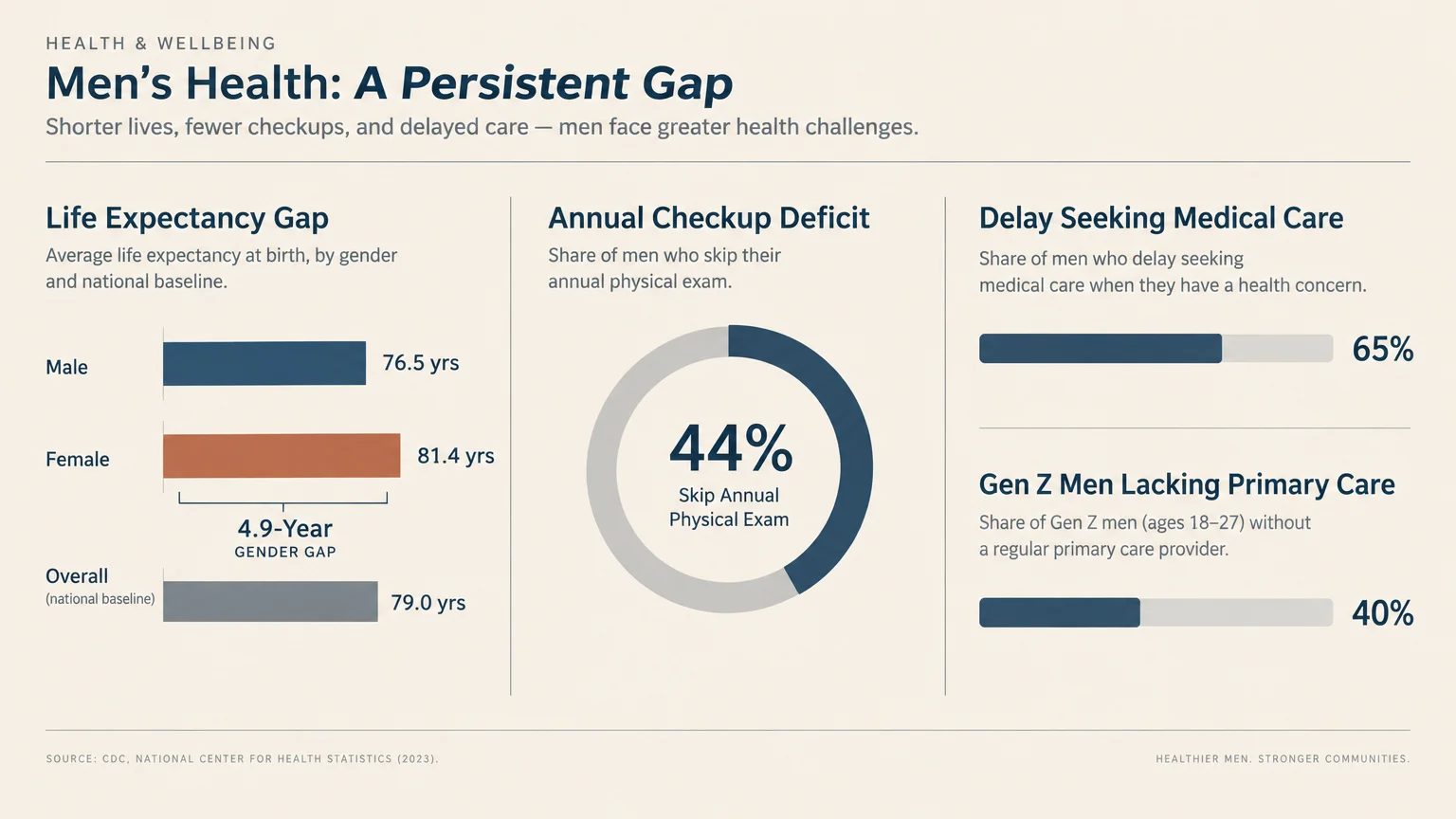
According to the latest mortality data from the CDC National Center for Health Statistics, overall life expectancy stands at 79.0 years. Yet a notable 4.9-year gender gap persists between genders.
Male life expectancy reaches only 76.5 years, compared to 81.4 years for females. The top mortality risks driving these numbers include heart disease, cancer, unintentional injuries, and suicide.
Suicide officially replaced viral respiratory illness among the top ten leading causes of death. Despite these sobering figures, men continue to avoid preventive clinical appointments at alarming rates.
Data from the 2026 Cleveland Clinic survey reveals that 44% of men skip their annual physical exam entirely. Furthermore, 65% admit to waiting as long as possible before consulting a doctor.
Generational habits reveal even greater challenges for the future of male wellness. Roughly 40% of Gen Z men do not maintain an established relationship with a primary care provider.
Digital spaces frequently replace qualified clinical advice in modern healthcare decisions. The same survey notes that 40% of men attempt to self-diagnose health concerns through social media algorithms.
Approximately 30% consume supplements or physical performance enhancers discovered online without consulting a clinician. Replacing real medical evaluations with social platforms leaves dangerous vascular, metabolic, and oncological conditions unchecked.
Understanding your body requires tuning in to specific warning signs rather than guessing through internet searches. Prompt clinical attention transforms potentially devastating diagnoses into manageable, treatable health milestones.

8 Symptoms That Should Send Every Man to the Doctor
Your daily physiology relies on subtle balances that generate distinct warning signals when disrupted. The following eight men’s health symptoms demand thorough diagnostic evaluation by a licensed medical provider.
1. Sudden Shortness of Breath or Unexplained Chest Discomfort
Heart disease remains the primary threat to male longevity worldwide. While severe crushing chest pain is an obvious red flag, early cardiovascular distress often presents far more subtly.
You might feel sudden tightness, dull pressure, or squeezing across your sternum during mild physical exertion. Sometimes the sensation radiates into your left shoulder, jaw, neck, or upper back.
Shortness of breath that occurs while climbing stairs or carrying groceries deserves immediate diagnostic attention. If simple activities suddenly leave you gasping for air, your heart muscle may lack adequate oxygenated blood.
Men frequently dismiss these subtle cardiac symptoms as simple indigestion, acid reflux, or muscle strain. Masking ischemic discomfort with antacids delays life-saving interventions that prevent extensive myocardial damage.
Coronary artery disease develops silently over decades before triggering an acute cardiac event. Early diagnostic screenings like electrocardiograms, echocardiograms, and calcium scoring identify arterial narrowing before emergencies strike.
If you experience sudden chest discomfort paired with cold sweats, nausea, or dizziness, seek emergency medical care immediately. Acting within the first golden hour of symptom onset significantly improves long-term cardiac survival.
Cardiovascular conditions respond exceptionally well to early medical management and lifestyle adjustments. Partnering with a cardiologist allows you to stabilize arterial plaques before they rupture.
2. Significant Changes in Urinary Frequency, Urgency, or Flow
Shifts in urinary habits represent some of the most overlooked prostate symptoms in adult men. A weak stream, hesitant start, or frequent nocturnal awakenings indicate biological changes within your pelvis.
As men age, benign prostatic hyperplasia naturally enlarges the prostate gland and constricts the urethra. However, identical urinary signs can signal aggressive malignant cell proliferation within prostate tissue.
According to data from the American Cancer Society, an estimated 333,830 men will receive a prostate cancer diagnosis in 2026. Approximately 36,320 men will die from the condition.
Roughly one in eight men faces a prostate cancer diagnosis during his lifetime. Severe racial health disparities persist, with Black men nearly 70% more likely to be diagnosed and twice as likely to die.
Catching prostate abnormalities early fundamentally changes your clinical prognosis. The five-year relative survival rate reaches approximately 99% when doctors detect localized or regional disease.
That survival rate plummets to 38% once malignant cells spread to distant bones or distant organs. Unfortunately, late-stage diagnoses have risen by about 3% annually in recent years due to skipped screenings.
The American Urological Association guidelines recommend clinicians offer a baseline PSA test to men between ages 45 and 50. Men at increased risk should begin screening between ages 40 and 45.
The American Cancer Society recommends discussions at age 50 for average-risk individuals, and age 45 for high-risk populations. Meanwhile, the U.S. Preventive Services Task Force recommendations advise shared decision-making between ages 55 and 69.
Schedule an appointment promptly if you notice urinary dribbling, painful urination, or an urgent sensation that never fully resolves. A simple blood test and clinical exam can preserve both urinary control and your life.
Modern urological care offers minimally invasive therapies that relieve urinary obstruction without compromising sexual function. Taking action at the first sign of urinary hesitancy prevents irreversible bladder wall stretching.
3. Visible Blood in Your Urine or Stool
Excreting blood through urine or bowel movements is never a normal biological phenomenon. Even a single occurrence requires an objective clinical investigation to identify the underlying source.
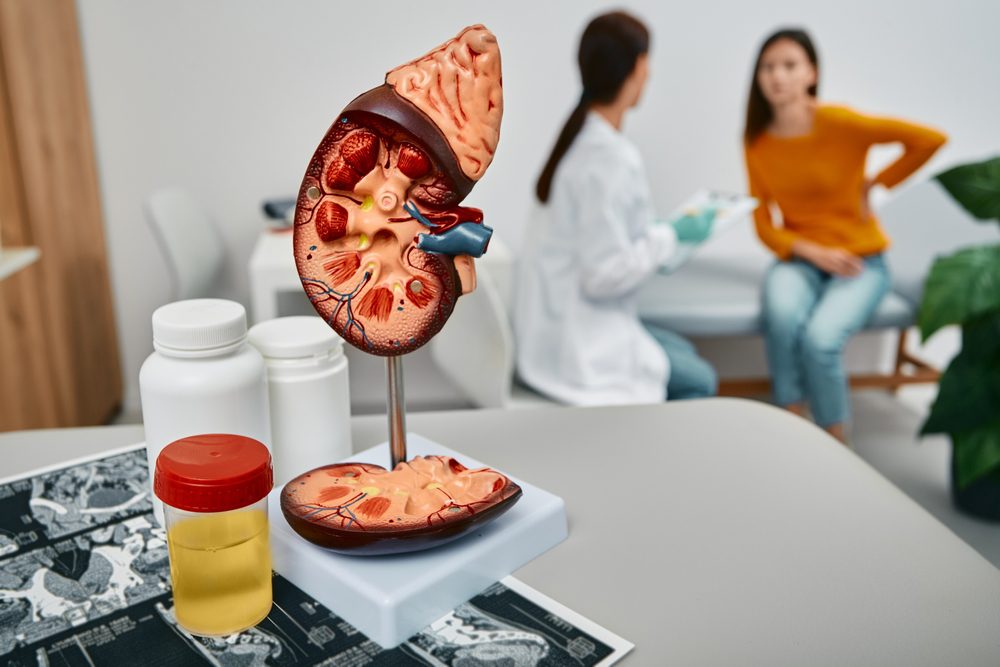
Blood in your urine, known clinically as hematuria, can dye fluid pink, red, or dark brown like cola. It frequently points to kidney stones, urinary tract infections, or bladder and kidney malignancies.
Gastrointestinal bleeding manifests in varied ways depending on where the tissue injury occurs. Bright red blood coating your stool often suggests lower bowel irritation, while dark, tarry stools indicate upper digestive bleeding.
Many men assume rectal bleeding stems exclusively from benign hemorrhoids or small anal fissures. While hemorrhoids remain common, self-diagnosing bowel changes can cause you to miss early colorectal tumors.
Preventive guidelines emphasize prompt screening to prevent advanced gastrointestinal disease. Both the task force and the cancer society advise average-risk adults to begin routine colorectal screening at age 45 through age 75.
Recent updates recognize next-generation multi-target stool tests alongside colonoscopies as preferred screening choices. Blood-based detection tests serve as secondary options for patients who decline direct visual or stool-based methods.
Do not wait for pain to accompany visible bleeding before contacting a gastroenterologist or urologist. Painless bleeding is frequently the earliest visible indicator of serious cellular abnormalities.
Early endoscopic evaluation allows clinicians to remove precancerous polyps before they transform into invasive malignancies. Overcoming temporary embarrassment regarding gastrointestinal exams directly protects your future vitality.
4. Persistent Erectile Dysfunction
Erectile health reflects the integrity of your overall vascular system. Achieving and sustaining an erection requires healthy blood flow, functional nerve pathways, and balanced endocrine signaling.
The arteries supplying your penile tissues measure only one to two millimeters in diameter. In contrast, the coronary arteries that nourish your heart measure three to four millimeters.
Because penile vessels are smaller, endothelial dysfunction and plaque buildup restrict blood flow there long before causing chest pain. Persistent erectile dysfunction often acts as an early warning sign for coronary artery disease.
Vascular research shows that erectile challenges frequently precede adverse cardiac events by three to five years. Treating sexual dysfunction purely as a bedroom inconvenience overlooks a valuable window for cardiovascular prevention.
Beyond arterial blockages, erectile dysfunction can signal uncontrolled type 2 diabetes, chronic hypertension, or hypogonadism. Nerve damage and insulin resistance severely impair the endothelial production of nitric oxide.
Resist the urge to purchase unverified male enhancement supplements from online vendors. These unregulated products often contain dangerous contaminants and do nothing to treat underlying vascular conditions.
Discuss sexual health changes openly with your primary care physician during your next visit. Identifying vascular stiffness early allows you to improve both your vitality and cardiovascular longevity.
Comprehensive cardiovascular workups often uncover reversible arterial inflammation when sexual changes first appear. Restoring endothelial function through medical guidance improves both systemic circulation and intimate performance.
5. Rapid or Unexplained Weight Loss
Losing significant body weight without altering your nutrition or exercise habits signals internal metabolic distress. Dropping ten pounds or more without intentional effort warrants a comprehensive medical workup.
Unintended weight reduction often stems from chronic endocrine disorders like hyperthyroidism or newly developing diabetes. When your body cannot process fuel efficiently, it burns muscle and fat stores to survive.
Gastrointestinal malabsorption disorders also cause rapid, unexplained weight loss in active men. Conditions such as celiac disease, inflammatory bowel disease, or chronic peptic ulcers prevent vital nutrient uptake.
Furthermore, unintentional weight loss remains a classic hallmark of systemic malignancies. Tumor cells consume substantial metabolic energy while releasing inflammatory cytokines that degrade lean skeletal muscle.
Physicians refer to this profound biological muscle wasting and metabolic acceleration as cachexia. Diagnosing the underlying cause before severe muscle wasting occurs preserves your physical strength and functional resilience.
Your physician will typically order complete metabolic panels, thyroid tests, and targeted abdominal scans. Uncovering metabolic imbalances early ensures targeted medical intervention before systemic complications escalate.
Never celebrate sudden weight reduction if you have not made deliberate adjustments to your physical routine. Treating the underlying source quickly restores metabolic balance and preserves essential muscle mass.
6. Debilitating and Chronic Fatigue
Occasional fatigue after demanding workweeks or intense physical workouts resolves with adequate sleep and weekend recovery. In contrast, clinical fatigue is a persistent, heavy exhaustion that deep rest cannot relieve.
Chronic exhaustion severely drains your cognitive focus, daily productivity, and physical stamina. When basic tasks feel insurmountable, your body is struggling against an underlying pathological strain.
Obstructive sleep apnea represents one of the most common, underdiagnosed causes of male exhaustion. Repeated airway collapse during sleep starves your brain of oxygen and stresses your cardiovascular system.
Apnea increases your risk of developing chronic hypertension, atrial fibrillation, and stroke. Loud snoring, morning headaches, and sudden nighttime gasping point directly toward this sleep disorder.
Hormonal disruptions, particularly testosterone deficiency, also manifest as persistent physical and mental fatigue. Declining androgen levels impair red blood cell production, decrease bone density, and diminish muscle recovery.
Severe fatigue can also indicate early congestive heart failure, chronic kidney disease, or autoimmune dysfunction. A primary care provider can identify the root issue through routine blood panels and sleep diagnostics.
Restoring restful sleep and optimal endocrine balance transforms your daily energy and cognitive acuity. Addressing chronic exhaustion gives you back the stamina required to pursue an active life.
7. Changing Moles, Growths, or Non-Healing Skin Sores
Your skin serves as an external mirror of your cellular health and cumulative sun exposure. Many men spend years working or exercising outdoors without consistent ultraviolet protection or dermatological surveillance.
Consequently, men face higher mortality rates from melanoma, the deadliest form of skin cancer. Men over age 50 are particularly vulnerable because malignant lesions often remain unnoticed on their backs or scalps.
Inspect your skin monthly for moles that display noticeable asymmetry or irregular, scalloped borders. Variations in color, including shades of black, brown, red, or blue, require professional dermatological evaluation.
Pay close attention to lesions larger than a pencil eraser or any spot that evolves over time. A mole that changes in size, shape, elevation, or texture demands immediate clinical examination.
Non-healing sores that bleed, crust over, and return repeatedly often signal basal cell or squamous cell carcinomas. While less lethal than melanoma, these skin cancers cause extensive tissue destruction if neglected.
Ask your physician or dermatologist to conduct a comprehensive full-body skin exam annually. Early surgical excision of localized skin malignancies provides nearly total curative success.
Enlisting a partner or family member to check hard-to-see areas like your scalp and upper back saves lives. Prompt biopsy of suspicious lesions prevents aggressive cutaneous cells from invading lymphatic networks.
8. Unrelenting Irritability, Sadness, or Emotional Withdrawal
Mental health remains an essential pillar of biological wellbeing that men frequently ignore. Societal conditioning often pressures men to suppress emotional distress, masking clinical mood disorders beneath stoicism.
Male depression rarely presents solely as tearfulness or overt sadness. Instead, men frequently manifest depressive episodes through heightened irritability, sudden outbursts of anger, and extreme emotional detachment.
You might notice a loss of interest in hobbies, compulsive overworking, or increased alcohol intake. These behavioral shifts represent maladaptive coping mechanisms designed to numb underlying psychological and neurological pain.
Recent public health data confirms that suicide has entered the top ten leading causes of death nationwide. Men account for the overwhelming majority of these preventable deaths, frequently suffering in complete isolation.
Neurochemical imbalances, chronic stress, and systemic inflammation alter brain circuitry over time. Left unaddressed, untreated mood disorders elevate systemic cortisol, accelerating cardiovascular disease and cognitive decline.
Speaking with a physician or licensed therapist about your mental health is a sign of personal resilience. Evidence-based therapies, lifestyle shifts, and targeted medications effectively restore neurological balance and emotional equilibrium.
Acknowledging emotional struggles allows you to rebuild supportive relationships and reclaim psychological clarity. Caring for your mind is just as critical to longevity as protecting your heart.
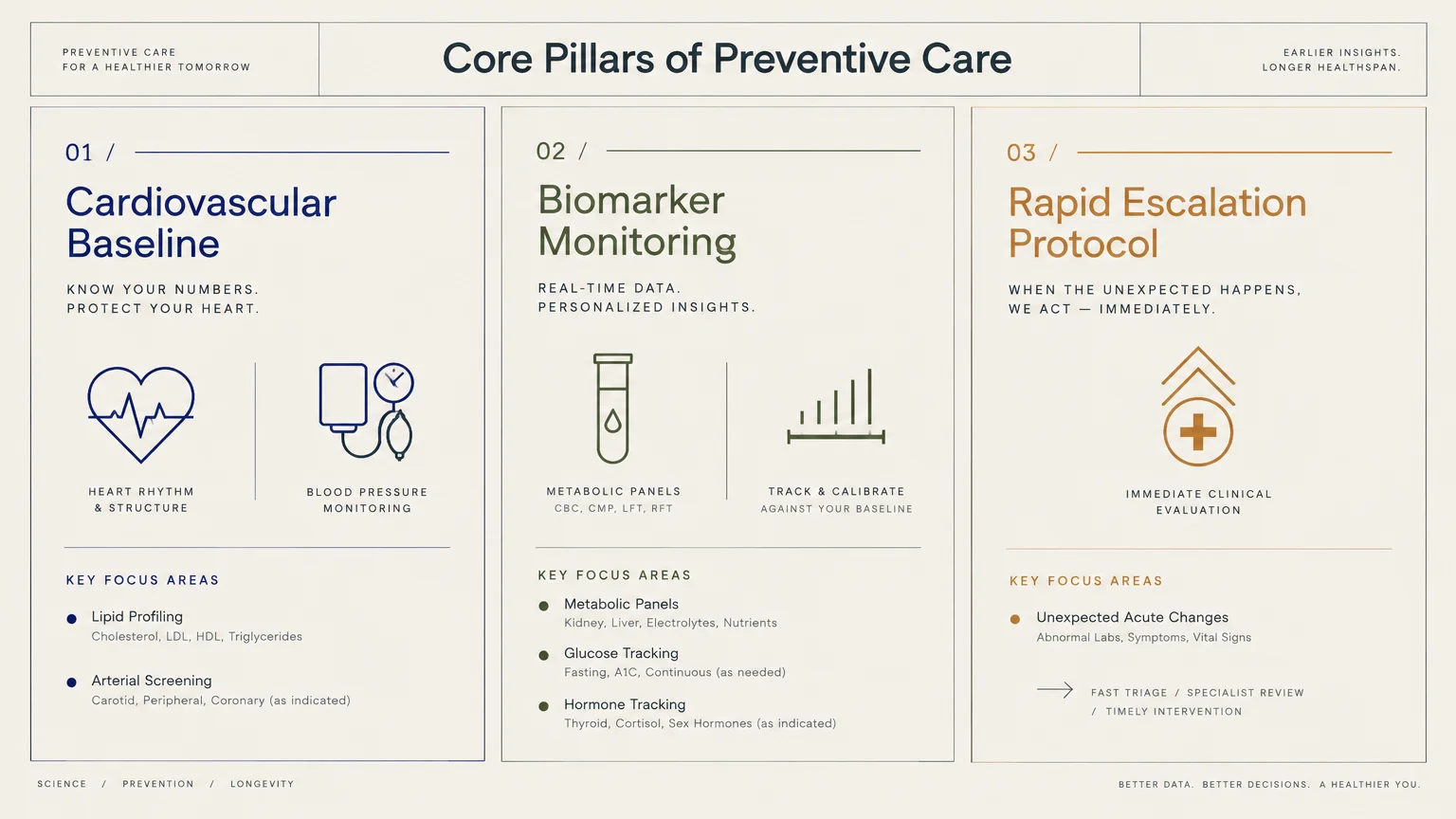
Strategic Pillars for Proactive Men’s Health
Protecting your longevity requires proactive daily habits alongside regular clinical evaluations. Integrating sustainable lifestyle practices strengthens your physiological systems against the chronic conditions that drive male mortality.
Foundational Nutrition for Vascular and Cellular Resilience
Your vascular network and cellular repair systems depend directly on dietary nutrient density. Emphasize whole, unprocessed foods rich in dietary fiber, polyphenols, and essential fatty acids.
Incorporate deep leafy greens, cruciferous vegetables, and colorful berries into your regular meals. These plant foods provide bioavailable antioxidants that neutralize oxidative stress and protect arterial linings.
Prioritize omega-3 fatty acids from wild-caught cold-water fish, walnuts, and flaxseeds. Omega-3s dampen chronic systemic inflammation, improve blood lipid profiles, and support optimal cognitive functioning.
Limit ultra-processed convenience foods, refined carbohydrates, and sugary beverages. High glycemic diets fuel insulin resistance, promote visceral abdominal fat, and accelerate arterial stiffness over time.
Maintain consistent daily hydration with clean water rather than high-calorie energy drinks or sodas. Adequate fluid intake supports renal filtration, improves joint lubrication, and promotes stable blood volume.
Consulting a registered dietitian nutritionist provides personalized guidance tailored to your specific metabolic profile. Fine-tuning your nutrient intake provides the biochemical building blocks necessary for cellular defense.
Functional Movement to Preserve Metabolic Health
Regular physical exertion serves as potent medicine for your cardiovascular, skeletal, and endocrine systems. Combine progressive resistance training with aerobic conditioning to build total metabolic resilience.
Engage in strength training at least two to three days each week. Lifting weights preserves lean muscle mass, strengthens bone density, and enhances insulin sensitivity as you age.
Incorporate zone two aerobic exercise, such as brisk walking, rowing, or cycling, into your routine. Consistent low-intensity cardiovascular work expands capillary density and enhances mitochondrial efficiency within your muscle tissues.
Avoid prolonged periods of uninterrupted sedentary behavior throughout your workday. Stand up, stretch, or take short walking breaks every hour to stimulate vascular circulation.
Listen carefully to your joints and soft tissues during intense athletic training. Modifying workouts around recurring joint pain prevents debilitating orthopedic injuries that derail lifelong activity habits.
Collaborating with a physical therapist helps identify muscular imbalances before they cause permanent damage. Maintaining functional mobility ensures you remain capable of independent movement throughout your later years.
Navigating the Modern Healthcare System
Establishing an active partnership with a primary care provider forms the bedrock of preventive medicine. A trusted clinician tracks subtle laboratory trends across years, catching illnesses before symptoms emerge.
Schedule an annual wellness visit even when you feel completely vigorous and healthy. Routine measurements of blood pressure, fasting glucose, and lipid profiles provide invaluable baseline health data.
Prepare for clinical appointments by writing down physical observations, family medical history, and specific questions. Bringing a clear symptom log prevents you from forgetting critical details during brief consultations.
Be completely candid with your provider regarding alcohol consumption, supplement use, and mental stress. Clinicians require accurate information to deliver personalized, effective care plans tailored to your needs.
If financial constraints or lack of insurance impede care, explore community health centers or sliding-scale clinics. Accessing public health resources ensures you receive essential cancer and metabolic screenings without excessive debt.
Taking ownership of your clinical navigation transforms you from a passive patient into an empowered health advocate. Consistent medical oversight guarantees that emergent symptoms receive rapid, definitive diagnostic care.

Clinical Insights from Preventive Care Specialists
Experienced clinicians frequently witness how social conditioning and stoicism compromise male wellbeing. Primary care providers emphasize that seeking early evaluation reflects self-discipline and foresight rather than weakness.
Urologists observe that men often delay appointments for urinary changes until obstruction creates severe discomfort. Clinicians note that discussing flow issues early allows for conservative treatments that protect bladder muscle function.
Cardiologists stress that mild exertional chest symptoms require objective testing rather than wishful thinking. Electrocardiograms and coronary calcium scans provide clear roadmaps that help doctors halt disease progression early.
Mental health professionals urge men to recognize that persistent emotional numbness warrants professional guidance. Working through emotional distress prevents psychological pain from manifesting as destructive behaviors or severe physical illness.
Collaborating with allied health professionals, such as registered dietitian nutritionists and physical therapists, rounds out your medical care. Multidisciplinary support helps you establish sustainable lifestyle interventions that last for decades.
Medical experts universally emphasize that preventive surveillance remains far more effective than late-stage crisis management. Engaging with healthcare teams early provides the greatest return on your investment in your health.
Frequently Asked Questions About Men’s Health Symptoms
How do I know whether urinary changes point to an enlarged prostate or cancer?
You cannot determine the underlying cause of urinary shifts based on physical sensations alone. Both benign prostatic hyperplasia and prostate cancer compress the urethra and cause identical flow restrictions.
Only a qualified physician can differentiate between benign growth and malignancy through targeted diagnostics. Your doctor will perform a physical exam, check your PSA levels, and order imaging if necessary.
Can chronic stress alone cause persistent erectile dysfunction?
High psychological stress levels elevate cortisol and adrenaline, which constrict blood vessels and suppress sexual function. However, assuming stress is the sole cause can blind you to underlying physical issues.
Physical conditions such as early atherosclerosis, hypertension, and low testosterone frequently coincide with demanding life periods. You should obtain a comprehensive vascular and hormonal evaluation before attributing symptoms entirely to psychological tension.
At what age should I request my first routine screening tests?
Baseline health screenings for blood pressure, cholesterol, and fasting glucose should begin in early adulthood. Colorectal cancer screenings officially start at age 45 for average-risk individuals under updated medical guidelines.
Prostate cancer screening discussions typically begin between ages 45 and 50, or earlier for higher-risk men. Speak with your doctor about your family history to determine the right personalized schedule for you.
What should I do if my doctor dismisses my subtle physical symptoms?
You remain the foremost expert on how your body feels during everyday life. If a medical provider dismisses your concerns without testing, politely request that they document their refusal in your chart.
Do not hesitate to seek a second opinion from an independent specialist or primary care clinic. Finding a collaborative clinician who values your observations is essential for long-term health advocacy.
Your Next Step Toward Lasting Vitality
Taking command of your physical wellbeing does not require an overwhelming lifestyle overhaul overnight. Sustainable health emerges from consistent, intentional actions taken one day at a time.
Begin today by scheduling that overdue annual physical exam or booking an evaluation for a lingering symptom. Overcoming the initial inertia of scheduling is often the hardest part of the preventive journey.
Reflect on your current physical state and ask yourself what subtle signals your body might be sending. Choosing to listen to those internal cues today protects your vitality, your family, and your future.






Leave a Reply