
Finding a white dusting on your dark sweater signals an immediate need to address your scalp health. You can eliminate dandruff permanently by combining targeted clinical treatments with evidence-based lifestyle adjustments that calm inflammation and restore fungal balance. Understanding the root causes of those persistent flakes empowers you to choose the exact interventions your scalp requires. While store-bought shampoos offer temporary relief, dermatologists emphasize that true resolution demands a comprehensive approach encompassing proper washing techniques, stress management, and specific nutritional support. By addressing both external symptoms and internal triggers, you can finally reclaim a comfortable, flake-free scalp and wear your favorite clothing with absolute confidence.
The Science Behind Scalp Flakes and Inflammation
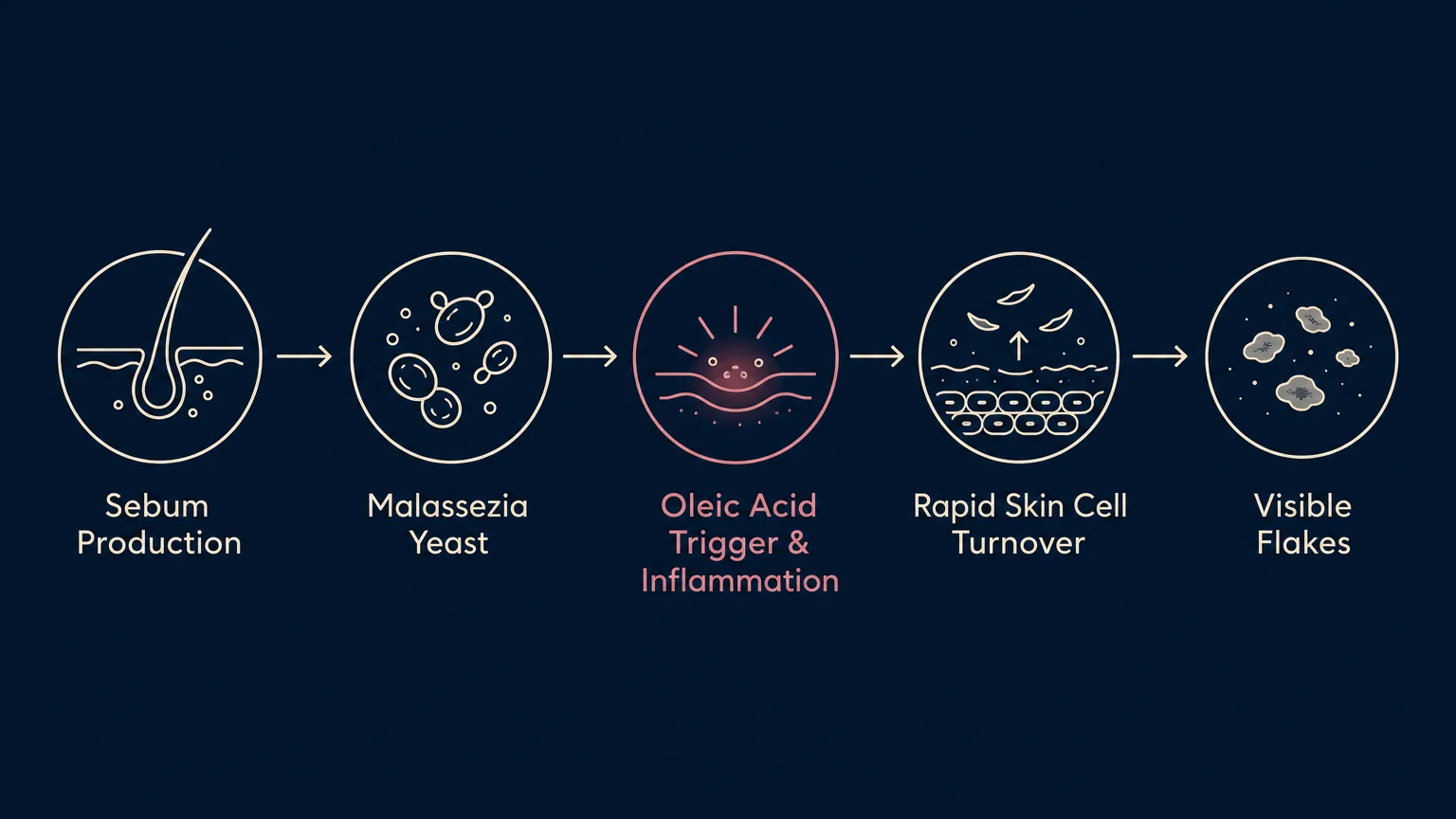
Dandruff is not merely a hygiene issue; it represents a complex biological interplay between your skin barrier, oil production, and the resident microbiome. At the center of this dermatological puzzle sits Malassezia, a naturally occurring yeast that lives on the scalps of most adults. This fungus feeds on the natural oils—or sebum—produced by your hair follicles. For individuals prone to dandruff, the immune system overreacts to the oleic acid left behind when the yeast consumes sebum. This localized immune response triggers rapid skin cell turnover, causing epidermal cells to clump together and shed as visible white or yellow flakes.
Understanding this biological mechanism is crucial because it highlights why simply washing your hair more frequently rarely solves the underlying problem. Research indicates that environmental factors like dry winter air, daily pollution exposure, and even the mineral density of your local water supply can drastically exacerbate this delicate fungal balance. Furthermore, related conditions such as seborrheic dermatitis share similar physiological pathways but often present with significantly more severe inflammation, redness, and greasy scales that extend beyond the scalp to the eyebrows, ears, or chest. When you approach dandruff as an inflammatory condition driven by specific triggers rather than a superficial nuisance, you open the door to lasting, holistic treatments that heal the skin from the inside out.
Strategy Pillar: Formulating an Effective Clinical Haircare Routine
The absolute foundation of any successful dandruff treatment involves selecting and properly applying the correct active ingredients. Dermatologists consistently recommend rotating medicated shampoos to prevent the resident yeast from building a tolerance to a single formulation. The most heavily researched and clinically proven compounds include zinc pyrithione, which directly targets and destroys the fungus; salicylic acid, which acts as a gentle exfoliant to help dissolve the dead skin cells; and ketoconazole, a powerful antifungal agent available in both over-the-counter and prescription strengths. Coal tar and selenium sulfide also remain highly effective therapeutic options for slowing down rapid skin cell production and reducing overall fungal counts on the scalp. Fortunately, generic over-the-counter versions provide the exact same active ingredients as luxury brands, ensuring effective treatment remains affordable and highly accessible.
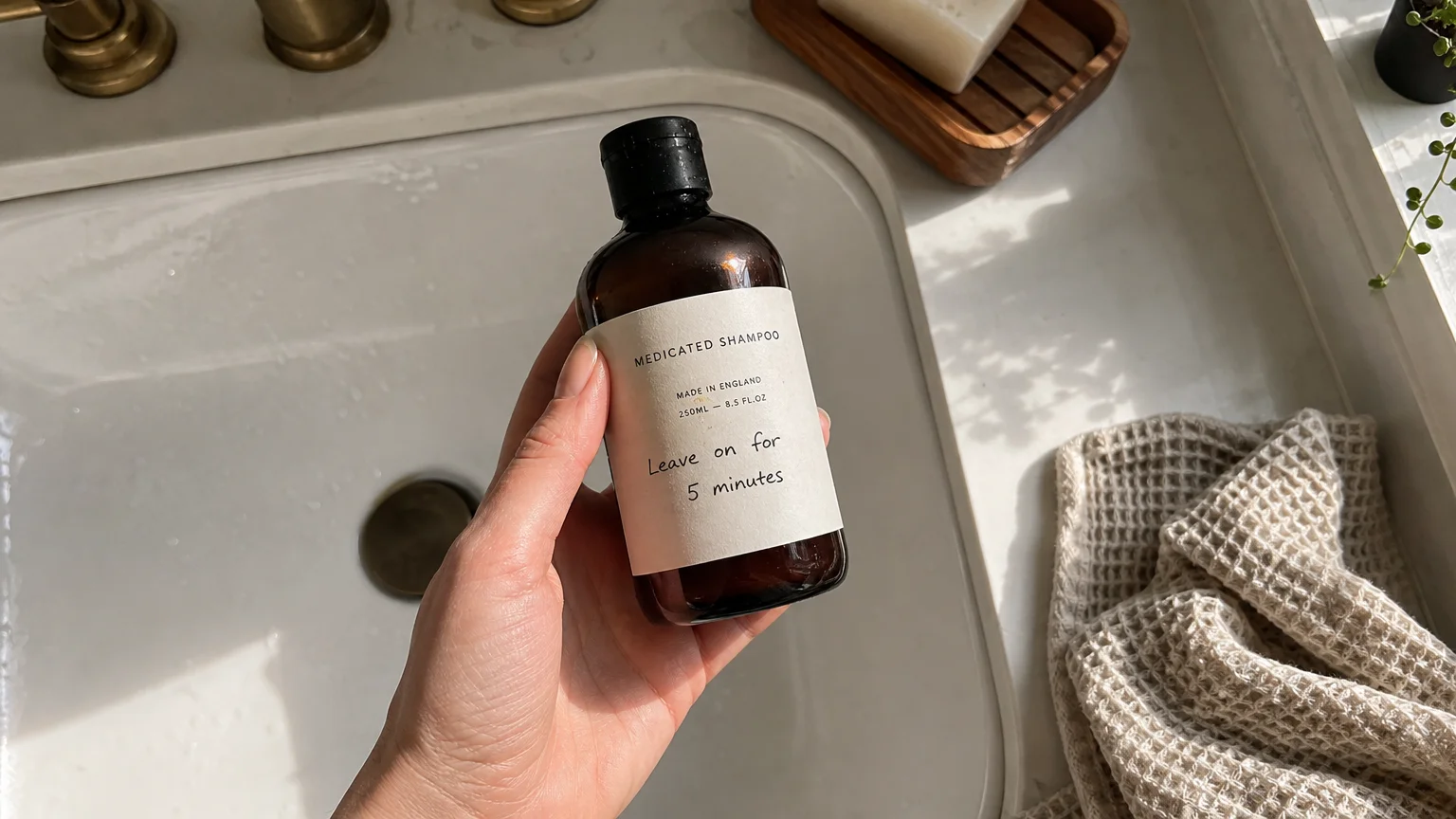
Many individuals fail to see meaningful results simply because they wash the active therapeutic ingredients down the drain far too quickly. For a medicated shampoo to work effectively, you must massage it firmly directly into the scalp rather than just lathering it through the hair strands, and leave it completely undisturbed for at least five full minutes before rinsing. This extended dwell time allows the antifungal agents to penetrate the outermost skin barrier and neutralize the Malassezia overgrowth. You can access comprehensive, free guidance on selecting appropriate therapeutic shampoos through the American Academy of Dermatology, which heavily emphasizes the importance of modifying your treatment routine based on your specific hair texture and ethnicity.
Individuals with coarse, curly, or tightly coiled hair must carefully balance fungal control with essential moisture retention. Medicated shampoos can be incredibly drying, potentially leading to brittle hair cuticles and severe breakage if used excessively or applied incorrectly. If you fall into this demographic, clinical experts advise applying the medicated treatment directly to the scalp using a targeted applicator bottle while meticulously protecting the mid-lengths and ends of your hair with a heavy, hydrating conditioner. Following up your cleansing routine with a gentle, non-comedogenic scalp serum can effectively soothe irritation and replenish lost moisture without inadvertently feeding the yeast.
Strategy Pillar: Nutritional Support for a Healthy Skin Barrier
Your daily diet profoundly influences the composition and overall volume of sebum your scalp produces, making targeted nutrition a critical pillar in your fight against dandruff. High glycemic diets—specifically those packed with refined carbohydrates and heavily processed added sugars—cause rapid and sustained spikes in your blood insulin levels. These aggressive insulin spikes trigger a hormonal cascade that ultimately ramps up oil production in your sebaceous glands, providing an abundant food supply for the Malassezia yeast. By actively stabilizing your blood sugar through a balanced diet rich in complex carbohydrates, lean proteins, and fibrous vegetables, you essentially cut off the primary fuel source driving the fungal overgrowth.
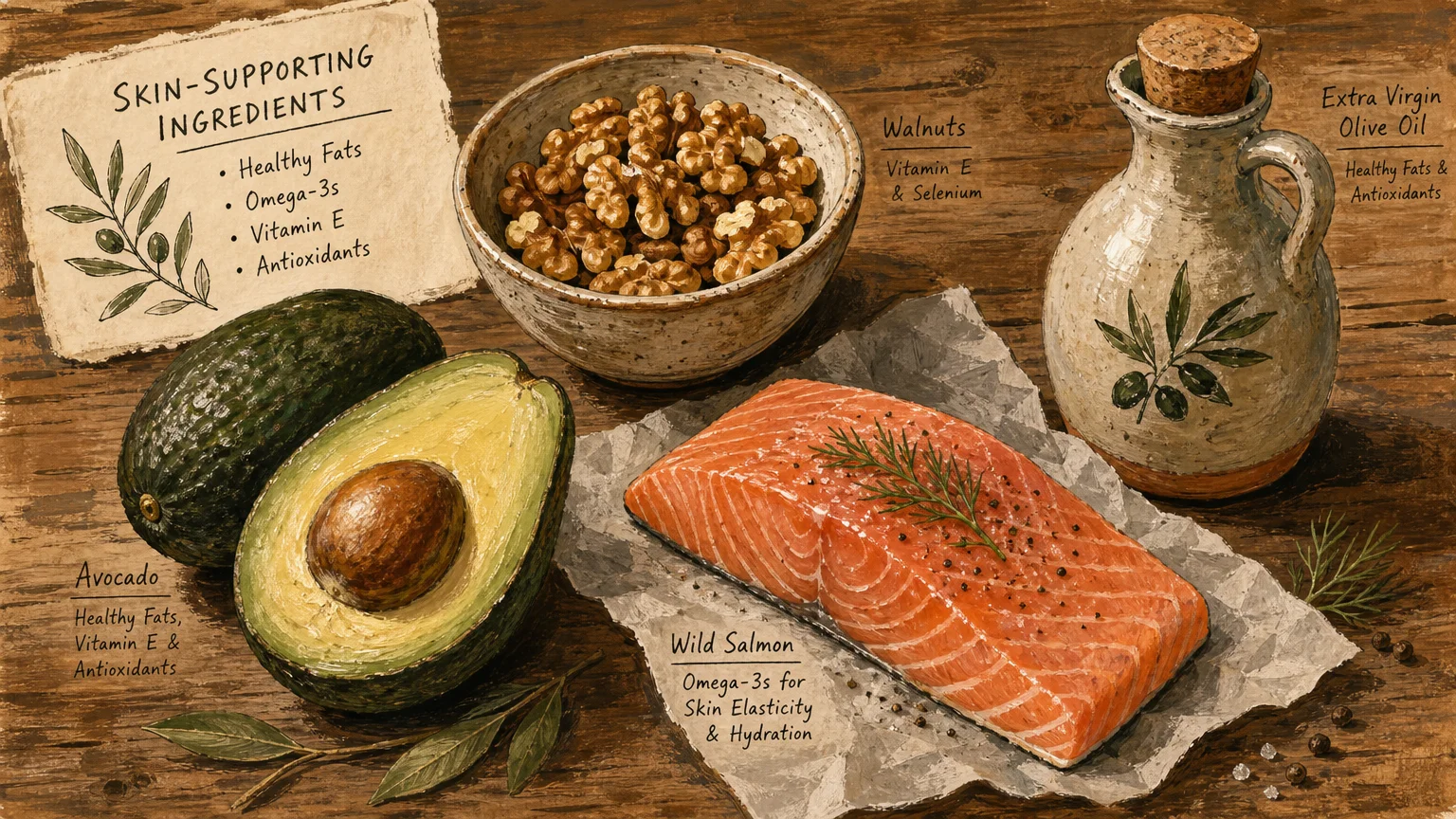
Incorporating specific micronutrients and healthy fats provides the foundational physiological building blocks required for a resilient skin barrier. Omega-3 fatty acids possess potent systemic anti-inflammatory properties that directly calm the scalp’s overactive immune response. You do not need expensive supplements to achieve this; focusing on affordable staples like canned wild salmon, chia seeds, and walnuts can deliver these necessary nutrients without straining your grocery budget. A dietary deficiency in essential minerals like zinc and B vitamins has also been clinically linked to an increased incidence of persistent dandruff. You can learn more about how dietary choices impact inflammatory skin conditions through extensive public resources provided by the National Institutes of Health.
Adequate hydration plays an equally vital but frequently overlooked role in maintaining optimal scalp health. When your body is chronically dehydrated, the skin on your scalp rapidly loses its natural elasticity and protective barrier function, making it significantly more susceptible to painful micro-tears and intense irritation from habitual scratching. Drinking adequate amounts of water throughout the day ensures that your skin cells remain plump, functional, and capable of normal, healthy turnover. While increased water consumption alone will not cure a fungal infection, optimal hydration strongly supports the body’s natural exfoliation process, preventing dead cells from accumulating and flaking off in large clusters.

Strategy Pillar: Managing Stress and Physical Movement
The biological connection between your brain and your skin is remarkably powerful, and chronic emotional stress often serves as the hidden primary trigger behind sudden, severe dandruff flare-ups. When you experience prolonged psychological stress, your adrenal glands continuously pump excessive amounts of cortisol into your bloodstream. Elevated cortisol levels suppress your immune system’s ability to keep the Malassezia population naturally in check while simultaneously stimulating your oil glands to produce even more sebum. Implementing daily, intentional stress reduction techniques—such as deep diaphragmatic breathing or mindfulness meditation—can directly lower circulating cortisol levels and subsequently reduce scalp inflammation.
Physical movement and regular exercise also contribute significantly to long-term scalp health, though they require careful hygiene management to prevent unintended setbacks. Cardiovascular workouts heavily increase blood circulation throughout the entire body, delivering vital oxygen and essential nutrients directly to your hair follicles and scalp tissue. This dramatically enhanced blood flow supports robust cellular repair and helps efficiently flush out metabolic waste products. You can find excellent, evidence-based guidelines on establishing safe, accessible physical activity routines through the World Health Organization, which advocates for consistent moderate exercise—like taking a brisk daily walk in your neighborhood—to successfully regulate systemic inflammation.
However, you must remain aware that the sweat produced during vigorous movement creates a warm, highly moist environment where yeast rapidly thrives and multiplies. Allowing sweat to dry naturally and linger on your scalp can rapidly undo all the hard-earned progress you have made with medicated treatments. You must rinse your scalp thoroughly with lukewarm water or use a gentle, clarifying cleanser immediately following a heavy, sweat-inducing workout. If you absolutely cannot wash your hair right away, drying the sweat at the roots with a hair dryer on a cool setting can effectively minimize the dampness that encourages fungal proliferation until you can reach a shower.

Real Voices from Clinical Practice
Board-certified dermatologists consistently observe that patients who treat dandruff as an isolated, purely external issue struggle the most with chronic, frustrating recurrences. Clinical experts repeatedly emphasize that successful, long-term management requires viewing the scalp as an integrated extension of your facial skin, demanding the exact same level of consistent, thoughtful care. Many medical practitioners note that patients often misdiagnose their own conditions, easily confusing simple dry scalp—which requires deep, soothing hydration—with true fungal dandruff, which requires targeted active medication. This frequent confusion unfortunately leads to the heavy application of thick oils like coconut or olive oil, which actually feed the Malassezia yeast and drastically worsen the flaking.
Patients who have successfully overcome decades of persistent dandruff frequently echo the vital importance of patience and rigorous consistency in their routines. The human skin takes approximately one full month to complete a cellular turnover cycle, meaning that a new treatment regimen requires at least four continuous weeks to demonstrate true clinical efficacy. Healthcare providers strongly advise against abandoning a new medicated shampoo after just two or three washes simply because the flakes have not instantly vanished. The prevailing consensus from both clinical professionals and successful patients is clear; sustainable relief only comes from adhering strictly to a medically sound routine while simultaneously addressing underlying lifestyle factors like chronic stress and daily dietary habits.
Frequently Asked Questions About Scalp Health
Can I cure dandruff permanently?
Because the Malassezia yeast exists naturally on the human scalp biome, you cannot permanently cure dandruff or eradicate the fungus entirely. Instead, the realistic medical goal is long-term management and symptom control. Once you bring a severe flare-up under control using daily or every-other-day therapeutic treatments, you will likely need to adopt a dedicated maintenance routine. This usually involves using a medicated shampoo once a week to prevent the yeast population from rebounding. Strict consistency in your lifestyle and personal hygiene habits ensures the flakes remain suppressed indefinitely.
How do I know if I need to see a doctor?
You should immediately schedule an appointment with a board-certified dermatologist or primary care physician if over-the-counter medicated shampoos completely fail to improve your symptoms after four to six weeks of proper, consistent use. Additionally, seek professional medical evaluation if your scalp becomes intensely red, swollen, or painful, or if the scaling aggressively spreads to your face, ears, or neck. These severe symptoms could indicate seborrheic dermatitis, psoriasis, or a secondary bacterial infection requiring prescription-strength topical steroids or potent antifungal medications. You can locate a qualified, vetted specialist in your specific area through the official Find a Dermatologist directory.
Are natural remedies like tea tree oil effective?
Some natural remedies demonstrate mild, scientifically backed antifungal and anti-inflammatory properties, but they must always be used with extreme caution and proper understanding. Tea tree oil, for example, has shown legitimate clinical promise in reducing Malassezia counts on the skin. However, applying raw, undiluted essential oils directly to the delicate scalp tissue can cause severe contact dermatitis, allergic reactions, and painful chemical burns. If you choose to explore natural botanicals, you must dilute them heavily in a safe carrier medium or exclusively purchase commercially formulated products containing safe, tested concentrations. Always discuss alternative treatments with your healthcare provider to ensure they do not negatively interfere with your primary clinical regimen.
Does washing my hair every day make dandruff worse?
The ideal washing frequency depends entirely on your specific scalp environment, genetic oil production, and individual hair type. For individuals with highly active, very oily scalps, daily washing may be absolutely necessary to continuously remove the excess sebum that feeds the yeast. Conversely, those with naturally dry scalps or chemically treated, fragile hair types may find that daily washing aggressively strips away essential moisture, triggering the skin barrier to produce even more oil in a frantic panic response. You must carefully observe how your scalp responds to different cleansing intervals and deliberately tailor your washing schedule to maintain a perfectly balanced, comfortable environment without causing excessive dryness.
Taking the Next Step Toward a Healthy Scalp
Resolving persistent dandruff requires you to step back and evaluate your current daily routine through a critical, highly evidence-based lens. The reliable path to a comfortable, completely flake-free scalp always begins with small, deliberate adjustments rather than overwhelming, unsustainable overhauls of your lifestyle. Your immediate priority should be thoroughly auditing your current haircare products and ensuring you are applying your active treatments correctly by allowing them the necessary contact time to effectively penetrate your scalp barrier.
Start today by choosing one specific, manageable intervention to focus on, whether that means purchasing an affordable zinc pyrithione shampoo or firmly committing to a ten-minute stress reduction practice before bed. As you embark on this personal healing process, ask yourself if your daily habits are actively supporting your skin barrier or inadvertently feeding the underlying inflammation. By taking a proactive, comprehensive, and highly holistic approach to your health, you will steadily build the vital foundation for lasting relief, supreme comfort, and renewed confidence in your appearance.







Leave a Reply