

Excessive gas often signals treatable imbalances in your gut microbiome, daily eating mechanics, or intestinal motility rather than a dangerous gastrointestinal condition. Pinpointing these distinct biological triggers allows you to resolve persistent bloating, reduce abdominal pressure, and reclaim everyday digestive comfort.
While daily flatulence remains an essential physiological process, noticeable shifts in gas volume, abdominal distension, or sulfur odor offer direct insight into how your digestive tract functions.
Board-certified gastroenterologists evaluate these subtle digestive patterns to distinguish harmless dietary fermentation from deeper functional issues like carbohydrate malabsorption, sluggish transit time, and visceral hypersensitivity.

The Physiological Baseline: What Normal Digestion Looks Like
Before you assume your digestive system is malfunctioning, you must understand standard human physiology. Data published by the National Institute of Diabetes and Digestive and Kidney Diseases indicates that a healthy adult typically passes gas between 13 and 21 times per day, with up to 25 passages falling within the normal spectrum. Much of this gas release occurs unconsciously throughout your waking hours and during sleep.
Your digestive tract produces between 500 and 1,500 milliliters of gas every twenty-four hours through normal metabolic activities. Intriguingly, your resting gastrointestinal tract maintains a remarkably small volume—holding less than 200 milliliters of gas at any single moment. Intestinal walls continuously absorb, propel, and release these gases to maintain comfortable abdominal pressure; swallowed nitrogen and oxygen move through alongside metabolic gases produced directly in your gut lumen.
The chemical composition of intestinal flatus also surprises many patients. Roughly 99 percent of intestinal gas consists of completely odorless molecules, including nitrogen, oxygen, carbon dioxide, hydrogen, and methane. The distinctive, pungent odor that causes social anxiety stems from less than 1 percent of the total mixture. Colonic bacteria produce trace sulfur-containing gases—primarily hydrogen sulfide, methanethiol, and dimethyl sulfide—as they ferment sulfur-rich amino acids and cruciferous vegetables in your large intestine.
Decoding What Your Excessive Gas Is Telling You
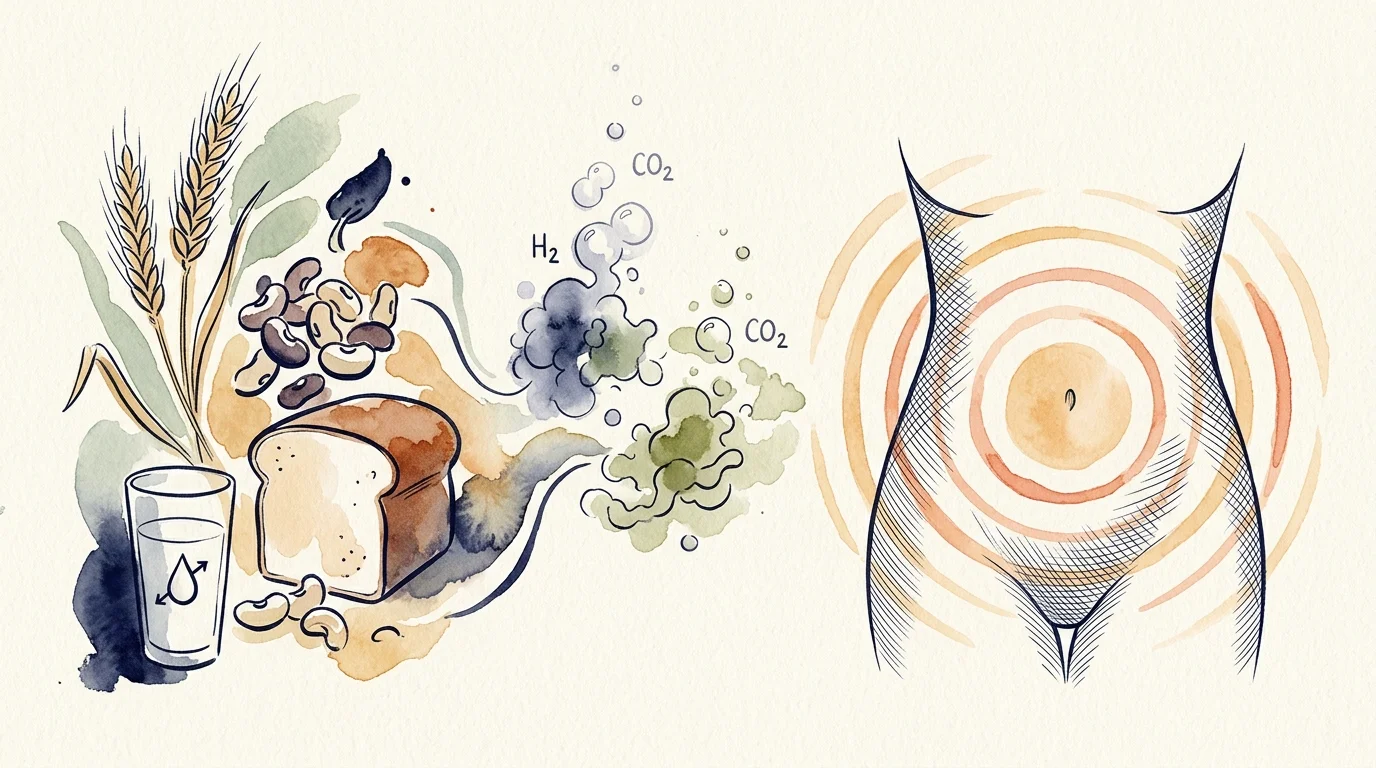
When gas production spikes or creates debilitating cramps, your body is communicating a specific functional challenge. The primary driver of excess gas production is the fermentation of unabsorbed carbohydrates by the billions of microbes residing in your colon. When your upper digestive tract fails to fully break down specific sugars and fibers, these compounds enter the large intestine intact, where colonic bacteria feast upon them rapidly, releasing hydrogen and carbon dioxide as metabolic byproducts.
Carbohydrate malabsorption represents one of the most widespread triggers. According to clinical data, approximately 68 percent of the global population and roughly 36 percent of American adults experience lactose malabsorption due to declining lactase enzyme production. Consuming dairy products delivers unhydrolyzed lactose straight to colonic bacteria; this interaction creates rapid fermentation, sudden distension, and loud intestinal gurgling.
However, excess gas does not always mean your gut produces abnormally high gas volumes. According to American College of Gastroenterology clinical guidance, irritable bowel syndrome affects 10 to 15 percent of adults in the United States. Gastroenterologists frequently find that individuals with this condition produce average volumes of gas but suffer from visceral hypersensitivity. In this heightened neurological state, your intestinal nerves amplify normal stretching sensations, transforming routine digestive activity into severe abdominal pain and the intense perception of bloating.
Other physiological mechanisms involve mechanical air intake and bacterial location. Aerophagia—the subconscious swallowing of air—occurs when you eat rapidly, drink carbonated beverages, chew gum, or experience acute anxiety. Meanwhile, small intestinal bacterial overgrowth shifts the microbiome balance; colonic bacteria colonize the nutrient-rich small intestine, triggering premature fermentation and uncomfortable upper abdominal distension within ninety minutes of eating.

Clinical Red Flags That Warrant Immediate Medical Evaluation
While most flatulence reflects benign dietary dynamics or functional sensitivity, specific alarm symptoms demand formal clinical investigation. Authoritative guidelines from the American Gastroenterological Association emphasize that you should not self-manage persistent gas if you notice distinct red-flag indicators that suggest structural or inflammatory pathology.
Schedule a comprehensive clinical evaluation if your gas and bloating accompany unexplained weight loss, visible rectal bleeding, or blood mixed into your stool. Persistent watery diarrhea, unexplained changes in your baseline bowel habits lasting several weeks, or laboratory-confirmed iron-deficiency anemia also require diagnostic testing, such as colonoscopy, stool pathogen panels, or celiac serology.
Furthermore, gastroenterologists pay close attention to the timing and onset of your symptoms. In accordance with Centers for Disease Control and Prevention guidelines, if you develop new, severe gastrointestinal symptoms after age 50 without prior colorectal cancer screening, you require prompt evaluation. Similarly, severe nocturnal symptoms—such as painful gas or diarrhea that repeatedly wakes you from deep sleep—indicate organic disease rather than a benign functional disorder, as functional bowel issues rarely disrupt restorative sleep.

Evidence-Based Pillars to Manage Gas and Restore Digestive Health
Restoring digestive comfort requires a structured protocol that addresses biochemical breakdown, physical motility, and gut-brain signaling. Implementing sustainable lifestyle modifications allows you to modulate gas production without sacrificing vital nutritional diversity.
Strategic Nutritional Adjustments and Enzyme Support
Begin by optimizing how you consume your meals. Eating at a measured pace and chewing each bite thoroughly reduces aerophagia while coating food particles with salivary amylase, initiating carbohydrate breakdown before food enters your stomach. Hydrate consistently throughout the day, but minimize large fluid intake during meals to prevent dilution of your digestive enzymes.
Targeted dietary modifications can dramatically reduce colonic fermentation. Under the guidance of a registered dietitian nutritionist, you can trial a temporary low-FODMAP protocol to identify specific carbohydrate sensitivities, including excess fructose, polyols, and fructans found in garlic and onions. The National Institutes of Health supports dietary modifications tailored to individual tolerance thresholds. Systematically reintroducing these foods protects long-term microbial diversity. Additionally, over-the-counter lactase supplements help you digest dairy products, while alpha-galactosidase enzymes break down complex oligosaccharides in beans and cruciferous vegetables before bacterial fermentation occurs.
Targeted Movement and Physical Positioning
Physical movement plays a direct role in intestinal gas clearance. A sedentary posture allows gas pockets to pool within the flexures of your colon, increasing localized pressure and discomfort. Engaging in a light, 15-minute walk immediately following your main meals stimulates the natural migrating motor complex and enhances colonic transit time, allowing gas to move smoothly through the digestive tract.
Specific postural adjustments also relieve trapped gas mechanically. Practicing gentle restorative movement, such as bringing your knees toward your chest while lying supine or relaxing in a modified child pose, decompresses the abdominal cavity and relaxes the anal sphincter. These gentle physical positions utilize gravity and muscular relaxation to facilitate the natural expulsion of trapped flatus without painful straining.
Nervous System Regulation and Gut-Brain Balance
Your enteric nervous system communicates bidirectionally with your brain along the vagus nerve. Chronic psychological stress shifts your autonomic nervous system into a sympathetic state, which inhibits digestive enzyme secretion, slows stomach emptying, and heightens visceral pain sensitivity. This neurological tension can also trigger abdominophrenic dyssynergia—a paradoxical reflex where your diaphragm pushes downward and your abdominal wall relaxes outward in response to normal gas, worsening visible distension.
Incorporate five to ten minutes of diaphragmatic breathing before your meals to activate parasympathetic digestion. Inhale deeply through your nose, expanding your lower ribs and belly, then exhale slowly through pursed lips. This deliberate breathing pattern relaxes the pelvic floor musculature, dampens pain signaling along the spinal cord, and resets abdominal wall coordination, significantly reducing perceived bloating.

Perspectives from Clinical Practice
In clinical practice, gastroenterologists frequently encounter patients who feel isolated or embarrassed by their digestive symptoms. Clinicians emphasize that discussing bowel habits should carry no stigma, as flatulence is a universal biological necessity that provides objective data regarding intestinal motility and microbial health.
Specialists emphasize that self-imposed, ultra-restrictive diets often cause harm by depleting the beneficial commensal bacteria that maintain intestinal barrier integrity. Prioritizing accessible dietary substitutions—such as swapping raw legumes for canned, rinsed varieties or replacing carbonated beverages with warm herbal teas—ensures sustainable digestive relief across diverse economic backgrounds without requiring expensive specialty foods.
Frequently Asked Questions About Gas and Gut Health
Why does my gas smell intensely foul on certain days?
Pungent gas usually reflects the breakdown of sulfur-rich foods rather than underlying disease. High-protein foods like red meat, poultry, eggs, and cruciferous vegetables like broccoli contain sulfur amino acids that colonic bacteria convert into trace hydrogen sulfide gases. If foul-smelling gas persists alongside greasy, floating stools or significant weight loss, consult a physician to evaluate for fat malabsorption.
Can chronic constipation cause excessive gas and bloating?
Yes, chronic constipation is a primary driver of trapped gas and severe abdominal distension. When stool sits in the colon for extended periods, it creates a physical obstruction that blocks the natural forward transit of gas. Furthermore, prolonged colonic transit gives bacteria extended time to ferment residual stool fibers, producing substantial amounts of trapped gas behind the blockage.
Do over-the-counter anti-gas medications like simethicone work?
Simethicone acts as a gentle surfactant that breaks the surface tension of tiny gas bubbles in your gut, merging them into larger bubbles that you can pass more easily through belching or flatus. While simethicone facilitates the mechanical clearance of trapped gas, it does not reduce the total biological production of gas in the colon, meaning it works best for acute symptomatic relief rather than prevention.
How can I differentiate between gas bloating and fluid retention?
Gas bloating typically fluctuates throughout the day, often starting with a relatively flat abdomen in the morning and progressively expanding after meals, accompanied by audible gurgling and cramping that eases after passing gas. In contrast, fluid retention produces steady, non-fluctuating swelling that often affects your ankles, hands, and lower extremities, remaining constant regardless of flatus passage.
Your Sustainable Path Forward
Reclaiming digestive comfort does not require extreme cleanses or severe food restrictions; it begins with mindful observation and gentle, evidence-based adjustments. Start today by keeping a simple three-day digestive journal where you record what you eat, how quickly you consume meals, your stress levels, and any symptoms that arise.
Take a quiet moment to reflect on your daily routine: are you giving your digestive system the time, posture, and calm environment it needs to process nourishment effectively? Partner with a board-certified gastroenterologist or registered dietitian to interpret your body’s signals and build a personalized plan for lasting gastrointestinal health.








Leave a Reply