

When recurring chest tightness, persistent throat clearing, or an unexplained nocturnal cough disrupts your daily life, acid reflux rarely tops your list of suspects. You might schedule appointments with a cardiologist, an allergist, or an ear, nose, and throat specialist, never realizing that stomach acid is quietly triggering your discomfort. Gastroesophageal reflux disease, commonly known as GERD, frequently masquerades as cardiovascular, respiratory, or ENT disorders, leaving millions searching for answers in all the wrong places. Recognizing these hidden symptoms transforms your medical journey from an exhausting cycle of specialist visits into a focused path toward lasting relief and improved digestive health.
Unmasking the Hidden Face of Gastroesophageal Reflux
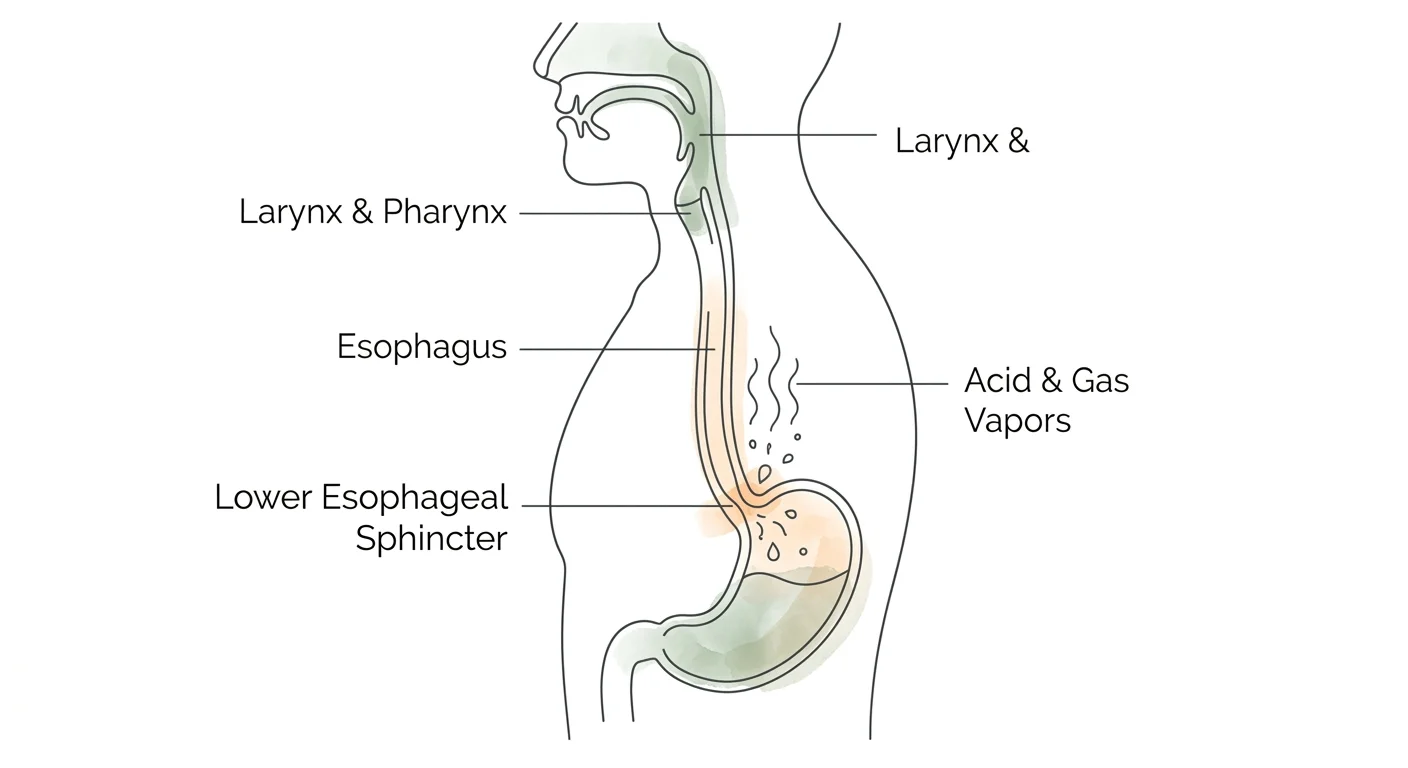
Traditional medical teaching portrays gastroesophageal reflux disease as a simple, predictable digestive issue marked by heartburn and sour acid regurgitation. However, a vast number of individuals living with chronic reflux experience entirely different clinical manifestations. When stomach contents breach the lower esophageal sphincter, gastric juice does not always remain confined to the esophagus. Digestive enzymes, micro-droplets of acid, and gas vapors can travel up the full length of the food pipe into the larynx, pharynx, airways, and oral cavity, irritating delicate mucosal tissues that lack natural cellular defenses against acidic exposure.
This anatomical movement produces non-cardiac chest pain, one of the most alarming atypical symptoms of reflux. Because the esophagus and heart share overlapping autonomic neural pathways, acid irritating the esophageal lining or provoking smooth muscle spasms triggers visceral pain signals virtually indistinguishable from cardiac distress. Patients often describe deep, crushing chest pressure radiating to the back, neck, or shoulders. Beyond chest pain, chronic reflux irritates delicate vocal cords, causing morning hoarseness, a persistent sensation of a lump in the throat termed globus pharyngeus, or excessive mucus production forcing constant throat clearing.
Respiratory manifestations also trigger frequent misdiagnoses. Micro-aspiration occurs when microscopic droplets of acidic stomach fluid enter airway passages, directly provoking bronchial spasms. Alternatively, lower esophageal acid exposure triggers a vagally mediated reflex that constricts bronchial airways without liquid ever entering the lungs. Consequently, many adults spend years treating unexplained adult-onset asthma or chronic nocturnal coughs, completely unaware that underlying digestive dysfunction drives their ongoing breathing difficulties.
The Science Snapshot: Why GERD Disguises Itself
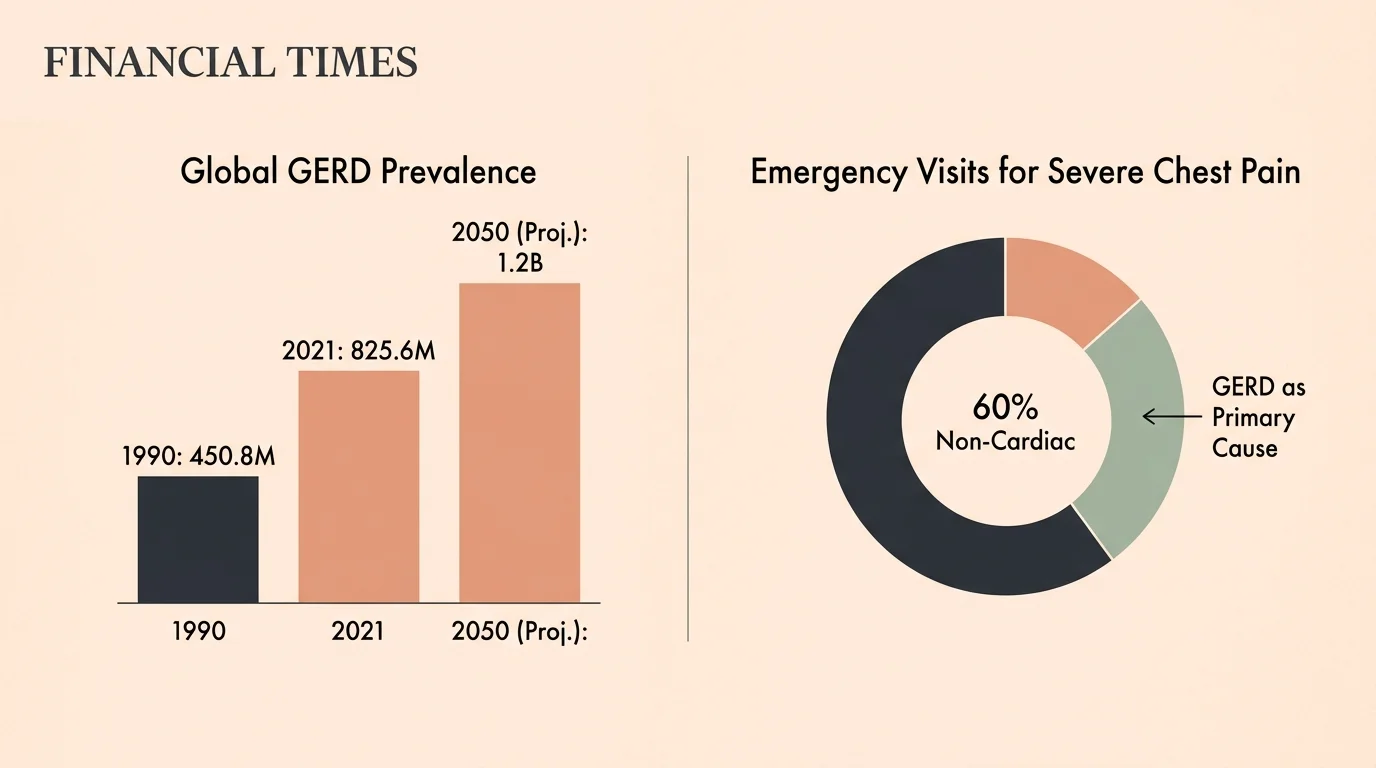
Understanding gastroesophageal reflux disease requires examining robust global epidemiological data. According to Global Burden of Disease 2021 data, global GERD prevalence reached 825.6 million cases in 2021—up significantly from 450.8 million cases in 1990—with projections exceeding 1.2 billion cases by 2050. Regionally, GERD affects an estimated 18% to 28% of the population in North America and 8.8% to 25.9% in Europe, establishing it as one of the most frequently evaluated digestive conditions in modern clinical medicine.
The clinical overlap between reflux and chest pain creates widespread diagnostic confusion in emergency settings worldwide. Non-cardiac chest pain carries a global population prevalence of approximately 13%, with extensive clinical studies showing GERD is the primary gastrointestinal cause in 50% to 60% of these cases. Furthermore, clinical data indicates that up to 60% of emergency department visits for severe chest pain turn out to be non-cardiac in origin, with acid reflux standing as the single most common non-cardiac trigger mistaken for an acute cardiovascular event.
Upper airway involvement is equally common and troubling. Research documented by the National Institutes of Health reveals that laryngopharyngeal reflux—or silent reflux—affects roughly 10% of the United States population and is identified in up to 50% of patients evaluated for voice and throat disorders. Dormant pepsin enzymes deposit onto laryngeal membranes, reactivating whenever you consume acidic foods or carbonated beverages and provoking localized tissue inflammation independent of active heartburn.

Pillar 1: Targeted Medical Evaluation and Diagnostics
Evaluating potential GERD symptoms demands clear medical prioritization. Because chest pain can signal a cardiac emergency, you must always rule out cardiovascular disease first. Never assume sudden or severe chest discomfort is acid reflux. Seek emergency medical care immediately if chest pain accompanies shortness of breath, profuse sweating, dizziness, or pain radiating down your left arm or jaw. Once a comprehensive cardiac workup confirms heart health, you can safely investigate gastrointestinal causes with your doctor.
Diagnostic precision relies on modern gastroenterological testing. Guidelines from the American College of Gastroenterology outline evidence-based pathways for evaluating atypical reflux. An upper endoscopy allows direct visualization of the esophageal lining to check for esophagitis or Barrett’s esophagus. If endoscopy appears normal, ambulatory 24-hour pH monitoring or wireless pH capsule testing measures exact acid exposure levels over time, linking symptom spikes directly to physical reflux events.
High-resolution esophageal manometry evaluates lower esophageal sphincter pressure and muscle coordination during swallowing. If throat or voice symptoms predominate, consulting an otolaryngologist for flexible nasopharyngoscopy helps detect laryngeal edema, cobblestoning, and tissue changes characteristic of silent reflux, ensuring an accurate diagnosis before initiating targeted long-term medical therapy.

Pillar 2: Precision Nutrition and Timing Strategies
Managing atypical reflux requires strategic nutrition and timing rather than extreme food restriction. Gravity serves as your primary defense against nocturnal reflux. Consuming meals at least three hours before sleeping allows your stomach time to empty, significantly reducing nocturnal reflux risk. Elevating the head of your bed six to eight inches using solid bed risers or a specialized wedge mattress relies on gravity to keep gastric contents contained; using extra pillows merely bends your torso and increases stomach pressure.
Dietary modification should focus on identifying personal triggers while supporting overall mucosal health. Keep a detailed food and symptom journal to track personal reactions to common irritants like acidic citrus, tomato products, high-fat fried foods, caffeine, and carbonated beverages. Guidance from the Academy of Nutrition and Dietetics supports eating smaller, balanced meals to prevent stomach over-distension, which weakens lower esophageal sphincter closure during digestion.
Non-systemic mechanical remedies offer targeted symptom relief. Natural alginate therapies derived from brown seaweed form a temporary protective gel raft on top of gastric contents. This physical barrier blocks acid and pepsin from ascending into the esophagus and throat, allowing damaged mucosal tissues time to recover while preserving normal digestive processes.

Pillar 3: Mindset, Stress Reduction, and Gentle Movement
The gut-brain axis significantly influences how your nervous system perceives reflux. Psychological stress lowers visceral pain thresholds, causing mild reflux events to feel like intense chest tightness or throat constriction. Incorporating stress reduction practices calms hyperactive neural pathways, decreasing visceral hypersensitivity and normalizing gastrointestinal motility.
Diaphragmatic breathing exercises strengthen the physical structures guarding against reflux. The lower esophageal sphincter passes directly through the anatomical crural diaphragm. Engaging in targeted deep belly breathing strengthens these muscle fibers, reinforcing the gastroesophageal barrier. Resources from the National Center for Complementary and Integrative Health show that regular diaphragmatic breathing reduces stress responses, improves autonomic nerve function, and eases reflux symptoms.
Physical activity also impacts reflux dynamics, requiring a thoughtful approach. Gentle post-meal walking stimulates stomach emptying and digestive transit. Conversely, high-impact exercise, heavy lifting, or intense abdominal crunches immediately after meals increase intra-abdominal pressure, forcing acid upward. Schedule intense exercise when your stomach is empty to protect your esophagus while maintaining physical fitness.

Real Voices: Clinical Perspectives on Atypical Reflux
Specialists across medical disciplines highlight how identifying silent reflux changes patient outcomes. Otolaryngologists report that many individuals spend years treating refractory postnasal drip or voice fatigue with antibiotics and allergy medications without success. Identifying laryngeal inflammation during endoscopic exams and initiating targeted reflux management frequently resolves lingering throat issues within months.
Gastroenterologists emphasize the profound relief patients feel when learning that recurring chest pain stems from esophageal spasms rather than heart disease. Understanding that acid irritation triggers their chest discomfort eliminates health anxiety, allowing patients to focus on practical dietary timing, lifestyle modifications, and targeted medical therapies that restore daily quality of life.
Frequently Asked Questions About Misdiagnosed GERD
How can I distinguish between reflux chest pain and a cardiac event?
Cardiac chest pain usually presents as crushing pressure radiating to your arm, neck, or jaw, often accompanied by shortness of breath, lightheadedness, or sweating. Reflux chest pain often creates burning or squeezing sensations linked to meal timing, lying down, or bending over. However, because symptoms overlap significantly, you must obtain a formal cardiac evaluation from a qualified physician before attributing chest pain to acid reflux.
Can acid reflux really cause chronic sinus pressure and postnasal drip?
Yes, gaseous reflux and aerosolized pepsin can travel to the upper throat and nasopharynx during laryngopharyngeal reflux episodes. These irritants trigger mucosal inflammation in sinus passages, increasing mucus production and creating persistent postnasal drip. If traditional allergy treatments fail to bring relief, evaluating for hidden reflux with a specialist is an essential diagnostic step.
Why does silent reflux occur without any typical heartburn symptoms?
Throat and laryngeal tissues are far more sensitive to acid than the lower esophagus. The esophageal lining possesses protective mucosal barriers and rapid acid clearance contractions, whereas upper airway tissues lack these defenses. Consequently, minor gaseous acid events cause throat swelling, coughing, and hoarseness without ever provoking classic heartburn sensations in the chest.
What tests definitively diagnose atypical GERD?
Definitive diagnosis involves upper endoscopy to inspect esophageal tissue for damage, ambulatory 24-hour pH monitoring to measure acid exposure over time, and esophageal manometry to evaluate sphincter muscle function. Otolaryngologists may also perform flexible nasopharyngoscopy to inspect laryngeal swelling and tissue changes directly.
Your Next Step Toward Relief
Take charge of your health by keeping a detailed seven-day symptom and meal journal. Record meal times, food choices, physical activities, stress levels, and unusual sensations like throat clearing, coughing, or chest tightness. This empirical data helps your doctor identify clear symptom patterns, connect your daily habits with digestive function, and accelerate an accurate diagnosis.
Reflect on your daily habits: How might adjusting your evening meal timing or elevating your sleep posture transform your physical comfort and daily energy? Discussing your observations with a trusted healthcare professional empowers you to build an effective, personalized strategy for long-term digestive wellness and overall health.








Leave a Reply