

Recognizing the subtle early signs of a deep vein blood clot can save your life before severe complications arise. Quick action prevents the clot from breaking loose and traveling toward your vital organs.
While some blood clots produce glaring red flags, many develop with quiet, easily overlooked sensations in your calf, thigh, or pelvis. Knowing what to monitor gives you the power to protect your cardiovascular longevity.
This clinical guide breaks down the primary physical warnings, underlying mechanisms, and holistic daily strategies you need to safeguard your circulation.
Understanding Deep Vein Thrombosis and Why Early Detection Matters
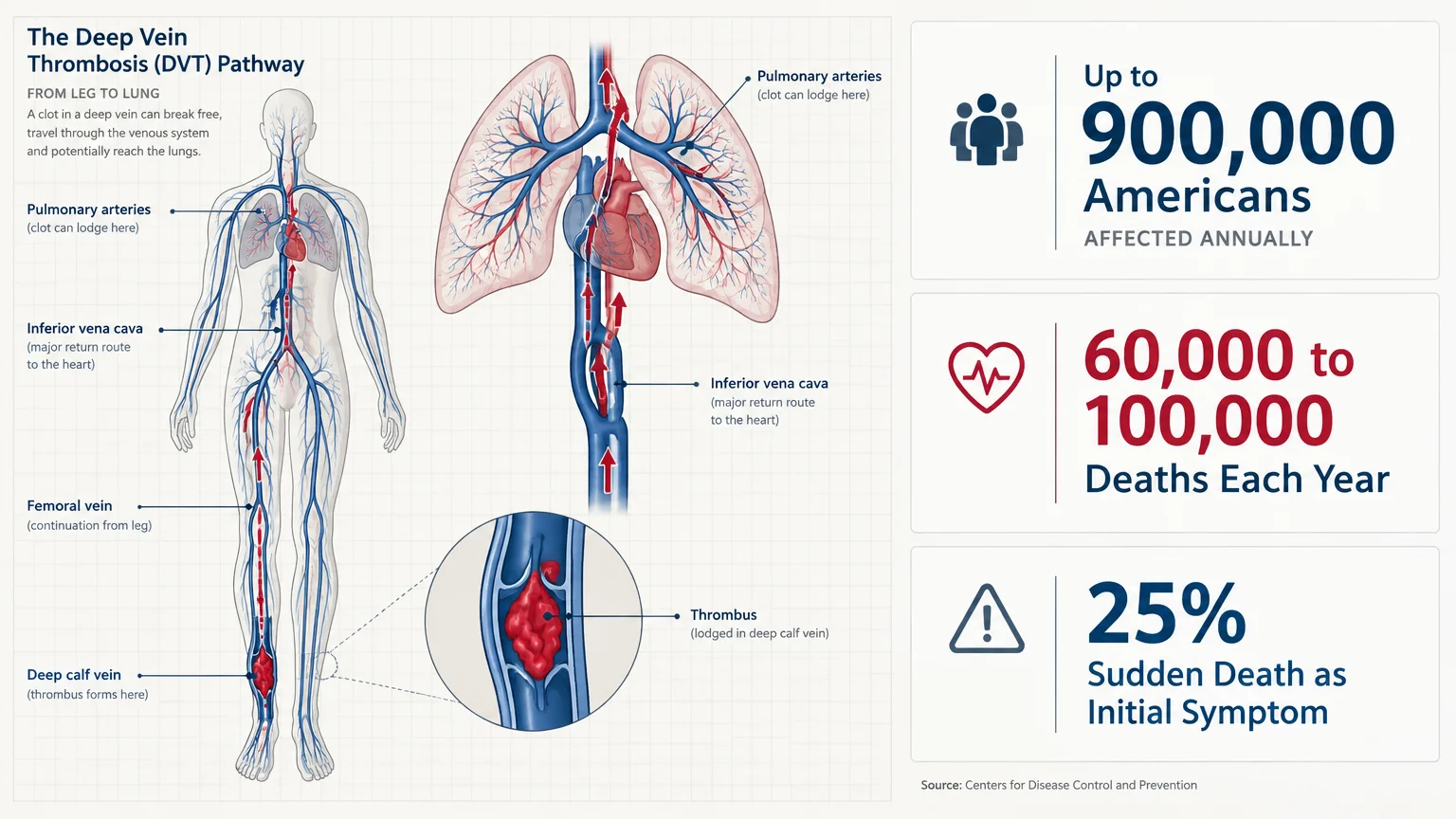
Deep vein thrombosis, commonly called DVT, occurs when a thrombus forms within your deep venous system. These blockages most frequently develop in your lower leg, thigh, or pelvis, though they can also form in your arms.
According to the Centers for Disease Control and Prevention, venous thromboembolism affects up to 900,000 Americans annually. Tragically, between 60,000 and 100,000 people die each year from blood clot complications.
The most dangerous complication occurs when a clot dislodges and migrates toward your lungs, causing a pulmonary embolism. Sudden death serves as the very first symptom in roughly 25 percent of individuals who experience a pulmonary embolism.
Public health agencies highlight this ongoing vascular challenge every March during National Blood Clot Awareness Month. Equipping yourself with proactive knowledge helps you identify critical warning signs before serious health complications occur.
12 Critical Warning Signs of a Deep Vein Blood Clot
Approximately 50 percent of people with DVT experience no noticeable symptoms at all. When warning signs emerge, they often mimic common muscle cramps, athletic strains, or minor fluid retention.
Treat any sudden, asymmetrical discomfort in your legs with immediate clinical attention. The following twelve warning signs warrant prompt evaluation from a qualified healthcare professional.
1. Sudden Swelling in One Leg
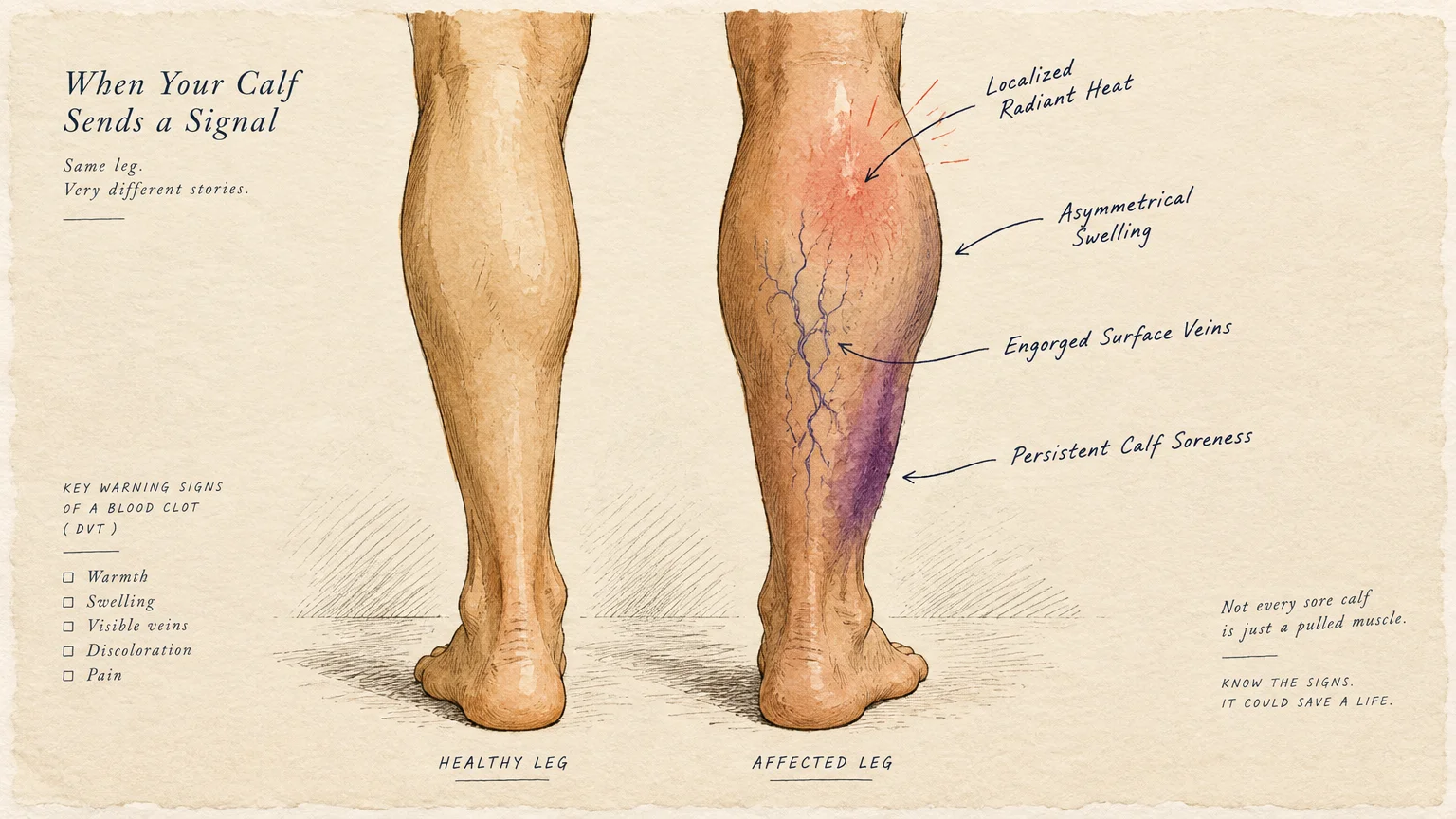
Rapid, unexplained swelling in one calf, ankle, or thigh frequently signals an obstructed deep vein. Asymmetrical swelling confined to a single leg warrants immediate clinical evaluation because systemic fluid retention typically affects both limbs equally.
2. Deep Calf Cramping or Persistent Aches
Many people mistake clot pain for an ordinary nocturnal cramp or athletic soreness. However, clot-related discomfort does not subside with gentle stretching and often intensifies when you stand, walk, or flex your foot upward.
3. Localized Warmth Radiating from the Skin
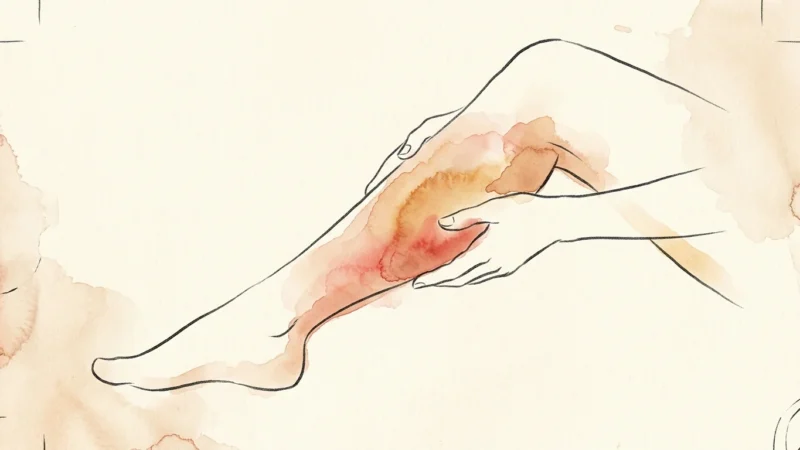
A forming clot sparks an inflammatory cascade as your vascular system reacts to the blockage. Comparing both limbs with the back of your hand often reveals a distinct area of radiant heat over the affected vein.
4. Red or Discolored Skin Patches
Venous congestion forces trapped blood back into superficial capillary networks near the surface of your skin. Consequently, your leg may display persistent reddish, purplish, or faintly bluish patches that do not fade like ordinary bruises.
5. Engorged Surface Veins
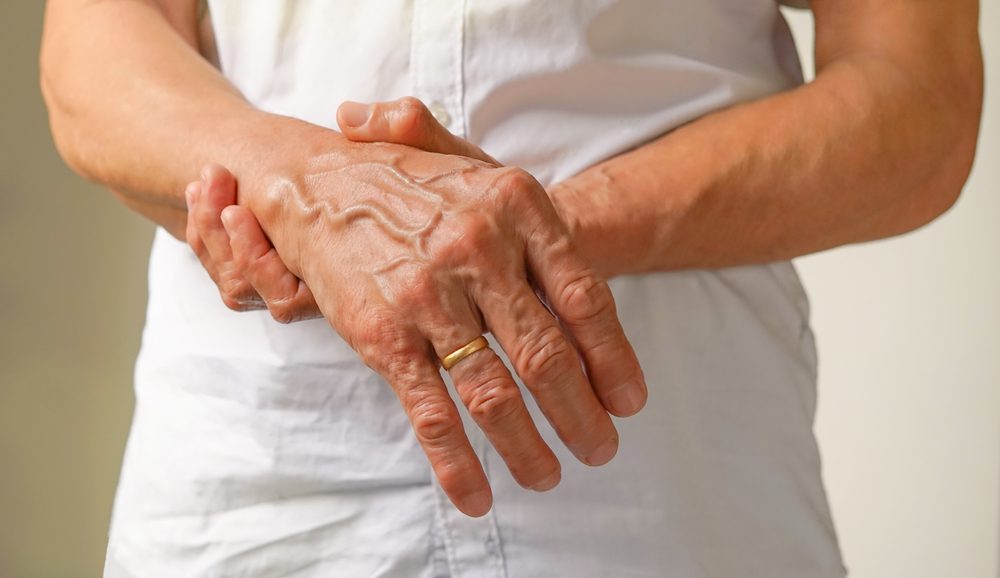
When a deep vein is occluded, blood reroutes through superficial collateral pathways under intense hydraulic pressure. This diversion causes surface veins across your calf or thigh to dilate, bulge, and become visibly prominent.
6. Unexplained Foot and Ankle Pain
Although the clot may reside high within your calf or thigh, referred discomfort frequently settles in your foot. You might experience a throbbing ache along your arch or ankle that worsens under gravitational pressure during walking.
7. Persistent Limb Heaviness and Fatigue
An affected leg often feels remarkably heavy, stiff, and exhausted during routine daily tasks. This sensation stems from elevated fluid pressure within deep muscle compartments and rarely improves until venous return is clinically restored.
8. Taut, Stretched, or Glossy Skin
Severe interstitial fluid buildup stretches your skin until it appears unusually taut and reflective. Pressing your thumb firmly against the swollen tissue may leave an indentation, indicating pitting edema caused by impaired venous drainage.
9. Palpable Tenderness Along the Deep Vein Track
A thrombus creates acute sensitivity along the anatomical path of your popliteal or femoral veins. You may feel a firm, tender cord beneath your skin; avoid massaging this sensitive area to prevent dislodging the clot.
10. Unexplained Low-Grade Fever
The inflammatory reaction triggered by an intraluminal clot can elevate your core body temperature slightly. Patients often record persistent low-grade fevers between 99.5 and 100.5 degrees Fahrenheit alongside localized leg discomfort.
11. Sudden Shortness of Breath
Sudden, unexplained breathlessness indicates that a portion of the clot may have fractured and traveled directly into your lungs. This life-threatening transition constitutes a pulmonary embolism and demands calling 911 or visiting an emergency department immediately.
12. Sharp, Stabbing Chest Pain
According to the National Heart, Lung, and Blood Institute, sharp chest pain that worsens with deep inhalation signals critical pulmonary involvement. This stabbing sensation occurs when a migrated clot compromises blood flow to peripheral lung tissues.
Science Snapshot: Virchow’s Triad and Risk Triggers
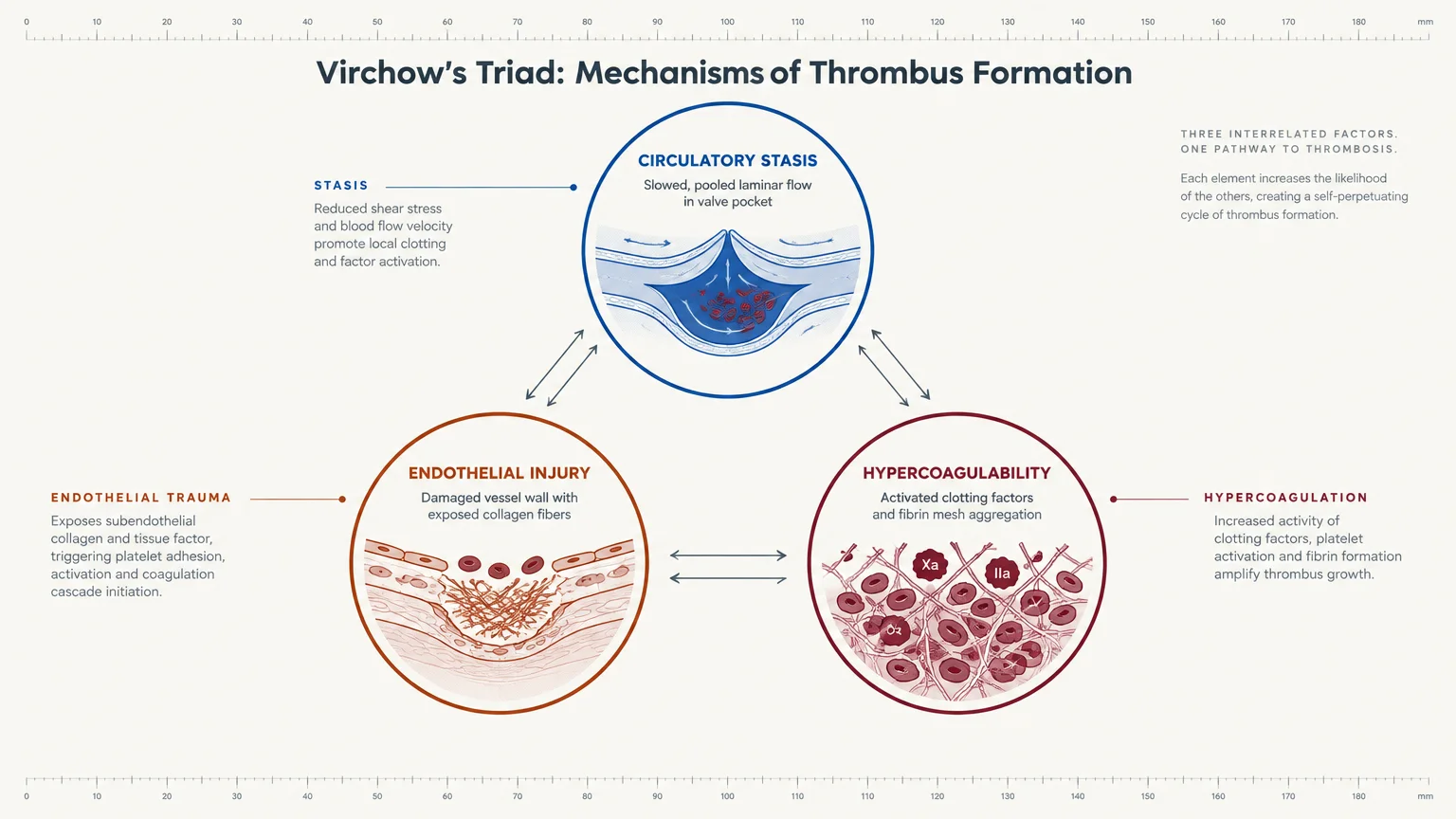
Physician Rudolf Virchow identified three primary physiological drivers of thrombosis: blood stasis, vessel damage, and hypercoagulability. Recognizing these three triggers helps you identify your daily circulatory risks.
Hypercoagulability occurs when genetics, medications, pregnancy, or chronic inflammation accelerate clotting. Meanwhile, blood stasis develops during prolonged stillness; travel-related clot risks escalate after 4 hours or longer of continuous immobility.
Vessel damage stems from surgery, fractures, or intravenous catheters that tear the delicate inner endothelium. Exposed endothelial proteins trigger platelet aggregation, which can foster an obstructive thrombus.
Hospital stays remain a major trigger, as 33 to 50 percent of clots occur during or within 90 days of admission. Fortunately, up to 70 percent of these hospital-acquired events are preventable with routine prophylactic care.
Clinical Perspectives: Bedside Insights on Clot Detection
Vascular specialists routinely warn that pain intensity does not reliably indicate clot size. A massive clot can feel surprisingly mild, while a smaller clot can cause intense local nerve distress.
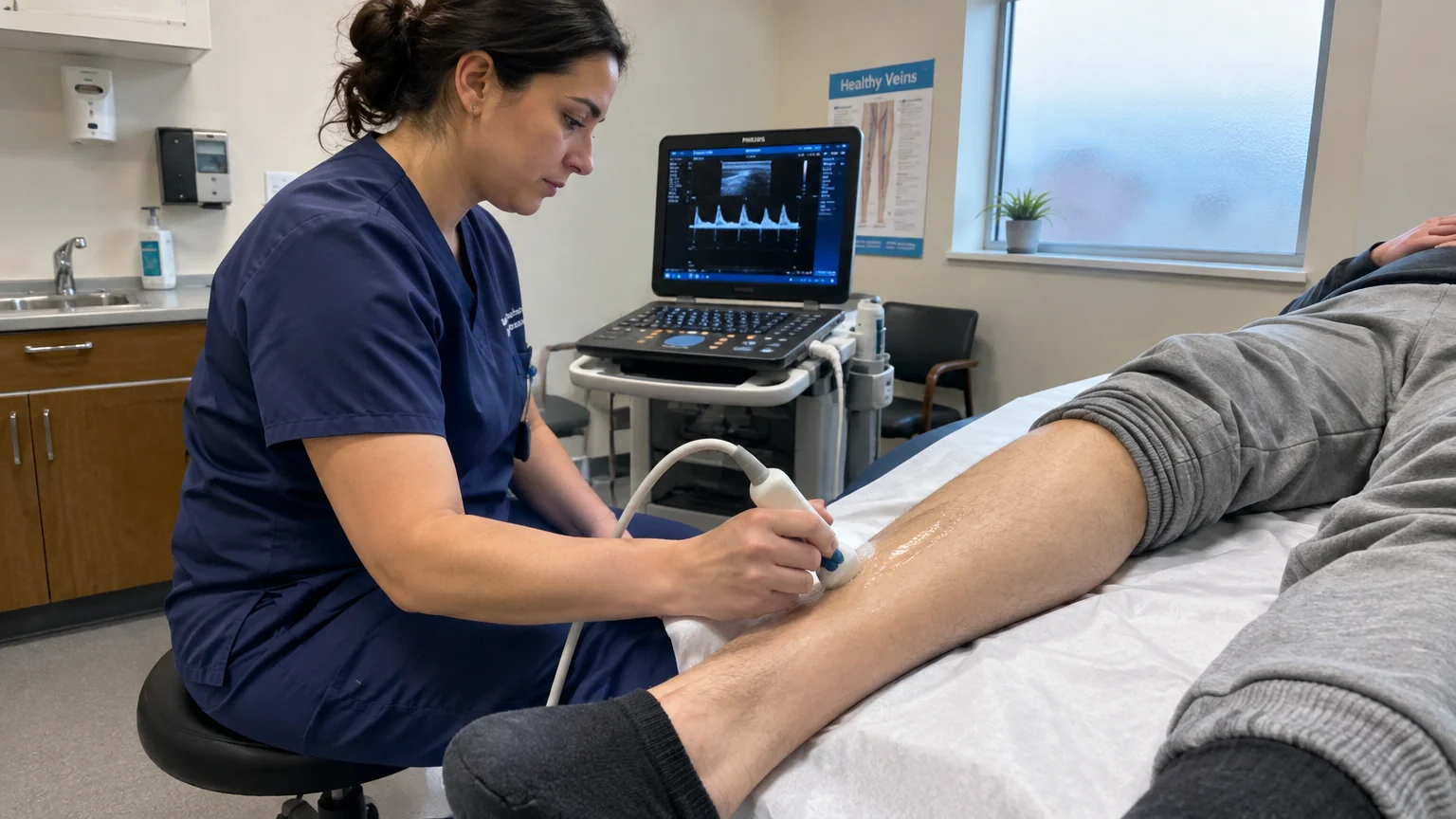
Clinicians advise against waiting to see if unexplained leg swelling resolves on its own. A duplex ultrasound provides definitive diagnostic clarity in under thirty minutes.
Emergency physicians stress that prompt self-advocacy prevents severe pulmonary complications. Request an immediate vascular evaluation if you notice asymmetric leg swelling after prolonged rest.
Holistic Strategy Pillars for Healthy Circulation
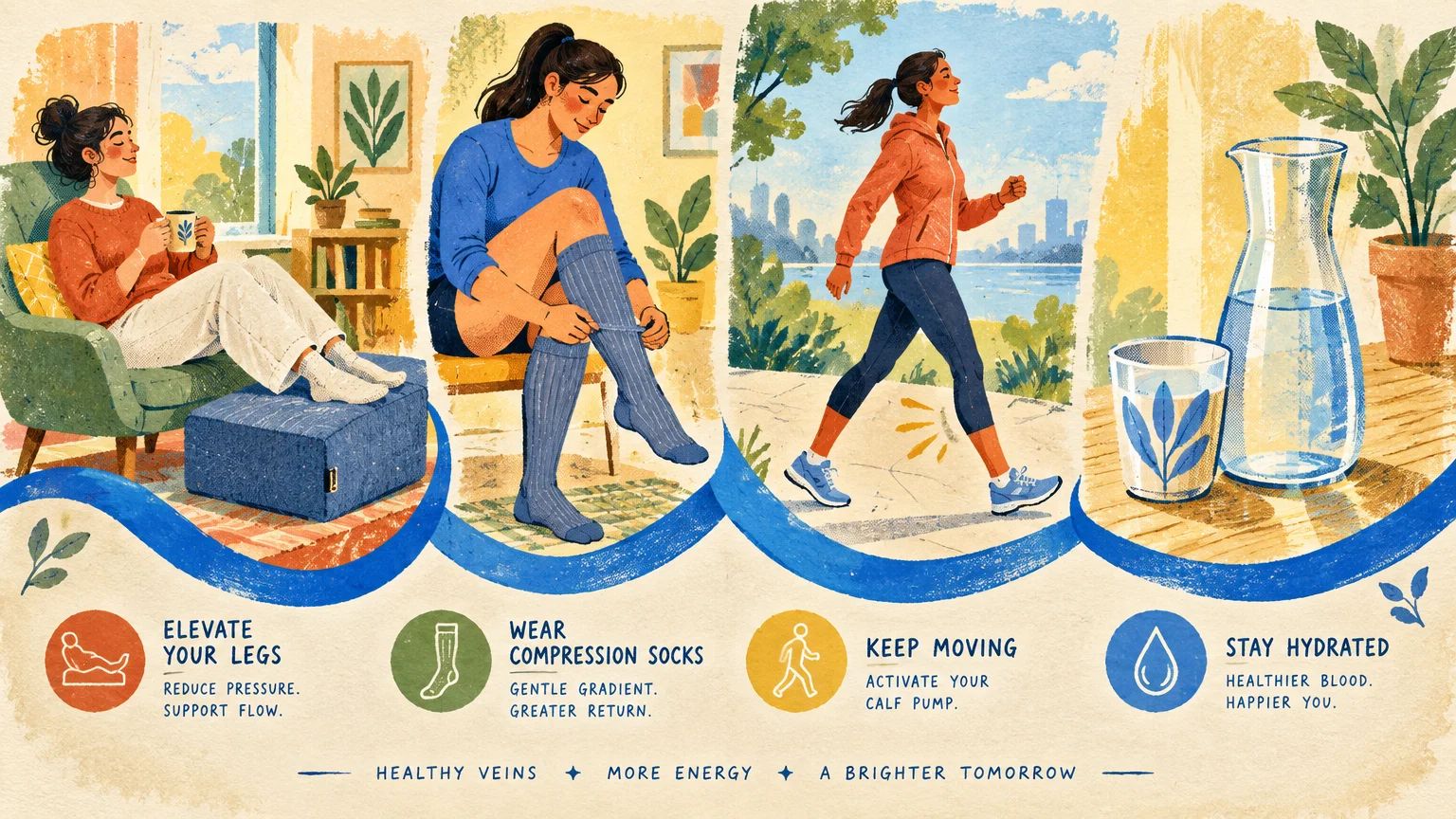
Protecting your circulatory system requires an integrated approach that pairs daily movement habits with sound nutritional and medical care. These four actionable pillars promote resilient blood flow throughout your life.
Dynamic Daily Movement
Your calf muscles function as a secondary mechanical pump, compressing deep veins to drive deoxygenated blood back toward your heart. Prolonged sitting silences this muscular pump and permits venous pooling.
Perform seated ankle pumps, heel raises, and knee extensions every 45 minutes during long work or travel sessions. Taking brief two-minute walking breaks reactivates healthy circulation and lowers your risk of venous stasis.
Vascular Nutrition and Hydration
Maintaining adequate systemic hydration keeps blood viscosity in a healthy, free-flowing range. Drink plenty of water throughout the day, particularly during high-temperature months or extended flights when dehydration sets in rapidly.
Incorporate anti-inflammatory foods like wild berries, dark leafy greens, salmon, and garlic into your daily meals. A registered dietitian nutritionist can help you tailor an eating plan that protects your vascular lining.
Ergonomic Care and Compression
Avoid crossing your legs at the knees or ankles, as this posture mechanically compresses veins and impedes upward blood flow. Adjust your desk chair so your feet rest flat against the floor with your knees bent at 90 degrees.
Graduated compression stockings apply controlled pressure at your ankle that eases upward, boosting venous return during prolonged sitting. Consult a physical therapist or physician to select the proper fit and pressure rating for your legs.
Medical Vigilance and Prophylaxis
Discuss your personal risk factors with your physician before undergoing major orthopedic surgeries or extended bed rest. Evidence-based guidelines from the American Society of Hematology highlight the life-saving impact of individualized clinical prophylaxis.
If your physician prescribes anticoagulant therapy, adhere strictly to your dosage schedule. These medications halt clot propagation, allowing your body’s natural fibrinolytic systems to safely break down the thrombus over time.

Navigating Long-Term Recovery and Recurrence Risks
Recovering from a blood clot requires ongoing attention to your vascular wellness. Between 30 and 33 percent of patients experience a recurrent clot within 10 years of their initial diagnosis.
Between 33 and 50 percent of DVT patients develop post-thrombotic syndrome from damaged venous valves. This complication causes long-term swelling, aching discomfort, skin discoloration, and persistent venous ulcers in the affected limb.
Guidance from the American Heart Association highlights the value of long-term medical follow-up. Combining regular low-impact aerobic exercise with compression therapy significantly reduces chronic post-thrombotic complications.
Frequently Asked Questions About Deep Vein Blood Clots
How quickly can a deep vein clot develop?
A blood clot can form in as little as several hours of complete immobility or progress gradually over multiple days following trauma or surgery. Seek immediate medical evaluation whenever you notice rapid leg swelling or unexplained focal soreness.
Can walking help dissolve an existing blood clot?
Walking cannot dissolve a clot; your body uses internal enzymes and prescribed anticoagulants to clear the blockage. Consult your doctor before resuming exercise to ensure physical activity remains safe and does not provoke dislodgement.
What distinguishes a muscle cramp from DVT?
Muscle cramps strike abruptly and resolve within minutes through stretching, while DVT pain builds steadily over days and resists normal muscle stretches. If unilateral soreness lingers beyond twenty-four hours, request a diagnostic ultrasound to evaluate your deep veins.
Are travel-related blood clots preventable?
You can significantly lower travel risks by drinking water, flexing your calves hourly, and wearing graduated compression stockings on journeys over 4 hours. Speak with your doctor beforehand if you manage underlying clotting risks to explore tailored preventive options.
Taking Action: Your First Step Toward Vascular Safety
Protecting your vascular health starts with simple, consistent choices rather than drastic changes. Begin today by setting an hourly reminder on your phone to stand up and walk for two minutes.
Drink a glass of water, flex your calf muscles, and stimulate your circulation. These small actions reactivate your venous pump and protect your long-term cardiovascular health.
What simple adjustment can you make to your daily routine today to support healthy circulation? Discuss your vascular risk profile with your healthcare provider to design a personalized prevention plan.






Leave a Reply