

A lingering cough can disrupt your sleep, drain your daily energy, and signal underlying airway distress. Pinpointing the exact moment your symptom shifts from a routine annoyance to a medical priority protects your long-term lung health.
While most respiratory infections clear within days, specific warning signs demand swift clinical evaluation and diagnostic testing. Recognizing these critical markers empowers you to advocate for targeted care before complications escalate.
Clinical thresholds separate harmless post-viral clearing from conditions requiring chest radiography, spirometry, or specialist consultation. You can protect your vitality by recognizing these eight crucial red flags immediately.
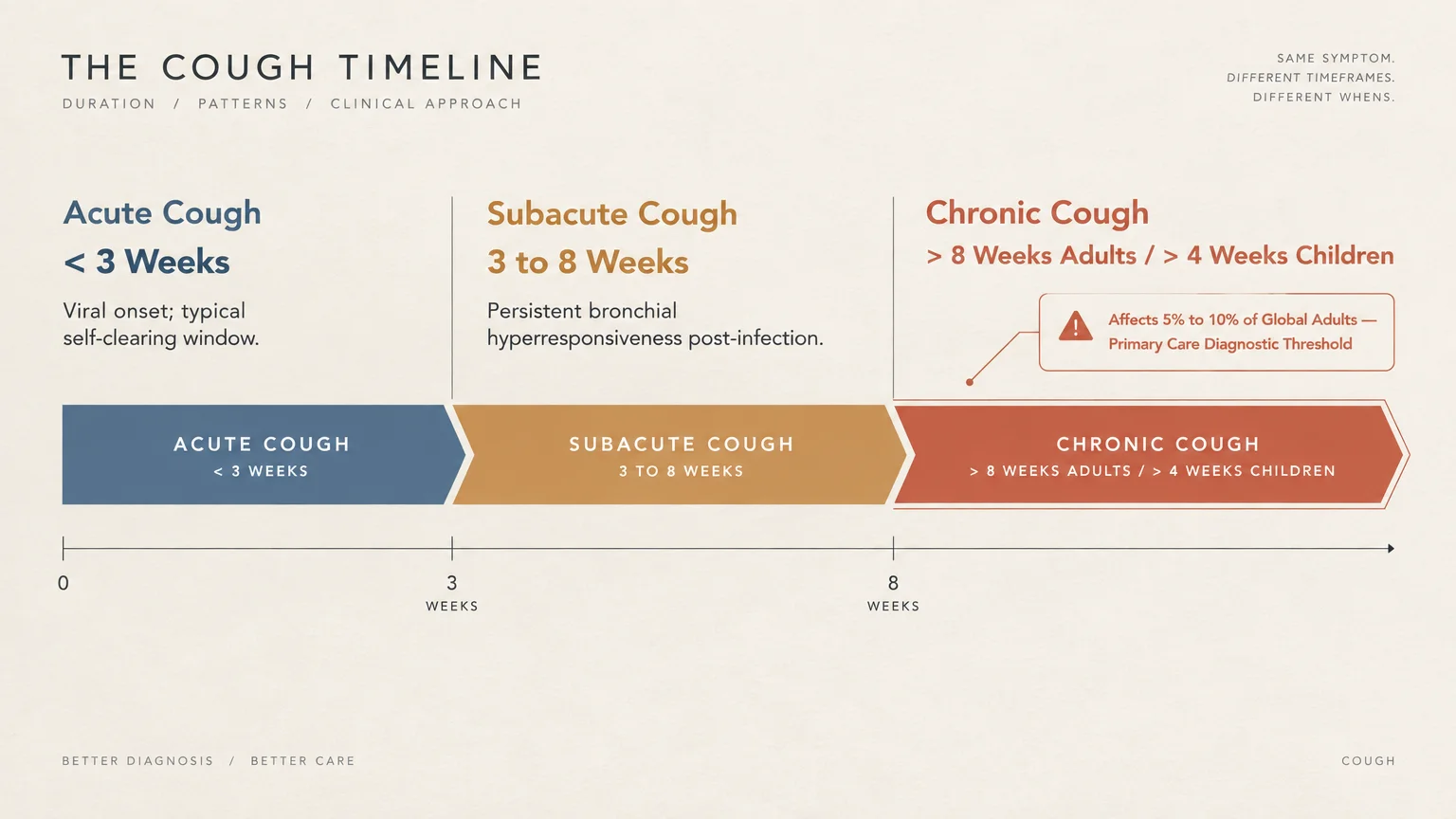
Understanding Cough Duration: When Acute Becomes Chronic
Pulmonologists classify respiratory symptoms by duration to determine appropriate medical interventions. Understanding these distinct timelines helps you identify when your body requires diagnostic intervention.
Clinical guidelines from the American College of Chest Physicians define an acute cough as lasting fewer than three weeks. These short-lived episodes typically stem from common viral infections and resolve without formal laboratory workups.
A subacute cough persists between three and eight weeks, often reflecting lingering bronchial hyperresponsiveness after an infection. When a cough extends beyond eight weeks in adults, or four weeks in children, clinicians classify it as chronic.
Epidemiological research shows that chronic cough affects 5% to 10% of the global adult population. This widespread prevalence makes persistent airway irritation one of the most frequent reasons patients seek primary care.
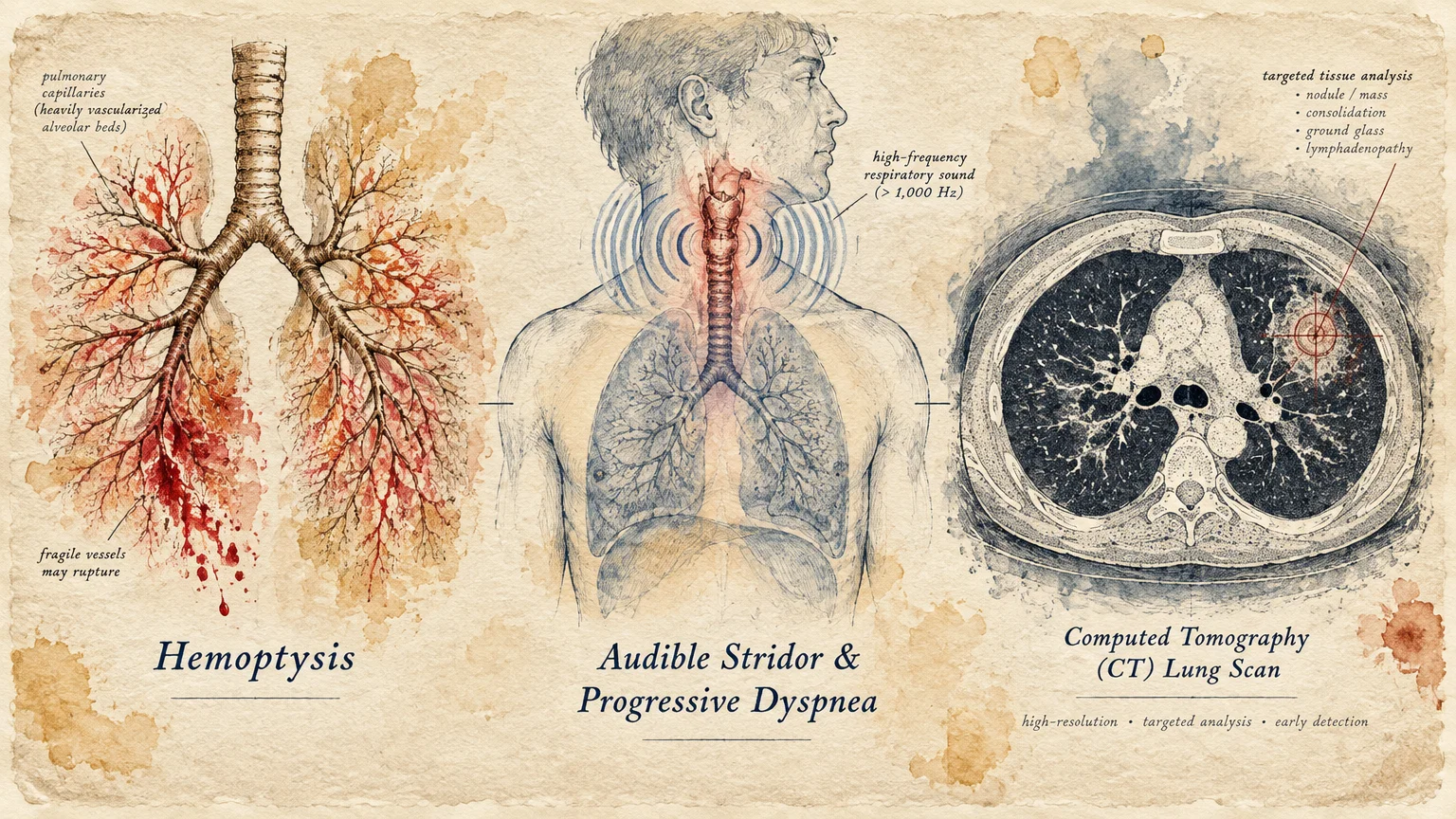
8 Red-Flag Cough Symptoms That Demand Diagnostic Testing
Certain physical signs indicate that airway inflammation involves deeper tissue damage or systemic disease. If you experience any of the following eight symptoms, schedule an immediate medical appointment for comprehensive diagnostic testing.
1. Hemoptysis (Coughing Up Blood)
Coughing up blood, clinically termed hemoptysis, represents an urgent red flag that requires swift medical investigation. Even small flecks of bright red blood or rust-colored phlegm warrant immediate diagnostic imaging.
Physicians utilize chest radiography or computed tomography scans to evaluate your bronchial vascular beds. These scans identify potential malignancies, pulmonary embolisms, active tuberculosis infections, or structural bronchiectasis.
2. Unexplained Weight Loss and Drenching Night Sweats
Unintended weight loss exceeding 5% of your baseline body weight over six months requires urgent evaluation. When unintentional weight loss pairs with drenching night sweats, doctors immediately investigate beyond standard bronchial irritation.
These constitutional markers frequently accompany chronic granulomatous infections such as tuberculosis or thoracic malignancies. Your clinical team will order targeted blood tests, sputum cultures, and contrast-enhanced imaging to identify the systemic cause.
3. Progressive Dyspnea or Audible Stridor
Shortness of breath that worsens over time signals that your airways cannot deliver sufficient oxygen. Experiencing breathlessness during routine tasks or at rest indicates compromised pulmonary reserve.
Audible stridor points toward an upper airway obstruction that requires emergency care. Similarly, persistent wheezing indicates constricted lower bronchial passages that demand objective functional testing.
Clinicians use spirometry protocols from the National Heart, Lung, and Blood Institute to measure airflow obstruction. These tests differentiate cough-variant asthma from chronic obstructive pulmonary disease or early congestive heart failure.
4. Persistent Fever Above 100.4°F
A fever exceeding 100.4°F (38°C) that lasts longer than three to five days points toward an active bacterial infection. When sustained high temperatures accompany thick, discolored mucus, your lungs may harbor a progressive microbial colonization.
The Centers for Disease Control and Prevention warns that unresolved fevers paired with chest congestion often indicate bacterial pneumonia. Your physician will order a chest X-ray and blood tests to direct targeted antibiotic therapy before complications develop.
5. Pleuritic Chest Pain
Pleuritic pain manifests as a sharp, stabbing sensation that intensifies whenever you take a deep breath or cough. This acute discomfort signals inflammation of the pleura, the dual-layered membrane encasing your lungs.
Diagnostic protocols for pleuritic pain include electrocardiograms, D-dimer blood tests, and high-resolution chest imaging. These urgent assessments eliminate life-threatening pulmonary embolisms, pneumothorax, or severe bacterial infections.
6. Hoarseness Lasting More Than Three Weeks
A changing vocal pitch or persistent raspiness that outlasts three weeks demands a dedicated ear, nose, and throat examination. The American Academy of Otolaryngology–Head and Neck Surgery advises formal visualization for prolonged voice changes.
Chronic coughing can traumatize vocal cords, but persistent hoarseness may also reflect underlying structural lesions or laryngeal nerve impingement. An otolaryngologist performs a flexible laryngoscopy to inspect your vocal cords and rule out malignant transformations.
7. Dysphagia or Choking While Eating
Coughing fits triggered by eating, drinking, or swallowing saliva suggest an impaired swallowing mechanism known as dysphagia. When protective laryngeal reflexes falter, food or liquid particles slide into your trachea instead of your esophagus.
Micro-aspiration introduces oral bacteria and acidic gastric contents directly into your sterile lung parenchyma. A speech-language pathologist and radiologist can perform a video fluoroscopic swallow study to identify structural compressions or neurological deficits.
8. Immunocompromised Status or Heavy Smoking History
Your overall health status fundamentally alters the clinical significance of any new respiratory symptom. Individuals with weakened immune systems face elevated risks from opportunistic fungal and atypical bacterial pathogens.
If you manage an autoimmune condition, receive chemotherapy, or take immunosuppressive medications, report even mild coughs immediately. Similarly, individuals with a smoking history exceeding 20 pack-years require immediate low-dose computed tomography screening for any changing cough.
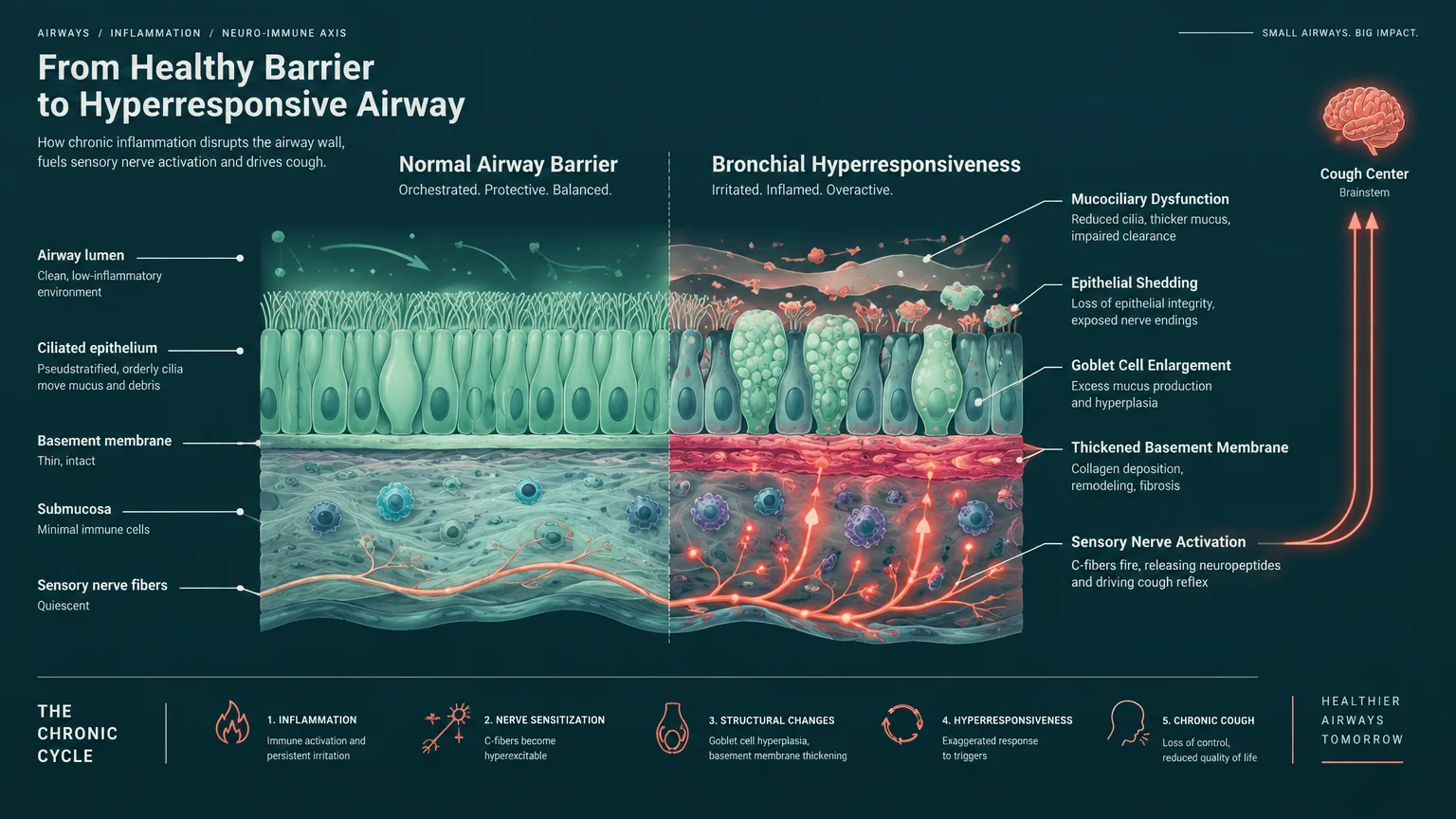
Science Snapshot: Uncovering the Root Causes of Chronic Cough
When chest radiographs show no abnormalities and red flags are absent, four conditions cause more than 90% of chronic cough cases. Pulmonologists refer to this group as the major diagnostic quartet in adult nonsmokers.
Upper Airway Cough Syndrome, previously called postnasal drip, accounts for a substantial percentage of these cases. Secretions draining down the posterior pharynx stimulate mechanical cough receptors along your sensitive laryngeal mucosa.
Cough-variant asthma presents exclusively with a persistent dry cough rather than classic wheezing. Nonasthmatic eosinophilic bronchitis produces airway inflammation without bronchial hyperresponsiveness, requiring specialized sputum analysis for accurate confirmation.
Gastroesophageal reflux disease serves as a silent instigator, sending aerosolized stomach acids up the esophagus to irritate your vagal nerve. In many individuals, reflux triggers chronic coughing without producing traditional heartburn sensations.
Medications can also provoke persistent airway hyperreactivity. Angiotensin-Converting Enzyme inhibitors, prescribed widely for high blood pressure, cause an adverse dry cough in 5% to 20% of treated patients.
This drug-induced cough results from bradykinin accumulation in your lung tissue rather than infectious inflammation. A physician-monitored medication switch typically resolves the irritation within one to four weeks without invasive testing.

Strategy Pillars for Cough Recovery and Pulmonary Health
Restoring respiratory health requires a multifaceted approach that combines modern medical diagnostics with sustainable, holistic daily habits. Integrating targeted lifestyle adjustments with clinical care accelerates mucosal healing and strengthens your body’s defensive barriers.
Pillar 1: Medical Care and Diagnostic Protocols
Never attempt to self-treat a chronic or complicated cough with over-the-counter suppressants alone. Cough suppressants merely mask symptoms while underlying airway damage or infections continue to progress unchecked.
Partner with your primary care provider to establish a systematic diagnostic timeline based on evidence-based protocols. Your physician will order baseline chest radiography, spirometry, and allergy panels to pinpoint the exact physiological mechanism.
If initial treatments fail to bring relief within four weeks, request a referral to a pulmonologist or allergist. Specialist consultations ensure you receive advanced diagnostics such as high-resolution chest imaging or fractional exhaled nitric oxide testing.
Pillar 2: Nutritional Adjustments and Environmental Control
Dietary choices directly influence systemic inflammation and gastric reflux, two primary drivers of chronic throat clearing. Limiting acidic, fried, and heavily spiced foods reduces esophageal acid surges that trigger nighttime vagal reflexes.
Hydrate consistently with warm fluids like bone broth, herbal teas, or filtered water to thin mucus viscosity. Well-thinned secretions clear effortlessly through natural ciliary movement, preventing mucus stasis in your lower bronchial branches.
Purify your indoor breathing environment by eliminating synthetic fragrances, aerosol cleaners, and secondhand smoke exposure. The American Lung Association recommends utilizing HEPA air filtration to capture microscopic particulate matter that irritates hypersensitive airways.
Pillar 3: Breathwork and Gentle Movement
Persistent coughing strains your intercostal muscles, exhausts your diaphragm, and reinforces dysfunctional breathing patterns. Practicing diaphragmatic breathing calms your autonomic nervous system and downregulates the hypersensitive cough reflex loop.
Try nasal breathing exercises throughout your day to humidify, warm, and filter ambient air before it reaches your lungs. Mouth breathing bypasses these natural nasal defenses, exposing sensitive airway tissues to dry, irritating particles.
Engage in low-impact movement such as gentle walking or restorative yoga to promote healthy pulmonary ventilation without triggering bronchospasms. Regular physical activity enhances lymphatic circulation, clearing inflammatory cellular debris from your thoracic tissues.

Real Voices: Clinical Perspectives from the Field
Clinicians emphasize that patients often wait far too long before seeking objective diagnostic evaluations for chronic respiratory symptoms. Early testing prevents benign bronchial hyperreactivity from evolving into structural airway remodeling.
Pulmonary specialist Dr. Elena Vance notes that an eight-week cough is never normal and warrants systematic investigation. She reminds patients that identifying the primary cause transforms chronic frustration into a straightforward, highly treatable condition.
Otolaryngology voice therapist Marcus Reed highlights the neurological component of persistent coughing in adult patients. He observes that chronic irritation sensitizes the vagus nerve, causing benign environmental shifts like cold air to trigger severe coughing spells.
Patients who adopt combined approaches—pairing targeted medication with speech-therapy breathing techniques—consistently report rapid relief. Empowering yourself with specialist guidance shortens your recovery trajectory and protects your vocal tract.
Frequently Asked Questions
Here are clear, evidence-based answers to four common questions patients ask about cough evaluation and treatment.
How do I know if my cough is caused by acid reflux?
Reflux-induced coughing frequently occurs without classic heartburn sensations, a clinical presentation known as silent reflux. This cough typically intensifies after large meals, while lying flat at night, or upon waking in the morning.
If your cough resists standard antihistamines and worsens when you bend over, consult a gastroenterologist. Formal pH monitoring or an empiric trial of antireflux therapy can confirm whether gastric acid drives your symptoms.
Can blood pressure medication cause an unexplained cough?
Yes, Angiotensin-Converting Enzyme inhibitors used for hypertension frequently provoke a persistent, tickling dry cough. This side effect stems from peptide accumulation within your pulmonary tissues rather than an infectious process.
Never stop taking your prescribed cardiovascular medication without direct clinical supervision and guidance. Your prescribing doctor can safely transition you to an Angiotensin Receptor Blocker, which eliminates the cough while maintaining cardiovascular control.
What specific tests will a doctor run for a persistent cough?
Your diagnostic workup begins with a comprehensive physical examination, detailed health history, and a standard two-view chest X-ray. These initial steps rule out major structural abnormalities, pneumonia, and fluid accumulation around your lungs.
If baseline imaging returns normal, your doctor may recommend spirometry to measure lung capacity and identify asthma. Subsequent investigations can include high-resolution computed tomography, sinus imaging, allergy testing, or specialized gastrointestinal motility evaluations.
How does postnasal drip trigger chronic coughing?
Upper airway secretions from allergic rhinitis or chronic sinusitis drip continuously into your hypopharynx throughout the day. These secretions mechanically stimulate delicate superficial cough receptors concentrated around your vocal cords and larynx.
You may experience a frequent urge to clear your throat, alongside a sensation of liquid pooling in your throat. Treating the nasal inflammation with saline rinses and targeted nasal sprays usually terminates the downstream coughing cycle.
Taking Your First Step Toward Lasting Relief
Regaining control of your respiratory health begins with organized self-observation and proactive medical partnership. Small, intentional tracking measures provide your healthcare team with the vital context needed to solve your diagnostic puzzle.
Take ten minutes today to start a dedicated symptom log recording your cough triggers, timing, and accompanying sensations. Note whether specific foods, cold drafts, body positions, or physical exertion provoke your coughing episodes.
Ask yourself what daily activities or moments of restorative rest this persistent cough has compromised over recent weeks. Use that personal insight as your motivating compass to schedule a thorough clinical evaluation right away.









Leave a Reply