
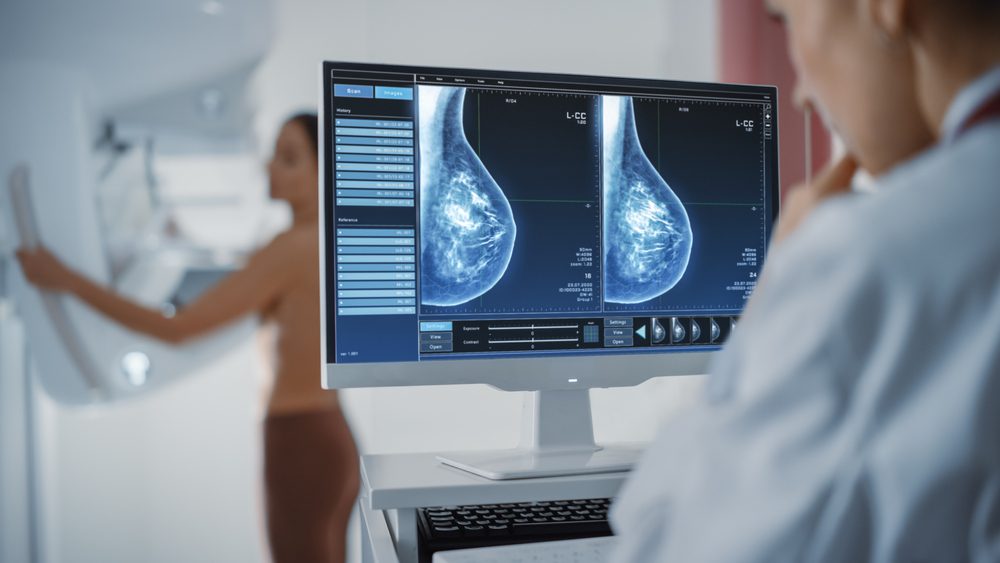
What are the things that might give you breast cancer?
In the past few years, the number of patients with breast cancer has grown exponentially. When cells in the breast start to grow abnormally, divide uncontrollably, and accumulate into a mass that is typically felt as a hard lump, breast cancer develops.
However, what is the underlying cause of this illness? Although the specific source of the cell changes that lead to breast cancer is still unknown, experts do know that several risk factors increase your risk. Genetics and lifestyle are the two main risk factors. Having stated that, let’s examine the things that might give you breast cancer:

1. Taking hormonal birth control pills
One of the first things that might eventually cause breast cancer is birth control pills. While everybody knows for sure that these are safe to use because most of them have medical prescriptions, certain birth control techniques, such as oral contraceptive pills, birth control injections, and IUDs, include hormones that may raise the risk of cancer.
Following a group analysis, it was shown that 1.8 million women between the ages of 15 and 49 had a 20% higher chance of acquiring this kind of cancer only by using hormonal birth control.
2. Avoiding breastfeeding
This is mostly directed at all the young mothers out there! According to certain research, breastfeeding, especially for a duration of one and a half to two years, may somewhat reduce the incidence of breast cancer among women. This could be the case because producing milk restricts the potential for aberrant behavior in breast cells, and nursing lowers a woman’s lifetime menstrual cycle count.
Doctors who analyzed breast tissue from cancer patients revealed that nursing mothers had a 30% decreased chance of cancer recurrence and a 28% decreased risk of cancer-related death.
3. Having a weight problem
One risk factor is obesity, especially for postmenopausal women. Your ovaries produce the majority of your estrogen before menopause. Since the ovaries stop producing estrogen after menopause, fat tissue becomes the main source of the hormone. Excessive fat can elevate estrogen levels and enhance your chance of developing breast cancer.
Furthermore, elevated blood insulin levels in overweight women have been linked to cancer. Strive to keep an adequate weight for your age and height if you want to prevent cancer. Try to incorporate healthy foods into your daily dishes, for example, opt for a Mediterranean diet. The majority of the foods included in the Mediterranean diet are plant-based and include whole grains, legumes, nuts, fruits, and vegetables. Those who consume a Mediterranean diet prefer fish over red meat and healthy fats like olive oil over butter.
4. Alcohol abuse
A lot of people think that having a glass of wine a couple of times a week isn’t a bad thing. However, doctors debunked this myth by saying that women who drink even a couple times a week are more likely to get breast cancer.
Compared to those who avoid drinking alcohol, women who have two or three drinks daily have a 20% increased risk of breast cancer. Alcohol may raise your risk since it boosts the body’s levels of estrogen.
Here at Lasting Health, we research our articles very well before publishing; however, some things are not exactly in our area of expertise, so here and there we make some book recommendations based on various topics that our readers show interest in.
Today’s recommendation is The Cancer Code: A Revolutionary New Understanding of a Medical Mystery, a book about this terrible century disease, cancer, which is available in a lot of formats: paperback, hardcover, kindle, and audiobook. Pick your favorite for less than $30.
5. Having a pregnancy after 35 years old
Women who have never given birth or who gave birth beyond the age of thirty are shown to have a slightly higher risk of breast cancer. Nevertheless, the impact of pregnancy appears to vary depending on the kind of breast cancer. For instance, there appears to be a higher risk if you have triple-negative breast cancer.
6. Postmenopausal hormone therapy
Breast cancer risk might be raised with a combination hormone treatment. Consult your physician about the advantages and disadvantages of hormone treatment. For many women, menopause’s painful signs and symptoms may be worth the elevated risk of cancer if it means that the symptoms will diminish.
Use hormone therapy for as little time as feasible at the lowest possible dose to lower the risk of breast cancer.
7. Lack of physical activity
Frequent exercise lowers the risk of breast cancer, particularly in postmenopausal women. On most days of the week, try to get in at least 30 minutes of exercise. Get your doctor’s approval before beginning any exercise regimen if you haven’t done any recently. According to a new study, women who regularly worked out had a 14% lower risk of developing cancer.
8. Having certain inherited genes
It is estimated that between 5 and 10% of instances of breast cancer are hereditary, indicating that a parent’s gene abnormalities caused the disease. Moreover, the risk is doubled if a first-degree relative has or had cancer in the past.
9. You have already faced cancer
You have a greater chance of getting cancer again in the same breast or one of the other breasts if you have already had cancer in one of them. While it’s not very high, younger women who get breast cancer often have a higher probability.
10. Your first period came earlier than usual
Back in the day, people said that girls who get their period before 14 years old are way more precocious than others. If this also applies to you, though, it indicates that you have had more menstrual cycles and have been exposed to higher levels of progesterone and estrogen throughout your life, all of which raise the risk of breast cancer.
The same is true for women who experience menopause beyond the age of 55. This indicates that you have experienced longer menstrual cycles, which further increases your exposure to progesterone and estrogen and raises your chance of developing cancer.
11. Women who took diethylstilbestrol
Do you remember that drug called diethylstilbestrol, or short DES, that was given to women to lower the chances of miscarriage? This drug was made of estrogen, and it was “the real deal” back in the day, from the ’40s through the early ’70s.
Apparently, according to the tests conducted by the American Cancer Society, there may be a small increase in the risk of breast cancer for women whose mothers used DES when they were pregnant.

Can we prevent breast cancer?
While you can’t really avoid developing breast cancer, there are some small changes that you as a woman can do to at least reduce the risk of developing it. You can try to visit your doctor more often and ask for breast screening at least every 4 months.
There are a multitude of ways to detect cancer from early days so make sure you talk to them about how often it’s recommended to take tests. Together you will be able to find the best options for you.
Furthermore, you can always do a self-examination. You can inspect your breasts occasionally and if you feel that’s something unusual like a new change, or a tiny lump talk to your doctor as soon as possible!
You may also be interested in reading about 7 Everyday Things That Can Give You Type 2 Diabetes.



How come endocrine disrupters aren’t mentioned EVER?! Parabens and other toxic chemicals lead to breast cancer. I am convinced that is what happened to me. Banned in other countries but not here.