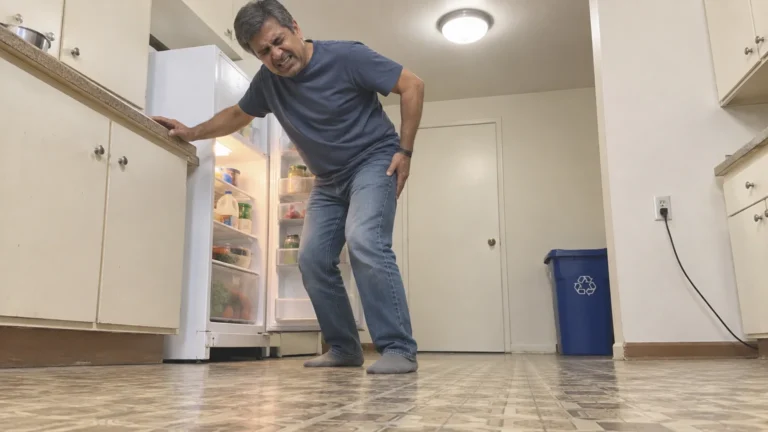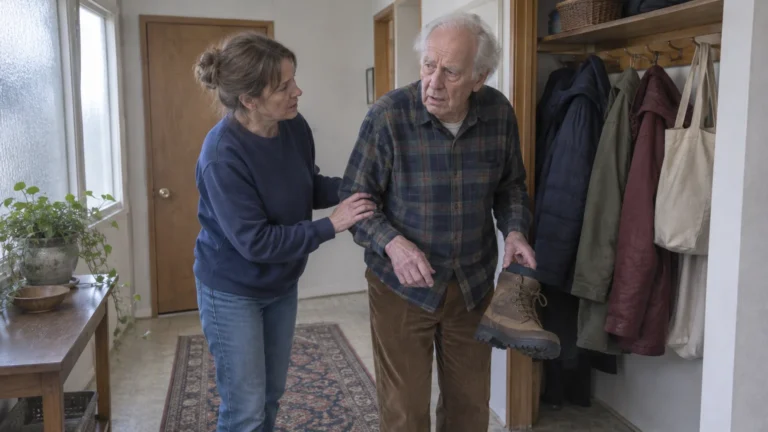

You might expect heart failure to announce itself with sudden, crushing chest pain. In reality, early heart failure often creeps in through quiet changes that many people mistake for normal aging.
Subtle signs like snug shoes, sudden nighttime coughing, or persistent morning exhaustion demand your immediate attention. Catching these early signals protects your independence and keeps you out of the hospital.
When you know what to watch for, you can act long before cardiac strain damages your vitality. Here is what leading cardiologists want you to spot today.

Recognizing Non-Chest Pain Warning Signs
Fluid Retention and Swelling in Lower Extremities
Fluid retention often appears first in your ankles, feet, or lower legs. When your heart pumps less effectively, blood pools in the veins and forces fluid into surrounding tissues.
You may notice your socks leaving deep, indented rings around your calves by late afternoon. Everyday shoes might feel uncomfortably tight even though your routine has not changed.
Nighttime Breathing Changes and Coughing
Heart failure frequently disrupts sleep through fluid shifts. When you lie flat, gravity no longer keeps fluid in your legs, allowing it to migrate toward your lungs.
You may wake up gasping for air or require extra pillows beneath your head. A persistent dry cough or wheezing that worsens when reclined also signals pulmonary congestion.
Unexplained Fatigue and Cognitive Shifts
When cardiac output drops, your body diverts blood flow away from limbs to protect vital organs. This survival mechanism leaves your skeletal muscles deprived of oxygen and fuel.
You might feel drained after completing basic household chores that once felt effortless. Reduced blood circulation can also trigger subtle forgetfulness or confusion that family members notice first.
Digestive Discomfort and Abrupt Fullness
Diminished cardiac efficiency often causes vascular backup into your liver and digestive tract. This fluid congestion impairs regular digestion, causing persistent bloating or mild nausea.
You might feel full after eating only a few bites of food. When an unexplained loss of appetite persists, your heart could be signaling distress.
The Science of Cardiac Strain in Older Adults
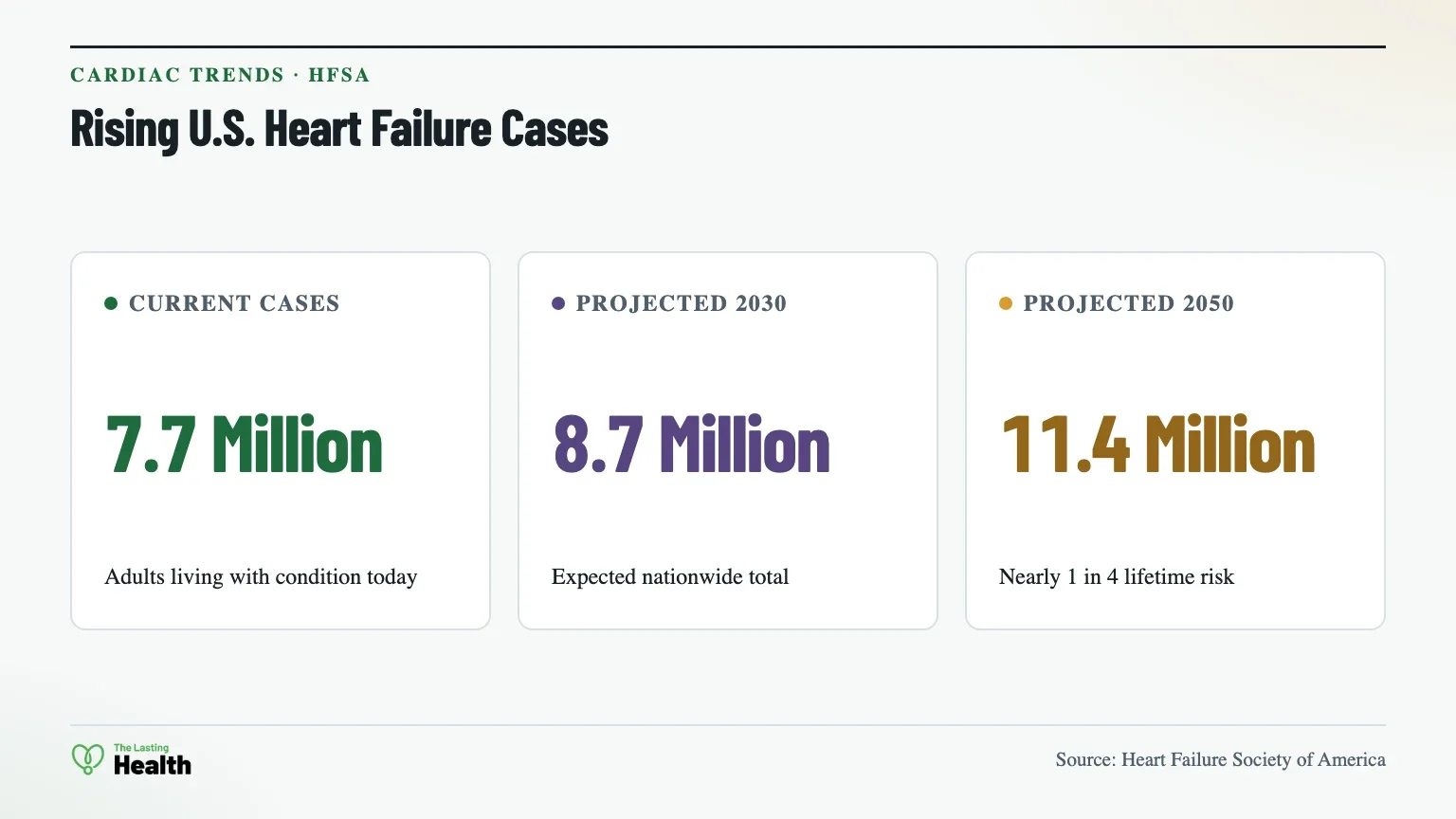
According to the Heart Failure Society of America report on cardiac trends, approximately 7.7 million American adults live with heart failure today.
Prevalence is projected to reach 8.7 million by 2030 and exceed 11.4 million by 2050. Nearly one in four Americans will develop heart failure during their lifetime.
The American Heart Association guidance on heart failure highlights how sharply risk climbs with age. Heart failure affects 8.5 percent of men and 4.6 percent of women ages 60 to 79.
For adults age 80 and older, rates climb to 14.1 percent in men and 12.3 percent in women. Heart failure remains the leading cause of hospital admissions for adults over 65.
In 2023, heart failure contributed to 452,573 domestic deaths, representing nearly 15 percent of all mortalities. Age-adjusted mortality climbed approximately 37 percent between 2010 and 2023.
Roughly 60 percent of older adults with heart failure manage at least five other chronic health conditions simultaneously. Furthermore, over half of these individuals experience some degree of physical disability.
Clinical data reveals that 55.3 percent of adults over 65 have Stage 3 or 4 Cardiovascular-Kidney-Metabolic syndrome. This metabolic interplay accelerates vascular stiffening and strains cardiac muscle.
Doctors also increasingly identify transthyretin amyloid cardiomyopathy, where misfolded proteins stiffen heart tissue. Diagnosed cases among Medicare beneficiaries rose more than fivefold between 2010 and 2021.
Understanding Left-Sided and Right-Sided Heart Failure
Your heart functions as a coordinated double pump, and failure can begin on either side. Each side creates distinct symptoms depending on where pooled fluid collects.
The National Heart, Lung, and Blood Institute research notes that left-sided failure backs fluid into pulmonary veins. This pressure produces breathlessness, persistent coughing, and difficulty resting flat.
Right-sided heart failure causes systemic venous congestion, forcing fluid into your abdomen, legs, and ankles. Because left-sided failure often triggers right-sided failure, many older adults experience both symptom sets together.
Clinical Insights on Progressive Staging
Cardiologists emphasize that heart failure progresses through four defined clinical stages, from Stage A to Stage D. Recognizing this framework helps you intervene before irreversible damage occurs.
About one-third of symptom-free adults meet criteria for Stage A due to hypertension or diabetes. Another 24 to 34 percent have Stage B pre-heart failure with structural cardiac changes.
Intervening during these early stages prevents progression to symptomatic Stage C disease. Tracking departures from your personal stamina baseline ensures your doctor can order timely diagnostic tests.
A Mayo Clinic overview of atypical heart failure signs notes that seniors often display mental confusion rather than breathlessness. Reduced cerebral blood flow frequently impairs concentration before fluid enters the lungs.

Four Practical Strategies for Daily Cardiovascular Support
1. Establish a Daily Weigh-In Protocol
A digital bathroom scale serves as an indispensable early warning tool. Rapid weight gain reliably reflects internal fluid retention before outward swelling appears.
Step onto the scale each morning after using the restroom but before eating breakfast. Record your weight daily in a notebook or smartphone app.
Contact your physician if you gain over two to three pounds in a day or five pounds in a week. These specific thresholds indicate active fluid buildup.
2. Adopt Heart-Smart Sodium and Fluid Habits
Excess sodium acts like a sponge in your bloodstream, retaining water and forcing your heart to work harder. Cutting back on processed foods delivers rapid cardiovascular relief.
Season home meals with citrus juice, garlic, cracked pepper, and fresh herbs instead of table salt. Work with a registered dietitian nutritionist to identify your ideal daily sodium target.
Discuss fluid intake limits directly with your medical provider. Some individuals require moderate daily fluid restrictions to prevent circulatory overload.
3. Maintain Consistent Low-Impact Movement
Regular physical activity trains peripheral muscles to extract oxygen more efficiently, reducing mechanical strain on your heart. Gentle exercise also promotes venous blood return from your legs.
Engage in moderate activities such as walking, water aerobics, or stationary cycling. Always begin with a gradual warm-up and rest whenever fatigue sets in.
Consult a physical therapist to design a customized exercise plan if joint discomfort limits your mobility. Never push through severe breathlessness, dizziness, or chest tightness.
4. Optimize Your Medical Care and Prescriptions
Modern medications significantly reduce hospitalization rates and extend life. However, research indicates that only 18 percent of eligible patients receive all four pillars of recommended therapy.
Review your medication list with your cardiologist during every clinical appointment. Never discontinue prescribed diuretics, beta-blockers, or blood pressure drugs without direct physician guidance.
The Centers for Disease Control and Prevention suggests carrying an updated medication card in your wallet. Include exact dosages and prescribing physician contacts for emergencies.
Frequently Asked Questions About Subtle Heart Failure
How can I tell if leg swelling is heart failure or vein disease?
Venous insufficiency usually causes localized skin discoloration, visible veins, and swelling that resolves when you elevate your legs. Heart failure swelling typically accompanies systemic clues like fatigue or breathlessness.
Your doctor can evaluate natriuretic peptide blood levels and perform an echocardiogram to verify the cause. Avoid guessing the origin of persistent lower-body swelling on your own.
Why does heart failure trigger a nighttime cough?
When you recline, fluid pooled in your legs shifts back toward your chest cavity. A weakened left ventricle cannot handle this volume, allowing tiny amounts of fluid into pulmonary spaces.
This irritation sparks a cough that may produce white or pink-tinged mucus. If coughing forces you to sleep in a chair, inform your cardiologist right away.
Can someone develop heart failure without having a heart attack?
Yes, heart failure often develops from non-ischemic causes over several decades. Chronic hypertension, diabetes, valve disorders, and viral infections can stiffen or weaken your heart muscle.
Conditions like cardiac amyloidosis also impair heart elasticity without coronary artery blockages. Regular primary care visits help identify these underlying factors before symptoms escalate.
When should I call my doctor versus going to the emergency room?
Call your outpatient clinic for mild weight gains, subtle ankle puffiness, or gradual reductions in exercise stamina. These gradual shifts require scheduled medication adjustments or office visits.
Call emergency services immediately if you experience severe breathlessness, crushing chest tightness, fainting, or sudden confusion. Never drive yourself to an emergency department during an acute crisis.
Your Next Step Toward Better Heart Health
Protecting your cardiovascular wellness does not require drastic lifestyle shifts overnight. Start tomorrow morning by placing a reliable digital scale in your bathroom and tracking your baseline weight.
Take a quiet moment today to reflect on your daily stamina and physical baseline. By tuning in to your body’s subtle changes, you can partner proactively with your medical team.