

Waking up with a scratchy throat, plugged sinuses, and heavy eyelids forces you to make an immediate decision. Identifying whether your body is battling a seasonal flare-up or an infectious viral invader determines how quickly you find relief.
Because both conditions trigger identical inflammatory responses in your upper airway, confusing their early warning signs is remarkably easy. Knowing the precise differences keeps you from taking ineffective medicines or missing valuable recovery time.
Targeting the root cause transforms your daily symptom management and restores your daily energy. Let us examine the clinical overlaps, distinct warning signs, and evidence-based relief strategies.

The Science of Airway Inflammation: Cold vs Allergies
Your immune system constantly guards your respiratory tract against external threats. When foreign particles land on delicate nasal membranes, your body initiates a swift defense sequence.
According to Centers for Disease Control and Prevention allergy statistics, approximately 25.2 percent of adults and 20.6 percent of children manage diagnosed seasonal allergies. These individuals produce excess Immunoglobulin E antibodies in response to harmless environmental proteins.
When airborne pollen encounters sensitized immune cells, your body releases histamine and inflammatory leukotrienes. This biochemical cascade rapidly dilates local blood vessels and recruits mucosal fluid.
In contrast, respiratory viruses cause common colds by invading epithelial cells directly. Data from CDC respiratory virus data shows that adults experience an average of two to three colds each year.
Rhinoviruses damage host cells, prompting your innate immune system to release systemic cytokines like interleukins and interferons. These viral defense chemicals create symptoms that mirror allergic cascades.
10 Overlapping Cold or Allergy Symptoms
Because both conditions inflame the same nasal pathways, their physical presentations mirror each other closely. Recognizing how each symptom develops helps you choose the correct remedy.
1. Sneezing
Sneezing expels irritants from your upper airway through an involuntary neurological reflex. Chemical messengers stimulate the trigeminal nerve, triggering sudden, forceful expirations.
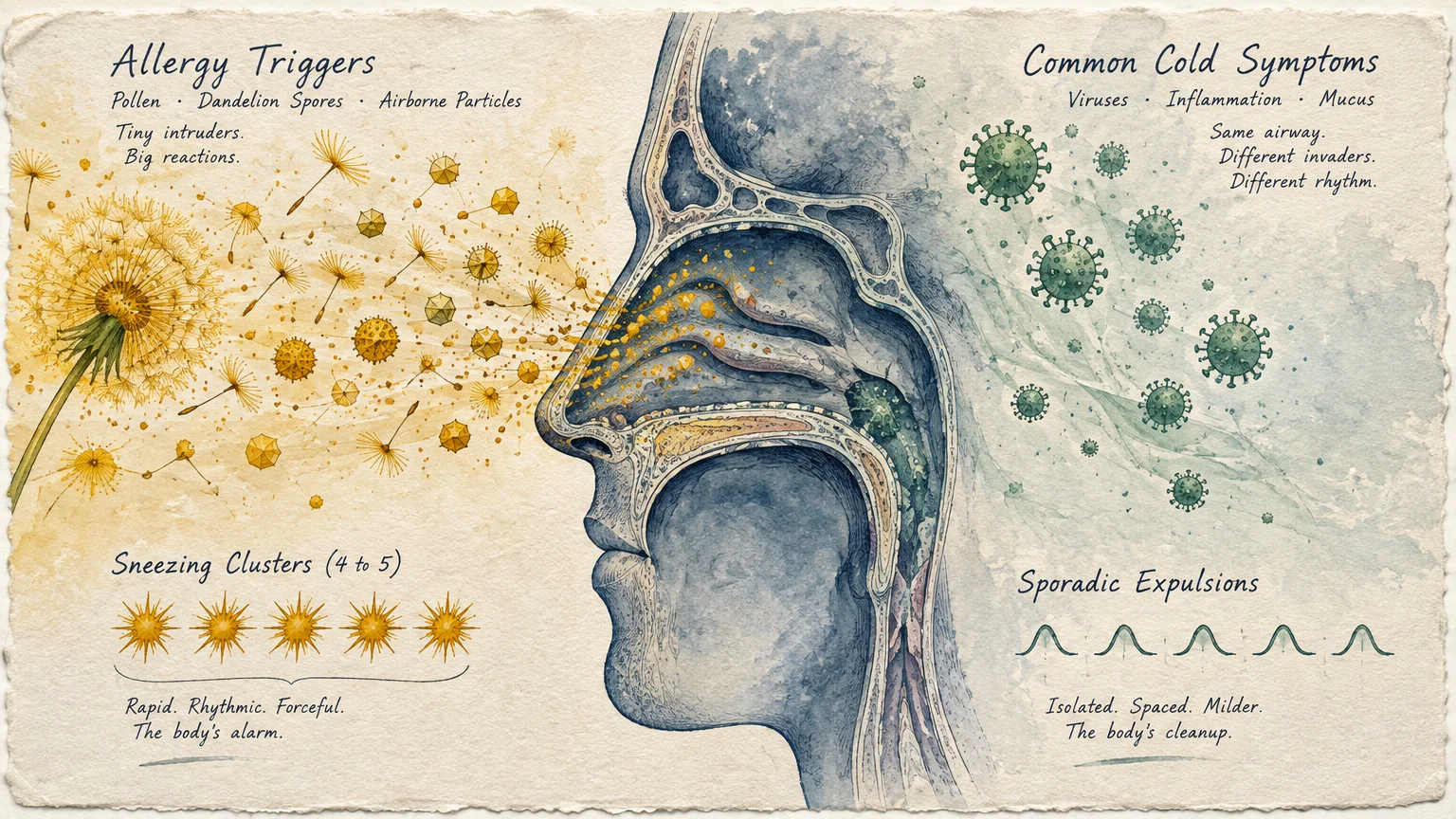
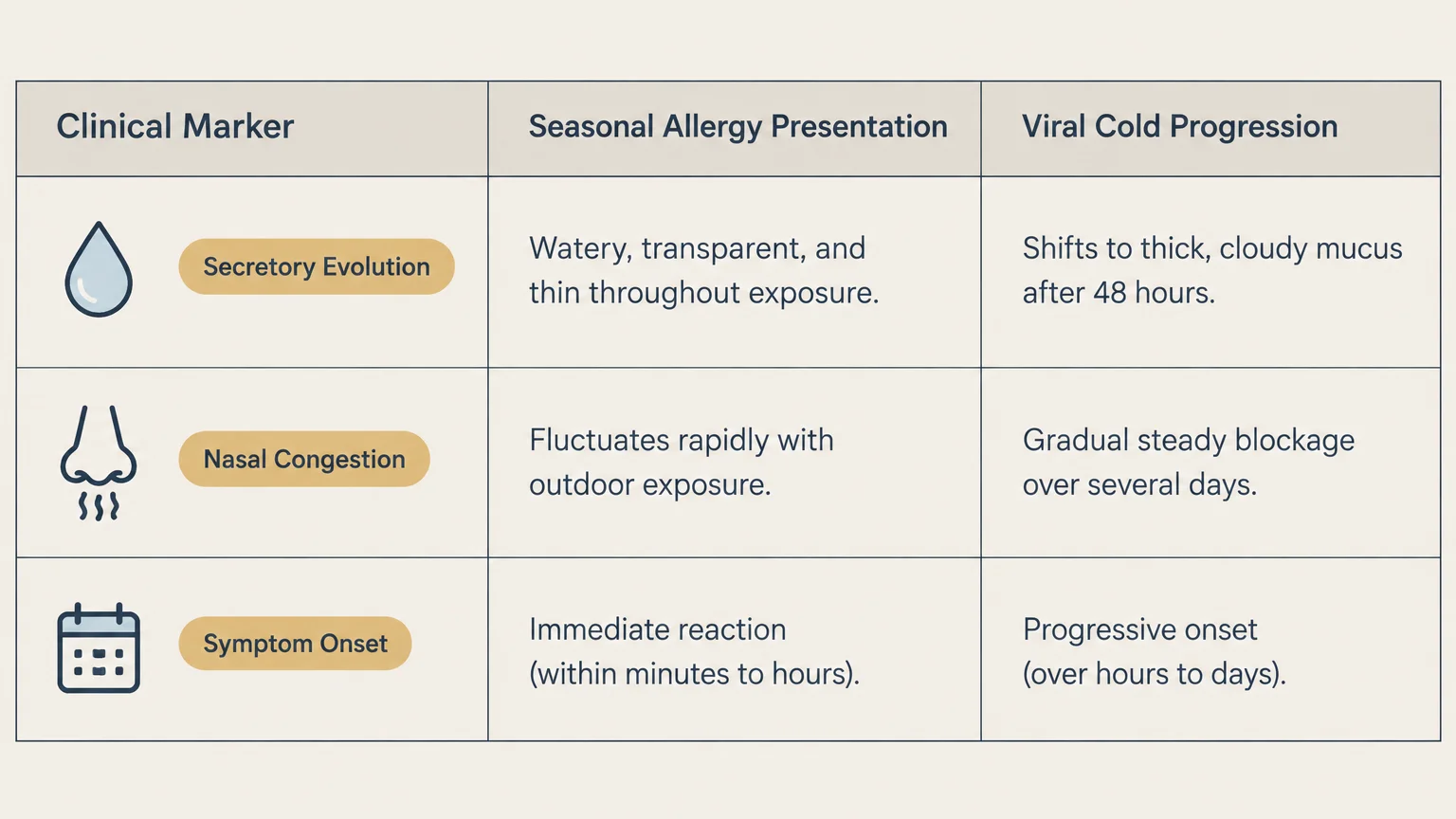
Allergies typically provoke violent, rapid-fire sneezing fits that occur in clusters of four or five. Seasonal allergy symptoms trigger these bursts immediately after you step outside or open a window.
Viral colds, by contrast, cause sporadic sneezing distributed evenly across your day. You will usually sneeze once or twice as your body attempts to clear accumulated viral secretions.
2. Runny Nose (Rhinorrhea)
Glandular hypersecretion flushes out irritants by coating nasal tissues in continuous liquid. Both seasonal allergens and viral pathogens stimulate these submucosal glands.
When you suffer from seasonal allergies, this discharge remains persistently thin, watery, and transparent throughout the entire exposure. The fluid flows freely like tap water without changing texture.
A viral cold follows an entirely different secretory evolution over several days. Secretions start thin, but they quickly transition into thick, cloudy, or discolored mucus after forty-eight hours.
3. Nasal Congestion and Stuffy Passages
Swollen turbinates narrow your nasal airways and restrict natural breathing patterns. This swelling creates an uncomfortable sensation of internal blockage and fullness.
Allergic congestion stems from histamine-driven vasodilation that engorges venous sinusoids in your nasal lining. Symptoms fluctuate based on your immediate proximity to outdoor molds, grasses, or tree pollens.
Viral congestion develops alongside direct tissue inflammation and dense mucus impaction. Swelling often peaks between days two and three as your immune defenses battle cellular infection.
4. Sore or Scratchy Throat
Pharyngeal discomfort makes swallowing painful and irritates your throat during conversation. However, the root origin of this irritation differs fundamentally between ailments.
Allergies produce a distinctive scratchy or tickling sensation across the roof of your mouth and pharynx. This irritation results primarily from acidic post-nasal drip dripping constantly down your posterior pharynx.
A cold inflames your throat tissues through direct viral invasion of mucosal cells. This produces raw, burning pain that often serves as the initial warning sign of an acute infection.
5. Persistent Coughing
Cough reflexes protect lower airways by expelling mucus, foreign particles, and cellular debris. The nature of your cough reveals critical diagnostic clues.
Allergic coughing presents as a dry, hacking, non-productive spasm triggered by sensory irritation in the throat. You may notice coughing fits intensifying at night while lying flat in bed.
A cold cough often starts dry before transforming into a productive, chesty cough that loosens cellular waste. Lingering viral bronchial sensitivity can persist for ten to fourteen days after initial infection.
6. Fatigue and Low Energy
Physical exhaustion drains your vitality and diminishes mental productivity during everyday tasks. Both viral infections and allergic episodes place heavy metabolic demands on your body.
Allergy fatigue often results from poor sleep quality caused by nocturnal airway resistance. Histamine release also disrupts normal neurological sleep architecture, leaving you feeling unrefreshed upon waking.
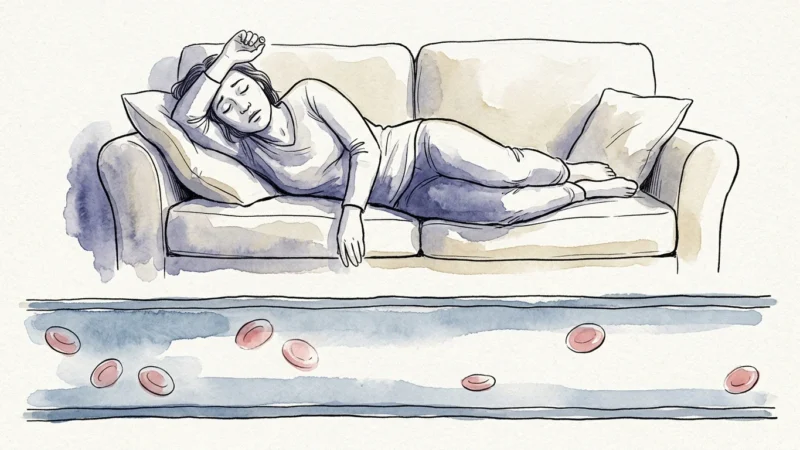
Viral fatigue arises from circulating inflammatory cytokines that redirect your metabolic energy toward defense mechanisms. This systemic response creates profound physical lethargy that encourages necessary bed rest.
7. Sinus Pressure and Facial Headaches
Swollen mucosal membranes occlude small drainage openings called ostia within your facial bones. Trapped air and accumulating secretions generate significant localized tension.
Research cataloged by the National Institutes of Health clinical resources demonstrates that impaired sinus ventilation promotes painful pressure behind the eyes, forehead, and cheekbones.
Allergic sinus pressure persists symmetrically as long as environmental irritants trigger tissue swelling. Viral sinus pressure may worsen unevenly if secondary bacterial pathogens colonize stagnant fluids.
8. Watery or Irritated Eyes
Excess tear production, known clinically as epiphora, frequently accompanies upper respiratory distress. Inflamed conjunctival surfaces produce tears to flush out threatening foreign agents.
Allergic conjunctivitis causes intense, bilateral tearing accompanied by prominent redness and unyielding itchiness. Histamine release on ocular surfaces provokes an immediate urge to rub your eyes.
Viral colds provoke tearing through mechanical obstruction of the nasolacrimal drainage ducts. Nasal swelling prevents normal tear drainage down into your nose, creating watery overflow without intense itching.
9. Post-Nasal Drip
Excess secretions flowing down the back of your pharynx trigger frequent throat clearing and mild nausea. Both allergic rhinitis and common viral rhinoviruses induce this troublesome drainage.
Allergic post-nasal drip feels watery and thin, producing an annoying tickle that interrupts your speech. You may constantly swallow to clear this persistent fluid accumulation.
Cold-induced drip exhibits a thicker, stickier consistency that clings tenaciously to pharyngeal membranes. This dense mucus often provokes forceful gagging or morning throat clearing.
10. Decreased Sense of Smell and Taste
Temporary hyposmia dulls your perception of appetizing meals and ambient scents. Olfactory neuroepithelium at the nasal roof requires free airflow to register odor molecules.
Allergic swelling physically blocks odorants from reaching neuroreceptors without directly damaging sensory cells. Relieving mucosal edema promptly restores your sharp olfactory discrimination.
Viral infections can disrupt smell through both mechanical obstruction and temporary receptor neuroinflammation. Your sensory acuity typically returns gradually as epithelial tissues repair themselves over two weeks.
How to Tell Cold from Allergies: Key Differentiators
Evaluating specific hallmark features allows you to distinguish between these conditions with confidence. Careful observation of your body provides immediate clarity.
Itching represents the definitive diagnostic differentiator for seasonal allergic rhinitis. If you experience intense itching across your palate, inner ear canals, and eyes, you have allergies.
Viruses rarely provoke itching; instead, they generate systemic discomforts like muscle aches and low-grade fevers. Allergies never raise your body temperature or cause generalized somatic pain.
The clinical timeline also offers undeniable proof of the underlying trigger. Cold symptoms peak within two to three days of exposure and generally resolve within seven to ten days.
Allergy symptoms appear within seconds of exposure and persist indefinitely until the trigger disappears. Monitoring these timing patterns protects you against misdiagnosing chronic seasonal inflammation.
Strategy Pillars for Sustainable Airway Relief
Restoring clear respiration requires a multidimensional plan that combines targeted medical interventions, dietary support, and daily environmental care. Proactive habits build long-term physiological resilience.
Medical Care: Choosing Effective Treatments
Selecting the right pharmaceutical tools prevents prolonged discomfort and protects your budget. Regulatory updates emphasize the necessity of checking active ingredient labels carefully.
In late 2024, the FDA drug safety announcements proposed removing oral phenylephrine from over-the-counter monographs because clinical evidence proved it ineffective at approved doses.
Instead of ineffective oral phenylephrine products, choose behind-the-counter pseudoephedrine for temporary sinus decongestion after consulting your pharmacist. Alternatively, intranasal corticosteroid sprays offer potent, targeted relief for allergic mucosal swelling.
Non-drowsy second-generation oral antihistamines help block histamine receptors during seasonal surges. If your symptoms resist conventional remedies, consult a board-certified allergist for comprehensive allergy testing.
Targeted Nutrition and Airway Hydration
Nutritional choices strengthen epithelial barrier integrity and support immune regulation. What you consume influences mucus viscosity and systemic inflammation.
Drink at least two to three liters of purified water daily to thin respiratory secretions. Proper cellular hydration enables cilia to sweep away trapped particles efficiently.
Incorporate warm broths and herbal infusions containing fresh ginger, thyme, and turmeric. These botanical elements provide gentle anti-inflammatory compounds that soothe irritated pharyngeal tissues.
Focus on colorful whole foods rich in vitamin C, quercetin, and zinc, such as citrus, red onions, and pumpkin seeds. Quercetin acts as a natural plant flavonoid that stabilizes mast cell membranes.
Environmental Control and Mindful Rest
Modifying your immediate surroundings reduces allergen burdens and conserves immune resources during acute illness. Clean microenvironments accelerate natural healing.
Equip your bedroom with a true HEPA air purifier to capture circulating pollen grains, mold spores, and dust mites. Keep bedroom windows closed during peak morning pollen hours.
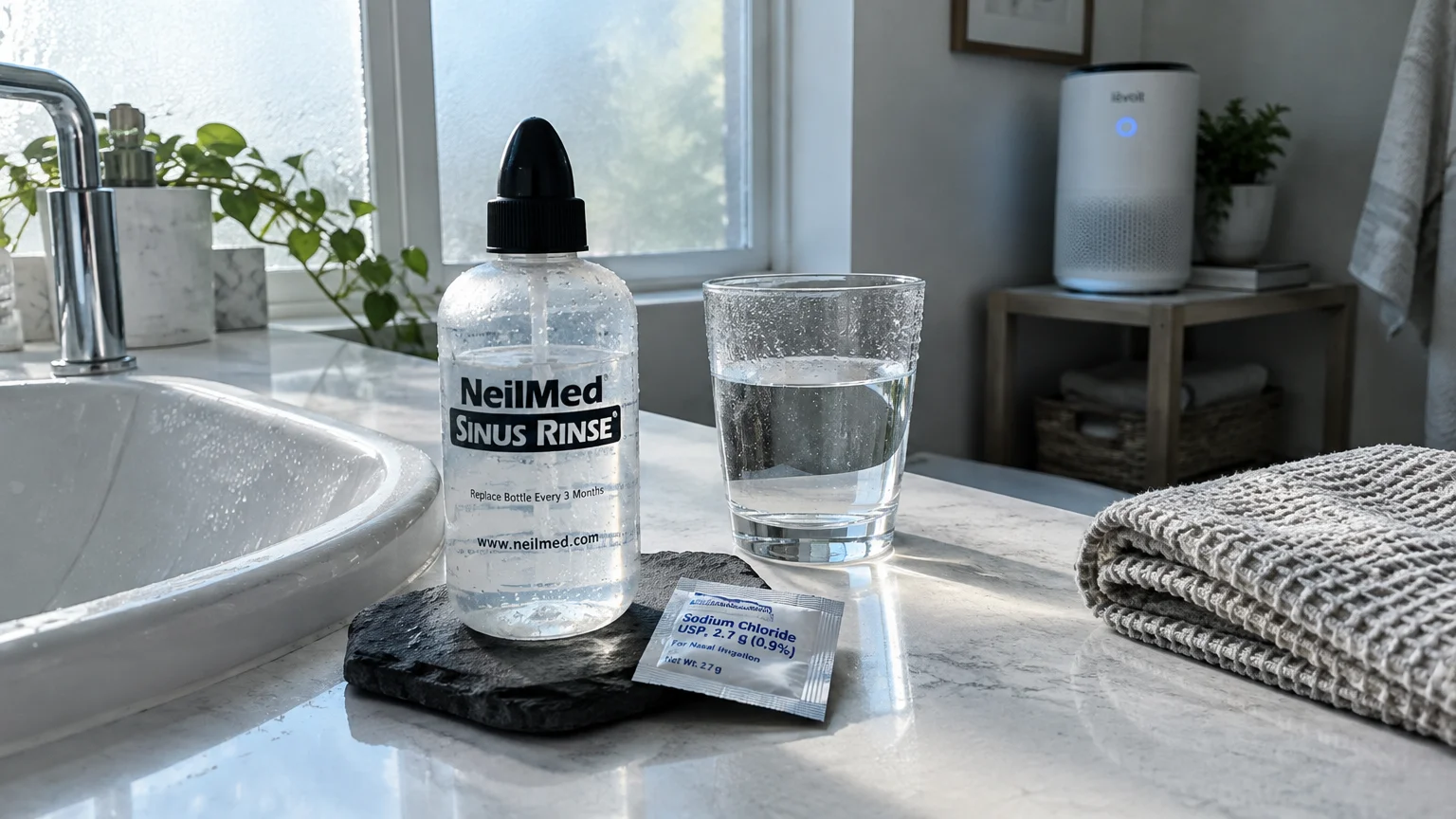
Rinse nasal passages once daily using a sterile isotonic saline wash. Saline irrigation flushes away inflammatory proteins and moistens desiccated epithelial linings.
Prioritize seven to nine hours of restorative sleep by elevating your head with an extra pillow. Elevating your upper torso minimizes nocturnal post-nasal drip pooling and eases nighttime breathing.

Real Voices: Perspectives from Clinical Practice
Board-certified immunologists frequently encounter patients who endure weeks of avoidable discomfort due to misdiagnosis. Accurate differentiation empowers patients to pursue targeted treatments sooner.
Clinicians at the American Academy of Allergy, Asthma & Immunology guidance observe that patients frequently mistake spring tree pollen surges for stubborn head colds. This delay often results in unnecessary antibiotic prescriptions that fail to provide relief.
One patient shared how tracking daily symptoms in a journal finally revealed a pattern tied directly to neighborhood birch blooms. Implementing daily saline rinses and steroid nasal sprays completely transformed their annual spring experience.
Frequently Asked Questions
Can seasonal allergies turn into a common cold?
Allergies do not transform into viral infections because they lack viral pathogens. However, allergic inflammation can impair mucosal drainage, leaving airways vulnerable to opportunistic viral or secondary bacterial infections.
Does colored mucus always mean I have a viral or bacterial infection?
Yellow or green mucus typically signals an active immune response where white blood cells fight infection. While allergies usually produce clear fluid, dry nasal passages or environmental dust can occasionally tint allergic mucus.
Why do my allergy symptoms feel worse in the morning?
Pollen counts often peak during dawn hours, and overnight recumbency allows secretions to pool along your pharynx. Furthermore, your body naturally downregulates cortisol production at night, which can amplify early morning inflammatory sensations.
When should I see a physician for cold or allergy symptoms?
Schedule an evaluation if symptoms persist beyond ten days, include high fever, or produce severe facial swelling. Personalized clinical care is essential if you experience wheezing, shortness of breath, or unyielding sinus pain.
Your Next Step Toward Clearer Breathing
Navigating cold vs allergies becomes straightforward once you understand how your body reacts to viruses and allergens. Small, purposeful adjustments to your daily routine deliver immediate clarity and lasting respiratory comfort.
Start today by tracking your symptoms in a notebook, noting whether itching or thick secretions predominate. What subtle signals is your respiratory system sending you right now?








Leave a Reply