

You can build lasting strength, protect your joints, and boost daily energy in retirement without stepping foot inside a gym. Functional movement woven directly into your daily routine often produces superior physical outcomes compared to machine workouts.
Traditional fitness centers often feel loud, expensive, and unwelcoming to older adults seeking sustainable wellness. Fortunately, maintaining your physical vitality and personal freedom does not depend on monthly membership cards or complex exercise machinery.
Embracing practical, everyday movement allows you to safeguard your independence on your own terms. Active retirees are redefining fitness through accessible, gym-free strategies that fit naturally into daily life.
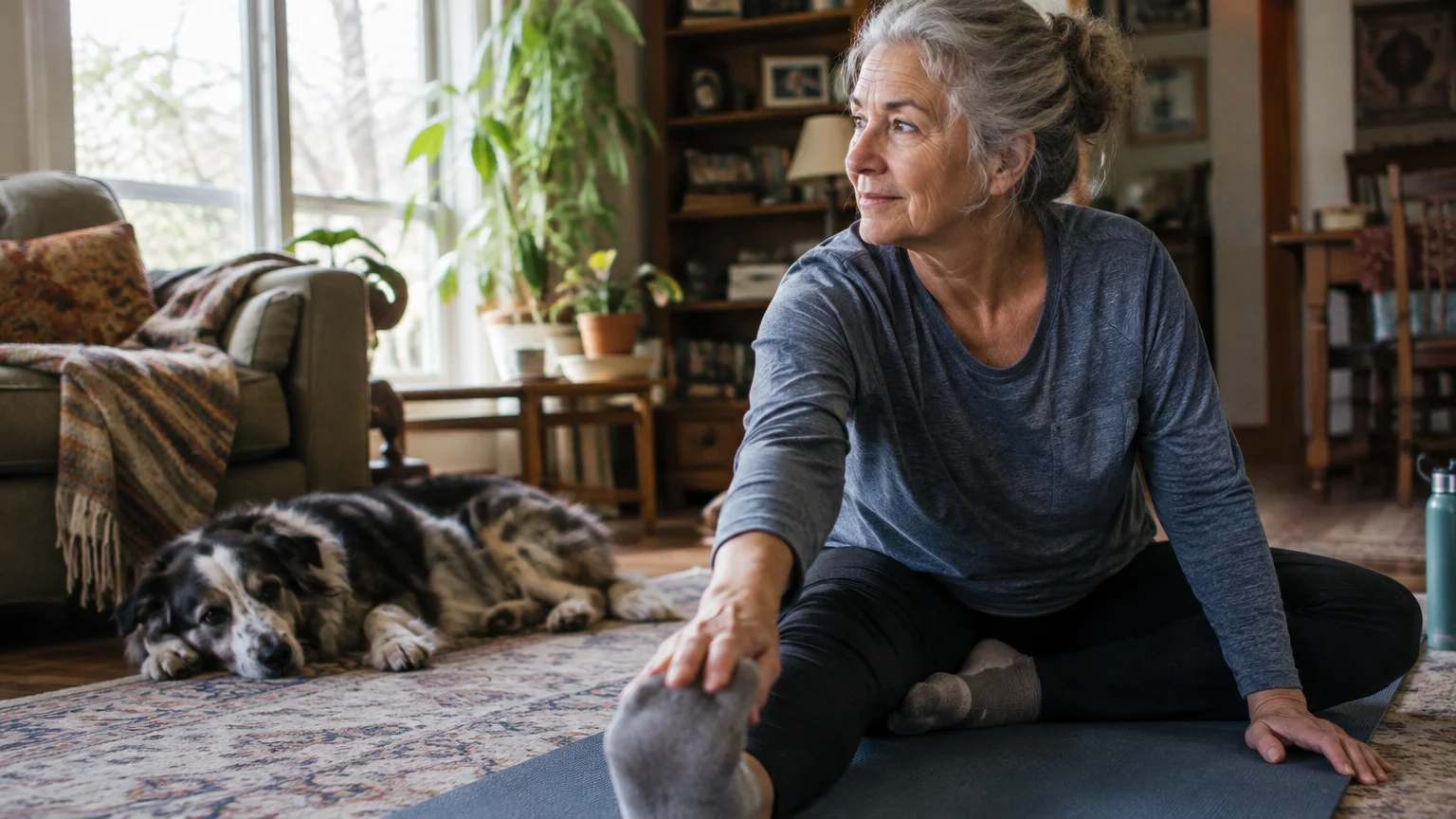
The Science of Movement Beyond the Gym
Research confirms that consistent, low-intensity movement throughout the day combats chronic disease more effectively than sitting for hours followed by isolated workouts.
Sedentary behavior accelerates muscle atrophy and stiffens arterial walls, whereas frequent physical breaks stimulate continuous circulation and glucose uptake.
According to the Centers for Disease Control and Prevention physical activity guidelines, older adults need 150 minutes of moderate aerobic activity weekly alongside regular muscle-strengthening routines.
Scientists call everyday physical exertion non-exercise activity thermogenesis; this continuous calorie burn supports metabolic health and cardiovascular resilience.
Studies highlighted by the National Institute on Aging research portal demonstrate that consistent bodyweight work preserves fast-twitch muscle fibers.
Preserving these specialized fibers protects your nervous system and significantly reduces your risk of debilitating accidental falls.

Ten Practical Strategies for Gym-Free Fitness
1. Daily Functional Walking Routines
Walking for seniors stands as one of the most accessible and effective cardiovascular practices available.
You can turn an ordinary neighborhood stroll into a powerful aerobic workout by incorporating short intervals of brisk pacing. Alternating between moderate and rapid walking speeds challenges your heart while remaining gentle on your joints.
Choosing routes with gentle inclines or natural dirt trails engages your stabilizing muscles and strengthens your ankles.
Aim for twenty to thirty minutes each morning to support arterial health and clear your mind.
2. Living Room Bodyweight Strength Training
Senior exercise at home does not require expensive iron dumbbells or specialized workout stations.
Instead, use your own body weight to challenge your major muscle groups through sit-to-stand repetitions from a sturdy dining chair. This simple exercise directly targets your quadriceps, glutes, and core.
Pair chair squats with wall pushups and standing calf raises to create a well-rounded routine.
Performing these functional movements two to three times each week preserves bone mineral density and keeps everyday tasks effortless.
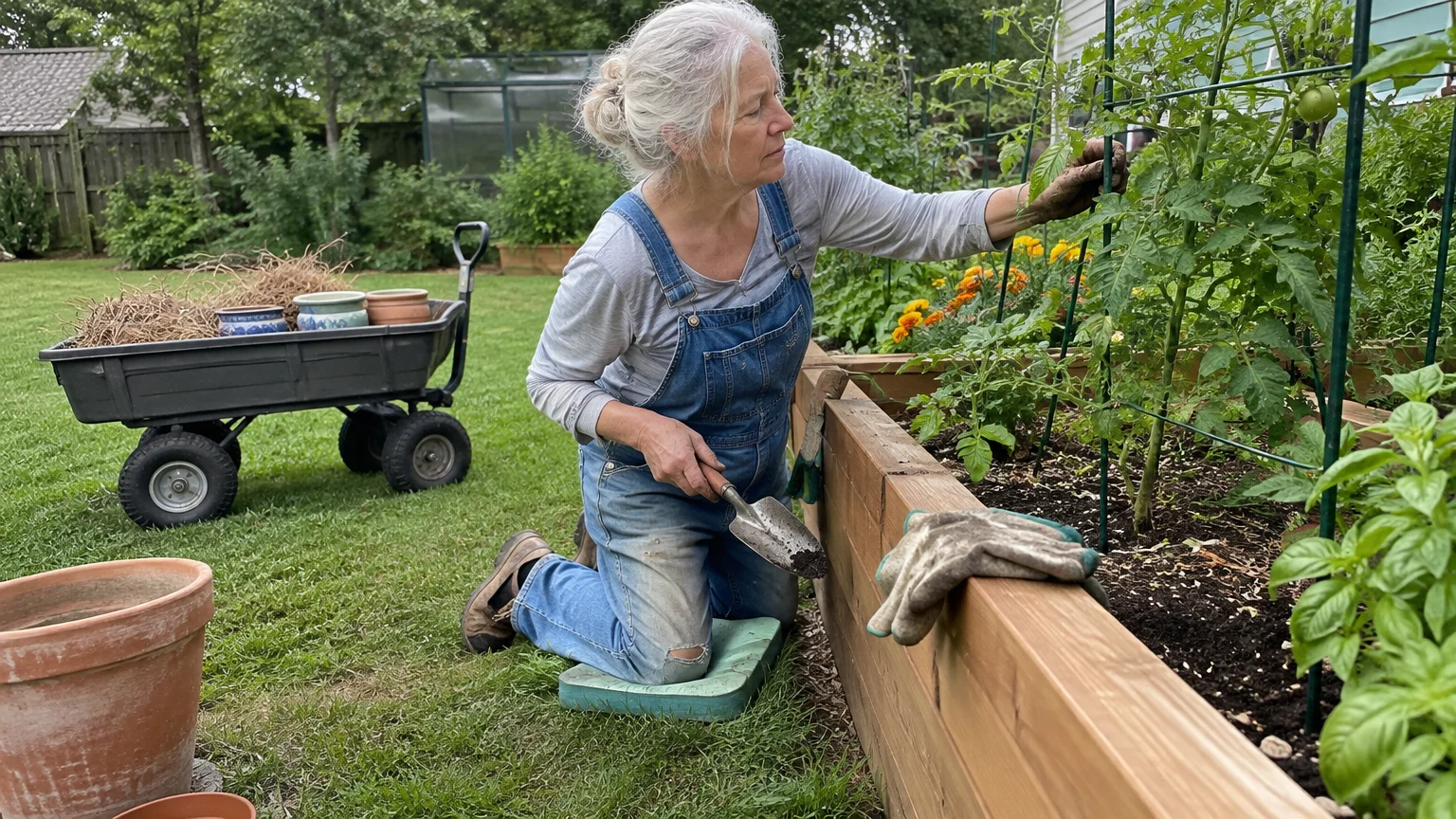
3. Purposeful Gardening and Landscape Maintenance
Tending to a vegetable garden or flower bed blends purposeful resistance training with mobility work.
Squatting to pull weeds, lifting bags of mulch, and pushing a wheelbarrow challenge your balance, grip strength, and core stability.
These varied movements mimic natural human labor, distributing mechanical loads across your joints rather than straining isolated muscles.
Working outdoors also exposes you to natural sunlight, which stimulates essential vitamin D synthesis and improves nighttime sleep quality.
4. Community Dance Groups and Rhythmic Movement
Dance combines cardiovascular conditioning with complex balance coordination and uplifting social engagement.
Participating in line dancing, contra dancing, or folk dancing requires rapid directional changes that challenge your brain and inner ear.
This multi-directional footwork trains your proprioceptive receptors to detect sudden slips and missteps before you fall.
Moving to music also lowers systemic cortisol levels, fostering emotional joy alongside physical endurance.
5. Intentional Stair Navigation and Balance Drills
Your household staircase serves as an exceptionally efficient tool for lower-body power and cardiovascular conditioning.
Climbing stairs demands concentric leg strength, forcing your muscles to overcome gravity with each step.
You can hold the banister lightly while stepping up and down deliberately to build ankle stability and knee support.
At the bottom landing, practice standing on one foot for thirty seconds to sharpen neuromuscular reflexes.
6. Morning Gentle Yoga and Mobility Flows
Morning stiffness often discourages physical activity, but gentle mobility exercises restore joint comfort quickly.
Mat or chair yoga uses unhurried, breath-guided stretches to mobilize your hips, lower back, and thoracic spine.
Regular stretching lengthens contracted connective tissues, preserving flexibility for tasks like reaching overhead shelves or tying your shoes.
Cultivating bodily awareness through deliberate breathing also calms your autonomic nervous system, reducing chronic stress and muscle tension.
7. Pedestrian Errands and Active Commuting
Transforming routine daily errands into pedestrian outings weaves functional exercise seamlessly into your calendar.
Rather than driving to nearby destinations, walk to your local market, library, or post office whenever conditions permit.
Carrying modest purchases home in a supportive backpack adds light resistance, effectively creating a functional weighted carry.
This purposeful approach transforms mundane household chores into sustainable fitness opportunities that require zero gym time.
8. Progressive Resistance Band Workouts
Elastic bands provide a lightweight, joint-safe alternative to heavy metal weights and restrictive gym machines.
Anchoring a band to a sturdy doorframe allows you to perform rows, chest presses, and rotational core twists safely.
Resistance bands generate progressive tension, meaning the movement becomes harder as the band stretches, matching your muscle mechanics.
This gradual resistance protects aging joints from jarring impacts while stimulating steady muscle protein synthesis.
9. Municipal Swimming and Water Aerobics
Outdoor fitness for retirees extends to community pools, which offer exceptional low-impact cardiovascular conditioning.
Water buoyancy eliminates up to ninety percent of your body weight, relieving painful pressure on arthritic hips, knees, and spines.
Moving through the water creates gentle multi-directional resistance that strengthens opposing muscle groups without strain.
Swimming laps or participating in water aerobics provides a rigorous heart workout while keeping your body temperature comfortable.
10. Active Play with Grandchildren and Pets
Dynamic play introduces spontaneous, multidirectional movement that conventional exercise machines cannot replicate.
Chasing a dog in the park or playing tag with grandchildren demands sudden acceleration, bending, and joyful agility.
These unpredictable activities build rapid reaction times and keep your joints adaptable across unpredictable planes of motion.
Furthermore, playing with loved ones releases endorphins, transforming physical movement from a medical chore into genuine fun.
Foundations for Gym-Free Longevity
Maximizing the physical benefits of daily movement requires supporting your body with comprehensive wellness practices.
Consistent movement must work hand in hand with deliberate nutritional choices, restorative sleep, and proactive self-care.
Nutritional Support for Aging Muscle
As your body ages, it requires higher amounts of dietary protein to rebuild tissue and prevent sarcopenia.
Prioritize high-quality protein sources such as poultry, wild fish, eggs, tofu, and legumes across all your daily meals.
Distributing your protein intake evenly throughout the day stimulates continuous muscle repair and enhances recovery after active chores.
Hydration and Joint Health
Your sensation of thirst naturally declines over time, leaving older adults prone to subclinical dehydration.
Cartilage requires adequate water to remain resilient and shock-absorbent during daily walking and gardening.
Sip clean water regularly throughout the day, and consume water-rich fruits and vegetables to keep your joints supple.
Restorative Sleep and Mindset
Muscles repair and consolidate strength gains while you rest, making consistent sleep habits essential for physical vitality.
Aim for seven to eight hours of sound sleep by keeping your bedroom cool, dark, and screen-free at night.
Approach your daily routine with patience; lasting fitness comes from cumulative consistency rather than exhausting, sporadic efforts.
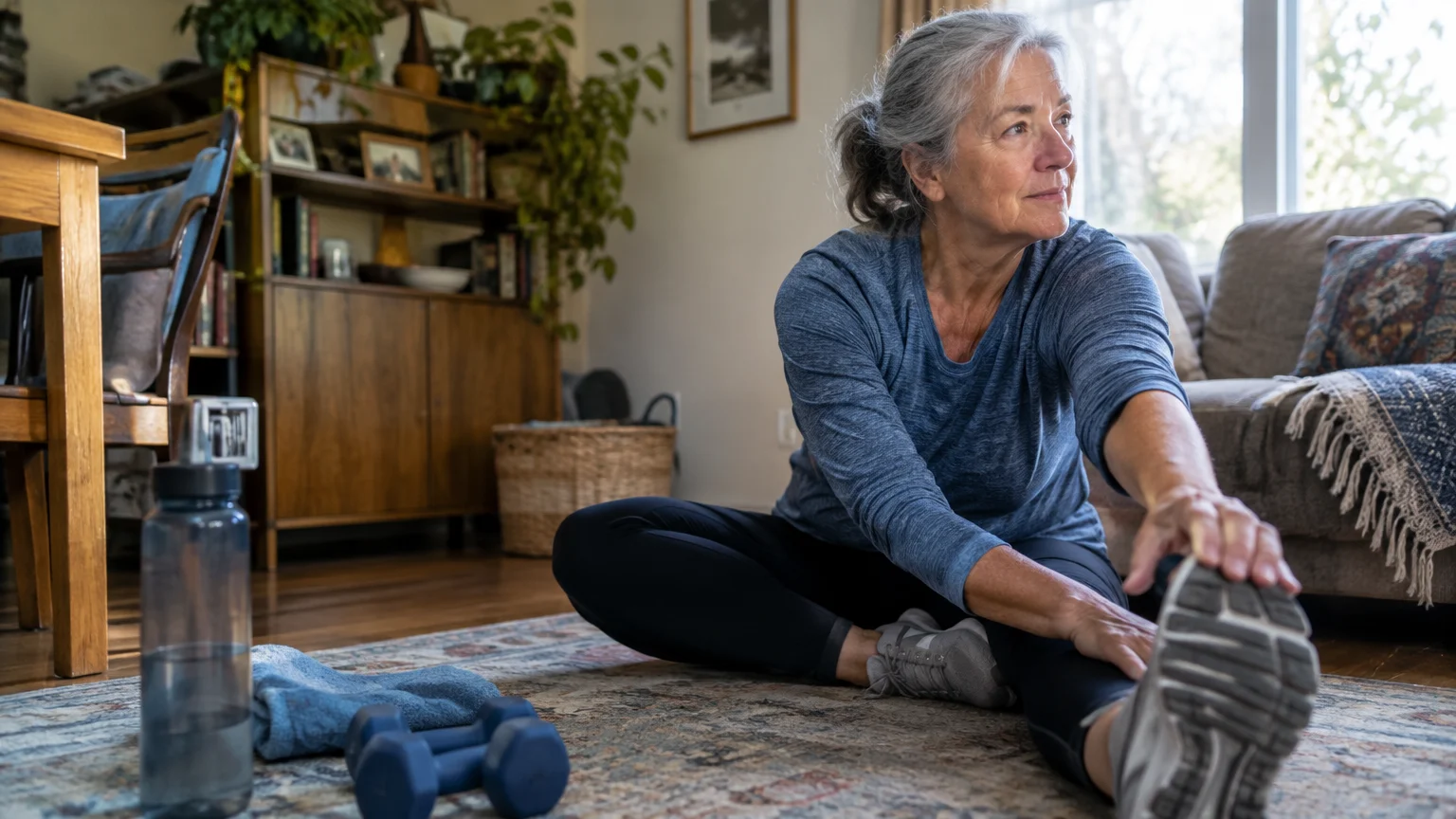
Creating a Safe Home Movement Environment
Exercising at home requires an environment that supports stability, balance, and deliberate physical effort.
Start by removing loose throw rugs, electrical cords, and low obstacles that could trigger an accidental trip or fall.
Wear supportive, closed-toe footwear with non-slip rubber soles rather than walking barefoot or in slick socks indoors.
Keep your primary movement spaces brightly illuminated, especially along stairwells, hallways, and outdoor garden paths.
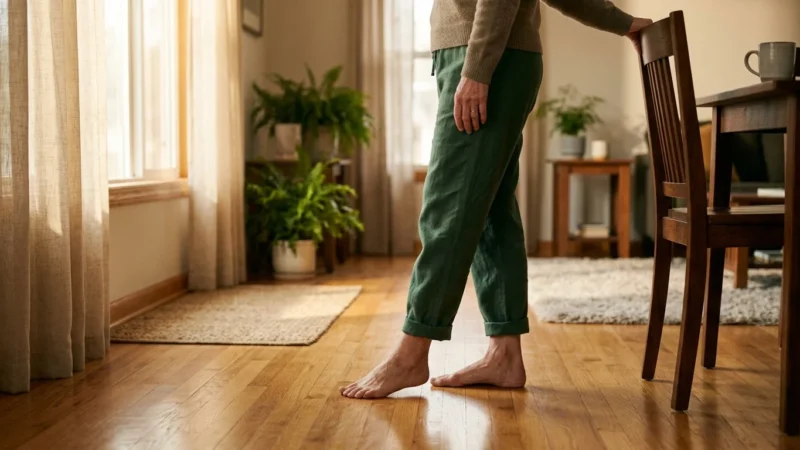
Place a sturdy, armless wooden chair nearby during balance drills so you always have immediate structural support if needed.
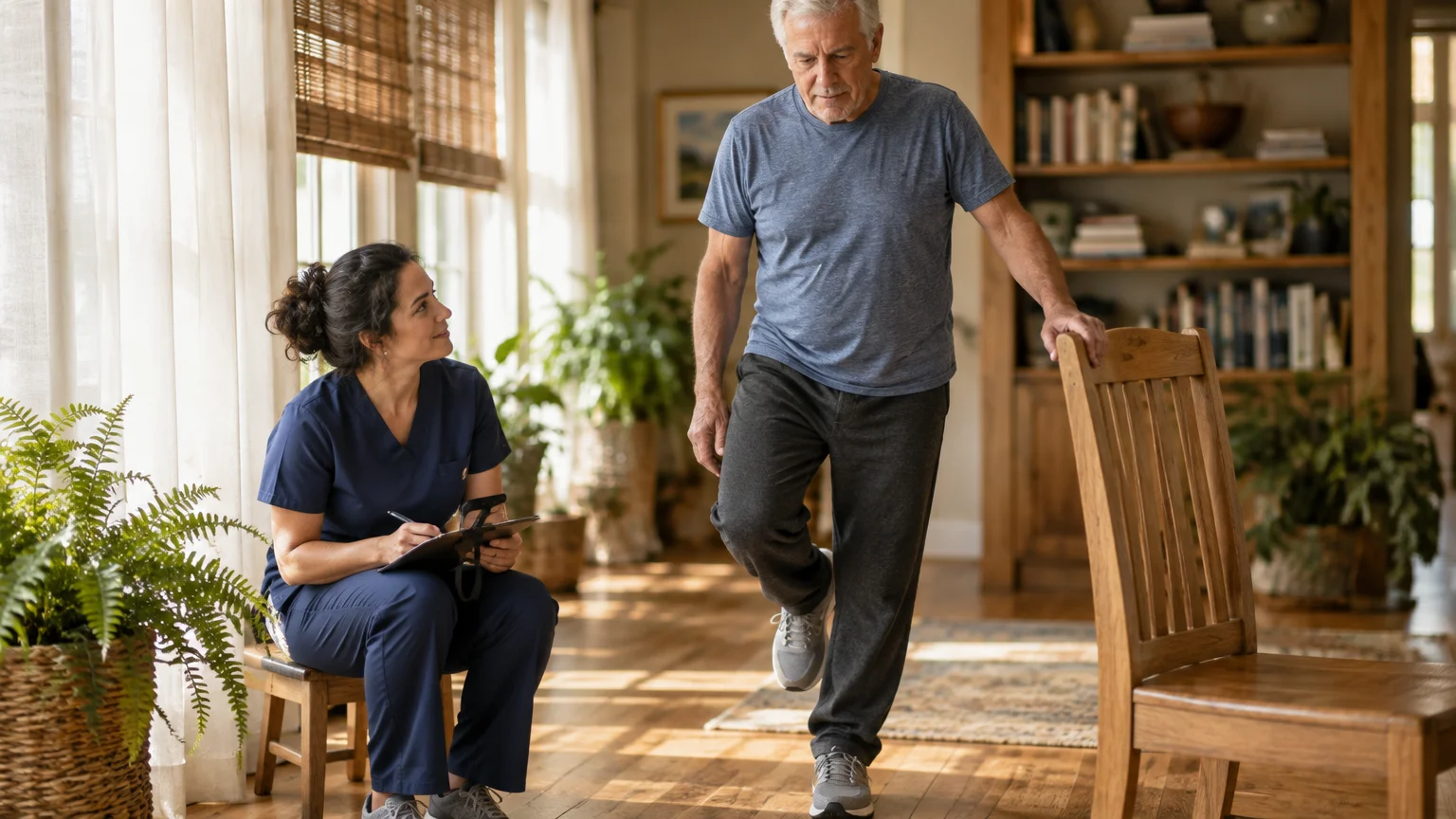
Clinician Insights on Aging in Place
Geriatric physical therapists frequently advocate for movement plans that emphasize practical independence over gym performance.
Clinical specialists at the American Physical Therapy Association highlight that mobility hinges on basic real-world movements.
Dr. Aris Thorne, a physical therapist specializing in healthy aging, notes that machine exercises rarely teach proper balance on uneven ground.
He emphasizes that stepping over garden hoses, carrying groceries, and walking hills provide far more functional preparation for daily life.
Removing the gym barrier also eliminates the financial cost, travel fatigue, and social comparison that deter many older adults.
By integrating movement into your familiar home environment, you establish habits that easily withstand seasonal shifts and routine disruptions.
Frequently Asked Questions
How many minutes of exercise do I need each week?
The World Health Organization physical activity guidance advises at least 150 to 300 minutes of moderate aerobic movement weekly.
Breaking this target into twenty-minute daily sessions makes the goal manageable and easy to sustain over time.
You should also perform functional balance and muscle-strengthening activities at least two days each week.
Can I build muscle without lifting heavy gym weights?
Yes, your muscles adapt to mechanical resistance regardless of whether that tension originates from barbells, resistance bands, or bodyweight.
Modifying your movement tempo, extending your range of motion, or adding repetitions provides sufficient stimulus for steady muscle development.
Everyday tasks like carrying soil bags or climbing stairs challenge your muscle fibers effectively without requiring heavy equipment.
What should I do if I experience chronic joint pain?
Gentle low-impact movements like walking, swimming, and chair yoga circulate synovial fluid to nourish and lubricate stiff joint cartilage.
If an exercise triggers sharp or stabbing joint discomfort, stop immediately and reduce your range of motion.
Always consult a physical therapist or rheumatologist to create a customized exercise regimen tailored to your joint pathology.
When is it necessary to speak with a physician before starting?
You should obtain medical clearance if you have unmanaged cardiovascular conditions, frequent dizzy spells, chest discomfort, or severe shortness of breath.
A physician or physical therapist can evaluate your balance and prescribe personalized movement modifications suited to your medical history.
Taking Your First Step Today
Reclaiming your physical vigor does not require extreme athletic regimens or intimidating gym environments.
True longevity is built through simple, intentional actions that you repeat with steady consistency day after day.
Choose just one accessible exercise from this guide to practice today, such as ten chair squats or a fifteen-minute stroll.
What small movement habit will you introduce this morning to honor your strength and safeguard your future independence?








Leave a Reply