

You can actively rebuild dermal firmness and restore vitality to mature skin with targeted, evidence-backed habits. Science confirms your fibroblasts retain the cellular machinery to synthesize fresh collagen fibers at any age.
While intrinsic aging slows biological renewal, the right interventions reliably signal your deeper skin layers to strengthen their structural matrix. You do not need extreme procedures to see noticeable improvements in resilience.
By pairing cellular nutrition with clinically proven topical actives and lifestyle shifts, you support lasting tissue remodeling. These eight actionable strategies provide a clear, dependable roadmap for revitalizing your skin.
The Biological Science of Mature Skin Renewal
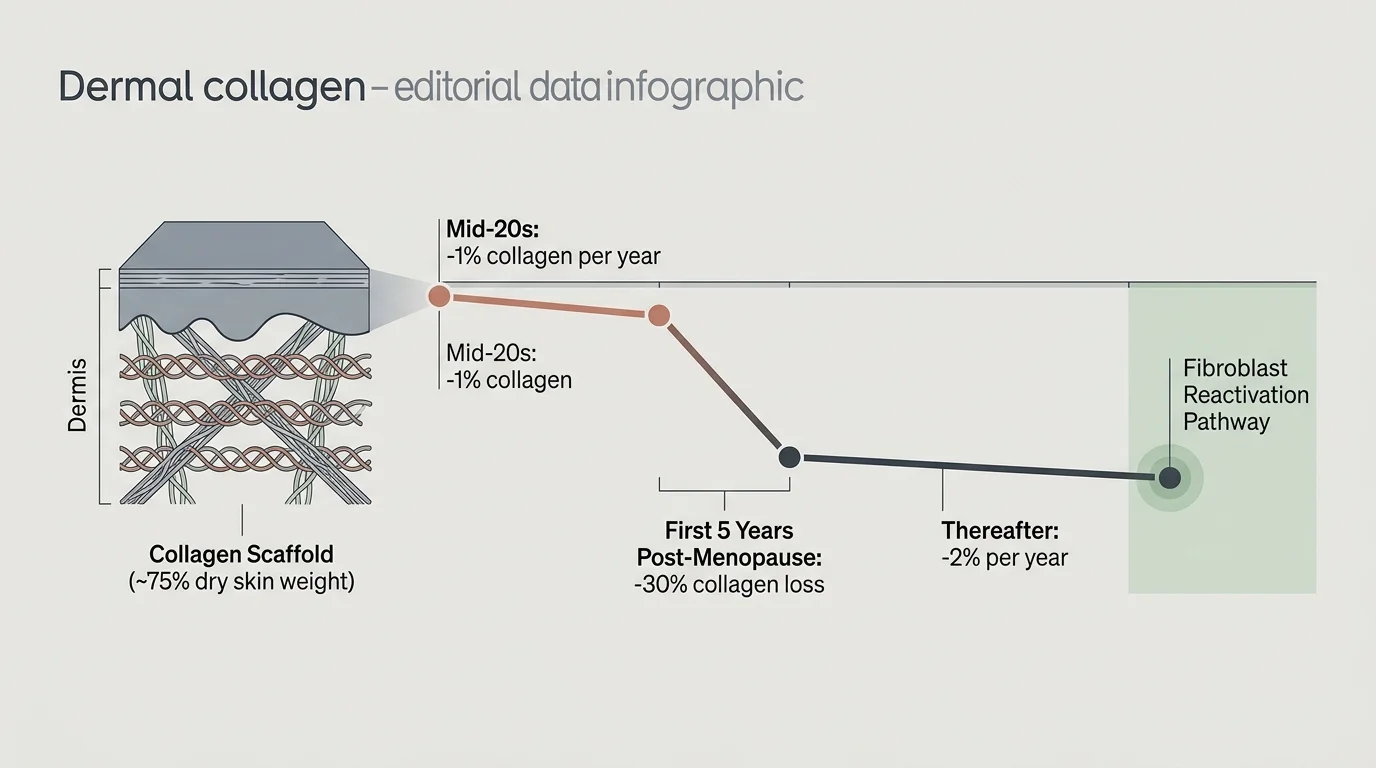
Collagen serves as the essential biological scaffold that maintains youthful skin elasticity, bounce, and structural integrity. This fibrous protein accounts for roughly 75% of your skin’s dry weight.
Beginning in your mid-20s, your dermis naturally produces approximately 1% less collagen per year. This gradual drop thins the dermal layer and slowly reduces tissue elasticity over time.
Hormonal transitions accelerate this decline dramatically; women lose approximately 30% of skin collagen in the first 5 years post-menopause. Dermal reserves continue declining by roughly 2% each year thereafter.
Fortunately, your dermal fibroblasts remain biologically responsive to targeted external and internal signals throughout life. You can reactivate these restorative pathways through specific biochemical stimulation and daily protective habits.

1. Shield Fibroblasts with Daily Broad-Spectrum Sun Protection
Unprotected ultraviolet exposure breaks down dermal proteins far more aggressively than natural chronological aging alone. Solar radiation constantly damages cellular DNA and fragments healthy collagen strands deep within the dermis.
Research from the American Academy of Dermatology confirms photoaging causes up to 80% to 90% of visible skin aging. Solar rays trigger destructive enzymes that rapidly dissolve your collagen matrix.
Applying a broad-spectrum sunscreen with SPF 30 every morning filters out 97% of UVB rays. Upgrading to SPF 50 blocks approximately 98% of these damaging rays, preserving delicate structural proteins.
Choose mineral formulations containing zinc oxide if you experience skin sensitivity or barrier redness. Zinc calms low-grade dermal inflammation while providing an impenetrable physical shield against ultraviolet light.
2. Ignite Dermal Remodeling with Topical Retinoids
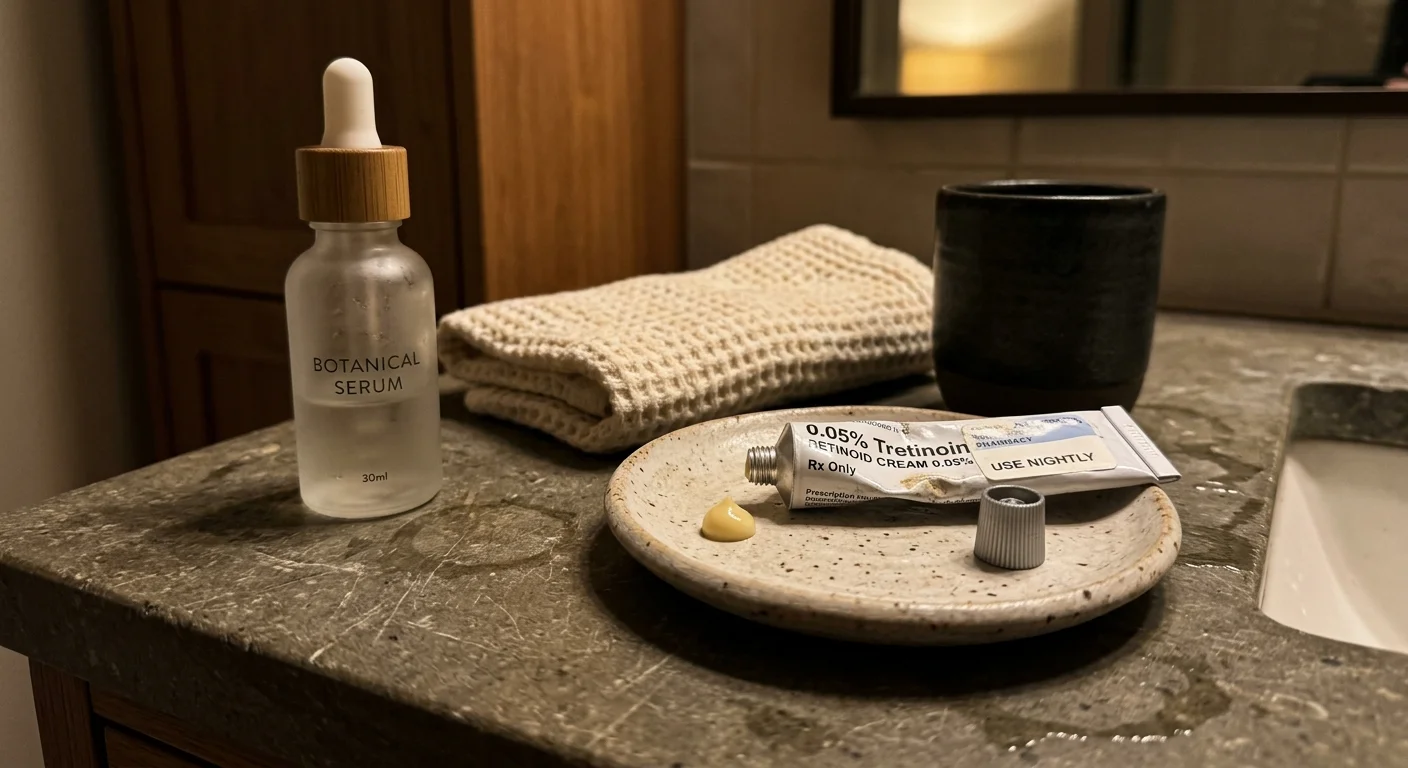
Topical retinoids remain the premier dermatological standard for stimulating dormant fibroblasts in mature skin. These vitamin A derivatives bind directly to cellular receptors, instructing cells to produce fresh collagen fibers.
Prescription tretinoin typically ranges from 0.025% to 0.1% concentration depending on your tolerance. Lower strengths stimulate meaningful collagen synthesis while minimizing unwanted peeling and flaking.
Clinical studies indicate that noticeable improvements in fine wrinkles require consistent application for 3 to 6 months. Sluggish fibroblasts need steady molecular signaling to assemble robust collagen structures.
Research indexed in the National Library of Medicine shows maximum histological changes emerge after 12 months. Apply a pea-sized amount over moisturizer at night to support ongoing tissue renewal comfortably.
3. Apply Bioactive Vitamin C Serum Every Morning
Your dermal cells require ascorbic acid as an obligatory cofactor to synthesize stable collagen molecules. Without adequate vitamin C, your fibroblasts cannot complete the enzymatic cross-linking that gives skin its firmness.
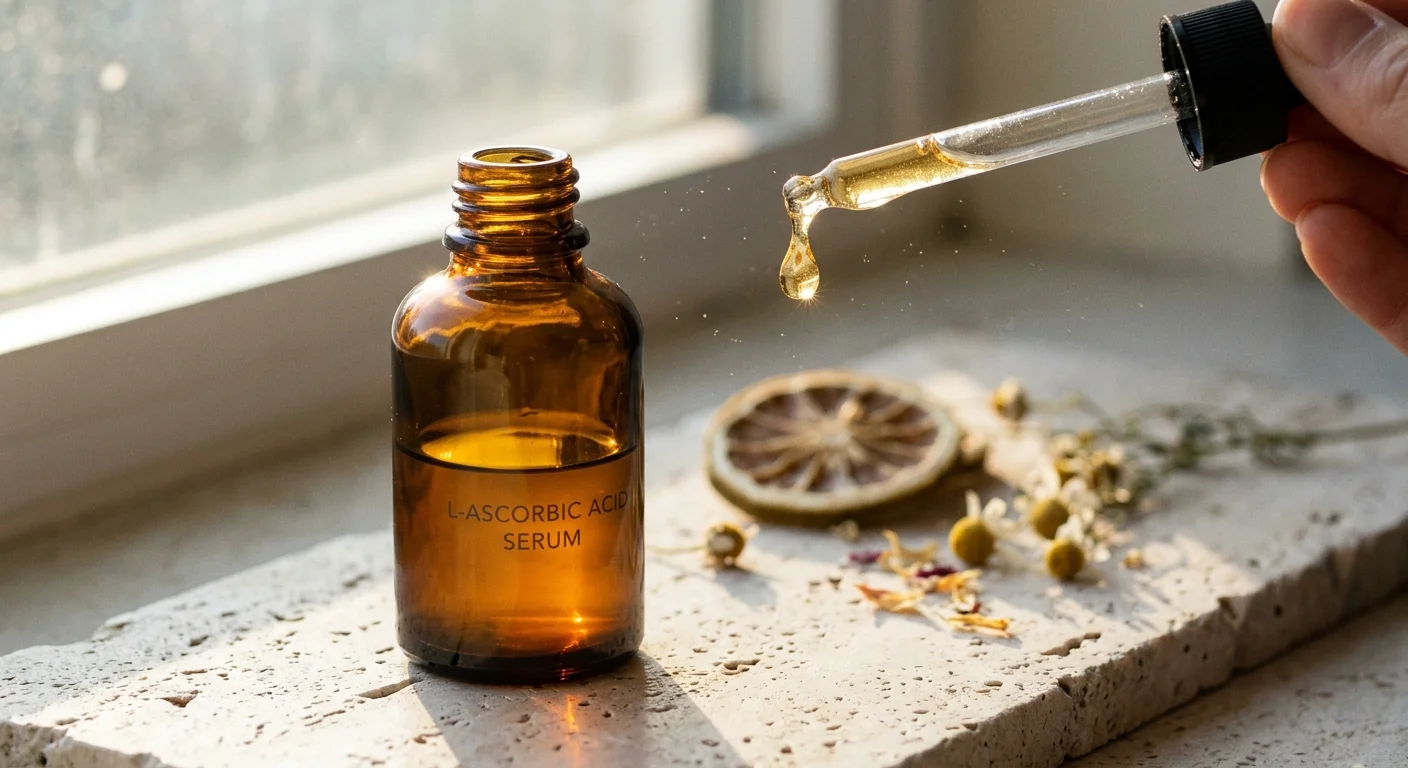
Seek topical serums formulated with pure L-ascorbic acid at concentrations between 10% and 20%. This therapeutic range delivers optimal cellular stimulation directly to living skin layers.
The formulation must maintain an acidic pH below 3.5 to penetrate your outer epidermal barrier effectively. Doses above 20% plateau in skin absorption and significantly increase the rate of skin irritation.
Smooth your vitamin C serum beneath sunscreen every morning to neutralize environmental free radicals. This morning ritual defends your skin matrix while actively promoting ongoing structural repair.
4. Supplement with Hydrolyzed Collagen Peptides
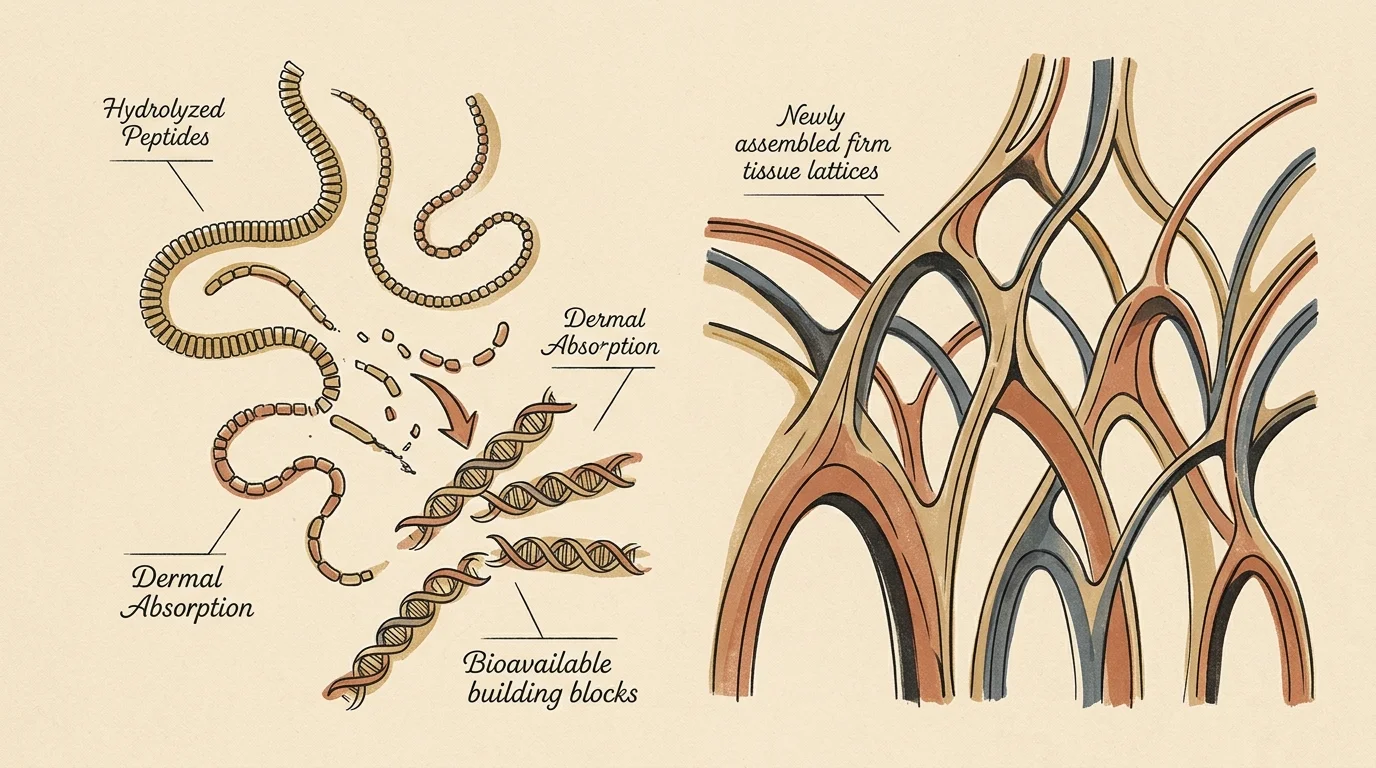
Ingesting hydrolyzed collagen peptides provides targeted nutritional support that reaches your dermis through the bloodstream. Digestive enzymes break down these peptides into bioactive dipeptides that trigger dermal fibroblasts to increase collagen synthesis.
Clinical reviews in the journal Nutrients confirm that 2.5 g to 10 g daily enhances skin elasticity and hydration. This consistent daily intake provides functional signals that strengthen your connective tissue matrix.
You must take your collagen supplement consistently for at least 8 to 12 weeks to observe visible clinical gains. Cellular turnover and matrix remodeling require sustained biochemical support over time.
Mix unflavored peptide powder into morning water, herbal tea, or oatmeal for effortless daily compliance. Pairing your peptides with dietary vitamin C further accelerates cellular collagen manufacturing.

5. Nourish Dermal Architecture with Essential Amino Acids
Topical serums cannot compensate for a diet deficient in foundational amino acids. Your body continuously breaks down dietary protein into proline, glycine, and lysine to build new triple-helix collagen fibers.
Consume high-quality protein sources like wild fish, pasture-raised poultry, eggs, lentils, and organic tofu daily. Providing ample amino acids ensures your fibroblasts have the structural supplies required for constant repair.
Trace minerals like zinc and copper play an equally vital role in dermal firming. These minerals activate lysyl oxidase, an enzyme that weaves loose collagen strands into firm structural sheets.
Add pumpkin seeds, shellfish, legumes, and dark leafy greens to your plate to maintain mineral reserves. Balanced cellular nourishment supports vibrant skin density from within.

6. Boost Blood Flow and Myokines with Resistance Training
Regular physical movement operates as a powerful systemic stimulant for mature skin. Engaging your major muscle groups prompts the release of specialized signaling proteins called myokines into your circulation.
Emerging research reveals that exercise-induced myokines enhance mitochondrial capacity within dermal fibroblasts. This energetic boost encourages older cells to behave like younger tissue, generating fresh extracellular matrix.
Strength training also drives oxygenated, nutrient-rich blood into delicate microcapillary beds feeding your dermis. Superior circulation accelerates cellular repair while clearing inflammatory waste products from your tissues.
Dedicate two to three days each week to resistance exercises using weights, bands, or body weight. Simple movements like squats, lunges, and rows provide ample stimulus to invigorate your metabolism.
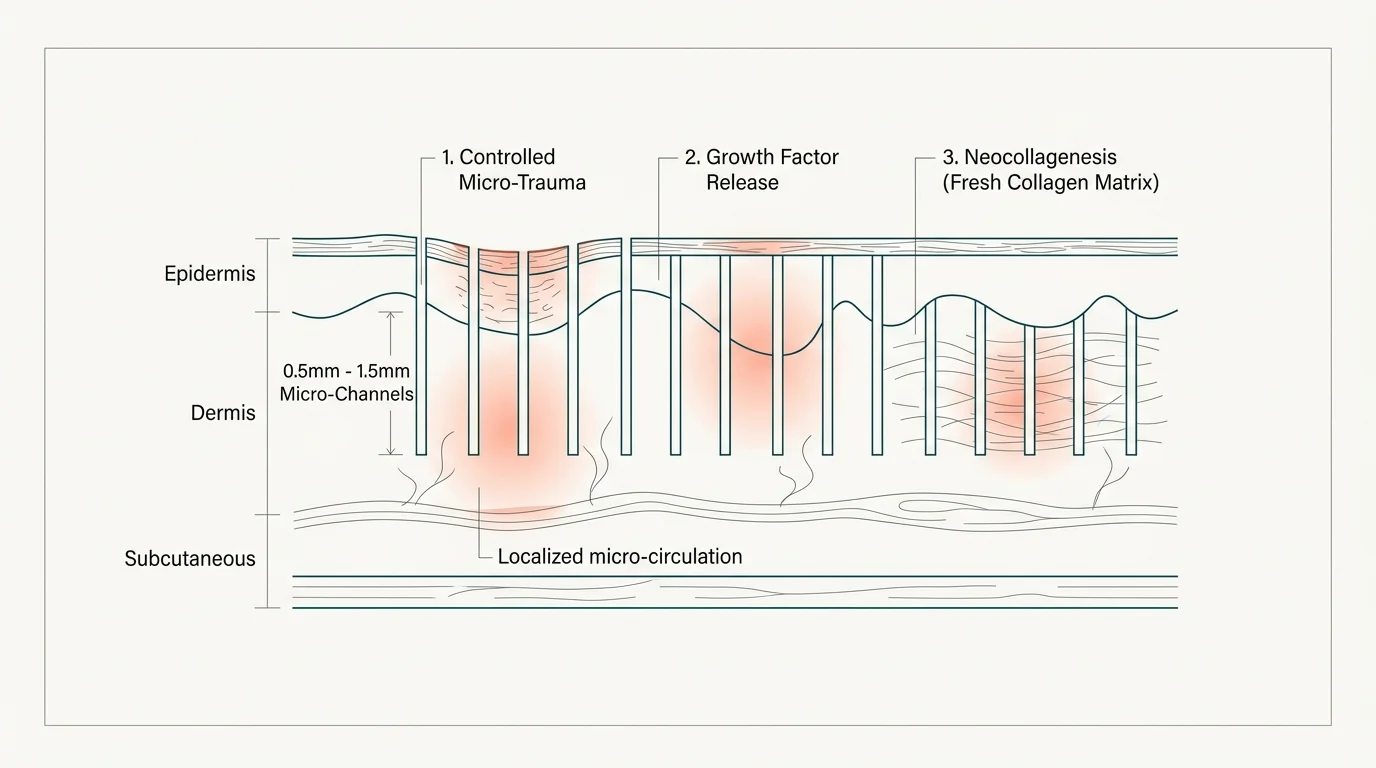
7. Undergo Professional Microneedling Treatments
Professional microneedling uses ultra-fine needles to create controlled micro-punctures across your dermis. This targeted trauma triggers your body’s natural wound-healing cascade without burning or removing the epidermal surface.
Platelets release growth factors that prompt rapid fibroblast proliferation and fresh type I collagen remodeling. Over several weeks, this physiological healing response visibly tightens and smooths mature skin texture.
In-office microneedling typically costs between $200 and $700 per session, averaging around $350 to $400 for face treatments. Clinical protocols generally require a series of 3 to 6 sessions spaced 4 to 6 weeks apart.
Locate a certified provider through the American Academy of Dermatology directory to guarantee sterile treatment. Expert oversight ensures correct needle depth and prevents unwanted post-inflammatory pigment changes.

8. Optimize Deep Sleep Cycles to Maximize Nighttime Repair
Your dermal tissue conducts its most aggressive architectural repairs during stage-three slow-wave sleep. Nocturnal blood flow shifts directly toward the skin, supplying fibroblasts with oxygen and restorative nutrients.
Deep sleep stimulates surges of human growth hormone, which fuels protein synthesis and tissue regeneration. Cutting sleep short prevents your cells from completing this vital structural maintenance cycle.
Chronic sleep deprivation keeps nighttime cortisol elevated, which actively breaks down collagen and hyaluronic acid. Managing stress preserves the cellular matrix your body works tirelessly to rebuild.
Establish a consistent sleep schedule and keep your bedroom dark, quiet, and cool. Powering down digital screens an hour before bed naturally encourages restorative hormonal balance.

Real Voices: Clinical Insights on Mature Skin Vitality
Clinical experts emphasize that supporting mature skin requires patience, gentle consistency, and realistic biological expectations. Aggressive quick fixes often compromise your moisture barrier rather than building lasting dermal density.
Clinicians from the Endocrine Society highlight that declining estrogen levels profoundly alter connective tissue health. Acknowledging hormonal shifts allows you to choose supportive daily habits rather than fighting natural transitions.
Dermatologists frequently remind patients that topical treatments and nutritional strategies function as collaborative partners. Active ingredients supply the biochemical signal to build collagen, while balanced nutrition provides the necessary amino acid fuel.
Many patients discover that eliminating harsh scrubs and focusing on sun protection and retinoids transforms their skin. Gentle, persistent nourishment consistently outperforms harsh cosmetic routines over time.
Frequently Asked Questions About Collagen Renewal
Can topical collagen creams rebuild lost dermal collagen?
Topical collagen molecules are too large to penetrate your epidermal barrier and reach the deeper dermis. These creams serve as excellent surface moisturizers, but they cannot integrate into your structural protein framework.
Choose bioavailable signaling actives like retinoids, vitamin C, and peptides to trigger genuine collagen production instead. These proven ingredients stimulate your living fibroblasts to manufacture new collagen fibers from within.
How long does it take to see visible results from lifestyle changes?
Collagen remodeling operates on biological timelines that require steady consistency over multiple months. You can expect initial improvements in surface hydration, brightness, and texture within 8 to 12 weeks.
Significant increases in structural firmness and wrinkle reduction typically become visible after 6 to 12 months. Fibroblasts need continuous signaling to construct, cross-link, and mature new protein networks.
Are in-office collagen treatments safe for sensitive mature skin?
Professional treatments like microneedling are generally safe for sensitive skin when performed by experienced medical specialists. Qualified clinicians adjust puncture depth and post-treatment serums to safeguard your delicate moisture barrier.
Avoid aggressive at-home microneedling rollers, which often tear fragile skin and cause lasting inflammation. Schedule a professional consultation to determine whether clinical collagen induction matches your skin’s current condition.
Does hormone therapy help restore skin collagen after menopause?
Hormone replacement therapy can slow post-menopausal collagen loss and help preserve dermal thickness by activating estrogen receptors. Clinical studies indicate that systemic or topical estrogen improves skin elasticity and moisture content.
Hormone therapy involves personal systemic considerations and is not prescribed solely for skin aesthetics. Discuss the benefits and potential risks thoroughly with your gynecologist or primary care physician.
Your Manageable First Step Toward Resilient Skin
Rebuilding collagen does not require overhauling your entire daily routine at once. Introducing too many active ingredients simultaneously often overwhelms sensitive mature skin and leads to irritation.
Choose one foundational habit to begin this week, such as applying SPF 30 daily or adding collagen peptides. Allow your cellular biology time to adapt before introducing another active treatment into your routine.
Take a quiet moment to reflect on your long-term wellness and skin vitality goals. Approaching skincare as an ongoing act of self-care makes daily consistency a rewarding and sustainable practice.
Partner with a board-certified dermatologist to design a customized regimen tailored to your unique skin profile. Expert guidance ensures you invest your time and energy into strategies that yield tangible, lasting results.









Leave a Reply