
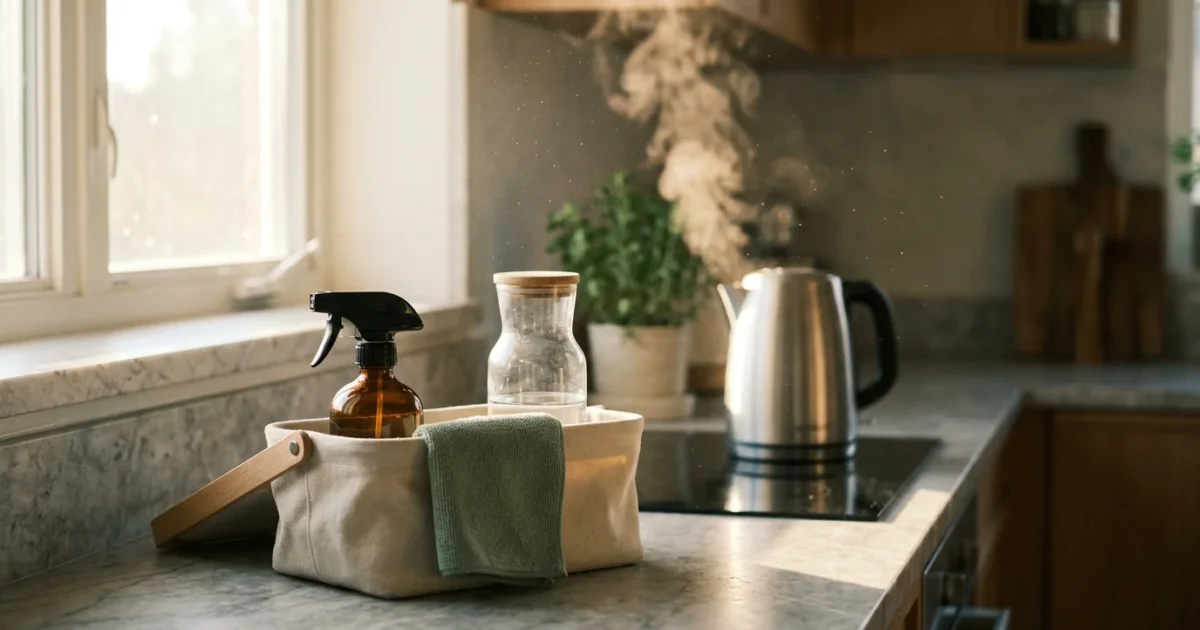
Everyday breathing exposes your delicate airways to invisible hazards lurking inside modern homes and workplaces. Identifying these hidden lung health risks allows you to protect your respiratory system before chronic tissue damage takes hold.
Most people rightfully fear cigarette smoke, but ordinary household objects and routine habits can trigger severe pulmonary inflammation just as quickly. Subtle everyday exposures alter delicate bronchial tissue long before noticeable symptoms appear.
Taking simple, targeted precautions today shields your lungs from long-term decline and preserves your vital stamina. Learning what to modify gives you lasting control over the air you breathe.
The Science of Inhaled Micro-Threats
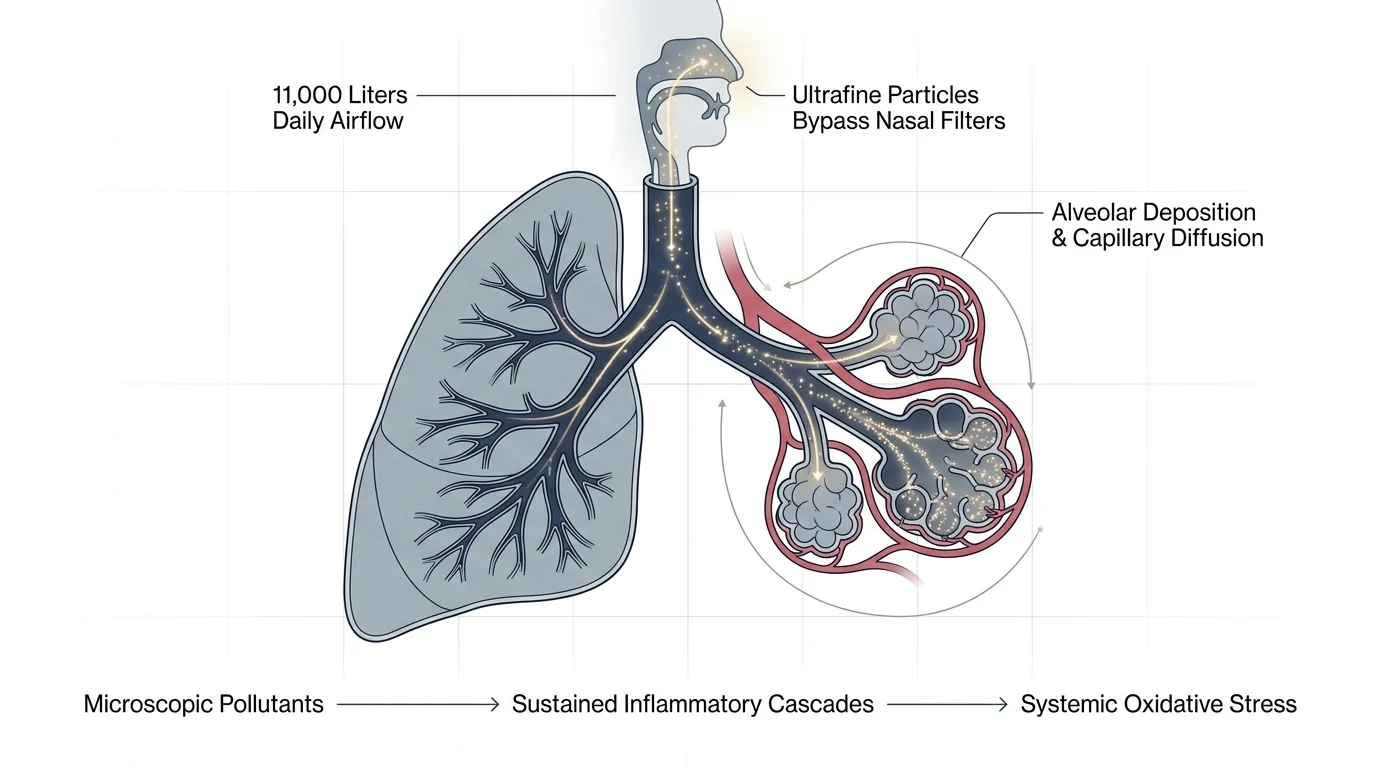
Your respiratory system processes roughly eleven thousand liters of air each day. This massive internal surface area absorbs microscopic pollutants directly into pulmonary capillaries.
Ultrafine particles bypass nasal filters and settle deep within alveolar sacs. Once trapped, these foreign particles trigger sustained inflammatory cascades that gradually degrade vital lung capacity.
Emerging research demonstrates that chronic low-level indoor pollution causes systemic oxidative stress. Over years, this persistent oxidative burden stiffens flexible air passages and accelerates cellular aging.
Protecting your respiratory tract requires identifying common everyday sources of airborne toxins. Once you understand these biological mechanisms, taking targeted defensive action becomes straightforward.
Ten Hidden Causes of Lung Damage in Daily Life
1. Household Chemical Cleaning Sprays
Regular use of conventional disinfectant sprays can erode your airway lining over time. A landmark 20-year study led by the University of Bergen tracked over 6,000 women and uncovered startling results.
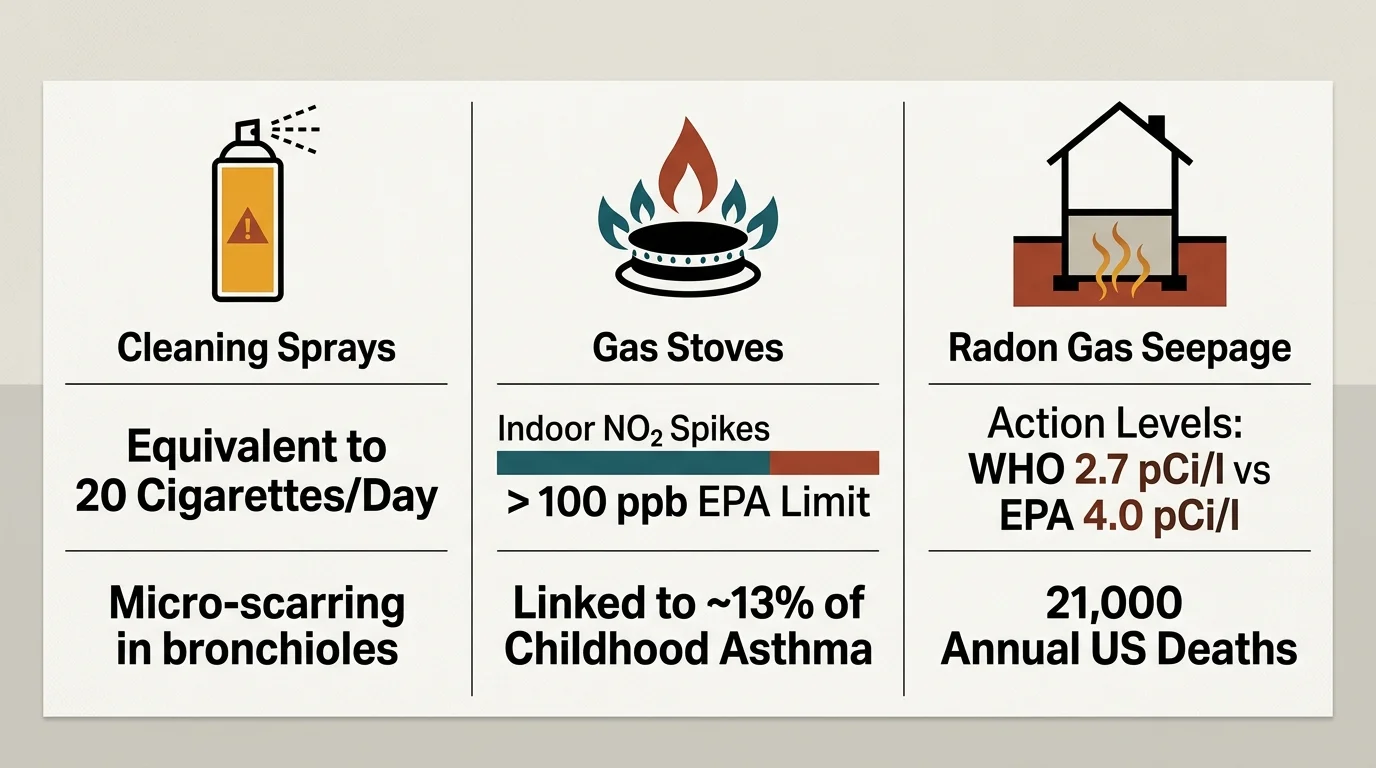
Researchers publishing in the American Journal of Respiratory and Critical Care Medicine found daily spray cleaning degraded lung function at rates comparable to smoking twenty cigarettes daily.
Aerosolized chemical droplets settle deep inside delicate bronchioles, causing continuous micro-scarring. Switching to microfiber cloths, warm water, and unscented soap significantly limits your chemical vapor exposure.
2. Indoor Gas Stoves and Combustion Gases
Cooking on a gas stove without proper mechanical ventilation fills your kitchen with toxic combustion byproducts. These burners release high concentrations of nitrogen dioxide alongside invisible fine particles.
Unvented gas burners frequently create indoor nitrogen dioxide spikes exceeding the outdoor safety threshold of 100 parts per billion established by the U.S. Environmental Protection Agency.
Peer-reviewed research links indoor gas stove usage to nearly 13 percent of all childhood asthma cases nationwide. Running an exhaust hood that vents outdoors or cooking on portable induction burners eliminates this respiratory burden.
3. Unseen Radon Gas Seepage
Radon gas silently seeps into basements through microscopic foundation cracks from decaying subterranean uranium. Because it has neither scent nor color, dangerous indoor accumulation goes unnoticed without proactive testing.
Health authorities classify radon as the primary cause of lung cancer among non-smokers, claiming approximately 21,000 lives annually across the United States. Nearly 3,000 of those deaths occur in people who never smoked.
The EPA recommends home remediation if indoor air registers at or above 4.0 picocuries per liter. Meanwhile, the World Health Organization advises an action target of 2.7 picocuries per liter.
4. Tap Water in Ultrasonic Humidifiers
Ultrasonic cool-mist humidifiers disperse whatever liquid sits in their reservoir directly into your surrounding air. When filled with mineral-rich tap water, these devices aerosolize dissolved calcium, magnesium, and trace elements.
Inhaling this chalky aerosol, commonly called white dust, triggers acute respiratory inflammation and pneumonitis in vulnerable individuals. Research shows tap water humidification can spike indoor particulate matter beyond 200 micrograms per cubic meter.
This mineral concentration dramatically exceeds the EPA 24-hour outdoor safety benchmark of 35 micrograms per cubic meter. You can protect your lungs by filling ultrasonic humidifiers exclusively with distilled or demineralized water.
5. Feather Bedding and Down Duvets
Down pillows and luxury feather duvets harbor microscopic organic antigens that shed into your sleeping environment. Resting your head against these products exposes your airways to continuous organic dust for hours every night.
Clinicians detailed this hazard in a widely cited report in BMJ Case Reports, identifying the condition as feather duvet lung.
This immune-mediated disorder manifests as unexplained breathlessness, persistent night sweats, and dry coughing. Replacing natural down with synthetic, hypoallergenic materials promptly halts this severe immune response before permanent fibrosis occurs.
6. Indoor Hot Tubs and Enclosed Spas
Warm, vigorously agitated water in indoor spas creates an ideal aerosol chamber for environmental bacteria. Enclosed whirlpools frequently trap warm steam containing non-tuberculous mycobacteria, primarily Mycobacterium avium complex.
Inhaling these bacteria-laden droplets does not cause a typical infection, but instead triggers a severe hypersensitivity reaction known as hot tub lung.
Affected individuals experience sudden shortness of breath, chills, and profound fatigue. Maintaining proper biocidal water treatments and ensuring robust room ventilation prevents these microscopic bacteria from accumulating in breathing zones.
7. Inadvertent Mixing of Cleaning Agents
Combining common household sanitizers produces volatile chemical reactions that destroy delicate lung linings within seconds. Mixing sodium hypochlorite bleach with ammonia releases dangerous chloramine gas.
Combining bleach with acidic descalers or standard vinegar generates hazardous chlorine gas. Both vapors cause severe bronchial burns, acute chemical pneumonitis, and fluid accumulation in pulmonary tissues.
You must never combine chemical cleaning agents under any circumstances. Always open exterior windows to ensure adequate cross-ventilation whenever you tackle intensive sanitation projects.
8. Scented Candles and Burning Incense
Incense sticks burn at high temperatures, discharging concentrated clouds of fine particulate matter directly into your living space. These smoldering coils release hazardous volatile organic compounds, including benzene and formaldehyde.
Laboratory air analyses confirm incense smoke often emits higher levels of polycyclic aromatic hydrocarbons than unfiltered tobacco smoke. Scented paraffin candles similarly emit airborne soot and synthetic chemical fragrances.
Regular exposure incites chronic airway irritation and worsens underlying asthma symptoms. Opt instead for natural ventilation, HEPA filtration, or simmering gentle botanical slices like citrus peels on your stove.
9. Inhaled Flour Dust and Grain Particles
Airborne grain particles present serious respiratory health risks for avid home bakers and professional pastry chefs alike. Inhaling cereal flour dust from wheat, rye, or barley triggers an allergic immune response in human airways.
Occupational health organizations recognize baker’s asthma as a leading cause of work-related respiratory disease. Repeated exposure leads to permanent airway remodeling and chronic hyperresponsiveness.
Gentle pouring, using damp mixing methods, and wearing a well-fitted respirator during high-dust tasks significantly shield your bronchioles from flour sensitization.
10. Electronic Cigarettes and Flavoring Chemicals
E-cigarette aerosols deliver far more than pure water vapor and nicotine into your vulnerable pulmonary tissues. Vaping liquid flavorings often contain diacetyl or 2,3-pentanedione to mimic rich, buttery tastes.
The Centers for Disease Control and Prevention warns that inhaling these flavoring compounds causes bronchiolitis obliterans, an irreversible narrowing of tiny airways known as popcorn lung.
Vaporizers also leach toxic heavy metal nanoparticles like nickel, tin, and lead directly from heating coils into your lungs. Avoiding inhaled synthetic aerosols entirely remains the safest path for lasting respiratory wellness.
Strategic Pillars to Protect Your Lungs
Environmental Air Purification
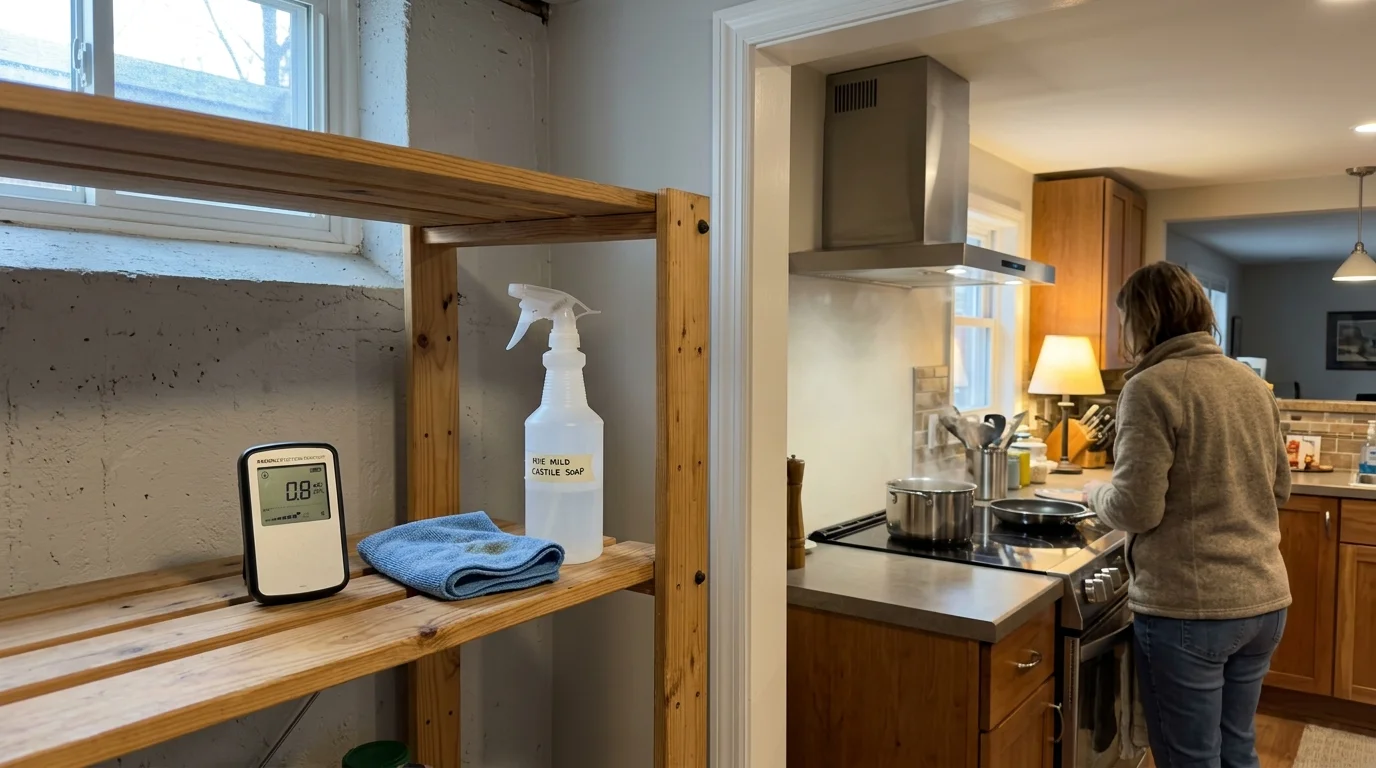
Improving your indoor environment begins with capturing airborne pollutants before they enter your airways. Position high-efficiency particulate air filters in frequently used living spaces and bedrooms to trap circulating micro-particles.
Ensure your kitchen and bathrooms vent directly outdoors rather than recirculating exhaust into indoor spaces. Opening windows for just ten minutes daily generates vital air turnover that dilutes accumulated indoor chemical residues.
Movement and Respiratory Nutrition
Regular aerobic physical activity expands lung capacity and trains your diaphragm to move air efficiently. Moderate cardiovascular exercise prompts deep ventilation that clears stagnant secretions from peripheral airways.
Complement this physical training with an antioxidant-rich diet containing abundant leafy greens, berries, and omega-3 fatty acids. These nutrient-dense whole foods supply bioactive compounds that combat systemic oxidative stress and support mucosal integrity.
Proactive Medical Screening
Schedule regular consultations with a primary healthcare provider to evaluate your baseline respiratory metrics. Spirometry testing measures how much air you inhale and exhale, detecting early airway obstruction before noticeable symptoms surface.
If you live in an area with high subterranean radon potential, conduct a home radon test immediately. Early diagnostic evaluations and environmental mitigation prevent irreversible pulmonary damage from taking hold unnoticed.
Clinical Perspectives from the Field
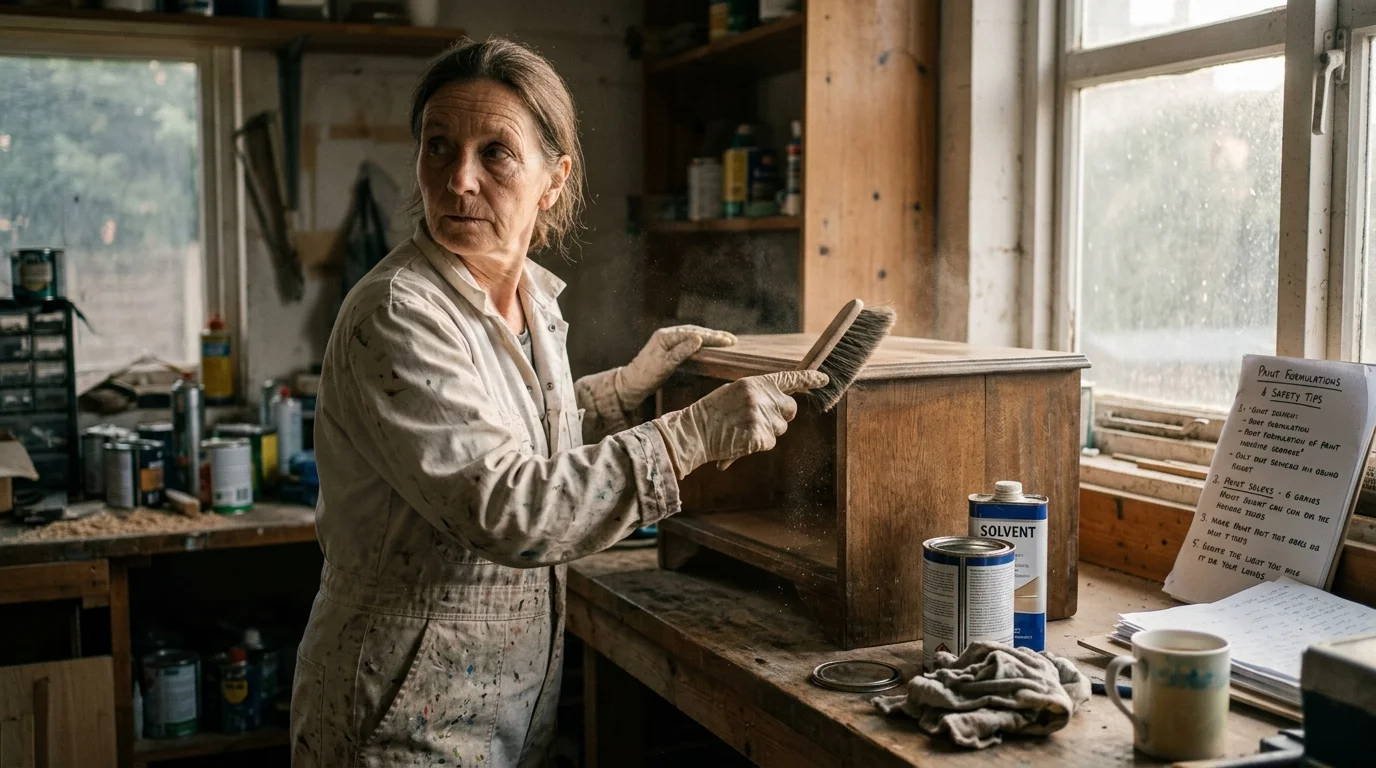
Dr. Elena Rostova, a veteran clinical pulmonologist, frequently reminds her patients that indoor air quality often proves more hazardous than urban outdoor air. She notes that most people spend ninety percent of their time indoors.
Pulmonologists stress that unresolving coughs or unexplained fatigue should prompt an immediate environmental inventory. Removing an offending down comforter or replacing an unvented stove frequently resolves respiratory distress without intensive pharmaceutical interventions.
Frequently Asked Questions
Can lungs heal after exposure to household toxins?
Yes, the human respiratory system possesses remarkable self-cleaning mechanisms, including microscopic cilia that sweep away trapped debris. Bronchial inflammation often subsides significantly once you eliminate the irritating chemical or antigen.
However, extensive tissue fibrosis and chronic airway remodeling remain permanent structural changes. Early intervention and sustained avoidance of toxic airborne irritants are essential to protect your remaining healthy lung tissue.
How can I tell if my breathlessness is related to my home environment?
Pay close attention to whether your symptoms improve when you leave your house for vacations or business trips. If respiratory tightness eases during absences and flares upon returning home, your living space may harbor hidden triggers.
Keep a detailed symptom journal tracking your breathing patterns alongside household activities like cleaning, cooking, or sleeping. Share these written records with your physician to identify specific environmental culprits.
Are essential oil diffusers safer than scented candles?
While essential oil diffusers do not generate combustion soot, they still emit concentrated volatile organic compounds into enclosed rooms. Inhaling aerosolized terpenes and chemical aromatic compounds can irritate sensitive airway linings.
Individuals diagnosed with asthma, allergies, or reactive airway disease should avoid ultrasonic essential oil diffusers entirely. Choose unscented air purification methods instead to ensure optimal respiratory safety.
When should I consult a pulmonologist about indoor air concerns?
You should seek medical evaluation if you experience persistent shortness of breath, unexplained chronic coughing, or wheezing that lasts longer than three weeks. These symptoms indicate significant bronchial irritation that warrants professional assessment.
A pulmonologist can perform comprehensive pulmonary function tests to diagnose underlying conditions like hypersensitivity pneumonitis or adult-onset asthma. Personalized medical care ensures an accurate diagnosis and prevents irreversible long-term complications.
Taking Your First Step Toward Cleaner Air
Protecting your lifelong respiratory wellness does not require an overwhelming overhaul of your entire household overnight. Choose one manageable upgrade today, such as switching to an unscented cleaning solution or ordering a certified radon testing kit.
Take a deep breath right now and evaluate your immediate surroundings. What small, positive adjustment can you implement today to provide your lungs with the clean, restorative air they deserve?








Leave a Reply