

You can dismantle your persistent cravings for afternoon espresso, rich chocolate, and sugary snacks by understanding how your brain regulates energy. When you decipher these biochemical signals, you regain control over your daily food choices.
These intense impulses do not stem from a lack of personal willpower or discipline. Neural reward pathways, fluctuating hormones, and circadian rhythms constantly drive your physical desire for quick fuel.
Learning to interpret these biological cues allows you to satisfy your physiological needs without derailing your health goals. Simple daily adjustments will steady your energy and quiet the mental noise.
The Biological Machinery Behind Your Daily Urges
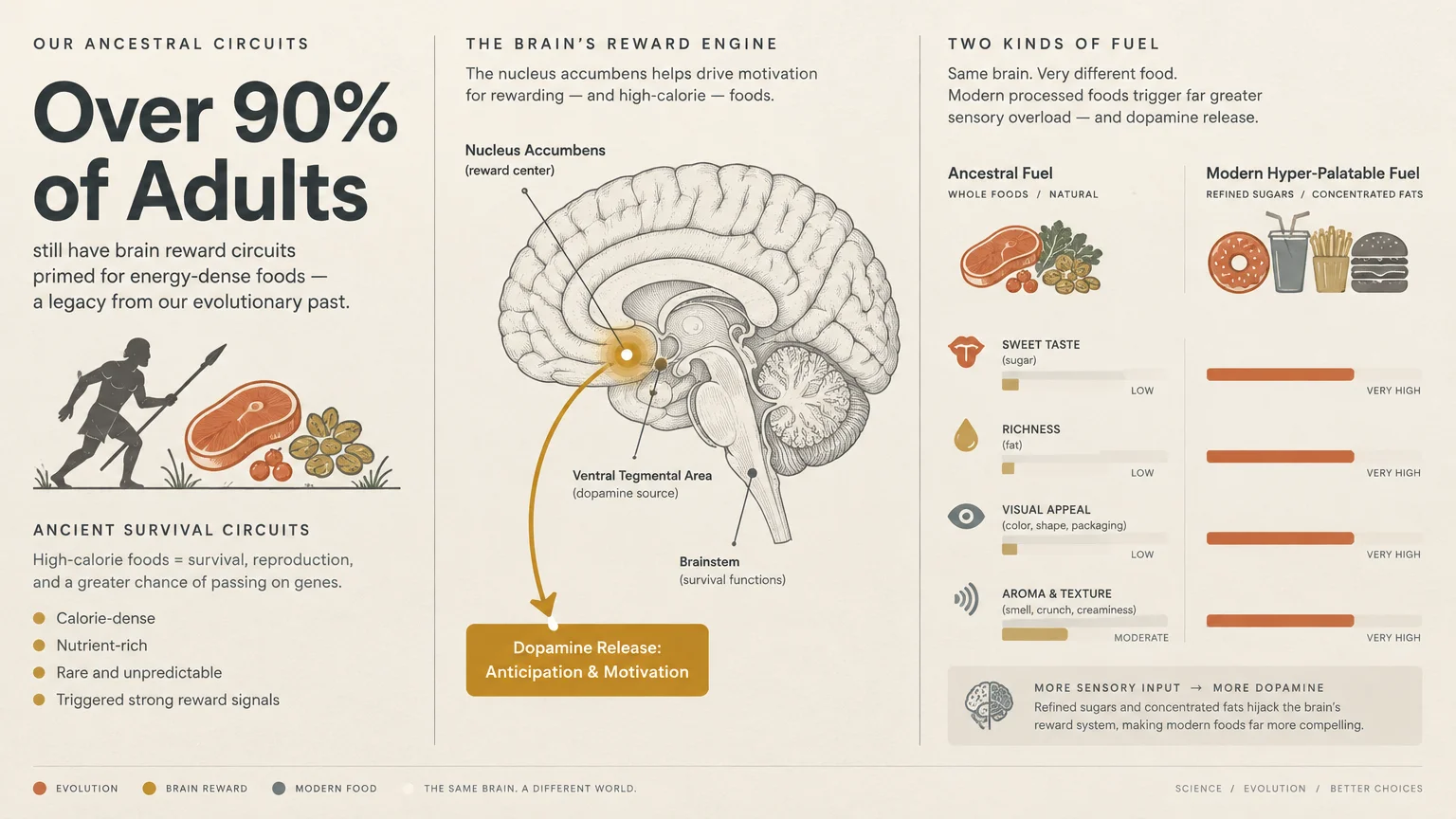
Epidemiological research shows that over 90% of the adult population experiences intense food cravings on a regular basis. You encounter these sudden impulses because your brain continuously monitors internal fuel reserves and emotional states.
These powerful desires represent evolved survival adaptations rather than character flaws. When your ancestors encountered scarce environments, their nervous systems prioritized immediate, energy-dense sustenance.
Your modern physiology retains these identical ancient circuits. When you encounter modern daily stressors, your brain demands rapid glucose to prepare for perceived physical exertion.
Modern industrial processing combines concentrated fats and refined sweeteners in ratios rarely found in nature. This hyper-palatable combination overstimulates your sensory receptors, creating powerful cravings that ancient humans never faced.
Understanding this evolutionary mismatch frees you from unproductive guilt. You can treat each craving as objective metabolic data rather than a personal defeat.
The Brain on Reward: Dopamine and Quick Fuel
Dopamine functions as the primary neurotransmitter of motivation, anticipation, and pursuit. It does not produce the sensory sensation of pleasure itself; rather, it compels you to seek the reward.
When you encounter the scent of fresh pastries or hear an espresso machine, your brain releases dopamine in anticipation. This chemical surge directs your conscious attention entirely toward acquiring that specific treat.
Ingesting concentrated sugars causes a rapid release of dopamine in your nucleus accumbens. This neural reward center reinforces the action, logging the experience as an essential survival victory.
As you repeat this behavioral sequence, your brain establishes robust neurological pathways. The mere anticipation of sugar begins driving your behavior before you consciously realize what is happening.
Frequent consumption of refined sweeteners downregulates your dopamine receptors over time. You then require larger quantities or sweeter foods to achieve that initial feeling of emotional relief.
This tolerance mechanism explains why a small sweet snack gradually expands into a daily confectionery habit. You can reset these sensitized neural circuits by intentionally interrupting your automatic consumption habits.
The Adenosine Trap: Why Afternoon Coffee Feels Urgent
From the moment your eyes open each morning, your brain produces a chemical byproduct called adenosine. As waking hours pass, adenosine levels climb steadily to create normal sleep pressure.
Caffeine shares a remarkably similar molecular structure with adenosine. When you drink coffee, caffeine enters your bloodstream and binds directly to adenosine receptors throughout your central nervous system.
Because caffeine occupies these docking stations without activating them, it effectively silences your brain’s fatigue signals. You feel alert simply because your brain cannot perceive its true cellular tiredness.
The U.S. Food and Drug Administration cites 400 milligrams per day as the safe maximum caffeine intake for healthy adults. Exceeding this amount significantly raises your vulnerability to jitters, digestive upset, and heightened anxiety.
In healthy adults, caffeine possesses an average physiological half-life of approximately 5 hours. Depending on your unique genetics and liver enzyme activity, this clearance window can range from 1.5 to 9.5 hours.
If you consume a large cup of coffee at three in the afternoon, half of that stimulant remains active in your brain at eight in the evening. Substantial amounts continue circulating when you try falling asleep at midnight.
This lingering caffeine disrupts your slow-wave sleep architecture, preventing your brain from clearing metabolic waste. You wake up unrefreshed, produce elevated adenosine, and desperately crave another stimulant to start your morning.
Breaking this cycle requires honoring your biological need for restorative sleep rather than continuously masking your fatigue with stimulants.
Blood Sugar Oscillations and Sudden Sweet Cravings
When you consume refined carbohydrates, your digestive tract rapidly breaks them down into circulating glucose. This sudden influx causes a sharp, steep spike in your blood sugar levels.
In response to this rapid glycemic surge, your pancreas releases substantial amounts of insulin. Insulin acts as a cellular key, swiftly moving glucose out of your bloodstream and into storage tissues.
When insulin acts too aggressively, your circulating blood sugar plummets below baseline levels within two hours. Scientists refer to this sudden drop as reactive hypoglycemia.
Your central nervous system relies on a steady supply of glucose to fuel cognitive operations. When levels fall precipitously, your brain perceives an immediate metabolic crisis and triggers emergency appetite alarms.
You experience this hormonal alarm as an intense, urgent desire for rapid-acting sweets. You are not lacking discipline; your survival biology is demanding fast glucose to restore equilibrium.
The Harvard T.H. Chan School of Public Health emphasizes that refined sugars accelerate this erratic cycle of energy surges and steep crashes. Stabilizing these oscillations requires altering your carbohydrate choices.
The Dietary Guidelines for Americans and the World Health Organization recommend limiting added sugars to less than 10% of total daily caloric intake. For an average 2,000-calorie diet, this limit equals roughly 50 grams.
The World Health Organization further suggests a conditional target of less than 5% for additional health benefits. Keeping added sugars below 25 grams preserves cellular sensitivity and prevents glycemic turbulence.
When you align your daily intake with these health benchmarks, your blood glucose curve flattens. As your glycemic baseline stabilizes, your urgent afternoon cravings diminish naturally.
Why Chocolate Holds a Unique Chemical Grip
The Synergy of Fat, Sugar, and Sensory Pleasure
Epidemiological research confirms that chocolate consistently ranks as the most craved food in Western cultures. Its appeal extends far beyond basic sweetness due to its distinct nutritional architecture.
Chocolate delivers a precise ratio of refined carbohydrates and dietary fat. This dynamic combination triggers deep hedonic pleasure centers in your brain far more powerfully than sugar alone.
The physical composition of cocoa butter matches human internal body temperature almost perfectly. As a square of chocolate sits on your tongue, it melts smoothly and releases aromatic compounds across your palate.
This luxurious oral sensation stimulates tactile mechanoreceptors, provoking an intense flood of sensory satisfaction. Your brain catalogues this mouthfeel as exceptionally rewarding and desires to replicate the experience.
Chocolate also provides trace quantities of bioactive molecules, including theobromine and phenylethylamine. Theobromine acts as a gentle central nervous system stimulant, relaxing smooth muscle tissues and enhancing mental alertness.
Phenylethylamine encourages your brain to release small amounts of endorphins and dopamine. Combined with the swift energy of sugar, these natural compounds make chocolate uniquely compelling.
Magnesium, Mood, and Luteal-Phase Fluctuations
Up to 40% to 50% of women report experiencing regular and intense chocolate cravings. These cravings peak with remarkable regularity during the luteal phase of the monthly menstrual cycle.
Following ovulation, circulating progesterone rises while resting serotonin levels frequently decline. This neurochemical dip can produce mild mood changes, fatigue, and heightened emotional sensitivity.
Your body seeks carbohydrate-dense treats because consuming carbohydrates facilitates the synthesis of calming brain serotonin. Chocolate serves as an ideal delivery vehicle for this neurochemical relief.
Pure, unprocessed cacao is also one of nature’s most concentrated sources of dietary magnesium. You can examine detailed mineral profiles using the USDA FoodData Central database to understand cacao’s nutritional density.
Magnesium regulates over three hundred biochemical reactions, including muscle relaxation, nervous system balance, and cellular energy synthesis. Chronic stress and hormonal shifts deplete your internal magnesium reserves quickly.
Subclinical magnesium shortfalls may prompt your brain to seek out cocoa products instinctively. Choosing high-cacao sources satisfies this mineral demand without inundating your system with excessive refined sugars.
Cacao also delivers potent flavanols that support vascular elasticity and cognitive blood flow. When you consume unrefined cacao, you nourish your cardiovascular system while addressing deep biological urges.
The Hidden Triggers: Stress, Sleep Loss, and Conditioned Habits
Cortisol and the Appetite for Energy-Dense Comfort
When you encounter demanding workloads or interpersonal conflict, your adrenal glands pump cortisol into your bloodstream. Cortisol prepares your physical body to confront imminent threats by mobilizing fuel.
This survival mechanism stimulates your appetite, specifically prompting desires for dense carbohydrates and saturated fats. In ancient times, physical danger required heavy muscular exertion that consumed massive calories.
Modern workplace stressors rarely involve running or physical defense. You sit at your desk while elevated cortisol signals your brain to replenish energy reserves you never expended.
Eating comfort foods temporarily blunts your hypothalamic-pituitary-adrenal axis, reducing feelings of acute anxiety. Your brain learns that sugar acts as a quick chemical tranquilizer.
This subconscious coping strategy forms a tenacious habitual loop over time. Whenever emotional stress peaks, your nervous system automatically commands you to seek sweet, comforting foods.
Recognizing this biochemical pathway enables you to separate authentic physical hunger from emotional distress. You can begin substituting somatic soothing techniques in place of edible comfort.
The Sleep Deprivation Feedback Loop
Skimping on nightly sleep directly impairs your prefrontal cortex, the neural center governing executive function and discipline. When sleep-deprived, you lose the neurological capacity to pause and evaluate long-term dietary consequences.
At the same time, inadequate rest heightens reactivity in your amygdala, the brain’s emotional hub. You become far more responsive to immediate sensory temptations like pastries, chocolates, and sweetened coffees.
Sleep restriction also alters your circulating appetite hormones. Your body produces higher concentrations of ghrelin, which signals hunger, and curtails leptin, which signals satiety.
You wake up biologically primed to overeat, craving dense calories to compensate for underlying exhaustion. Turning to midday espresso provides a brief surge of alertness followed by disrupted evening rest.
Following evidence-based sleep hygiene guidelines from the Centers for Disease Control and Prevention interrupts this destructive cycle at its root. Prioritizing seven to nine hours of quality rest eliminates the biological driver of daytime exhaustion cravings.
Context Cues: How Daily Environments Dictate Desires
Your brain conserves cognitive energy by automating repetitive behaviors into unconscious routines. Every habit loop requires an environmental cue that triggers a specific routine and delivers an expected reward.
If you regularly purchase a sugary pastry while walking past your neighborhood bakery, that street corner becomes an environmental cue. Your brain begins releasing dopamine the moment you approach that block.
Similarly, sitting on your living room sofa each evening to watch television often becomes a cue for chocolate consumption. You find yourself opening the pantry without conscious intention or authentic physical hunger.
Visual prompts in your home or office space exert an immense influence on your daily choices. A clear candy jar placed on your workspace desk triggers frequent cravings through continuous subconscious exposure.
Modifying your physical environment eliminates the need for heroic willpower. When you remove visual cues and alter your daily routes, automatic craving loops naturally lose their power.
Actionable Strategies to Reset Your Daily Cravings
Recalibrating Your Morning Coffee Routine
Postpone your initial cup of morning coffee by 60 to 90 minutes after waking. This simple delay allows your body to clear residual adenosine through natural light exposure and movement.
Your body produces a natural cortisol surge called the cortisol awakening response within thirty minutes of waking. Consuming caffeine during this peak blunts natural hormone production and increases stimulant tolerance.
Begin your morning by drinking 16 ounces of pure water with a pinch of mineral salt. Hydrating your cells immediately upon waking eliminates morning fatigue caused by overnight fluid loss.
Establish a firm caffeine cutoff at noon or one in the afternoon. Adhering to this boundary honors caffeine’s 5-hour half-life, ensuring your nervous system can relax before evening sleep.
Monitor your daily consumption to ensure you stay well within the FDA limit of 400 milligrams. Remember that large commercial coffee drinks often contain over 300 milligrams in a single serving.
When you crave an afternoon pick-me-up, brew roasted dandelion root or organic peppermint tea. These warm, aromatic beverages provide comforting sensory rituals without interfering with your nocturnal rest.
Stabilizing Glucose Through Strategic Meal Timing
Design every meal around a solid foundation of 25 to 35 grams of lean dietary protein. Protein digests slowly and triggers satiety hormones that keep your brain satisfied for hours.
Combine complex, unrefined carbohydrates with soluble fiber and healthy monounsaturated fats. Fiber creates a viscous gel in your digestive tract, slowing glucose absorption and preventing steep insulin spikes.
The American Heart Association advises capping added sugar intake at 36 grams for men and 25 grams for women per day. Strictly observing these guidelines prevents the metabolic crashes that incite sweet cravings.
Eat balanced meals every four to five hours to establish metabolic predictability. Skipping meals during chaotic workdays leads to severe afternoon hypoglycemia, driving uncontrollable urges for fast confectionery energy.
Incorporate whole grains, legumes, and cruciferous vegetables into your midday lunch. These nutrient-dense foods digest steadily, supplying your brain with continuous energy throughout your working hours.
Smart Food Swaps for Chocolate and Confections
Upgrade your chocolate habit by replacing conventional milk bars with dark chocolate containing at least 70% cacao. High-percentage chocolate delivers rich cacao polyphenols and magnesium while keeping added sugar minimal.
Because dark chocolate possesses intense, complex flavors, one or two small squares fully satisfy your palate. You enjoy authentic sensory indulgence without triggering an insatiable craving for more.
Pair fresh berries with unsweetened whole-milk Greek yogurt and a dusting of raw cacao nibs. This combination delivers satisfying sweetness, gut-friendly probiotics, and healthy fats that stabilize your appetite.
Slice a crisp tart apple and enjoy it alongside two tablespoons of natural almond butter. The rich soluble fiber of the fruit combines with healthy fats to curb afternoon cravings effectively.
Prepare homemade chia seed pudding using unsweetened almond milk, pure vanilla extract, and raw cacao powder. This wholesome dessert provides abundant dietary fiber and plant-based omega-3 fatty acids without added sugars.
These strategic upgrades satisfy your brain’s natural desire for sensory delight while flooding your cells with restorative micronutrients. Your palate adapts over time, making hyper-sweet commercial candies taste cloying and unappealing.
Somatic and Mindset Tools to Ride Out Cravings
Practice urge surfing whenever an intense craving threatens to derail your healthy choices. Visualize your craving as an ocean wave that builds, reaches a peak, and gradually recedes.
Instead of suppressing the desire, observe the physical sensations in your body with calm curiosity. Notice the salivation in your mouth, tightness in your chest, or restlessness in your hands.
Neurological studies demonstrate that acute neurochemical cravings rarely last longer than 10 to 15 minutes if left unfed. By simply riding the wave without reacting, you allow the neurochemical surge to subside.
Engage in diaphragmatic breathing for two minutes to activate your parasympathetic nervous system. Inhale slowly for four counts, hold for four counts, and exhale smoothly for six counts.
This rhythmic breathing pattern reduces circulating adrenaline and cortisol, quieting stress-induced food impulses immediately. You regain conscious executive control over your decisions without painful mental struggles.
Step away from your workstation and take a brief 10-minute walk outside in natural sunlight. Physical movement stimulates circulation and releases natural dopamine, providing the alertness you initially sought from sugar or caffeine.

Building Your Long-Term Support Architecture
Tracking Patterns With Digital Tools
Maintain an objective digital log of your cravings, meals, and daily energy levels for two weeks. Note the exact time your cravings strike, your emotional state, and what you ate previously.
Modern mobile health trackers and digital habit journals make recording these observations quick and effortless. Consistent tracking transforms vague, confusing dietary frustrations into clear, actionable behavioral patterns.
You may discover that your sweet cravings strike exclusively on afternoons following poor sleep. Recognizing these direct correlations allows you to address the root physiological cause rather than blaming your discipline.
Use your collected data to anticipate vulnerable moments throughout your week. When you know an afternoon meeting triggers sugar cravings, you can prepare a wholesome snack beforehand.
Social Accountability and Professional Coaching
Enlist a supportive friend, partner, or colleague to act as your trusted accountability partner. Sharing your lifestyle goals and daily boundaries out loud creates social commitment that reinforces healthy follow-through.
Consider partnering with registered dietitians through the Academy of Nutrition and Dietetics to design an individualized metabolic health strategy. Professional dietitians evaluate your unique biochemical needs and lifestyle demands with scientific precision.
A qualified nutrition coach helps you identify emotional eating patterns and design sustainable meal strategies. Working with an expert eliminates the guesswork and protects you from dangerous dietary extremes.
Engage with supportive online or local community groups focused on evidence-based wellness habits. Sharing your experiences with like-minded individuals reminds you that navigating cravings is a universal physiological challenge.
Frequently Asked Questions About Managing Cravings
How can I manage intense cravings when my work schedule is hectic?
Prepare individual portions of nutrient-dense snacks every Sunday so you remain prepared during demanding workdays. Store raw almonds, pumpkin seeds, roasted chickpeas, or dark chocolate squares directly inside your desk.
Keep a reusable water bottle at your workstation and hydrate thoroughly before reaching for afternoon snacks. Often, subtle cellular dehydration masquerades as an urgent mental craving for confectionery sugar.
Take a 60-second breathing break between intense work tasks to downregulate your autonomic nervous system. This brief pause breaks the subconscious habit of stress eating before it begins.
Does eating wholesome alternatives increase my weekly grocery bill?
Prioritizing nutrient-dense whole foods frequently reduces your total food spending over time. You eliminate expensive commercial coffee runs, processed vending machine snacks, and spontaneous convenience store purchases.
Wholesome staples like raw oats, bulk nuts, chia seeds, and frozen berries provide exceptional nutrient density per dollar. Because these foods satisfy true physiological hunger, you consume smaller overall volumes of food.
High-quality dark chocolate bars may carry a higher initial price tag than standard candy bars. However, their rich flavor ensures a single bar lasts for an entire week of mindful enjoyment.
How do I navigate household treats without alienating my family?
Communicate your personal health goals clearly to your household members without imposing strict dietary rules upon them. Frame your adjustments around your desire for steady energy and restorative sleep.
Designate an opaque container or high cabinet shelf for treats belonging to other family members. Keeping commercial sweets out of your primary line of sight eliminates passive visual craving triggers.
Introduce delicious, family-friendly whole-food alternatives like dark cocoa energy bites or fruit parfaits during shared meals. Everyone benefits from nourishing snacks that support cellular health and sustained afternoon energy.
What metrics indicate real physiological progress over time?
Evaluate your success by assessing daytime energy stability rather than obsessing over daily fluctuations on the scale. Notice whether you can work through the afternoon without experiencing dramatic mental fog or fatigue crashes.
Pay attention to how easily you fall asleep at night and how refreshed you feel upon waking. Improvements in sleep quality provide immediate evidence that your caffeine and sugar recalibration is working.
Observe the fading urgency and frequency of your daily food thoughts over several weeks. When you can comfortably observe chocolate without feeling compelled to consume it, your metabolic adaptation is complete.
Transforming Your Craving Response One Habit at a Time
Sustainable behavioral transformation does not demand an immediate, overwhelming overhaul of your entire lifestyle. Attempting to eliminate coffee, sweets, and chocolate simultaneously invites frustration and metabolic rebellion.
Instead, choose just one small habit adjustment from this guide to implement over the coming seven days. You might decide to delay your morning coffee by an hour or upgrade your afternoon chocolate.
Track how this single behavioral shift influences your afternoon energy, cognitive focus, and sleep quality. Notice the subtle ways your body responds when you honor its true physiological requirements.
Each small, intentional choice you make gradually recalibrates your neural reward pathways and stabilizes your blood sugar. You build confidence as you prove to yourself that cravings no longer control your daily routine.
Embrace this journey with patience, curiosity, and scientific understanding. By working in harmony with your biology, you cultivate vibrant energy and lasting wellness that endures for a lifetime.









Leave a Reply