You open your refrigerator to build a nourishing snack, but your favorite artisan cheese might pose an invisible health risk. The Food and Drug Administration recently issued an urgent recall for select raw cheddar cheeses contaminated with dangerous bacteria.
Taking control of your kitchen begins with checking your dairy drawer immediately to protect yourself and your family. Reviewing your food labels takes just two minutes and preserves your vibrant, daily well-being.
You can easily safeguard your meals by learning which specific batches to discard and how to sanitize your storage spaces safely. Simple, proactive habits keep your nutrition on track without disrupting your healthy lifestyle.
FDA Warning: The Cheddar Recall Details You Must Check
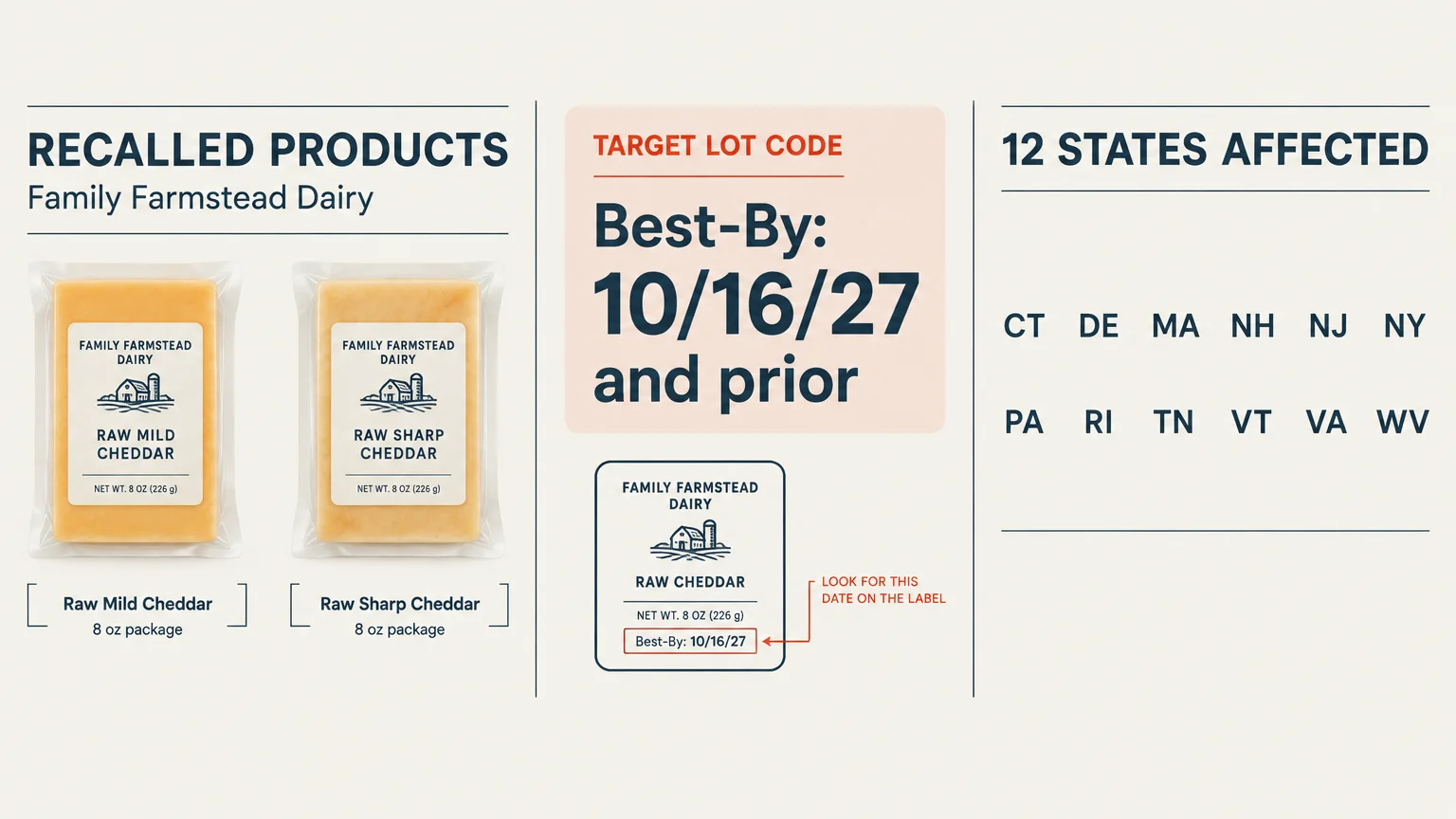
On November 10, 2026, Family Farmstead Dairy initiated a voluntary recall for two of its popular raw cheddar products. Federal regulators published the warning after testing revealed potential contamination with Listeria monocytogenes.
The recall specifically impacts Family Farmstead brand Raw Mild Cheddar and Raw Sharp Cheddar. Both products were packaged in eight-ounce, clear plastic-wrapped blocks for retail sale.
Inspect the back label of your cheese packaging immediately for specific identification codes. The notice covers all lot codes with best-by dates of October 16, 2027 (10/16/27), and prior.
Family Farmstead Dairy operates out of Worcester, New York, supplying artisan cheeses across the Northeast and Mid-Atlantic. No other dairy products from this producer are included in the present recall announcement.
Retail grocers, specialty food co-ops, and local markets distributed these recalled blocks across twelve states. Consumers purchased these items in Connecticut, Delaware, Massachusetts, New Hampshire, New Jersey, and New York.
The distribution area also extends across retail storefronts in Pennsylvania, Rhode Island, Tennessee, Vermont, Virginia, and West Virginia. If you bought raw cheddar in any of these states, examine your refrigerator immediately.
This federal warning arrives just twenty-six days after an earlier contamination incident involving the same facility. On October 15, 2026, the company recalled a single lot of Raw Mild Cheddar for bacterial contamination.
That earlier recall involved lot code 7/22/27 due to potential contamination with Shiga toxin-producing Escherichia coli strains O26:H11 and O45:H2. Experiencing two pathogen alerts within four weeks highlights significant food safety vulnerabilities.
These incidents reflect a broader pattern of dairy safety challenges documented throughout 2026. In October 2026, federal officials issued a Class I warning for Sierra Nevada Cheese Company’s Graziers raw milk cheddar and jack.
Earlier in the year, a multi-state Listeria outbreak linked to Clover Hill Dairy soft cheese caused fifteen illnesses, fourteen hospitalizations, and one death before concluding in August 2026. Public alerts help you avoid similar risks in your home.
Because artisan dairies often distribute through smaller gourmet grocers, recall signs may not always appear prominently. Checking your food packaging directly remains your most dependable personal safety safeguard.
Understanding Listeria: Why This Pathogen Demands Attention
Most common foodborne bacteria struggle to survive when stored in cold refrigerators. However, Listeria monocytogenes thrives in cool, moist environments and actively multiplies at standard refrigeration temperatures.
This unique physiological resilience makes refrigerated dairy items especially vulnerable to persistent bacterial growth. When contaminated cheese sits chilled for weeks, bacterial concentrations can steadily increase rather than decline.
The Centers for Disease Control and Prevention identifies listeriosis as the fourth leading cause of death from foodborne illness in the United States. The agency attributes approximately 1,250 serious infections and 172 deaths to this organism annually.
Unlike common stomach bugs that remain localized, Listeria possesses the cellular ability to penetrate your intestinal barrier. Once inside your bloodstream, the bacteria can disseminate rapidly to other vital organ systems.
The organism produces specific proteins that allow it to invade healthy human host cells. This intracellular lifestyle protects the pathogen from circulating immune antibodies, complicating your body’s natural defense mechanisms.
Vulnerable populations face dramatically elevated medical risks when exposed to this resilient foodborne bacterium. Adults aged 65 and older experience higher rates of invasive disease because natural immune responsiveness wanes over time.
Individuals receiving immunosuppressive medications or managing chronic health conditions also face severe infection risks. For these individuals, a small exposure can escalate into life-threatening systemic illness within days.
Expectant mothers must exercise extraordinary vigilance regarding unpasteurized dairy products. Pregnant women contract listeriosis at rates significantly higher than non-pregnant healthy adults due to natural hormonal immune shifts.
While an expectant mother may experience only mild discomfort, the bacteria can cross the placenta directly. Intrauterine infection can lead to tragic outcomes, including spontaneous miscarriage, stillbirth, premature birth, or severe neonatal septicemia.
Newborns infected during gestation or delivery can suffer permanent neurological impairment or fatal systemic infections. Strict avoidance of high-risk cheeses remains the safest dietary strategy for pregnant individuals.

Recognizing Listeriosis Symptoms and When to Seek Care
Recognizing symptoms early empowers you to advocate effectively for your personal health and medical treatment. Non-invasive listeriosis typically resembles a standard gastrointestinal infection or a sudden seasonal flu.
Common acute symptoms include high fever, severe headache, generalized muscle aches, nausea, abdominal pain, and watery diarrhea. These short-term reactions often appear within a few days after eating contaminated dairy.
However, the biological incubation window for Listeria is notably longer than that of other foodborne bacteria. Symptoms can occasionally manifest anywhere from one day to several weeks following initial exposure.
Because symptoms can delay their appearance, you might struggle to connect illness with cheese eaten weeks earlier. Writing down suspicious food details helps you recall key exposure facts if symptoms develop later.
When the pathogen migrates into your central nervous system, it causes dangerous invasive listeriosis. Severe headache, pronounced neck stiffness, mental confusion, and loss of balance indicate potential neurological involvement.
Invasive infections can also trigger sudden physical tremors, light sensitivity, and intense convulsions. These severe clinical signs represent a medical emergency requiring immediate evaluation at an emergency department.
If you consumed recalled cheddar and develop an unexpected fever, notify your physician right away. Inform your doctor about the specific cheese recall so they can order appropriate blood cultures.
Medical teams treat confirmed listeriosis with targeted intravenous antibiotics such as ampicillin. Timely antibiotic therapy halts bacterial proliferation and significantly decreases the risk of enduring complications.
Action Steps: Decontaminating Your Kitchen and Returning Product
If you find an affected block of Family Farmstead cheddar in your refrigerator, do not eat it. Do not feed recalled dairy products to pets, who can also harbor and transmit bacterial pathogens.
Seal the product inside a clean plastic bag and return it to your grocery store for a complete refund. Retailers possess standardized return procedures for recalled foods and will process your request promptly.
You can also contact Family Farmstead Dairy directly at (607) 397-4044 between 8:00 a.m. and 5:00 p.m., Monday through Friday. If you prefer digital communication, send an email to customerservice@familyfarmsteaddairy.com to resolve questions.
When throwing the cheese away at home, wrap it tightly in multiple bags before placing it in outdoor bins. Enclosing the food prevents curious wildlife or domestic animals from ingesting contaminated cheese scraps.
After disposing of the cheese, you must initiate a rigorous sanitization process across your refrigerator compartments. Because Listeria survives cold temperatures, bacteria can linger on plastic bins and glass shelves.
Remove all food items from the affected shelves and place them temporarily in an insulated cooler. Inspect nearby jars and food wrappers for any dairy residue or sticky liquid drippings.
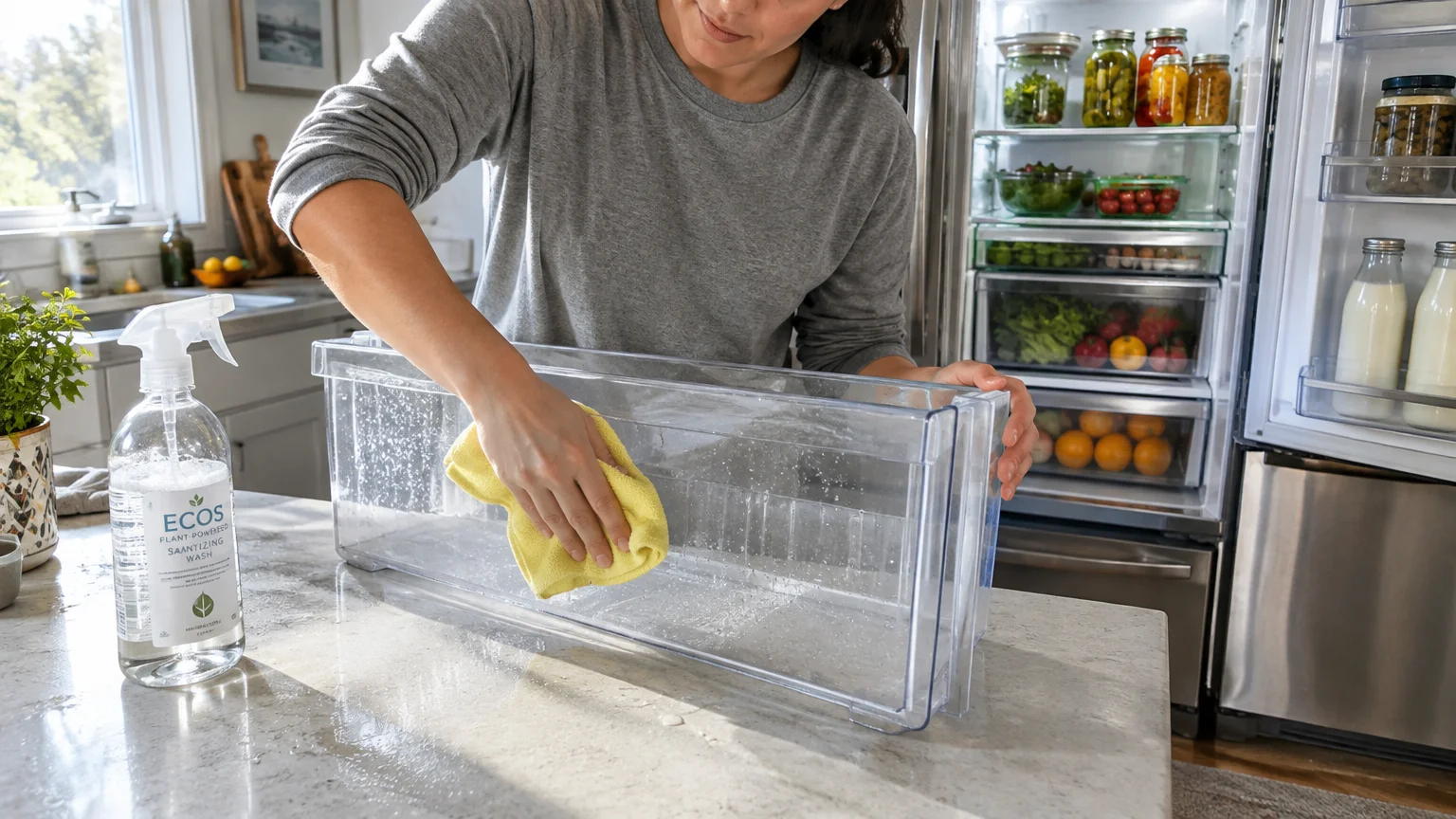
Take out the removable crisper drawers and wash them in your sink using hot, soapy water. Use a fresh sponge or clean microfiber cloth to scrub away all visible food matter.
Prepare an effective sanitizing solution by combining one tablespoon of unscented household bleach with one gallon of water. Wipe all interior walls, door gaskets, and shelf brackets thoroughly with this diluted bleach solution.
Allow the sanitizing solution to air-dry on refrigerator surfaces for at least ten minutes before reloading groceries. Air-drying provides sufficient contact time for the chlorine solution to destroy remaining bacterial cells.
Disinfect all cutting boards, cheese knives, and food containers that came into contact with the recalled cheddar. Wash your kitchen sponges in the dishwasher on a high-heat sanitizing cycle or discard them entirely.
Finish your decontamination protocol by washing your hands thoroughly with warm water and soap for twenty seconds. Clean hands ensure you do not reintroduce bacteria to freshly sanitized kitchen surfaces.
The Science of Raw Dairy Versus Pasteurized Cheeses
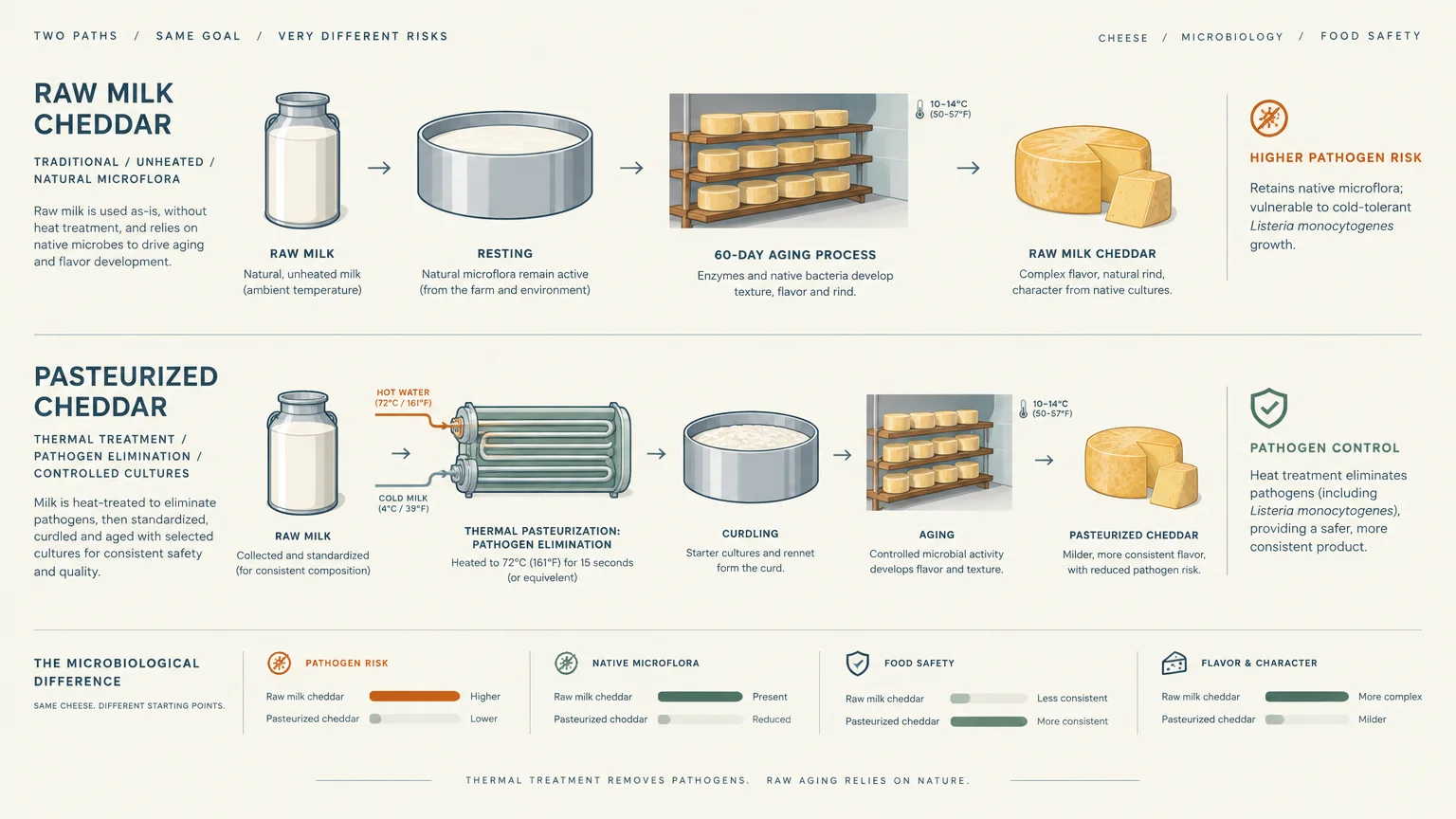
Raw milk enthusiasts often praise unpasteurized cheese for its complex flavor nuances and traditional artisan character. Proponents believe that maintaining native dairy microbes supports better digestion and produces authentic culinary textures.
However, raw milk naturally carries microflora from farm environments, including potential pathogens from soil, feed, and livestock. Without a thermal intervention, those microorganisms remain active throughout the cheesemaking process.
Commercial pasteurization heats raw milk to at least 161 degrees Fahrenheit for fifteen seconds before cooling. This standard thermal procedure reliably eliminates dangerous pathogens, including Listeria, Salmonella, and virulent E. coli strains.
Pasteurization preserves the primary macronutrients and essential minerals of milk, including bioavailable protein and calcium. The process does not diminish the nutritional value of the cheese you consume daily.
Federal regulations permit cheesemakers to market raw cheeses if wheels undergo sixty days of controlled aging. Cheesemakers historically assumed that increasing acidity and declining moisture naturally eradicated all pathogenic microbes over time.
Contemporary microbiological testing demonstrates that Listeria monocytogenes can survive this sixty-day aging timeline. The pathogen tolerates high salt concentrations and low water activity, remaining viable in aged cheddar wheels.
The Food and Drug Administration conducts routine surveillance testing to identify pathogen survival in raw artisan cheeses. These testing programs protect consumers by identifying contamination before severe outbreaks spread across communities.
You can maintain exquisite culinary standards by purchasing artisanal cheeses crafted from pasteurized milk. Many world-class cheesemakers choose pasteurization, producing award-winning cheeses that offer both exceptional complexity and verified safety.
Always check the ingredient panel on the back of cheese packages before completing your purchase. Look for the phrase “pasteurized cultured milk” to ensure your favorite dairy items meet rigorous safety standards.
Nutritious Swaps to Protect Your Daily Calcium and Protein
Cheddar cheese provides a concentrated source of vital nutrients that support musculoskeletal strength and satiety. An eight-ounce block offers abundant dietary calcium, high-quality complete protein, and bioavailable vitamin B12.
Discarding recalled cheese should not disrupt your daily macronutrient targets or derail your healthy habits. You can easily substitute safe, pasteurized dairy products that supply identical nutritional benefits to your body.
Select certified pasteurized sharp white cheddar from regional dairies to preserve the bold flavor you love. Aging pasteurized cheddar creates the same sharp, crystalline crunch without the microbial hazards of raw milk.
Pasteurized low-sodium cottage cheese delivers an exceptional protein-to-calorie ratio for active wellness routines. Enjoy half a cup alongside raw walnuts and fresh berries for a balanced, nutrient-dense breakfast.
Authentic Greek yogurt made from pasteurized milk provides rich dietary calcium alongside beneficial probiotic cultures. These active bacterial strains support a resilient gut barrier and aid smooth gastrointestinal digestion.
You can verify the detailed nutritional content of alternative dairy products using the USDA FoodData Central database. Reviewing official nutritional databases ensures your meal substitutions fulfill your exact dietary requirements.
If you avoid dairy entirely, incorporate plant-based calcium powerhouses into your regular lunch and dinner recipes. Steamed collard greens, turnip greens, and sautéed kale deliver substantial mineral nutrition with minimal caloric density.
Firm tofu set with calcium sulfate offers remarkable mineral density alongside complete plant protein. Pan-searing seasoned tofu cubes creates a satisfying, savory addition to stir-fries, grain bowls, and crisp salads.
Canned wild-caught salmon and sardines with soft, edible bones supply superior bioavailable calcium and omega-3 fatty acids. These anti-inflammatory fats support cardiovascular health while preserving dense skeletal integrity.
Sesame tahini paste delivers high amounts of plant-based calcium, magnesium, and healthy monounsaturated fats. Whisking tahini with lemon juice and garlic creates a delicious, nutrient-dense dressing for roasted vegetables.
Building Daily Fridge Safety Routines for Long-Term Health
Designing a hygienic kitchen environment requires consistent, automated habits rather than sporadic deep-cleaning marathons. Simple daily organizational routines protect your food investments and prevent preventable foodborne illnesses.
Hang an inexpensive, reliable appliance thermometer on the middle shelf of your home refrigerator. Check the dial regularly to verify that internal temperatures remain consistently between 35 and 38 degrees Fahrenheit.
Refrigerator temperatures above 40 degrees Fahrenheit allow dormant bacteria to multiply at dangerous, exponential rates. Adjust your cooling settings immediately if your thermometer displays temperatures near or above that critical threshold.
Avoid packing refrigerator shelves so tightly that cold air cannot circulate around your stored foods. Blocked air vents create warm pockets where bacteria like Listeria can multiply undetected.
Implement a strict first-in, first-out inventory strategy across your dairy and vegetable storage drawers. Position newer grocery items behind older packages so you consume foods before their nutritional quality degrades.
Store open blocks of cheese inside clean, airtight glass containers rather than loose plastic wrap. Airtight seals maintain optimal humidity levels while preventing odors and microbes from transferring between different foods.
Affix a small strip of masking tape to each container and write the date opened clearly. This simple labelling habit eliminates guesswork and ensures you consume chilled cheeses within safe time windows.
Consume opened semi-hard pasteurized cheeses within three to four weeks after unsealing the original wrapper. If a cheese wedge develops an off odor, unnatural discoloration, or surface mold, discard it immediately.
Adjust the humidity sliders on your produce bins to keep leafy vegetables crisp and dry. Excess moisture encourages bacterial proliferation and accelerates the decay of your nutrient-dense produce.
Perform a five-minute refrigerator audit every weekend prior to your main grocery shopping trip. Wiping down shelves and purging expired items ensures an orderly, sanitary environment for incoming fresh ingredients.
Cultivating Mindful Kitchen Awareness Without Food Fear
Constant news coverage of contaminated food products can provoke unnecessary anxiety around everyday grocery shopping. You might wonder whether wholesome, whole foods can truly remain safe in modern distribution systems.
Reframe safety recalls as evidence of an active, vigilant public health monitoring network. Public warnings show that regulatory testing successfully identifies compromised products before widespread community outbreaks occur.
The Academy of Nutrition and Dietetics emphasizes that safe food preparation forms the bedrock of mindful nutritional wellness. Practicing proactive food hygiene transforms kitchen maintenance from an annoying chore into empowering self-care.
Approach your weekly grocery shopping with focused curiosity rather than stress or fearful hesitation. Reading product labels, inspecting package seals, and checking dates reinforces your personal agency as a health-conscious consumer.
Avoid swinging toward extreme dietary restriction or assuming that all artisan foods carry unacceptable risks. Informed awareness enables you to celebrate artisan food craft while choosing products that protect your body.
Cultivate gratitude for your food by treating fresh ingredients with deliberate care and hygienic respect. Storing your groceries cleanly honors the hard agricultural work required to bring wholesome food to your table.
Involve your family members or housemates in simple kitchen safety protocols to establish a shared culture of wellness. When everyone washes hands and respects food storage guidelines, kitchen safety becomes effortless and natural.
Open communication prevents misunderstandings and ensures vulnerable household members do not consume questionable foods accidentally. A collaborative approach creates a peaceful, supportive kitchen environment for everyone.
Support Systems and Digital Tools to Stay Informed
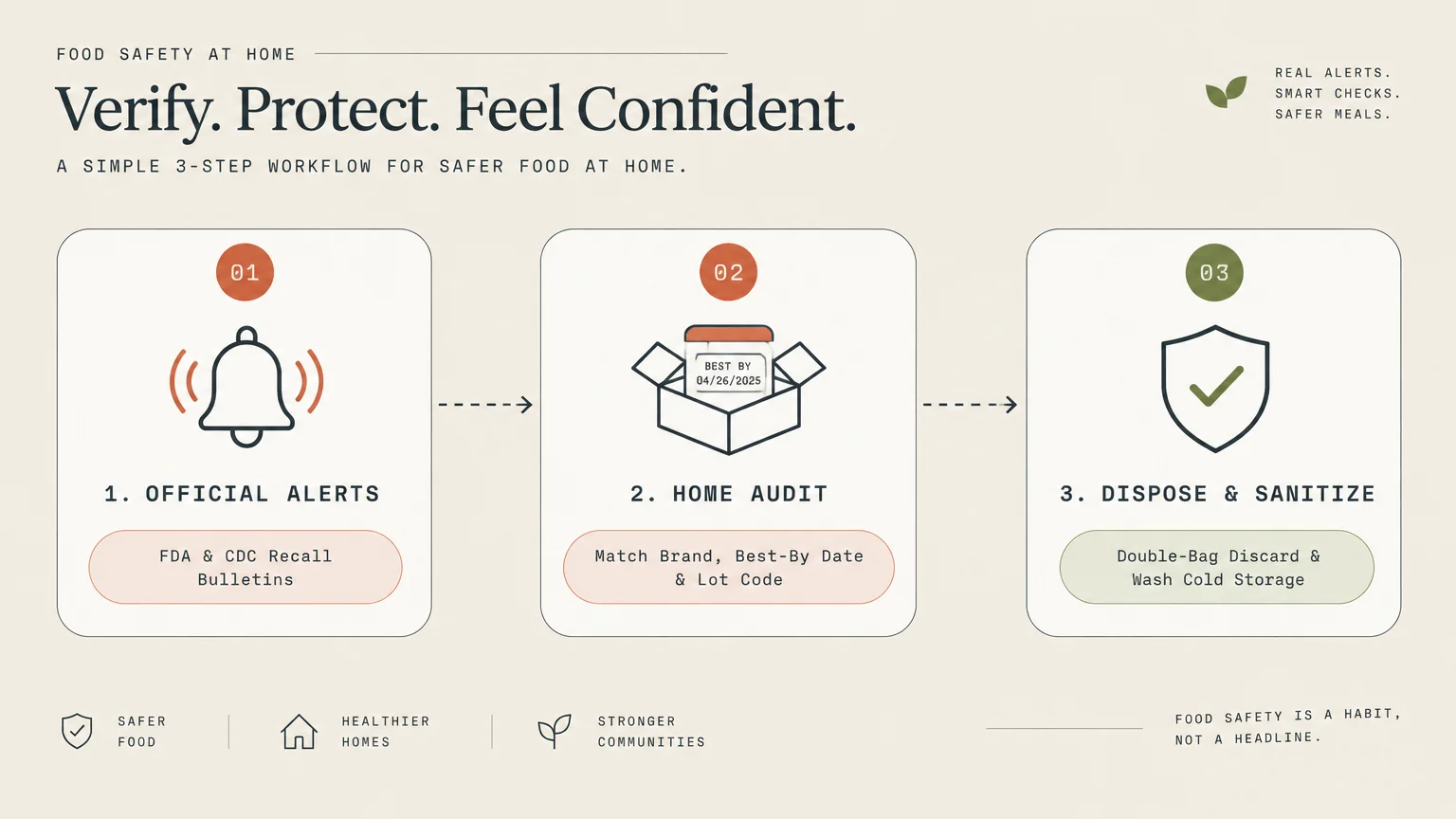
You do not need to spend precious personal time searching government databases for active recalls. Smart digital tools and community support networks can keep you effortlessly informed about food safety developments.
Sign up for official email alerts through federal food safety portals to receive timely product notifications. Many regional grocery stores also send automated alerts through their loyalty apps when recalled items are purchased.
These automated systems notify you on your mobile phone before you prepare contaminated foods for your family. Leveraging technology ensures you stay protected without burdening your daily mental schedule.
Consult evidence-based dietary resources from the Harvard T.H. Chan School of Public Health to keep your nutrition grounded in rigorous science. Reliable scientific information shields you from sensationalized headlines and extreme health fads.
Establish a wellness accountability partnership with a health-conscious friend or neighbor. Send each other weekly reminders to check refrigerator temperatures and rotate pantry staples consistently.
Community support proves especially valuable when protecting vulnerable individuals who might miss digital announcements. Share recall notices with elderly relatives, pregnant friends, or neighbors who shop at local specialty markets.
Older adults and busy parents often appreciate a quick, caring text message regarding hazardous food items. Your proactive communication helps safeguard your broader community from preventable foodborne infections.
Local food co-ops and farmers markets often maintain community bulletin boards for safety updates. Engaging with your local food community strengthens collective knowledge and fosters deeper trust in local agriculture.
Frequently Asked Questions About Food Recalls and Safety
How can I verify my cheese quickly if I have limited free time?
Group all your refrigerated cheeses into one clear storage container so you can scan them instantly. Pull the container out, inspect the front brand label, and check the expiration code on the back.
If you see Family Farmstead Raw Cheddar with a best-by date of October 16, 2027 or earlier, isolate it. Sealing the block inside a plastic bag takes twenty seconds and keeps your family safe.
What should I do if I cannot afford to replace expensive recalled artisan cheese?
You do not need an extravagant budget to obtain high-quality dairy protein and essential calcium. Standard supermarket blocks of pasteurized sharp cheddar provide identical macronutrients at a fraction of the artisan cost.
Always return the recalled cheese to your retailer to claim your rightful cash refund or credit. Food retailers honor voluntary recall notices promptly, ensuring you do not lose your hard-earned grocery money.
How do I align my family members who prefer unpasteurized dairy with safe habits?
Present the objective scientific facts calmly rather than arguing about personal culinary preferences. Explain that dangerous pathogens like Listeria are entirely invisible and produce no detectable taste or odor.
Introduce delicious, award-winning pasteurized cheeses during shared meals to demonstrate that safety never compromises taste. Offering exceptional pasteurized alternatives makes healthy alignment natural and enjoyable for the entire household.
How do I measure whether my kitchen food safety routines are working?
Monitor your refrigerator thermometer weekly and log the temperature on a small magnetic whiteboard. Maintaining consistent readings between 35 and 38 degrees Fahrenheit confirms that your appliance is chilling effectively.
Observe whether your stored dairy and produce remain fresh and palatable throughout their intended storage windows. Fewer spoiled items and greater mealtime confidence indicate that your kitchen routines are succeeding.
Your Seven-Day Kitchen Wellness Challenge
Lasting lifestyle improvements begin with small, manageable actions that you practice consistently each day. Choose one practical kitchen safety habit today and commit to following it for the next seven days.
Start tonight by auditing your cheese drawer and discarding any recalled Family Farmstead products or unverified raw dairy. Wipe down the interior surfaces with hot, soapy water to establish a fresh, sanitary baseline.
Install a dedicated refrigerator thermometer and check the cooling temperature every morning before brewing your coffee. This two-second morning check ensures your perishable groceries remain protected from hazardous bacterial multiplication.
Replace questionable raw cheeses with high-quality pasteurized selections that deliver rich flavor and proven safety. Savoring wholesome, safe foods allows you to nourish your body without unnecessary worry or health risks.
Notice the mental calm and clarity that emerges as you prepare meals in an organized, sanitized kitchen. Small, intentional safety habits protect your vitality and empower your lifelong commitment to vibrant health.