
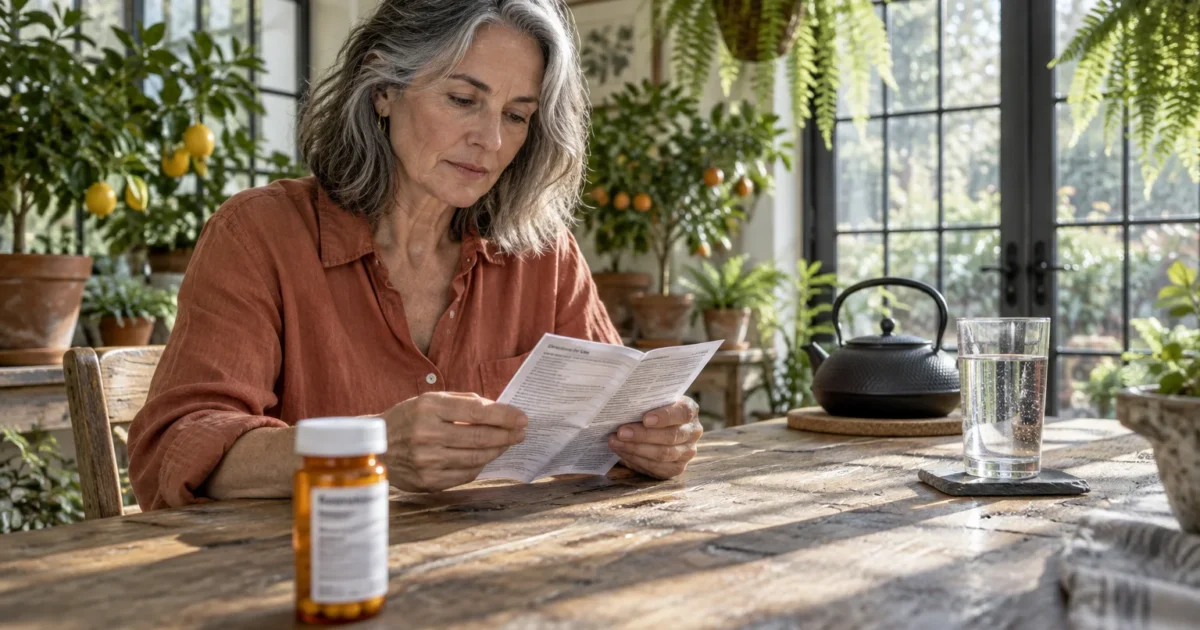
Washing down your morning prescription with a warm mug of tea feels like a comforting, health-conscious ritual. Unfortunately, natural compounds in your favorite brew can quietly neutralize life-saving drugs or amplify dangerous side effects.
Pharmacists frequently see therapeutic failures caused not by missed doses, but by the plant chemicals sitting inside everyday teacups. Catechins, tannins, caffeine, and vitamin K alter how your digestive tract absorbs essential medications.
Learning how to separate your daily infusion from your prescription schedule protects your cardiovascular health, stabilizes your energy, and keeps your treatment working safely.
The Science of Tea and Medication Interactions
Tea is one of the most widely consumed beverages across the globe, celebrated for its rich antioxidant profile. Yet, the very bioactive molecules that promote wellness can interfere significantly with pharmaceutical compounds inside your body.
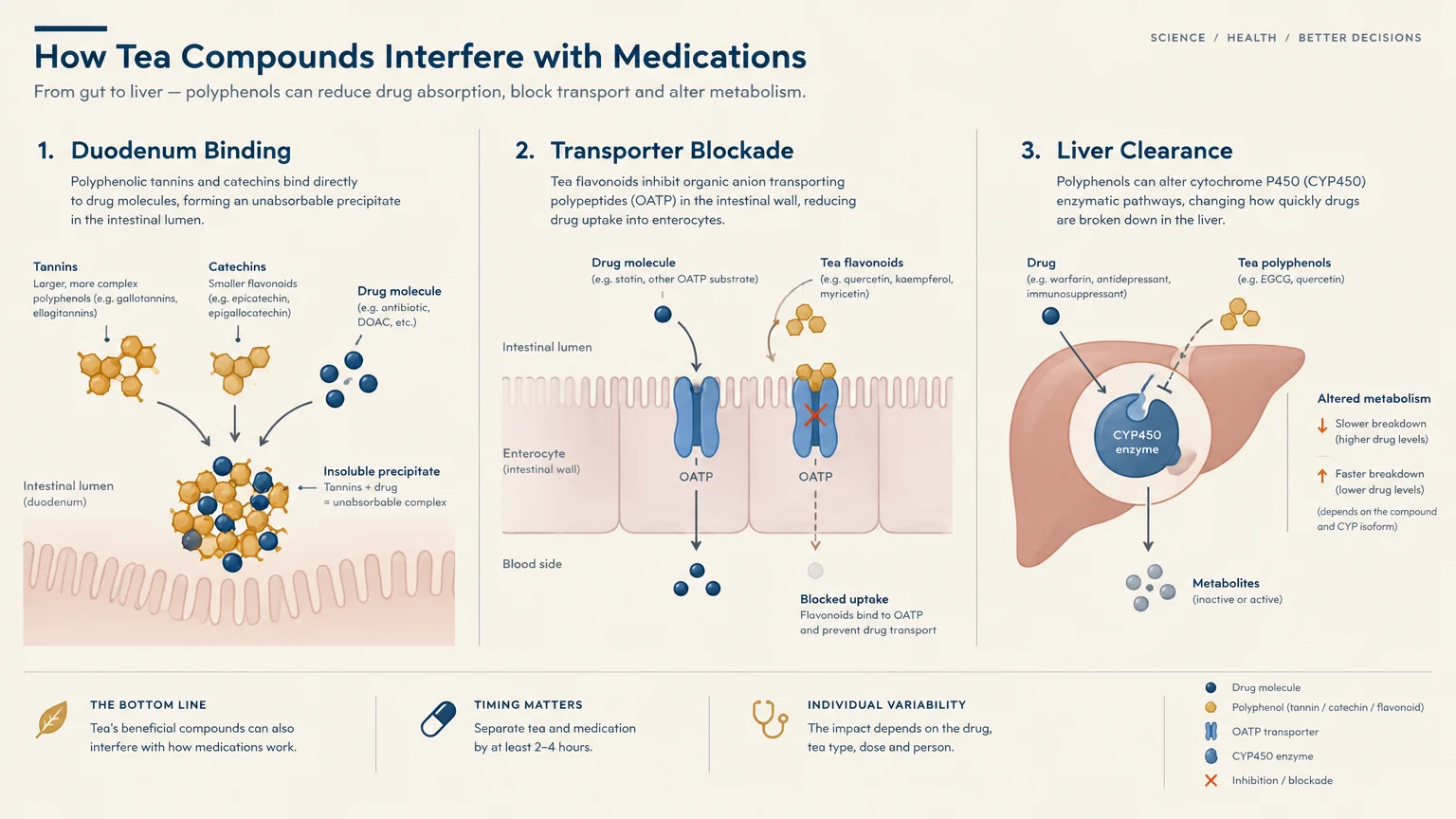
When you swallow a tablet, it travels down the esophagus and enters your stomach for disintegration. From there, active drug molecules must pass through the epithelial lining of your small intestine to reach your bloodstream.
Tea leaves from the Camellia sinensis plant contain potent polyphenolic structures known as catechins and tannins. These astringent molecules readily bind to minerals and synthetic chemical structures, creating bulky complexes that your intestines cannot absorb.
Beyond binding directly to medications, tea catechins actively target human transport proteins. Cellular research highlighted by the Harvard T.H. Chan School of Public Health demonstrates how dietary flavonoids modify cellular uptake pathways.
Specialized uptake transporters, particularly organic anion transporting polypeptides, act as cellular revolving doors for numerous prescription drugs. Catechins block these microscopic doorways, leaving medication trapped within the digestive tract until it is excreted unabsorbed.
At the same time, tea contains varying concentrations of caffeine and vitamin K. These compounds trigger systemic physiological effects that either counteract a drug’s therapeutic purpose or accelerate its metabolic breakdown in your liver.
The liver relies on cytochrome P450 enzymes to process pharmaceuticals and clear them from circulation. When tea compounds alter these enzymatic pathways, drug concentrations in your blood can rise to toxic levels or plummet below therapeutic thresholds.
Even the temperature and acidity of freshly brewed tea can alter how fast tablets dissolve. Accelerated breakdown in the stomach can destroy delicate enteric coatings, causing stomach irritation or early drug degradation.
Understanding these biological mechanisms allows you to make informed decisions without abandoning your beloved beverage. Strategic timing gives your body the opportunity to absorb both therapeutic medicines and dietary antioxidants completely.
1. Iron Supplements: The Tannin Binding Trap
Iron deficiency anemia causes crushing fatigue, brain fog, brittle nails, and compromised immune defense. Healthcare providers routinely prescribe oral iron supplements, such as ferrous sulfate or ferrous gluconate, to replenish depleted red blood cell stores.
Taking your daily iron supplement alongside a mug of black or green tea severely sabotages your recovery. Tea contains dense concentrations of polyphenolic tannins that display a high chemical affinity for elemental iron molecules.
When iron dissolves in the stomach, tannins rapidly bind to non-heme iron atoms. This biochemical reaction produces an insoluble, dark precipitate that cannot penetrate the mucosal lining of the duodenum.
Clinical investigations confirm that drinking tea alongside an iron-rich meal or supplement can reduce non-heme iron absorption by substantial margins. Your body simply excretes the bound iron without absorbing it into the bloodstream.
Patients often spend months taking supplements without seeing any noticeable improvement in their serum ferritin levels. They experience ongoing exhaustion and assume their bodies are incapable of absorbing supplemental nutrients properly.
In reality, the tea consumed at breakfast continually neutralizes the morning pill before it reaches the small intestine. This biochemical conflict wastes your financial investment in supplements and prolongs clinical anemia unnecessarily.
Furthermore, unabsorbed iron bound to tannins remains in the lower gastrointestinal tract. This trapped compound frequently exacerbates digestive complaints, causing persistent constipation, abdominal cramping, and dark stools.
To restore your energy levels effectively, ingest your iron supplement with plain water or citrus juice. The ascorbic acid in citrus fruits converts iron into a highly soluble form that resists tannin chelation.
Reserve your tea consumption for mid-afternoon or late morning, well outside the primary absorption window. Giving iron a clear pathway into your bloodstream ensures faster restoration of your vitality and hemoglobin levels.
2. Warfarin: The Vitamin K Counteraction
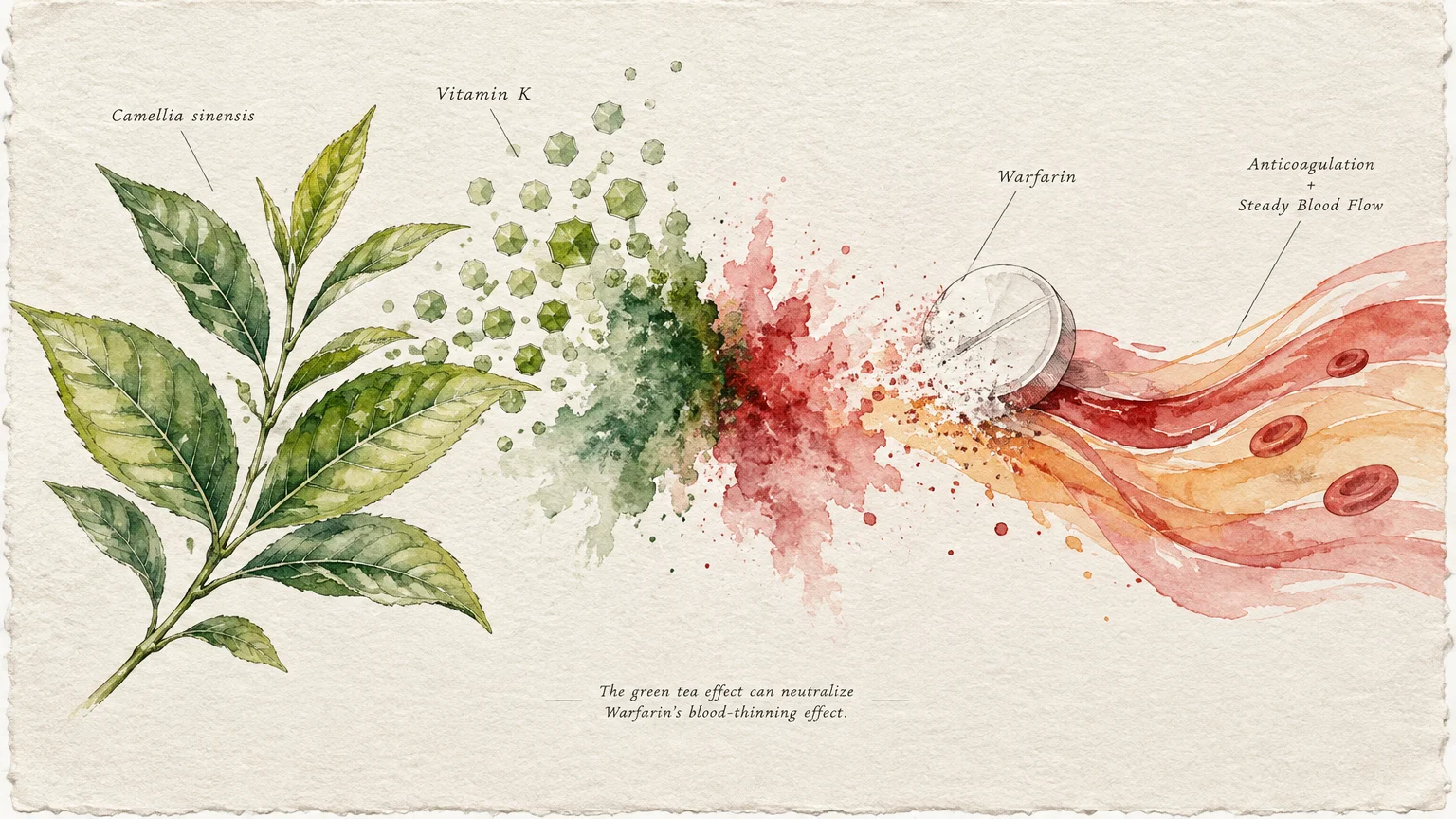
Warfarin is a vital anticoagulant prescribed to prevent blood clots, pulmonary embolisms, deep vein thrombosis, and ischemic strokes. It functions by inhibiting an enzyme responsible for recycling vitamin K, thereby slowing the synthesis of clotting factors.
Because warfarin relies on a delicate balance, unexpected dietary sources of vitamin K disrupt its therapeutic efficacy. While patients know to monitor dark leafy greens, green tea poses a hidden clinical risk.
Dried green tea leaves naturally contain significant amounts of vitamin K. When you steep green tea, variable amounts of this fat-soluble nutrient extract into your mug, entering your digestive system directly.
Once absorbed, this supplemental vitamin K bypasses the enzymatic blockage created by warfarin. Your liver uses the newly arrived vitamin K to manufacture active clotting factors, directly antagonizing the medication’s intended action.
This antagonism causes your international normalized ratio, or INR, to drop below the safe therapeutic range. When your INR falls too low, your blood thickens, dramatically increasing your risk of experiencing a life-threatening blood clot.
Pharmacists frequently encounter unstable INR readings in patients who suddenly increase their green tea consumption during health kicks. The patient believes they are adopting a heart-healthy habit, unaware that they are undermining their anticoagulation regimen.
Consuming large batches of brewed green tea or taking concentrated green tea supplements creates wild fluctuations in clotting times. Consistency is the cornerstone of safe anticoagulation therapy.
Even herbal tea blends containing red clover, chamomile, or ginger can introduce secondary clotting interactions. These botanicals can thin the blood unpredictably, amplifying the risk of internal bleeding when combined with warfarin.
If you take warfarin, you must discuss your tea habits openly with your prescribing clinician or anticoagulation clinic. Switching to herbal infusions devoid of vitamin K provides a comforting alternative that preserves your cardiovascular safety.
3. Nadolol: Blunting Beta-Blocker Protection
Cardiovascular health requires steady pressure control, and clinicians frequently prescribe beta-blockers like nadolol to manage hypertension, angina, and cardiac arrhythmias. Nadolol relaxes vascular smooth muscle and slows the heart rate to reduce myocardial workload.
To achieve this calming cardiovascular effect, nadolol must successfully cross from the intestinal cavity into portal circulation. It depends on a specific gatekeeper known as the organic anion transporting polypeptide 1A2, or OATP1A2.
Green tea contains abundant amounts of epigallocatechin gallate, commonly known as EGCG. Pharmacological studies demonstrate that EGCG acts as a powerful competitive inhibitor of the intestinal OATP1A2 influx transporter.
When you consume green tea alongside nadolol, EGCG temporarily disables the transporter proteins. Without functional cellular transporters, the vast majority of the medication remains trapped inside your bowel lumen and exits via excretion.
Clinical trials show that drinking green tea alongside nadolol slashes circulating plasma concentrations of the medication by drastic margins. Your bloodstream receives only a small fraction of the intended cardiovascular dose.
As a direct result of this reduced bioavailability, your blood pressure may remain dangerously elevated despite consistent daily dosing. Your heart rate can spike unexpectedly during periods of physical exertion or psychological stress.
Patients and physicians often interpret this lack of symptom control as disease progression or drug tolerance. In many instances, the doctor unnecessarily doubles the prescription dose, unaware that breakfast tea is the true culprit.
Other beta-blockers, such as atenolol and celiprolol, share similar mucosal transport pathways and vulnerability to dietary catechins. Maintaining a strict timing boundary is crucial for anyone taking this medication class.
You can verify comprehensive drug transporter interactions through evidence-based databases like MedlinePlus, a trusted clinical resource from the National Library of Medicine. Keeping tea separate from nadolol preserves healthy blood pressure control.
4. Lisinopril: Transporter Interference and Vascular Control
Lisinopril belongs to the class of medications known as angiotensin-converting enzyme inhibitors, commonly called ACE inhibitors. Doctors prescribe lisinopril to treat high blood pressure, protect vulnerable kidneys, and improve survival outcomes following heart failure.
The drug works by preventing the body from producing angiotensin II, a potent endogenous chemical that constricts blood vessels. By keeping vessels dilated, lisinopril ensures blood flows smoothly while reducing systemic vascular resistance.
Like beta-blockers, lisinopril relies on intestinal peptide and organic ion transport systems for complete, reliable mucosal absorption. Polyphenolic compounds found in black and green tea can disrupt these mucosal transport networks.
When you drink tea while taking lisinopril, tea flavonoids can interfere with drug uptake across the intestinal epithelium. Furthermore, the binding properties of tea polyphenols can physically entrap the active pharmaceutical compound.
This interference results in erratic plasma concentrations of lisinopril throughout your daily waking hours. Some days your blood pressure remains perfectly controlled, while other days it registers stubborn, elevated readings without obvious cause.
Inconsistent absorption also undermines the long-term renal protection that lisinopril provides for individuals managing diabetes. Kidneys require sustained, steady blood pressure regulation to prevent progressive damage to delicate glomerular filtration barriers.
Moreover, volatile fluctuations in blood pressure place extra physical strain on arterial walls throughout your body. Consistent drug absorption is the cornerstone of avoiding hypertensive emergencies and organ damage over time.
Swallowing your ACE inhibitor with a glass of cool water eliminates intestinal transport competition entirely. Water allows lisinopril to disperse smoothly across the gastric mucosa without interference from polyphenols or plant tannins.
Once the medication has cleared your stomach and upper small intestine, you can resume drinking your favorite teas safely. This simple boundary keeps your vascular system resilient and protected throughout the day.
5. Atorvastatin: Catechins and Lipid Clearance
Atorvastatin is one of the most widely prescribed statin medications in modern preventive cardiology. It lowers low-density lipoprotein cholesterol by inhibiting HMG-CoA reductase, an essential rate-limiting enzyme in hepatic cholesterol synthesis.
Maintaining predictable blood levels of atorvastatin is critical for stabilizing arterial plaque and preventing coronary events. However, the pharmacokinetics of statins are highly sensitive to dietary phytochemicals and hepatic enzyme activity.
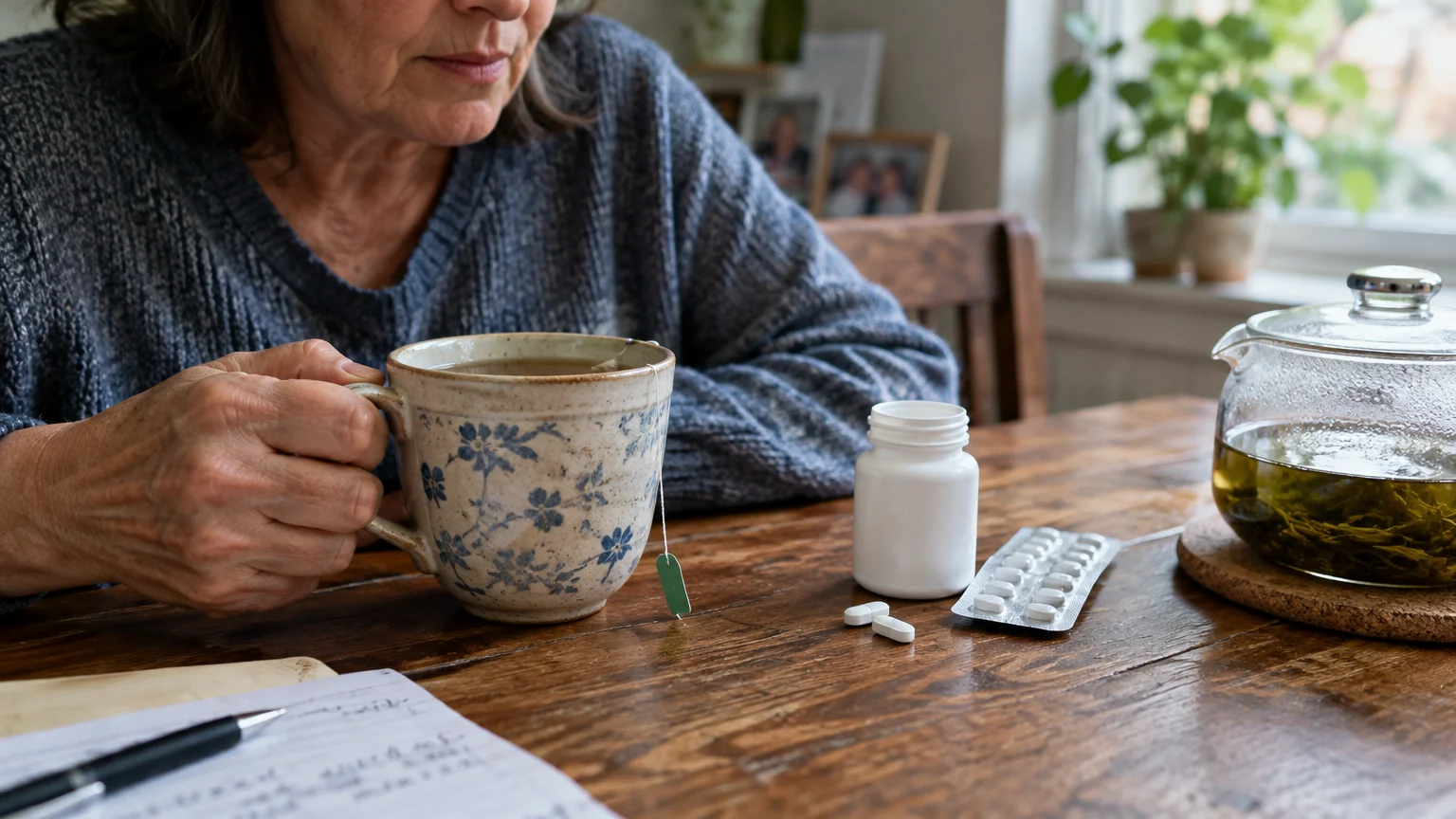
Green tea catechins influence both intestinal drug efflux pumps and hepatic organic anion transporting polypeptides. When these transporters are altered, the liver’s ability to clear and metabolize atorvastatin changes significantly.
Simultaneously, regular tea consumption can weakly modulate cytochrome P450 3A4 enzymes, the metabolic machinery responsible for breaking down statins. This double interference can cause circulating drug levels to swing unexpectedly.
If atorvastatin clearance slows down, higher concentrations of the medication linger within your circulating bloodstream. Unusually elevated systemic levels amplify the risk of statin-induced myopathy, manifesting as persistent muscle aching, stiffness, and weakness.
Conversely, impaired intestinal absorption reduces the amount of active drug reaching your hepatocytes. When hepatic exposure drops, your circulating LDL cholesterol levels may fail to reach your clinician’s therapeutic target.
Patients experiencing unexplained muscle discomfort often blame aging or exercise rather than their morning tea habit. Addressing dietary interactions frequently resolves the discomfort while maintaining cardiovascular protection.
Rhabdomyolysis, though rare, represents the most severe manifestation of statin toxicity when plasma levels surge uncontrolled. Protecting your liver enzymes from competing dietary catechins minimizes this serious clinical concern.
The clinical guidance provided by the Centers for Disease Control and Prevention underscores the necessity of managing cholesterol therapies consistently. Separating your statin from tea intake ensures optimal lipid regulation and muscular comfort.
6. Fexofenadine: Silencing Allergy Defense
Seasonal allergies and chronic hives prompt millions of people to reach for fexofenadine, a popular non-drowsy second-generation antihistamine. It relieves sneezing, rhinorrhea, and itchy eyes by blocking histamine H1 receptors across peripheral tissues.
Unlike older antihistamines, fexofenadine relies almost exclusively on intestinal OATP transporters to enter the bloodstream. It does not readily diffuse across intestinal membranes on its own due to its unique chemical polarity.
Green tea extract and brewed green tea act as exceptionally potent inhibitors of this specific OATP transport pathway. Drinking green tea with fexofenadine effectively shuts down the primary vehicle required for drug absorption.
Pharmacokinetic trials demonstrate that consuming green tea alongside fexofenadine decreases total drug absorption by substantial margins. The drug simply remains in the digestive tract and is eliminated without exerting any antihistamine effect.
When you take your allergy pill with a morning cup of tea, you will likely experience miserable breakthrough symptoms. Your eyes water, your nasal passages swell, and you conclude that the medication has lost its effectiveness.
Many frustrated patients respond by switching to stronger medications or taking multiple antihistamine doses throughout the day. This escalation exposes you to unnecessary side effects when the original dose was completely adequate.
A similar transport block occurs when fexofenadine is consumed alongside grapefruit, orange, or apple juices. Water remains the only reliable beverage for taking non-drowsy antihistamines without blocking intestinal transport channels.
Restoring the efficacy of fexofenadine requires no pharmaceutical adjustments; it simply demands a glass of tap water. Taking your tablet with pure water guarantees unobstructed transport across your intestinal lining.
Wait at least two hours before brewing your favorite green or black tea blend. This timing window allows fexofenadine to bind fully to peripheral histamine receptors, keeping you clear-headed and symptom-free all day.
7. Stimulants and Bronchodilators: Overdriving the Heart
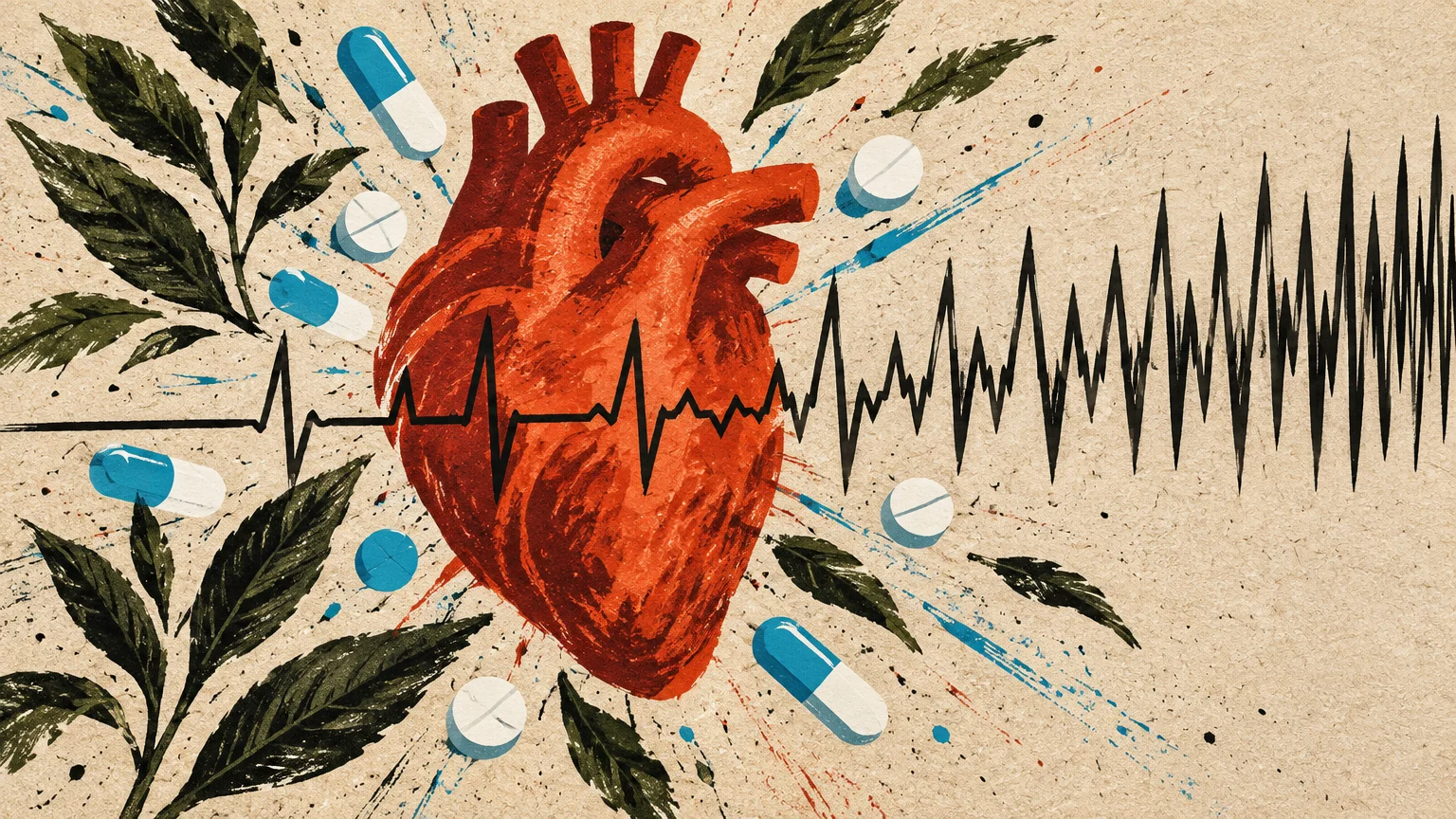
Prescription stimulants, such as methylphenidate or amphetamine salts, manage attention deficit hyperactivity disorder and narcolepsy by increasing central neurotransmitter availability. Similarly, bronchodilators like theophylline and oral decongestants like pseudoephedrine stimulate adrenergic receptors to open constricted airways.
These medications naturally elevate heart rate, increase myocardial oxygen demand, and stimulate your central nervous system. When combined with caffeine from black, green, or oolong tea, their pharmacological effects multiply synergistically.
Caffeine blocks adenosine receptors across the brain and cardiovascular system, preventing the natural relaxation of neuronal firing. Combining caffeine with sympathomimetic drugs creates an excessive physiological overdrive that taxes your vascular bed.
Patients often report distressing symptoms, including sudden cardiac palpitations, chest tightness, elevated resting heart rates, and muscle tremors. You might experience acute restlessness, gastrointestinal cramping, and severe mid-day panic attacks.
In the case of theophylline, caffeine competes for the identical hepatic clearance enzymes responsible for metabolizing the bronchodilator. This competition delays theophylline clearance, driving serum drug concentrations toward dangerous toxic thresholds.
The resulting toxicity can trigger severe nausea, vomiting, dangerous cardiac arrhythmias, and potentially life-threatening convulsions. Even moderate amounts of brewed tea can elevate theophylline levels dangerously in vulnerable individuals.
For those managing attention disorders, pairing stimulants with caffeinated tea exacerbates afternoon energy crashes and nighttime insomnia. Disrupted sleep impairs executive functioning the following morning, creating a vicious cycle of fatigue and overstimulation.
Excess caffeine consumption alongside stimulant medications can also spike cortisol levels, provoking emotional irritability and heightened stress responsiveness. Protecting your adrenal health requires careful moderation of simultaneous stimulant intake.
Protecting your nervous system requires conscious beverage choices that align with your prescription profile. Swapping caffeinated tea for calming, non-caffeinated herbal alternatives stabilizes your heart rate and prevents uncomfortable autonomic spikes.
Action Steps: Structuring Your Daily Routine and Meal Swaps
Adopting medication-safe habits does not require you to eliminate your favorite warm teas from your daily life. It simply requires establishing intentional boundaries that honor your body’s digestive and metabolic timelines.
The gold standard protocol recommended by clinical pharmacists is the two-hour separation rule. Take your prescription medication with a full glass of plain room-temperature water at least two hours before or after drinking tea.
Water provides a chemically neutral vehicle that dissolves capsules and tablets smoothly without altering gastrointestinal pH. It ensures that active molecules reach their intestinal transport targets without competing against plant flavonoids or astringent tannins.
Consider transforming your morning wake-up routine by shifting your first cup of tea to a mid-morning pleasure. Drink a large tumbler of water when you take your pills at seven in the morning.
By nine-thirty, your prescription has cleared the upper gastrointestinal tract and entered systemic circulation safely. You can now steep your favorite loose-leaf tea and savor its complex aromas without pharmacological compromise.
If you genuinely crave a warm, comforting beverage immediately upon waking, explore caffeine-free, low-tannin herbal options. Roasted dandelion root, hot lemon water, or mild rooibos offer delightful morning warmth with fewer binding interactions.
Be sure to verify that your herbal substitutes do not contain medicinal herbs like St. John’s wort or licorice root. These botanical ingredients carry distinct metabolic interactions that can disrupt drug clearance in their own right.
Reviewing nutritional guidelines from the Academy of Nutrition and Dietetics helps you design nutrient-dense meal pairings that support medication efficacy. Pairing your meals mindfully amplifies your physical vitality.
Pair this nutritional awareness with mindful movement cues to reinforce your newly established routine. Taking a brisk ten-minute walk after your morning water ritual stimulates natural gut motility, speeding tablet disintegration.
Shift your internal mindset from viewing this separation as a restrictive rule to honoring it as a form of self-care. Protecting your medication’s biological pathway ensures you receive the full therapeutic value of every prescribed dose.
When you align intentional hydration, nutrient timing, and light physical movement, your daily wellness rituals complement your medical care. You achieve vibrant daily energy without sacrificing the comfort of your teacup.
Building Your Support and Tracking System
Translating clinical knowledge into lasting daily habits requires supportive physical environments and deliberate cognitive cues. Relying solely on willpower often leads to accidental slip-ups during hectic morning rushes.
Place your daily pill organizer right next to your bedside water carafe rather than on the kitchen counter beside your kettle. This environmental redesign ensures you swallow your tablets with pure water before entering the kitchen.
Keep your kettle unplugged or store your favorite tea canisters in a separate pantry cupboard overnight. This physical barrier forces you to pause and remember your timing window before automatically brewing a cup.
Leverage digital tools to manage your timing windows effortlessly throughout your busy work week. Free wellness platforms like MyFitnessPal provide customizable logging features that help track hydration and supplement schedules.
Set a gentle recurring chime on your smartphone two hours after your morning prescription alarm. Let that pleasant sound serve as your official sensory cue that it is safe to brew your tea.
Involve household members and loved ones in your updated hydration and beverage routine. Ask your partner or housemate to hold off on steeping your breakfast tea until your designated safe window arrives.
Sharing your wellness goals with family creates a supportive household environment that eliminates accidental social pressure. Having an accountability partner turns habit change into an enjoyable, shared domestic rhythm.
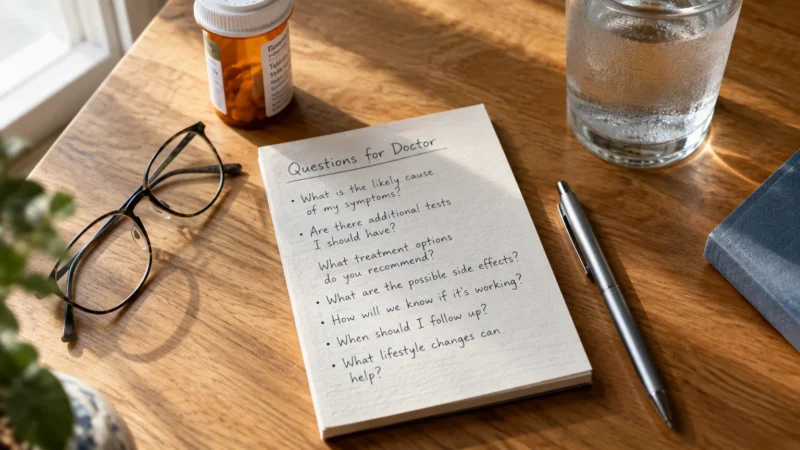
Schedule an annual comprehensive medication review with your local community pharmacist. Bring a complete list of your prescription drugs, over-the-counter supplements, and herbal tea varieties to identify subtle interactions.
Pharmacists possess specialized training in drug pharmacokinetics and can help tailor your exact dosing timetable. Working collaboratively with your care team transforms confusing medical guidelines into an effortless, empowering lifestyle plan.
Frequently Asked Questions
How long must I wait between drinking tea and taking my daily pills?
To ensure total safety, maintain a minimum two-hour window between drinking tea and swallowing your medications. This buffer gives your stomach enough time to empty its contents and allows active pharmaceutical compounds to enter circulation.
If you drink tea first, wait at least one full hour before taking your medicine so tannins clear the gastric lining. Following this simple chronological rule prevents nearly all known polyphenol and catechin transport interactions.
Do concentrated green tea extract supplements carry the same risks as brewed tea?
Green tea extract supplements carry significantly higher clinical risks than traditionally steeped liquid tea. Concentrated capsules contain massive doses of catechins, particularly EGCG, often equivalent to five or ten brewed mugs in a single pill.
These concentrated doses exert profound, prolonged inhibition on intestinal OATP transporters and hepatic enzymes. Always notify your physician before consuming green tea extract pills, especially if you take statins or blood pressure therapies.
How can our household enjoy morning tea together if someone takes these medications?
You can easily preserve your shared family morning rituals by adjusting the sequence rather than eliminating the gathering. The person taking interacting medications can enjoy a mug of hot water with fresh lemon or ginger slices.
This approach allows everyone to gather around the breakfast table and participate in the comforting sensory warmth together. The medicated household member can then enjoy their traditional steeped tea later in the morning.
How do I know if separating tea from my medication is actually improving my health?
You can track objective clinical biometric markers alongside subjective energy levels to evaluate your progress. If you take iron supplements, request follow-up blood tests after twelve weeks to verify rising ferritin and hemoglobin levels.
Individuals managing hypertension can log daily home blood pressure readings to observe newly stabilized vascular control. You should also notice fewer allergy flare-ups, calmer cardiovascular rhythms, and more consistent daytime vitality.
Your Seven-Day Timing Experiment
Transforming your daily habits does not require perfection; it begins with an open mind and a single, deliberate choice. Treat this week as an empowering personal experiment to discover how your body responds to optimized nutrient timing.
For the next seven days, commit to taking every prescription medication and mineral supplement with eight ounces of pure water. Keep your tea kettle silent until two full hours have elapsed following your morning pill.
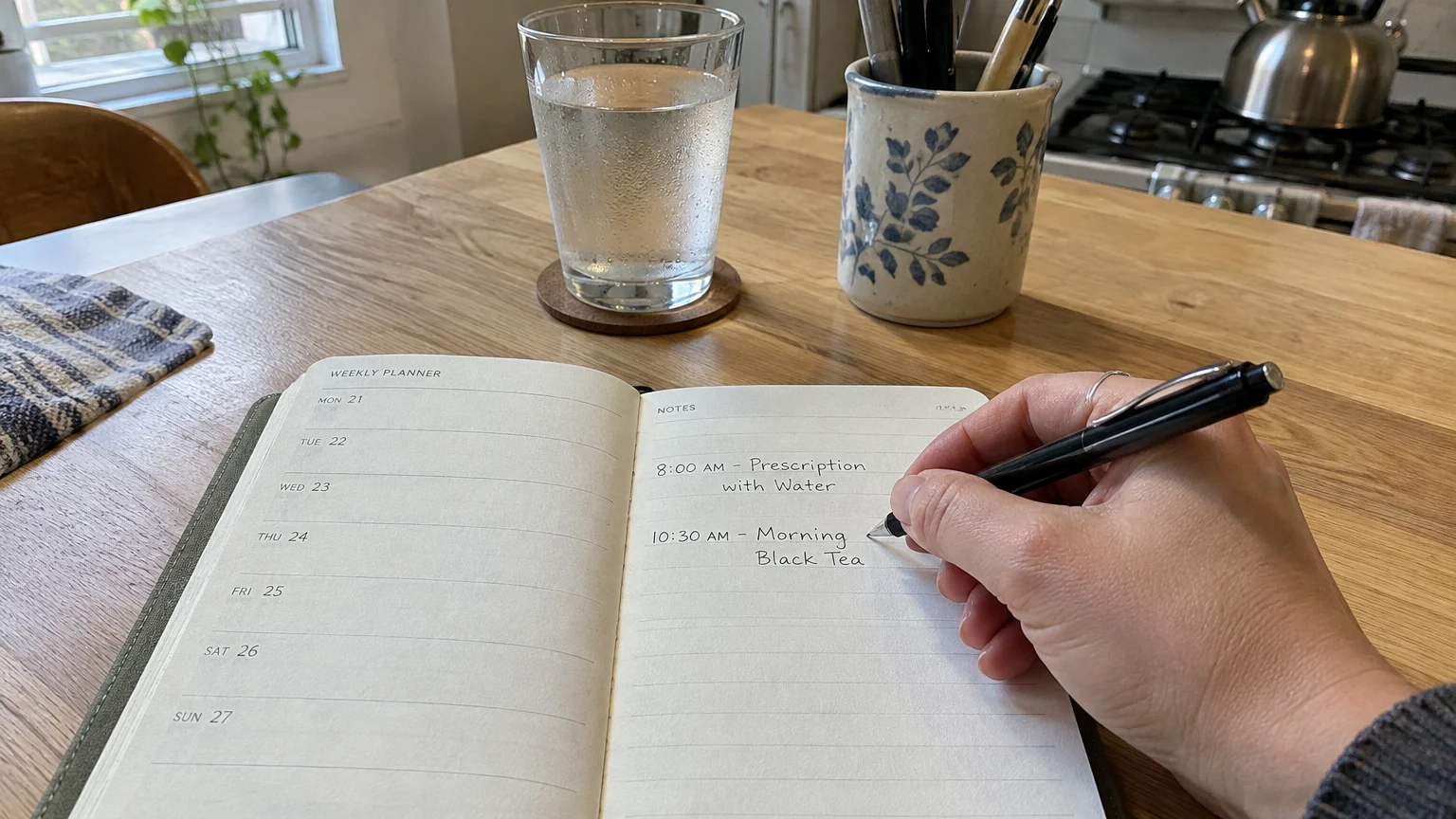
Keep a small journal or digital note to record how your body feels throughout this trial period. Track subtle shifts in your mental clarity, physical stamina, resting pulse, and overall symptom control.
Notice whether your energy levels feel more resilient and whether physical discomfort or jitteriness begins to fade. Sharing your daily observations with your healthcare provider will offer valuable insights into your treatment efficacy.
Many people find that their chronic afternoon lethargy lifts once their iron and cardiovascular medications absorb without interference. You may be pleasantly surprised to realize that your medications work far better than you previously assumed.
Cherish tea for what it truly is: an aromatic, nutrient-rich beverage that supports healthy, mindful living when enjoyed at the right moment. Give your medicine the clean pathway it deserves, and savor your teacup with complete peace of mind.






Leave a Reply