

You need omega-3 fatty acids to protect your heart, sharpen your focus, and suppress systemic inflammation, yet relying solely on salmon often leads to meal fatigue, budgetary strain, or dietary limitations. Fortunately, dozens of nutrient-dense whole foods supply high concentrations of these vital fats without requiring a single fillet of wild salmon. While marine sources provide direct eicosapentaenoic acid (EPA) and docosahexaenoic acid (DHA), plant-based options pack potent alpha-linolenic acid (ALA) that your body converts into active essential compounds. Expanding your dietary roster reduces culinary boredom and lowers inflammatory biomarkers while supporting your long-term cardiovascular resilience through diverse, accessible, and sustainable whole-food options.
Understanding Omega-3 Fatty Acids: ALA, EPA, and DHA
Omega-3 polyunsaturated fatty acids serve as fundamental structural components of cell membranes throughout your body, particularly within the brain and eyes. These essential fats govern vascular tone, regulate immune activity, and control baseline systemic inflammation. Because your body cannot synthesize omega-3s from scratch, you must obtain them consistently through your daily meals.
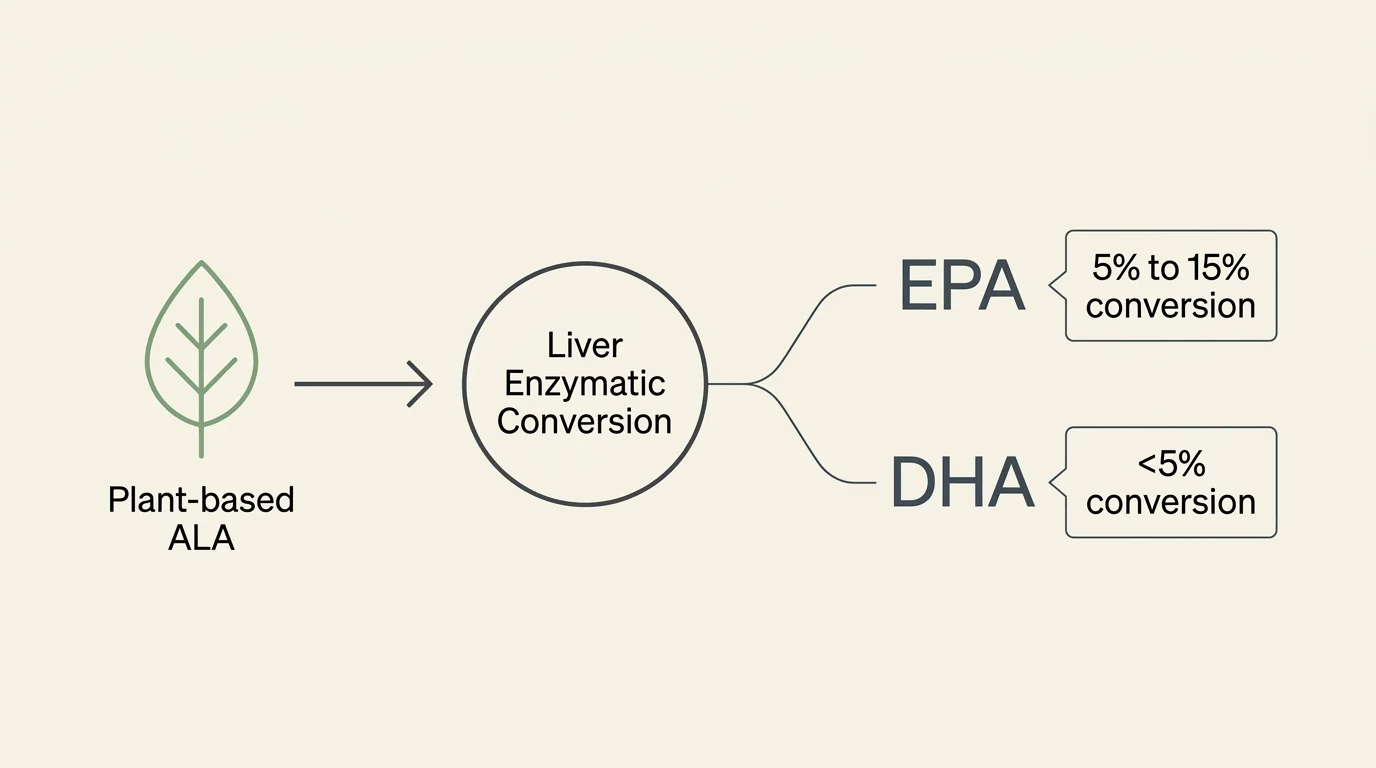
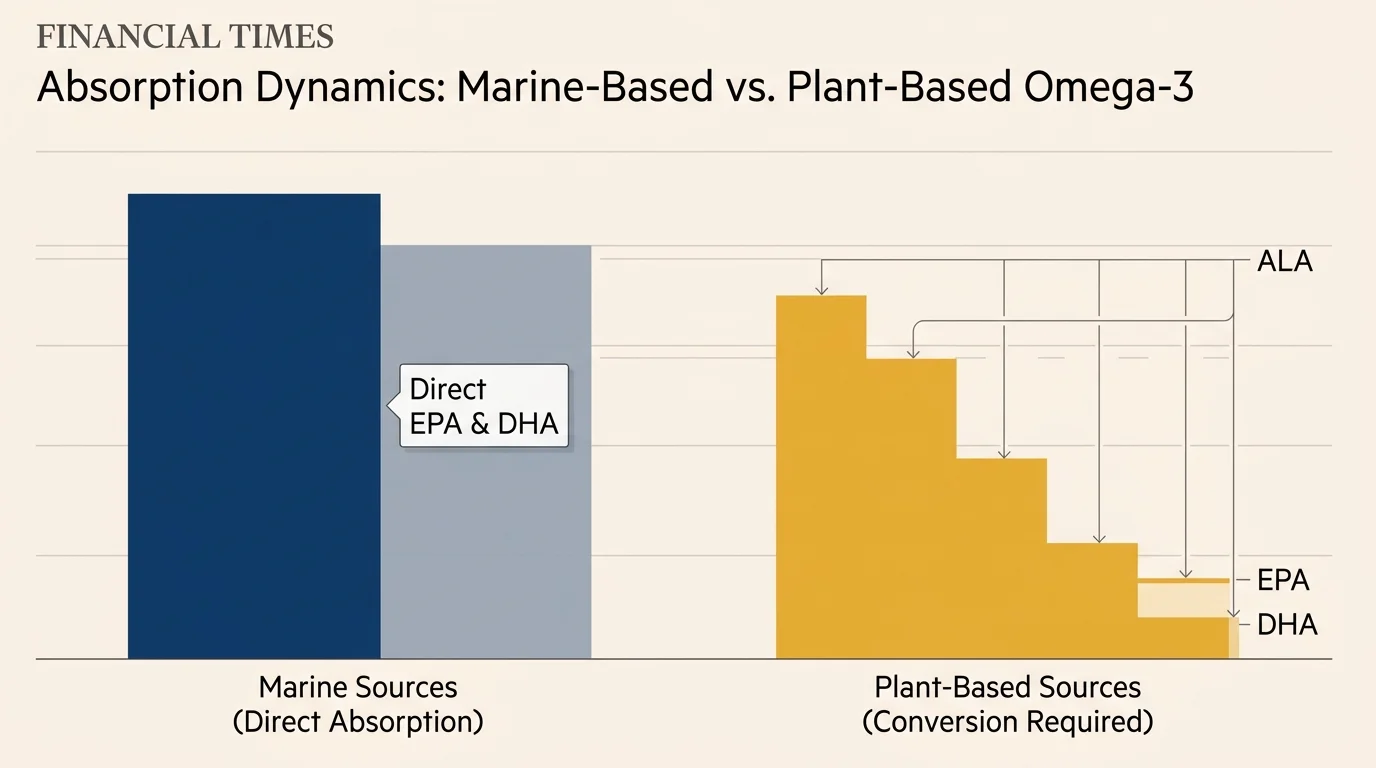
Nutrition science categorizes omega-3s into three primary forms: alpha-linolenic acid (ALA), eicosapentaenoic acid (EPA), and docosahexaenoic acid (DHA). Plant foods deliver ALA, which your liver converts into EPA and DHA through enzymatic pathways. Although human conversion rates of ALA to EPA hover between 5% and 15%, and DHA conversion remains under 5%, high-ALA plant foods offer substantial anti-inflammatory benefits on their own. According to the National Institutes of Health Omega-3 Fact Sheet, combining plant-based ALA with direct marine sources of EPA and DHA ensures optimal cellular saturation and cardiovascular protection.

9 Nutrient-Dense Omega-3 Foods Beyond Salmon
1. Atlantic Mackerel
Atlantic mackerel stands out as one of the most concentrated sources of long-chain omega-3s available in whole food form. A standard three-ounce cooked serving delivers approximately 4,100 milligrams of combined EPA and DHA, easily quadrupling your daily recommended baseline intake. This oily cold-water fish also provides high amounts of vitamin B12 and selenium, two nutrients essential for neurological health and antioxidant defense systems.
Because Atlantic mackerel is a fast-growing, smaller species, it accumulates far less mercury than larger apex predators such as swordfish or king mackerel. You can purchase canned mackerel at most grocery stores for a fraction of the cost of fresh wild salmon. Flake canned mackerel over dark leafy greens, or toss it with olive oil, lemon juice, and fresh herbs for an energizing lunch that preserves vascular elasticity.
2. Chia Seeds
Chia seeds pack a massive nutritional payload into microscopic packages. Just one ounce (approximately two tablespoons) of dry chia seeds yields a remarkable 5,000 milligrams of plant-based ALA omega-3s. These ancient seeds also contain high concentrations of soluble fiber, magnesium, and bioavailable calcium, making them a cornerstone for digestive and metabolic stability.
When you submerge chia seeds in liquid, their outer mucilage expands into a soothing gel that slows carbohydrate digestion and prolongs satiety. You do not need to grind chia seeds to access their healthy fats, unlike flaxseeds. Stir them into overnight oats, blend them into morning smoothies, or mix them with unsweetened almond milk and vanilla to create an anti-inflammatory chia pudding.
3. English Walnuts
English walnuts reign supreme as the premier tree nut for essential fatty acid content. A single one-ounce serving—roughly a small handful or 14 halves—delivers 2,570 milligrams of pure ALA omega-3s. Walnuts also boast a complex matrix of polyphenols, including ellagitannins, which gut bacteria convert into anti-inflammatory compounds called urolithins.
Clinical studies demonstrate that regular walnut consumption improves endothelial function by enhancing blood vessel dilation and reducing low-density lipoprotein (LDL) oxidation. Keep raw walnuts in your refrigerator or freezer to prevent their delicate polyunsaturated oils from oxidizing under room heat. Enjoy them raw over morning yogurt, chop them into roasted vegetable dishes, or crush them into a nutrient-rich crust for baked poultry.
4. Pacific Sardines
Pacific sardines provide an exceptionally clean and economical source of direct EPA and DHA. A three-ounce serving of canned sardines delivers roughly 1,500 milligrams of marine omega-3s alongside vital bone-building minerals. Because you eat sardines with their soft, edible bones intact, a single can supplies nearly 30% of your daily calcium requirement alongside substantial vitamin D.
Sardines occupy a very low position on the aquatic food chain, feeding on plankton rather than other fish. Consequently, they remain virtually free from industrial contaminants like methylmercury and polychlorinated biphenyls (PCBs). Mash sardines onto whole-grain sourdough toast with smashed avocado, red onion, and capers for a classic, Mediterranean-style meal that stabilizes blood sugar and nourishes cellular membranes.
5. Ground Flaxseeds
Ground flaxseeds represent one of the richest terrestrial sources of ALA on the planet, providing approximately 2,350 milligrams of omega-3s per single tablespoon. Beyond their fatty acid profile, flaxseeds contain up to 800 times more lignans—plant compounds with potent antioxidant and phytoestrogenic properties—than any other plant food, supporting hormonal balance and cellular protection.
You must consume flaxseeds in their ground form because whole flaxseed hulls resist human digestive enzymes, passing through your intestinal tract unabsorbed. Purchase pre-ground flaxmeal or grind whole seeds in a spice grinder at home, storing the ground meal in an airtight dark glass container inside your refrigerator. Whisk ground flaxseeds into pancake batters, fold them into turkey meatball mixes, or dust them over fresh berry bowls.
6. Algal Oil
Algal oil serves as the primary, unrefined source of EPA and DHA in the marine ecosystem. Fish do not manufacture their own EPA and DHA; instead, they accumulate these long-chain fats by consuming microalgae. By consuming algal oil directly, you bypass the marine food chain entirely, receiving direct EPA and DHA without microplastic or heavy metal contamination.
A typical dosage of algal oil provides between 400 and 1,000 milligrams of combined EPA and DHA per serving, making it the ideal direct source for vegetarians, vegans, or individuals with seafood allergies. Look for cold-pressed algal liquid drops or softgels that carry third-party purity testing certificates. You can easily drizzle neutral-flavored algal oils over cold grain salads or blend them into daily wellness drinks.
7. Hemp Hearts
Hemp hearts—the shelled inner kernels of the hemp seed—deliver 1,000 milligrams of ALA per two-tablespoon serving. They offer a favorable 3:1 balance of omega-6 (linoleic acid) to omega-3 (ALA) fatty acids, a ratio that research links to reduced systemic inflammatory responses. Hemp hearts also contain rare gamma-linolenic acid (GLA), an omega-6 variant with unique anti-inflammatory properties.
In addition to their beneficial fat profile, hemp hearts serve as a complete plant protein, supplying all nine essential amino acids alongside generous doses of zinc, iron, and magnesium. Their mild, nutty flavor requires no cooking or preparation. Sprinkle hemp hearts liberally over avocado toast, green garden salads, roasted squash, or warm quinoa bowls for an immediate nutritional upgrade.
8. Canned Anchovies
Canned anchovies deliver robust concentrations of healthy marine fats, offering over 1,200 milligrams of EPA and DHA per two-ounce serving. These tiny fish undergo salt-curing and packing in olive oil, preserving their lipid profile while creating a concentrated savory flavor profile rich in natural glutamates.
Anchovies provide exceptional levels of selenium, a trace mineral that acts as a cofactor for endogenous antioxidant enzymes like glutathione peroxidase. If you find whole anchovies intense, melt two or three fillets into warm olive oil with garlic at the start of cooking pasta sauces, soups, or vegetable sautés. The fish dissolve completely, leaving behind deep umami complexity and a dense concentration of cardio-protective lipids.
9. Edamame and Omega-3 Enriched Eggs
Edamame—young, immature soybeans cooked in their pods—yield approximately 300 milligrams of plant-based ALA per cup, alongside 18 grams of complete plant protein and high amounts of dietary fiber. Furthermore, eggs produced by pasture-raised chickens fed diets supplemented with flaxseed or microalgae can supply between 150 and 250 milligrams of DHA per egg directly integrated into the rich yolk lipid matrix.
Incorporating edamame into your routine provides a steady baseline of plant ALA, while choosing enriched pastured eggs offers direct pre-formed DHA without seafood consumption. Steam whole edamame pods with sea salt as a satisfying afternoon snack, or boil shelled edamame to toss into grain bowls and stir-fries. Scramble fortified eggs with dark greens to jumpstart your metabolic health each morning.
Maximizing Bioavailability and Balancing Your Fatty Acid Ratios
Optimizing your body’s intake of healthy fats requires looking beyond total intake numbers to consider balance and absorption factors. Modern Western dietary patterns frequently provide an omega-6 to omega-3 ratio of 15:1 or even 20:1, largely driven by ultra-processed seed oils and fried foods. This heavy skew toward omega-6s drives pro-inflammatory signaling pathways and competes directly for the conversion enzymes required to process plant-based ALA into functional EPA and DHA.
To enhance your natural conversion capacity, aim to reduce refined soybean, corn, and cottonseed oils while prioritizing extra virgin olive oil and avocado oil. According to the American Heart Association Dietary Fat Recommendations, replacing saturated and industrial trans fats with unsaturated options lowers low-density lipoprotein cholesterol and reduces your overall risk of coronary events. Additionally, store fragile unsaturated seeds in cool, dark environments to shield their double bonds from heat, light, and atmospheric oxygen degradation.

Integrative Lifestyle Strategies for Long-Term Wellness
Dietary choices exert profound effects on your cardiovascular health, but strategic lifestyle integration amplifies these benefits. Physical activity increases vascular blood flow, encouraging efficient uptake of circulating fatty acids into muscle tissue and systemic cellular membranes. Aim for at least 150 minutes of moderate-intensity aerobic exercise each week to complement your anti-inflammatory diet, as emphasized by the Centers for Disease Control and Prevention Guidance on heart disease prevention.
Managing chronic stress represents another critical pillar in regulating metabolic inflammation. Prolonged elevation of cortisol disrupts healthy lipid metabolism, increases abdominal fat storage, and accelerates systemic oxidative stress. Combine nutrient-dense whole foods with restorative practices like mindfulness meditation, adequate deep sleep, and consistent outdoor exposure. Broad global health guidelines established by the World Health Organization Healthy Diet Standards affirm that sustainable lifestyle patterns produce cumulative benefits far superior to short-term, restrictive diet fads.

Clinical Perspectives and Expert Guidance
Clinical nutritionists frequently emphasize that long-term consistency beats short-term dietary perfection. “When clients feel overwhelmed by the cost or taste of wild seafood, I direct them toward affordable plant seeds and small canned fish,” notes standard clinical practice. “Adding two tablespoons of ground flaxmeal to your daily breakfast or eating a can of sardines twice a week creates measurable improvements in systemic inflammatory markers within a few short months.”
Before introducing high-dose omega-3 supplements or changing your diet dramatically, consult with a qualified health professional. Individual metabolic needs vary based on underlying health conditions, genetics, and prescription medication use—particularly blood thinners or anti-platelet agents. To locate a credentialed practitioner near you, utilize the Academy of Nutrition and Dietetics Directory to connect with a Registered Dietitian Nutritionist who can tailor dietary targets to your bio-individual baseline.
Frequently Asked Questions
Can plant-based ALA completely fulfill my body’s need for EPA and DHA?
While plant-based ALA provides powerful systemic health benefits and reduces cardiovascular risk, the conversion efficiency of ALA to EPA and DHA remains low in most individuals. Eating high-ALA foods like flax, chia, and walnuts yields significant health improvements, but combining these with direct algal oil or small fatty fish ensures your tissue membranes achieve optimal concentrations of pre-formed EPA and DHA.
How do I know if I am getting enough omega-3s in my daily routine?
Common clinical signs of fatty acid insufficiency include dry or flaky skin, brittle hair and nails, joint stiffness, dry eyes, and mild fatigue or brain fog. To measure your status precisely, ask your healthcare provider for an Omega-3 Index blood test, which quantifies the percentage of EPA and DHA in your red blood cell membranes, targeting a healthy threshold of 8% or higher.
Are canned options like sardines and mackerel as nutrient-dense as fresh catches?
Yes, canned sardines, anchovies, and mackerel retain their robust omega-3 fatty acid profiles throughout the canning process. The vacuum-sealed canning process protects polyunsaturated fats from atmospheric oxidation, locking in crucial EPA and DHA along with proteins and minerals. Select options packed in water or extra virgin olive oil, and check sodium levels to align with your personal blood pressure targets.
Will heating ground flaxseeds or walnuts destroy their delicate omega-3 fats?
Baking or cooking with ALA-rich seeds at moderate kitchen temperatures—such as baking flaxmeal into muffins or roasting walnuts at 300°F (150°C) for short durations—preserves the structural integrity of the essential fats. The surrounding food matrix of protein and fiber acts as a protective shield against rapid oxidation. Avoid burning or smoking these nuts and seeds, as high dry heat degrades delicate fatty acid structures.
Taking Your First Actionable Step
Enhancing your omega-3 intake does not require complete dietary overhaul overnight. Choose one manageable upgrade this week: keep a jar of ground flaxseed on your counter and add a single tablespoon to your daily breakfast, or pick up a can of sardines or mackerel to sample in place of processed lunch meats. Consider how small, consistent additions of these nutrient-dense whole foods can support your cellular vitality and long-term cardiovascular resilience. Start with one simple choice today, listen to your body’s feedback, and consult your primary care professional to personalize your long-term wellness roadmap.








Leave a Reply