

Unexplained daytime fatigue, persistent digestive shifts, or mild mental fog often feel like routine consequences of natural aging. However, these quiet physical changes may actually serve as your liver’s earliest plea for thorough medical evaluation.
Because progressive liver damage rarely triggers acute abdominal discomfort in its initial stages, many older adults inadvertently overlook persistent cellular inflammation until serious structural scarring develops.
Learning to identify subtle warning signs empowers you to request targeted screening, protect your daily vitality, and preserve your metabolic health for decades ahead.
The Modern Reality of Senior Liver Health
Your liver performs over five hundred vital functions every day, ranging from neutralizing metabolic waste to regulating systemic glucose levels. When this resilient organ experiences chronic stress, silent structural shifts develop long before overt symptoms appear.
In June 2023, global hepatology organizations officially updated clinical nomenclature to reflect the metabolic origins of hepatic illness. Medical authorities replaced nonalcoholic fatty liver disease with metabolic dysfunction-associated steatotic liver disease, widely abbreviated as MASLD.
Similarly, clinicians now designate the progressive inflammatory stage as metabolic dysfunction-associated steatohepatitis, or MASH. The American Association for the Study of Liver Diseases spearheaded this initiative to emphasize clear metabolic connections.
Epidemiological surveillance shows that MASLD now affects approximately 38% of all adults worldwide. Furthermore, clinical researchers project adult prevalence will exceed 55% by 2040, expanding to 1.8 billion individuals by 2050.
Chronic liver disorders currently account for more than 2 million deaths annually across the globe, representing 4% of total worldwide mortality. These staggering metrics underscore why routine hepatic surveillance matters profoundly for maturing adults.
Within the United States, data published by the Centers for Disease Control and Prevention indicates that roughly 4.5 million adults live with diagnosed chronic liver disease or cirrhosis. That figure translates to nearly 1.8% of the entire domestic adult population.
Fortunately, therapeutic advancements offer genuine clinical optimism. In March 2024, the U.S. Food and Drug Administration approved resmetirom, commercially known as Rezdiffra, for adults managing noncirrhotic MASH featuring moderate-to-advanced hepatic fibrosis.
This breakthrough represents the first targeted pharmaceutical treatment approved for this condition; previously, lifestyle modifications provided the sole recognized therapeutic pathway. Early detection remains paramount to harness these emerging medical opportunities effectively.
Why Aging Bodies Mask Hepatic Distress
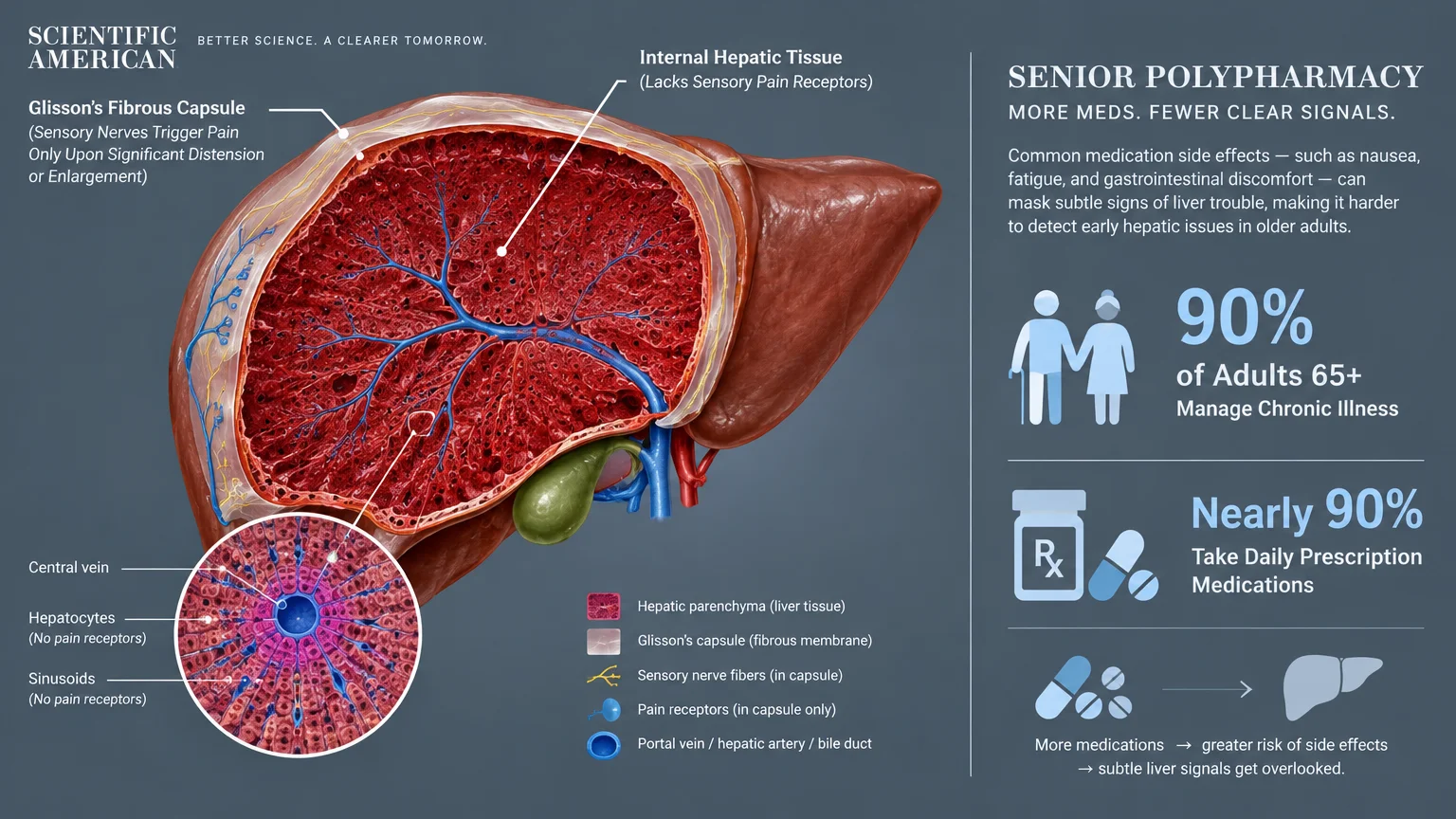
Identifying hepatic dysfunction in older adults presents distinct diagnostic challenges. The interior tissue of your liver lacks direct sensory pain receptors; sensory nerves only envelop the external fibrous capsule surrounding the organ.
Consequently, chronic cellular inflammation or progressive steatosis does not generate noticeable localized ache during initial phases. Discomfort typically emerges only after significant organ enlargement stretches this outer protective membrane.
Furthermore, polypharmacy significantly complicates clinical assessment among older demographics. CDC surveillance records reveal that over 90% of adults aged 65 and older manage at least one chronic medical condition.
Moreover, nearly 90% of older individuals consume at least one prescription pharmaceutical daily, with many taking several concurrent therapies. These medications frequently cause mild gastrointestinal upset, lethargy, or minor digestive irregularities.
Because these pharmaceutical side effects mimic early hepatic impairment, individuals often dismiss crucial metabolic warning signals. Distinguishing between routine medication responses and true hepatic strain requires vigilant personal observation and regular laboratory monitoring.

7 Signs of Liver Trouble Seniors Overlook
1. Persistent Fatigue and Depleted Stamina
Experiencing deep exhaustion that sleep fails to relieve represents one of the earliest signs of liver disease. Many seniors assume sluggishness merely reflects poor rest, decreased cardiovascular conditioning, or standard biological aging.
Your liver regulates energy homeostasis by storing glucose as glycogen and dispensing fuel between meals. When hepatocytes suffer metabolic strain, your body loses its capacity to balance circulating glucose smoothly throughout the day.
Additionally, compromised hepatic filtration allows neurotoxic metabolic byproducts to circulate through systemic vascular channels. This ongoing biochemical friction drains cellular mitochondrial energy, producing relentless lethargy during basic daily routines.
If you find ordinary chores leave you thoroughly depleted despite adequate nighttime sleep, do not ignore the shift. Discuss this lingering fatigue with your primary physician promptly.
2. Subtle Cognitive Changes and Sleep Inversion
Occasional forgetfulness frequently accompanies advancing age, but hepatic dysfunction introduces distinct neurocognitive patterns. When clearance functions decline, compounds such as ammonia bypass filtration and cross the blood-brain barrier.
Clinicians classify this spectrum of cognitive disruption as hepatic encephalopathy. In early presentations, it manifests as mild spatial disorientation, slowed processing speed, or difficulties with complex organizational tasks.
Furthermore, early hepatic distress frequently alters delicate circadian sleep architecture. You might experience intense daytime drowsiness accompanied by stubborn, unexplained alertness throughout late evening hours.
This sleep inversion occurs because the liver processes neurotransmitters and endocrine hormones governing internal biological clocks. Dismissing profound sleep changes as standard insomnia can delay critical hepatic diagnoses.
3. Unrelenting Skin Itching and Spider Angiomas
Many seniors treat dry, itchy skin with rich topical moisturizers, assuming dry ambient air or winter weather causes the issue. However, persistent generalized pruritus that resists hydration often indicates underlying bile duct congestion or compromised hepatic clearance.
When the liver struggles to secrete bile efficiently, microscopic bile salts accumulate within systemic circulation. These compounds deposit directly into cutaneous tissue layers, irritating peripheral nerve endings and provoking intense itchiness without an apparent rash.
Additionally, declining hepatic function alters estrogen metabolism, allowing active estrogenic metabolites to circulate longer than normal. This hormonal imbalance often causes small, radiating vascular lesions known as spider angiomas to blossom across the face, neck, or upper torso.
These distinct vascular marks feature a central red arteriole with tiny capillaries extending outward like delicate webbing. Spotting these vascular formations warrants a comprehensive clinical evaluation of your liver function.
4. Fluid Accumulation in Lower Limbs and Abdomen
Mild swelling around ankles after prolonged sitting happens frequently among older adults with venous insufficiency. However, persistent bilateral lower-extremity edema or unexplained abdominal distension requires thorough clinical attention.
Your liver synthesizes albumin, the primary protein responsible for maintaining oncotic pressure inside blood vessels. When hepatic synthesis falters, intravascular fluids seep into surrounding interstitial spaces, pooling visibly in feet, ankles, and calves.
As structural damage progresses toward advanced fibrosis or cirrhosis, elevated resistance inside the portal vein exacerbates fluid leakage. This hemodynamic mechanism causes ascites, characterized by uncomfortable abdominal bloating that tightens clothing rapidly.
If your waistline expands while your appetite drops, or if pressing your lower shins leaves deep indentations, arrange medical assessment immediately. Fluid shifts represent clear indicators of advancing hepatic strain.
5. Unexplained Bruising and Impaired Clotting
Finding unexpected purple marks across your forearms or thighs often provokes little concern among older adults. Fragile capillary walls and reduced subcutaneous fat make minor bruising common throughout later decades.
Nevertheless, frequent spontaneous hematomas or prolonged bleeding after minor superficial paper cuts may reflect diminished hepatic performance. Your liver produces virtually all essential coagulation factors that orchestrate the biochemical clotting cascade.
When chronic inflammation impairs functional liver mass, circulating concentrations of these critical clotting proteins plunge. Concurrently, portal hypertension can cause the spleen to sequester blood platelets, reducing your circulating platelet count dramatically.
Pay close attention if minor bumps produce unusually extensive bruising, or if routine dental cleanings provoke prolonged gum bleeding. These signs indicate that your internal clotting synthesis needs formal medical review.
6. Persistent Nausea and Diminished Appetite
A fluctuating appetite happens occasionally, but persistent low-grade nausea warrants careful investigation. Older adults frequently attribute mild digestive upset to dietary indiscretions, acid reflux, or new prescriptions.
Because the liver produces bile to emulsify dietary lipids, functional impairment disrupts standard intestinal breakdown. Inadequate bile flow leaves fats poorly digested, causing delayed gastric emptying, premature satiety, and lingering morning nausea.
Moreover, circulating metabolic waste products irritate the central chemoreceptor trigger zone in your brainstem. This continuous biochemical stimulation blunts normal hunger sensations, leading to unintended weight loss and progressive muscle wasting.
Sustained aversion to nutrient-dense foods or sudden revulsion toward dietary fats should never be written off as normal aging. Unexplained appetite loss demands comprehensive metabolic and hepatic evaluation.
7. Noticeable Darkening of Urine and Pale Stools
Changes in bowel and bladder habits provide immediate, observable clues regarding your internal hepatobiliary mechanics. Many seniors assume darker urine merely reflects modest dehydration and compensate by drinking extra water.
However, when damaged liver cells cannot clear bilirubin—the byproduct of recycled red blood cells—the pigment spills into your kidneys. This filtration creates tea-colored or dark amber urine that stays unusually deep regardless of how much fluid you consume.
Simultaneously, impaired excretion prevents bilirubin-derived stercobilin from entering the intestinal lumen. Without this critical pigment, digestive waste loses its characteristic brown color, appearing clay-colored, pale gray, or notably chalky.
Pairing dark urine with light-colored stools points directly to hepatobiliary clearance disruption. Contact your healthcare provider immediately if you observe these contrasting excretory shifts.

Actionable Pillars for Long-Term Liver Vitality
Pillar 1: Nourishing Your Hepatic Cells
Dietary choices directly influence intrahepatic triglyceride accumulation and chronic inflammatory pathways. Prioritize whole, unrefined foods modeled after the Mediterranean dietary framework to relieve metabolic strain.
Incorporate abundant cruciferous vegetables like broccoli, Brussels sprouts, and cabbage into your weekly meals. These vegetables contain glucosinolates, compounds that support the liver’s natural phase-two detoxification pathways.
Emphasize healthy monounsaturated fats from extra virgin olive oil and avocados while reducing ultra-processed carbohydrates. Diets heavy in high-fructose corn syrup rapidly accelerate de novo lipogenesis, driving fat directly into hepatocyte tissue.
Stay hydrated with clean water and unsweetened black coffee throughout the day. Robust epidemiological evidence published through the National Institute of Diabetes and Digestive and Kidney Diseases confirms regular coffee consumption helps lower hepatic fibrosis risks.
Finally, strictly limit or completely eliminate recreational alcohol intake. Even moderate consumption compounds metabolic strain when older liver tissue is already navigating age-related functional declines.
Pillar 2: Preserving Muscle and Enhancing Circulation
Physical movement serves as powerful therapeutic medicine for reducing hepatic steatosis. Skeletal muscle functions as your largest metabolic sink, clearing glucose and enhancing systemic insulin sensitivity.
Engage in moderate-intensity aerobic exercise, such as brisk walking, swimming, or stationary cycling, for thirty minutes most days. Cardiovascular activity mobilizes lipid reserves out of hepatic cells even before substantial body weight drops.
Incorporate progressive resistance training twice weekly using resistance bands, light dumbbells, or functional bodyweight movements. Maintaining lean muscle mass actively prevents sarcopenia, a condition strongly correlated with advancing fibrosis in older adults.
If joint discomfort or mobility limitations restrict high-impact movement, seated strength routines or gentle aquatic classes deliver immense benefit. Consistency matters far more than intensity when supporting hepatic circulation.
Pillar 3: Mitigating Stress and Promoting Restorative Sleep
Chronic psychosocial stress and elevated cortisol levels exacerbate visceral adiposity and systemic insulin resistance. These hormonal disruptions channel circulating fatty acids directly toward hepatic storage beds.
Incorporate brief daily stress-reduction practices like slow diaphragmatic breathing, restorative yoga, or quiet nature walks. Calming the sympathetic nervous system lowers circulating cortisol, reducing inflammatory cytokine production.
Establish a regular sleep schedule by retiring and waking at identical times every single day. Consistent sleep cycles preserve circadian rhythms that synchronize diurnal hepatic enzyme production.
Keep your bedroom dark, quiet, and pleasantly cool to encourage deep, restorative slow-wave sleep. Uninterrupted nighttime rest allows your liver to conduct critical cellular repair without metabolic interruption.
Pillar 4: Strategic Clinical Screening and Medication Audits
Proactive medical advocacy represents your most reliable defense against silent hepatic deterioration. Schedule annual clinical examinations that include comprehensive metabolic panels and complete blood counts.
Request noninvasive fibrosis assessments, such as the calculated FIB-4 score, which utilizes standard laboratory values to estimate scarring risks. When necessary, ultrasound elastography provides precise imaging assessments of hepatic stiffness without surgical biopsies.
Viral hepatitis screenings remain equally essential for older adults. The U.S. Preventive Services Task Force recommends one-time screening for Hepatitis C for all adults aged 18 to 79.
Meanwhile, the CDC recommends one-time Hepatitis C screening for all adults aged 18 and older, with no upper age limit. Modern antiviral regimens cure over 95% of Hepatitis C infections, making screening remarkably impactful.
Perform an annual comprehensive medication audit alongside your pharmacist or physician. Scrutinize all over-the-counter pain relievers, dietary supplements, and prescriptions to minimize drug-induced liver injury risks.

Clinical Perspectives: Voices from Hepatology Practice
Experienced clinicians emphasize that proactive vigilance alters clinical outcomes dramatically. Hepatologists frequently note that patients presenting with advanced complications often displayed subtle warning signs years earlier.
Clinical specialists routinely caution seniors against self-prescribing unregulated herbal botanical supplements. Many popular wellness extracts, including concentrated green tea supplements and high-dose kava, can trigger unexpected hepatotoxicity in aging bodies.
Physicians also emphasize that abnormal liver enzymes require rigorous investigation rather than passive monitoring. Even minor elevations in alanine aminotransferase warrant structured diagnostic follow-up to identify reversible drivers.
Partnering openly with your primary care provider creates an environment where emerging symptoms receive timely, compassionate evaluation. Medical collaboration empowers you to take charge of your hepatic health safely.
Frequently Asked Questions About Senior Liver Health
Can liver damage be reversed if caught early enough?
Yes, your liver possesses remarkable regenerative capacity when therapeutic interventions occur before extensive scarring solidifies. Addressing metabolic stressors during early MASLD stages often allows hepatocytes to clear accumulated lipids completely.
Even moderate fibrosis can stabilize or regress when you eliminate inflammatory triggers through nutrition, movement, or targeted medical treatments. However, advanced cirrhosis presents permanent architectural changes that require complex management rather than simple reversal.
How often should seniors have their liver enzymes tested?
Most healthy older adults benefit from annual liver enzyme assessments conducted during standard preventive wellness visits. These panels measure circulating levels of alanine aminotransferase, aspartate aminotransferase, and alkaline phosphatase.
If you take statins, manage type 2 diabetes, or consume several daily medications, your physician may recommend biannual testing. Always follow individualized medical advice tailored to your personal health background.
What is the difference between MASLD and MASH?
MASLD represents the broad umbrella condition characterized by fat accumulation exceeding 5% of overall liver weight without excessive alcohol intake. At this stage, fat accumulation exists without significant cellular injury or progressive inflammation.
MASH represents the aggressive, inflammatory manifestation of the disease where accumulated fat triggers cellular ballooning and hepatocyte damage. This active inflammation accelerates fibrotic scarring, substantially elevating long-term cirrhosis and cardiovascular risks.
Are over-the-counter pain medications dangerous for senior liver health?
Common over-the-counter pain relievers carry distinct hepatic considerations for older adults. Acetaminophen remains generally safe when taken appropriately, but daily intake must never exceed recommended clinical thresholds.
Exceeding these limits—or combining acetaminophen with alcohol or multiple combination cold remedies—can trigger severe acute liver injury. Always review dosing limits with your pharmacist before managing chronic musculoskeletal pain.
Your Next Steps Toward Hepatic Wellness
Protecting your liver does not require an overwhelming lifestyle overhaul overnight. Sustainable health improvements emerge through deliberate, incremental choices practiced consistently across everyday life.
Take one practical step today by auditing your medicine cabinet and jotting down every prescription, supplement, and over-the-counter remedy you consume. Bring that comprehensive inventory to your next clinical checkup for an honest medication safety review.
Reflect on how your body feels throughout the day, noting subtle shifts in your stamina, skin, and digestion without anxiety. Honoring these physical signals gives your body the supportive care it needs to thrive for decades ahead.









Leave a Reply