
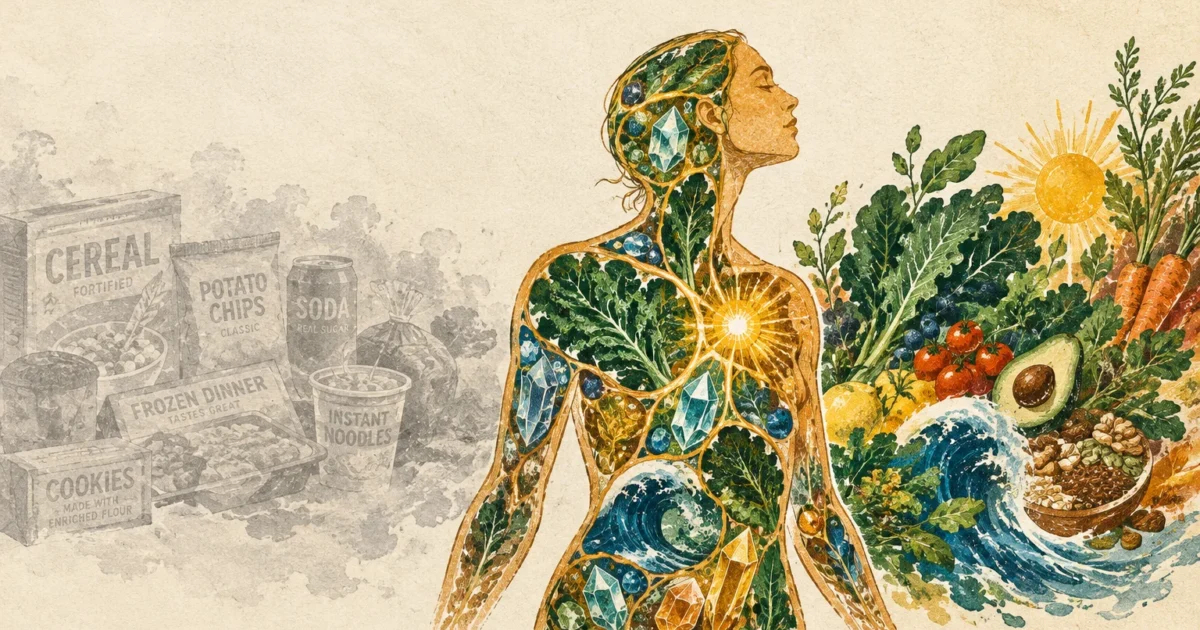
Persistent fatigue, restless sleep, and mental brain fog often stem from silent nutrient gaps rather than everyday stress alone. You can restore your daily vitality by identifying and systematically correcting these widespread biological deficits.
Modern industrial farming practices, ultra-processed diets, and indoor work habits quietly deplete your vital micronutrient reserves. Millions of adults carry significant nutrient gaps in typical diet patterns without ever receiving an accurate clinical diagnosis.
Recognizing the subtle signs of vitamin deficiency empowers you to take control of your long-term cellular wellness. Simple dietary adjustments combined with informed medical screening will restore your natural metabolic balance.
Understanding the Science of Modern Nutrient Gaps
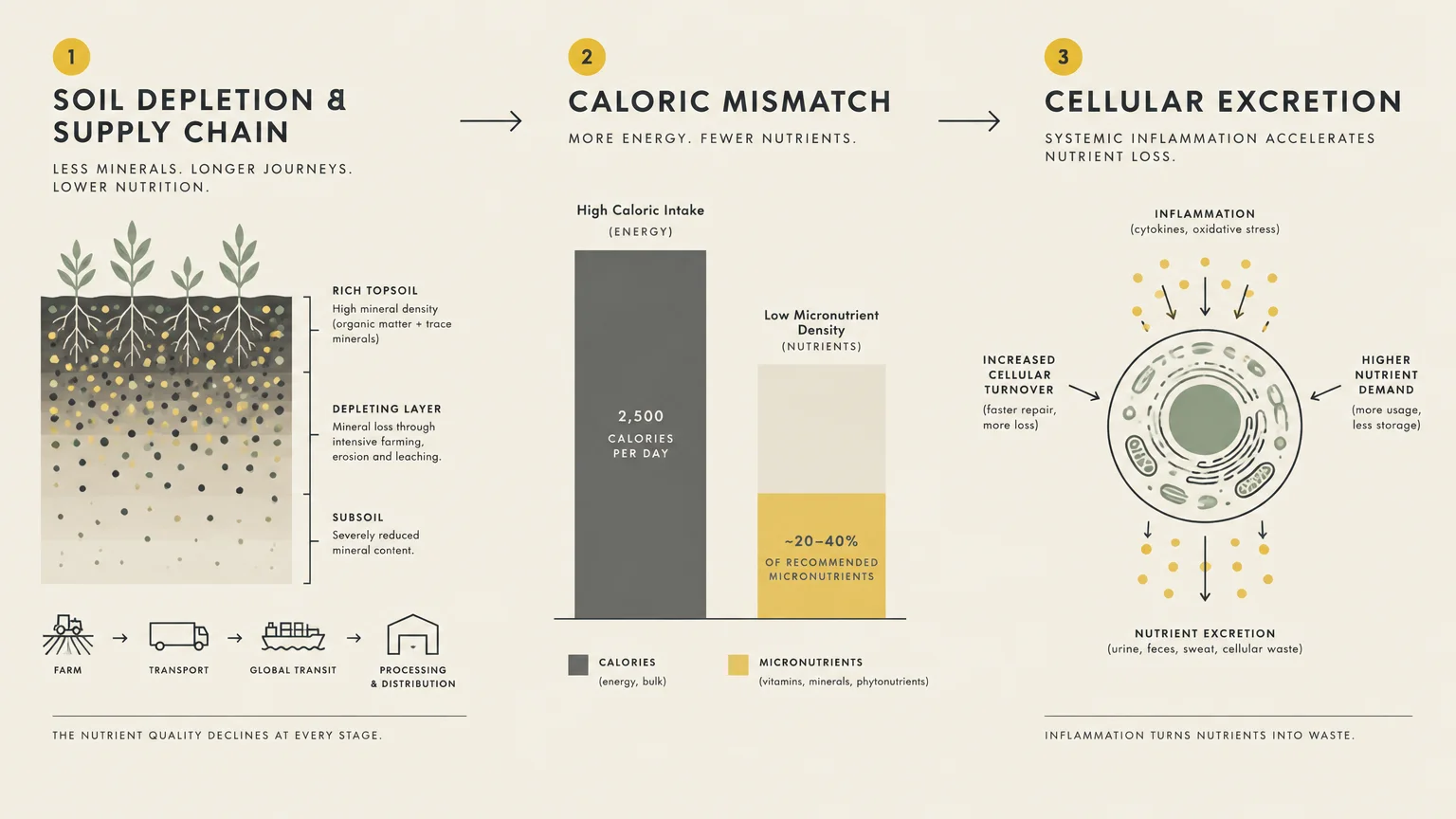
Large-scale public health surveys reveal an unprecedented mismatch between caloric intake and micronutrient density. We consume abundant energy, yet our cells remain fundamentally starved of essential minerals and cofactors.
Soil depletion and extended supply chains diminish the natural vitamin content of produce before it reaches your plate. Meanwhile, chronic systemic inflammation and environmental toxins further accelerate metabolic micronutrient excretion.
Subclinical shortages escape standard routine blood panels, creating insidious performance deficits over decades. Understanding your personal risk profile allows you to intervene before chronic disease patterns develop.
10 Nutrients Most People Are Secretly Deficient In
1. Vitamin D
According to the National Institutes of Health, roughly one billion people worldwide live with vitamin D deficiency. This critical hormone precursor regulates immune signaling, skeletal strength, and cardiovascular health.
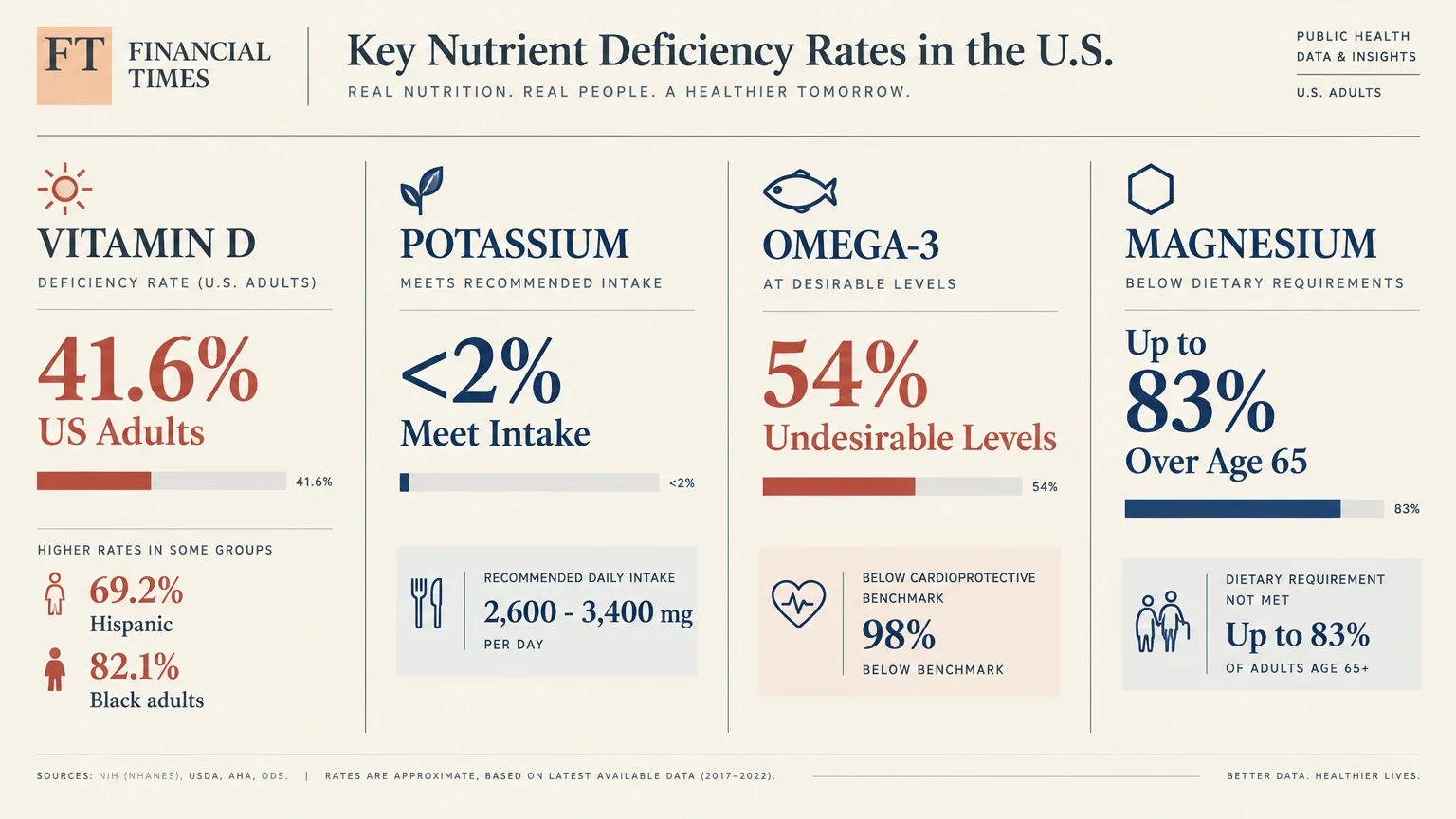
National Health and Nutrition Examination Survey data reveals that 41.6% of American adults suffer from clinical deficiency. That rate surges to 69.2% among Hispanic adults and 82.1% among Black adults due to higher melanin levels.
The federal government officially designates vitamin D as an urgent nutrient of public health concern. Because few whole foods naturally contain adequate concentrations, responsible sunlight exposure and physician-guided supplementation remain essential solutions.
2. Magnesium
Magnesium drives more than three hundred essential enzymatic reactions across your muscular and neurological systems. Yet dietary surveillance indicates that nearly half of all Americans consume less than the Estimated Average Requirement.
Age exacerbates this shortage dramatically; up to 83% of adults aged sixty-five and older fail to meet daily intake benchmarks.
Frequent muscle twitches, poor sleep quality, and elevated anxiety often point toward this cellular shortfall. You can replenish your reserves with dark leafy greens, pumpkin seeds, and unrefined legumes.
3. Potassium
The Dietary Guidelines for Americans classify potassium as a critical nutrient of public health concern. Remarkably, fewer than 2% of American adults reach the recommended daily intake of 2,600 to 3,400 milligrams.
Potassium counterbalances sodium inside vascular tissues to maintain healthy blood pressure and prevent arterial stiffness. Processed foods strip potassium while adding sodium, creating dangerous cellular electrolyte imbalances across modern populations.
You can protect your cardiovascular system by consuming baked potatoes, avocados, coconut water, and white beans consistently.
4. Omega-3 Fatty Acids
In a nationwide biomarker study published by the Centers for Disease Control and Prevention, 54% of Americans showed undesirable red blood cell omega-3 concentrations.
Even more striking, nearly 98% of participants fell below the cardioprotective benchmark of 8% for the Omega-3 Index. These critical marine fats—specifically EPA and DHA—calm systemic inflammation and preserve neurological integrity.
Prioritize wild-caught cold-water fish like sardines, mackerel, and salmon twice weekly, or discuss high-potency algae oil with your healthcare team.
5. Iron
Iron enables hemoglobin to transport oxygen to every tissue, organ, and muscle fiber in your body. Depleted iron stores induce deep physical exhaustion, brittle nails, breathlessness, and chronic brain fog.
Data from the World Health Organization indicates that anemia impacts 30.7% of reproductive-age women and 35.5% of pregnant individuals worldwide. Menstruating females face exceptionally high risk due to regular blood loss.
Ask your physician for a serum ferritin test rather than standard iron panels, which often miss early-stage cellular exhaustion.
6. Vitamin B12
Vitamin B12 supports red blood cell production, cellular DNA synthesis, and peripheral nerve protection. While severe deficiency strikes a smaller group, subclinical insufficiency affects up to 40% of Western adults.
Between 10% and 15% of older adults experience reduced absorption due to diminishing stomach acid and atrophic gastritis. Plant-exclusive eaters face high vulnerability because active B12 occurs almost exclusively in animal foods.
If you eat a vegan diet or take acid-reducing medications, regular supplementation protects your central nervous system from irreversible damage.
7. Calcium
Global health research estimates that 3.5 billion people worldwide remain at acute risk of calcium deficiency. Over 40% of American adults fail to achieve their daily requirement through whole food alone.
When circulating levels drop, your body leaches minerals from your skeleton, quietly undermining bone mineral density over years.
Balance your intake through organic dairy, fortified plant milks, canned bone-in sardines, and dark leafy greens like bok choy.
8. Iodine
Your thyroid gland relies on iodine to synthesize metabolic hormones that govern cellular energy production, temperature, and weight. Despite widespread table salt fortification, global estimates suggest that two billion people suffer from insufficient iodine intake.
Modern culinary shifts toward unfortified sea salt and specialty pink salts have inadvertently lowered daily consumer exposure. Women of childbearing age need to stay particularly vigilant, as iodine plays an indispensable role in fetal brain development.
You can satisfy your biological iodine demands by incorporating sea vegetables, ocean-caught white fish, and pastured eggs into your weekly meals.
9. Dietary Fiber
While fiber functions as a complex carbohydrate, nutrition authorities classify it as an official nutrient of concern. A staggering 90% of women and 97% of men fail to hit their minimum daily fiber targets.
Beneficial gut microbes ferment soluble fiber into short-chain fatty acids that regulate immune signaling, glucose metabolism, and intestinal barrier integrity. Without adequate roughage, your microbiome starves, driving chronic inflammatory processes.
Gradually elevate your fiber intake to thirty grams daily by consuming berries, flaxseeds, lentils, chia seeds, and raw vegetables.
10. Zinc
Zinc coordinates immune cell activation, protein synthesis, wound healing, and optimal sensory perception of taste and smell. According to global health models, 17.3% of the world population faces inadequate zinc intake.
Diets built heavily around refined grains often contain high phytate levels that bind zinc and block intestinal absorption. Frequent upper respiratory infections and slow wound recovery often signify an unaddressed zinc deficiency.
Incorporate zinc-rich whole foods like pumpkin seeds, oysters, grass-fed beef, and sprouted chickpeas into your regular weekly rotation.

Strategic Pillars to Overcome Common Nutrient Deficiencies
Pillar 1: Embrace Nutrient Synergy on Your Plate
Isolated nutrients rarely perform well inside your body without their natural biochemical partners. Micronutrients require specific cofactors, healthy fats, and compatible minerals to achieve full cellular absorption and biological activity.
Pair non-heme plant iron with vitamin C sources to increase your mineral uptake by up to threefold. Squeeze fresh lemon juice over steamed spinach or toss bell peppers into warm lentil bowls.
Always consume fat-soluble vitamins—such as vitamins A, D, and K—alongside nourishing culinary fats like extra virgin olive oil or avocado. This simple dietary pairing ensures smooth transit across your intestinal epithelium into the bloodstream.
Pillar 2: Pursue Comprehensive Biomarker Testing
Standard complete blood counts often fail to reveal early cellular shortages until full clinical deficiency occurs. You must advocate for specialized diagnostic markers to catch subtle nutritional shortfalls before physical symptoms escalate.
Request red blood cell magnesium tests instead of serum magnesium, as serum reflects less than 1% of your total body stores. Similarly, evaluate serum ferritin alongside your basic iron panel to assess long-term storage pools accurately.
Check your 25-hydroxy vitamin D levels twice yearly to ensure your circulating numbers remain within safe and optimal boundaries. Working with credentialed experts through the Academy of Nutrition and Dietetics helps you interpret these clinical values effectively.
Pillar 3: Optimize Gut Health and Nutrient Absorption
Optimal nutrition depends entirely on what your digestive tract absorbs rather than merely what you swallow. Chronic emotional stress, subclinical intestinal inflammation, and medication use can profoundly diminish your intestinal assimilation capacity.
Cultivate a thriving intestinal microbiome by eliminating ultra-processed foods, emulsifiers, and unnecessary non-steroidal anti-inflammatory drugs. These modern additives weaken intestinal junctions and impair delicate micronutrient transport proteins.
Incorporate fermented foods like sauerkraut, kefir, and kimchi into your daily meals to support digestive acid production naturally. Robust digestive juices free bound vitamins from food matrices smoothly.
Pillar 4: Movement and Metabolic Circulation
Regular physical movement stimulates blood flow, delivering newly absorbed micronutrients directly to your peripheral tissues and vital organs. Sedentary habits slow lymphatic and capillary circulation, which impedes cellular nutrient exchange.
Low-impact activities such as brisk walking, swimming, and resistance training enhance cellular insulin sensitivity and mineral uptake. Moving your body daily ensures that your cells actively utilize circulating vitamins and trace minerals.

Clinical Perspectives from the Field
Integrative medicine physicians observe that resolving hidden deficiencies resolves countless unexplained, chronic symptoms. Patients frequently spend years seeking answers for persistent exhaustion when their cells simply lack fundamental metabolic fuel.
Registered dietitians consistently emphasize that whole-food diversity provides far superior outcomes compared to random high-dose supplementation. Whole foods deliver synergistic cofactors that optimize absorption while preventing accidental nutrient toxicity.
Clinicians recommend pairing laboratory tracking with subjective symptom journaling to monitor your cognitive clarity, sleep quality, and physical resilience over time.
Frequently Asked Questions About Nutrient Gaps
Can a healthy diet completely prevent vitamin and mineral deficiencies?
A nutrient-dense diet provides your strongest defense, yet modern agricultural depletion and indoor work environments create persistent biological hurdles. Digestive conditions, genetic variations, and chronic stress also elevate individual micronutrient demands.
Partnering with a licensed medical professional allows you to identify personal vulnerabilities through precision testing rather than assumptions.
What are the most common warning signs of vitamin deficiency?
Early warning signs include enduring fatigue, brittle nails, muscle twitching, hair thinning, irregular sleep, and unexplained mood changes. Frequent infections and poor focus also suggest that your cellular reserves require prompt attention.
If you recognize these patterns, arrange professional laboratory testing before starting new over-the-counter dietary supplements.
Can taking too many dietary supplements cause harm?
Excessive supplementation of fat-soluble vitamins like A and D can cause toxic accumulation in body fat and hepatic tissues. High doses of isolated minerals like zinc can also suppress copper absorption and create secondary imbalances.
Always seek clinical guidance to establish safe dosages based on verified blood panels rather than self-prescribing high-dose products.
How long does it take to correct a confirmed nutrient deficiency?
Mild deficiencies often demonstrate noticeable symptomatic improvements within two to six weeks of targeted nutrition or supplementation. Rebuilding deep skeletal calcium reserves or severe ferritin depletion, however, generally requires three to six months of steady therapy.
Plan periodic follow-up testing with your clinician to assess your progress and fine-tune your ongoing intake protocol safely.
Your Path Toward Vibrant Cellular Health
Restoring your nutritional foundation does not demand an overwhelming or complicated lifestyle transformation overnight. Select one nutrient gap that mirrors your current symptoms and introduce one nourishing whole food into your kitchen this week.
What quiet signals has your body shared lately that might indicate a hidden nutritional deficit? Listening closely to your daily energy and honoring those biological cues unlocks lasting vitality and vibrant health.









Leave a Reply