
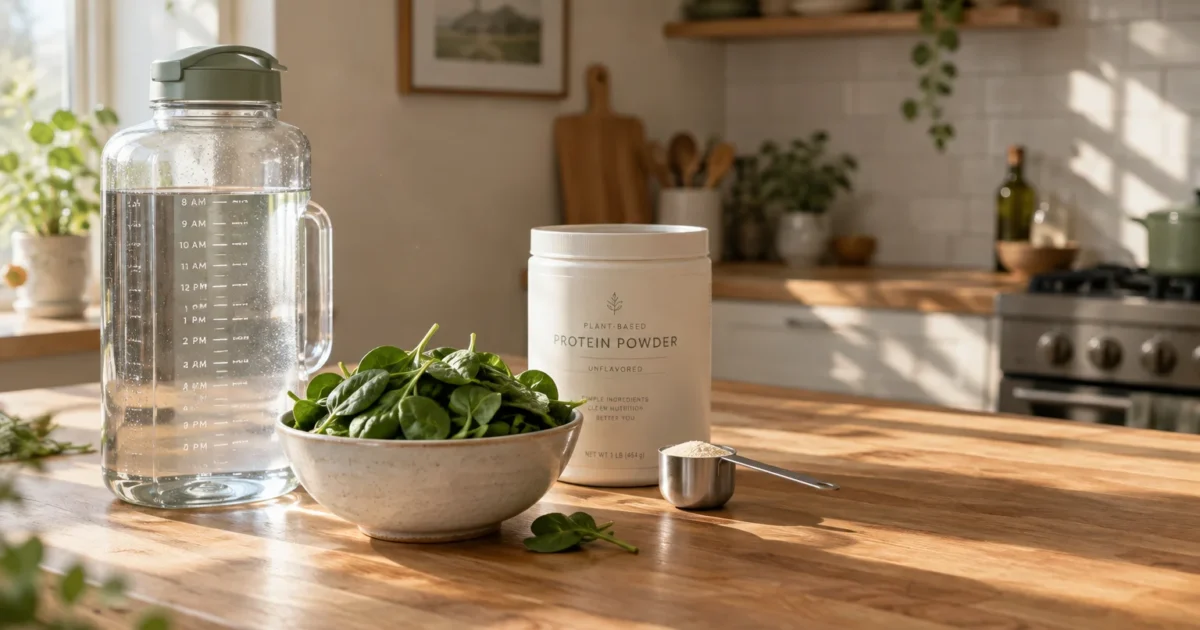
You can compromise your kidney function even while following popular wellness trends. Making a few targeted adjustments to your routine today protects these vital filtering organs for decades to come.
Many health-conscious adults unknowingly overtax their renal filters through aggressive hydration, concentrated superfoods, and intense workout supplementation. These well-meaning routines often create silent metabolic friction.
Understanding how everyday wellness behaviors affect delicate renal nephrons empowers you to safeguard your vitality. You can preserve long-term kidney function without sacrificing your broader fitness ambitions.
The Hidden Burden of Kidney Health
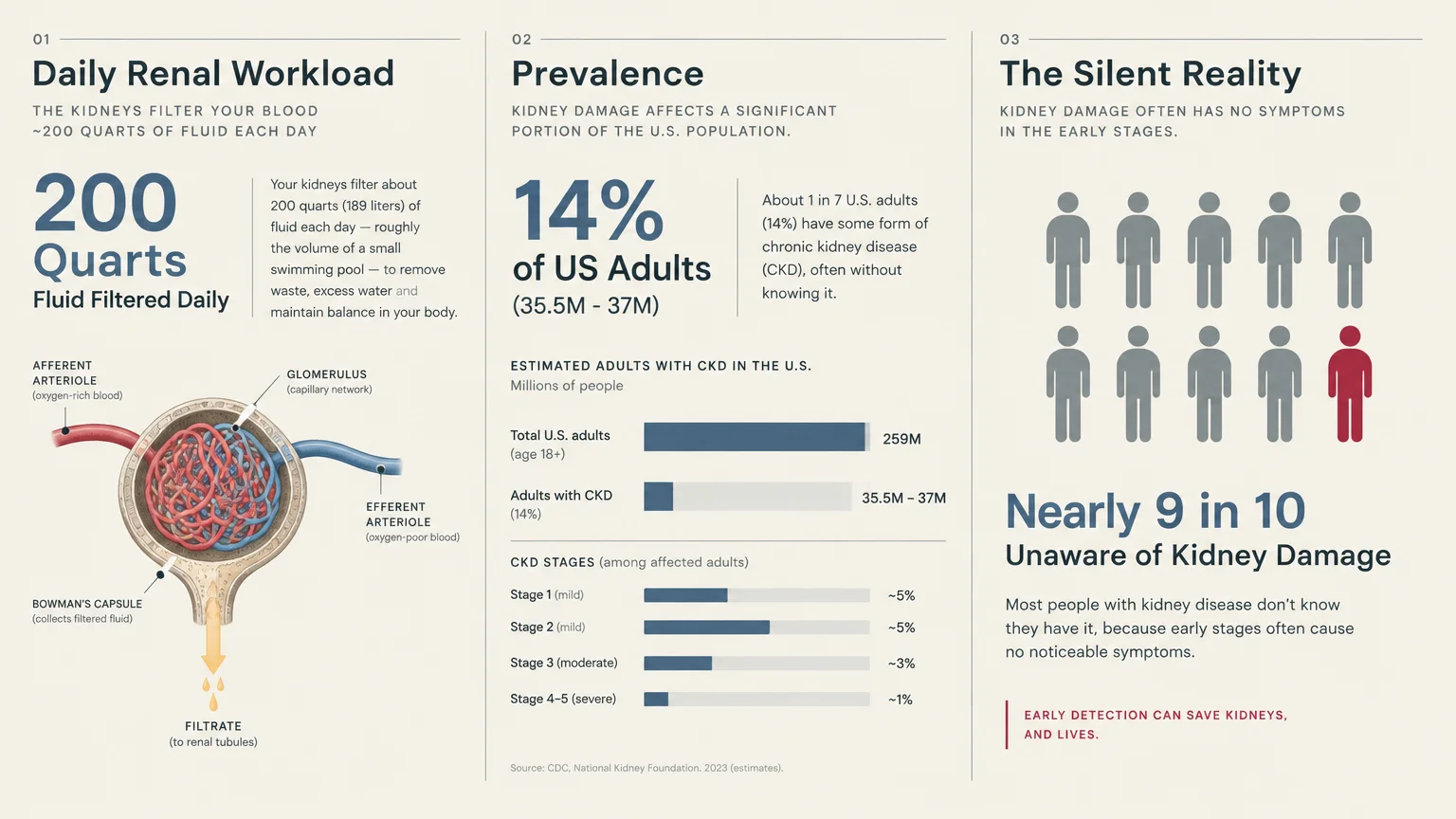
According to surveillance data from the Centers for Disease Control and Prevention, approximately 14% of American adults live with chronic kidney disease. That represents roughly 35.5 to 37 million people.
Even more concerning, nearly nine in ten affected individuals do not know their kidneys are struggling. Because early renal damage rarely produces obvious symptoms, silent decline remains common.
Your kidneys filter roughly 200 quarts of fluid each day through delicate clusters of tiny capillaries called glomeruli. These structures remove cellular wastes and balance systemic electrolytes.
When you subject your body to extreme wellness regimens, these microvascular filters bear the mechanical and chemical burden. Subtle daily strain eventually leads to irreversible tissue remodeling.
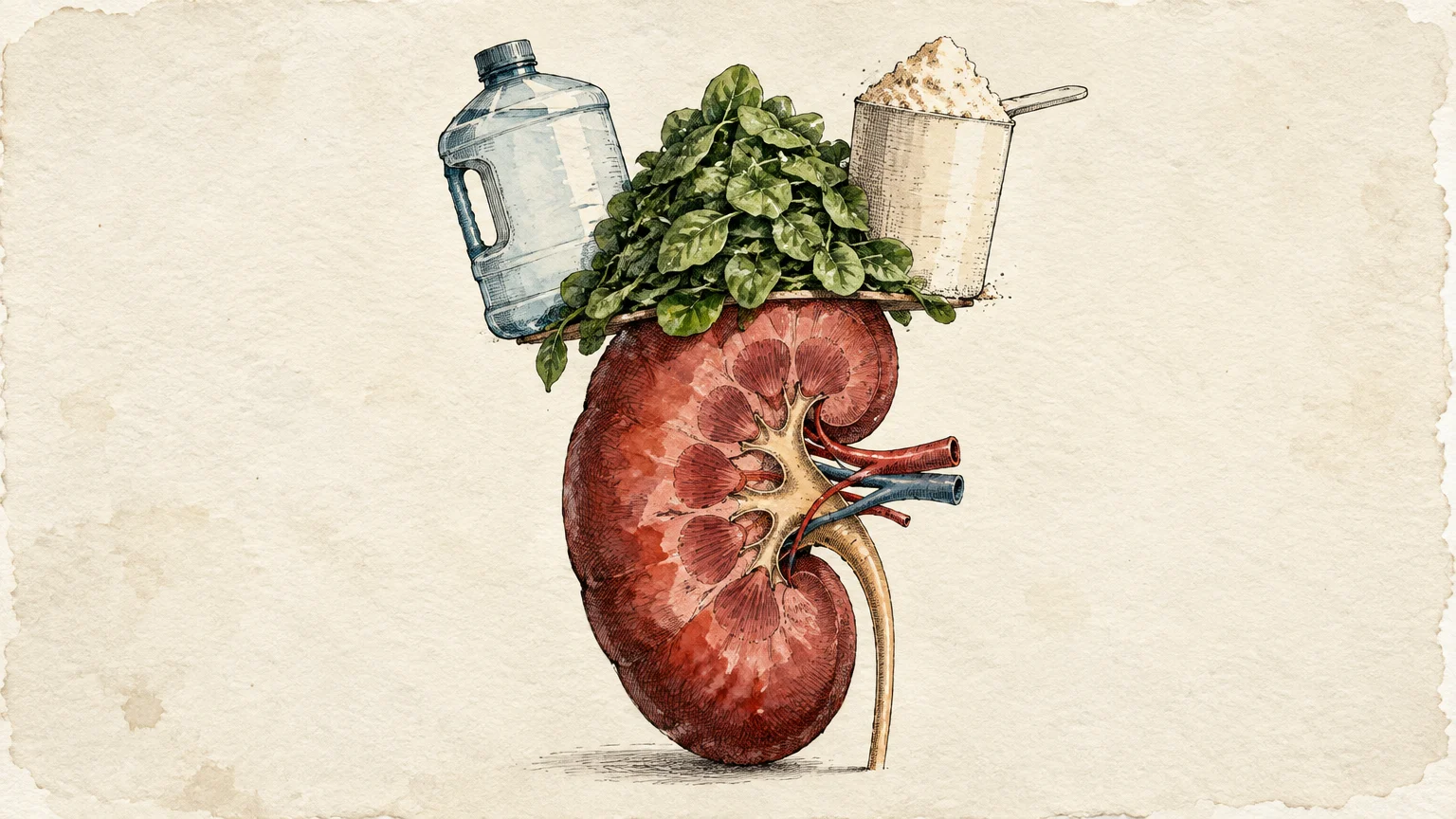
7 Wellness Habits That Strain Your Kidneys
1. Forcing Excessive Daily Hydration
Carrying oversized water jugs has become a ubiquitous symbol of modern wellness. However, drinking far beyond your physiological thirst can overwhelm your renal clearance capacity.
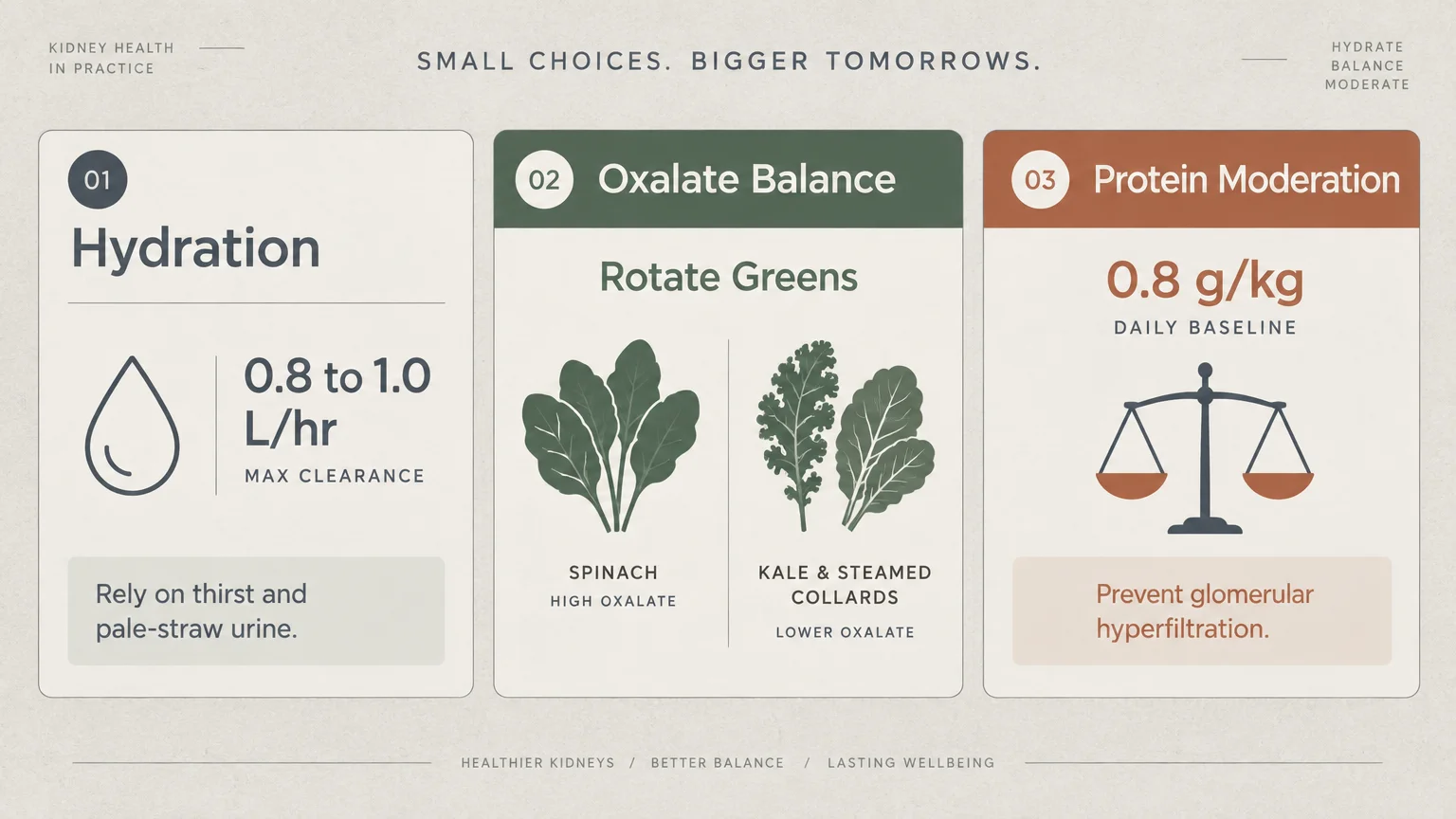
Clinical physiological research published by the American Society of Nephrology indicates that healthy adult kidneys excrete approximately 0.8 to 1.0 liter of water per hour.
Gulping multiple liters within a short window outpaces that rate. This rapid influx dilutes your serum sodium below 135 mEq/L, inducing a hazardous state known as hyponatremia.
Instead of detoxifying your tissues, compulsive overhydration causes cellular swelling and puts unnecessary circulatory pressure on your renal architecture. Let your thirst mechanism and pale-straw urine guide your fluid intake.
2. Consuming Raw High-Oxalate Green Smoothies Daily
Drinking blended green smoothies each morning feels like an unassailable nutritional triumph. Unfortunately, loading your blender with immense mounds of raw spinach can provoke painful kidney complications.
Data from the National Kidney Foundation reveals that calcium oxalate stones account for roughly 80% of all kidney stone diagnoses. Approximately one in ten individuals will suffer a stone during their lifetime.
A single 100-gram serving of raw spinach contains anywhere from 600 to 1,000 milligrams of oxalate. When you absorb high concentrations of oxalate, it binds tightly to calcium in your urinary tract.
This chemical pairing precipitates into sharp, microscopic crystals that gradually enlarge. You can easily protect yourself by rotating your greens to lower-oxalate alternatives like kale, romaine, or lightly steamed collards.
3. Overdosing Dietary Protein for Muscle Growth
High-protein dietary plans dominate contemporary athletic and weight-loss culture. While amino acids are vital for tissue synthesis, consuming excessive quantities places sustained demands on renal hemodynamics.
The standard baseline dietary allowance for adults rests at 0.8 grams of protein per kilogram of body weight per day. That equates to roughly 54 to 60 grams for an average sedentary adult.
Consistently exceeding 2.0 grams per kilogram through concentrated protein powders and bars induces glomerular hyperfiltration. This sustained intraglomerular pressure forces your kidneys to work in an overdrive state.
While healthy kidneys often tolerate transient protein spikes, sustained hyperfiltration can accelerate occult renal disease. Balance your protein intake across varied whole-food sources rather than relying on hyper-concentrated shakes.
4. Replacing Table Salt with Potassium Substitutes
Cutting sodium to protect your cardiovascular system is an admirable preventive goal. However, switching indiscriminately to potassium-based mineral seasonings introduces hidden risks for your kidneys and heart.
Manufacturers replace sodium chloride with potassium chloride in commercial salt substitutes. A mere quarter-teaspoon of these seasoning blends delivers approximately 600 to 800 milligrams of potassium.
If your kidneys experience undetected filtration sluggishness, they cannot excrete that sudden potassium surplus efficiently. The resulting buildup can elevate your blood potassium beyond 5.0 to 5.2 mEq/L, triggering dangerous hyperkalemia.
Severe hyperkalemia destabilizes cardiac electrical conduction and can lead to life-threatening arrhythmias. Use dried herbs, citrus zest, garlic, and cracked pepper instead of chemical potassium formulations to enhance food flavor.
5. Pre-Medicating Workouts with Common NSAIDs
Many dedicated runners and weightlifters routinely swallow ibuprofen or naproxen before intense training sessions to preempt muscle soreness. This prophylactic habit creates a severe physiological threat for your renal vascular bed.
Non-steroidal anti-inflammatory drugs work by blocking cyclooxygenase enzymes, which sharply decreases your synthesis of protective prostaglandins. These prostaglandins are critical chemical messengers that dilate renal blood vessels during physical stress.
When you combine strenuous exercise, mild dehydration, and NSAID ingestion, blood flow to your kidneys drops precipitously. The U.S. Food and Drug Administration cautions that this combination significantly elevates your risk of acute kidney injury.
Repeated episodes of subclinical ischemic injury cause chronic analgesic nephropathy over time. Treat recovery with dynamic mobility, contrast water therapy, and adequate rest rather than prophylactic pain medication.
6. Megadosing Vitamin C Supplements for Immunity
Taking massive doses of vitamin C during seasonal changes represents another widely celebrated wellness ritual. Yet flood-dosing your system with effervescent packets and chewable tablets does not provide harmless surplus protection.
The established Recommended Dietary Allowance for vitamin C is 75 milligrams daily for women and 90 milligrams for men. The clinical Tolerable Upper Intake Level stands firmly at 2,000 milligrams per day.
When you consume supplemental doses exceeding 1,000 to 2,000 milligrams, your body metabolizes the unabsorbed ascorbic acid into urinary oxalate. This rapid metabolic conversion spikes the oxalate concentration inside your delicate renal tubules.
This chemical surge drastically multiplies your risk of developing debilitating calcium oxalate nephrolithiasis. Obtain your immune-supporting micronutrients from whole foods like bell peppers, kiwis, and citrus fruits instead of high-potency synthetic pills.
7. Relying on Herbal Cleanses and Detox Teas
Social media feeds frequently promote herbal teas and digestive cleanses designed to flush environmental wastes from your organs. In reality, your kidneys need no commercial detoxification assistance to perform their physiological tasks.
Unregulated herbal preparations can contain nephrotoxic botanical compounds or dangerous environmental contaminants. The FDA strictly bans aristolochic acid, an herbal ingredient previously found in weight-loss cleanses that causes severe, irreversible renal fibrosis.
Even seemingly benign herbal mixtures often exert potent diuretic effects that drain intracellular fluid. This artificial fluid loss concentrates urinary solutes and stresses your delicate nephrons.
Furthermore, synthetic compounds and heavy metals occasionally contaminate unregulated botanical supplements manufactured without rigorous third-party auditing. Protecting your kidneys means discarding unverified cleansing rituals in favor of balanced cellular nourishment.

Clinical Perspectives: What Nephrologists See Every Day
Renal specialists frequently encounter patients who damaged their kidneys while trying earnestly to optimize their physical health. Clinicians stress that moderation and biological context matter far more than following aggressive fitness fads.
Nephrologists often point out that kidneys are self-cleaning, exceptionally sophisticated organs. You do not need to intervene with extreme regimens to optimize their inherent filtration brilliance.
Dr. Elena Rostova, a preventive nephrology fellow, notes that patients frequently mistake supplement quantity for biological quality. She observes that individuals often assume water-soluble nutrients carry zero biological risk.
Similarly, physical therapists warn against using over-the-counter pain relievers as performance enhancers. Masking muscle inflammation with NSAIDs before intense endurance events remains one of the most reliable triggers for exercise-induced acute kidney injury.
Clinicians also emphasize socioeconomic barriers, noting that access to fresh produce and clean hydration alters kidney risk profiles. Evidence-based kidney care must account for individual lifestyle constraints and living environments.
Actionable Framework: Protecting Your Renal Health
Mindful Hydration and Whole-Food Nutrition
Ditch the rigid multi-gallon water challenges that disrupt your delicate systemic electrolyte equilibrium. Instead, sip fluid steadily throughout your day, aiming for light yellow or straw-colored urine.
Pair your hydration habits with diverse, unrefined dietary choices that support vascular health without extreme mineral loads. Moderate your daily protein intake around your actual biological activity levels.
When preparing dark leafy greens, alternate between raw salads and gently cooked preparations. Boiling or steaming high-oxalate vegetables significantly reduces their soluble oxalate content before you eat them.
Season your meals with fragrant whole herbs and antioxidant spices rather than industrial salt substitutes. Garlic, rosemary, turmeric, and lemon juice deliver rich flavor profiles without threatening your blood potassium balance.
Safer Recovery and Movement Habits
Support your physical training through physiological recovery strategies rather than pharmacological crutches. Prioritize sleep quality, gradual warm-ups, and structured post-workout nutrition to manage routine muscle soreness.
If you experience acute musculoskeletal aches, try localized heat or cold application before reaching for oral anti-inflammatory pills. Give your tissues adequate recovery time between heavy lifting sessions.
Never consume NSAIDs when you are severely dehydrated or entering an exhausting endurance event. Preserving unobstructed blood flow to your kidneys must always take precedence over finishing times.
Proactive Medical Screening and Supplement Auditing
Schedule routine annual blood and urine testing with your primary healthcare provider. Simple diagnostic panels measuring serum creatinine, estimated glomerular filtration rate, and urine albumin reveal silent renal changes long before symptoms manifest.
Bring every single dietary supplement, protein powder, and botanical capsule you take to your annual clinical review. A registered dietitian or physician can cross-check these products for dangerous additives or kidney interactions.
Reviewing your laboratory trends over multiple years gives you irreplaceable insight into your baseline organ function. This knowledge helps you make evidence-based lifestyle modifications customized to your unique metabolic profile.
Frequently Asked Questions
How do I know if my kidneys are stressed?
Early kidney strain almost never produces noticeable physical symptoms. You cannot rely on physical sensations to gauge your renal wellness.
Advanced stress may eventually cause foamy urine, fluid retention around your ankles, unusual fatigue, or altered urination frequency. Regular clinical blood and urine tests provide the only reliable method for detecting early functional decline.
Can kidney damage from supplements be reversed?
Reversibility depends entirely on the nature and duration of the underlying tissue injury. Acute kidney injury caused by dehydration and NSAIDs often resolves completely once you remove the offending agents.
However, chronic interstitial fibrosis caused by long-term herbal toxicity or repeated hyperfiltration can leave permanent microscopic scars. Working promptly with a nephrologist allows you to arrest damage before it progresses into irreversible loss.
Is plant-based protein safer for kidney function than animal protein?
Emerging clinical evidence suggests that plant-derived proteins induce less intraglomerular hyperfiltration than equivalent amounts of red meat. Plant sources also supply beneficial dietary fiber and protective antioxidants.
However, you must still maintain reasonable total intake quantities. Extremely concentrated plant protein isolates can still burden delicate renal hemodynamics if you consume them in chronic excess.
How much water should I drink each day for optimal kidney health?
Individual fluid requirements vary based on climate, physical exertion, body composition, and overall health status. Most healthy adults thrive on approximately two to three liters of total fluid intake daily.
Rather than obsessing over rigid mathematical quotas, monitor your physiological signals. Pale-straw urine and natural thirst provide far more accurate guidance than arbitrary social media trends.
A Sustainable Path Forward
Protecting your kidneys does not require dramatic medical interventions or punishing physical restrictions. It simply demands replacing aggressive wellness trends with thoughtful, biologically respectful daily choices.
Take a quiet moment today to audit your current kitchen cabinet and supplement shelf. Identify one high-dose pill or extreme habit you can safely scale back.
Consult your healthcare provider before adopting restrictive diets or novel supplements. Your kidneys quietly sustain your daily vitality; treat their intricate filters with the moderation and care they deserve.








Leave a Reply