

Preventive health screenings help you catch silent conditions before they disrupt your daily independence. You can protect your vitality by knowing which essential evaluations deserve priority on your calendar.
Many older adults unintentionally skip high-value medical checkups each year. These oversights occur because early-stage cardiovascular issues, bone density loss, and sensory decline rarely announce themselves with obvious pain.
Taking charge of your preventive care checklist keeps you ahead of chronic disease. Essential Medicare-covered evaluations safeguard your longevity and preserve your active lifestyle for decades to come.

Why Timely Preventive Care Matters More with Age
Your body undergoes subtle biological changes as the years progress. Cellular repair slows down, blood vessels naturally lose elasticity, and bone remodeling gradually decreases.
These shifts often develop silently without causing recognizable discomfort. Routine preventive screenings detect structural and metabolic changes early, allowing you to intervene before minor irregularities become chronic health complications.
Clinical research from the National Institute on Aging consistently links regular senior health checkups with reduced hospitalization rates. Identifying conditions like osteopenia or high arterial pressure early protects your long-term mobility.
Preventive care also transforms medical appointments from reactive crisis visits into proactive wellness planning. You gain dedicated time to discuss nutrition, balance training, and medication safety with your healthcare team.

The Medicare Annual Wellness Visit: Your Untapped Resource
Medicare Part B covers an Annual Wellness Visit at zero cost to you. Beneficiaries enrolled for at least twelve months qualify for this yearly assessment with no copayment or deductible.
Despite this full coverage, data from the Centers for Medicare & Medicaid Services shows that only 45% to 60% of older adults schedule this appointment. Many individuals mistakenly confuse it with a standard physical examination.
Rather than conducting hands-on physical exams, your clinician uses this visit to build a personalized prevention plan. They evaluate your medical history, current medications, and family health risks across a five-to-ten-year horizon.
Your doctor also reviews your fall risks, home safety considerations, and cognitive function during this consultation. Establishing these neurological and physical baselines ensures your care team spots subtle health changes early.
This visit provides dedicated space to discuss emotional wellbeing through a standardized depression screening. Addressing mood changes early helps you preserve both cognitive clarity and social engagement.
Silent Structural and Vascular Screenings You Cannot Overlook
Certain life-threatening conditions develop without warning signs. Prioritizing specific structural and vascular scans ensures that silent risks do not compromise your future mobility.
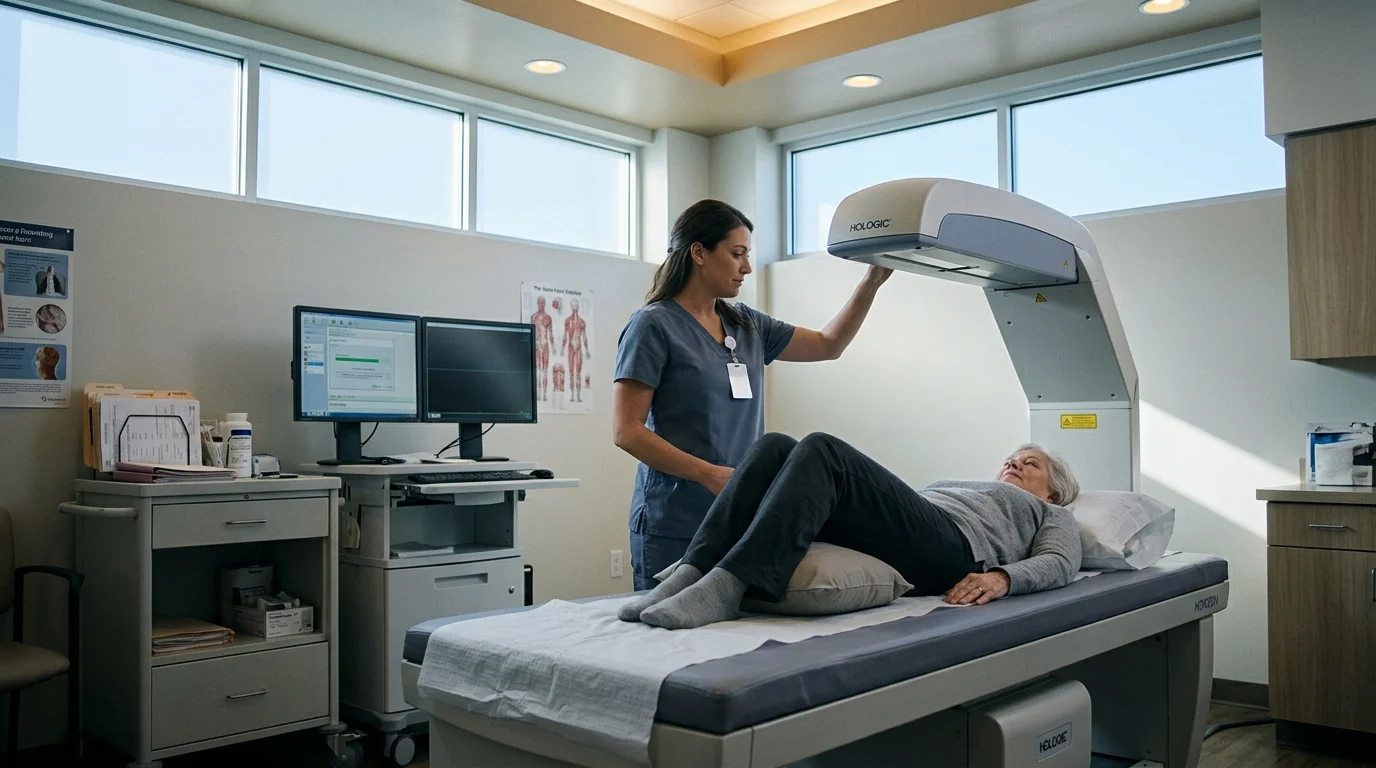
Bone Mineral Density Testing (DEXA Scans)
Osteoporosis weakens bone architecture silently until an unexpected fall causes a fracture. In fact, one in two postmenopausal women faces an osteoporosis-related bone break during their lifetime.
The U.S. Preventive Services Task Force recommends routine DEXA bone mineral density screenings for all women aged 65 and older. Clinicians also recommend testing for men aged 70 and older who exhibit clinical risk factors.
Medicare Part B covers diagnostic bone mass measurements every 24 months at no charge. Despite this benefit, studies show that 60% to 75% of eligible older adults skip their scheduled scans.
A DEXA scan takes under fifteen minutes and uses minimal radiation. Your resulting T-score helps your physician determine whether nutrition, resistance exercise, or medication is necessary.
Abdominal Aortic Aneurysm Ultrasound
An abdominal aortic aneurysm involves an enlargement of the main blood vessel supplying your lower body. Because aneurysms rarely generate symptoms before rupturing, proactive ultrasound screening saves lives.
Guidelines recommend a one-time ultrasound for men aged 65 to 75 who have smoked 100 or more cigarettes. This painless ultrasound uses sound waves to measure your aorta’s diameter.
Medicare Part B covers 100% of this scan when ordered by your physician. Many eligible men miss this checkup simply because they feel healthy.
Identifying an enlarged aorta early allows your vascular specialist to monitor its dimensions safely over time. Minor aneurysms require regular surveillance and blood pressure optimization, preventing life-threatening medical emergencies.

Updated Cancer Detection Guidelines for Older Adults
Cancer screening recommendations evolve as diagnostic technology advances and medical understanding deepens. Knowing your recommended screenings by age helps you make informed choices with your physician.
Colorectal Cancer Screening Protocols
Routine colorectal cancer screening is essential for all average-risk adults between ages 45 and 75. For adults aged 76 to 85, screening becomes a selective decision based on prior test results and overall health.
Medicare covers several screening options to suit your preferences and medical history. You can choose a colonoscopy every ten years or a stool DNA-FIT test every one to three years.
Annual fecal immunochemical tests offer another accessible screening method you can complete in your home. Consistent testing detects precancerous polyps early, allowing your gastroenterologist to remove them before malignancy develops.
Mammograms and Individualized Breast Health
Clinical guidelines recommend biennial screening mammography for women aged 40 through 74. Consistent mammograms detect small tumors years before they become palpable lumps.
For women aged 75 and older, the National Cancer Institute recommends individualized consultations. You and your doctor should weigh your vitality against the burdens of diagnostic follow-ups.
Medicare Part B covers 100% of an annual screening mammogram for all enrolled women aged 40 and older. Maintaining your regular schedule ensures prompt detection when treatment remains most effective and least invasive.
Sensory and Neurological Screenings That Preserve Independence
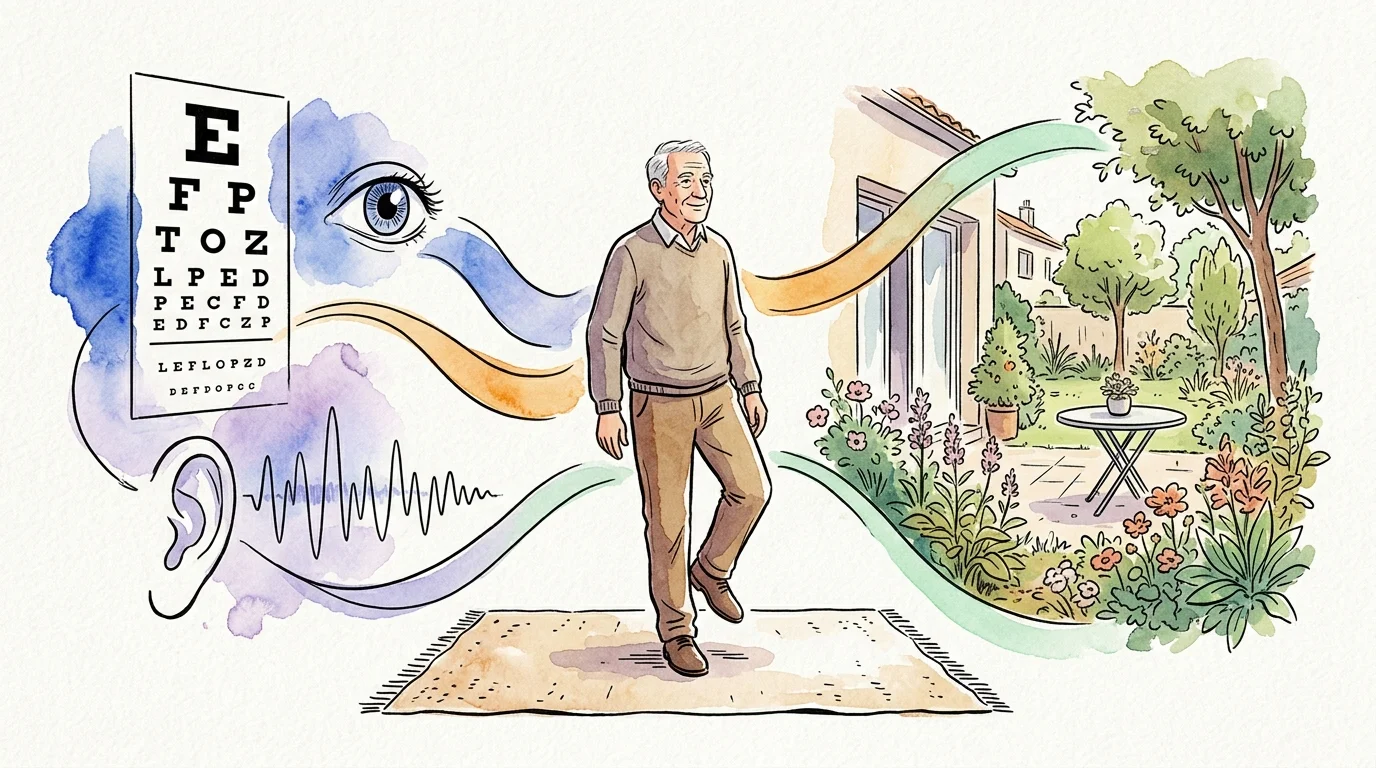
Maintaining sensory sharpness directly preserves your balance, emotional vitality, and cognitive health. Unfortunately, sensory assessments are among the most frequently neglected components of elderly preventive health.
Presbycusis and Comprehensive Hearing Assessments
Age-related hearing loss progresses gradually and often goes unnoticed by the individual experiencing it. Untreated hearing loss forces your brain to work harder to decode sound, accelerating mental fatigue.
Neurological research links untreated auditory decline with social withdrawal and cognitive changes. Getting evaluated every two years allows you to address deficits before communication becomes difficult.
Traditional Medicare Parts A and B do not cover routine hearing exams or hearing aids. However, many Medicare Advantage plans and community health organizations provide accessible hearing evaluations and affordable assistive devices.
Vision Checks and Glaucoma Detection
Eye conditions like glaucoma, macular degeneration, and cataracts develop slowly over several years. Glaucoma is especially dangerous because it diminishes peripheral vision without causing pain.
Comprehensive dilated eye exams detect elevated intraocular pressure and retinal changes before irreversible visual loss occurs. Preserving clear vision also dramatically reduces your risk of accidental falls at home.
Because original Medicare excludes routine refractive exams for eyeglasses, many older adults delay their vision appointments. Seeking community-based eye clinics or standalone vision policies helps bridge this critical coverage gap.
Cognitive Baselines and Mood Evaluations
Tracking cognitive health allows clinicians to distinguish between normal age-related forgetfulness and mild cognitive impairment. Establishing a baseline score gives your healthcare team a reliable reference point for future medical comparisons.
Cognitive evaluations are brief, conversation-based assessments conducted during your Medicare Annual Wellness Visit. Detecting memory shifts early empowers you to adopt brain-protective nutrition, mental exercises, and supportive medical therapies.
Mood screenings also deserve equal attention because late-life depression often masquerades as physical fatigue or poor concentration. Addressing emotional distress through counseling or medical support restores your daily motivation and vitality.

Essential Immunizations as Disease Prevention
Vaccinations function as an active biological defense system against dangerous pathogens. Keeping your immunizations current shields your immune system from severe respiratory and neurological infections.
RSV and Pneumococcal Protection
Respiratory syncytial virus causes significant respiratory illness and hospitalizations among older demographics. The CDC Advisory Committee on Immunization Practices recommends a single-dose RSV vaccine for all adults aged 75 and older.
Adults aged 60 to 74 with chronic heart, lung, or metabolic conditions should also receive this vaccination. Medicare Part D covers the RSV vaccine with zero out-of-pocket copayment.
Pneumococcal conjugate vaccines protect you against life-threatening bacterial pneumonia, bloodstream infections, and meningitis. All adults aged 65 and older should receive pneumococcal vaccination, which Medicare Part B covers fully.
Shingles and High-Dose Influenza Vaccines
The varicella-zoster virus can reactivate in older adults, causing shingles and debilitating nerve pain known as postherpetic neuralgia. The two-dose Shingrix vaccine offers over 90% protection and is fully covered under Medicare Part D.
Influenza poses elevated risks to aging immune systems, making annual protection vital every autumn. Public health authorities preferentially recommend higher-dose or adjuvanted flu vaccines for adults aged 65 and older.
These specialized flu formulations generate a stronger antibody response than standard influenza shots. Receiving your high-dose vaccine annually lowers your risk of severe flu complications and hospital admissions.

Clinical Perspectives: Overcoming the Barriers to Care
Geriatric specialists emphasize that skipped screenings often stem from clinical anxiety and logistical barriers. Understanding what to expect during each appointment demystifies the diagnostic process and reduces appointment hesitation.
Dr. Elena Ramos, an integrative geriatrician, notes that patients frequently avoid tests because they fear difficult diagnoses. She emphasizes that early detection almost always yields simpler, less invasive management options.
Physical therapists also emphasize the direct link between preventive checks and fall reduction. Routine assessments for bone mineral density, vision, and balance allow therapists to design targeted strength and stability routines.
Transportation challenges and complex scheduling can create real obstacles for older adults living independently. Partnering with community ride services, family caregivers, or telehealth platforms helps you maintain your preventive care schedule without stress.

How to Prepare for Your Next Preventive Appointment
Preparing thoughtfully for your clinic visits ensures that you maximize your time with your healthcare provider. A few simple organizational steps turn a routine checkup into an empowering health strategy session.
Maintain an accurate list of all prescription drugs, over-the-counter medications, and dietary supplements you take. Include exact dosages and brand names so your physician can perform a comprehensive medication safety review.
Write down any subtle physical changes or symptoms you noticed over the past few months. Documenting morning stiffness, mild balance shifts, or vision changes provides your clinician with valuable diagnostic context.
Gather past screening dates from previous doctors before your appointment. Having records of your last colonoscopy, mammogram, or bone scan prevents redundant procedures.
Bring a trusted friend or family member if you feel overwhelmed by complex medical discussions. A companion can take notes, ask clarifying questions, and help you remember your physician’s recommendations.
Frequently Asked Questions About Senior Health Checkups
How often should I get a DEXA scan if my first test was normal?
If your baseline bone scan shows normal mineral levels, doctors generally recommend repeating it every two to five years. Medicare Part B covers repeat scans every 24 months.
Your physician may recommend more frequent testing if you experience rapid height loss, start steroid medications, or suffer an unexpected fracture. Always consult your doctor to tailor testing intervals to your specific bone health profile.
Do I still need routine cancer screenings after age 75?
Cancer screening decisions after age 75 depend on your personal health status, functional independence, and family medical history. Routine population-wide recommendations often pause at age 75 or 85 because potential procedural risks may outweigh benefits.
However, healthy older adults with extensive longevity in their family often benefit from continuing selective screenings. Discuss your individual goals and life expectancy openly with your physician to make a shared decision.
Why does traditional Medicare exclude routine vision and hearing exams?
Original Medicare was created in 1965 with a statutory focus on acute illness rather than routine maintenance. Consequently, routine eye and hearing exams remain excluded from Parts A and B.
You can overcome this coverage gap by choosing a Medicare Advantage plan that includes supplemental sensory benefits. Alternatively, you can utilize community health centers or standalone vision and dental insurance policies.
What is the difference between a physical exam and an Annual Wellness Visit?
A physical exam involves hands-on assessment where your doctor listens to your heart and examines your reflexes. In contrast, the Medicare Annual Wellness Visit focuses on health risks and preventive planning.
The Annual Wellness Visit does not include hands-on diagnostic treatment for acute illnesses or chronic complaints. Scheduling both evaluations ensures that you receive comprehensive physical care alongside long-range preventive health planning.
Your Next Step Toward Lasting Vitality
Sustaining your long-term independence requires taking consistent, proactive steps to protect your physical and cognitive wellbeing. Prioritizing your preventive care checklist ensures that silent health conditions never catch you off guard.
Take a moment today to locate your Medicare card and contact your primary care provider’s clinic. Ask their scheduling coordinator to book your dedicated Annual Wellness Visit for the upcoming month.
Reflect on the daily activities, hobbies, and family moments that bring the greatest joy to your life. What proactive step will you take this week to protect your future health and mobility?









Leave a Reply