

As you celebrate your fifties and beyond, your body undergoes subtle physiological shifts that alter how you process and store vital nutrients. Fatigue, joint stiffness, or brain fog might seem like natural signs of growing older, but they frequently signal underlying micronutrient gaps that you can correct. Decreased stomach acid, changes in skin synthesis, and shifting metabolic rates make it harder for mature adults to absorb essential vitamins from daily meals alone. By identifying these widespread nutritional vulnerabilities early, you can take proactive steps to protect your bone density, daily energy levels, cognitive sharpness, and overall longevity.
Understanding the Physiology of Aging and Micronutrient Absorption
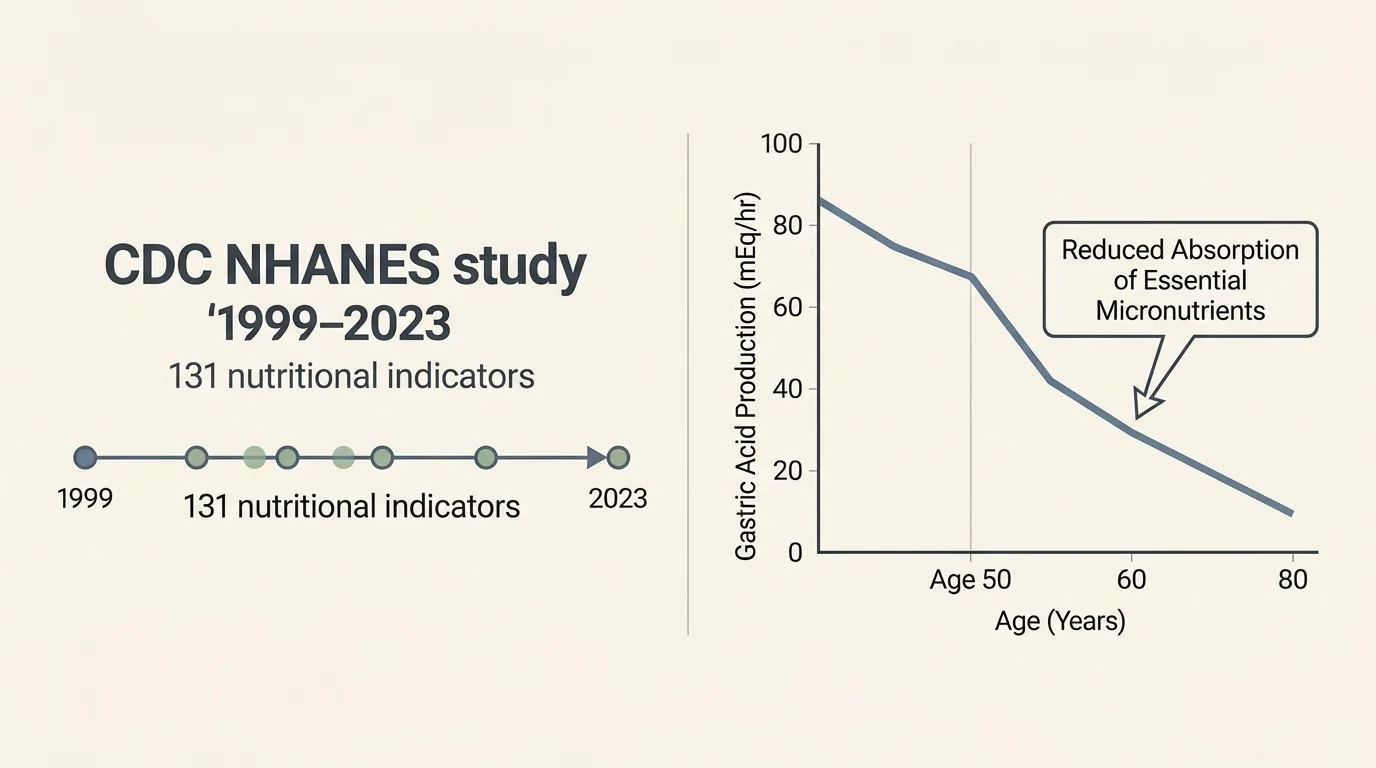
Aging changes how your gastrointestinal tract processes food, how your kidneys retain minerals, and how your skin responds to natural sunlight. As you grow older, your stomach produces less gastric acid, reducing your ability to break down proteins and extract bound vitamins. At the same time, cellular receptors and enzymes alter how efficiently your tissue utilizes micronutrients. These shifts mean that eating the exact same diet you enjoyed in your thirties may no longer yield optimal tissue levels today.
Surveillance tracking highlights the scope of these dietary shifts. The CDC’s National Report on Biochemical Indicators of Diet and Nutrition incorporates 24 years of NHANES biomarker data from 1999 through 2023, analyzing 131 nutritional indicators. This comprehensive research confirms that adults aged 60 and older show distinct biomarker patterns and face elevated risks for micronutrient deficiencies, making proactive dietary adjustments essential.
10 Nutrient Deficiencies Common in Adults Over 50
1. Vitamin D
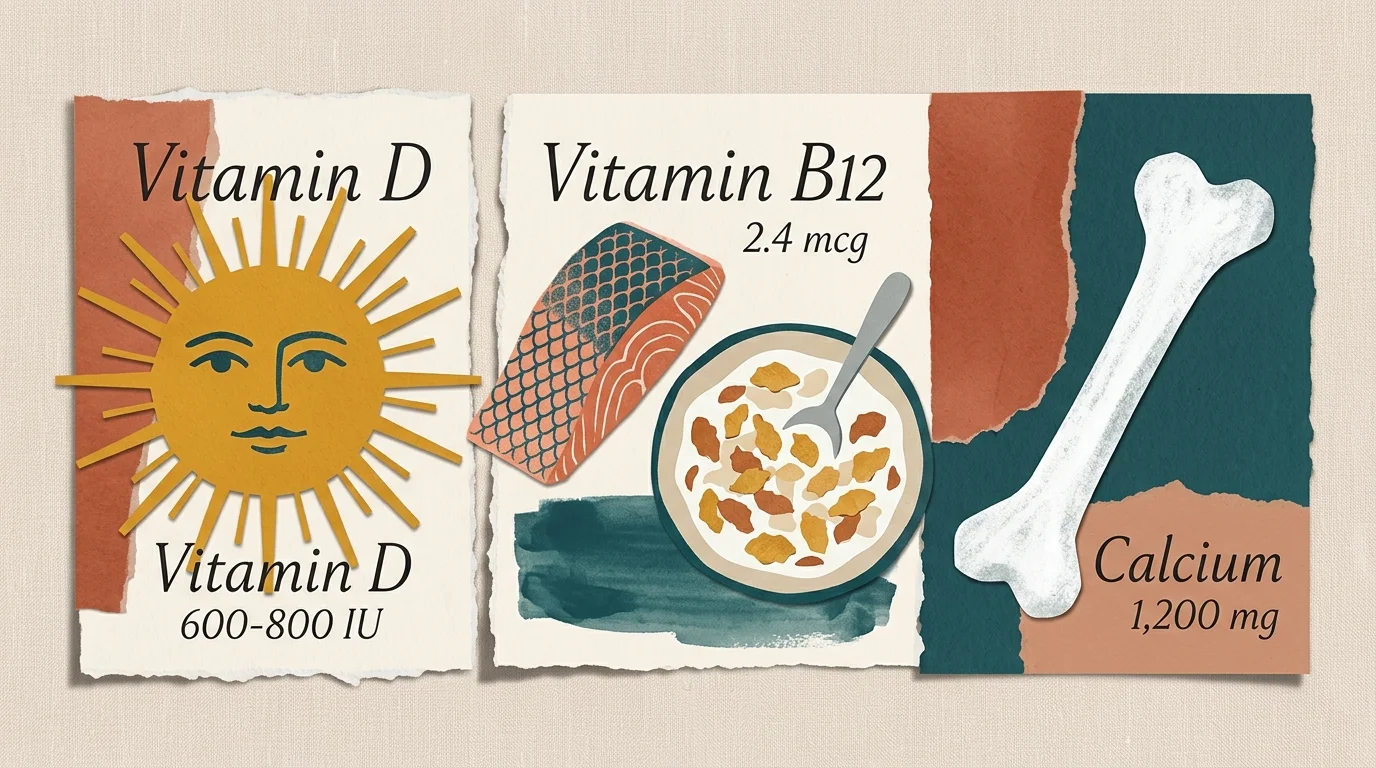
Vitamin D supports bone integrity, immune signaling, and muscle strength. As you age, your skin becomes less efficient at synthesizing Vitamin D from sunlight, and your kidneys convert less of it into its active form. According to research from the NIH Office of Dietary Supplements, national survey data reveals that 95% of U.S. adults fail to meet the Estimated Average Requirement for Vitamin D from diet alone. For adults aged 51 to 70, the Recommended Dietary Allowance is 600 IU (15 mcg) daily, which increases to 800 IU (20 mcg) daily at age 71.
2. Vitamin B12
Vitamin B12 maintains nerve sheath integrity, supports red blood cell production, and protects cognitive clarity. While the daily recommendation stays at 2.4 mcg for adults over 50, federal guidelines note that 10% to 30% of adults over 50 suffer from atrophic gastritis. This condition reduces stomach acid, hindering the absorption of food-bound B12. Consuming fortified foods or crystalline B12 supplements helps circumvent this issue, as crystalline forms do not require stomach acid for uptake.
3. Calcium
Calcium maintains skeletal strength and facilitates nerve signaling, muscle contraction, and cardiac function. The USDA Dietary Guidelines for Americans designates calcium as a nutrient of public health concern due to widespread underconsumption among aging adults. Daily calcium recommendations rise to 1,200 mg per day for women starting at age 51 and for men starting at age 71. Men aged 51 to 70 require 1,000 mg daily. Pairing calcium with Vitamin D optimizes intestinal absorption.
4. Vitamin B6
Vitamin B6 participates in over one hundred enzymatic reactions, focusing on protein metabolism, immune function, and neurotransmitter synthesis. Because metabolic efficiency declines over time, your body requires higher baseline intakes. Daily recommended allowances for Vitamin B6 rise after age 50 to 1.7 mg for men and 1.5 mg for women, compared to 1.3 mg for younger adults. Inadequate B6 can cause mood fluctuations and elevated homocysteine levels, increasing cardiovascular strain.
5. Magnesium
Magnesium regulates blood pressure, heart rhythm, muscle relaxation, and sleep quality. Data from the NIH Office of Dietary Supplements shows that over 50% of older adults do not consume sufficient magnesium through regular diets. The daily RDA for adults over 50 is 420 mg for men and 320 mg for women. Reduced gut absorption and medication interactions often compound this shortage.
6. Potassium
Potassium serves as an essential electrolyte balancing cellular fluids and dampening the blood pressure-raising effects of sodium. The Adequate Intake level stands at 3,400 mg daily for men over 50 and 2,600 mg daily for women over 50. Potassium remains designated as a key underconsumed nutrient across older demographics, making potassium-dense whole foods vital for cardiovascular support.
7. Folate (Vitamin B9)
Folate is necessary for cell division, DNA repair, and red blood cell production. It works closely with Vitamin B12 to balance homocysteine levels. Digestive shifts and common medications like NSAIDs or acid reducers can impair folate uptake. Incorporating dark leafy greens, beans, and fortified grains helps maintain robust cellular health.
8. Vitamin C
Vitamin C is a vital water-soluble antioxidant that protects cellular membranes, supports collagen synthesis for joint health, and enhances iron absorption. Age-related increases in systemic oxidative stress elevate your need for antioxidant protection. Dietary shifts or reduced appetite can lead to inadequate intake, resulting in delayed wound healing and fragile capillaries.
9. Vitamin E
Vitamin E acts as a key fat-soluble antioxidant, protecting cell membranes from free radical damage and supporting immune and eye health. Diets low in nuts, seeds, and healthy plant oils often lack sufficient Vitamin E. Maintaining proper levels helps preserve cognitive sharpness and vascular health as you age.
10. Vitamin K
Vitamin K regulates blood clotting and works with Vitamin D to direct calcium into bones rather than arterial walls. Reduced green vegetable intake and shifts in gut flora can compromise Vitamin K levels, making intentional dietary choices crucial for bone and arterial elasticity.
Practical Strategy Pillars for Sustainable Nutrition
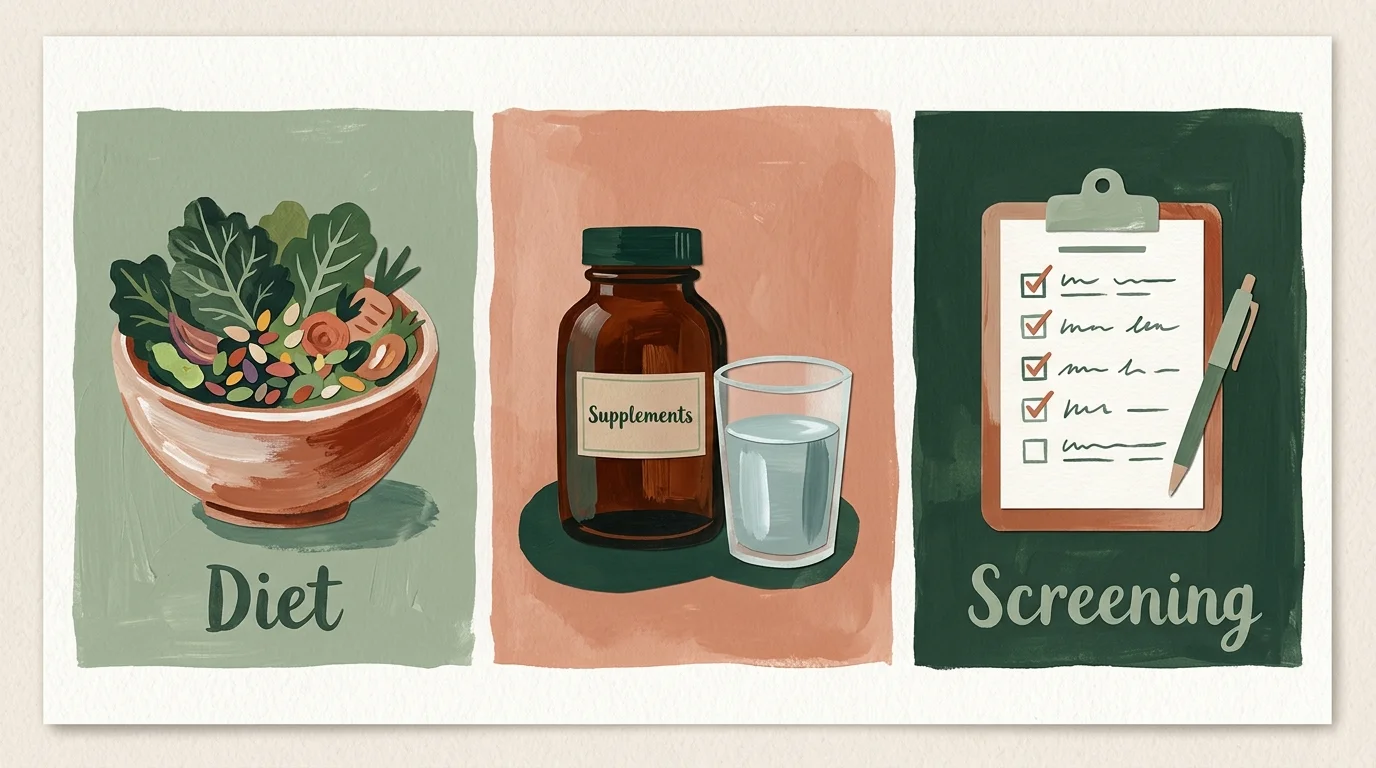
Restoring your micronutrient balance requires a comprehensive plan tailored to your lifestyle. Combining adjustments across four primary pillars creates a resilient foundation for long-term health.
Targeted Dietary Choices
Focus on nutrient-dense whole foods offering maximum micronutrients per calorie. Emphasize dark leafy greens, wild-caught fatty fish, fortified dairy or plant milks, nuts, and vibrant vegetables. When stomach acid decreases, light cooking or stewing vegetables makes minerals easier to absorb without causing digestive discomfort.
Metabolic and Movement Support
Physical activity enhances nutrient utilization and bone remodeling. Weight-bearing exercises prompt your skeleton to deposit calcium and magnesium efficiently, while brisk walking increases circulation, delivering vital nutrients to peripheral tissues and nerves.
Mindset and Habit Consistency
Sustainable habits rely on small, consistent actions rather than dramatic diet overhauls. Pair fortified food options with your daily routine, prepare nutrient-dense snacks, and monitor improvements in your energy and comfort over time.
Medical Collaboration and Targeted Care
Consult your primary care physician before introducing high-dose supplements. Request comprehensive blood biomarker panels measuring serum B12, 25-hydroxy Vitamin D, and red blood cell magnesium to supplement safely without drug interactions.

Real Voices and Clinical Perspectives
Clinical experts emphasize prioritizing dietary sources while strategically supplementing under medical supervision. According to guidance from the National Institute on Aging, whole foods provide co-factors that optimize nutrient uptake. Registered dietitians note that simple adjustments—like pairing Vitamin C with plant iron or taking crystalline B12—frequently resolve unexplained fatigue and muscle weakness. Geriatric specialists reinforce that routine biomarker screenings prevent minor gaps from becoming chronic issues.
Frequently Asked Questions
Should I automatically take a daily multivitamin after turning 50?
A multivitamin is not always necessary or sufficient. Your needs depend on diet, health history, and blood biomarker levels. Tailoring your approach with targeted nutrients like Vitamin D3 or crystalline B12 often proves more effective than a generic multi supplement.
How can I tell if reduced stomach acid is affecting my nutrient absorption?
Symptoms like frequent bloating, post-meal heaviness, brittle nails, and fatigue can indicate low stomach acid. Discussing gastrointestinal symptoms with your doctor and requesting targeted blood work is the best way to confirm malabsorption.
Are natural food sources superior to dietary supplements?
Whole foods provide fiber and phytochemicals that supplements lack. However, for conditions like atrophic gastritis, synthetic crystalline Vitamin B12 or fortified foods are absorbed better than food-bound B12. Combining dietary sources with targeted supplementation yields optimal results.
What blood tests should I request during my annual physical exam?
Ask your physician for a complete metabolic panel, 25-hydroxy Vitamin D, Vitamin B12, methylmalonic acid (MMA), complete blood count, and red blood cell magnesium. These tests establish an accurate baseline to guide your nutritional strategy.
Taking Your First Step Toward Lasting Vitality
Optimizing your nutritional health after 50 is a powerful investment in your longevity and daily independence. You do not need to reshape your lifestyle overnight. Choose one manageable step this week—such as scheduling blood biomarker testing with your doctor or adding two servings of magnesium-dense leafy greens to your dinner menu.
Take a moment today to reflect on your daily energy, physical comfort, and eating habits. What simple, nourishing change can you introduce today to give your body the essential micronutrients it needs to thrive?








Leave a Reply