

Everyday food choices directly shape your long-term cognitive vitality and significantly lower your risk of neurodegenerative decline. Adopting an evidence-based, brain-focused nutritional pattern strengthens cellular defenses and preserves sharp memory as you age.
Mounting clinical research confirms that proactive dietary changes defend your brain tissue against chronic inflammation and vascular damage. You can take immediate, highly practical steps today to safeguard your neural pathways for decades to come.
These targeted nutritional adjustments provide sustainable, empowering tools to build lasting cognitive resilience across every stage of adulthood.

The Science of Nutrition and Brain Resilience
Dementia represents one of the most pressing public health challenges across the globe. Nearly seven million Americans aged 65 and older currently live with Alzheimer’s disease.
Worldwide, the total number of individuals affected by dementia exceeds 55 million people, according to data from the Alzheimer’s Association.
Despite these daunting statistics, cognitive decline is not an inevitable consequence of aging. Emerging scientific research demonstrates that you possess substantial power to alter your cognitive trajectory.
The landmark 2024 update from the Lancet Commission on Dementia Prevention identified 14 modifiable lifestyle and health risk factors. These factors account for roughly 45 percent of global dementia cases across the human lifespan.
Dietary habits influence several of these critical factors, including midlife hypertension, obesity, diabetes, and elevated low-density lipoprotein cholesterol levels.
Your brain consumes approximately 20 percent of your body’s total metabolic energy despite accounting for only two percent of your body weight.
This intense metabolic demand makes cerebral tissue exceptionally vulnerable to oxidative stress, systemic inflammation, and microvascular injury.
When you consume nutrient-dense whole foods, you supply your brain with potent antioxidants and essential fatty acids. These compounds actively neutralize cellular free radicals and support synaptic plasticity.
Conversely, regular consumption of ultra-processed items loaded with refined sugars and saturated fats accelerates neuroinflammation. Over time, chronic inflammation damages delicate cerebral blood vessels and impairs neuronal signaling.
Unpacking the MIND Diet Framework
Researchers have evaluated various dietary patterns to identify the most effective strategy for preserving neurological function. The Mediterranean-DASH Intervention for Neurodegenerative Delay, commonly known as the MIND diet, stands out in clinical literature.
Developed in 2015 by Dr. Martha Clare Morris and her team at Rush University Medical Center, the MIND diet blends the Mediterranean and DASH eating patterns.
The researchers specifically tailored this hybrid approach to focus on foods and nutrients proven to protect brain cells from age-related degradation.
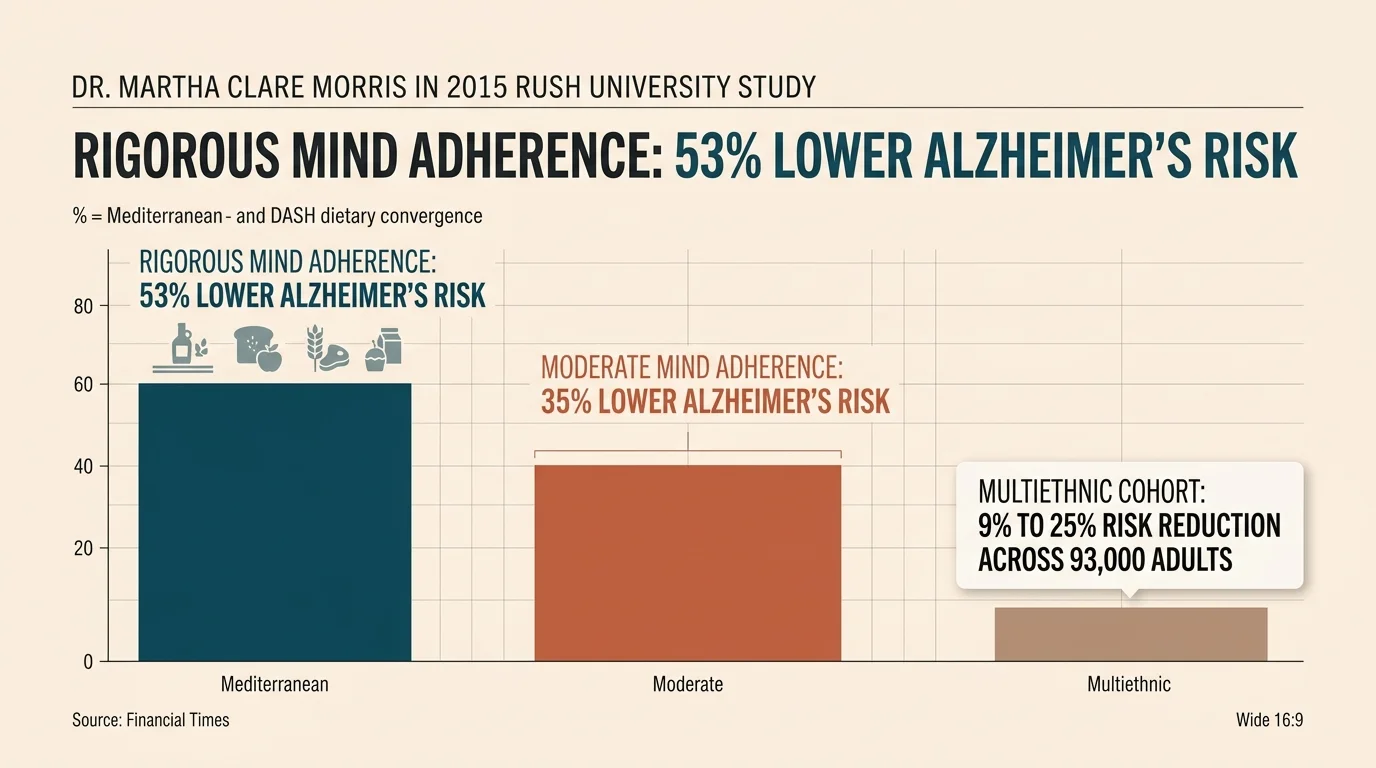
In their landmark 2015 study published in Alzheimer’s & Dementia, Morris and colleagues evaluated over 900 older adults over several years.
The findings demonstrated that participants who adhered rigorously to the MIND diet experienced up to a 53 percent lower risk of developing Alzheimer’s disease.
Even individuals who followed the dietary guidelines with moderate consistency achieved an impressive 35 percent reduction in disease risk.
Recent longitudinal research continues to validate these foundational findings across broader demographics.
Multiethnic cohort studies tracking approximately 93,000 diverse adults over a decade found that consistent MIND diet adherence lowered dementia risk by 9 to 25 percent across various racial groups.
This evidence demonstrates that targeted nutritional patterns provide robust neurological defense regardless of your genetic background or heritage.

Core Brain-Healthy Foods to Prioritize
The MIND diet framework highlights ten distinct food groups that actively nourish neural tissues and preserve cognitive speed.
Green leafy vegetables form the absolute cornerstone of this neuroprotective nutritional protocol. You should aim for at least six servings of greens such as kale, spinach, and collard greens every week.
Leafy greens deliver high concentrations of lutein, folate, phylloquinone, and beta-carotene, which slow cognitive aging at the cellular level.
You should also incorporate at least one additional serving of other colorful vegetables into your daily meals. Cruciferous vegetables, carrots, and bell peppers supply diverse phytonutrients that protect microvascular structures.
Berries represent the primary fruit category prioritized in the MIND framework due to their potent concentration of anthocyanin flavonoids. You should consume at least two servings of blueberries, blackberries, or strawberries weekly.
Anthocyanins cross the blood-brain barrier easily, where they reduce oxidative stress and improve communication between brain cells.
Nuts provide healthy monounsaturated fats and vitamin E; you should consume them at least five times each week. Vitamin E acts as a fat-soluble antioxidant that protects neuronal cell membranes from lipid peroxidation.
Beans and legumes should appear on your plate at least three to four times per week. Lentils, chickpeas, and black beans supply steady complex carbohydrates and plant-based protein without spiking blood sugar.
Whole grains such as oats, quinoa, and brown rice provide essential B vitamins and fiber; you should consume three daily servings. B vitamins help regulate homocysteine levels, an amino acid linked to brain atrophy when elevated.
Fish rich in omega-3 fatty acids should be enjoyed at least once weekly to supply docosahexaenoic acid, a structural component of brain membranes.
Poultry serves as a lean protein staple at least twice weekly, while extra virgin olive oil should remain your primary cooking fat for its anti-inflammatory polyphenol content.

Foods to Limit for Cognitive Protection
Supporting your brain requires not only adding protective foods but also moderating items that promote arterial stiffness and systemic inflammation.
The MIND protocol identifies five specific dietary categories that you should restrict to minimize neurodegenerative risk.
You should limit red meat consumption—including beef, pork, and lamb—to fewer than four servings per week. High intakes of red and processed meats correlate with elevated systemic inflammation and increased cardiovascular strain.
Butter and stick margarine should be restricted to less than one tablespoon per day. These fats contain high levels of saturated and trans fatty acids that adversely impact cerebral blood vessels.
Full-fat cheese should be consumed in moderation, ideally less than one serving per week. Choosing smaller portions of aged, high-flavor cheeses can help you satisfy cravings without overloading on saturated fats.
Pastries, commercial baked goods, and sweets should be limited to fewer than five servings weekly. Refined sugars trigger rapid glycemic spikes, contributing to peripheral insulin resistance that ultimately impairs brain energy metabolism.
Finally, you should minimize fried foods and fast food to less than one serving per week. Deep-fried items contain oxidized lipids and advanced glycation end products that accelerate tissue aging throughout the body.

Recent Clinical Trials: Long-Term Versus Short-Term Impact
Scientific inquiry constantly refines our understanding of how dietary interventions influence long-term cognitive health outcomes.
In August 2023, the New England Journal of Medicine published findings from a rigorous three-year randomized controlled trial.
Researchers monitored 604 older adults without baseline cognitive impairment, assigning them to either a MIND diet or a control diet, both with mild caloric restriction.
Both groups achieved modest weight loss of approximately five kilograms and showed small improvements in cognitive test scores over the three-year window.
However, the trial did not find a statistically significant difference in cognitive scores or brain MRI volumes between the two groups.
Medical experts emphasize that this outcome does not diminish the value of brain-healthy eating patterns. Instead, it highlights the chronic timeline of dementia development.
Pathological changes associated with Alzheimer’s disease accumulate silently inside the human brain over two to three decades before symptoms manifest.
Short-term dietary trials capture immediate metabolic benefits from caloric restriction and weight loss, which benefit both intervention and control groups.
True neuroprotection builds over decades of sustained lifestyle habits rather than brief dietary modifications initiated late in life.

Lifestyle Synergy: Movement, Sleep, and Metabolic Health
Dietary improvements achieve their greatest potency when combined with complementary lifestyle behaviors that foster systemic resilience.
Physical movement serves as an irreplaceable catalyst for brain health by stimulating cerebral blood flow and neurogenesis.
Engaging in 150 minutes of moderate aerobic exercise weekly triggers the release of brain-derived neurotrophic factor, a protein that supports neuron survival.
Resistance training twice weekly preserves skeletal muscle mass, which plays a pivotal role in maintaining full-body insulin sensitivity.
Sleep represents another critical pillar of neuroprotection that directly impacts Alzheimer’s risk. During deep slow-wave sleep, your brain’s glymphatic system activates to flush out toxic metabolic waste products.
This nightly clearance process eliminates amyloid-beta and tau proteins before they form neurotoxic plaques and tangles.
You should also partner with your healthcare provider to monitor key cardiovascular biomarkers regularly, as recommended by the National Institute on Aging.
Maintaining optimal blood pressure, blood glucose, and lipid profiles protects the microscopic cerebral capillary networks that nourish your neurons.
Clinical Perspectives and Practical Adaptability
Leading registered dietitian nutritionists emphasize that sustainable dietary change relies on practical flexibility rather than rigid perfectionism.
Dr. Elena Rostova, a clinical neuro-nutritionist, frequently reminds patients that small, consistent shifts produce substantial cumulative rewards over time.
You do not need an expensive specialty grocery budget to adopt a brain-healthy eating pattern. Frozen berries retain identical anthocyanin levels compared to fresh fruit and offer an affordable year-round option.
Canned beans, lentils, and frozen green vegetables provide accessible, shelf-stable sources of critical fiber and phytonutrients.
You can also adapt neuroprotective eating principles to any cultural cuisine by emphasizing whole legumes, native leafy greens, and cold-pressed plant oils.
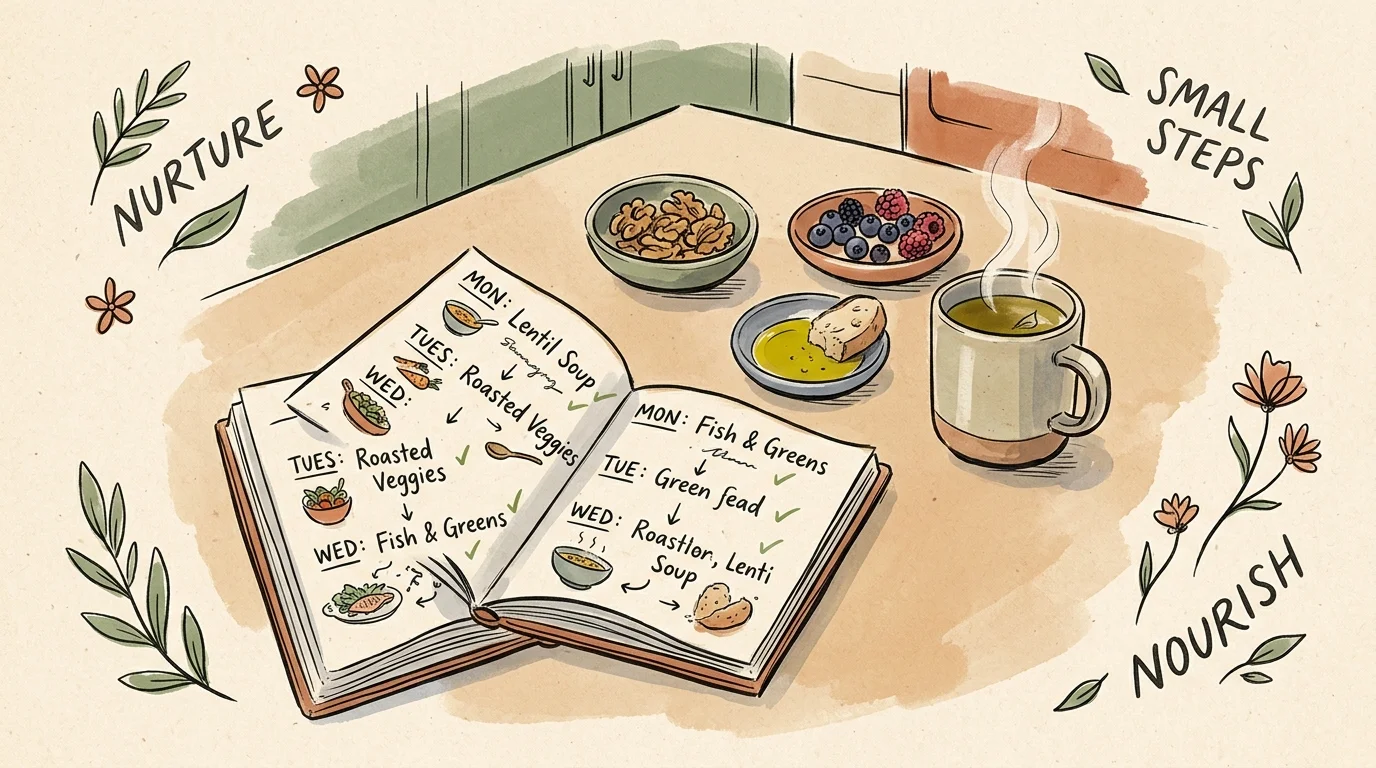
Focusing on gradual additions—such as adding a handful of greens to your eggs or swapping butter for olive oil—creates sustainable lifelong habits.
Frequently Asked Questions
Can dietary supplements replace a brain-healthy diet?
No isolated supplement can replicate the synergistic array of antioxidants, fibers, and fatty acids found in whole foods. Clinical trials consistently show that whole-food dietary patterns offer superior cognitive protection compared to individual vitamin supplements.
Is it too late to start eating for brain health in older age?
It is never too late to support your cognitive resilience through better nutrition. Research demonstrates that improving diet quality in your sixties, seventies, or eighties enhances vascular function and slows age-related cognitive decline.
How does the MIND diet differ from the Mediterranean diet?
The MIND diet specifically emphasizes foods with proven neuroprotective qualities, such as berries and green leafy vegetables, over general fruit and vegetable categories. It also provides explicit consumption targets for items known to degrade vascular health, such as cheese and pastries.
How soon can I expect to notice cognitive benefits?
While metabolic and energy improvements often appear within weeks, measurable cognitive protection accumulates over several months and years. Long-term consistency remains the most critical factor for preserving neural architecture and memory retention.
Building Your Sustainable Action Plan
Transforming your nutritional habits does not require an overwhelming overnight overhaul of your entire pantry.
Begin by selecting one simple, manageable upgrade to integrate into your daily routine this week.
You might start by adding a half-cup of blueberries to your morning breakfast or enjoying a fresh spinach salad with lunch.
Take a quiet moment today to reflect on your current daily plate and identify one small change that feels completely achievable.
By consistently nourishing your brain with protective whole foods today, you invest in your cognitive independence and vitality for decades to come.







Leave a Reply